

Mitsubishi Outlander Years to Avoid: A Used-Buyer’s Guide

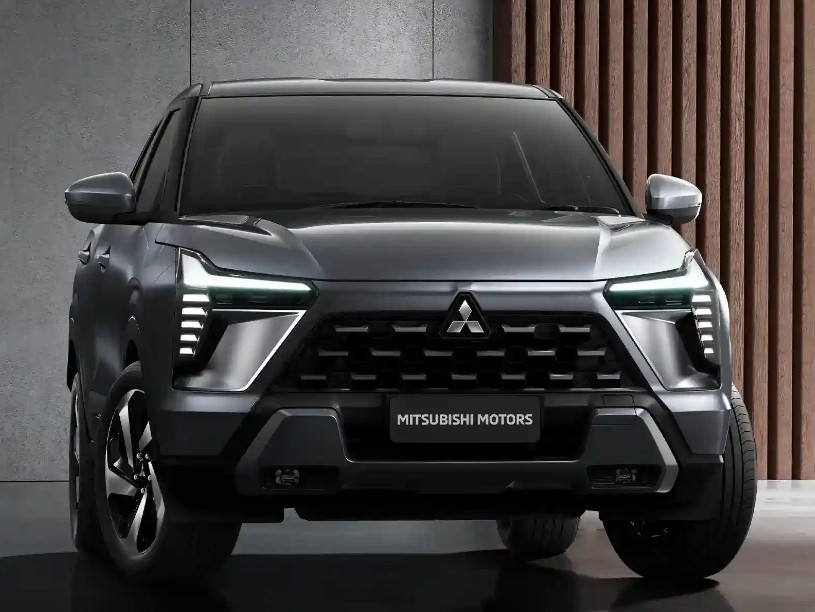
The Mitsubishi Outlander has always occupied an interesting corner of the SUV market. It offers family-friendly space, available all-wheel drive, respectable efficiency, and, depending on the model year, up to seven seats. Used examples also tend to cost less than comparable Toyota, Honda, or Subaru SUVs, making the Outlander look like a bargain hiding in plain sight.
But bargains can have shadows.
Although many Outlanders deliver years of dependable service, some production years have accumulated more complaints, recalls, transmission concerns, electrical glitches, or age-related problems than others. That does not mean every vehicle from those years is destined to fail. It simply means we should inspect them more carefully before handing over our money.
So, which Mitsubishi Outlander years should we avoid?
Our strongest caution applies to 2007–2009, 2014–2016, 2018, 2020, and 2022, although the reasons differ considerably. Some are now vulnerable because of age and corrosion. Others have drawn attention for continuously variable transmission behavior, parking-brake issues, electronic faults, software problems, or first-year redesign bugs.
Let’s unpack the risks, separate ordinary used-car wear from genuine warning signs, and determine which Outlander years may be safer alternatives.
Content in this publication
- Quick List of Mitsubishi Outlander Years to Avoid
- Which Mitsubishi Outlander Year Is the Worst?
- How We Identified the Riskiest Outlander Years
- Mitsubishi Outlander Years to Avoid by Generation
- 2007–2009 Mitsubishi Outlander: Age Amplifies Every Weakness
- 2010–2013 Mitsubishi Outlander: Better but Condition-Dependent
- 2014 Mitsubishi Outlander: First-Year Third-Generation Caution
- 2015 Mitsubishi Outlander: Improved but Not Trouble-Free
- 2016 Mitsubishi Outlander: Numerous Recall Considerations
- 2017 Mitsubishi Outlander: A More Appealing Middle Ground
- 2018 Mitsubishi Outlander: Gas and PHEV Complexity
- 2019 Mitsubishi Outlander: One of the Better Value Years
- 2020 Mitsubishi Outlander: Late-Generation but Still Worth Scrutiny
- 2021 Mitsubishi Outlander: The Missing Model-Year Detail
- 2022 Mitsubishi Outlander: First-Year Redesign Problems
- Which Mitsubishi Outlander Years Are Best?
- Are Mitsubishi Outlander Transmissions Unreliable?
- Are Older Outlander PHEVs Worth Buying?
- How to Inspect a Used Mitsubishi Outlander
- When a Bad Year Can Still Be a Good Purchase
- Final Verdict: Which Mitsubishi Outlander Years Should We Avoid?
- Frequently Asked Questions
Quick List of Mitsubishi Outlander Years to Avoid
Used-car shoppers should approach the following model years with additional caution:
- 2007 Mitsubishi Outlander
- 2008 Mitsubishi Outlander
- 2009 Mitsubishi Outlander
- 2014 Mitsubishi Outlander
- 2015 Mitsubishi Outlander
- 2016 Mitsubishi Outlander
- 2018 Mitsubishi Outlander
- 2020 Mitsubishi Outlander
- 2022 Mitsubishi Outlander
This is not a universal blacklist. Maintenance history, mileage, climate, trim level, drivetrain, and previous ownership matter enormously.
A beautifully maintained 2016 Outlander may be safer than a neglected 2019 model with missing service records. Used-car reliability is less like reading a birth certificate and more like reviewing a medical history: the year matters, but what happened afterward matters even more.
Which Mitsubishi Outlander Year Is the Worst?
The 2016 Mitsubishi Outlander deserves especially careful consideration because it sits within a period associated with numerous recall campaigns and owner concerns involving drivability, electrical systems, parking brakes, and safety equipment.
Depending on the vehicle’s configuration and production date, recall campaigns have addressed components such as door latches, parking-brake systems, windshield-wiper mechanisms, seat belts, and forward-collision technology.
However, the 2016 model is not automatically the worst Outlander ever built. A vehicle with completed recalls, frequent transmission-fluid servicing, a clean inspection, and a strong maintenance file may still be a reasonable purchase.
The problem arises when an attractive price tempts us to overlook an incomplete history.
How We Identified the Riskiest Outlander Years
To identify the Mitsubishi Outlander years to avoid, we considered several factors rather than relying on one dramatic owner story.
Recall Frequency and Severity
A recall does not automatically make a vehicle unreliable. In fact, recalls show that manufacturers and regulators have identified a defect and created a repair procedure.
Nevertheless, repeated campaigns involving brakes, suspension, visibility, collision-avoidance systems, or door mechanisms deserve attention. A recall repair only helps when the owner actually takes the vehicle to a dealership.
Before purchasing any Outlander, buyers should search the vehicle identification number through the relevant road-safety authority or Mitsubishi’s official recall-checking service.
Owner-Reported Failure Patterns
We also look for recurring themes, such as:
- CVT shuddering or hesitation
- Delayed acceleration
- Transmission overheating
- Premature brake wear
- Parking-brake problems
- Infotainment failures
- Warning lights
- Battery deterioration in older PHEVs
- Excessive suspension noise
- Corrosion in snow-belt regions
One complaint proves very little. A repeated pattern across vehicles, climates, and mileage levels deserves more weight.
Vehicle Age
Older Outlanders may be inexpensive, but time attacks rubber, seals, wiring, suspension bushings, cooling-system parts, and underbody components.
A 2008 Outlander that drove perfectly when new can still become a costly purchase nearly two decades later. At that age, condition often matters more than the badge on the hood.
First-Year Redesign Risk
The first year of a new generation frequently introduces new electronics, software, interior hardware, and mechanical packaging.
Even when the basic platform is sound, small defects may slip through. That concern applies particularly to the redesigned 2022 Mitsubishi Outlander.
Mitsubishi Outlander Years to Avoid by Generation
2007–2009 Mitsubishi Outlander: Age Amplifies Every Weakness
The second-generation Outlander represented a meaningful improvement in design, cabin quality, performance, and overall refinement. Unfortunately, early examples are now old enough that age-related deterioration can overwhelm their low purchase prices.
Common Concerns in 2007–2009 Models
Buyers may encounter:
- Suspension clunks
- Worn wheel bearings
- Oil leaks
- Cooling-system deterioration
- Corroded fasteners and underbody components
- Air-conditioning problems
- Electrical faults
- Rough shifting or transmission wear
- Cracked rubber hoses and bushings
- Neglected engine maintenance
These problems are not necessarily design catastrophes. Many simply reflect years of use, deferred maintenance, harsh weather, or multiple owners.
Still, an inexpensive SUV can quickly become a hungry machine. A transmission repair, air-conditioning overhaul, suspension rebuild, and new set of tires could exceed the vehicle’s market value.
Why Rust Matters So Much
Outlanders used in regions with road salt deserve a careful underbody inspection. Surface rust is common on older vehicles, but heavy scaling around suspension mounting points, brake lines, subframes, or structural seams is another matter.
Older Outlander campaigns have addressed components vulnerable to corrosion or water intrusion, reinforcing why recall completion and underbody inspection matter across aging second-generation vehicles.
Should We Completely Avoid Them?
Not necessarily.
A rust-free 2009 Outlander with one owner, complete records, modest mileage, and recent preventive maintenance can still make sense as basic transportation. However, we would not buy one without a lift inspection and diagnostic scan.
2010–2013 Mitsubishi Outlander: Better but Condition-Dependent
The later years of the second generation are generally more attractive than the earliest versions. Mitsubishi had time to refine production, and surviving examples may have clearer maintenance histories.
Even so, age remains the elephant in the garage.
What to Inspect
Pay particular attention to:
- Transmission-fluid condition
- Engine oil leaks
- Serpentine-belt tensioner noise
- Front suspension play
- Rear suspension corrosion
- Brake-line condition
- Warning lights
- Air-conditioning output
- Four-wheel-drive operation
- Proof of completed recalls
A 2010–2013 Outlander can be an affordable choice, but we should budget for repairs rather than expecting new-car behavior.
2014 Mitsubishi Outlander: First-Year Third-Generation Caution
The 2014 Outlander launched a new generation with improved efficiency, a lighter feel, updated styling, and an available third row. It also became more dependent on its CVT in mainstream four-cylinder configurations.
First-year models can be tempting because they look substantially newer than the generation they replaced. Yet the 2014 Outlander deserves caution because buyers have reported drivability complaints, interior-quality concerns, electronic quirks, and CVT behavior that may feel sluggish or inconsistent.
Potential 2014 Problems
Common areas to investigate include:
- Hesitation when accelerating
- CVT whining
- Shuddering under load
- Weak throttle response
- Premature brake wear
- Interior rattles
- Bluetooth or infotainment glitches
- Tailgate or latch issues
- Suspension noise
- Intermittent warning lights
Some characteristics are normal. A CVT holds engine speed differently from a conventional automatic transmission, which can create a droning sensation during acceleration.
However, pronounced shuddering, slipping, delayed engagement, metallic noises, or an overheating warning are not personality traits. They are warning signs.
Why CVT Maintenance Is Crucial
CVTs rely on the correct fluid to control friction, pressure, lubrication, and cooling. Using the wrong fluid—or treating the transmission as permanently maintenance-free—can shorten its life.
Before purchasing a 2014 Outlander, ask for invoices showing proper CVT-fluid servicing. A vague statement that “the previous owner probably did it” is not documentation.
2015 Mitsubishi Outlander: Improved but Not Trouble-Free
The 2015 model continued the third-generation formula. It can be affordable, efficient, and practical, but it shares many mechanical and ownership concerns with the 2014 version.
Reasons to Be Careful
A neglected 2015 Outlander may exhibit:
- CVT hesitation
- Transmission noise
- Rough low-speed response
- Brake vibration
- Uneven tire wear
- Weak battery performance
- Electrical warning lights
- Wiper-system trouble
- Door or tailgate hardware problems
When test-driving one, begin with the vehicle completely cold. Some sellers warm up a problematic car before an appointment because certain symptoms become less obvious once the fluids circulate.
We should test:
You may be interested in reading Renault Koleos Years to Avoid: A Used-Buyer’s Guide
- Engagement from park to drive
- Engagement from park to reverse
- Gentle acceleration
- Full-throttle acceleration
- Hill climbing
- Stop-and-go traffic
- Highway cruising
- Low-speed turning
- Braking from moderate speed
- Restarting after the vehicle becomes hot
A ten-minute loop around the dealership is not enough.
2016 Mitsubishi Outlander: Numerous Recall Considerations
The 2016 Outlander received noticeable styling and refinement improvements. Mitsubishi marketed it as significantly updated, and in many ways it was a more polished vehicle.
Yet this year also deserves a prominent place on our caution list.
Reported 2016 Trouble Areas
Depending on trim, engine, and production period, concerns may involve:
- Parking-brake operation
- Door latches
- Windshield-wiper hardware
- Seat-belt components
- Forward-collision systems
- CVT performance
- Electrical warnings
- Brake wear
- Suspension noises
The presence of multiple campaigns does not prove that an individual vehicle is defective today. The central question is whether all applicable remedies were completed correctly.
The Recall Paperwork Test
Ask the seller for dealership repair records. Then check the VIN independently.
A seller who says, “There were no recalls,” may simply mean that no warning letter reached the current address. Cars move, owners relocate, and notices disappear into drawers.
Should We Buy a 2016 Outlander?
We would consider one only when it has:
- A clean VIN recall check
- No CVT shudder or overheating history
- Documented fluid maintenance
- Consistent oil-change records
- Even tire wear
- No active warning lights
- A clean pre-purchase inspection
- No significant underbody corrosion
Without those conditions, a newer but slightly more expensive Outlander may offer better value.
2017 Mitsubishi Outlander: A More Appealing Middle Ground
The 2017 model is not flawless, but it may represent a more balanced point within the third generation. By then, Mitsubishi had refined several aspects of the platform.
We should still investigate CVT behavior, parking-brake operation, electronics, and recall history. However, a well-maintained 2017 often looks more attractive than a similarly maintained 2014–2016 example.
Think of it as the later batch of a recipe: the kitchen has already discovered where the first trays were burning.
2018 Mitsubishi Outlander: Gas and PHEV Complexity
The 2018 model year is important because it brought the Outlander PHEV to additional markets, although the plug-in version had already existed elsewhere.
The conventional gasoline model remained relatively straightforward. The PHEV added electric motors, a traction battery, charging hardware, cooling systems, control modules, and regenerative braking.
That technology can be rewarding, but used buyers need a more specialized inspection.
Gasoline-Outlander Concerns
Inspect for:
- CVT hesitation or noise
- Parking-brake faults
- Forward-collision warnings
- Touchscreen problems
- Uneven brake wear
- Suspension knocks
- Liftgate issues
- Recall completion
Outlander PHEV Concerns
For the plug-in hybrid, verify:
- Usable battery capacity
- Real electric range
- Charging-port operation
- Charging-cable condition
- Battery-cooling performance
- Warning messages
- Smooth transitions between electric and gasoline power
- Heater and air-conditioning operation
- Service history from a PHEV-qualified technician
Battery Degradation Is Not Binary
An older PHEV battery rarely moves from “perfect” to “dead” overnight. Capacity usually declines gradually.
A 2018 Outlander PHEV may still drive normally while offering less electric range than it did when new. That might be acceptable when reflected in the price. The problem is paying a premium without measuring battery health.
2019 Mitsubishi Outlander: One of the Better Value Years
The 2019 Outlander generally benefits from several years of third-generation production. It is not the most modern or exciting compact SUV, but excitement is not always the objective.
Sometimes we simply need an SUV that starts each morning, carries the family, and does not treat the repair shop like a second home.
A properly serviced 2019 model can be a sensible used buy. We would still inspect the CVT, electronic driver-assistance systems, parking brake, brakes, and PHEV battery where applicable.
2020 Mitsubishi Outlander: Late-Generation but Still Worth Scrutiny
Late-generation vehicles are often safer bets, but the 2020 Outlander is not an automatic recommendation.
Some recall actions in different markets have involved forward-collision mitigation software in Outlanders produced around this period. Incorrect image processing or sensor behavior can affect how a driver-assistance system operates.
Potential 2020 Issues
Buyers should watch for:
- Forward-collision system warnings
- Camera calibration problems
- Infotainment glitches
- CVT hesitation
- Parking-brake concerns
- Premature brake wear
- Battery degradation in PHEVs
- Charging interruptions
- Liftgate-support problems
A 2020 model with verified updates may still be a good purchase. We simply should not assume that a late build is immune to recalls.
2021 Mitsubishi Outlander: The Missing Model-Year Detail
In some markets, the standard Outlander skipped or had limited availability for the 2021 model year while Mitsubishi prepared the redesigned vehicle. The previous-generation Outlander PHEV continued in certain regions.
This creates confusion in used listings. Sellers may incorrectly label registration years as model years, especially with imported vehicles.
Always decode the VIN rather than trusting the advertisement headline.
2022 Mitsubishi Outlander: First-Year Redesign Problems
The 2022 Outlander arrived with dramatic styling, a more upscale interior, modern technology, and a platform closely related to the Nissan Rogue.
It felt like a major leap forward. Compared with the older model, the cabin looked as though Mitsubishi had switched from fluorescent office lighting to a boutique hotel lobby.
Nevertheless, 2022 was the first year of an all-new generation, and first-year vehicles often carry teething problems.
Issues Reported Around the 2022 Model
Potential concerns include:
- Infotainment freezing
- Rearview-camera problems
- Electronic warning messages
- Driver-assistance sensor faults
- Wireless connectivity issues
- Hood vibration or flutter
- Interior trim noises
- Battery drain
- Software-update requirements
- Intermittent keyless-entry problems
Rearview-Camera Concerns
Some Outlander-family vehicles have been affected by campaigns involving infotainment software that could cause the rearview image to freeze or disappear.
A dealer software update may resolve the issue, but shoppers should confirm that all required work has been completed.
Hood Flutter
Some 2022 owners have also reported hood vibration at highway speed.
During a test drive, observe the rear edge of the hood at motorway speed. Mild movement can occur on many vehicles, but obvious lifting, shaking, or latch instability deserves inspection.
Should We Avoid Every 2022 Outlander?
No. The redesigned Outlander can be spacious, comfortable, attractive, and well equipped.
However, we prefer a thoroughly updated example with:
- Completed software recalls
- No persistent warning lights
- Stable hood alignment
- Fully functioning cameras
- Smooth infotainment performance
- A healthy 12-volt battery
- Complete dealership records
A later model may provide extra refinement, although no used vehicle is immune from problems.
Which Mitsubishi Outlander Years Are Best?
The following years may offer a more favorable balance of reliability, age, equipment, and price.
2012–2013 Outlander
These can be worthwhile for shoppers seeking a simple, inexpensive SUV, particularly when rust is minimal and maintenance records are complete.
They are still older vehicles, so inspection quality matters more than cosmetic shine.
2017 Outlander
The 2017 model benefits from improvements introduced during the third generation without being its first production year. It may provide better value than the 2014–2016 models.
2019 Outlander
For many shoppers, 2019 is one of the strongest value choices. It offers relatively modern equipment while benefiting from years of platform development.
2023–2024 Outlander
These later examples of the redesigned generation may be preferable to the 2022 launch model. However, buyers should still check for software recalls, camera updates, service campaigns, and electronic problems.
You may be interested in readingRenault Koleos Years to Avoid: A Used-Buyer’s GuideYou may be interested in reading
 BMW 8 Series Years: Generations, Best Years, and Complete History
No year replaces a pre-purchase inspection. A recommendation is a starting line, not a finish line.
Are Mitsubishi Outlander Transmissions Unreliable?
Not every Outlander uses the same transmission.
Four-cylinder third-generation gasoline models commonly use a CVT, while certain older V6 versions use a conventional automatic. PHEVs use a different powertrain arrangement that does not behave like an ordinary stepped automatic.
How a Healthy CVT Should Feel
A healthy CVT may:
- Hold the engine at a steady speed during acceleration
- Produce a mild droning sound
- Respond differently from a traditional automatic
- Keep engine revs high on steep hills
- Simulate stepped shifts in some driving modes
Those characteristics are not necessarily defects.
Signs of a Potentially Failing CVT
Walk away or obtain a specialist diagnosis when the vehicle exhibits:
- Strong shuddering
- Delayed engagement
- Slipping
- Burning smells
- Grinding or metallic noise
- Transmission-overheat warnings
- Sudden loss of acceleration
- Severe whining that changes with load
- Fluid leaks
- Limp-mode operation
A CVT replacement can erase every dollar saved by buying the cheapest listing.
Questions to Ask the Seller
Ask directly:
- When was the CVT fluid last changed?
- Which fluid specification was used?
- Was the work performed by a dealer or independent shop?
- Has the transmission ever overheated?
- Has the vehicle towed a trailer?
- Has the transmission been repaired or replaced?
- Are invoices available?
Clear questions often produce clearer truths.
Are Older Outlander PHEVs Worth Buying?
An older Outlander PHEV can be an excellent fit for drivers who charge at home and complete many short trips. Even with reduced battery capacity, it may still save fuel.
However, purchasing one without a battery-health report is like buying a house without checking the roof.
PHEV Inspection Checklist
A qualified technician should evaluate:
- Battery state of health
- Cell-voltage balance
- Diagnostic trouble codes
- Charging speed
- Charging interruptions
- Electric-only operation
- Gasoline-engine startup
- Regenerative braking
- Cooling-system performance
- High-voltage wiring
- Remaining battery warranty
- Evidence of collision damage underneath the battery enclosure
Battery age alone does not determine condition. Climate, charging habits, heat exposure, storage state of charge, mileage, and software management all influence deterioration.
How to Inspect a Used Mitsubishi Outlander
Check the VIN for Open Recalls
A recall search should happen before money changes hands. Do not rely entirely on a dashboard without warning lights or a seller’s memory.
Recall repairs are generally performed without charge when the vehicle qualifies for an open campaign.
Demand a Cold Start
Ask the seller not to start the vehicle before your arrival.
A cold engine can reveal:
- Accessory-belt noise
- Weak battery performance
- Exhaust smoke
- Rough idle
- Delayed transmission engagement
- Warning lights
- Coolant leaks
Scan Every Control Module
A basic code reader may show engine faults, but a professional scan tool can inspect transmission, braking, airbag, all-wheel-drive, camera, battery, and body-control modules.
Recently erased codes are also revealing. When every monitor shows “not ready,” someone may have disconnected the battery or cleared faults shortly before the sale.
Inspect the Underbody
Look for:
- Oil leaks
- Transmission leaks
- Coolant residue
- Crushed lifting points
- Structural rust
- Damaged exhaust components
- Torn suspension boots
- Uneven tire wear
- PHEV battery-enclosure damage
Test Every Electronic Feature
Operate the:
- Touchscreen
- Rearview camera
- Parking sensors
- Adaptive cruise control
- Forward-collision system
- Heated seats
- Climate control
- Power liftgate
- Keyless entry
- USB ports
- Bluetooth
- Instrument display
- Four-wheel-drive modes
Electronic repairs rarely become cheaper because the rest of the vehicle looks clean.
When a Bad Year Can Still Be a Good Purchase
A supposedly bad year may still work when the price reflects the risk and the vehicle has exceptional records.
Consider the purchase when:
- All recalls are complete
- The transmission behaves normally
- Maintenance is documented
- The body is rust-free
- The tires match
- No warning lights are active
- The inspection finds no major problems
- The seller allows an extended test drive
- The price leaves room for future repairs
Conversely, avoid even a highly recommended year when the seller refuses an inspection, hides the VIN, warms the engine before every visit, cannot explain warning lights, or claims that transmission fluid never needs changing.
Final Verdict: Which Mitsubishi Outlander Years Should We Avoid?
The Mitsubishi Outlander years requiring the greatest caution are 2007–2009, 2014–2016, 2018, 2020, and 2022.
The reasons are not identical.
Early second-generation models are now vulnerable to corrosion, deteriorated rubber components, suspension wear, cooling-system problems, and years of deferred maintenance. The 2014–2016 vehicles deserve scrutiny for CVT behavior, recall history, brakes, latches, wipers, and electronic systems.
The 2018 and 2020 models require careful attention to recalls, driver-assistance technology, parking-brake systems, and PHEV battery condition. The redesigned 2022 Outlander introduces concerns involving software, cameras, hood movement, and first-year electronic bugs.
Still, model year should never become our only filter.
A well-documented Outlander with completed recalls and a clean inspection can be a smarter purchase than a newer example wearing neglected tires, old transmission fluid, and a dashboard full of hidden codes.
The badge tells us what the vehicle is. Its records tell us how it has lived.
Frequently Asked Questions
1. What Is the Most Reliable Mitsubishi Outlander Year?
The 2019 Outlander is often one of the more appealing used choices because it arrived late in the third generation and avoided some first-year uncertainty.
The 2017 model can also provide good value. Among newer examples, a properly updated 2023 or 2024 Outlander may be preferable to the first-year 2022 version.
Reliability still depends on maintenance, mileage, climate, accident history, and drivetrain.
2. Should We Avoid a Mitsubishi Outlander With a CVT?
We do not need to reject every CVT-equipped Outlander. Instead, we should avoid vehicles with missing transmission-service records, shuddering, overheating warnings, delayed engagement, slipping, or unusual noises.
A healthy CVT using the correct fluid can provide long service. A neglected one can produce an expensive repair bill.
3. How Many Miles Can a Mitsubishi Outlander Last?
A well-maintained Outlander can potentially exceed 150,000 to 200,000 miles, while exceptionally cared-for examples may travel farther.
Longevity depends heavily on oil changes, cooling-system care, transmission servicing, driving conditions, rust prevention, and prompt repairs.
Mileage alone is not a verdict. A highway-driven Outlander with 130,000 miles and excellent records may be healthier than a neglected city vehicle with 70,000 miles.
4. Is a Used Mitsubishi Outlander PHEV Reliable?
A used Outlander PHEV can be reliable, but it requires a more specialized evaluation than the gasoline model.
Buyers should request a traction-battery health report, confirm charging operation, inspect the battery enclosure, check recall completion, and test the transition between electric and gasoline power.
Reduced electric range does not always mean failure, but battery condition should influence the purchase price.
5. Is the 2022 Mitsubishi Outlander a Bad SUV?
The 2022 Outlander is not inherently bad. It offers an attractive cabin, good passenger space, available all-wheel drive, modern safety equipment, and improved refinement.
However, it was the first year of a full redesign and has been associated with software, rearview-camera, infotainment, hood-flutter, and electronic concerns.
We would buy one only after confirming all recall work and software updates.
You may be interested in readingRenault Koleos Years to Avoid: A Used-Buyer’s GuideYou may be interested in reading
BMW 8 Series Years: Generations, Best Years, and Complete HistoryYou may be interested in reading
 Mazda BT-50 vs Mitsubishi Triton: Which Ute Is Better?
If you want to know other articles similar to Mitsubishi Outlander Years to Avoid: A Used-Buyer’s Guide you can visit the category Models.
Honda Passport vs Toyota 4Runner: Which SUV Is Better?
Honda Passport vs Ford Bronco: Which SUV Is Better?
Honda Passport vs Ford Explorer: Which SUV Is Better?
Honda Passport or Pilot: Which SUV Is Better?
Honda Passport vs Jeep Grand Cherokee: Which SUV Is Better?
Honda Passport vs Nissan Pathfinder: Which SUV Is Better?
Leave a Reply
More content of your interest