
Is Mitsubishi Outlander PHEV a Good Car? An Honest Ownership Guide

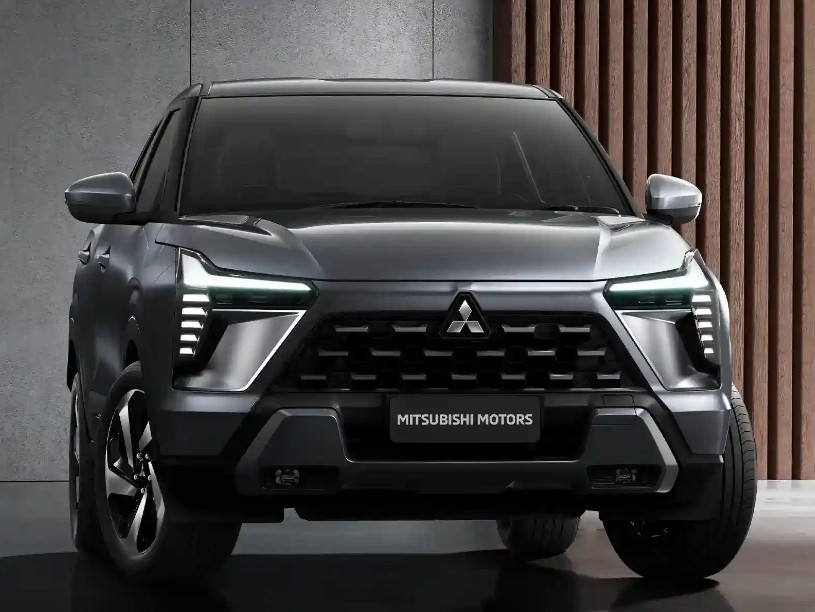
The Mitsubishi Outlander PHEV is a bit like a bridge between two worlds. On one side, we have familiar gasoline-powered SUVs. On the other, we have fully electric vehicles that require us to rethink how, where, and when we refuel. The Outlander PHEV sits comfortably in the middle, offering electric driving for shorter trips and a gasoline engine for longer journeys.
But is Mitsubishi Outlander PHEV a good car, or is its plug-in technology more complicated than it is worth?
For many drivers, the answer is yes. The Outlander PHEV can be an efficient, practical, and surprisingly comfortable family SUV, particularly when we charge it regularly. It gives us all-wheel-drive capability, flexible passenger space, a quiet driving experience, and freedom from the range anxiety sometimes associated with fully electric cars.
However, it is not the perfect choice for everyone. Its fuel economy can disappoint when the battery remains empty, some older models feel dated inside, and the small third row in newer versions is better suited to occasional use than daily family transport.
Let us examine the complete picture before deciding whether this plug-in hybrid SUV deserves a place in our driveway.
Content in this publication
- What Is the Mitsubishi Outlander PHEV?
- Is Mitsubishi Outlander PHEV a Good Car Overall?
- How the Outlander PHEV Works in Real Life
- Outlander PHEV Performance and Acceleration
- Ride Comfort and Handling
- Interior Quality and Cabin Design
- Cargo Space and Everyday Practicality
- Fuel Economy: Excellent or Disappointing?
- Charging the Mitsubishi Outlander PHEV
- Battery Life and Long-Term Durability
- Reliability: Is the Outlander PHEV Dependable?
- Maintenance Costs
- Safety and Driver-Assistance Technology
- Advantages of the Mitsubishi Outlander PHEV
- Disadvantages of the Mitsubishi Outlander PHEV
- New Versus Used Outlander PHEV
- Is the Outlander PHEV Good for Highway Driving?
- Is It Good for Towing?
- Who Should Buy an Outlander PHEV?
- Who Should Consider Something Else?
- How the Outlander PHEV Compares With a Regular Hybrid
- How It Compares With a Fully Electric SUV
- Tips for Getting the Best From an Outlander PHEV
- Verdict: Is Mitsubishi Outlander PHEV a Good Car?
- Frequently Asked Questions
What Is the Mitsubishi Outlander PHEV?
The Mitsubishi Outlander PHEV is the plug-in hybrid version of Mitsubishi’s midsize crossover. Unlike a conventional hybrid, it carries a larger battery that can be charged from an external power source.
That battery allows the vehicle to travel a meaningful distance using electricity alone. When the available electric charge runs low, the gasoline engine takes over or assists the electric motors.
In everyday language, we can think of it as an electric SUV with a gasoline safety net.
The powertrain generally includes:
- A gasoline engine
- A rechargeable high-voltage battery
- Front and rear electric motors
- An electronically controlled all-wheel-drive system
- Regenerative braking
- Multiple drive and energy-management modes
The exact battery capacity, electric range, power output, charging capability, and seating configuration vary by country and model year. Therefore, shoppers should always verify the specifications of the exact vehicle they are considering.
Is Mitsubishi Outlander PHEV a Good Car Overall?
Yes, the Mitsubishi Outlander PHEV is a good car for drivers who can charge at home or work and mainly complete short-to-medium daily journeys.
Its strongest quality is flexibility. We can drive locally on electricity, travel farther using gasoline, and avoid planning every road trip around public charging stations. That makes the Outlander PHEV easier to live with than many fully electric SUVs, especially in areas where charging infrastructure remains inconsistent.
It is particularly attractive for:
- Daily commuters with access to charging
- Families needing an adaptable SUV
- Drivers living in rainy, snowy, or rural areas
- Buyers who want to reduce fuel use without going fully electric
- Motorists who make short weekday trips and longer weekend journeys
The Outlander PHEV is less convincing for people who cannot charge regularly. Without frequent charging, we carry the weight and complexity of a plug-in hybrid while missing its biggest financial and environmental advantages.
How the Outlander PHEV Works in Real Life
A plug-in hybrid can sound complicated on paper, but daily operation is usually straightforward.
We plug the vehicle in, charge the battery, and begin the next journey using electric power. The vehicle’s control system decides when to use the engine, electric motors, or a combination of both.
During light acceleration and low-speed driving, the Outlander PHEV may behave much like an electric car. It moves quietly and responds smoothly without the traditional sensation of an automatic transmission changing gears.
At higher speeds, during hard acceleration, in cold weather, or when the battery is depleted, the gasoline engine becomes more involved.
Electric Driving Around Town
Urban driving is where the Outlander PHEV makes the most sense.
Electric motors deliver immediate torque, so the SUV feels responsive when pulling away from traffic lights. Stop-and-go traffic also gives the regenerative braking system more opportunities to recover energy.
When the battery has sufficient charge, local errands can be completed with little or no gasoline use. School runs, grocery trips, office commutes, and short appointments are exactly the kind of journeys that suit this vehicle.
The driving experience is also pleasantly quiet. Without the engine constantly humming in the background, the cabin can feel calm, almost like a living room gliding through traffic.
Gasoline Assistance on Longer Trips
Once the battery’s usable electric charge runs low, the vehicle continues operating as a hybrid. We do not need to stop and recharge immediately.
This is one of the Outlander PHEV’s greatest strengths. A fully electric SUV may force us to consider charging speed, charger reliability, and station availability. The Mitsubishi simply continues using gasoline.
That convenience does come with a compromise. When operating mainly on gasoline, the Outlander PHEV may not be as efficient as a lighter conventional hybrid. Its battery, motors, and electrical hardware add weight, and that weight must travel with us even after the electric range has been used.
Why Charging Habits Matter So Much
A plug-in hybrid rewards routine.
When we charge every night and drive mostly within the electric range, the vehicle can use very little gasoline. When we rarely charge and regularly drive long distances, fuel consumption may rise noticeably.
Two owners can therefore report completely different experiences with the same model. One may visit a gas station only occasionally, while another may wonder why the SUV is not delivering miraculous fuel economy.
The difference is often not the vehicle. It is the charging pattern.
Outlander PHEV Performance and Acceleration
The Outlander PHEV is not designed as a high-performance SUV, but newer versions generally provide confident acceleration for merging, overtaking, and climbing hills.
Electric motors respond immediately, which helps the vehicle feel energetic from a standstill. The acceleration is often smoother than dramatic. Rather than roaring forward like a sports SUV, it builds speed in a steady, controlled wave.
Older Outlander PHEV models may feel less powerful, especially when heavily loaded or traveling at highway speeds. Their appeal lies more in efficiency and all-weather confidence than outright speed.
For normal family driving, however, performance is usually adequate. We can join fast-moving traffic without anxiety and maintain highway speeds comfortably.
Does the Engine Sound Strange?
Some drivers notice that the gasoline engine does not always seem directly connected to road speed.
The engine may rev while the vehicle’s speed rises gradually, particularly under hard acceleration or when charging the battery. This can feel unusual if we are accustomed to a traditional geared transmission.
It is not necessarily a fault. It is a characteristic of the hybrid system’s operation.
That said, a test drive is important. Some people barely notice the sound, while others find the engine note intrusive when accelerating firmly.
Ride Comfort and Handling
Comfort is one of the Outlander PHEV’s stronger qualities, especially in newer generations.
The vehicle generally favors a relaxed ride rather than sharp cornering. It feels stable and secure, with the battery’s low position helping keep the center of gravity under control.
On smooth highways, the Outlander PHEV can feel composed and quiet. Around town, it absorbs many ordinary bumps without unsettling passengers. Large wheels and lower-profile tires, however, may make potholes and broken pavement more noticeable.
The steering is usually light, which helps during parking and low-speed maneuvering. Drivers expecting sports-car precision may find it somewhat detached, but family-SUV buyers will probably appreciate how easy it is to operate.
Is the Outlander PHEV Good in Snow?
The Outlander PHEV can be a strong choice for winter driving because it typically uses electric motors at both axles to provide all-wheel-drive capability.
Its traction-management system can distribute power quickly, improving stability on wet, snowy, or loose surfaces. Depending on the model year, drivers may also have selectable modes for conditions such as snow, gravel, or mud.
Still, all-wheel drive is not magic. Tire quality remains crucial. A well-equipped front-wheel-drive vehicle on proper winter tires can outperform an all-wheel-drive SUV wearing unsuitable rubber.
For serious winter use, we should combine the Outlander PHEV’s traction system with high-quality seasonal tires.
Interior Quality and Cabin Design
Interior quality depends heavily on the generation.
Earlier Outlander PHEV models often prioritized functionality over luxury. Their dashboards could look plain, some plastics felt inexpensive, and infotainment systems were not always intuitive.
Newer versions offer a more polished cabin. They generally provide better materials, improved seat design, larger screens, more modern controls, and a stronger sense of visual quality.
The interior is still designed for practical family use. Storage spaces, cupholders, charging ports, and an elevated seating position make everyday life easier.
We should not expect every surface to feel like it came from a premium European SUV. Nevertheless, recent models can feel comfortably upscale compared with older Mitsubishi interiors.
You may be interested in reading Can Mitsubishi Outlander Tow Caravan? Capacity, Limits, and Practical Advice
Front-Seat Comfort
The front seats typically provide a supportive driving position and a clear view of the road. Many versions offer useful features such as:
- Heated front seats
- Power seat adjustment
- Heated steering wheel
- Dual-zone climate control
- Smartphone integration
- Digital driver displays
- Surround-view parking cameras
Equipment varies between trim levels, so buyers should compare features carefully rather than assuming every Outlander PHEV includes the same technology.
Second-Row Passenger Space
The second row is generally suitable for adults and growing children. The relatively tall body provides useful headroom, while the wide-opening doors can make it easier to fit child seats.
Legroom varies by generation and seat position, but newer models tend to feel more spacious than earlier ones.
The flat or nearly flat floor can also improve comfort for the middle passenger, although three adults across the second row may still feel crowded during long trips.
Is the Third Row Actually Useful?
Some newer Outlander PHEV versions offer seven seats, but the third row should be viewed as an occasional solution.
It works best for children, shorter passengers, or short journeys. Adults may find access difficult and legroom limited. Cargo capacity also becomes restricted when all seats are in use.
Families that regularly carry seven people should compare the Outlander PHEV with larger three-row SUVs or minivans. The Mitsubishi provides flexibility, but it is not a full-size people carrier.
Cargo Space and Everyday Practicality
The Outlander PHEV offers useful cargo space, although the hybrid hardware can affect packaging compared with a gasoline-only SUV.
With the rear seats folded, we can transport bulky shopping, luggage, sports equipment, or household items. The wide tailgate opening helps, and higher trims may include a powered tailgate.
In seven-seat versions, cargo space behind the third row is limited. Folding those small rear seats creates a much more useful luggage area.
Practical details matter as much as raw volume. A low loading lip, adjustable rear seats, underfloor storage, and a sensible cargo shape can make the vehicle easier to live with than its measurements initially suggest.
Fuel Economy: Excellent or Disappointing?
The answer depends almost entirely on how we use it.
A fully charged Outlander PHEV driven mainly on short trips can deliver exceptionally low gasoline consumption. Some owners complete most weekday journeys without starting the engine for long periods.
However, official plug-in hybrid fuel-economy figures can be misleading when viewed without context. They assume regular charging and a specific balance of electric and gasoline driving.
After the battery’s usable charge is depleted, real-world fuel consumption becomes more conventional.
Best-Case Driving Pattern
The Outlander PHEV performs best when:
- We charge at home every night.
- Our daily commute fits within or near the available electric range.
- Most journeys involve urban or suburban traffic.
- Long highway trips happen only occasionally.
- We precondition the cabin while connected to power.
Under these conditions, fuel use can fall dramatically.
Worst-Case Driving Pattern
The Outlander PHEV becomes less compelling when:
- We cannot charge at home or work.
- We drive long highway distances every day.
- The battery remains empty most of the time.
- We frequently tow or carry heavy loads.
- We expect conventional-hybrid efficiency after electric range is exhausted.
In this scenario, a lighter gasoline hybrid or diesel vehicle—where available—may be more economical.
Charging the Mitsubishi Outlander PHEV
Most owners will complete routine charging at home.
A standard household outlet may be sufficient for overnight charging, depending on local voltage, charging equipment, and battery size. A dedicated home charging unit can provide faster, safer, and more convenient charging.
Some Outlander PHEV generations also support DC rapid charging, although connector type, maximum speed, and regional availability differ. Even where rapid charging is available, the charging rate may be modest compared with modern fully electric vehicles.
For many owners, rapid charging is a useful bonus rather than the main charging method.
Do We Need a Home Charger?
A dedicated charger is not always essential, but reliable access to overnight charging greatly improves the ownership experience.
Without home charging, we may depend on public stations. That can reduce convenience and weaken the financial argument for choosing a plug-in hybrid.
Before buying, we should answer three questions:
- Where will we normally charge?
- How much does electricity cost there?
- Can we charge often enough to use the electric range?
These questions matter more than the size of the touchscreen or the design of the alloy wheels.
Battery Life and Long-Term Durability
High-voltage battery condition is one of the biggest concerns for used Outlander PHEV buyers.
Like every rechargeable battery, the pack gradually loses capacity with age, heat exposure, charging cycles, and use. A reduction in capacity does not necessarily make the vehicle unusable, but it lowers the distance we can travel on electricity.
Older Outlander PHEVs may show noticeably less electric range than they delivered when new.
Battery degradation varies. Some vehicles retain useful capacity for many years, while others decline more quickly. Climate, charging habits, mileage, software updates, and battery-management strategies can all play a role.
How to Check a Used PHEV Battery
Before buying a used example, we should request:
- A professional battery-health report
- A complete service history
- Confirmation of remaining battery warranty
- Evidence of completed recalls or software campaigns
- A test showing charging behavior
- A real-world electric-range demonstration
The dashboard’s displayed range is not enough. It changes according to recent driving style, weather, climate-control use, and terrain.
An independent inspection by a technician familiar with hybrid and electric vehicles is worth the expense.
Can the Battery Be Replaced?
Battery repair or replacement is possible, but costs can be substantial outside warranty.
In some markets, specialists may repair individual modules or install tested replacement packs. Availability, pricing, and legal requirements vary widely.
Fortunately, complete battery failure is not the typical ownership experience. Gradual capacity loss is more common. Nevertheless, buyers should understand the warranty terms and potential long-term cost before purchasing an older high-mileage vehicle.
Reliability: Is the Outlander PHEV Dependable?
The Outlander PHEV has a relatively mature plug-in hybrid system, and many vehicles have covered substantial mileage successfully. Its electric motors have fewer moving parts than conventional transmissions, and regenerative braking may reduce wear on friction brakes.
Still, reliability is not defined by the powertrain alone. Owners may encounter issues involving:
- Charging equipment
- Battery capacity
- Infotainment systems
- Sensors and warning lights
- Air-conditioning systems
- 12-volt batteries
- Suspension components
- Power tailgates
- Electronic parking brakes
- Software calibration
Some problems are minor annoyances. Others can be expensive, particularly when specialist diagnosis is required.
Service history matters more than a shiny exterior. A well-maintained Outlander PHEV with documented inspections may be a safer purchase than a lower-mileage vehicle with missing records.
The Often-Forgotten 12-Volt Battery
Like many electrified vehicles, the Outlander PHEV still relies on a conventional 12-volt battery to activate its control systems.
A weak 12-volt battery can cause confusing symptoms, including warning messages, failure to start, electrical glitches, or keyless-entry problems. Drivers may assume the large traction battery has failed when the smaller battery is actually responsible.
This is usually a simpler and cheaper problem, but it demonstrates why proper diagnosis matters.
Maintenance Costs
Routine maintenance can be reasonable because the vehicle may use its engine less frequently than a conventional SUV. Regenerative braking can also extend brake-pad life.
However, the Outlander PHEV still needs regular servicing. The gasoline engine requires oil changes, filters, coolant checks, and other scheduled maintenance even when it operates infrequently.
Additional hybrid components may require specialized inspections. Labor rates can be higher if only certain workshops have the necessary training and equipment.
Typical ownership expenses may include:
- Engine oil and filter changes
- Brake-fluid replacement
- Tire replacement
- Cooling-system service
- Air-conditioning maintenance
- Suspension repairs
- 12-volt battery replacement
- Charging-cable replacement
- Hybrid-system diagnostics
Tires may wear faster than expected because plug-in hybrids are relatively heavy and produce immediate torque. Correct tire pressure and regular rotation can help.
You may be interested in readingCan Mitsubishi Outlander Tow Caravan? Capacity, Limits, and Practical AdviceYou may be interested in reading
 Is Mazda BT-50 a Good Car? A Complete Ownership Guide
Safety and Driver-Assistance Technology
Recent Outlander PHEV models may include a broad selection of safety and driver-assistance features, depending on trim and market.
Common systems can include:
- Automatic emergency braking
- Blind-spot monitoring
- Rear cross-traffic alert
- Lane-departure warning
- Lane-keeping assistance
- Adaptive cruise control
- Traffic-sign recognition
- Driver-attention monitoring
- Parking sensors
- Multi-angle cameras
These systems can reduce stress, but they do not replace attentive driving. Cameras may become dirty, sensors can struggle in poor weather, and lane-support systems may react inconsistently on faded road markings.
Buyers should also check the safety rating for the exact model year and region because test standards and vehicle specifications differ.
Advantages of the Mitsubishi Outlander PHEV
The Outlander PHEV offers a compelling blend of qualities.
Main Strengths
- Useful electric driving for everyday trips
- Gasoline backup for long-distance travel
- Confident all-wheel-drive traction
- Quiet and smooth urban performance
- Practical SUV body
- Comfortable family-oriented cabin
- Potentially low gasoline use
- Mature plug-in hybrid technology
- Available three-row flexibility on some models
- Less dependence on public charging than a full EV
Its biggest advantage is that it asks us to change our habits only slightly. We plug it in at night, drive normally during the day, and rely on gasoline when necessary.
Disadvantages of the Mitsubishi Outlander PHEV
No vehicle escapes compromise, and the Mitsubishi has several.
Main Weaknesses
- Fuel economy declines when the battery is empty
- Older interiors can feel dated
- Battery degradation affects used examples
- Third-row seating is cramped
- Charging may be slower than newer EVs
- Specialist repairs can be expensive
- The gasoline engine may sound strained under load
- Heavy vehicle weight can affect handling and tire wear
- Purchase prices may exceed comparable gasoline models
- Real savings depend on regular charging
The Outlander PHEV is not a shortcut to effortless efficiency. It works best when its owner understands the system and uses it as intended.
New Versus Used Outlander PHEV
A new Outlander PHEV offers the strongest battery warranty, updated technology, modern safety equipment, and the best electric range available within the lineup.
It also carries the highest purchase price and may depreciate more sharply during the first years.
A used model can represent excellent value, especially when previous depreciation has made it significantly cheaper than a new plug-in hybrid. However, battery condition becomes increasingly important with age.
Reasons to Buy New
- Full manufacturer warranty
- Maximum available battery capacity
- Updated cabin and technology
- Latest safety systems
- Easier financing in some markets
- Lower immediate repair risk
Reasons to Buy Used
- Lower purchase price
- Reduced initial depreciation
- Wide selection of earlier models
- Potentially strong value for short commutes
- Proven service history may reveal how the vehicle has been treated
What Used Buyers Should Avoid
We should be cautious around vehicles with:
- Missing service records
- Unexplained warning lights
- Charging problems
- Severely reduced electric range
- Accident damage near the battery area
- Corrosion underneath the body
- Mismatched tires
- Outstanding recalls
- Suspiciously low prices
- Sellers unwilling to permit an independent inspection
A cheap plug-in hybrid can become expensive remarkably quickly when neglected electrical problems enter the picture.
Is the Outlander PHEV Good for Highway Driving?
Yes, it can be a comfortable highway vehicle, but highway travel is not where it delivers its greatest efficiency advantage.
At steady high speeds, the gasoline engine is likely to operate more frequently, and regenerative braking has fewer opportunities to recover energy. Wind resistance also rises rapidly as speed increases.
The vehicle remains stable and comfortable, making it suitable for road trips. We simply should not expect the same dramatic fuel savings that we may achieve during short urban journeys.
Drivers who spend nearly all their time on motorways may find a conventional hybrid more efficient and less expensive to purchase.
Is It Good for Towing?
Some Outlander PHEV versions are rated to tow, but the permitted weight varies by generation, specification, and market.
It can handle small trailers, lightweight caravans, or recreational equipment when used within its legal limit. Towing will reduce electric range and increase gasoline consumption, particularly on hills.
Before attaching a trailer, we must check:
- The exact towing capacity
- Maximum tongue or nose weight
- Combined vehicle-and-trailer limit
- Trailer-brake requirements
- Local licensing rules
- Approved tow-bar specifications
The figure listed for one country or model year may not apply to another.
Who Should Buy an Outlander PHEV?
The Outlander PHEV makes sense for someone who wants to reduce gasoline use without committing fully to an electric vehicle.
The ideal owner probably has a driveway, garage, or workplace charger. Their normal daily travel fits largely within the available electric range, but they occasionally drive farther.
It is particularly suitable for a household that wants one vehicle to handle commuting, school runs, shopping, bad weather, and road trips.
The Ideal Buyer
The Outlander PHEV may suit us when:
- We can charge almost every day.
- We drive mostly short distances.
- We need SUV practicality.
- We value all-wheel-drive confidence.
- We occasionally take long journeys.
- We want quiet electric driving.
- We accept that the third row is mainly for occasional use.
Who Should Consider Something Else?
A different vehicle may be smarter when we have no reliable place to charge.
Drivers covering long highway distances every day may benefit more from a conventional hybrid, efficient gasoline car, or diesel vehicle where appropriate.
A fully electric SUV may also be a better choice when we have excellent charging access and rarely travel beyond its range. Full EVs typically offer longer electric driving, faster charging, less engine maintenance, and no gasoline use.
We should consider alternatives when:
- Public charging is our only option.
- We need seven adult-sized seats.
- We tow heavy trailers regularly.
- We prioritize sporty handling.
- We want the lowest possible purchase price.
- We drive mostly long-distance routes.
- We expect maximum efficiency without charging.
How the Outlander PHEV Compares With a Regular Hybrid
A conventional hybrid does not need to be plugged in. It uses a small battery that charges through the engine and regenerative braking.
That simplicity makes regular hybrids appealing to drivers without home charging. They often deliver consistent fuel economy regardless of charging habits.
The Outlander PHEV offers more electric-only driving, but it asks us to plug in regularly. It may consume less gasoline than a conventional hybrid during short daily trips, yet potentially more after its battery is depleted.
The best option depends less on technology and more on our routine.
How It Compares With a Fully Electric SUV
A fully electric SUV offers zero tailpipe emissions, fewer mechanical components, and a genuinely engine-free driving experience.
The Outlander PHEV counters with flexibility. We can refuel with gasoline in minutes and continue traveling where charging stations are scarce.
A full EV is often better for drivers with dependable charging and predictable travel. The Mitsubishi is better for people who want electric commuting but are not ready to depend entirely on charging infrastructure.
The PHEV is the cautious explorer. The full EV is the bold leap.
Tips for Getting the Best From an Outlander PHEV
Good habits can transform the ownership experience.
Practical Efficiency Tips
- Charge whenever electricity is convenient and affordable.
- Preheat or cool the cabin while plugged in.
- Use regenerative braking settings smoothly.
- Avoid aggressive acceleration.
- Maintain correct tire pressures.
- Remove unnecessary cargo.
- Use seat heaters instead of extreme cabin heating when practical.
- Combine short errands into one route.
- Keep software and recalls up to date.
- Continue servicing the gasoline engine on schedule.
We should also use gasoline periodically. Fuel can degrade when stored for excessive periods, and the engine benefits from regular operation.
Verdict: Is Mitsubishi Outlander PHEV a Good Car?
Yes, the Mitsubishi Outlander PHEV is a good car when its strengths align with our lifestyle.
It offers a useful combination of electric commuting, gasoline-powered freedom, family practicality, and all-wheel-drive reassurance. Newer models provide a more refined interior, better performance, improved technology, and a more convincing overall package than many earlier versions.
Its limitations are equally clear. It is heavy, its fuel economy depends on charging, the third row is small, and older batteries require careful inspection. Drivers who never plug it in may be better served by a conventional hybrid.
The central question is not simply, “Is Mitsubishi Outlander PHEV a good car?” The better question is, “Is it a good car for the way we actually drive?”
When we can charge regularly and use the electric range most days, the answer is a confident yes. The Outlander PHEV becomes a practical electric commuter during the week and a flexible gasoline-supported traveler on the weekend.
That dual personality is not flawless, but for the right owner, it is remarkably useful.
Frequently Asked Questions
1. Is the Mitsubishi Outlander PHEV reliable?
The Outlander PHEV can be reliable when serviced correctly, but used models should be inspected for battery degradation, charging faults, warning lights, and incomplete maintenance. Reliability varies by age, mileage, climate, and previous ownership.
2. Does the Outlander PHEV save money on fuel?
It can save a significant amount when charged regularly and driven mainly on short journeys. Savings are smaller for drivers who travel long distances or rarely connect the vehicle to a charger.
3. Can the Outlander PHEV run without charging?
Yes. It can continue operating using its gasoline engine and hybrid system when external charging is unavailable. However, consistently driving without charging reduces the main efficiency benefit of owning a plug-in hybrid.
4. Is a used Mitsubishi Outlander PHEV worth buying?
A used Outlander PHEV can offer excellent value if the battery remains healthy, the charging system works properly, and the vehicle has a complete service record. A professional pre-purchase inspection is strongly recommended.
5. How long does an Outlander PHEV battery last?
A high-voltage battery can remain usable for many years, but its capacity gradually decreases. Actual longevity depends on climate, mileage, charging patterns, maintenance, and model year. Buyers should check battery health rather than judging condition from age alone.
You may be interested in readingCan Mitsubishi Outlander Tow Caravan? Capacity, Limits, and Practical AdviceYou may be interested in reading
Is Mazda BT-50 a Good Car? A Complete Ownership GuideYou may be interested in reading
How Long Does a Mazda BT-50 Last? Lifespan, Mileage, and Reliability ExplainedIf you want to know other articles similar to Is Mitsubishi Outlander PHEV a Good Car? An Honest Ownership Guide you can visit the category Blog.
Is Vauxhall Agila a Good Car? Reliability, Problems and Buying Guide

Honda Passport Life Expectancy: How Many Miles Can It Last?
Honda Passport Depreciation: How Well Does It Hold Its Value?
Nissan Rogue Reliability Rating: How Reliable Is the Rogue?
Nissan Rogue Life Expectancy: How Long Does It Last?
Vauxhall Agila Reliability: Common Problems, Best Engines and What to Check
Leave a Reply
More content of your interest