

Nissan Frontier 9 Speed Transmission Problems: What Owners Need to Know

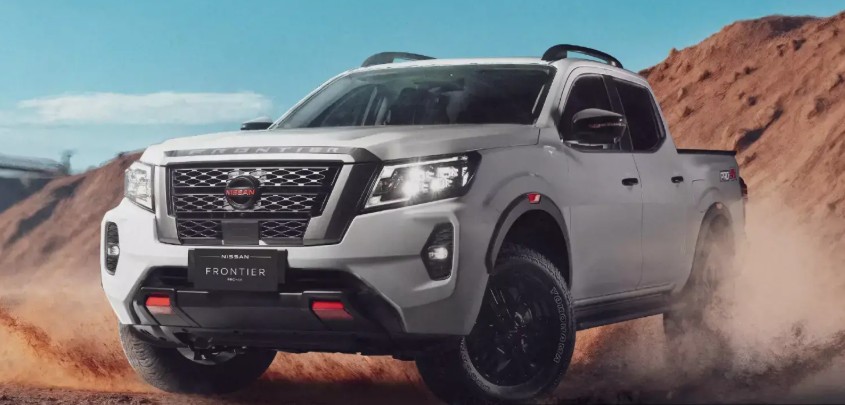
The Nissan Frontier 9 speed transmission problems topic has become increasingly important for owners shopping for a newer Frontier or trying to figure out why their truck suddenly feels different on the road. A modern nine-speed automatic sounds great on paper. More gears can help keep the engine in its ideal power range, improve highway cruising, and give a truck smoother acceleration.
But more gears also mean more decisions.
The transmission is constantly choosing whether to hold a gear, downshift, upshift, unlock the torque converter, or jump across several ratios. When everything works properly, those decisions happen quietly in the background. When something isn't quite right, though, the gearbox can feel like an indecisive driver searching through a drawer for the right key.
Some Frontier owners may experience symptoms such as hesitation, hard shifts, unusual gear hunting, delayed engagement, or clunks during low-speed driving. Other situations that seem like transmission failure can actually originate from software calibration, drivetrain lash, engine management, or normal operating characteristics.
So, how worried should we be?
Let's break down the Nissan Frontier's nine-speed automatic, the symptoms worth watching, the known recall history, possible causes, and what we can do before assuming the entire transmission needs replacement.
Content in this publication
- When Did the Nissan Frontier Get the 9 Speed Transmission?
- Common Nissan Frontier 9 Speed Transmission Problems
- 2. Hesitation Before Acceleration
- 3. Gear Hunting at Certain Speeds
- 4. Delayed Engagement Into Drive or Reverse
- 5. Clunking During Low-Speed Shifts
- 6. Rough Shifting When Cold
- 7. Transmission Shudder or Vibration
- 8. Nissan Frontier Parking Pawl Recall
- Are All Nissan Frontier 9 Speed Transmissions Defective?
- Nissan Frontier 9 Speed Transmission by Model Year
- What Causes Nissan Frontier 9 Speed Transmission Problems?
- Can Towing Damage the Frontier 9 Speed Transmission?
- Can Bigger Tires Affect Shifting?
- How Do We Diagnose Frontier 9 Speed Transmission Problems?
- Scan for Diagnostic Trouble Codes
- Check for Nissan Technical Service Bulletins
- Check Your Frontier VIN for Recalls
- How Much Does Nissan Frontier Transmission Repair Cost?
- Does the Nissan Frontier Transmission Need a Fluid Change?
- Should We Flush a Nissan Frontier 9 Speed Transmission?
- Signs Your Frontier Transmission May Need Immediate Attention
- How to Make a Frontier 9 Speed Transmission Last Longer
- Buying a Used Nissan Frontier With the 9 Speed: What to Check
- Is the Nissan Frontier 9 Speed Transmission Reliable?
- Should You Avoid a Nissan Frontier Because of the 9 Speed?
- Final Thoughts on Nissan Frontier 9 Speed Transmission Problems
- Frequently Asked Questions
- 1. What are the most common Nissan Frontier 9 speed transmission problems?
- 2. What years of Nissan Frontier have the 9 speed transmission?
- 3. Was there a recall on the Nissan Frontier 9 speed transmission?
- 4. Why does my Nissan Frontier shift hard at low speeds?
- 5. Should I buy a Nissan Frontier with the 9 speed automatic?
When Did the Nissan Frontier Get the 9 Speed Transmission?
Nissan introduced the nine-speed automatic transmission to the Frontier for the 2020 model year, pairing it with a 3.8-liter V6.
That drivetrain combination continued when the redesigned Frontier arrived for 2022 and remains part of the current truck's basic mechanical formula. Nissan currently pairs the Frontier's standard 310-horsepower V6 with a nine-speed automatic transmission.
This matters because someone shopping for an older Frontier may encounter two very different transmission designs.
Earlier Frontiers commonly used a five-speed automatic, while newer trucks moved to the nine-speed unit. Therefore, transmission complaints about an older 2015 Frontier, for example, shouldn't automatically be applied to a 2022 truck.
Why Did Nissan Switch to Nine Speeds?
Think of transmission gears like bicycle gears. More ratios allow the drivetrain to choose a ratio better suited to the situation.
Lower gears help during acceleration and towing, while taller upper gears allow the engine to turn more slowly while cruising.
The potential advantages include:
- Stronger low-speed acceleration
- Lower engine speed during highway driving
- Better use of the V6's power
- Improved towing behavior
- More flexible gear selection
- Potential efficiency benefits
Of course, there's a trade-off.
A transmission with nine ratios has many more shifting possibilities than an old four- or five-speed automatic. That extra complexity can sometimes make unusual shifting behavior more noticeable.
Common Nissan Frontier 9 Speed Transmission Problems
Not every Frontier develops transmission trouble, and not every unusual shift means something is broken. Still, there are several symptoms owners should understand.
The most commonly discussed categories include hard shifting, hesitation, gear hunting, delayed engagement, clunking, and unusual behavior when the transmission is cold.
Let's examine them individually.
1. Hard or Abrupt Shifting
Perhaps the most alarming sensation is a shift that feels noticeably harder than expected.
Instead of one gear smoothly flowing into the next, the truck may feel as though someone briefly bumped it from behind.
Hard shifting can occur:
- During low-speed driving
- Following deceleration
- During downshifts
- Under moderate acceleration
- While the transmission is warming up
A single firm shift doesn't necessarily indicate mechanical failure. Automatic transmissions modify pressure and shift strategy depending on throttle position, temperature, vehicle load, speed, and other operating conditions.
Repeated violent shifting, however, deserves investigation.
When Hard Shifts Become Concerning
Pay closer attention if hard shifting becomes progressively worse or appears together with:
- A check-engine light
- Transmission-related warning messages
- Slipping
- Delayed acceleration
- Burning odors
- Fluid leaks
- Grinding or whining noises
The combination of multiple symptoms usually tells us more than one strange shift by itself.
2. Hesitation Before Acceleration
Another complaint associated with modern multi-speed automatics is hesitation.
Imagine approaching an intersection, slowing almost to a stop, and then accelerating again. The transmission has to decide which gear is appropriate while engine load changes quickly.
Sometimes the resulting pause feels longer than the driver expects.
Then the truck accelerates.
That momentary hesitation can make it seem as though the transmission has fallen asleep and suddenly awakened.
Could Hesitation Be Normal?
Some hesitation may come from transmission programming rather than damaged hardware.
Modern transmissions depend heavily on electronic control. The Transmission Control Module considers throttle position, vehicle speed, engine load, brake input, and numerous other signals before commanding a shift.
However, hesitation that becomes severe, unpredictable, or dangerous should never simply be dismissed as "normal."
Have the truck professionally diagnosed.
3. Gear Hunting at Certain Speeds
Gear hunting occurs when the transmission repeatedly changes between ratios instead of settling into one gear.
We might feel:
upshift…
downshift…
upshift again.
This is particularly noticeable on rolling roads, during light acceleration, while towing, or when driving at speeds that sit near a programmed shift threshold.
With nine gears available, the Frontier transmission has plenty of choices.
Sometimes too many choices can feel noticeable from the driver's seat.
Why a 9 Speed Transmission May Hunt for Gears
Possible factors include:
- Road gradient
- Throttle input
- Vehicle load
- Trailer weight
- Transmission calibration
- Torque-converter operation
- Engine load calculations
Occasional gear changes on hills are perfectly logical.
Constant or increasingly aggressive hunting on flat roads deserves further diagnosis.
4. Delayed Engagement Into Drive or Reverse
We shift from Park into Drive.
Nothing happens for a moment.
Then — clunk — the truck engages.
A slight transition time can be normal, especially immediately after startup, but a long or harsh delay isn't something we should ignore.
Delayed engagement can potentially involve transmission pressure, fluid condition, valve-body operation, electronic control, or internal transmission components.
A Simple Rule
Never compensate for delayed engagement by immediately pressing harder on the accelerator.
If the transmission suddenly engages while engine speed is elevated, the resulting shock places additional stress on the drivetrain.
Instead, allow the gear to engage before applying significant throttle.
5. Clunking During Low-Speed Shifts
Pickup trucks naturally have more noticeable drivetrain movement than many passenger cars.
The Frontier has a driveshaft, differential, transmission, engine mounts, and other mechanical components connecting the engine to the wheels. Small amounts of clearance exist throughout the system.
When torque suddenly changes direction, those clearances can become noticeable.
This phenomenon is often referred to as drivetrain lash.
Therefore, a clunk isn't automatically proof that the transmission itself is failing.
Where Else Could a Clunk Come From?
Possible sources include:
- Driveshaft components
- Universal joints
- Differential backlash
- Engine or transmission mounts
- Suspension movement
- Transfer-case components on 4WD trucks
That's why replacing transmission parts without a proper diagnosis can become an extremely expensive guessing game.
6. Rough Shifting When Cold
Automatic transmission behavior often changes with temperature.
Cold fluid is thicker than warm fluid, and engine operating strategies also differ immediately after startup.
As a result, drivers may notice firmer shifts during the first few minutes of driving, particularly in cold climates.
That doesn't automatically indicate trouble.
When Cold Shifting Deserves Attention
Consider having the truck inspected when:
- Shifts are exceptionally violent
- The transmission refuses to engage
- The problem continues after warming up
- A warning light appears
- The symptoms progressively worsen
Temperature-related behavior should improve as the drivetrain reaches its normal operating range.
7. Transmission Shudder or Vibration
A shudder often feels like driving across a very faint rumble strip.
It may happen under light acceleration or at a particular road speed.
Transmission-related vibration can involve several possibilities, including torque-converter behavior, driveline issues, tires, engine operation, or transmission control.
Because so many different faults can produce similar sensations, blindly blaming the transmission isn't wise.
A road test with an experienced technician is often extremely useful.
8. Nissan Frontier Parking Pawl Recall
This is one area where we have documented official information rather than owner impressions.
Nissan issued recalls involving certain Frontier and Titan trucks equipped with nine-speed transmissions because the parking pawl might not properly engage, creating a potential rollaway risk.
One NHTSA filing covering Nissan Recall R22A1 identified certain 2020–2022 Frontier vehicles equipped with nine-speed transmissions. The report explained that manufacturing variation could result in the parking pawl failing to engage properly.
Another Nissan campaign addressed a separate potential parking-pawl engagement issue involving resistance between components inside the transmission. Nissan's documentation said affected vehicles could potentially move after being shifted into Park if the parking pawl did not engage.
What Is a Parking Pawl?
Inside an automatic transmission is a mechanical locking system used when we select Park.
The parking pawl engages with part of the transmission and helps prevent the vehicle from moving.
It's basically the transmission's parking lock.
If it doesn't engage, putting the shifter into P may not physically secure the vehicle as expected.
Why the Parking Brake Matters
Nissan advised affected owners to use the parking brake as part of the recall communications.
We should use the parking brake anyway, particularly on slopes.
A good habit is:
- Stop completely.
- Keep your foot on the brake.
- Apply the parking brake.
- Shift into Park.
- Release the brake pedal carefully.
This reduces the amount of vehicle weight resting against the parking mechanism.
Are All Nissan Frontier 9 Speed Transmissions Defective?
No.
A recall involving certain vehicles does not mean every Frontier equipped with a nine-speed automatic has a defective transmission.
Recall eligibility depends on factors such as model year, production date, configuration, and VIN.
Nissan's 2022 recall documentation specifically identified affected production populations rather than every Frontier ever equipped with the gearbox.
This distinction matters.
Internet discussions can make a mechanical issue appear universal because people experiencing trouble are naturally more likely to post about it.
Someone whose transmission operates perfectly rarely creates a forum thread titled, "My truck shifted normally again today."
Nissan Frontier 9 Speed Transmission by Model Year
Transmission behavior should always be evaluated by individual vehicle rather than assuming every model year behaves identically.
Still, we can establish some useful context.
2020 Nissan Frontier 9 Speed Transmission
The 2020 Frontier was mechanically unusual because Nissan installed the new 3.8-liter V6 and nine-speed transmission in the previous-generation truck.
In many ways, this acted as a preview of the powertrain that would later appear in the redesigned Frontier.
Anyone buying a used 2020 model should verify maintenance records, recall completion, and transmission operation during an extended test drive.
2021 Nissan Frontier 9 Speed Transmission
The 2021 Frontier continued with the V6 and nine-speed combination.
As with 2020 models, recall history should be checked by VIN rather than simply assuming the vehicle either is or isn't affected.
2022 Nissan Frontier 9 Speed Transmission Problems
The 2022 model gets considerable attention because it introduced the redesigned D41 Frontier.
However, the drivetrain itself wasn't completely new.
Certain 2022 Frontiers were among vehicles covered by official parking-pawl-related recall actions.
If we're shopping for one, checking completed recall campaigns should be near the top of our used-truck checklist.
2023 and Newer Frontier Transmission
Later Frontiers continue to use the nine-speed automatic architecture.
That doesn't mean a later truck can never develop transmission trouble. Any mechanical system can fail.
Rather than judging exclusively by year, evaluate:
- Service records
- Actual shifting quality
- Diagnostic codes
- Recall status
- Previous repairs
- Evidence of heavy towing
- Overall drivetrain condition
A well-maintained truck with documented history can be a much safer purchase than a neglected truck from a theoretically "better" year.
What Causes Nissan Frontier 9 Speed Transmission Problems?
Several completely different problems can create similar driving symptoms.
That's one reason transmission diagnosis requires care.
Transmission Software or Calibration
Modern automatic transmissions are controlled electronically.
Software determines much of what we feel.
Shift timing, clutch pressure, torque-converter operation, and gear selection can all depend on programmed logic.
Nissan itself uses Transmission Control Module programming as part of certain official repair procedures and recall remedies, demonstrating how deeply electronic control is integrated into transmission operation.
Therefore, weird shifting doesn't automatically equal broken gears.
Sometimes the solution may involve diagnosis, adaptation procedures, or an applicable software update.
Transmission Fluid Issues
Automatic transmission fluid has several jobs.
It lubricates components, transfers hydraulic pressure, manages heat, and affects clutch operation.
Problems can develop when fluid becomes contaminated, overheated, incorrect, or insufficient.
Never assume that any generic automatic transmission fluid is suitable.
Use the exact fluid specification Nissan requires for the vehicle.
What Does Bad Transmission Fluid Look Like?
Depending on design and fluid type, warning signs can include:
- Burnt odor
- Abnormal discoloration
- Visible contamination
- Signs of overheating
- Leaks beneath the vehicle
Fluid appearance alone cannot diagnose the entire transmission, but it provides valuable clues.
Can Towing Damage the Frontier 9 Speed Transmission?
Towing creates additional heat and load.
That doesn't mean towing is inherently harmful. Trucks are designed to tow within their published limits.
Problems arise when we repeatedly exceed those limits or ignore the other numbers hiding behind the headline towing rating.
Trailer weight isn't the only consideration.
We also have:
- Payload
- Tongue weight
- Passenger weight
- Cargo
- Gross vehicle weight limits
- Axle ratings
A truck can technically remain below maximum trailer weight while exceeding another important limit.
Heat Is the Enemy
Heat is one of the greatest enemies of automatic transmissions.
Heavy towing, extreme temperatures, steep climbs, oversized tires, and demanding off-road use can all increase drivetrain workload.
If we regularly tow, severe-use maintenance deserves serious attention.
Can Bigger Tires Affect Shifting?
Yes, potentially.
Larger or significantly heavier tires change the effective gearing and rotational mass the drivetrain must manage.
That can alter how the truck accelerates and how often the transmission chooses different gears.
Moderate factory-compatible changes may not cause major trouble, but large modifications can noticeably change vehicle behavior.
So if transmission complaints appeared immediately after fitting dramatically larger tires, don't ignore the timing.
How Do We Diagnose Frontier 9 Speed Transmission Problems?
Good diagnosis starts with observation.
Before visiting a shop, write down exactly when the problem occurs.
For example:
"The truck shifts hard" isn't terribly helpful.
But this is:
"After slowing from 35 mph to roughly 10 mph without stopping, it occasionally jerks when I accelerate again after the truck has been driven for 20 minutes."
That's diagnostic gold.
Record These Details
Note:
- Vehicle speed
- Engine temperature
- Transmission temperature if available
- Throttle position
- Which gear transition seems involved
- Whether the engine is cold or warm
- Whether you're towing
- Road gradient
- Drive mode
- Warning lights
Patterns help technicians reproduce the problem.
Scan for Diagnostic Trouble Codes
Even if no warning light remains illuminated, the vehicle may have stored diagnostic information.
Professional scan tools can retrieve data from multiple vehicle modules, not just generic engine codes.
This matters because a cheap code reader may tell only part of the story.
Why Professional Diagnostics Matter
A technician can potentially examine:
- Transmission control codes
- Engine control data
- Sensor information
- Commanded gears
- Actual operating conditions
- Software versions
- Freeze-frame data
Replacing parts before gathering this information is like performing surgery before asking where it hurts.
Check for Nissan Technical Service Bulletins
Technical Service Bulletins, or TSBs, are another useful resource.
Nissan states that its TSBs provide technicians with engineering-approved diagnosis and repair information for specific concerns or conditions.
A TSB isn't automatically a recall.
That's important.
A recall generally addresses a safety-related defect or regulatory issue and follows specific recall procedures. A TSB is essentially technical guidance for technicians.
Ask the dealer to check your VIN and symptoms against current Nissan service information.
Check Your Frontier VIN for Recalls
Don't rely solely on model year.
Use the truck's 17-character VIN.
NHTSA recommends checking recall status using a VIN because recall eligibility applies to specific vehicles.
This is particularly important with used trucks.
A previous owner may have ignored recall notices.
How Much Does Nissan Frontier Transmission Repair Cost?
There's no meaningful single price because "transmission problem" can describe dozens of different repairs.
A software-related correction and a complete transmission replacement live on entirely different planets financially.
Potential repairs can range from relatively minor diagnostic or electronic work to major mechanical repair costing thousands of dollars.
That is exactly why we shouldn't jump immediately to replacement.
Start With Diagnosis, Not Parts
A sensible order is:
- Confirm the symptom.
- Scan all relevant modules.
- Check recall status.
- Check applicable TSBs.
- Inspect for leaks or obvious mechanical damage.
- Confirm fluid requirements and condition where appropriate.
- Verify software/calibration status.
- Road-test with diagnostic equipment.
- Consider internal transmission repair only when evidence supports it.
That's much cheaper than firing the parts cannon.
Does the Nissan Frontier Transmission Need a Fluid Change?
Maintenance requirements depend on vehicle year, usage, operating environment, and Nissan's maintenance recommendations.
Trucks subjected to severe service deserve particular attention.
Heavy towing, dusty conditions, off-road driving, frequent short trips, extreme temperatures, and sustained load can all change how aggressively we approach maintenance.
Follow the maintenance schedule for your exact Frontier rather than adopting a universal internet interval.
Avoid the "Lifetime Fluid" Mentality
Even when a modern drivetrain requires little routine intervention, fluid doesn't possess magical immortality.
Heat cycles and contamination still exist.
The correct question isn't:
"Does transmission fluid ever wear out?"
It's:
"What inspection and service does Nissan specify for my exact vehicle and operating conditions?"
That's a much smarter conversation.
Should We Flush a Nissan Frontier 9 Speed Transmission?
Be careful with the word "flush."
Different shops use it to describe different procedures.
A machine-powered transmission flush is not automatically the same thing as a manufacturer-specified fluid replacement.
Before authorizing service, ask:
- What procedure will be used?
- What fluid specification will be installed?
- Does Nissan recommend this procedure?
- Will the fluid level be set according to factory instructions?
- Is the technician familiar with this transmission?
The wrong fluid or incorrect servicing procedure can create problems instead of solving them.
Signs Your Frontier Transmission May Need Immediate Attention
Some symptoms deserve faster investigation than others.
Have the truck checked promptly if you experience:
- Vehicle movement despite selecting Park
- Loss of drive
- Severe transmission slipping
- Repeated violent shifts
- Transmission overheating
- Burning smell
- Major fluid leakage
- Warning lights accompanied by drivability problems
- Grinding or severe mechanical noises
Safety-related symptoms shouldn't become experiments.
If the truck doesn't reliably remain stationary in Park, use the parking brake and have the vehicle inspected immediately.
How to Make a Frontier 9 Speed Transmission Last Longer
We can't prevent every failure, but driving and maintenance habits matter.
1. Let the Transmission Engage Before Accelerating
Shift into Drive or Reverse and give the transmission a moment to engage before applying heavy throttle.
2. Come to a Complete Stop Before Changing Direction
Don't shift from Reverse into Drive while the truck is still rolling backward.
That forces transmission components to stop vehicle momentum.
Use the brakes for stopping.
Use the transmission for transmitting power.
3. Respect Towing and Payload Limits
A pickup invites work, but every truck has limits.
Stay within all relevant weight ratings.
4. Keep the Cooling System Healthy
Engine and drivetrain temperatures interact.
An overheating vehicle isn't a friendly environment for transmission longevity.
5. Address New Symptoms Early
A small leak is cheaper than running the transmission low on fluid.
An occasional new vibration is easier to diagnose before it turns into a constant one.
Mechanical problems rarely improve through determined neglect.
Buying a Used Nissan Frontier With the 9 Speed: What to Check
Shopping used?
Don't simply drive around the dealership block for three minutes.
A proper test should include city traffic, low-speed acceleration, deceleration, stop-and-go driving, and highway cruising whenever practical.
Used Frontier Transmission Checklist
Before buying, check:
- Cold-start shifting behavior
- Warm shifting behavior
- Reverse engagement
- Drive engagement
- Low-speed downshifts
- Highway upshifts
- Kickdown under acceleration
- Fluid leaks
- Warning lights
- Recall completion
- Maintenance records
- Previous transmission repairs
- Towing history when available
Also listen with the radio turned off.
A stereo can hide an impressive amount of mechanical information.
Don't Forget the Parking Test
On a safe, relatively level location, pay attention to how the transmission behaves when selecting Park.
We'd also verify through the VIN that any applicable parking-pawl recall work has been completed.
Is the Nissan Frontier 9 Speed Transmission Reliable?
It would be misleading to label every Nissan nine-speed automatic either "perfect" or "terrible."
Real-world reliability doesn't work in such neat boxes.
There are documented recall issues affecting certain vehicles, including parking-pawl concerns.
At the same time, the presence of a recall doesn't prove that every transmission will fail mechanically.
A better way to evaluate a truck is by examining the individual vehicle.
Has it been maintained?
Have recalls been completed?
Does it shift correctly?
Are there diagnostic codes?
Was it used for heavy towing?
Has it been modified?
Those answers tell us far more than a dramatic forum headline.
Should You Avoid a Nissan Frontier Because of the 9 Speed?
Not automatically.
The nine-speed transmission shouldn't be ignored, but neither should it automatically disqualify the truck.
For used buyers, documentation is king.
A Frontier with completed recalls, solid maintenance records, smooth shifting, and a clean professional inspection is dramatically more reassuring than a truck with unknown history and obvious drivability symptoms.
If we're considering purchasing one, spending money on a pre-purchase inspection is rarely wasted.
A hundred or two spent investigating a truck can protect us from a repair bill measured in thousands.
Final Thoughts on Nissan Frontier 9 Speed Transmission Problems
The Nissan Frontier 9 speed transmission problems discussion is more nuanced than saying the gearbox is either reliable or unreliable.
Modern nine-speed automatics are complicated machines. Their behavior depends not only on gears and clutches but also on software, sensors, hydraulic pressure, temperature, engine management, and driving conditions.
Owners may occasionally notice hard shifts, hesitation, low-speed clunks, gear hunting, or delayed engagement. Some behaviors may relate to operating strategy, while persistent or severe symptoms deserve professional diagnosis.
There is also verified recall history worth knowing. Certain 2020–2022 Frontier models equipped with the nine-speed transmission were included in Nissan parking-pawl-related safety campaigns, making VIN-based recall verification especially important for owners and used-truck shoppers.
The smartest approach is surprisingly simple: don't panic, but don't ignore symptoms either.
Observe what the truck is doing. Check the VIN. Review maintenance history. Scan for diagnostic codes. Ask about relevant Nissan technical information. Then repair what the evidence identifies.
A transmission shouldn't feel like a mystery box.
With careful diagnosis, we can separate normal characteristics from genuine problems — and avoid turning a manageable issue into an expensive guessing game.
Frequently Asked Questions
1. What are the most common Nissan Frontier 9 speed transmission problems?
Potentially reported symptoms include rough or firm shifts, hesitation during acceleration, low-speed clunks, delayed Drive or Reverse engagement, gear hunting, and unusual cold-shift behavior. However, similar symptoms can result from software strategy, drivetrain lash, engine-management issues, or other components, so proper diagnosis is essential.
2. What years of Nissan Frontier have the 9 speed transmission?
The Frontier began using the 3.8-liter V6 and nine-speed automatic combination for the 2020 model year. The drivetrain continued into the redesigned Frontier and remains part of the current Frontier lineup. Nissan's current Frontier specifications continue to list a nine-speed automatic transmission.
3. Was there a recall on the Nissan Frontier 9 speed transmission?
Yes. Certain Frontier trucks were involved in Nissan safety recalls concerning possible failure of the transmission parking pawl to engage, which could allow the vehicle to move after being placed in Park. Recall eligibility should always be checked using the vehicle's VIN.
4. Why does my Nissan Frontier shift hard at low speeds?
Low-speed hard shifting can result from transmission calibration, rapid throttle changes, downshift strategy, temperature, drivetrain lash, or an actual transmission problem. If the behavior is persistent, severe, or accompanied by warning lights, slipping, or delayed engagement, have the vehicle professionally diagnosed.
5. Should I buy a Nissan Frontier with the 9 speed automatic?
A nine-speed Frontier can still be a reasonable used-truck choice. Rather than avoiding every truck equipped with this transmission, inspect the individual vehicle carefully. Verify recall completion, review maintenance history, perform a thorough road test, scan for diagnostic trouble codes, and consider a professional pre-purchase inspection before buying.
If you want to know other articles similar to Nissan Frontier 9 Speed Transmission Problems: What Owners Need to Know you can visit the category Common Problems.
Kia Sorento Issues: Common Problems, Reliability and What to Watch For

Honda Passport Not Starting: Causes, Symptoms, and How to Fix It
Honda Passport Keyless Remote Battery Low: What It Means and How to Fix It

Nissan Rogue Apple CarPlay Not Working: Causes and Fixes
Nissan Rogue No Key Detected: Causes, Fixes, and What to Do
Nissan Rogue Engine Problems: Common Issues, Symptoms, Years and Solutions
Leave a Reply
More content of your interest