

Nissan Frontier Not Starting: Causes, Diagnosis, and Fixes

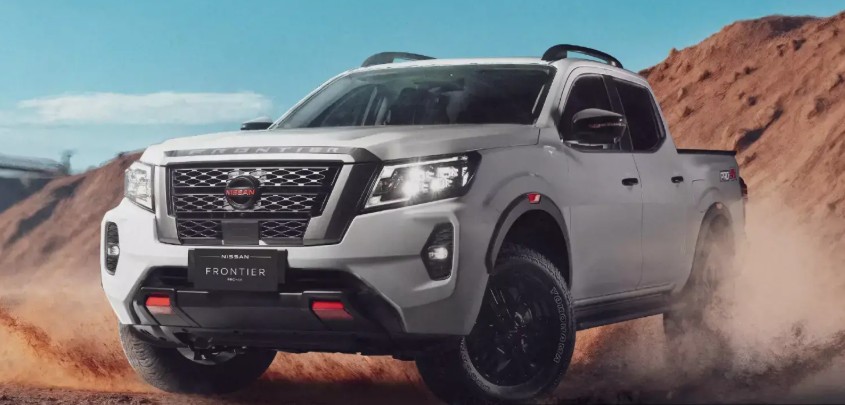
A Nissan Frontier not starting can turn an ordinary morning into an instant headache. You grab the keys, climb into the truck, turn the ignition or press the start button—and instead of hearing the engine settle into its familiar rhythm, you get silence, clicking, slow cranking, or an engine that spins but stubbornly refuses to fire.
Annoying? Absolutely. But a Frontier that refuses to start doesn't automatically mean we're facing a catastrophic engine problem.
Starting issues usually come down to a handful of systems: the battery, starter, fuel supply, ignition system, security system, electrical connections, sensors, or—in less common cases—internal engine trouble. The trick is figuring out which one is causing the problem without randomly replacing parts like we're throwing darts in the dark.
In this guide, we'll walk through the most common reasons a Nissan Frontier won't start, explain what different symptoms mean, and show how we can narrow down the cause before calling a mechanic.
Content in this publication
- Why Is My Nissan Frontier Not Starting?
- 1. Weak or Dead Nissan Frontier Battery
- 2. Corroded or Loose Battery Terminals
- 3. Nissan Frontier Starter Motor Failure
- 4. Faulty Starter Relay or Fuse
- 5. Nissan Frontier Cranks but Won't Start
- 6. Fuel Pump Problems
- 7. Empty Fuel Tank or Incorrect Fuel Reading
- 8. Clogged Fuel Filter or Restricted Fuel Supply
- 9. Bad Crankshaft Position Sensor
- 10. Camshaft Position Sensor Failure
- 11. Ignition System Problems
- 12. Nissan Frontier Immobilizer or Security System Problem
- 13. Key Fob Battery Problems on Push-Button Models
- 14. Faulty Brake or Clutch Pedal Switch
- 15. Nissan Frontier Won't Start in Park
- 16. Alternator Problems Can Lead to a No-Start
- 17. Parasitic Battery Drain
- 18. Bad Engine Ground Connection
- 19. Flooded Engine
- 20. Extreme Weather and Starting Problems
- 21. Nissan Frontier Starts Then Dies
- 22. Nissan Frontier Won't Start After Getting Gas
- 23. Nissan Frontier Won't Start After Battery Replacement
- 24. Nissan Frontier Clicking but Not Starting
- 25. What Should We Check First When a Nissan Frontier Won't Start?
- 26. Can We Jump-Start a Nissan Frontier?
- 27. Can an OBD2 Scanner Help?
- 28. When Should We Stop Trying to Start the Engine?
- 29. When Does a Nissan Frontier Need Professional Diagnosis?
- 30. How to Prevent Future Nissan Frontier Starting Problems
- Nissan Frontier Not Starting: Final Thoughts
- Frequently Asked Questions
Why Is My Nissan Frontier Not Starting?
When a Nissan Frontier won't start, the first thing we should notice is what happens when we try to start it.
That simple observation dramatically narrows the list of possible problems.
A Frontier generally falls into one of four categories:
- Nothing happens when we turn the key.
- We hear rapid clicking.
- The engine cranks slowly.
- The engine cranks normally but doesn't start.
Those symptoms point toward very different failures.
For example, rapid clicking usually sends us toward the battery or electrical connections. Strong cranking without ignition sends us toward fuel delivery, ignition, sensors, or security systems.
Think of troubleshooting like following footprints. The truck is usually telling us where to look—we just have to pay attention.
1. Weak or Dead Nissan Frontier Battery
The battery is the first place we should investigate because it is one of the most common causes of a Nissan Frontier not starting.
A battery can still operate headlights, dashboard lights, and the radio while being too weak to crank the engine properly.
That surprises many owners.
Starting an engine demands far more electrical current than powering the interior electronics. So seeing dashboard lights does not automatically mean the battery is healthy.
Symptoms of a Weak Battery
Common signs include:
- Rapid clicking when starting.
- Slow engine cranking.
- Dashboard lights dimming during startup.
- Headlights becoming noticeably weaker.
- Electronics resetting.
- The engine starting successfully after a jump-start.
A healthy fully charged automotive battery generally measures around 12.6 volts when the engine is off. Voltage significantly below that can indicate a discharged battery.
During cranking, voltage will temporarily drop.
Battery Age Matters
Most vehicle batteries don't live forever.
Heat, cold weather, short trips, vibration, electrical accessories, and repeated deep discharges gradually weaken them.
If our Frontier battery is already several years old and starting has become sluggish, replacement may be more sensible than repeatedly charging it.
2. Corroded or Loose Battery Terminals
Sometimes the battery itself is perfectly fine.
The electricity simply can't reach the starter efficiently.
Battery terminals can develop corrosion that looks like white, green, or bluish powder around the posts. Loose terminals can cause similar symptoms.
Electricity hates resistance. Even a small amount of corrosion can behave like a narrow bridge trying to carry highway traffic.
The result may be:
- Clicking.
- Intermittent starting.
- Flickering electronics.
- Slow cranking.
- Complete loss of power.
How to Inspect the Battery Connections
With the truck turned off, visually inspect both battery terminals.
Check whether the clamps move when gently touched.
They should remain firmly attached.
Also inspect the ground cable running from the negative terminal toward the body or engine. A damaged or corroded ground connection can mimic a dead battery.
3. Nissan Frontier Starter Motor Failure
If the battery is healthy but the engine doesn't crank, the starter deserves attention.
The starter motor uses battery power to rotate the engine when we turn the ignition key.
Over time, internal components such as brushes, bearings, gears, or the solenoid can wear out.
Symptoms of a Bad Starter
We may notice:
- One solid click when turning the key.
- No engine movement.
- Intermittent starting.
- The truck starting after several attempts.
- Grinding noises.
- Smoke or a burning smell in severe cases.
A starter can also fail gradually.
One day it works perfectly. The next morning it hesitates. Then it works again. Eventually, we turn the key and get nothing but a lonely click.
Starter vs Battery: How Can We Tell?
A weak battery often causes rapid repeated clicking.
A failing starter is more likely to produce one strong click while the lights remain bright.
That isn't a perfect diagnosis, but it's a useful clue.
4. Faulty Starter Relay or Fuse
Before replacing an expensive starter, we should inspect something much cheaper: the starter fuse and relay.
The relay acts like an electrical switch that allows current to reach the starter.
If it fails, the starter may receive no signal at all.
Possible Symptoms
A faulty starter relay may cause:
- No cranking.
- Intermittent startup problems.
- A clicking noise from the fuse box.
- Normal dashboard lights but no starter activity.
Checking the appropriate fuses according to the Frontier's owner's manual is a smart early troubleshooting step.
Never Install a Higher-Rated Fuse
If a fuse has blown, replace it only with the specified amperage.
Installing a larger fuse can allow excessive current through the circuit and potentially damage wiring.
5. Nissan Frontier Cranks but Won't Start
Now things get more interesting.
Suppose the engine spins normally when we turn the key.
That tells us several important things already.
The battery has enough energy to crank.
The starter is probably working.
The engine itself isn't completely seized.
Now we need three basic ingredients:
fuel, spark, and proper engine timing/compression.
Remove one, and the engine may crank enthusiastically all day without starting.
6. Fuel Pump Problems
The fuel pump moves gasoline from the tank toward the engine.
If the pump stops working, the engine may crank normally but receive no fuel.
Some failing pumps also become intermittent.
The truck may start normally several times before suddenly refusing to start.
Signs of a Failing Fuel Pump
Possible symptoms include:
- Long cranking before startup.
- Engine hesitation.
- Loss of power while accelerating.
- Stalling.
- No fuel-pump sound when the ignition is turned on.
- Cranking without starting.
On many vehicles, we can briefly hear the fuel pump prime when the ignition is switched on before starting.
It's usually a soft humming sound from the rear of the vehicle.
No sound doesn't automatically prove the pump is dead, but it provides another useful clue.
7. Empty Fuel Tank or Incorrect Fuel Reading
This sounds ridiculously obvious—until it happens.
A faulty fuel-level sensor or sending unit can make the gauge display fuel even when the tank is nearly empty.
If the Frontier suddenly refuses to start and the gauge is suspiciously close to empty, adding a small amount of fuel is an easy test.
We've all seen mechanical problems masquerading as complicated electronic mysteries.
Sometimes the truck simply wants gasoline.
8. Clogged Fuel Filter or Restricted Fuel Supply
A severely restricted fuel supply can also prevent proper starting.
Fuel filters are designed to keep contaminants away from injectors and other sensitive fuel-system components.
When fuel flow becomes restricted, we may notice:
- Difficult starting.
- Hesitation.
- Poor acceleration.
- Reduced power.
- Stalling under load.
Whether the fuel filter is separately serviceable depends on the Frontier generation and fuel-system design.
9. Bad Crankshaft Position Sensor
The crankshaft position sensor is a small component with a surprisingly important job.
It tells the engine computer where the crankshaft is positioned and how quickly it is rotating.
Without that information, the ECU may not control ignition and fuel injection correctly.
The result?
Our Nissan Frontier may crank perfectly but refuse to start.
Possible Crankshaft Sensor Symptoms
We might experience:
- Intermittent no-start conditions.
- Sudden engine stalling.
- Rough operation.
- Check engine light.
- Long cranking.
- Starting again after the engine cools.
Sensor problems can be frustrating because they aren't always consistent.
The truck can behave perfectly for days and then suddenly leave us staring at the steering wheel wondering what changed.
10. Camshaft Position Sensor Failure
The camshaft position sensor works alongside the crankshaft sensor to help the engine computer determine ignition and injection timing.
When the signal becomes unreliable, starting can become difficult or impossible.
Possible symptoms include:
- Extended cranking.
- Engine hesitation.
- Rough idle.
- Stalling.
- Reduced performance.
- Check engine light.
A diagnostic scan tool becomes extremely useful here because sensor-related faults often store trouble codes.
11. Ignition System Problems
Gasoline engines need a strong spark at precisely the correct moment.
If ignition coils, spark plugs, wiring, or related components fail, combustion may not occur properly.
A single bad ignition coil usually causes rough running or a misfire rather than a complete no-start condition.
Multiple ignition failures, however, can prevent startup.
Signs the Ignition System Needs Attention
Look for symptoms such as:
- Rough running before the no-start condition.
- Engine misfires.
- Shaking at idle.
- Poor acceleration.
- Check engine light.
- Increased fuel consumption.
- Strong gasoline smell after repeated starting attempts.
Spark plugs also wear gradually.
Ignoring replacement intervals can eventually create difficult starting and poor combustion.
12. Nissan Frontier Immobilizer or Security System Problem
Modern vehicles don't rely only on mechanical keys.
The key contains an electronic transponder that communicates with the vehicle's immobilizer system.
If the truck doesn't recognize the key, the engine may refuse to start.
Possible Immobilizer Symptoms
Watch for:
- A flashing security light.
- Engine cranking but not starting.
- Starting and immediately shutting off.
- Intermittent recognition of the key.
If we have a spare programmed key, trying it can provide valuable information.
If the spare starts the Frontier normally, the original key or transponder may be the culprit.
A weak key-fob battery can sometimes cause confusion on Frontiers equipped with keyless starting.
The vehicle may fail to detect the key properly.
Before assuming something serious has failed, try:
- Using the spare key fob.
- Replacing the fob battery.
- Holding the key closer to the start button according to the owner's manual.
- Checking whether the dashboard displays a key-detection warning.
It's one of the cheapest possible fixes, so it's worth eliminating early.
14. Faulty Brake or Clutch Pedal Switch
Vehicles with push-button starting need confirmation that we're pressing the correct pedal.
Automatic models generally require the brake pedal.
Manual models may require the clutch.
A failed pedal-position switch can prevent the starter system from receiving permission to operate.
Simple Clue on Automatic Frontiers
Check whether the brake lights illuminate when the pedal is pressed.
If they don't, a brake-light switch or related electrical issue could exist.
That same switch may interfere with startup.
15. Nissan Frontier Won't Start in Park
Another frequently overlooked culprit is the transmission range sensor or neutral safety switch.
Automatic vehicles typically start only in Park or Neutral.
If the transmission-position sensor fails to recognize Park correctly, nothing may happen when we turn the key.
Try Starting in Neutral
If the Frontier doesn't start in Park:
- Apply the parking brake.
- Press the brake pedal firmly.
- Shift into Neutral.
- Try starting again.
If the truck consistently starts in Neutral but not Park, the transmission range sensor or shifter adjustment may need inspection.
16. Alternator Problems Can Lead to a No-Start
The alternator normally doesn't start the engine.
The battery does.
However, the alternator recharges the battery while we're driving.
So a failing alternator can create a dead battery—and the next morning, the Frontier won't start.
Signs the Alternator May Be Involved
Before the no-start condition, we may have noticed:
- Battery warning light.
- Dimming headlights.
- Flickering dashboard lights.
- Electrical accessories malfunctioning.
- Strange whining noises.
- Vehicle stalling while driving.
If we jump-start the truck and it soon dies again, charging-system testing becomes especially important.
17. Parasitic Battery Drain
Does the Frontier start perfectly after driving but have a dead battery the next morning?
Something may be draining electricity while the truck is parked.
This is called a parasitic draw.
Possible causes include:
- Interior lights staying on.
- Aftermarket stereos.
- Dash cameras.
- Alarm systems.
- USB accessories.
- Faulty electronic modules.
- Wiring problems.
A tiny amount of electrical draw while parked is normal because some systems need standby power.
Excessive draw isn't.
Finding it often requires an ammeter and systematic fuse testing.
18. Bad Engine Ground Connection
Ground straps aren't glamorous parts.
Nobody stands around admiring a beautifully maintained engine ground.
But when one fails, the truck can behave like it's possessed.
Poor grounding can cause:
- No-start conditions.
- Weak starter operation.
- Flickering lights.
- Random warning messages.
- Intermittent electrical faults.
Inspect grounding cables between the battery, body, chassis, and engine.
Corrosion, looseness, broken strands, or damaged mounting points can cause significant resistance.
19. Flooded Engine
Repeatedly attempting to start a gasoline engine can sometimes introduce excessive fuel into the cylinders.
When the air-fuel mixture becomes too rich to ignite, we have what's commonly called a flooded engine.
Possible clues include:
- Strong gasoline smell.
- Repeated unsuccessful start attempts.
- Engine almost starting but immediately dying.
Modern fuel injection makes flooding less common than it was with older carbureted engines, but it can still happen under certain circumstances.
Continuously cranking the engine usually makes the situation worse and can drain the battery.
20. Extreme Weather and Starting Problems
Temperature affects batteries, engine oil, fuel behavior, and electrical systems.
Cold Weather
Low temperatures reduce battery performance while simultaneously making the engine harder to turn.
A battery that seems healthy in summer can suddenly struggle during a cold morning.
Hot Weather
Heat can accelerate battery deterioration and occasionally expose failing sensors or electrical components.
That's why some intermittent starting problems appear only when the engine is hot—or only after the truck has been sitting in the sun.
21. Nissan Frontier Starts Then Dies
What if the truck actually starts but shuts off seconds later?
That moves us toward another set of suspects.
Possible causes include:
- Immobilizer problems.
- Fuel-pressure loss.
- Faulty sensors.
- Dirty throttle body.
- Air-intake problems.
- Electrical power interruption.
- Engine-management faults.
A security-system issue becomes particularly suspicious if the truck starts normally and shuts down almost immediately.
22. Nissan Frontier Won't Start After Getting Gas
This specific situation can point toward the evaporative emissions system.
A faulty EVAP purge valve may allow excessive fuel vapor into the intake, creating a mixture that's too rich immediately after refueling.
Typical symptoms can include:
- Long cranking after filling the tank.
- Rough startup.
- Engine stumbling.
- Check engine light.
- Starting normally at other times.
If the Frontier repeatedly becomes difficult to start only after refueling, tell the technician that detail.
It's an extremely useful diagnostic clue.
23. Nissan Frontier Won't Start After Battery Replacement
Replacing the battery should solve a battery problem, right?
Usually.
But sometimes a Frontier still doesn't start afterward.
Possible reasons include:
- Battery terminals aren't tight.
- Replacement battery isn't fully charged.
- Incorrect battery specification.
- Damaged terminal connections.
- Blown fuse.
- Security-system issue.
- Starter was actually the original problem.
Never assume a newly installed battery is automatically healthy.
Testing voltage and connections is still worthwhile.
24. Nissan Frontier Clicking but Not Starting
Clicking noises are among the best diagnostic clues available.
Rapid Clicking
Rapid machine-gun-like clicking often indicates:
- Weak battery.
- Poor terminal connection.
- Bad ground.
- Insufficient electrical current.
One Loud Click
One strong click can point toward:
- Starter motor failure.
- Starter solenoid problem.
- Poor heavy-current connection.
No Clicking at All
Silence may indicate:
- Completely discharged battery.
- Ignition-switch problem.
- Starter relay issue.
- Neutral safety switch problem.
- Immobilizer problem.
- Broken electrical connection.
Listening is surprisingly valuable.
Sometimes our ears tell us more than the dashboard.
25. What Should We Check First When a Nissan Frontier Won't Start?
Instead of replacing parts randomly, follow a logical order.
Step 1: Observe the Symptoms
Ask:
Does the engine crank?
Are the dashboard lights bright?
Do we hear clicking?
Does the security light behave strangely?
Step 2: Check Battery Power
Inspect voltage and terminal condition.
Try a jump-start if appropriate.
Step 3: Check the Transmission Position
Try both Park and Neutral on automatic models.
Step 4: Try the Spare Key
This helps rule out immobilizer or key-transponder problems.
Step 5: Inspect Fuses
Check starter, ignition, ECM, and fuel-system fuses according to the specific model's fuse diagram.
Step 6: Scan for Trouble Codes
Even if the check engine light isn't currently illuminated, the computer may have stored useful diagnostic codes.
Step 7: Check Fuel and Spark
If the engine cranks strongly but doesn't start, fuel pressure and ignition testing become important.
Avoid the Parts Cannon
There's a phrase mechanics sometimes use: firing the parts cannon.
That's when we replace the battery, starter, fuel pump, sensors, and ignition components hoping one of them fixes the problem.
It gets expensive quickly.
Diagnosis should come before replacement whenever possible.
26. Can We Jump-Start a Nissan Frontier?
If battery voltage is low, a jump-start can help determine whether insufficient battery power is the issue.
If the truck immediately starts with external power, investigate:
- Battery condition.
- Alternator output.
- Electrical drain.
- Battery-terminal connections.
However, if the Frontier still doesn't crank with a proper jump connection, the issue may lie elsewhere.
Improper jump-start procedures can damage electrical systems, so always follow the vehicle manufacturer's recommended procedure.
27. Can an OBD2 Scanner Help?
Absolutely.
An OBD2 scanner can be one of the most useful tools for diagnosing a Nissan Frontier that cranks but won't start.
Trouble codes may point toward:
- Crankshaft sensors.
- Camshaft sensors.
- Immobilizer faults.
- Ignition problems.
- Fuel-system issues.
- Throttle problems.
- Communication faults.
A code isn't automatically proof that the named component is defective.
Think of it as a road sign rather than the destination.
We still need to test the circuit and component before replacing anything.
28. When Should We Stop Trying to Start the Engine?
Repeated cranking isn't harmless.
Continued unsuccessful starting can:
- Drain the battery.
- Overheat the starter.
- Flood the engine.
- Stress electrical connections.
If several normal starting attempts fail, stop and investigate.
Trying the same thing twenty more times rarely teaches us anything new.
29. When Does a Nissan Frontier Need Professional Diagnosis?
Some problems can be identified in the driveway.
Others require professional equipment.
Consider having the Frontier inspected if:
- Battery tests healthy but it won't crank.
- The starter receives power but doesn't operate.
- Fuel pressure is absent.
- Sensor codes repeatedly return.
- The security system prevents startup.
- Wiring damage is suspected.
- The engine cranks unusually fast.
- Compression appears low.
- The truck stalls and won't restart.
Modern electrical troubleshooting often requires wiring diagrams, scan-tool data, voltage-drop testing, fuel-pressure measurement, and sometimes oscilloscope analysis.
That isn't failure on our part.
It's simply using the right tool for the job.
30. How to Prevent Future Nissan Frontier Starting Problems
We can't eliminate every mechanical failure, but we can reduce the odds of waking up to a dead truck.
A few habits make a meaningful difference:
- Test an aging battery before it fails completely.
- Keep battery terminals clean and tight.
- Replace worn spark plugs at the recommended interval.
- Investigate slow cranking early.
- Don't ignore intermittent stalling.
- Address check engine lights promptly.
- Maintain adequate fuel levels.
- Avoid unnecessary electrical accessories that drain the battery.
- Have the charging system tested when replacing a battery.
- Keep a basic OBD2 scanner available.
Preventive maintenance is like fixing a roof before the storm arrives.
It's rarely exciting, but we're always glad we did it.
Nissan Frontier Not Starting: Final Thoughts
A Nissan Frontier not starting doesn't necessarily mean we're staring at an enormous repair bill.
Many no-start situations involve relatively straightforward problems such as a weak battery, corroded terminals, starter failure, a damaged relay, or a key-recognition issue.
The most important diagnostic question is simple:
Does the engine crank?
If it doesn't, we focus first on the battery, starter circuit, transmission safety system, ignition switch, and security system.
If it cranks normally but refuses to fire, we shift our attention toward fuel delivery, ignition, crankshaft and camshaft sensors, engine management, and immobilizer operation.
Rather than guessing, observe the truck's behavior carefully. Listen to the sounds. Watch the dashboard. Check the battery. Scan for codes. Follow the evidence.
A stubborn Frontier can feel like a locked door, but once we find the right key, the mystery often becomes surprisingly simple.
Frequently Asked Questions
Why does my Nissan Frontier have power but won't start?
Having dashboard lights doesn't prove the battery has enough current to operate the starter. A weak battery, damaged starter, poor battery connection, faulty relay, neutral safety switch, or immobilizer issue can all cause this situation.
Why does my Nissan Frontier crank but not start?
If the engine cranks normally but doesn't start, investigate fuel delivery, ignition spark, crankshaft and camshaft position sensors, security-system operation, and engine-management faults.
Why does my Nissan Frontier just click when I try to start it?
Rapid clicking usually suggests low battery voltage or poor electrical connections. One solid click with bright lights may point more strongly toward the starter or starter solenoid.
Can a bad crankshaft sensor stop a Nissan Frontier from starting?
Yes. The engine computer relies on crankshaft-position information to manage ignition and fuel injection. A faulty sensor can cause intermittent stalling, extended cranking, or a crank-no-start condition.
Why won't my Nissan Frontier start after I fill the gas tank?
Repeated hard starting immediately after refueling can sometimes be associated with an EVAP purge-system problem. A malfunctioning purge valve may allow excessive fuel vapor into the intake and temporarily create an overly rich mixture.
If you want to know other articles similar to Nissan Frontier Not Starting: Causes, Diagnosis, and Fixes you can visit the category Common Problems.
Volvo XC40 Sound Not Working? Complete Troubleshooting Guide

Mazda Diesel Engine Problems: Common Faults and Fixes
Volkswagen Key Not Detected or No Key Error: Causes and Fixes
Volvo S90 Common Problems: Reliability & Repair Guide
Volvo S90 No Sound: Causes, Fixes and Solutions
Nissan Rogue Smells Like Gas: Causes and Fixes
Leave a Reply
More content of your interest