
Ford Edge Trunk Space: Dimensions, Cargo Capacity, and Practical Guide

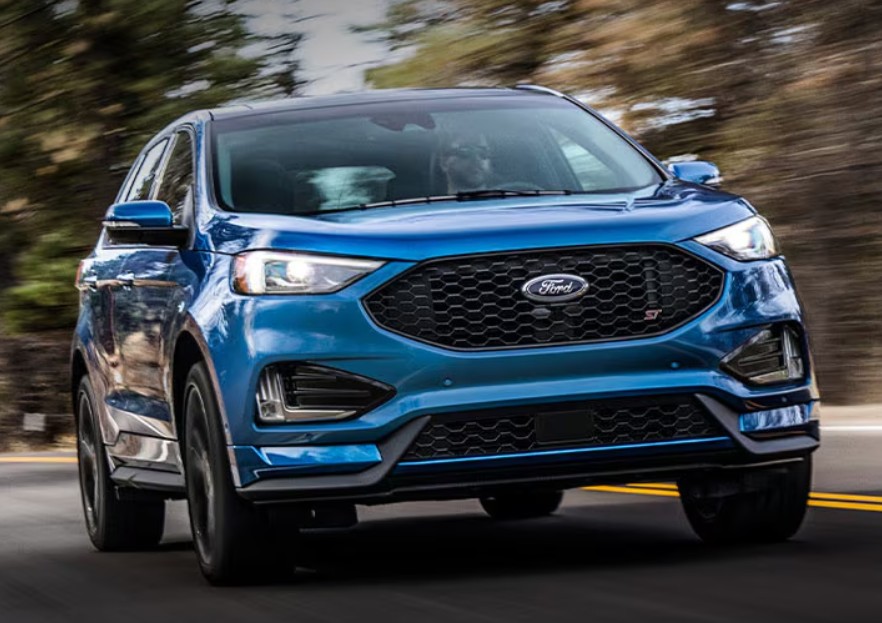
The Ford Edge trunk space is one of the SUV's strongest everyday advantages. While plenty of midsize crossovers promise flexibility, the Edge has traditionally taken a refreshingly simple approach: give passengers plenty of room, leave a large cargo area behind them, and make the rear seats easy to fold when we need even more space.
That sounds straightforward, but cargo capacity numbers rarely tell the whole story. A figure measured in cubic feet cannot explain whether a stroller slides in without a wrestling match, whether four suitcases can stand upright, or whether we can carry a flat-pack table without leaving the hatch half open.
So, how useful is the Ford Edge cargo area in the real world?
In this guide, we'll break down the Ford Edge trunk capacity, approximate dimensions, seat-folding versatility, luggage possibilities, family practicality, and how its cargo area compares with the space offered by other SUVs. We'll also look at what owners should consider before assuming every model year provides identical measurements.
Content in this publication
- How Much Trunk Space Does a Ford Edge Have?
- Ford Edge Trunk Space With the Rear Seats Up
- Ford Edge Cargo Space With the Seats Folded
- Ford Edge Trunk Dimensions
- Ford Edge Cargo Width
- Ford Edge Cargo Length
- Ford Edge Trunk Height
- Why Cargo Shape Matters More Than Cubic Feet
- Ford Edge Trunk Space for Families
- Ford Edge Trunk Space for Luggage
- Ford Edge Grocery Capacity
- Ford Edge Trunk Space for Dogs
- Underfloor Storage in the Ford Edge
- Does the Ford Edge Have a Power Liftgate?
- Ford Edge Trunk Space vs Ford Escape
- Ford Edge Trunk Space vs Toyota RAV4
- Ford Edge Trunk Space vs Honda CR-V
- Ford Edge Trunk Space vs Ford Explorer
- Ford Edge Trunk Space by Model Year
- Does Trim Level Change Ford Edge Cargo Space?
- How to Maximize Ford Edge Trunk Space
- Can the Ford Edge Carry Long Items?
- Is the Ford Edge Good for Moving?
- Can a Bicycle Fit Inside a Ford Edge?
- Ford Edge Cargo Accessories Worth Considering
- Ford Edge Trunk Space for Camping
- What We Like Most About the Ford Edge Cargo Area
- What Could Be Better About the Ford Edge Trunk?
- Who Will Benefit Most From Ford Edge Trunk Space?
- Is Ford Edge Trunk Space Good Enough for Daily Life?
- Conclusion: The Ford Edge Makes Excellent Use of Its Size
- Frequently Asked Questions About Ford Edge Trunk Space
How Much Trunk Space Does a Ford Edge Have?
For the later generations of the Ford Edge, cargo capacity is generally one of the vehicle's biggest selling points.
Many recent Ford Edge models provide approximately:
- 39.2 cubic feet of cargo space behind the second row
- 73.4 cubic feet with the rear seats folded
Those numbers put the Edge firmly in the roomy end of the two-row midsize SUV category.
Think of the cargo area as a spare room on wheels. With the rear seats upright, we still have enough room for grocery runs, luggage, sports equipment, or a bulky stroller. Fold the second row down and the Edge changes character completely, becoming surprisingly capable of handling furniture, bicycles, boxes, and home-improvement supplies.
Still, cargo measurements can vary slightly by year, trim, measuring methodology, and equipment, so checking the specifications for the exact vehicle remains worthwhile.
Ford Edge Trunk Space With the Rear Seats Up
Most owners will spend far more time using the trunk with all five seating positions available than with the second row folded.
Fortunately, this is where the Edge performs particularly well.
At roughly 39 cubic feet behind the rear seats in many later models, we don't have to sacrifice passenger comfort simply to carry everyday cargo.
What Fits Behind the Second Row?
Realistically, the Edge can accommodate a combination of items such as:
- Several medium or large suitcases
- A full-size stroller
- Grocery bags for a large weekly shop
- Sports bags and equipment
- Camping supplies
- Coolers
- Pet carriers
- Children's travel gear
Obviously, whether everything fits depends on shape as much as volume. Cargo space is like a puzzle box: long, square objects often pack more efficiently than irregularly shaped items.
Still, the Edge gives us enough width and depth that packing usually feels less like playing Tetris than it does in smaller crossovers.
Ford Edge Cargo Space With the Seats Folded
Fold the second-row seats and the Ford Edge becomes significantly more versatile.
With approximately 73.4 cubic feet of maximum cargo volume in many versions, the flat extended load area can handle much larger objects.
This makes the Edge useful for drivers who occasionally need van-like flexibility without owning a three-row SUV.
What Can We Carry With the Rear Seats Down?
Depending on the object's exact dimensions, the expanded area may accommodate:
- Flat-pack furniture
- Several moving boxes
- Large televisions in suitable packaging
- Camping equipment
- Golf equipment
- Home-improvement materials
- Bicycles with some disassembly
- Small pieces of furniture
The important distinction is that maximum cargo capacity isn't just about adding cubic feet. Folding the rear seats creates a much longer usable platform, which is often more valuable than raw volume.
Does the Ford Edge Have Fold-Flat Rear Seats?
The second-row seatbacks fold down to create a relatively flat cargo floor.
For occasional hauling, that's enormously useful.
Imagine buying a bookshelf, desk, or oversized box from a store. Instead of measuring every inch while hoping the hatch closes, folding the rear seats gives us considerably more breathing room.
Depending on equipment and model year, convenient seat-release mechanisms may also make lowering the rear seats easier from the cargo area.
Ford Edge Trunk Dimensions
People frequently search for Ford Edge trunk dimensions because cubic-foot measurements can feel abstract.
And that's understandable.
If we're trying to determine whether a specific dog crate, suitcase, toolbox, piece of furniture, or stroller will fit, actual width, height, and floor length matter more than total volume.
Exact dimensions vary somewhat by model year, but the cargo area in later Edge models is broadly characterized by:
- A wide load floor
- Good space between the wheel wells
- A reasonably tall cargo opening
- Significant floor length when the second row is folded
- A relatively square cargo shape
That final characteristic deserves attention.
A beautifully shaped cargo compartment can be more useful than a larger but awkward one. Deep wheel-well intrusions, steep rooflines, and sloping hatchbacks can steal usable room even when an SUV looks competitive on paper.
The Edge benefits from its fairly traditional crossover body shape.
Ford Edge Cargo Width
The cargo compartment is wide enough for many bulky household items.
While exact measurements should always be confirmed for the specific model year, the generous width helps when carrying:
- Golf clubs
- Folded baby equipment
- Storage containers
- Camping gear
- Large suitcases
Width Between the Wheel Wells Matters
The narrowest point across an SUV cargo floor is usually between the rear wheel housings.
That's the measurement we should care about when transporting square furniture, crates, appliances, or large storage bins.
A vehicle might look enormously wide from the outside while losing substantial interior width around the wheel arches.
The Edge uses its footprint efficiently enough that the cargo area remains practical rather than merely impressive on a specification sheet.
Ford Edge Cargo Length
Cargo floor length changes dramatically depending on rear-seat position.
With the second row upright, we get a deep trunk suitable for normal family use.
With the seats folded, the usable floor becomes much longer and can accommodate items that would never fit inside a smaller compact crossover.
Can You Sleep in a Ford Edge?
For camping or road trips, some owners may wonder whether the folded cargo area is long enough for sleeping.
For one person—or two adults willing to compromise—it can potentially work with suitable padding and careful seat positioning.
However, the Edge wasn't designed as a camper van. The load floor may not be perfectly level in every configuration, and taller adults may need to sleep diagonally or move the front seats forward.
Still, for occasional car camping, the available cargo length provides reasonable flexibility.
Ford Edge Trunk Height
Vertical space is another underrated part of cargo usability.
A tall trunk opening helps with items that cannot easily be laid flat, including:
- Strollers
- Tall suitcases
- Pet crates
- Coolers
- Houseplants
- Storage bins
The Ford Edge's roofline is less aggressively coupe-like than many modern crossovers, which helps preserve usable rear headroom and cargo height.
That might not make the vehicle look quite as dramatic as a fastback SUV, but when we're loading a large box in the rain, practicality suddenly feels much more attractive than styling theatrics.
Why Cargo Shape Matters More Than Cubic Feet
Manufacturers understandably advertise cargo volume because it's easy to compare.
But cubic-foot figures are imperfect.
Picture two rooms containing exactly the same amount of air. One is square and open. The other has pillars, sloping walls, and awkward corners.
Which room would be easier to furnish?
The same principle applies to SUVs.
The Ford Edge Has a Practical Cargo Shape
The Edge's relatively squared-off rear body gives us a usable loading area without an excessive amount of wasted space.
That's particularly useful when carrying boxes because straight walls and a wide hatch opening make stacking much easier.
A Low Loading Floor Helps Too
Cargo capacity isn't purely about what fits.
We also care about how difficult it is to get an object inside.
A reasonably accessible loading height reduces the amount of lifting required for groceries, luggage, pet crates, or heavier equipment.
If you've ever tried lifting a 50-pound suitcase over a tall bumper, you'll appreciate why this seemingly minor detail matters.
Ford Edge Trunk Space for Families
Families tend to discover cargo limitations faster than anyone.
A couple may travel with two backpacks.
Add children and suddenly we've got:
- Strollers
- Diaper bags
- Toys
- Snack bags
- Car-seat accessories
- Luggage
- Portable cribs
- Random objects nobody remembers packing
That's where the Edge's generous space behind the second row becomes valuable.
Can a Stroller Fit in the Ford Edge Trunk?
In most cases, yes.
Many standard and full-size folding strollers should fit comfortably behind the second-row seats, although especially large double strollers can consume a significant portion of the cargo area.
Even then, the Edge generally leaves more room around the stroller than smaller subcompact and compact SUVs.
Double Strollers Need More Planning
Large side-by-side or tandem strollers can be awkward because shape becomes the limiting factor.
Before buying a vehicle specifically around childcare needs, it's smart to take the actual stroller to a test drive.
Five minutes with the real equipment can tell us more than an hour studying specifications online.
Ford Edge Trunk Space for Luggage
Planning a road trip?
The Ford Edge works particularly well for four- or five-person travel because we don't necessarily have to fold seats to create useful luggage capacity.
Several suitcases can typically fit behind the second row, especially when smaller bags are stacked around them.
How Many Suitcases Fit in a Ford Edge?
There's no universal answer because suitcase sizes vary, but the Edge's approximately 39-cubic-foot cargo area can generally handle multiple carry-ons plus several larger travel bags.
A sensible packing strategy makes a noticeable difference.
Hard-shell suitcases stack cleanly. Soft duffel bags squeeze into gaps. Small backpacks can fill spaces near the sides or top.
In other words, packing efficiently can unlock far more real-world capacity than the headline cargo number suggests.
Ford Edge Grocery Capacity
For normal grocery shopping, the Edge is almost comically spacious.
Even a large weekly shopping trip should occupy only part of the trunk.
That extra room means we can separate fragile products, avoid stacking heavy bags on top of bread, and transport drinks or bulk items without cramming everything together.
An available cargo-management solution, hooks, nets, or aftermarket organizers can also prevent grocery bags from sliding around while driving.
Ford Edge Trunk Space for Dogs
Dog owners should pay attention not only to cargo volume but also to floor area and hatch opening size.
The Edge can work well for medium or large dogs because the trunk has a broad floor and decent vertical clearance.
Can a Dog Crate Fit in a Ford Edge?
Many medium-sized crates should fit, while larger crates require checking exact measurements.
The biggest considerations are:
- Crate width
- Crate height
- Hatch opening dimensions
- Cargo floor depth
- Rear-seat position
Remember that the maximum interior height isn't necessarily the same as the hatch opening height. An object can theoretically fit once inside yet still be impossible to angle through the opening.
Measure both.
Underfloor Storage in the Ford Edge
Visible cargo space gets all the attention, but hidden storage can be surprisingly useful.
Depending on configuration and model year, the Edge may provide compartments below the cargo floor for smaller equipment.
These areas are ideal for things we want available without having them roll around:
- Emergency supplies
- Jumper cables
- Tire equipment
- Cleaning products
- Reusable shopping bags
- Small tools
Hidden storage is the SUV equivalent of a kitchen junk drawer. We rarely think about it until we suddenly need it.
Does the Ford Edge Have a Power Liftgate?
Many Ford Edge trims and model years offer a power liftgate, while higher equipment levels may include more convenient hands-free functionality.
A powered hatch might sound like a luxury until both hands are full of grocery bags.
Then it becomes one of those features we wonder how we lived without.
Hands-Free Access Can Be Useful
Depending on year and equipment, hands-free liftgate operation may allow the hatch to open through a sensor-based action near the rear bumper.
That can be particularly useful when loading:
- Groceries
- Baby equipment
- Sports bags
- Luggage
- Boxes
Equipment availability varies, so confirm the exact trim rather than assuming every Edge includes the feature.
Ford Edge Trunk Space vs Ford Escape
The Ford Escape is smaller overall, so the comparison is interesting.
Depending on model year and configuration, the Escape can offer surprisingly competitive cargo numbers. However, the Edge generally feels like the larger vehicle because its cabin and rear cargo area are broader and more substantial.
The Edge is better suited to drivers who want a midsize SUV experience without moving into a three-row model.
The Escape, meanwhile, may appeal more to drivers prioritizing fuel efficiency, easier parking, and a smaller footprint.
Ford Edge Trunk Space vs Toyota RAV4
The Toyota RAV4 is one of the most popular compact SUVs, and its cargo space is excellent for its size.
However, the Ford Edge belongs to a larger vehicle class.
That additional width can make the Edge feel considerably more accommodating when loading bulky items or traveling with several adults.
The RAV4 may win for efficiency and maneuverability, while the Edge appeals to buyers who value shoulder room, cargo width, and a more substantial overall cabin.
Ford Edge Trunk Space vs Honda CR-V
The Honda CR-V is another cargo-space champion.
In fact, newer CR-V generations offer extremely efficient packaging despite their smaller exterior size.
So why choose the Edge?
The answer isn't necessarily raw cargo volume alone.
The Edge offers a wider, heavier, more midsize-SUV-like experience. Passengers may appreciate the extra cabin width, while cargo users may prefer the broader loading area.
When shopping between the two, we should compare the actual objects we carry rather than deciding based solely on cubic-foot figures.
Ford Edge Trunk Space vs Ford Explorer
Here's where the hierarchy changes.
The Explorer is larger and offers three rows of seating.
When all seats are folded, it provides significantly greater maximum cargo flexibility.
However, when we consider daily practicality, the Edge has an important advantage: it gives us a large two-row cabin without the additional length, weight, and cost associated with a larger three-row SUV.
If we don't need seven seats, carrying around an unused third row can feel like bringing an empty suitcase everywhere we go.
Ford Edge Trunk Space by Model Year
Cargo specifications across Ford Edge generations aren't identical.
The vehicle debuted for the 2007 model year and evolved significantly through subsequent redesigns and updates.
When shopping used, don't assume a measurement quoted for a late-model Edge applies to an older one.
First-Generation Ford Edge Cargo Space
Earlier Edge models already emphasized practical two-row packaging, although exact dimensions and cargo figures differ from newer vehicles.
Interior design, seat structure, and rear-body shape changed over time.
Second-Generation Ford Edge Cargo Space
The second-generation model, introduced for the 2015 model year, refined the formula considerably.
Later versions are commonly associated with the frequently quoted figures of around 39.2 cubic feet behind the second row and 73.4 cubic feet with it folded.
These models combine generous cargo capacity with seating for five, helping explain why the Edge remained popular among buyers who didn't need a third row.
Does Trim Level Change Ford Edge Cargo Space?
Generally, the basic cargo shell remains similar across trims within the same model year.
However, equipment can affect how we use the space.
For example, variations may involve:
- Spare-tire storage
- Cargo-floor components
- Premium audio hardware
- Power-seat mechanisms
- Cargo-management accessories
Differences may be small, but if we're buying the vehicle for a very specific cargo requirement, exact specifications matter.
How to Maximize Ford Edge Trunk Space
Even a large trunk can become chaotic if we pack badly.
A little strategy goes a long way.
Use Rectangular Containers
Square and rectangular boxes use available volume more effectively than irregular bags.
Put Heavy Items Low
Heavy cargo should sit near the floor and preferably close to the rear seatbacks.
That improves stability and reduces the chance of objects shifting during braking.
Use Soft Bags for Awkward Spaces
Duffel bags are fantastic gap fillers.
Hard luggage creates structure; soft luggage fills leftover spaces.
Think of it as cargo-area masonry.
Remove Unnecessary Items
Many of us carry forgotten objects for months—umbrellas, empty boxes, sports equipment, emergency supplies we don't actually need daily.
Cleaning the trunk before a road trip can free more space than expected.
Can the Ford Edge Carry Long Items?
Yes, especially with one or both rear seat sections folded.
Because the rear bench typically uses a split-folding configuration, we may be able to carry longer cargo while retaining one rear passenger position.
That's ideal for objects such as:
- Skis
- Fishing equipment
- Curtain rods
- Flat-pack furniture
- Long boxes
This versatility is often more useful than simply folding the entire back seat.
Is the Ford Edge Good for Moving?
For a full home move?
Probably not unless we enjoy making 47 trips.
For dorm rooms, apartments, small furniture purchases, or transporting boxes?
Absolutely.
The maximum cargo area can swallow a surprising amount of equipment, particularly when we use stackable containers.
The relatively wide body is especially helpful for bulky boxes.
Can a Bicycle Fit Inside a Ford Edge?
In many situations, yes.
With the rear seats folded, an adult bicycle may fit inside, although removing the front wheel can make loading dramatically easier.
Two bikes may also be possible depending on frame size and positioning, but interior protection becomes important.
A blanket or cargo liner can prevent grease, mud, and pedal marks from turning the interior into an abstract art project.
Ford Edge Cargo Accessories Worth Considering
We don't need dozens of accessories, but several can make the trunk more usable.
Useful additions include:
- Waterproof cargo liners
- Cargo nets
- Collapsible organizers
- Seatback protectors
- Pet barriers
- Tie-down straps
- Protective blankets
A good cargo mat is particularly worthwhile if we regularly transport muddy shoes, pets, gardening equipment, or sports gear.
Ford Edge Trunk Space for Camping
The Edge can make a capable camping companion.
With the second row upright, it provides enough space for tents, sleeping bags, coolers, folding chairs, and luggage for a small group.
Fold the seats and there's considerably more room.
Packing the Edge for a Camping Trip
We'd place heavier items low and forward, lighter bedding toward the top, and frequently used items near the hatch.
It's tempting to use every cubic inch, but don't pack cargo so high that rear visibility disappears completely.
Good organization should increase utility, not turn the SUV into a rolling warehouse.
What We Like Most About the Ford Edge Cargo Area
The biggest strength isn't one spectacular feature.
It's balance.
The Edge combines:
- Strong cargo capacity
- Five-passenger seating
- A wide interior
- Foldable rear seats
- A practical hatchback-style opening
- Manageable midsize dimensions
It sits in a useful middle ground between compact crossovers and larger three-row SUVs.
For many drivers, that's the sweet spot.
What Could Be Better About the Ford Edge Trunk?
No cargo area is perfect.
First, raw cargo capacity varies by generation, so shoppers must pay attention to the specific model year.
Second, drivers seeking maximum hauling ability may find three-row SUVs or minivans far more capable.
Finally, while the Edge provides substantial interior room, its relatively wide exterior dimensions mean we pay for that spaciousness when navigating narrow garages and parking spaces.
There's always a trade-off.
The Edge simply makes a convincing case that extra interior width is worth it.
Who Will Benefit Most From Ford Edge Trunk Space?
The Ford Edge makes particular sense for people who regularly carry a moderate amount of cargo but don't need three rows.
That includes:
- Families with one or two children
- Couples who take frequent road trips
- Dog owners
- Golfers
- Campers
- Homeowners transporting DIY supplies
- Drivers who want SUV versatility without full-size dimensions
If we rarely use the rear seats and frequently haul very large objects, a wagon, minivan, or larger SUV might be more suitable.
But for mixed passenger-and-cargo duties, the Edge remains impressively versatile.
Is Ford Edge Trunk Space Good Enough for Daily Life?
For most people, more than enough.
That's probably the simplest way to describe it.
We can carry passengers without losing a useful trunk, load plenty of luggage for longer trips, fold the seats when something bulky appears, and still drive an SUV that isn't enormous.
It's the kind of practicality we often don't appreciate until we switch to something smaller.
Then suddenly every grocery bag seems twice as large.
Conclusion: The Ford Edge Makes Excellent Use of Its Size
The Ford Edge trunk space remains one of the SUV's most convincing practical qualities.
Many later models provide around 39.2 cubic feet behind the second row and approximately 73.4 cubic feet with the rear seats folded, giving us plenty of flexibility for luggage, groceries, baby equipment, pets, camping gear, and occasional bulky purchases.
More importantly, the cargo area is shaped in a way that makes those numbers genuinely useful.
There's a wide loading area, substantial floor depth, foldable rear seats, and enough vertical room for everyday family equipment. In other words, the Edge doesn't merely score well on paper—it offers the kind of cargo flexibility we actually notice.
If we're shopping for a used Edge, though, we should always verify measurements for the exact model year. Generations differ, equipment varies, and a few inches can matter when we're trying to fit a specific crate, stroller, bicycle, or piece of furniture.
For buyers who want generous cargo space without stepping into a three-row SUV, the Ford Edge continues to hit a particularly useful middle ground.
Frequently Asked Questions About Ford Edge Trunk Space
1. How much trunk space does a Ford Edge have?
Many later Ford Edge models offer approximately 39.2 cubic feet of cargo space behind the second row and around 73.4 cubic feet with the rear seats folded. Exact figures can differ by model year.
2. Can you fit large suitcases in a Ford Edge?
Yes. The Edge has enough cargo space behind the second row to accommodate several suitcases, making it well suited to family vacations and road trips.
3. Do the rear seats fold down in a Ford Edge?
Yes. The second-row seatbacks can fold to substantially expand cargo capacity. Their split-folding design also makes it possible to carry long items while retaining some rear passenger seating.
4. Can a stroller fit in the Ford Edge trunk?
Most standard strollers fit comfortably. Large double strollers may require more careful positioning, but the Edge's broad cargo area generally works well for families.
5. Is the Ford Edge bigger inside than the Ford Escape?
The Edge is a larger midsize crossover and generally provides a wider, more substantial cabin. Cargo figures can be surprisingly competitive between individual model years, but the Edge typically feels roomier when transporting bulky items.
If you want to know other articles similar to Ford Edge Trunk Space: Dimensions, Cargo Capacity, and Practical Guide you can visit the category Service and Parts.
Nissan Qashqai Fuel Tank Capacity: Complete Guide

Suzuki Swift Fuel Tank Capacity: Complete Guide
Mazda CX-5 Weight (2013–2026): Complete Guide in Pounds and KG
Kia Sportage Dashboard Symbols and Warning Lights

MINI Cooper Weight (2002–2027): Complete Weight Chart & Guide
Toyota RAV4 Engine Sizes: Complete Guide (1994–2026)
Leave a Reply
More content of your interest