
Peugeot RCZ Problems: Common Faults, Warning Signs, and What to Check

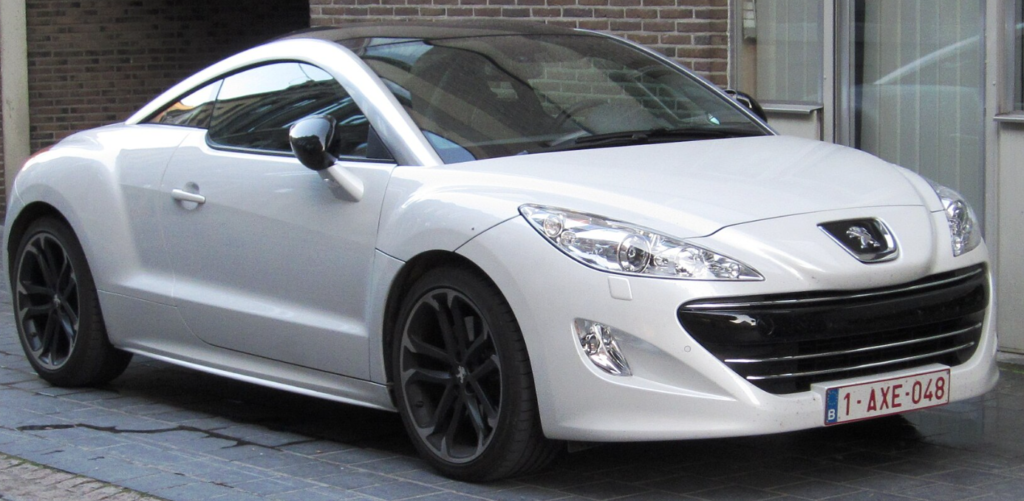
The Peugeot RCZ is one of those cars that still makes us glance over our shoulder after parking it. Its double-bubble roof, wide stance, aluminium roof arches, and low coupé profile have aged remarkably well. On appearance alone, it can feel like a much more exotic machine than its used-car price suggests.
But beautiful cars can have complicated personalities.
When researching Peugeot RCZ problems, we quickly discover that not every version carries the same risks. The 1.6 THP petrol engines have attracted most of the attention because of timing-chain, fuel-pressure, cooling, and carbon-deposit issues. Meanwhile, the diesel can bring its own DPF and age-related concerns. Beyond the engines, worn suspension components, damaged jacking points, electrical glitches, brakes, and ordinary deterioration now matter simply because most RCZs are more than a decade old.
Does that mean we should avoid one?
Not necessarily.
A well-maintained RCZ with evidence of important repairs can be a far better purchase than a low-mileage example with patchy servicing. Think of the service history as the car's medical records. Mileage tells us how far it has travelled; maintenance tells us how well it survived the journey.
Let's explore the most important Peugeot RCZ faults, symptoms, causes, and checks before buying one.
Content in this publication
- Are Peugeot RCZ Problems Really That Common?
- Peugeot RCZ 1.6 THP Problems Deserve the Most Attention
- 2. High-Pressure Fuel Pump Failure
- 3. Carbon Buildup on the Intake Valves
- 4. Coil Pack and Spark Plug Problems
- 5. Thermostat Housing and Coolant Leaks
- 6. Coolant-Level Sensor Faults
- 7. Water Pump and Auxiliary Cooling Problems
- 8. Turbocharger and Boost-Related Faults
- 9. Peugeot RCZ 2.0 HDi Problems
- 10. Gearbox and Gear-Selection Problems
- 11. Suspension Knocks and Worn Top Mounts
- 12. Damaged Peugeot RCZ Jacking Points
- 13. Brake Wear and ABS Warning Lights
- 14. Electrical and Battery Problems
- 15. Third Brake Light and Lighting Faults
- 16. Peugeot RCZ Warning Lights and the “Engine Fault: Repair Needed” Message
- 17. Peugeot RCZ Recalls
- 18. Which Peugeot RCZ Problems Are the Most Expensive?
- 19. Peugeot RCZ Problems by Mileage
- 20. Peugeot RCZ Pre-Purchase Inspection Checklist
- 21. How to Reduce Peugeot RCZ Problems After Buying
- 22. Should Peugeot RCZ Problems Stop Us Buying One?
- Conclusion: Peugeot RCZ Problems Are Manageable With the Right Car
- Frequently Asked Questions
Are Peugeot RCZ Problems Really That Common?
The RCZ should not automatically be labelled an unreliable car. However, there are several recurring weaknesses that prospective owners should understand.
Autocar's used-car buying guide specifically highlights timing-chain and tensioner problems on early cars, while also mentioning potential diesel DPF trouble, gearbox issues, upper shock-mount wear, ABS sensor wiring faults, battery trouble, and damaged jacking points.
Owner reports add several frequently discussed trouble areas, including high-pressure fuel pumps, thermostat housings, coolant-level sensors, water pumps, coil packs, carbon deposits, and oil leaks. These reports are anecdotal rather than proof that every RCZ will suffer from them, but the consistency of the complaints makes them useful when inspecting a used example.
The key is separating known patterns from inevitable failures.
An RCZ that has reached 80,000 miles with regular oil changes and documented preventative work could be less risky than a neglected 40,000-mile example.
Peugeot RCZ 1.6 THP Problems Deserve the Most Attention
The 1.6-litre turbocharged petrol engine is the area where we need to pay closest attention.
Various outputs were offered during the RCZ's life, including lower-powered THP models, stronger 200-class versions, and the high-performance RCZ R.
These engines deliver plenty of performance from relatively little displacement, but they are mechanically sophisticated. Turbocharging, direct injection, variable valve timing, and a timing-chain system pack plenty of technology into a small package.
When everything works, the engine feels lively and eager.
When several neglected issues arrive together, the repair bill can resemble a row of dominoes falling one after another.
1. Timing Chain and Timing Chain Tensioner Problems
Timing-chain trouble is probably the best-known Peugeot RCZ problem associated with petrol models.
Owner communities repeatedly discuss chains, tensioners, and related timing components, while Autocar specifically advises buyers to check whether early cars have had timing-chain and tensioner work completed.
A healthy timing chain should operate without dramatic rattling. A worn or poorly tensioned chain can produce a noticeable metallic clatter, particularly around cold starts.
Possible symptoms include:
- Metallic rattling when starting from cold
- Rough idle
- Engine warning lights
- Hesitation or uneven acceleration
- Loss of performance
- Camshaft/crankshaft correlation fault codes
- Increasing engine noise
We should never assume that a chain is fine simply because the car starts and drives.
If a seller says, "They all sound like that," it is worth getting an independent Peugeot specialist to listen.
Why Oil Maintenance Matters to the Timing Chain
Engine oil is essentially the bloodstream of the THP engine.
Running with old oil, incorrect oil, or a low oil level can accelerate wear in components that depend heavily on lubrication and oil pressure. Owner specialists frequently emphasize careful oil-level monitoring and more conservative oil-change routines for these engines.
For a used RCZ, regular documented oil changes therefore carry real value.
We would rather see a thick folder containing servicing invoices than a freshly polished engine cover.
2. High-Pressure Fuel Pump Failure
Direct-injection petrol engines require fuel to be delivered at high pressure, which means the high-pressure fuel pump, often shortened to HPFP, has an important job.
It is also among the most commonly discussed RCZ THP trouble spots within owner communities.
Symptoms can include:
- Difficult starting
- Long cranking
- Hesitation under acceleration
- Poor throttle response
- Engine warning messages
- Misfires
- Reduced-power or limp mode
- Rough idle
Unfortunately, several RCZ faults can create overlapping symptoms. A bad coil, worn spark plug, timing issue, fuel-pressure fault, or carbon buildup might all cause an engine to run poorly.
That is why proper diagnostics matter.
Replacing parts based on guesses is like throwing darts in the dark—and the parts cannon becomes very expensive surprisingly quickly.
How to Spot a Fuel-Pressure Problem During a Test Drive
Do not test an RCZ only by gently cruising around town.
Once the engine is properly warm and conditions permit, accelerate progressively through the gears.
A car that idles beautifully outside the seller's house may hesitate or trigger an engine warning only when significant load is requested.
3. Carbon Buildup on the Intake Valves
Carbon buildup is another problem associated with direct-injection petrol engines.
With traditional port fuel injection, petrol passes over the intake valves and can provide a cleaning effect. Direct injection introduces fuel directly into the combustion chamber, so intake valves do not receive the same washing action.
Deposits can gradually accumulate.
RCZ owner reports describe carbon buildup or "coking" as one of the issues encountered on THP engines, particularly as mileage increases.
Possible symptoms include:
- Uneven idle
- Hesitation
- Reduced performance
- Misfires
- Poor cold-running behaviour
- Increased fuel consumption
Severe buildup may require mechanical cleaning.
Can Short Journeys Make Things Worse?
Frequent short-distance driving can be unhelpful for several modern-engine systems because the engine spends less time fully warmed.
When viewing a used RCZ, asking how the car was driven can therefore be surprisingly useful.
A 60,000-mile car used for long motorway trips has lived a very different mechanical life from one that completed thousands of two-mile commutes.
4. Coil Pack and Spark Plug Problems
Sometimes an intimidating "engine fault" message has a relatively simple cause.
Ignition coils and spark plugs can produce misfires when they begin failing.
Symptoms may include:
- Engine juddering
- Flashing or illuminated engine light
- Rough idle
- Hesitation
- Reduced power
- Poor acceleration
- Increased fuel consumption
RCZ owners have regularly reported coil failures, making ignition components worth checking when diagnosing a misfire.
We should still avoid blindly buying a set of coils whenever the dashboard lights up. Read the diagnostic codes and investigate the cause first.
Otherwise, we may cure the symptom while leaving the real problem untouched.
5. Thermostat Housing and Coolant Leaks
Cooling-system trouble deserves a prominent place on any Peugeot RCZ inspection checklist.
Thermostat housing failures and leaks are repeatedly mentioned by RCZ owners, while coolant pumps and coolant sensors can also create trouble.
Watch for:
- Falling coolant level
- Coolant stains around the engine bay
- Sweet coolant smell
- Temperature warnings
- Cooling fan behaving strangely
- Engine taking unusually long to warm
- Overheating
- Dashboard coolant messages
Never dismiss unexplained coolant loss.
Cooling systems are sealed. If coolant repeatedly disappears, it is going somewhere.
Check the Expansion Tank When the Engine Is Cold
Before buying an RCZ, inspect the coolant only when it is safe and the engine is cold.
Look at the level and condition.
More importantly, ask whether the owner regularly has to top it up.
"Just needs a little coolant every month" is not reassuring. It is evidence that further investigation is required.
6. Coolant-Level Sensor Faults
Not every coolant warning means the engine is genuinely low on coolant.
The coolant-level sensor can itself fail.
Owner discussions repeatedly mention coolant-level sensor problems, sometimes alongside thermostat or expansion-tank issues.
This can create confusing dashboard alerts despite the coolant being at the correct level.
That sounds minor, but warning lights that cry wolf are dangerous because owners can gradually stop taking them seriously.
We want every engine warning to mean something.
7. Water Pump and Auxiliary Cooling Problems
Water-pump and cooling-pump trouble also appears within RCZ owner histories.
Depending on the exact component affected, symptoms might include coolant loss, warning messages, overheating, unusual noises, or cooling problems after spirited driving.
A documented replacement is not automatically bad news.
In fact, when buying an older performance-oriented car, a history showing properly completed repairs can be comforting.
The frightening car is often the one advertised as "never needed anything."
Every decade-old car has needed something.
A turbocharger transforms the relatively small 1.6-litre engine into something genuinely entertaining, but it also introduces more components that can fail.
Autocar notes that power loss on the 197bhp version can be associated with a turbo bypass solenoid. Owner communities also mention turbo oil-feed lines and related leaks.
Potential warning signs include:
- Noticeably reduced boost
- Flat acceleration
- Engine warning light
- Limp mode
- Whistling noises
- Smoke
- Oil leaks
- Excessive oil consumption
Not every whistle means the turbo is dying, and not every loss of boost requires a complete turbocharger.
Hoses, control valves, sensors, and associated components should be diagnosed first.
Watch for Oil Around the Engine
A slightly dusty engine bay is not necessarily concerning.
A freshly pressure-washed engine bay can actually tell us less.
Look underneath and around the engine for fresh oil, staining, or dampness. Owner reports mention rocker-cover leaks as well as oil-feed and oil-cooler-area gasket concerns.
Any substantial leak deserves investigation before purchase.
9. Peugeot RCZ 2.0 HDi Problems
The diesel RCZ has a rather different personality.
Its strong torque suits relaxed long-distance driving, and owner communities generally report fewer headline engine complaints than we see surrounding the petrol THP.
However, "diesel" does not mean "problem free."
Autocar notes that loss of power on the 2.0 HDi may relate to ECU software and also flags possible DPF contamination issues.
As diesel RCZs age, we also need to consider the usual modern-diesel questions surrounding:
- Diesel particulate filters
- EGR systems
- Turbocharger condition
- Injectors
- Dual-mass flywheels
- Clutches
- Emissions equipment
These are not necessarily RCZ-specific weaknesses, but they can become expensive on any older diesel.
DPF Problems and Driving Style
A diesel particulate filter periodically needs conditions that allow regeneration.
Cars used predominantly for repeated short urban trips may struggle to complete this process.
Possible signs of DPF trouble include:
- Warning messages
- Reduced performance
- Frequent regeneration behaviour
- Poor fuel economy
- Limp mode
- Excessive exhaust-related faults
For buyers covering substantial motorway mileage, the 2.0 HDi can still make sense. For someone driving three miles to work and back, a diesel RCZ may be a less natural fit.
10. Gearbox and Gear-Selection Problems
Manual transmissions are generally straightforward, but there are specific behaviours worth checking.
Autocar advises testing the shift from third to second on some 2.0 HDi and lower-powered 1.6 models because incorrect gearshift adjustment can allow the transmission to slip toward neutral. It also notes that difficult shifting on the higher-powered 1.6 can be linked to water contamination in the gearbox.
During the test drive, work through every gear.
Pay attention to:
- Difficulty selecting gears
- Crunching
- Gear lever resistance
- Transmission whine
- Clutch slip
- Excessive clutch pedal vibration
- Gear popping out
A five-minute drive around the block simply is not enough.
11. Suspension Knocks and Worn Top Mounts
The RCZ looks low and planted because it is designed to feel sportier than the ordinary family hatchbacks with which it shares some underlying engineering.
Age, potholes, and stiff suspension eventually take their toll.
Upper front shock-absorber mounts are a known area worth checking, and current UK MOT statistics show suspension pins, bushes, joints, bearings, springs, tyres, and related wear appearing among common age-related RCZ defects.
Listen for:
- Clunks over bumps
- Knocking when steering
- Uneven tyre wear
- Wandering
- Vibration
- Poor wheel alignment
- Creaking at low speeds
A knock is not automatically catastrophic.
But several small suspension repairs arriving simultaneously can turn a bargain RCZ into a surprisingly expensive project.
12. Damaged Peugeot RCZ Jacking Points
This is one of the easiest RCZ-specific issues to overlook.
The jacking points and nearby sill areas can become bent or crushed when the car is lifted incorrectly.
Both Autocar and multiple RCZ owner discussions warn buyers to inspect this area.
Get down low and look underneath.
If the metal appears flattened, folded, heavily distorted, or poorly repaired, investigate further.
This issue tells us something else too: how previous garages treated the car.
A neat underside suggests care. Mangled lifting points tell another story.
13. Brake Wear and ABS Warning Lights
Brakes are consumable items, but the RCZ deserves a proper brake inspection because replacement costs can vary significantly by version.
UK MOT data for older RCZs shows worn discs and brake pads among frequent recorded defects.
Autocar additionally identifies damaged wheel-speed-sensor wiring as one potential cause of an ABS warning light.
On a test drive, watch for:
- Steering-wheel vibration under braking
- Grinding
- Squealing
- Pulsation through the brake pedal
- Pulling to one side
- ABS or stability-control warnings
RCZ R Brake Problems Can Be More Expensive
The RCZ R deserves special treatment because its high-performance braking hardware is different from that fitted to ordinary RCZ variants.
RCZ R owners have discussed corrosion of front caliper pistons and the significant cost of replacing performance brake components.
If buying an R, inspect the brake system carefully and budget like the owner of a performance car, not an ordinary Peugeot hatchback.
14. Electrical and Battery Problems
Modern cars can behave strangely when battery voltage falls.
The RCZ is no exception.
Autocar specifically mentions battery-related warning behaviour, lighting glitches on earlier instrument displays, and possible water ingress around the boot lock.
We should test everything:
- Windows
- Mirrors
- Central locking
- Parking sensors
- Climate control
- Heated seats where fitted
- Navigation
- Stereo
- Automatic lights
- Wipers
- Boot release
- Instrument display
A weak battery can create seemingly unrelated errors, so battery condition and charging voltage should be checked before chasing ghosts through the wiring loom.
15. Third Brake Light and Lighting Faults
A failed rear light is not going to destroy the engine, but it is exactly the kind of irritating age-related repair that buyers forget to notice.
Owner reports frequently mention LED third-brake-light trouble, while MOT records also show lighting defects among RCZ test findings.
Ask somebody to stand behind the car while you operate:
- Tail lights
- Brake lights
- Indicators
- Reverse lights
- Rear fog light
Do the same at the front.
Ten seconds of inspection can reveal faults the seller may never have noticed.
16. Peugeot RCZ Warning Lights and the “Engine Fault: Repair Needed” Message
Few messages drain the joy from a sports coupé faster than:
Engine fault: repair needed.
Unfortunately, the message itself is not a diagnosis.
Potential causes can range from an ignition coil to fuel-pressure problems, timing faults, temperature sensors, boost-control issues, emissions faults, or other sensor failures.
This makes an OBD diagnostic scan invaluable.
Never Buy Based Only on a Cleared Dashboard
A dishonest or desperate seller can clear fault codes immediately before a viewing.
The dashboard may stay clean for several miles before the monitor detects the problem again.
Whenever possible:
- View the car completely cold.
- Scan it before the test drive.
- Drive it until fully warm.
- Use meaningful acceleration.
- Scan it again afterward.
That simple procedure can reveal far more than walking around kicking tyres.
17. Peugeot RCZ Recalls
Recall history depends on market, model year, engine, and individual vehicle.
Autocar's UK buying guide identifies historical RCZ recall campaigns involving front brake hoses on some 2010 cars and fuel-system concerns affecting certain diesel vehicles.
Because recalls are VIN-specific and country-specific, we should not assume that every RCZ from a particular year was affected.
In the UK, the government provides an official recall checker and states that safety-recall repairs are generally handled without the owner paying for the recall work.
For cars elsewhere, use the manufacturer's dealer network or the appropriate national vehicle-safety authority.
18. Which Peugeot RCZ Problems Are the Most Expensive?
A bulb and a damaged engine are both "problems," but financially they live on different planets.
When budgeting for an RCZ, we would focus on the issues capable of generating the largest bills:
- Serious timing-chain-related damage
- Major turbocharger problems
- High-pressure fuel-system faults
- Severe overheating damage
- Clutch and dual-mass-flywheel replacement on applicable versions
- Significant gearbox problems
- High-performance RCZ R brake work
- Multiple neglected suspension repairs
- Serious diesel emissions-system failures
This is why paying slightly more for the correct car can save money.
The cheapest RCZ advertised online is rarely the cheapest RCZ to own.
19. Peugeot RCZ Problems by Mileage
There is no magic mileage at which an RCZ suddenly becomes unreliable.
Condition, age, maintenance, driving style, and previous repair quality matter more.
Still, our inspection priorities can evolve as mileage rises.
Under 50,000 Miles
Do not assume low mileage removes the risk of:
- Timing-chain trouble
- Failed sensors
- Old batteries
- Coolant leaks
- Age-hardened tyres
- Brake corrosion
Low mileage can also mean years of short trips and long periods sitting unused.
50,000 to 100,000 Miles
At this stage, we become more interested in:
- Timing-system history
- Carbon deposits
- High-pressure fuel pump history
- Suspension wear
- Clutch condition
- Cooling-system repairs
- Turbo condition
- Oil leaks
Over 100,000 Miles
A high-mileage RCZ with excellent documentation should not automatically frighten us.
At this point, though, we want evidence that maintenance has evolved beyond routine oil changes.
Bushes, mounts, cooling components, brakes, sensors, ignition components, drivetrain parts, and other age-sensitive components may already have needed renewal.
20. Peugeot RCZ Pre-Purchase Inspection Checklist
Before buying, we would work through this checklist.
Engine
- Start the engine completely cold.
- Listen carefully for timing-chain rattling.
- Check for warning lights.
- Look for coolant or oil leaks.
- Inspect oil level and condition.
- Confirm smooth idle.
- Test full-load acceleration once warm.
Service History
- Look for frequent oil changes.
- Ask about timing-chain work.
- Look for HPFP replacement invoices.
- Check cooling-system repair history.
- Confirm the correct specification of fluids used.
Chassis
- Inspect all jacking points.
- Check suspension for knocks.
- Examine tyres for uneven wear.
- Look beneath the car for leaks.
Electrics
- Test every switch.
- Check mirrors and windows.
- Test navigation and infotainment.
- Confirm parking sensors work.
- Watch for warning messages.
Road Test
- Use every gear.
- Test the brakes firmly.
- Listen for wheel-bearing or suspension noise.
- Check clutch operation.
- Confirm strong, smooth boost.
- Monitor the temperature gauge.
And ideally, have the vehicle inspected by a Peugeot or French-car specialist before handing over the money.
21. How to Reduce Peugeot RCZ Problems After Buying
Preventative maintenance is cheaper than mechanical archaeology.
Once we own the car, a sensible routine should include:
- Checking engine oil regularly
- Using the correct manufacturer-approved oil specification
- Avoiding stretched oil-change intervals
- Monitoring coolant level
- Investigating warning lights immediately
- Allowing the engine to warm normally before demanding maximum performance
- Checking for new leaks
- Keeping tyres correctly inflated
- Servicing the car consistently
- Addressing rattles and knocks before they become larger problems
On the THP in particular, oil neglect is a false economy.
Saving money by extending maintenance can be like saving on roof tiles during a hurricane.
22. Should Peugeot RCZ Problems Stop Us Buying One?
No—but they should change how we buy one.
The RCZ is now an ageing enthusiast car rather than merely a cheap second-hand coupé.
That distinction matters.
Buy purely on appearance and price, and we can easily inherit years of deferred maintenance.
Buy on condition, history, mechanical inspection, and evidence of proper servicing, and the picture changes dramatically.
An RCZ with a replaced timing kit, healthy cooling system, documented servicing, straight jacking points, quiet suspension, clean diagnostics, and a caring owner is far more appealing than one with suspiciously little history.
These cars reward research.
They punish assumptions.
Conclusion: Peugeot RCZ Problems Are Manageable With the Right Car
The Peugeot RCZ remains one of the most distinctive affordable coupés of its era.
Its biggest weaknesses are no secret anymore.
On petrol cars, we should pay particular attention to timing chains and tensioners, high-pressure fuel pumps, ignition components, carbon deposits, cooling-system faults, turbo-related problems, and oil maintenance. Diesel buyers should consider DPF operation, emissions equipment, drivetrain wear, and fuel-system history.
Away from the engine, inspect suspension components, brakes, electrical equipment, jacking points, tyres, lights, and evidence of water ingress.
UK MOT statistics reinforce the fact that many of today's RCZ concerns are now simply the realities of ageing cars: tyres, brakes, suspension wear, leaks, and emissions faults become increasingly important.
So, should we fear Peugeot RCZ problems?
We should respect them rather than fear them.
A neglected RCZ can swallow money quickly. A carefully maintained example can still deliver gorgeous styling, strong performance, and something many newer cars struggle to provide: character.
Buy the history as much as the car, listen carefully during the cold start, scan for faults, inspect underneath, and never let shiny paint distract us from mechanical evidence.
That double-bubble roof may seduce us first.
The service folder should make the final decision.
Frequently Asked Questions
1. What are the most common Peugeot RCZ problems?
Frequently reported issues include timing-chain and tensioner wear on 1.6 THP petrol engines, high-pressure fuel-pump faults, thermostat or coolant-system failures, carbon buildup, coil-pack problems, suspension wear, damaged jacking points, and age-related electrical issues. The exact risk depends heavily on engine, model year, maintenance, and previous repairs.
2. Does the Peugeot RCZ have timing chain problems?
The petrol THP engines use a timing chain, and timing-chain or tensioner trouble is one of the best-documented RCZ concerns, particularly on earlier vehicles. Buyers should listen for rattling at cold start and inspect service records for evidence of previous timing-system repairs.
3. Is the Peugeot RCZ 2.0 HDi more reliable than the petrol version?
The diesel does not attract the same volume of timing-chain and high-pressure-petrol-pump complaints associated with the THP engines, but it has different considerations. DPF condition, emissions equipment, clutch and flywheel wear, turbo health, and the car's previous driving pattern all matter. A well-maintained example of either engine is preferable to a neglected one.
4. What should we check before buying a used Peugeot RCZ?
Start the car from completely cold, listen for timing noise, inspect oil and coolant levels, look for leaks, test every electrical feature, examine the jacking points, check tyres and suspension, test every gear, and perform a diagnostic scan. A professional pre-purchase inspection is especially worthwhile if buying a THP-powered RCZ without extensive maintenance records.
5. Is a Peugeot RCZ expensive to maintain?
Routine servicing does not necessarily make the RCZ unusually expensive, but neglected examples can become costly when several faults require attention simultaneously. Major timing work, turbo repairs, fuel-system components, clutch work, diesel emissions repairs, or RCZ R brake components can substantially increase ownership costs. Buying a well-maintained car is usually more economical than buying the lowest-priced example available.
If you want to know other articles similar to Peugeot RCZ Problems: Common Faults, Warning Signs, and What to Check you can visit the category Common Problems.
Peugeot RCZ Engine Fault Repair Needed: Causes, Diagnosis, and Fixes

Mazda CX-8 Issues: Common Problems, Warning Signs, and What Owners Should Know
Mazda CX-8 Engine Problems: Causes, Symptoms, and What Owners Should Know
Mazda CX-8 Diesel Problems: What Owners Should Know
BMW i7 Problems: Common Issues, Recalls, and Reliability

Infiniti QX60 Problems: Common Issues, Symptoms, and What Owners Should Know
Leave a Reply
More content of your interest