
Peugeot RCZ Boot Space: How Practical Is This Stylish Coupé?

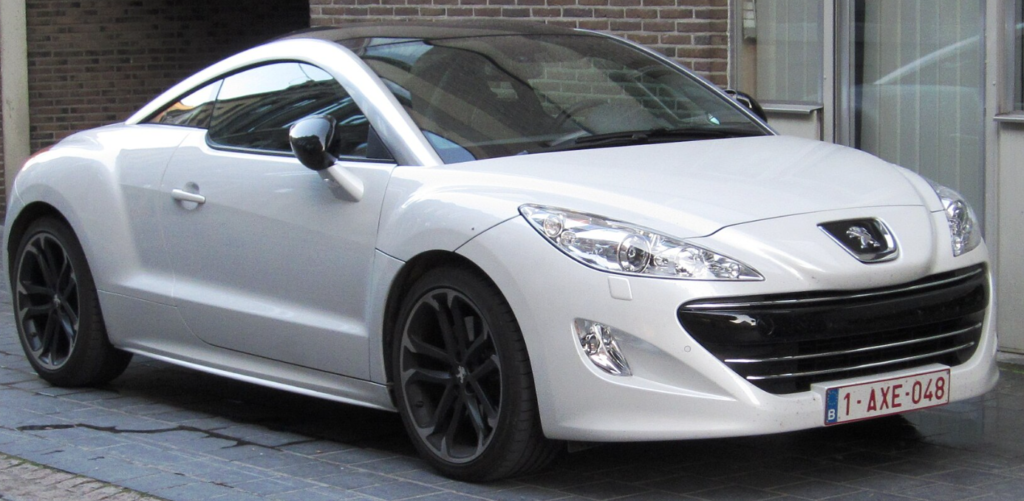
The Peugeot RCZ looks like the kind of car that should force us to travel light. Low roof, dramatic curves, two doors, a double-bubble rear window—it has all the visual ingredients of a sports coupé designed more for a weekend blast than a supermarket run.
Yet the Peugeot RCZ boot space is one of the car's pleasant surprises.
Depending on the specification source and measurement convention, you'll see the RCZ luggage compartment quoted at either 309 litres or 384 litres. Period UK Peugeot specification guides list the boot at 309 litres, while other Peugeot-market documentation and contemporary reviews quote 384 litres. With the rear seatbacks folded, available carrying capacity rises to approximately 760 litres.
That makes the RCZ rather different from the stereotype of an impractical sports coupé.
Of course, litres only tell us part of the story. The shape of the luggage compartment, loading opening, rear seats and depth of the boot matter just as much as the headline figure.
So, can we actually take an RCZ on holiday? Will golf clubs fit? What happens when we fold the rear seats? And why do different websites quote different boot capacities?
Let's open the boot and find out.
Content in this publication
- Peugeot RCZ Boot Space at a Glance
- How Big Is the Peugeot RCZ Boot?
- Peugeot RCZ Boot Space With the Rear Seats Folded
- What Can Fit in a Peugeot RCZ Boot?
- Is the Peugeot RCZ Boot Big Enough for Suitcases?
- Can Golf Clubs Fit in a Peugeot RCZ?
- Is the Peugeot RCZ Boot Good for Shopping?
- What Is the Peugeot RCZ Boot Opening Like?
- Peugeot RCZ Boot Space vs Rear Passenger Space
- How Does RCZ Boot Space Compare With Other Coupés?
- Is the RCZ Practical Enough for Daily Driving?
- Peugeot RCZ Boot Space for a Weekend Away
- Can the RCZ Work for Longer Holidays?
- Does the Peugeot RCZ R Have Different Boot Space?
- How to Make Better Use of the RCZ Boot
- Peugeot RCZ Boot Space When Buying Used
- Peugeot RCZ Boot Space: The Real-World Verdict
- Closing Thoughts
- Frequently Asked Questions About Peugeot RCZ Boot Space
Peugeot RCZ Boot Space at a Glance
Before diving into the details, here's the simple version.
| Configuration | Approximate Capacity |
|---|---|
| Standard boot | 309–384 litres depending on measurement/source |
| Rear seats folded | Up to around 760 litres |
| Seating layout | 2+2 coupé |
| Rear seats | Foldable |
| Boot access | Separate boot lid rather than full hatch |
| Best suited to | Shopping, weekend luggage, soft bags, golf equipment and occasional larger loads |
Contemporary Peugeot-related specifications published for some markets state 384 litres with the seats upright and 760 litres with the rear seat folded to roof height. Meanwhile, Peugeot's UK technical guides specified 309 litres.
We'll come back to that difference shortly.
How Big Is the Peugeot RCZ Boot?
For a low-slung 2+2 coupé, it is impressively useful.
Even if we take the more conservative 309-litre figure, the RCZ gives us enough room for typical everyday luggage without requiring the packing skills of a Tetris champion.
The compartment is relatively deep, allowing smaller suitcases, backpacks, shopping and weekend bags to sit below the boot lid.
Use the commonly quoted 384-litre figure, meanwhile, and the RCZ starts approaching the luggage capacity associated with some ordinary family hatchbacks of its era.
That contrast is what makes the RCZ interesting.
From the outside, it looks like luggage space should have been sacrificed on the altar of styling. Instead, Peugeot managed to carve out a genuinely usable load area beneath that sculpted rear bodywork.
Why Do Some Sources Say 309 Litres and Others 384 Litres?
This is one of the confusing parts of researching Peugeot RCZ boot capacity.
Peugeot UK price and specification documents listed the boot volume as 309 litres. Contemporary Australian Peugeot specification material, however, listed 384 litres, and several automotive publications also used the 384-litre figure.
Different luggage-volume standards, market documentation and whether additional storage areas are counted can produce different published numbers.
Rather than pretending one number has never existed, we think the useful way to describe it is:
Expect roughly 309–384 litres of quoted luggage capacity with the rear seats in place and up to approximately 760 litres with them folded.
If we're physically measuring luggage before buying an RCZ, the shape and dimensions of our actual bags matter more than arguing over a few dozen theoretical litres.
Which Figure Should We Use When Comparing Cars?
Consistency is everything.
If another vehicle's boot has been measured using the same standard as the 309-litre RCZ figure, compare 309 with that figure. If a comparison source consistently uses the larger measurement method, use 384.
Mixing measurement standards can make one vehicle appear more practical than another when the difference is partly methodological.
For real-world ownership, we would treat 309 litres as a conservative planning figure and consider anything beyond that useful bonus volume.
Peugeot RCZ Boot Space With the Rear Seats Folded
This is where the RCZ becomes considerably more versatile.
Folding the rear seatbacks expands available carrying capacity to approximately 760 litres according to period Peugeot specifications and contemporary reviews.
Seven hundred and sixty litres is meaningful space in a car shaped like this.
Suddenly, we're not only talking about a couple of overnight bags. Longer objects become easier to accommodate, and the RCZ can handle items that would otherwise look completely incompatible with a sports coupé.
The rear seats are already best regarded as occasional seats, so owners who rarely carry passengers in the back can effectively treat them as an extension of the luggage compartment.
Are the Rear Seats Useful for Luggage?
Very much so.
The RCZ is technically a four-seat car, but its rear accommodation is tight. Contemporary reviews describe the rear as better suited to children, short journeys or additional bags than regular adult passengers.
That limitation becomes an advantage when we're carrying luggage.
Think of the rear bench as a flexible buffer zone.
Keep the seats upright and we can place jackets or small bags there. Fold them and the boot expands forward, creating considerably more space for awkward or lengthy cargo.
For a couple travelling together, that's a surprisingly practical arrangement.
What Can Fit in a Peugeot RCZ Boot?
Litres are wonderfully neat on a specification sheet. Real luggage isn't.
Suitcases have wheels. Pushchairs have handles. Golf bags are long. Shopping bags fall over the second we take a corner.
So what can we realistically expect?
The RCZ should comfortably handle ordinary grocery shopping, several soft weekend bags, backpacks and combinations of smaller luggage. Larger rigid suitcases require more thoughtful packing, particularly if we're trying to carry several at once.
With the rear seatbacks down, considerably larger loads become possible.
A practical packing list might include:
- Two cabin-size suitcases plus smaller soft bags
- Several grocery bags
- A couple's luggage for a weekend trip
- Sports bags and gym equipment
- Golf equipment, depending on bag dimensions
- Photography or work equipment
- Longer luggage with the rear seats folded
- Flat-packed or moderately bulky items when carefully positioned
The secret is soft luggage.
A hard suitcase behaves like a brick: its dimensions cannot negotiate with the car. A duffel bag behaves more like water, filling irregular gaps around other luggage.
For an RCZ road trip, soft bags are our friends.
Is the Peugeot RCZ Boot Big Enough for Suitcases?
For two people, generally yes.
A typical weekend away should not cause much trouble. The standard luggage compartment is far more useful than the RCZ's exterior design suggests.
Two modest cases can often be paired with smaller bags, coats or backpacks, although the exact result naturally depends on their dimensions.
If we're planning a longer holiday and bringing large checked-luggage cases, packing becomes more complicated.
That's when folding one or both rear areas—or simply using the rear seating space for additional soft bags—becomes useful.
Best Packing Strategy for a Road Trip
Start with the largest rigid items.
Place them into the deepest and broadest sections of the boot first. Then fill the remaining spaces using softer bags.
Shoes can go into individual bags rather than a giant shoe case. Jackets can remain in the cabin. Small objects can occupy spaces around larger luggage rather than consuming an entire suitcase.
It's surprising how much additional room we discover when we stop packing every object inside rectangular luggage.
Can Golf Clubs Fit in a Peugeot RCZ?
The RCZ has developed something of a reputation for being more golf-friendly than its appearance implies.
Contemporary ownership-oriented coverage has noted that with the rear backrests folded, the available cargo area can accommodate golf equipment, including a bag and trolley depending on their dimensions.
However, golf bags vary considerably.
A compact carry bag is obviously easier than a large tour bag, while longer drivers may require positioning the bag diagonally or folding the rear seatback.
If golf equipment is a major reason you're considering an RCZ, the smartest approach is beautifully simple: take your actual golf bag when inspecting the car.
Five minutes of real-world testing beats fifty online forum posts.
Is the Peugeot RCZ Boot Good for Shopping?
Absolutely.
For everyday supermarket trips, the boot is more than adequate for most owners.
Its depth is useful because grocery bags can sit down inside the compartment rather than towering above it. We're unlikely to encounter capacity problems during a normal weekly shop unless we're buying unusually bulky items.
The greater issue is organisation.
Sports-coupé suspension, roundabouts and unsecured groceries can turn a carefully packed shopping trip into a rolling orchestra of bottles and cans.
A collapsible boot organiser or reusable crates can make the luggage compartment much easier to live with.
Everyday Storage Is Better Than the Styling Suggests
And that's really the RCZ's practicality story.
The car looks exotic enough that we expect compromise everywhere. Yet the boot is large enough that normal life doesn't suddenly stop when we buy one.
We can commute.
We can shop.
We can disappear for a weekend.
We don't have to mail our suitcase to the hotel separately.
That's a win.
What Is the Peugeot RCZ Boot Opening Like?
Capacity isn't the only concern.
The RCZ uses a conventional boot lid rather than the large full-height hatch found on some rival coupés. Autocar specifically noted that this makes it somewhat less flexible for loading than hatchback-style rivals even though its overall luggage volume is respectable.
This matters when carrying bulky objects.
A large luggage compartment behind a relatively restricted opening is a little like owning a spacious room with a narrow doorway. The space exists—we simply have to get the object through the entrance.
Suitcases and bags aren't usually a problem.
Large boxes, furniture and oddly shaped objects can be another story.
Does the Loading Lip Matter?
It can.
Heavy items must be lifted into the compartment rather than simply slid across a perfectly flat hatchback floor.
Carbuyer similarly noted that although access is good, lifting luggage over the rear bumper can require some effort.
For most everyday luggage, that's a small inconvenience.
For a 25-kg suitcase after a long flight, our lower back might have a different opinion.
Peugeot RCZ Boot Space vs Rear Passenger Space
Here lies one of the RCZ's clever compromises.
Instead of sacrificing most of the boot to create generous adult rear seating, Peugeot produced a 2+2 layout with occasional rear seats and maintained respectable luggage capacity.
The result is not an ideal four-person grand tourer.
But for one or two people, it works rather well.
The RCZ Makes More Sense as a Two-Person Car
If we regularly need four adult seats, the RCZ probably isn't the natural choice.
If we normally travel alone or as a couple, things change dramatically.
The small rear seats become bonus storage.
The folding seatbacks become extra cargo length.
And that relatively large boot handles the majority of normal luggage.
Approach the RCZ as a stylish two-seater with emergency rear seats rather than a conventional four-seat family car, and its packaging suddenly makes much more sense.
How Does RCZ Boot Space Compare With Other Coupés?
The RCZ was notably competitive among sports coupés of its period.
Carbuyer, using the 384-litre measurement, compared it favourably with period versions of the Volkswagen Scirocco, Audi TT and Toyota GT86, quoting smaller capacities for those rivals.
We should be cautious when using historic comparisons because boot-measurement methods and model generations can differ.
Still, the broader point survives:
Luggage capacity was one of the RCZ's stronger practicality attributes.
That's unusual because styling-driven coupés often sacrifice cargo space to achieve their proportions.
The RCZ's dramatically curved rear body hides space surprisingly well.
RCZ vs Audi TT Boot Space
The Audi TT is the obvious comparison because both cars combine dramatic coupé styling with small rear seats.
However, body configuration matters just as much as litres.
The TT's hatch-style rear opening makes it particularly convenient for bulky cargo, whereas the RCZ's separate boot opening can restrict the size and shape of objects we can load.
So even when the RCZ produces an impressive capacity figure on paper, the TT can sometimes feel more flexible when carrying unusually shaped items.
This is why we shouldn't buy a coupé based on litre figures alone.
Is the RCZ Practical Enough for Daily Driving?
For a single driver or couple, we'd say the luggage space is easily practical enough for normal daily life.
The car itself is low, the rear seats are cramped and cabin storage isn't outstanding, but the boot compensates for some of those limitations.
We can carry laptops, gym bags, groceries, coats and work equipment without treating every commute like an expedition.
Where the RCZ Starts to Struggle
Its limitations become clearer when we regularly carry:
- Four adults and their luggage
- Large pushchairs
- Several full-size suitcases
- Tall boxes
- Bulky furniture
- Pets requiring large travel crates
- Equipment that depends on a wide hatch opening
Those jobs belong to hatchbacks, estates and SUVs.
The RCZ doesn't need to beat them.
It simply needs to be practical enough that choosing style doesn't become annoying—and in most ordinary situations, it achieves that.
Peugeot RCZ Boot Space for a Weekend Away
This may be the RCZ's ideal assignment.
Imagine two people, a winding road, a hotel somewhere interesting and enough luggage for two or three nights.
That's where the RCZ feels perfectly matched to the job.
A couple of cabin-sized cases or soft travel bags should leave enough flexibility for shoes, jackets and smaller belongings.
And because nobody needs the rear seats, they become extra storage if required.
The car's luggage capacity therefore complements its grand-touring personality rather well.
It's a sports coupé that doesn't punish us every time we decide to stay overnight somewhere.
Can the RCZ Work for Longer Holidays?
Yes, with intelligent packing.
A week-long journey for two people is realistic if we avoid bringing half the house.
Soft luggage helps enormously.
Using the rear seats for items needed during the journey—jackets, snacks or backpacks—also prevents us from constantly opening the boot.
If the rear seats are folded, the available volume becomes much more generous, although we should secure loose cargo properly.
Think About Weight, Not Just Volume
A big boot doesn't mean we should fill every cubic centimetre with dense cargo.
Vehicle payload limits still matter.
Twenty bags of decorative stones might technically fit, but that doesn't make the RCZ a pickup truck.
The luggage compartment should be treated as passenger-car storage, not an invitation to test the suspension's philosophical limits.
Does the Peugeot RCZ R Have Different Boot Space?
The high-performance RCZ R retained the same basic coupé architecture and period Australian specifications listed its luggage capacity at 384 litres, expanding to 760 litres with the rear seat folded.
That means choosing the more focused R doesn't automatically mean abandoning luggage practicality.
This is rather appealing.
We get the dramatic RCZ body, increased performance and still enough cargo capacity to make a weekend road trip perfectly plausible.
How to Make Better Use of the RCZ Boot
A little organisation makes a surprisingly large difference.
Instead of throwing everything into the luggage compartment and hoping physics becomes cooperative, we can pack around its shape.
Use soft-sided bags where possible. Put heavier objects low and toward the front of the luggage area. Use smaller bags to occupy gaps. Avoid stacking hard objects too high, and secure anything capable of moving during aggressive braking.
A boot organiser can also stop smaller objects from sliding around.
Fold the Rear Seats Before Loading Long Items
It sounds obvious, but planning the loading sequence prevents frustration.
If we know an item will extend through the rear-seat area, fold the seatbacks before filling the boot with everything else.
Otherwise we end up unloading half the car just to rearrange it.
We've all done it.
We'd rather not admit how often.
Protect the Interior
The RCZ is now an ageing enthusiast car, and good examples deserve some care.
If we're carrying bicycles, golf equipment, tools or sharp-edged boxes, use blankets or protective mats around the trim.
Replacing scratched interior panels is far less entertaining than preventing the scratch in the first place.
Peugeot RCZ Boot Space When Buying Used
If luggage capacity matters to you, inspect the actual boot rather than relying entirely on numbers.
Open it.
Fold the seats.
Bring your biggest suitcase.
Bring the pushchair.
Bring the golf clubs.
Whatever object you regularly carry should become part of the test drive.
Also inspect the luggage area for moisture, damaged trim, missing floor components and signs that previous owners regularly transported heavy or dirty items.
Check the Seat-Folding Mechanism
Make sure the rear seatbacks release and return to position correctly.
A 760-litre maximum capacity isn't terribly useful if the mechanism needed to access it is damaged.
Also check that the seat belts, catches and surrounding trim haven't been trapped or abused during repeated folding.
Peugeot RCZ Boot Space: The Real-World Verdict
The Peugeot RCZ boot space is considerably better than the car's dramatic styling leads us to expect.
Published figures vary: UK Peugeot specification documentation quotes 309 litres, while other Peugeot-era material and contemporary automotive sources quote 384 litres. With the rear seats folded, capacity is commonly stated at approximately 760 litres.
But the important takeaway isn't simply a number.
It's usability.
The RCZ can easily cope with normal shopping, weekend luggage, sports equipment and many of the everyday jobs we'd expect from an ordinary passenger car. Fold the rear seats and its versatility improves substantially.
Its main disadvantage is the traditional boot opening. A hatchback can swallow bulky items more easily because the entire rear window and tailgate lift away. In the RCZ, the luggage may fit inside the car but still need to negotiate a smaller entrance.
For most owners, though, that's an occasional inconvenience rather than a major flaw.
Closing Thoughts
The Peugeot RCZ is one of those cars that plays a clever visual trick.
Look at it from across a car park and we'd expect virtually no luggage space. That sweeping roofline and sculpted tail suggest that Peugeot's designers sacrificed practicality with a smile on their faces.
Open the boot and the story changes.
Whether we work from the conservative 309-litre specification or the frequently quoted 384-litre capacity, the RCZ provides meaningful luggage space. Fold the rear seats and around 760 litres becomes available.
That's enough to transform the RCZ from a beautiful weekend toy into something much easier to live with.
No, it isn't an estate car wearing a sports jacket.
It doesn't need to be.
For one or two people who want dramatic coupé styling without having to leave their suitcase on the pavement, the RCZ strikes a surprisingly sensible balance between form and function.
Frequently Asked Questions About Peugeot RCZ Boot Space
1. How many litres is the Peugeot RCZ boot?
Published figures vary. Peugeot UK specification guides listed 309 litres, while other Peugeot-market documents and contemporary reviews quote 384 litres. The variation reflects differences in published specifications and potentially measurement conventions.
2. What is the Peugeot RCZ boot capacity with the rear seats folded?
With the rear seatbacks folded, the RCZ offers approximately 760 litres of maximum luggage capacity according to period specification material and road tests.
3. Can you fit suitcases in a Peugeot RCZ?
Yes. The RCZ is suitable for ordinary weekend luggage, smaller suitcases and soft travel bags. For large cases or longer trips, using the rear seating area or folding the rear seatbacks provides much greater flexibility.
4. Can golf clubs fit in a Peugeot RCZ boot?
Golf equipment can fit, particularly when the rear seatbacks are folded. The exact arrangement depends on the length of the clubs, size of the golf bag and whether a trolley is being carried as well. Contemporary ownership coverage has specifically highlighted the RCZ's ability to carry golf equipment with the seats folded.
5. Is the Peugeot RCZ practical for everyday use?
For one or two people, yes. Its rear seats are limited for adults, but the luggage compartment is unusually practical for a stylish 2+2 coupé. Shopping, gym bags, work equipment and weekend luggage should pose little difficulty, while folding the rear seats allows substantially larger loads.
If you want to know other articles similar to Peugeot RCZ Boot Space: How Practical Is This Stylish Coupé? you can visit the category Service and Parts.
Volvo S90 Engine Oil: Type, Capacity & Change Guide
Volvo S90 Boot Space: Size, Capacity and Practicality
SEO Title: Volvo S90 Oil Capacity: Complete Guide by Engine

Kia Sorento Oil Type: Complete Guide by Year & Engine
Kia Sorento Engine Capacity: Complete Guide by Year
Peugeot 308 Clutch Replacement Cost: Complete UK Guide for 2026
Leave a Reply
More content of your interest