
Peugeot RCZ MPG: Real-World Fuel Economy and Running Costs Explained

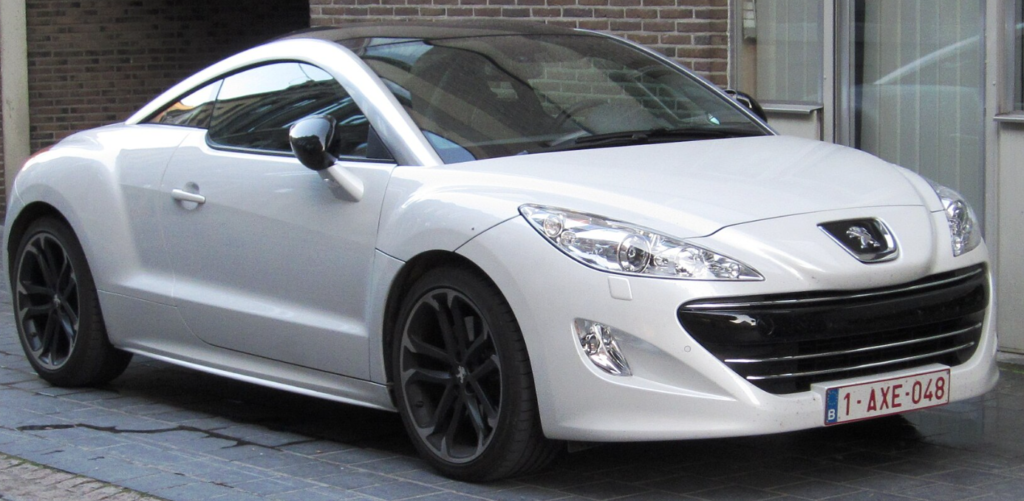
The Peugeot RCZ has always been a bit of an oddball—in the best possible way. It looks like a concept car that accidentally escaped the motor show, yet underneath that dramatic double-bubble roof sits relatively familiar Peugeot engineering. That combination raises an obvious question for anyone thinking about buying one today: what Peugeot RCZ MPG can we realistically expect?
The short answer is surprisingly encouraging.
Depending on the engine and gearbox, official combined Peugeot RCZ MPG figures range from approximately 38.6 mpg to 54.3 mpg using UK imperial gallons. The 2.0 HDi diesel is the economy champion, while the automatic version of the 156 hp petrol engine sits at the thirstier end of the range.
Of course, official fuel figures only tell half the story. An RCZ driven through congested city streets will behave very differently from one cruising peacefully along the motorway. Age, servicing, tyre pressure, temperature, journey length and—perhaps more than anything—our right foot can transform its fuel economy.
So, rather than simply repeating brochure numbers, let’s dig into what each RCZ engine offers, what MPG owners can realistically expect, and which version makes the most sense if fuel consumption matters.
Content in this publication
- Peugeot RCZ MPG at a Glance
- Understanding Peugeot RCZ Official MPG Figures
- Peugeot RCZ 1.6 THP 156 MPG
- Peugeot RCZ Automatic MPG
- Peugeot RCZ THP 200 MPG
- Peugeot RCZ R MPG
- Peugeot RCZ 2.0 HDi MPG
- Which Peugeot RCZ Has the Best MPG?
- Peugeot RCZ MPG in Town
- Peugeot RCZ Motorway MPG
- What Affects Peugeot RCZ MPG in Real Life?
- Can Poor MPG Signal an RCZ Problem?
- Dashboard MPG vs Calculated MPG
- Does Premium Petrol Improve Peugeot RCZ MPG?
- RCZ Petrol vs Diesel: Which Costs Less to Run?
- How to Improve Peugeot RCZ MPG
- Is the Peugeot RCZ Economical for a Sports Coupe?
- Is Good MPG More Important Than Service History?
- Peugeot RCZ MPG: What Should We Realistically Expect?
- Closing Thoughts on Peugeot RCZ MPG
- Frequently Asked Questions
Peugeot RCZ MPG at a Glance
Here are the main official combined figures commonly associated with later UK-specification RCZ models:
| Peugeot RCZ version | Fuel | Transmission | Official combined MPG |
|---|---|---|---|
| RCZ 1.6 THP 156 | Petrol | 6-speed manual | 44.1 mpg |
| RCZ 1.6 THP 156 | Petrol | 6-speed automatic | 38.6 mpg |
| RCZ 1.6 THP 200 | Petrol | 6-speed manual | 42.1 mpg |
| RCZ R 1.6 THP 270 | Petrol | 6-speed manual | 44.8 mpg |
| RCZ 2.0 HDi 163 | Diesel | 6-speed manual | Up to 54.3 mpg |
The 156 manual is officially rated at 44.1 mpg, the 156 automatic at 38.6 mpg and the 200 hp model at 42.1 mpg. Later 2.0 HDi versions are listed at 54.3 mpg combined.
Interestingly, the high-performance RCZ R was officially capable of 44.8 mpg combined despite producing 270 hp. Peugeot's RCZ R documentation listed 33.6 mpg urban, 55.4 mpg extra-urban and 44.8 mpg combined.
Pretty respectable for something that looks like it should be gulping fuel like an athlete after a marathon.
Understanding Peugeot RCZ Official MPG Figures
There is one important detail we need to establish before comparing numbers.
The Peugeot RCZ belongs to an earlier generation of fuel-economy testing. It was sold before today's WLTP system became the standard for new vehicles.
Why RCZ MPG Figures Are NEDC Figures
The UK Vehicle Certification Agency explains that WLTP began replacing the older NEDC fuel-consumption testing procedure from September 2017 and became mandatory for new internal-combustion cars from September 2018.
The RCZ was produced before that change.
Therefore, figures such as 44.1 or 54.3 mpg should primarily be treated as standardized comparison figures rather than guarantees of what we'll see during normal ownership.
Official MPG Is Not a Promise
Older laboratory tests were relatively gentle compared with the messiness of real roads.
They cannot perfectly reproduce:
- Traffic lights and queues
- Freezing morning starts
- Short journeys
- Hills
- Strong winds
- Heavy acceleration
- Air-conditioning use
- Worn tyres
- Different driving styles
In other words, official MPG gives us a ruler for comparing versions. Real-life MPG tells us what owning one may actually cost.
Peugeot RCZ 1.6 THP 156 MPG
For many buyers, the 1.6 THP 156 is the entry point into RCZ ownership.
It uses Peugeot's turbocharged 1.6-litre petrol engine and offers enough performance to make the coupe feel lively without turning every journey into a fuel-budget negotiation.
Official figures for the later manual version are 31.7 mpg urban, 55.4 mpg extra-urban and 44.1 mpg combined.
Is 44.1 MPG Realistic?
Sometimes.
If we're cruising gently on an open A-road or motorway, the RCZ 156 can be remarkably economical for a petrol coupe. Keeping the engine in its relaxed torque band and avoiding unnecessary acceleration gives the turbocharged engine an easy life.
Mixed driving is another matter.
Urban traffic, short trips and frequent turbo boost can pull the average noticeably below the official number. An RCZ is shaped like a slipper through the air, but traffic doesn't care about aerodynamics when we're sitting still at a red light.
RCZ 156 Manual MPG Advantages
The six-speed manual is the version we'd normally associate with the stronger economy figures.
Its official combined rating of 44.1 mpg is significantly better than that of the automatic model.
For someone covering a mixture of motorway and suburban miles, it represents one of the more balanced RCZ combinations: reasonable performance, manageable fuel use and the engaging feel we expect from a sporty coupe.
Peugeot RCZ Automatic MPG
The automatic RCZ deserves its own section because the gearbox has a noticeable impact on fuel economy.
RCZ 1.6 THP 156 Automatic MPG
The six-speed automatic 156 is officially rated at 27.4 mpg urban, 51.3 mpg extra-urban and 38.6 mpg combined.
That makes it the least economical mainstream RCZ configuration on paper.
Compared with the 44.1 mpg manual, its 38.6 mpg combined figure is a meaningful difference if we cover high annual mileage.
Why Does the Automatic Use More Fuel?
This comes from an earlier generation of automatic transmission technology.
Modern automatics can sometimes equal or outperform manuals for fuel efficiency. The RCZ's six-speed automatic belongs to a different era, when automatic convenience more often came with an economy penalty.
That doesn't automatically make it a poor choice.
If most of our driving involves urban traffic, the convenience of an automatic may matter more than extracting the final few miles from every gallon.
For low annual mileage, the fuel-cost difference may also be less dramatic than it appears on a specification sheet.
Peugeot RCZ THP 200 MPG
Turn the wick up to 200 hp and something interesting happens.
The official combined economy barely collapses.
The 1.6 THP 200 is rated at around 32.1 mpg urban, 50.4 mpg extra-urban and 42.1 mpg combined.
Considering its additional performance, that 42.1 mpg figure looks quite respectable next to the 44.1 mpg of the lower-powered manual 156.
Performance Without a Huge MPG Penalty
This is where the RCZ becomes rather clever.
On paper, moving from 156 hp to 200 hp costs relatively little in combined economy. The danger, naturally, lies in how we use that extra performance.
Drive the THP 200 gently and respectable MPG is possible.
Start chasing boost through every gear and the fuel gauge will begin behaving more like a countdown timer.
Turbocharged petrol engines can be economical when lightly loaded because we don't need to use their full potential constantly. But when we repeatedly demand boost, we're asking the engine to burn more fuel to make that extra power.
Motorway MPG in the THP 200
Long-distance cruising is one of the more flattering environments for the RCZ 200.
Once we're in sixth gear at a steady speed, engine load stabilizes and the sleek bodywork begins earning its keep.
The RCZ's dramatic styling isn't merely decorative. At higher speeds, reducing aerodynamic resistance matters far more than it does while crawling through town.
That means owners who mainly cover longer journeys may find the difference between a 156 and 200 surprisingly manageable.
Peugeot RCZ R MPG
Now we reach the entertaining part.
The Peugeot RCZ R produces 270 hp from its 1.6-litre turbocharged engine, yet its official combined economy is 44.8 mpg.
Peugeot listed urban consumption at 33.6 mpg and extra-urban economy at 55.4 mpg.
Yes, you read that correctly.
On the official test, the most powerful RCZ actually scored a higher combined MPG figure than the regular 200 hp version.
How Can the RCZ R Achieve 44.8 MPG?
Efficiency and performance aren't always enemies.
A powerful engine doesn't automatically use enormous amounts of fuel every second it's running. Fuel consumption depends heavily on load, gearing, engine management and how much power we're requesting.
During gentle standardized testing, the RCZ R wasn't using anything close to its full 270 hp.
Real-Life RCZ R Economy
This is also one RCZ where owner-reported results appear relatively strong.
Honest John reports a Real MPG figure of around 42.1 mpg for the RCZ R, compared with its 44.8 mpg official figure.
That's an impressive relationship between test-cycle and reported real-world economy.
There is, however, a gigantic caveat.
Nobody buys an RCZ R because they enjoy maintaining one constant throttle position.
Use its performance regularly and fuel consumption will fall. Hard acceleration requires energy, and energy has to come from somewhere.
Still, the R demonstrates that a properly engineered performance coupe does not have to be permanently thirsty.
Peugeot RCZ 2.0 HDi MPG
If MPG is our number-one priority, the 2.0 HDi 163 diesel is the RCZ to investigate.
Later versions are commonly listed with 54.3 mpg combined, approximately 42 mpg in urban conditions and around 65.7 mpg extra-urban depending on model year and specification.
Earlier RCZ literature listed the HDi at 53.2 mpg combined, so buyers may encounter slightly different official figures depending on production date and specification. Peugeot's 2013 RCZ brochure, for example, quoted 53.2 mpg.
Why the Diesel Is the MPG King
Diesel engines naturally suit steady long-distance driving.
The RCZ's 2.0 HDi produces strong torque without requiring high engine speeds, so we can cruise along with relatively little effort. That combination makes it particularly well suited to motorway use.
For someone doing 15,000 or 20,000 miles per year, that matters.
For someone doing 3,000 miles of short urban trips, things become less clear.
Real-World Peugeot RCZ Diesel MPG
Honest John's owner-submitted data puts the diesel's Real MPG average at roughly 48.7 mpg, against its later 54.3 mpg official figure. Across all RCZ versions, submitted real-world consumption has ranged widely, reflecting different engines and driving conditions.
Around the high-40s from a stylish 163 hp coupe is hardly embarrassing.
In fact, it remains one of the RCZ's most unusual qualities. Few cars that look this dramatic were designed with 50-ish MPG motorway journeys in mind.
Which Peugeot RCZ Has the Best MPG?
If we judge purely by official fuel consumption, the winner is straightforward.
The 2.0 HDi 163 is the most economical Peugeot RCZ, officially capable of up to 54.3 mpg combined in later specification.
But fuel economy isn't only about picking the largest MPG number.
Best RCZ for High-Mileage Drivers
The diesel makes the strongest case when we regularly cover long motorway journeys.
Long runs allow the engine to reach operating temperature and make good use of its low-rpm torque. That's exactly where a diesel feels at home.
Best Petrol RCZ for Economy
On official figures, the RCZ R's 44.8 mpg is technically the strongest petrol combined figure among the later models listed, followed closely by the THP 156 manual at 44.1 mpg.
In practice, however, someone prioritizing running costs probably isn't buying a 270 hp RCZ R purely because of its MPG rating.
For normal used-car buyers, the THP 156 manual may offer the more logical economy-focused petrol package.
Peugeot RCZ MPG in Town
City driving is where RCZ fuel economy takes its biggest punishment.
Engines are least efficient when they're repeatedly warming up, accelerating from rest and idling.
A 10-mile uninterrupted cruise and ten separate one-mile journeys may cover identical distances, yet their fuel consumption can be dramatically different.
Short Trips Hurt Fuel Economy
Cold engines require extra fuel.
If our typical RCZ journey consists of three miles to work, three miles home and occasional supermarket runs, expecting official combined MPG is unrealistic.
Petrol versions are generally more comfortable with this type of usage pattern than the diesel, particularly when considering the diesel particulate filter and the importance of proper operating conditions.
Peugeot RCZ Motorway MPG
Motorways are where the RCZ can pleasantly surprise us.
Its low coupe body gives the car an aerodynamic advantage, while six-speed gearboxes allow the engine to settle into a relatively relaxed rhythm.
We shouldn't interpret extra-urban laboratory figures literally as guaranteed motorway economy, but steady cruising can bring us much closer to the headline numbers than stop-start urban driving.
Speed Matters More Than We Think
There is a significant aerodynamic difference between cruising gently and maintaining much higher speeds.
Air resistance increases dramatically as speed rises.
So, if two identical RCZs drive the same motorway route but one driver maintains a relaxed pace while the other constantly accelerates and overtakes, their dashboard MPG readings may tell very different stories.
What Affects Peugeot RCZ MPG in Real Life?
An older RCZ isn't operating inside a laboratory anymore.
Its condition can influence economy almost as much as its original specification.
Things worth checking include:
- Correct tyre pressures and sensible tyre choice
- Wheel alignment
- Clean air filter
- Correct oil specification and servicing
- Healthy spark plugs on petrol engines
- Properly functioning sensors and engine management
- Brake calipers that aren't binding
- Thermostat operation and correct engine temperature
- Diesel particulate filter condition on HDi models
- Unnecessary weight in the boot
- Driving style and journey length
No single item magically adds 10 mpg, but several small inefficiencies can quietly turn an economical RCZ into a thirsty one.
Can Poor MPG Signal an RCZ Problem?
Absolutely.
Fuel economy can act like the car's pulse.
If our RCZ normally returns 38 mpg and suddenly struggles to exceed 27 mpg under identical conditions, something may have changed.
Look for a Pattern Before Panicking
One poor tank doesn't necessarily mean there's a fault.
Weather, traffic and journey type can distort an individual reading.
Instead, record consumption over several full tanks.
If the decline remains consistent, investigate.
Common Areas Worth Inspecting
On a petrol car, ignition problems, incorrect sensor readings, low tyre pressure or a thermostat preventing the engine from reaching its proper temperature may all hurt consumption.
A diesel RCZ may also suffer poor economy if emissions-related systems aren't operating correctly.
Diagnosis is much smarter than replacing random parts.
Dashboard MPG vs Calculated MPG
The dashboard computer is convenient, but a manual calculation gives us a useful reality check.
Fill the tank, reset the trip counter, drive normally, then refill it at roughly the same pump position.
Divide the miles travelled by the number of UK gallons used.
Do this over several tanks and we'll have a far more meaningful picture of our actual RCZ fuel economy.
Why One Tank Is Not Enough
Fuel pumps can shut off at slightly different levels.
Our driving may also change dramatically from week to week.
One tank might involve a relaxed motorway holiday. The next could be entirely composed of cold school-run-style trips.
Long-term averages smooth out the noise.
This question appears regularly with turbocharged performance engines.
Higher-octane fuel may suit certain engine requirements and driving conditions, but it should not be treated as a magic MPG upgrade.
Always follow the fuel grade specified for the particular engine and market.
If a more expensive fuel gives us only a tiny economy improvement, the financial saving may not compensate for the higher pump price.
Fuel economy and fuel cost are related, but they aren't identical.
RCZ Petrol vs Diesel: Which Costs Less to Run?
On fuel alone, the HDi usually wins.
But a used-car decision involves more than fuel.
A diesel might save money at the pump yet be less suitable for repeated short journeys. A petrol RCZ might consume more fuel but better match someone covering relatively few miles each year.
Annual Mileage Changes the Answer
Imagine we only drive 5,000 miles annually.
Even a meaningful MPG difference may translate into a relatively modest yearly saving.
Now imagine covering 20,000 miles.
Suddenly, every extra mile per gallon starts working overtime.
That's why there isn't one universally correct RCZ engine. The right choice depends on how the car will actually be used.
How to Improve Peugeot RCZ MPG
The easiest improvements aren't exciting, but they work.
Drive smoothly.
Look further ahead so we can lift off earlier rather than accelerating toward traffic and braking hard. Keep tyres properly inflated. Remove unnecessary weight. Avoid leaving the car idling. Combine short journeys when possible.
And don't lug the engine in an excessively high gear either. Efficient driving isn't about forcing the engine to struggle at the lowest possible rpm.
Think of it like cycling.
The goal isn't always to select the hardest gear. It's to find the gear where we can maintain momentum without wasting energy.
Is the Peugeot RCZ Economical for a Sports Coupe?
For its era, yes—particularly when we consider the available performance.
The petrol versions can officially exceed 40 mpg in manual form, while the diesel stretches comfortably beyond 50 mpg on its combined test figure. Even the 270 hp RCZ R carried a 44.8 mpg official combined rating.
That doesn't make the RCZ an economy car.
It makes it an economical coupe.
And there's an important difference.
Someone shopping exclusively for the cheapest possible transport will find far more efficient alternatives. Someone who wants a head-turning two-door car without feeding it fuel every few hundred yards may find the RCZ pleasantly sensible.
Is Good MPG More Important Than Service History?
Not when buying a used RCZ.
We'd rather buy a well-maintained RCZ returning a few MPG less than chase a neglected example simply because the dashboard currently shows an attractive number.
Fuel is only one ownership expense.
A substantial mechanical repair can wipe out years of tiny savings at the petrol station.
Buy on Condition First
Look for evidence of correct servicing, investigate warning lights, listen to the engine from cold and pay attention to how smoothly the car drives.
Then think about fuel economy.
Buying the right car comes before squeezing the final decimal point from its MPG figure.
Peugeot RCZ MPG: What Should We Realistically Expect?
A sensible expectation depends heavily on engine and usage.
The official combined range gives us a starting point of roughly 38.6 to 54.3 mpg, while owner-submitted data shows that real-world RCZ consumption can vary considerably. Honest John's overall RCZ dataset reports real MPG results across a broad 31–55 mpg range, with 118 submissions in the data shown.
We shouldn't therefore ask, "What MPG does an RCZ get?" as though there were one magic number.
A better question is:
What MPG should this particular RCZ get under the type of driving we actually do?
That gives us a much more useful answer.
Closing Thoughts on Peugeot RCZ MPG
The Peugeot RCZ manages a neat trick. It looks extravagant without necessarily drinking fuel like an extravagant car.
Choose the 2.0 HDi 163 and we get the strongest economy potential, with later versions officially rated up to 54.3 mpg combined. Pick the THP 156 manual and we retain respectable petrol economy at 44.1 mpg. Move to the THP 200 and the official figure falls only slightly to 42.1 mpg.
Even the wild RCZ R manages a claimed 44.8 mpg combined.
The 156 automatic is the exception, with its 38.6 mpg combined figure reflecting the efficiency limitations of its older automatic transmission.
Real driving will rarely mirror laboratory testing perfectly, and an ageing car's mechanical condition matters enormously. Still, the bigger picture is encouraging.
The RCZ doesn't force us to choose between style and reasonable running costs quite as brutally as its dramatic appearance suggests.
And maybe that's part of the reason it remains interesting today. It wears the clothes of an exotic coupe while occasionally displaying the drinking habits of something much more ordinary.
Frequently Asked Questions
1. What is the Peugeot RCZ MPG?
Official combined Peugeot RCZ MPG varies by engine and transmission. Later UK specifications range from approximately 38.6 mpg for the 156 hp automatic petrol to 54.3 mpg for the 2.0 HDi 163 diesel.
2. What MPG does the Peugeot RCZ 1.6 petrol get?
The manual 156 hp 1.6 THP is officially rated at 44.1 mpg combined. The automatic version is rated at 38.6 mpg, while the 200 hp manual is listed at 42.1 mpg combined.
3. What is the Peugeot RCZ diesel MPG?
Later Peugeot RCZ 2.0 HDi 163 models are officially rated at up to 54.3 mpg combined. Earlier documentation may show approximately 53.2 mpg depending on production period and specification.
4. What MPG does the Peugeot RCZ R get?
The 270 hp Peugeot RCZ R has an official combined fuel-economy figure of 44.8 mpg, with official figures of 33.6 mpg urban and 55.4 mpg extra-urban.
5. Why is my Peugeot RCZ getting poor MPG?
Poor RCZ MPG can result from short journeys, traffic, aggressive acceleration, incorrect tyre pressures, cold weather or mechanical issues. If consumption suddenly becomes much worse without any change in driving conditions, check servicing history, tyre pressures, engine temperature and fault codes before replacing components.
If you want to know other articles similar to Peugeot RCZ MPG: Real-World Fuel Economy and Running Costs Explained you can visit the category Driving.
BMW i7 Range Miles: How Far Can This Luxury EV Really Go?
Infiniti QX60 Fuel Economy: MPG, Range and Real-World Guide

Land Rover Defender 90 MPG: Real-World Fuel Economy Explained
Toyota Hilux Long Range Fuel Tank: Complete Buyer’s Guide
How Fast Is a BMW M2? Acceleration, Top Speed and Real-World Performance
Toyota Hilux Fuel Consumption: Real-World MPG, Diesel Economy, and Running Costs
Leave a Reply
More content of your interest