

Peugeot RCZ Engine Fault Repair Needed: Causes, Diagnosis, and Fixes

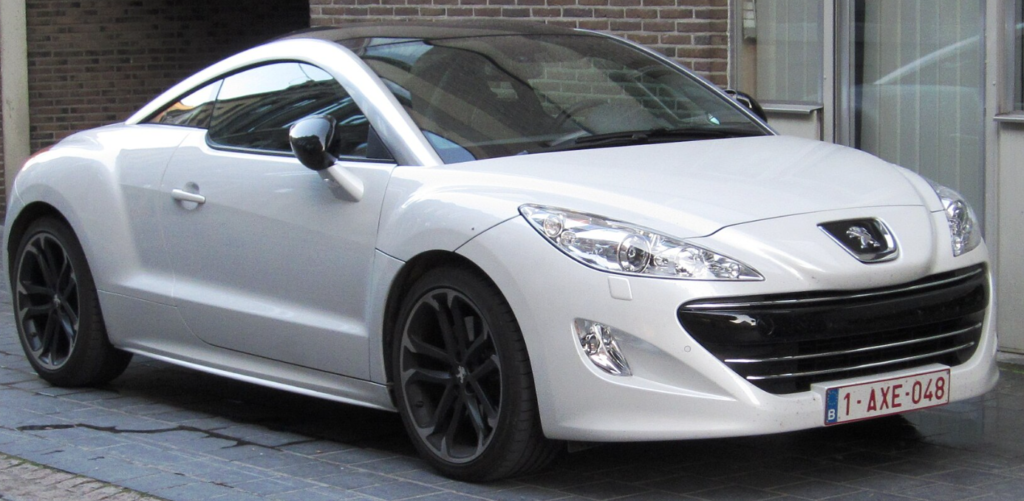
Seeing “Peugeot RCZ engine fault repair needed” appear on the dashboard can turn a pleasant drive into an instant guessing game. One minute the RCZ is pulling cleanly, the next it throws up a warning message, perhaps switches on the engine management light, and occasionally feels as though somebody has quietly removed half the horsepower.
The good news? That message does not automatically mean the engine is finished.
The less comforting news is that the warning is deliberately broad. The RCZ can display it when the engine control system detects anything from an ignition misfire or fuel-pressure problem to incorrect camshaft timing, turbo boost irregularities, sensor faults, or emissions-related trouble.
That means our first job isn't to start replacing parts. It is to find out what the car is actually complaining about.
This matters particularly with the 1.6 THP petrol RCZ, because certain symptoms overlap. A failing high-pressure fuel pump, stretched timing chain, ignition problem, boost leak, or carbon contamination can all produce reduced power and an engine warning. Owner reports regularly reinforce the importance of reading stored fault codes before throwing parts at the problem.
So, let's decode what “engine fault repair needed” on a Peugeot RCZ really means, what commonly causes it, when we should stop driving, and how to approach the repair without turning our wallet upside down.
Content in this publication
- What Does Peugeot RCZ Engine Fault Repair Needed Mean?
- Is Peugeot RCZ Engine Fault Repair Needed Serious?
- Start With the Fault Codes, Not Replacement Parts
- Common Causes of Peugeot RCZ Engine Fault Repair Needed
- 1. High-Pressure Fuel Pump Problems
- 2. Timing Chain and Tensioner Problems
- 3. Ignition Coil or Spark Plug Failure
- 4. Carbon Build-Up on the Intake Valves
- 5. Turbocharger and Boost-Control Faults
- 6. Intake, MAP, or Air-Measurement Sensor Faults
- 7. Oxygen Sensor and Air-Fuel Mixture Problems
- 8. Coolant Temperature and Thermostat-Related Faults
- 9. Low Oil Level and Lubrication-Related Trouble
- 10. Injector Problems
- What About the Peugeot RCZ 2.0 HDi?
- Peugeot RCZ Engine Fault but Car Drives Fine
- Peugeot RCZ Engine Fault and Loss of Power
- Peugeot RCZ Engine Fault After Starting
- Can We Reset the Peugeot RCZ Engine Fault Warning?
- Can a Weak Battery Cause Engine Fault Messages?
- A Sensible Peugeot RCZ Diagnostic Process
- How Much Does Peugeot RCZ Engine Fault Repair Cost?
- Should We Use a Peugeot Dealer or Independent Specialist?
- How to Reduce Future Peugeot RCZ Engine Faults
- Is the Peugeot RCZ Still Worth Owning?
- Closing Thoughts: Don't Guess at an RCZ Engine Fault
- Frequently Asked Questions
- 1. What does Peugeot RCZ engine fault repair needed mean?
- 2. Can I drive my Peugeot RCZ with the engine fault warning on?
- 3. Why does my Peugeot RCZ say engine fault and lose power?
- 4. Can a failing high-pressure fuel pump cause the RCZ engine fault message?
- 5. Will disconnecting the battery clear Peugeot RCZ engine fault repair needed?
What Does Peugeot RCZ Engine Fault Repair Needed Mean?
The message means the engine management system has detected a fault that requires investigation.
Simple enough, right?
Unfortunately, it doesn't tell us which fault.
Think of the warning as the car saying, “Something isn't operating within the values I expected.” The engine ECU continuously watches fuel pressure, ignition, airflow, boost pressure, oxygen levels, crankshaft and camshaft position, temperatures, emissions equipment, and dozens of other parameters.
When one or more readings stray outside their expected range, the ECU can record a diagnostic trouble code (DTC) and display the warning.
Depending on the fault, we might also notice:
- An illuminated engine management light
- Reduced engine power
- Limp mode
- Rough idle
- Hesitation during acceleration
- Difficult starting
- Increased fuel consumption
- Cooling fan running unexpectedly
- Engine juddering or misfiring
- Unusual rattling from the engine
- Excess exhaust smoke
Sometimes, oddly enough, the car continues driving perfectly normally.
That doesn't mean we should ignore the message. It simply means the ECU has detected something that hasn't yet produced obvious symptoms.
Is Peugeot RCZ Engine Fault Repair Needed Serious?
It can be.
There is no single severity level because the same warning accompanies many different faults.
A failing ignition coil might be relatively straightforward. A fuel-pressure fault could leave us stranded. Incorrect camshaft timing accompanied by timing-chain noise deserves much more immediate attention.
When We Should Stop Driving
Switch the engine off and arrange proper diagnosis if the warning appears together with:
- A flashing engine management light
- Severe misfiring
- Loud metallic rattling
- Very low oil pressure
- Overheating
- Heavy smoke
- Strong fuel smell
- Sudden major power loss
- Knocking or grinding noises
- Red STOP warning
- Abnormally high coolant temperature
A flashing engine light, in particular, can accompany a significant misfire. Continuing to drive a badly misfiring engine may send unburned fuel into the catalytic converter and cause additional damage.
When a Short Drive May Be Possible
If the warning is steady, the engine sounds normal, temperatures remain normal, there are no oil-pressure warnings, and the car drives smoothly, a short gentle journey to a workshop may sometimes be reasonable.
But we should avoid hard acceleration, high RPM, heavy loads, and the tempting philosophy of “I'll see if it disappears next week.”
The RCZ has a habit of turning small clues into expensive mysteries when warnings are repeatedly ignored.
Start With the Fault Codes, Not Replacement Parts
This is probably the most important part of our entire guide.
Read the diagnostic codes first.
The dashboard message alone cannot identify the faulty component. RCZ owners have reported the same engine-fault message with dramatically different underlying causes, and experienced owners frequently recommend code diagnosis before replacing anything.
An OBD-II scanner can reveal codes such as:
- P0087 – fuel rail/system pressure too low
- P0016 – crankshaft/camshaft position correlation
- P0300-series – combustion misfires
- P0171 – mixture too lean
- P0172 – mixture too rich
- Turbocharger boost-related codes
- Oxygen sensor or catalyst codes
These codes are clues, not automatic replacement instructions.
For example, low fuel rail pressure doesn't necessarily mean we should immediately order a high-pressure pump. Wiring, pressure sensors, fuel supply, or other issues still need to be checked.
Diagnosis beats guesswork.
Every time.
Common Causes of Peugeot RCZ Engine Fault Repair Needed
There is no universal answer, but several areas deserve particular attention, especially on petrol THP models.
Let's work through them logically.
1. High-Pressure Fuel Pump Problems
The high-pressure fuel pump, usually shortened to HPFP, deserves an early place on the checklist for a 1.6 THP showing power loss or low fuel-pressure codes.
Direct-injection petrol engines require extremely high fuel pressure. The HPFP takes fuel supplied at relatively low pressure and raises it enough for the direct injectors.
When it cannot maintain the requested pressure, the engine may struggle particularly when demand increases.
Signs of a Failing RCZ High-Pressure Fuel Pump
Possible symptoms include:
- Long cranking
- Difficult cold or warm starting
- Hesitation
- Sudden loss of power
- Limp mode
- Rough running
- Engine cutting out
- Engine fault message
- Fuel-pressure trouble codes
One RCZ 200 THP owner documented intermittent reduced-power episodes and P0087 low-fuel-pressure faults before the high-pressure pump was diagnosed and replaced. Although a forum report cannot establish that every similar RCZ needs a pump, it illustrates why actual rail-pressure readings can be valuable during diagnosis.
Why Testing Matters
Rather than buying a pump because somebody on a forum had identical symptoms, a technician can compare requested and actual fuel rail pressure under the conditions where the fault occurs.
That's far better than expensive automotive roulette.
2. Timing Chain and Tensioner Problems
Now we arrive at one of the areas most closely associated with earlier versions of the PSA/BMW Prince-family THP engine: timing chain and tensioner trouble.
Timing-chain wear or tension problems have been widely reported on RCZ 1.6 THP variants. Cold-start rattling and camshaft/crankshaft correlation errors are particularly important warning signs.
Symptoms That May Point Toward Timing Trouble
Watch for:
- Metallic rattle during cold starts
- Rough idle
- Reduced performance
- Engine warning light
- Poor starting
- Uneven running
- Camshaft/crankshaft correlation codes
- Timing-related diagnostic codes
A healthy timing chain should keep the crankshaft and camshafts synchronized with remarkable precision.
When that synchronization starts wandering, the engine is essentially an orchestra whose drummer and guitarist have stopped following the same tempo.
Do Not Ignore a Serious Timing Rattle
A persistent cold-start rattle combined with timing-related codes deserves prompt professional diagnosis.
We wouldn't simply clear the codes and continue driving for another six months.
Incorrect mechanical timing can escalate from an annoying warning to serious internal engine damage if the chain slips sufficiently.
Does Every Cold-Start Noise Mean the Timing Chain Is Bad?
No.
Accessory components, oil-pressure behaviour, hydraulic components, or other mechanical parts can create startup noises.
The chain should be inspected and measured rather than condemned purely by sound.
3. Ignition Coil or Spark Plug Failure
Not every Peugeot RCZ engine fault requires open-heart surgery.
Sometimes the culprit is much simpler.
A weak ignition coil or worn spark plug can cause one cylinder to misfire, producing:
- Rough idle
- Shaking
- Poor acceleration
- Flashing or steady engine light
- Increased fuel consumption
- Engine fault warning
- Petrol smell from the exhaust
How a Misfire Is Diagnosed
Fault codes may identify the cylinder involved.
From there, a technician can inspect plugs, coils, injector operation, compression, wiring, and other factors.
Swapping coils between cylinders can sometimes help establish whether the misfire follows a particular coil, although proper diagnosis shouldn't stop there if the fault remains.
Don't Automatically Blame the Coil
A cylinder-specific misfire can also result from:
- Injector problems
- Low compression
- Intake leaks
- Fuel-pressure issues
- Carbon deposits
- Wiring problems
- Mechanical damage
The code tells us where the misfire occurred. It does not necessarily tell us why.
4. Carbon Build-Up on the Intake Valves
The THP's direct-injection technology gives us another possible troublemaker: intake-valve deposits.
In a direct-injection engine, fuel is injected directly into the combustion chamber rather than being sprayed upstream across the backs of the intake valves.
That means the incoming petrol doesn't provide the same valve-washing effect found in conventional port-injection systems.
Over time, deposits can accumulate.
Carbon build-up is frequently discussed in connection with THP engines and can contribute to rough running, misfires, and reduced performance.
Possible Carbon Build-Up Symptoms
We might experience:
- Uneven idle
- Hesitation
- Reduced throttle response
- Misfires
- Poorer fuel economy
- Loss of performance
Professional inspection is important because those symptoms overlap heavily with ignition and fuel-system faults.
How Carbon Deposits Are Removed
Depending on their severity, specialists may use dedicated intake-cleaning techniques or mechanically clean the intake ports and valves.
The key word is diagnosis.
Pouring a random bottle of fuel additive into the tank isn't equivalent to physically cleaning substantial deposits from the backs of direct-injection intake valves.
5. Turbocharger and Boost-Control Faults
The RCZ's turbocharger is responsible for much of the 1.6 THP's character.
When everything works, the small engine feels eager and surprisingly muscular.
When boost control goes wrong, however, the car can feel as though somebody tied a trailer to the rear bumper.
Potential causes include:
- Split or loose boost hoses
- Vacuum-related faults
- Wastegate issues
- Boost-control solenoid problems
- Turbocharger wear
- Sensor faults
- Intake leaks
Underboost Versus Overboost
The ECU expects boost pressure to follow a calculated target.
Too little boost can indicate leakage or control trouble.
Too much boost can also trigger protection strategies.
Either condition may lead to limp mode because the ECU would rather reduce performance than allow potentially unsafe operating conditions to continue.
Check the Simple Things Too
A loose connector or damaged hose can imitate something far more dramatic.
That's why visual inspection still matters in an age when we sometimes expect the diagnostic scanner to behave like a crystal ball.
6. Intake, MAP, or Air-Measurement Sensor Faults
Modern engines depend heavily on accurate information.
If an intake pressure or temperature sensor reports something implausible, fuelling and boost calculations can be affected.
Potential symptoms include:
- Hesitation
- Poor response
- Engine light
- Limp mode
- Rough running
- Higher fuel consumption
Before replacing a sensor, we should inspect its connector, wiring, supply voltage where applicable, contamination, and live data.
A sensor code doesn't always mean the sensor itself has failed.
7. Oxygen Sensor and Air-Fuel Mixture Problems
The oxygen sensors help the ECU understand what is happening in the exhaust stream.
When mixture control moves outside the expected range, we may see rich or lean codes together with the engine fault warning.
Possible underlying reasons include:
- Air leaks
- Fuel-pressure problems
- Injector faults
- Sensor problems
- Exhaust leaks
- Ignition misfires
- Contamination
Notice the pattern yet?
Many systems interact.
That is exactly why blindly replacing whichever component appears in the wording of a code can become expensive.
Cooling-system issues also deserve attention.
An electronically monitored thermostat system, coolant-temperature sensor, wiring problem, or genuine cooling fault can generate warnings or cause unusual cooling-fan behaviour.
Look for These Signs
- Cooling fan running heavily
- Coolant warning
- Temperature behaving strangely
- Coolant loss
- Poor heater performance
- Visible leakage
- Engine fault message
Never remove the coolant cap from a hot pressurized system.
If the temperature rises excessively, stop the engine before a relatively contained cooling-system repair becomes a cylinder-head problem.
Oil is particularly important in a turbocharged engine because it doesn't merely lubricate the crankshaft and pistons. It also matters to the turbocharger and components involved in valve timing.
Check the oil level correctly and regularly.
Why Oil Maintenance Matters on a THP
Old, contaminated, incorrect, or insufficient oil can accelerate wear.
That becomes especially relevant when diagnosing:
- Timing-chain noise
- Turbocharger trouble
- Oil-pressure symptoms
- Variable valve-timing problems
Don't wait for the dashboard to become an oil-level reminder.
Make checking the dipstick part of owning the car.
10. Injector Problems
An injector that delivers too much fuel, too little fuel, leaks, or produces a poor spray pattern can create all kinds of confusing behaviour.
Potential symptoms include:
- Hard starting
- Misfire
- Rough idle
- Poor fuel economy
- Fuel smell
- Smoke
- Loss of power
Because injector symptoms can resemble failing coils, plugs, carbon deposits, and fuel-pressure problems, testing matters.
Replacing an entire injector set on suspicion alone is an expensive shortcut.
What About the Peugeot RCZ 2.0 HDi?
This point is crucial because not every RCZ uses the 1.6 THP petrol engine.
If we own a 2.0 HDi diesel RCZ, repeatedly reading THP timing-chain discussions may send us down the wrong diagnostic road entirely.
Diesel engine-fault messages can involve areas such as:
- Diesel particulate filter system
- EGR operation
- Boost pressure
- Airflow measurement
- Fuel delivery
- Injector operation
- Exhaust-pressure sensing
- Emissions controls
The diagnosis must therefore start with the exact engine, symptoms, and fault codes, not simply the words appearing on the dashboard.
Peugeot RCZ Engine Fault but Car Drives Fine
This scenario is surprisingly frustrating.
The warning appears, yet the car starts normally, idles smoothly, and accelerates without obvious trouble.
Should we care?
Yes.
An intermittent sensor value, mixture deviation, emissions fault, or occasionally occurring pressure problem may trigger the message before the fault becomes constant.
Why Intermittent Faults Are Difficult
By the time we reach a garage, everything may look normal again.
That's where stored and pending fault codes, freeze-frame information, and live data become extremely useful.
Freeze-frame data can show conditions such as:
- Engine speed
- Load
- Temperature
- Vehicle speed
- Fuel trim
- Pressure readings
It's like finding a photograph of what the engine was doing at the moment it complained.
Peugeot RCZ Engine Fault and Loss of Power
If the warning arrives together with dramatically reduced performance, the car may have entered limp mode.
Limp mode is essentially the ECU saying:
"Something doesn't look right, so I'm limiting performance until it is checked."
It may restrict boost, throttle response, RPM, or other operating parameters.
Common Areas to Investigate
With an RCZ that suddenly loses power, we'd investigate:
- Stored fault codes
- Fuel rail pressure
- Ignition misfires
- Boost target versus actual boost
- Intake and boost hoses
- Camshaft timing where relevant
- Sensor readings
- Wiring and connectors
Turning the ignition off and back on may sometimes temporarily restore normal performance.
That is not a repair.
It merely means the ECU has left its protective mode until the fault is detected again.
Peugeot RCZ Engine Fault After Starting
If the warning frequently appears immediately after startup, pay close attention to what else happens.
Does the engine crank longer?
Does it rattle?
Does it stumble before becoming smooth?
Does the cooling fan start?
Does the warning disappear?
These details dramatically narrow the diagnostic path.
Cold-Start Rattle
A noticeable metallic startup rattle on a THP deserves investigation of the timing system, particularly when accompanied by cam/crank correlation codes. Timing-chain and tensioner problems are among the repeatedly documented concerns associated with these engines.
Long Cranking or Stumbling
Fuel-pressure and ignition issues become particularly interesting here.
Again, live fuel-pressure readings during startup can tell us far more than guessing.
Can We Reset the Peugeot RCZ Engine Fault Warning?
Fault codes can be cleared with suitable diagnostic equipment.
But clearing the message and repairing the fault are two completely different things.
If the underlying problem remains, the ECU will usually detect it again.
Why We Should Read Codes Before Clearing Them
Clearing everything immediately can erase valuable diagnostic information.
Before resetting anything, record:
- Every stored code
- Pending codes
- Freeze-frame information
- Warning-light behaviour
- Symptoms
- Conditions when the fault appeared
Then investigate.
The original evidence is often worth far more than a temporarily clean dashboard.
Can a Weak Battery Cause Engine Fault Messages?
Low system voltage can sometimes cause strange electronic behaviour and multiple seemingly unrelated faults.
If the battery is weak, the engine cranks slowly, or several electronic warnings suddenly appear together, checking battery condition and charging voltage makes sense.
But we shouldn't use “probably the battery” as a convenient explanation for every engine warning.
If a genuine engine-management code is stored, diagnose it.
A Sensible Peugeot RCZ Diagnostic Process
Instead of replacing parts randomly, we can approach the problem in stages.
Step 1: Record the Symptoms
Write down exactly what happened.
Was the engine:
- Cold or hot?
- Idling or accelerating?
- Under heavy load?
- Driving uphill?
- Starting?
- Cruising steadily?
Tiny details can matter.
Step 2: Check the Basics
Inspect:
- Engine oil level
- Coolant level when cold
- Loose connectors
- Obvious air hoses
- Visible oil or coolant leaks
- Battery condition
Step 3: Scan the Entire System
Record every fault code before deleting anything.
Step 4: Examine Live Data
Depending on the codes, compare:
- Fuel-pressure target and actual pressure
- Boost request and actual boost
- Coolant temperature
- Oxygen sensor data
- Fuel trims
- Misfire counters
- Camshaft values
Step 5: Perform Mechanical Tests Where Necessary
Electronics cannot diagnose everything.
We may eventually need:
- Compression testing
- Leak-down testing
- Smoke testing
- Fuel-pressure testing
- Timing inspection
- Injector testing
Step 6: Repair the Cause
Only after establishing the cause should parts be ordered.
That sounds obvious, yet the infamous parts cannon remains one of the most expensive tools in automotive repair.
How Much Does Peugeot RCZ Engine Fault Repair Cost?
There is no meaningful single price because “engine fault repair needed” is a warning, not a repair description.
A loose hose and a major timing repair are worlds apart.
Costs also vary enormously depending on location, engine version, parts quality, labour rates, and whether we use a Peugeot dealer or independent specialist.
Potential Repair Levels
A useful way to think about it is:
- Minor: plug, coil, hose, connector, simple sensor issue
- Moderate: thermostat assembly, certain sensors, intake cleaning, individual fuel-system repairs
- Major: HPFP, timing components, turbo-related repair
- Severe: internal engine damage resulting from neglected mechanical failure
This is why paying for competent diagnosis can actually save money.
A diagnostic fee can look irritating when we're staring at the invoice.
Replacing four perfectly good components before discovering the fifth one caused the fault is considerably more irritating.
Should We Use a Peugeot Dealer or Independent Specialist?
Both have advantages.
A Peugeot dealer may provide factory-level diagnostic systems, service information, software procedures, and direct familiarity with manufacturer processes.
An independent Peugeot/PSA specialist may offer deep experience with aging RCZs and THP engines while charging less for labour.
What Matters Most
Choose someone who diagnoses rather than guesses.
We want a technician who can explain:
- Which codes are stored
- What testing was performed
- What measurements were abnormal
- Why the recommended component has been condemned
- Whether associated components should be inspected
If the entire diagnosis consists of “RCZs are known for that, so we'll change it,” asking for evidence is perfectly reasonable.
How to Reduce Future Peugeot RCZ Engine Faults
No maintenance routine can prevent every electronic or mechanical failure.
Still, good habits stack the odds in our favour.
Useful Ownership Habits
- Check the oil level regularly
- Use the correct specification of engine oil
- Don't ignore coolant loss
- Investigate new rattles quickly
- Replace worn spark plugs at appropriate intervals
- Address misfires promptly
- Allow the engine to warm progressively rather than immediately demanding full boost
- Fix oil and coolant leaks before they worsen
- Maintain documented service records
- Scan recurring warnings rather than repeatedly clearing them
Maintenance Is Cheaper Than Mystery
An RCZ isn't necessarily difficult to own simply because it has known weak points.
The problem comes when several ignored issues begin overlapping.
A small oil leak, occasional cold-start rattle, slight hesitation, and recurring warning light can individually seem tolerable.
Together, they're the car whispering before it starts shouting.
Is the Peugeot RCZ Still Worth Owning?
Absolutely—provided we buy and maintain the right example with our eyes open.
The RCZ remains unusual. Its double-bubble roof, wide stance, distinctive interior, and genuinely attractive proportions make it stand out from the sea of ordinary coupes.
But age matters now.
A beautifully polished RCZ with undocumented mechanical history can be a worse purchase than a slightly scruffier car backed by invoices showing timely maintenance and properly diagnosed repairs.
For THP models, we'd pay particular attention to:
- Cold-start behaviour
- Timing-system history
- Fuel-pressure performance
- Oil consumption
- Service records
- Misfire history
- Evidence of leaks
- Turbo performance
The best RCZ isn't necessarily the one with the lowest odometer reading.
It's the one that has been looked after intelligently.
Closing Thoughts: Don't Guess at an RCZ Engine Fault
The Peugeot RCZ engine fault repair needed message sounds dramatic because it is deliberately vague.
It can accompany something relatively straightforward, such as an ignition fault, or point toward more significant fuel-pressure, timing, turbocharging, or engine-management problems.
Our most important move is therefore simple: don't diagnose the car from the dashboard wording alone.
Read the codes. Record the symptoms. Examine live data. Test the suspect system. Then repair what the evidence supports.
For a 1.6 THP RCZ, timing-chain/tensioner trouble, HPFP problems, ignition faults, intake deposits, boost issues, and sensor problems deserve consideration depending on the symptoms and stored codes. The diesel 2.0 HDi requires a different diagnostic approach altogether.
And remember: restarting the car and watching the warning disappear doesn't mean we repaired anything.
Sometimes the RCZ simply stopped complaining.
The problem may still be sitting underneath the bonnet, waiting for its next opportunity to introduce itself.
Frequently Asked Questions
1. What does Peugeot RCZ engine fault repair needed mean?
It means the engine control system has detected a fault and stored diagnostic information that should be investigated. The warning itself does not identify a specific broken component. Reading the diagnostic trouble codes is the proper starting point.
2. Can I drive my Peugeot RCZ with the engine fault warning on?
It depends on the symptoms. If the engine runs smoothly and there are no temperature, oil-pressure, flashing engine-light, severe misfire, or mechanical-noise warnings, a short gentle drive for diagnosis may sometimes be possible. Stop driving if the engine is overheating, misfiring severely, making abnormal mechanical noises, smoking heavily, or displaying critical warnings.
3. Why does my Peugeot RCZ say engine fault and lose power?
The ECU may have activated limp mode after detecting an abnormal condition. Possible areas include fuel pressure, turbo boost, ignition, air measurement, engine timing, or emissions systems. Diagnostic codes and live data are needed to identify the cause.
4. Can a failing high-pressure fuel pump cause the RCZ engine fault message?
Yes. HPFP problems are one possible cause on THP petrol models and can produce symptoms such as hesitation, difficult starting, low fuel pressure, limp mode, or loss of power. However, the pump should be tested rather than replaced purely because the symptoms seem familiar.
5. Will disconnecting the battery clear Peugeot RCZ engine fault repair needed?
It may reset certain electronic states, but disconnecting the battery does not repair the underlying mechanical or electrical fault. Some diagnostic information may also be lost or changed. Reading and recording the codes before attempting resets is generally the more useful approach.
If you want to know other articles similar to Peugeot RCZ Engine Fault Repair Needed: Causes, Diagnosis, and Fixes you can visit the category Common Problems.
Volvo S90 Common Problems: Reliability & Repair Guide
Volvo S90 No Sound: Causes, Fixes and Solutions

Nissan Rogue Smells Like Gas: Causes and Fixes
Vauxhall Agila Problems: Common Faults & Fixes

Kia Sorento Jerking When Accelerating: Causes & Fixes

Jaguar F-Pace Low Battery: Causes, Warning Signs, and How to Fix It
Leave a Reply
More content of your interest