

Is the Toyota Yaris Cross Reliable? A Complete Owner’s Reliability and Problem Guide (2025 Update)

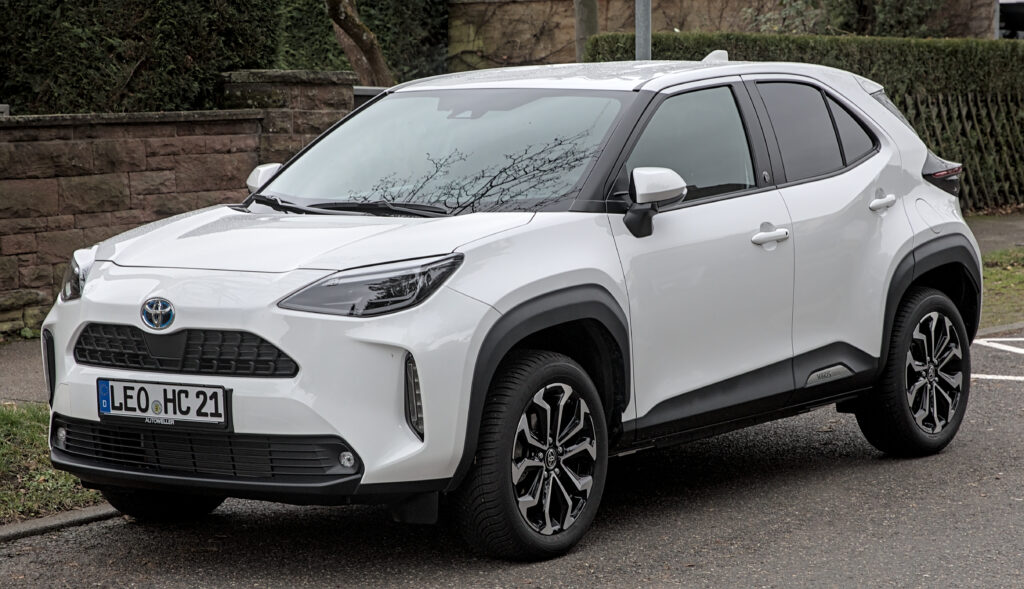
When you’re considering the Toyota Yaris Cross, reliability is one of the first things that comes to mind—and for good reason. As a compact hybrid crossover that combines Toyota’s bulletproof engineering with practical urban design, the Yaris Cross has become one of the most talked-about small SUVs in Europe. But is it truly as dependable as Toyota claims? Let’s take a deep dive into its real-world reliability, known issues, and long-term ownership experience.
Content in this publication
- Overview of the Toyota Yaris Cross
- Toyota’s Global Reliability Reputation
- Is the Toyota Yaris Cross Reliable?
- Common Toyota Yaris Cross Problems
- Toyota Warranty and Maintenance Benefits
- Real-World Owner Feedback
- How the Yaris Cross Compares to Rivals
- Tips to Prevent Common Problems
- Is the Toyota Yaris Cross Worth Buying?
- Final Verdict
- FAQs
Overview of the Toyota Yaris Cross
Launched in 2021, the Toyota Yaris Cross blends the nimble efficiency of the standard Yaris with the commanding stance of a compact SUV. Built on Toyota’s GA-B platform—the same as the Yaris hatchback—it offers excellent structural rigidity, hybrid technology, and the reliability pedigree Toyota is known for.
The Yaris Cross is offered with both front-wheel drive (FWD) and all-wheel drive (AWD-i) options, combining efficiency with light off-road capability. Its hybrid setup pairs a 1.5-litre three-cylinder petrol engine with an electric motor, delivering smooth acceleration and low emissions.
Toyota’s Global Reliability Reputation
Toyota has consistently ranked among the top three most reliable car brands worldwide, often competing neck-and-neck with Lexus and Honda. According to What Car?’s 2023 Reliability Survey, Toyota models, including the Yaris, placed 5th out of 22 cars in the small car reliability category.
This reputation comes from Toyota’s dedication to conservative engineering, robust parts, and years of hybrid experience—beginning with the Prius in the late 1990s. The Yaris Cross benefits directly from this lineage, sharing much of its hybrid system with the proven Yaris Hybrid.
Is the Toyota Yaris Cross Reliable?
In short—yes, it is. The Yaris Cross ranks highly for reliability across most ownership reports. Its hybrid system has proven resilient, the petrol engine is low-stress, and build quality is excellent.
However, like any modern vehicle, it’s not completely free of issues. A few recurring minor problems have been reported by owners, most of which are related to battery management and particulate filter clogging rather than major mechanical failures.
Common Toyota Yaris Cross Problems
12V Battery Issue
One of the most frequently reported problems involves the 12-volt auxiliary battery. Some owners have found their Yaris Cross unable to start after being parked for several days or after making many short trips.
This occurs because the hybrid system doesn’t charge the 12V battery as actively as in conventional cars. The battery’s small capacity means infrequent use or short urban commutes may cause low charge levels.
Possible Solutions:
- Request a larger-capacity replacement battery under warranty.
- Drive longer distances periodically to allow the hybrid system to recharge the battery fully.
- Use a battery maintainer if the vehicle is parked for extended periods.
Note: Always consult a Toyota dealer before fitting a non-standard battery, as it could affect your warranty coverage.
You may be interested in readingToyota Yaris Cross vs C-HR: Which Hybrid SUV Reigns Supreme?
Hybrid Battery Longevity
One of the most reassuring aspects of Toyota hybrids is the long life of their high-voltage (HV) batteries. The Yaris Cross uses a nickel-metal hydride (NiMH) battery pack that’s built to last well beyond 100,000 miles.
Toyota offers up to a 10-year hybrid battery warranty, provided the car is serviced annually at an official Toyota centre. Few owners have reported HV battery replacements, which suggests excellent long-term durability.
Best Practices for Battery Health:
- Keep the car regularly serviced at Toyota-authorized workshops.
- Avoid letting the car sit unused for long periods.
- Use Eco Mode to prevent unnecessary strain on the hybrid system.
Petrol Particulate Filter (PPF) Clogging
Modern petrol cars, including the Yaris Cross, are equipped with a Petrol Particulate Filter (PPF) to reduce emissions. Some owners have reported reduced power and warning lights caused by filter clogging, especially in vehicles used mostly for short trips.
This happens because the exhaust gases don’t reach the high temperatures required to burn off trapped particulates.
Prevention Tips:
- Drive the car at sustained higher speeds for at least 20–30 minutes weekly to regenerate the PPF.
- Avoid excessive idling and repeated short urban trips.
- Have the filter inspected if you notice reduced engine performance or a check engine light.
Cabin Noise and Interior Vibrations
While not a mechanical fault, interior noise at higher speeds is one of the most mentioned drawbacks by owners. Wind and tyre noise can become noticeable on motorways due to the car’s light construction and limited insulation.
Possible Solutions:
- Install noise-reducing tyres or consider additional insulation kits.
- Reduce high-speed cruising if comfort is a top priority.
Toyota Warranty and Maintenance Benefits
Toyota offers one of the most flexible warranty systems in the automotive industry:
- 3-year/60,000-mile standard warranty
- Extended coverage up to 10 years when serviced annually at Toyota dealers
- Hybrid Battery Warranty also extends to 10 years under Toyota’s Relax program
This service-linked warranty not only provides peace of mind but also encourages regular maintenance—keeping reliability levels high.
Real-World Owner Feedback
Across online owner forums and review platforms, the Yaris Cross earns consistently positive feedback. Owners praise its:
You may be interested in readingToyota Yaris Cross vs C-HR: Which Hybrid SUV Reigns Supreme?You may be interested in reading
 Toyota Yaris Cross vs Lexus LBX: The Compact SUV Showdown
- Smooth hybrid powertrain
- Excellent fuel economy (often exceeding 55–60 mpg)
- Low maintenance costs
- Toyota’s efficient dealer service
Negative feedback is mainly limited to the 12V battery and cabin noise issues, which are minor compared to reliability concerns seen in many rivals.
How the Yaris Cross Compares to Rivals
| Model | Reliability Rating | Known Issues | Warranty |
|---|---|---|---|
| Toyota Yaris Cross | ⭐⭐⭐⭐½ | 12V battery, PPF clogging | Up to 10 years |
| Nissan Juke | ⭐⭐⭐ | Electrical faults | 3 years |
| Renault Captur | ⭐⭐⭐ | Engine sensors, infotainment | 3 years |
| Mazda CX-30 | ⭐⭐⭐⭐ | Minor electronics | 5 years |
| Hyundai Kona Hybrid | ⭐⭐⭐⭐ | Suspension creaks | 5 years |
Toyota’s reliability advantage remains clear, with fewer serious issues and stronger long-term warranty protection than competitors.
Tips to Prevent Common Problems
- Drive longer distances at least once a week to keep both batteries and the PPF system healthy.
- Avoid prolonged parking without driving; hybrids need movement to recharge auxiliary systems.
- Service annually at authorized Toyota centers to maintain full warranty benefits.
- Check tyre pressure and software updates regularly for optimal efficiency.
Is the Toyota Yaris Cross Worth Buying?
Absolutely. The Yaris Cross stands out as one of the most dependable compact crossovers in its segment. Its efficient hybrid system, Toyota’s reliability heritage, and warranty coverage make it an exceptional long-term investment.
If you value low running costs, strong resale value, and peace of mind, the Yaris Cross is a smart and safe choice.
Final Verdict
The Toyota Yaris Cross delivers what modern drivers want—reliability, efficiency, and versatility in a compact package. While minor issues like the 12V battery and PPF clogging can occur, they’re easily managed with proper maintenance and Toyota’s generous warranty.
Overall, it’s one of the most trustworthy hybrid SUVs available today—ideal for urban drivers who demand both practicality and long-term dependability.
FAQs
1. How reliable is the Toyota Yaris Cross hybrid system?
Extremely reliable. Toyota’s hybrid technology has been refined for over two decades, and the Yaris Cross uses proven components shared with the Yaris Hybrid.
2. How long does the hybrid battery last?
Most hybrid batteries last over 10 years or 150,000 miles, with Toyota’s warranty covering replacements if serviced annually.
3. What are the most common Toyota Yaris Cross issues?
The 12V auxiliary battery discharging, petrol particulate filter clogging, and some cabin noise complaints.
4. Does Toyota fix the 12V battery problem under warranty?
Yes. Toyota dealerships have replaced small-capacity 12V batteries with upgraded versions under warranty for affected owners.
5. Is the Yaris Cross worth it compared to rivals?
Yes. It offers better reliability, longer warranties, and lower ownership costs than most competitors in its class.
You may be interested in readingToyota Yaris Cross vs C-HR: Which Hybrid SUV Reigns Supreme?You may be interested in reading
Toyota Yaris Cross vs Lexus LBX: The Compact SUV ShowdownYou may be interested in reading
 Toyota Yaris Cross vs Renault Captur: Which Urban SUV Wins the Battle?
If you want to know other articles similar to Is the Toyota Yaris Cross Reliable? A Complete Owner’s Reliability and Problem Guide (2025 Update) you can visit the category Blog.
Is Nissan Rogue a Good Car? Reliability, Pros, Cons & What to Know
Nissan Rogue Not Starting? Common Causes and How to Fix It
Is Vauxhall Agila a Good Car? Reliability, Problems and Buying Guide

Honda Passport Life Expectancy: How Many Miles Can It Last?
Honda Passport Depreciation: How Well Does It Hold Its Value?
Nissan Rogue Reliability Rating: How Reliable Is the Rogue?
Leave a Reply
More content of your interest