Volkswagen Passat dashboard symbols and warning lights help us understand what the car needs, but the picture alone rarely tells the whole story. Colour, flashing behaviour and the message beside the symbol are equally important. A red oil-pressure warning needs an immediate safe stop, while a green cruise-control indicator usually confirms normal operation.
This guide explains the main VW Passat warning lights with symbol images, meanings and recommended actions. We cover familiar petrol and diesel warnings, driver-assistance indicators and selected hybrid messages, while pointing out where equipment matters.
The Passat name includes different generations and market-specific vehicles. A European Passat Estate or Variant, a North American sedan and a GTE or eHybrid do not share every engine, instrument cluster or assistance system. The images below are Volkswagen identification examples; use the handbook for your actual Passat whenever its display or instructions differ.
Stop safely when instructed. Oil pressure, cooling, brake and steering warnings may require assistance.
Amber or yellow
A fault, low fluid level, unavailable assistance or an operating condition requiring attention
Read the message and act promptly. Do not assume amber always permits continued driving.
Green
A function is active or a driver action is requested
Confirm that the function matches what you intend to do.
Blue
Main-beam headlights are on
Dip the headlights as necessary to avoid dazzling other road users.
White or grey
Information, standby or availability status
Read the associated message and check whether the function is actually regulating.
Flashing
The meaning varies by system
A flashing stability light can mean normal intervention; a flashing engine light can signal a damaging fault.
A red parking-brake lamp while parked is not the same as a red brake-system fault while moving. Likewise, an amber rear-fog indicator can simply mean the light is switched on. We should identify the specific symbol before deciding how serious it is.
Why the dashboard lights up before starting
Several lamps illuminate briefly when the ignition is switched on as part of the system check. Some disappear after the engine starts, while others remain until we fasten a belt, release the parking brake or complete another action.
A light that stays on unexpectedly or returns during a journey needs attention, especially when accompanied by a chime or message. Record the wording once safely parked. On a hybrid, the petrol engine being silent does not necessarily mean the vehicle is switched off.
Central warnings and red dashboard symbols
Central warning triangle
Read the instrument-cluster message before deciding what to do.The triangle with an exclamation mark is a general warning indicator. It directs us to information about a particular condition; it does not diagnose a failed part on its own.Red and amber versions communicate different priorities. Open the vehicle-status messages when safely parked and read every active entry. If the message says to stop, follow that instruction even if the Passat still seems to drive normally.
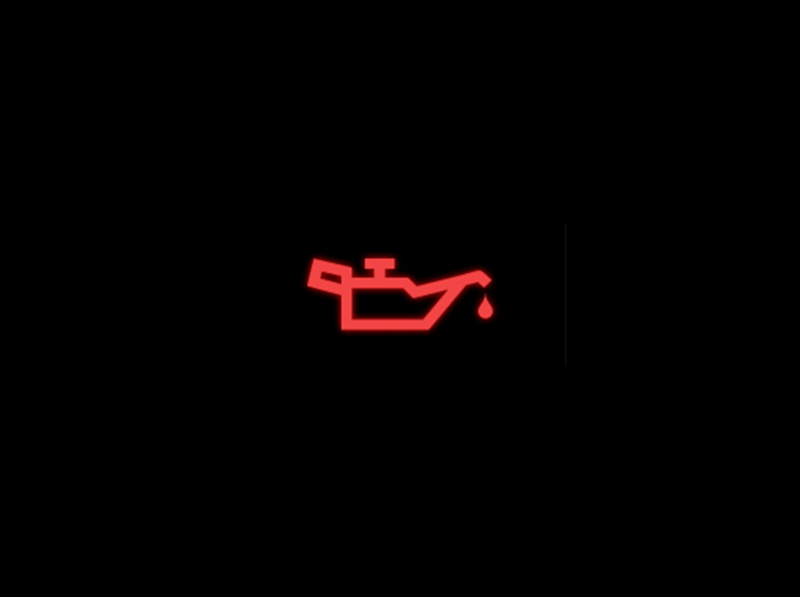
Red engine oil pressure warning
Stop safely and switch off the engine immediately.The red oil can indicates that oil pressure may be too low. Continuing to run the engine can damage it, even if the oil level is correct. Pressure and quantity are different things.Check the level using the handbook's method. If the level is correct or the warning remains unresolved, obtain assistance. Do not repeatedly restart the engine to see whether the light clears, and do not assume a service-reminder reset will repair an oil-pressure problem.
Coolant temperature or coolant level warning
Stop safely, switch off and follow the cooling-system instructions.The thermometer above waves can indicate overheating, insufficient coolant or a cooling-system malfunction. Do not continue simply because the engine still runs smoothly.Allow the system to cool before checking the reservoir, and never remove the cap while it is hot or pressurised. Steam, a major leak or a recurring warning with the correct coolant level requires professional help. Adding fluid cannot fix a failed component or a continuing leak.
Red brake-system warning
Stop and check the message; do not continue with unsafe braking.A red circular brake symbol, or BRAKE text on some versions, can indicate low brake fluid or a system malfunction. First confirm whether the parking brake is applied. If the warning remains after release, take it seriously.A soft or unusual pedal, reduced braking, fluid leakage or a simultaneous ABS warning calls for assistance. We should not top up unexplained fluid loss and assume the braking system is repaired.
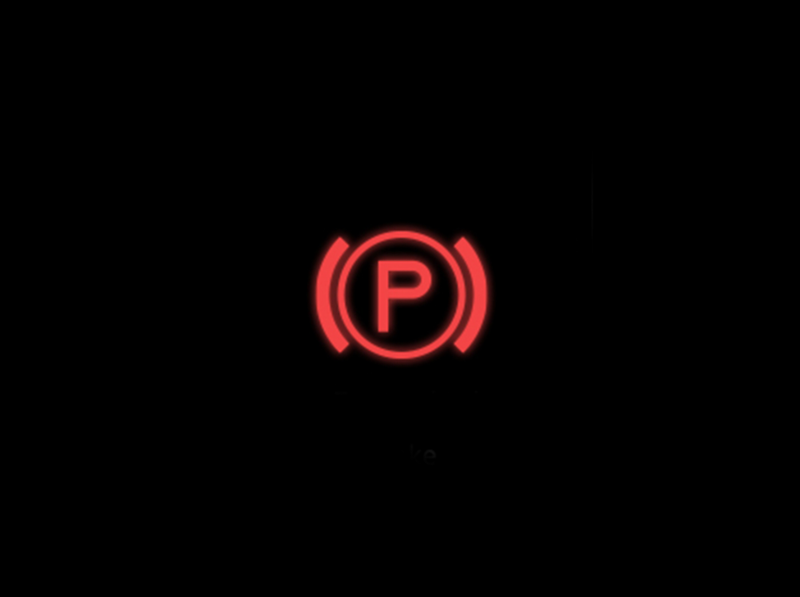
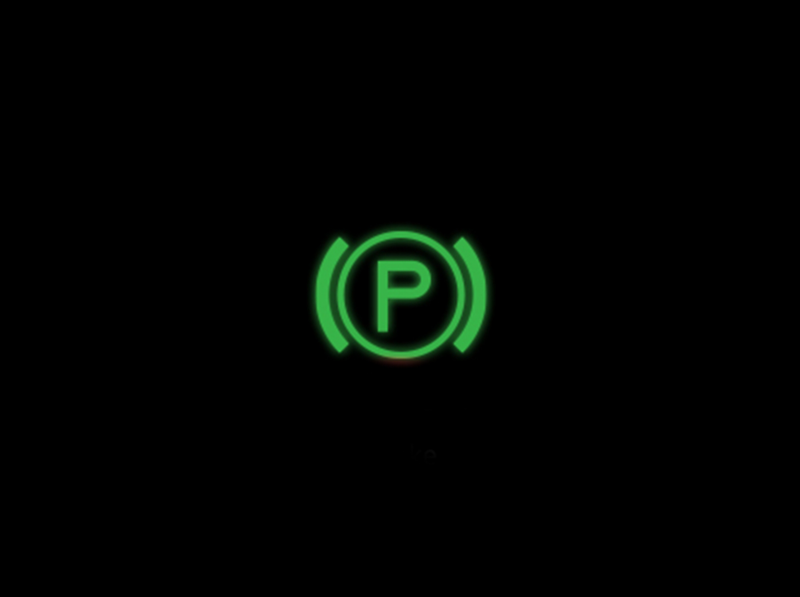
Parking brake applied
Normal while engaged; investigate a fault message or failure to release.The red P normally confirms engagement of the electronic parking brake on equipped Passats. Other versions use a different parking-brake arrangement and display. Release the brake using the correct procedure before moving off.If the warning remains while driving, flashes unexpectedly or the brake will not release, stop safely. Do not force the car to move against an applied brake. Arrange assistance if it cannot be released or the vehicle cannot be secured.
Battery or charging-system warning
Read the message and arrange prompt assessment.A battery-shaped warning while the engine is running normally concerns the low-voltage charging system. On a conventional engine, the alternator or associated wiring may be involved; the symbol does not prove that the battery itself needs replacement.Stop safely to assess the instruction. If a limited workshop journey is permitted, reduce unnecessary electrical loads while retaining essential lighting and visibility equipment. Additional serious warnings, a stop instruction or insufficient power require assistance. A successful jump-start does not fix an ongoing charging failure.
Red power-steering warning
Stop safely if steering assistance is seriously affected.A red steering-wheel symbol can indicate a substantial steering-system fault. The wheel may become much heavier, especially during low-speed manoeuvres, and the vehicle may be difficult to control.Follow the displayed instruction. Do not continue if steering is abnormal or the message prohibits driving. A light disappearing after a restart does not establish that a recurring fault has been repaired.
Electronic steering-lock warning
A red fault needs a safe stop and professional assistance.This warning concerns the steering lock rather than ordinary steering assistance or Lane Assist. Depending on the fault, it may prevent restarting or leave steering unavailable.An amber steering-lock message generally needs prompt inspection; a red one is more urgent. If the steering remains locked, tell the recovery operator and do not attempt ordinary towing with an uncontrollable vehicle.
Red Front Assist collision warning
Brake or take safe avoiding action immediately.A red collision warning means the system has detected an urgent risk ahead. Respond to the traffic situation and maintain control of the car. This is not an instruction to shut down the engine in the traffic lane.Front Assist has operating limits, and we remain responsible for braking. Repeated inappropriate warnings should be inspected rather than dismissed because no collision occurred.
Bonnet, boot or door open
Stop safely and secure the indicated opening.The vehicle-outline graphic identifies an opening that is not fully latched. On a Passat Estate or Variant, the boot indication refers to the tailgate. An unsecured bonnet is particularly dangerous because it can open into the driver's view.If the opening is properly secured but the warning remains, have its latch or monitoring circuit checked. Do not bypass the warning or assume that an opening is safe because it looks closed.
Seat-belt reminder
Fasten every occupied seat's belt correctly.The seated-person symbol and chime remind occupants to buckle up. Check that each belt is latched into the correct buckle and that nothing obstructs the mechanism.A reminder that remains with the belt properly fastened needs investigation. It is different from an airbag or belt-tensioner fault, and it should not be silenced with a dummy buckle.
Engine, EPC, oil and gearbox warning lights
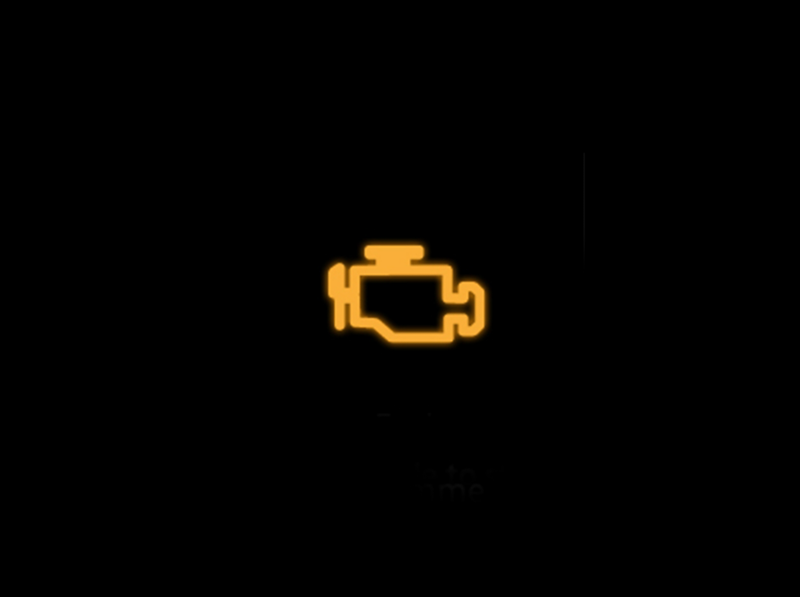
Check engine or emissions warning
Arrange diagnosis; stop if severe running symptoms appear.A steady amber engine-shaped lamp indicates a fault detected by engine or emissions monitoring. If the car runs normally and the handbook permits it, a careful trip to a workshop may be reasonable. Avoid treating that as approval for an extended journey.A flashing lamp with shaking, misfiring or marked loss of power needs urgent attention because the catalytic converter can be damaged. Reduce load and stop safely for assistance when necessary. The warning alone cannot tell us which part has failed.
EPC light on a petrol Passat
Have the engine-control system checked promptly.EPC stands for Electronic Power Control. This warning relates to the electronic management of engine operation on applicable petrol models. Performance or throttle response may be restricted.Do not assume that an EPC lamp always points to the same switch, sensor or throttle component. Fault codes and testing are needed. If acceleration is unreliable, the engine stalls or the car cannot maintain a safe speed, arrange assistance rather than attempting to finish the journey.
Amber oil level or oil monitoring warning
Check the level correctly before adding oil.A steady amber oil can commonly asks us to replenish engine oil. Use the specified oil and the checking procedure for the actual engine, then add small amounts without overfilling.A flashing amber warning can indicate a level-sensor problem. Read the message and arrange inspection where necessary. If the warning is red or mentions oil pressure, use the stop-engine guidance instead. More oil is not automatically the answer to every oil-related warning.
Automatic gearbox or DSG warning
Follow the exact transmission instruction.The same gearbox symbol can accompany different messages: restricted operation, overheating, unavailable reverse or a requirement to stop and select P. A message permitting continued driving is not interchangeable with a stop instruction.Avoid demanding acceleration, towing or repeated manoeuvring when the gearbox reports overheating or a restriction. If drive is lost, engagement becomes severe or the display requires stopping, arrange assistance. Do not repeatedly force the selector between positions to try to restore operation.
Diesel Passat symbols: glow plugs, DPF and AdBlue
Glow-plug coil and diesel engine-management warning
Brief preheating can be normal; illumination while running needs checking.A coil-shaped lamp can appear before a diesel starts while the glow plugs preheat. If it remains illuminated or flashes while the engine is running, it can indicate an engine-management malfunction.This does not necessarily mean the glow plugs themselves are defective. Arrange diagnosis promptly and drive gently only if safe. Significant power loss, rough running or another urgent warning changes the situation and can require a safe stop.
Diesel particulate filter warning
Use the regeneration instructions for your engine and warning combination.The DPF symbol can indicate soot accumulation that needs attention. Short journeys can prevent normal regeneration, but a fault can also interfere with the process.Consult the handbook before attempting a regeneration drive. Do not use a universal speed-and-revs recipe, improvise a stationary high-rev procedure or ignore additional engine warnings. If the prescribed procedure does not clear the light, arrange inspection. The exhaust can become very hot, so keep it away from combustible material.
AdBlue refill warning or no-restart countdown
Refill the correct fluid promptly and follow the displayed quantity.On diesels with SCR emissions control, the warning shows that AdBlue needs attention. The message can count down the remaining distance before the engine will no longer restart after shutdown.Distinguish a refill request from a system malfunction: adding fluid may not fix a fault. Use the separate AdBlue filler and the handbook's minimum refill requirement. Never put AdBlue in the diesel tank. Do not keep an unsafe vehicle running merely to avoid switching it off; seek help if a restart restriction or fault cannot be resolved.
Does every Volkswagen Passat have a DPF or AdBlue system?
No. These systems depend on the engine, emissions specification and market. A petrol model does not need AdBlue because a diesel Passat uses it. Some petrol vehicles have a particulate filter of their own, whose instructions should not be replaced with a diesel regeneration procedure.
The useful starting point is the engine fitted to the car and the exact dashboard message. We should avoid following advice based only on a matching model name or a similar-looking exhaust symbol.
Brake, stability and tyre pressure warnings
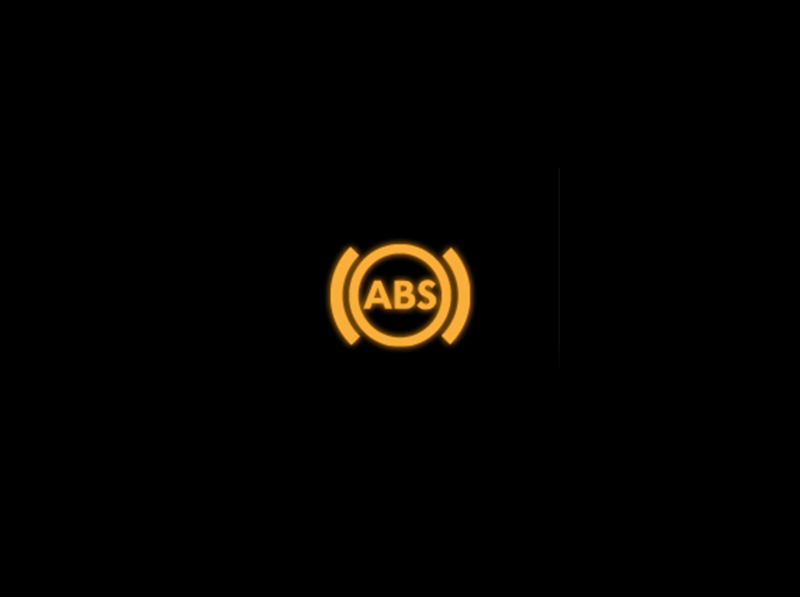
ABS warning light
Anti-lock braking may be unavailable even if basic braking remains.An amber ABS lamp reports a malfunction in the anti-lock system. Related stability functions may also be affected. If the handbook permits a careful workshop journey, increase the following distance and avoid abrupt manoeuvres.Stop and obtain assistance if there is also a red brake warning, an unusual pedal or reduced braking. A normal gentle stop does not demonstrate that the vehicle will behave normally during emergency braking.
ESC or traction-control warning
Flashing can indicate intervention; a persistent light needs attention.The skidding-car symbol commonly flashes when stability or traction control intervenes. Ease the accelerator and adapt speed to available grip. Brief intervention on a slippery road can be normal.A steady indication can mean that assistance is disabled or that a fault has occurred. Read the message and check the selected setting. If normal operation cannot be restored, have the system inspected and do not rely on electronic assistance to compensate for unsuitable speed.
Brake-pad wear warning
Arrange a brake inspection and replace worn parts as required.The circle with broken brackets indicates wear in monitored brake pads. It does not give a reliable remaining distance, and not every brake component is monitored equally.Have the brakes checked promptly. Grinding, pulling or reduced braking calls for more urgent action. We should not wait for a red warning before repairing worn pads.
Amber electronic parking-brake fault
Check whether the car can be released and secured safely.An amber parking-brake warning means a malfunction rather than normal engagement. Application, release or another function may be affected.Stop safely, read the message and arrange inspection. If the brake will not release or secure parking cannot be confirmed, request assistance. Avoid leaving the vehicle on a gradient with uncertain brake operation.
Tyre pressure warning
Inspect the tyres and measure pressures before resetting anything.The tyre-shaped symbol with an exclamation mark can indicate pressure loss. Stop safely, check for damage and compare cold tyre pressures with the vehicle's pressure label for the fitted tyres and load.Where the system requires pressures to be stored, do that only after checking and correcting every tyre. Resetting first can establish an incorrect reference. A warning that returns or a monitoring-malfunction message needs investigation. Never use the maximum value on a tyre sidewall as the car's recommended setting.
Airbag and passenger-protection symbols
Airbag or seat-belt pretensioner malfunction
Arrange inspection without delay.A seated-person-and-airbag symbol reports a fault in the restraint system. Protection may not operate as intended during a collision, even when the vehicle otherwise drives normally.Do not disconnect restraint wiring or fit a bypass device to extinguish the lamp. The system needs qualified diagnosis and confirmation that the repair restores proper operation.
Passenger airbag OFF indicator
Confirm that the status is appropriate for the occupant.An OFF indication can be normal when the passenger airbag has been disabled in accordance with the vehicle and child-seat instructions. It is different from a general airbag malfunction warning.Never place a rear-facing child seat in front of an active passenger airbag. If the status is unexpected, resolve it before using the seat. Do not assume an OFF light means every airbag in the car is disabled.
Steering and driver-assistance indicators
Amber steering warning
Assess steering effort and have persistent warnings checked.The amber steering-wheel symbol can indicate restricted assistance or a system needing attention. It can also appear after battery work while the system reinitialises, depending on the vehicle.Follow the handbook rather than performing a generic reset manoeuvre. If steering is difficult or inconsistent, stop safely. Otherwise, a cautious workshop journey is appropriate only when the vehicle remains controllable and the message permits it.
ACC unavailable or faulty
Control speed and distance yourself.An amber adaptive-cruise warning means the function is unavailable or needs attention. Dirty sensors, ice, weather or a malfunction can affect operation.Check accessible sensor areas only when safely parked. If the warning persists after conditions improve, arrange inspection. Do not assume ACC is regulating the gap or braking while it reports that it is unavailable.
Front Assist deactivated or restricted
Drive without relying on collision-warning or automatic braking assistance.An amber Front Assist symbol can indicate deactivation or reduced availability. Read the message to distinguish a setting from an obstruction or fault.Check the settings and sensor areas safely. If the function cannot be restored, have it inspected. Even when the warning disappears, the system remains an aid rather than a replacement for observing the road and braking in time.
Lane Assist readiness and availability
Check the colour, message and lane markings.On applicable clusters, green indicates that the system recognises relevant lane markings and can assist within its operating limits. An amber indication can mean that it is not ready or needs attention; later displays may use different states.Poor markings, glare, weather or an obstructed camera can affect availability. Keep steering actively. A persistent system-fault message requires inspection, whereas temporary unavailability on an unmarked road is not necessarily a broken component.
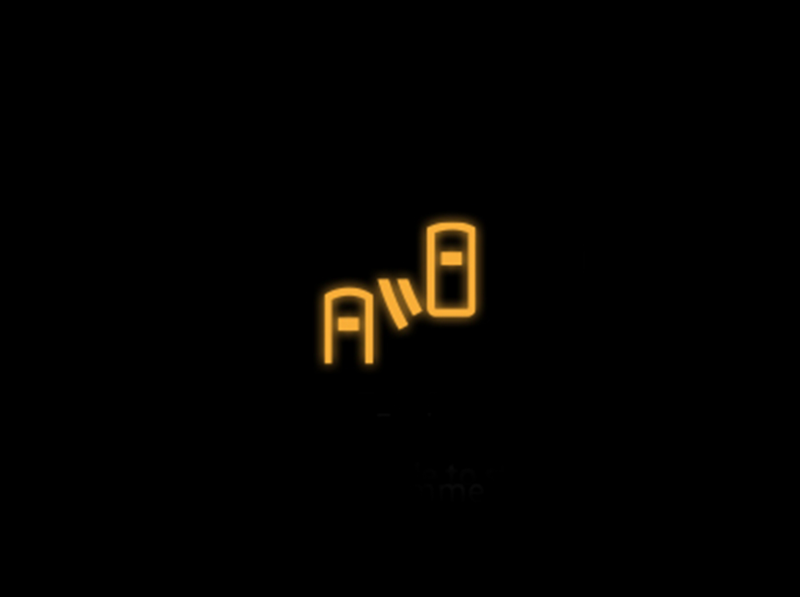
Blind Spot Monitor indication
Check mirrors and the blind spot before changing lanes.An alert in an exterior mirror can warn of detected traffic beside or behind the Passat. A brief illumination can also be part of a function check.Distinguish an ordinary detected-vehicle alert from a dashboard message reporting a system malfunction. If the warning behaves abnormally or availability remains restricted, arrange inspection. No warning system can guarantee that an unlit mirror means a lane change is safe.
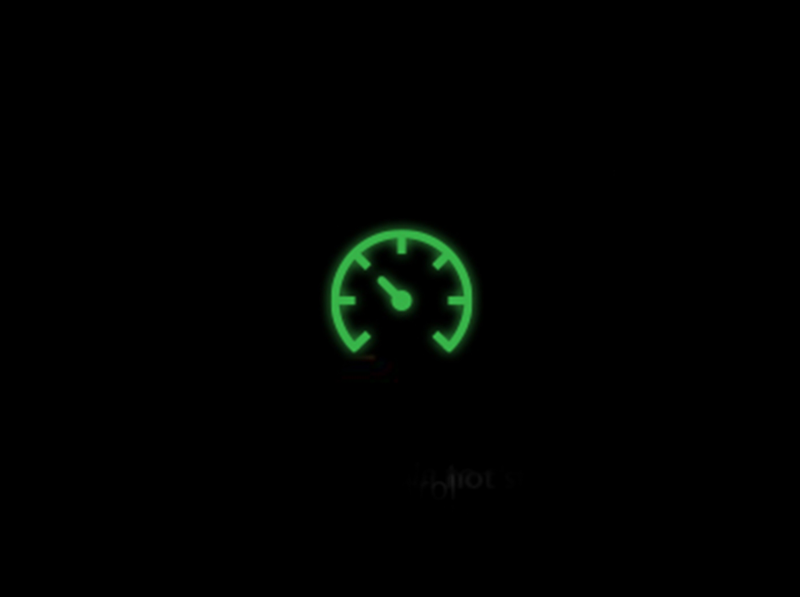
Green ACC or cruise-control indicator
Confirm the selected speed-control function and active state.A green indicator normally confirms operation of speed control. ACC adds distance regulation within its limits; conventional cruise control does not provide the same following-distance function.Check the set speed and, where fitted, the selected gap. A standby display is not necessarily regulating speed. Remain ready to brake whenever the traffic situation requires it.
Lighting, visibility and fluid symbols
Exterior bulb or lighting fault
Inspect the lamp named in the message.A bulb-related symbol indicates that exterior lighting needs attention. Check the relevant headlights, rear lamps, brake lights, indicators and number-plate illumination.Some Passat lamps use integrated LED or other specialised components instead of a simple replaceable bulb. Arrange the correct repair and avoid driving where the defect makes the car unsafe or difficult to see.
Headlight levelling or adaptive-light fault
Check the affected function and arrange repair.A range-control warning concerns headlight aim, while an adaptive-light warning can concern an automatic lighting function. The message identifies the function more accurately than the headlamp outline alone.Dipped lighting may remain available, but verify its operation and use manual controls where appropriate. Working bulbs do not establish that levelling or automatic dipping also works correctly.
Front or rear fog lights switched on
Normal status; switch them off when no longer needed.Fog-light symbols show that the relevant lamps are operating. Front and rear indications differ in shape and colour; an amber rear-fog indicator is not automatically a fault.Use fog lights only under appropriate conditions and in accordance with local rules. Rear fog lamps can dazzle following drivers in clear weather, so check the setting after visibility improves.
Blue high-beam indicator
Main beams or the headlight flasher are operating.The blue headlamp symbol is a normal lighting indication used across Volkswagen models. Dip the headlights when necessary to avoid dazzling oncoming or preceding traffic.Automatic high-beam assistance can have a separate readiness indication. Continue checking its decisions and override it when the road or visibility conditions require manual intervention.
Low washer-fluid warning
Refill the washer reservoir with suitable fluid.The windscreen-and-spray symbol means the washer supply is low. Use the correct reservoir and a mixture appropriate for expected temperatures.If the warning quickly returns or the washers fail to operate, inspect for leakage or arrange a check. Effective washers are important when road spray or dirt rapidly obscures the glass.
Automatic rain or light-sensor fault
Operate the wipers and headlights manually as needed.The automatic sensing function may be unavailable even though manual operation still works. Check the actual response of the wipers and lights rather than assuming all functions remain available.Arrange inspection. Stop if the available equipment cannot maintain a clear view or adequate lighting in the current conditions.
Low fuel warning
Refuel promptly with the correct fuel.The pump symbol indicates that the tank has reached its reserve level. Remaining range is an estimate, not a guarantee, and can change with congestion, speed or gradients.Do not plan a journey around a universal reserve mileage. A warning that remains after refuelling or appears with a fuel-system fault message needs further checking.
Keys, holding functions and everyday operating symbols
Key not detected or key outside the vehicle
Locate the correct key before relying on another restart.On keyless-equipped Passats, the message can appear when the key is removed while the engine is running or cannot be detected. Check that a passenger has not taken it away.A weak key battery or interference may require the handbook's emergency recognition procedure. Use the specified location for your vehicle, as key systems differ. Resolve the issue before continuing a journey that depends on another restart.
Green Auto Hold indicator
The vehicle is being held stationary under the function's operating conditions.This is normally an operating indication. Auto Hold can maintain a stationary position after stopping so that the driver does not need to keep continuous pedal pressure under the specified conditions.Use the proper parking procedure before leaving the car. Do not treat a temporary holding indication as a substitute for securing the vehicle and confirming that the parking brake has engaged.
Press the brake pedal
Complete the requested action before selecting a driving position.A foot-and-pedal indication commonly asks us to hold the brake before moving an automatic selector out of Park or completing another permitted selection. It is usually an operating prompt.If the request remains despite firm pedal pressure, or the gear cannot be selected, follow the handbook and arrange assistance as needed. Do not force the selector or bypass its interlock.
Start/stop available or unavailable
Read the status before assuming an engine fault.The A with a circular arrow relates to automatic engine stopping and restarting. A crossed-out indication can mean the conditions for automatic stopping are not satisfied, rather than a failed starter motor.Battery charge, temperature and cabin demands can affect operation. An explicit malfunction message deserves inspection, but one skipped engine stop is not enough to diagnose a faulty battery or starter.
Towing-hitch warning
Confirm that the coupling has locked correctly before towing.On equipped versions, the warning can indicate incomplete engagement after extending or retracting the coupling. Follow the handbook's procedure and verify secure locking.Do not connect or tow a trailer while the warning remains unresolved. If engagement cannot be confirmed, have the mechanism inspected rather than relying on how it looks.
Adaptive damping or suspension warning
Have the fitted suspension-control system inspected.This warning applies only to vehicles with the relevant equipment. It can indicate a problem with electronically controlled damping, and does not imply that every Passat has the same suspension system.Adapt speed to the vehicle's behaviour and stop if handling becomes unsafe. Changing driving modes is not a repair for a persistent suspension fault.
Passat GTE and eHybrid warning considerations
Hybrid-system malfunction examples
Follow the exact drive-system instruction for your version.Volkswagen uses different warning priorities for hybrid-system faults. A red fault can require a safe stop, while an amber message calls for prompt attention according to the displayed restriction. The exact graphic and wording depend on the Passat's generation and hybrid equipment.Do not diagnose a high-voltage battery failure from the symbol alone. If the vehicle reports reduced propulsion, cannot maintain a safe speed or instructs you to stop, arrange assistance. Do not open high-voltage components or touch orange cables while investigating an electrical warning.A low traction-battery charge indication is not the same thing as a hybrid-system malfunction. Likewise, a red low-voltage battery warning is not necessarily a statement that the plug-in battery needs charging. Read the full message and use the handbook matched to the actual vehicle.
What if several Passat warning lights appear at once?
Start with the most urgent instruction. An oil-pressure warning takes priority over an unavailable assistance feature. A red brake fault takes priority over a service reminder. If the car cannot be controlled safely or the dashboard tells us to stop, do that before considering resets.
Multiple lamps can share a cause, such as an electrical supply issue or a fault that affects several systems. However, the number of warnings does not establish that the cause is minor. Note whether they appeared after battery work, a tyre change, heavy rain or abnormal engine behaviour.
When safely parked, record the messages and symptoms. Give the workshop this information before codes are cleared. Diagnostic codes help direct testing, but a code is not automatically a definitive instruction to replace a component.
Some resets are part of a legitimate procedure after the underlying condition is corrected. A tyre-monitoring system may need verified pressures stored, and a service reminder can be reset after the required maintenance has actually been completed.
Fault warnings are different. Clearing an engine, airbag, ABS or gearbox code does not repair the system. Disconnecting the battery can also remove useful evidence and create additional settings or calibration issues.
Identify the warning, make the relevant safe checks, repair the cause and complete the specified verification. If the light returns, arrange diagnosis rather than repeatedly erasing it. A warning disappearing after a restart is not proof that a recurring problem has been fixed.
Conclusion
Understanding Volkswagen Passat dashboard symbols and warning lights starts with matching the icon to its colour and accompanying message. We should act immediately on serious oil-pressure, brake, cooling or steering warnings, address amber faults promptly and recognise normal operating indicators.
Use the pictures to identify the system, then follow the instructions for your Passat's engine, model year and equipment. When symptoms are severe or the message prohibits further driving, obtaining assistance is the appropriate next step.
Frequently asked questions
1. Can I drive my Passat with the EPC light on?
A cautious trip to a workshop may be possible if the vehicle runs safely and the handbook permits it. Unreliable acceleration, stalling or substantial power loss makes continued driving unsafe. The EPC lamp needs diagnosis rather than assumptions about a particular sensor or throttle component.
2. What does a yellow triangle with an exclamation mark mean?
It is a central warning that directs us to an accompanying message. The triangle alone does not identify the cause. Check the instrument display or vehicle-status menu when safely parked and follow the instruction for the reported condition.
3. Why does the tyre pressure warning return after a reset?
A tyre may be leaking, the pressures may still be incorrect or the monitoring system may have a fault. Measure every tyre against the vehicle label before storing the settings. A recurring warning needs investigation instead of repeated resets.
4. Does a flashing diesel coil light mean the glow plugs have failed?
Not necessarily. While a brief pre-start coil indication can mean normal preheating, flashing while the engine runs can indicate a wider engine-management fault. Have it diagnosed promptly, and seek assistance if serious power loss or rough running develops.
5. Are Passat warning lights identical across all model years?
No. European and North American versions, different generations and petrol, diesel or hybrid powertrains can use different symbols and messages. Equipment also changes which indicators are available. Use the vehicle's own display and its matched handbook as the final reference.
If you want to know other articles similar to Volkswagen Passat Dashboard Symbols and Warning Lights you can visit the category Service and Parts.
Auto Guide
I show you the best reviews of all car brands, the information we collect and show is verified by our mechanics, we hope that everything you read here is useful to buy the car of your dreams

























































More content of your interest