
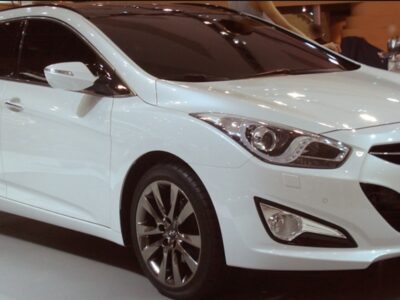
Suzuki Vitara Generations: The Complete Evolution From Rugged 4x4 to Modern Hybrid SUV

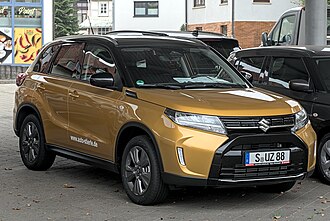
The Suzuki Vitara is one of those rare SUVs that has managed to reinvent itself without losing its soul. Over more than three decades, it has transformed from a compact off-road adventurer into a refined crossover designed for modern life. Yet the spirit of exploration—the idea that a car should be ready for the unexpected—has always remained at the heart of the Vitara.
If you imagine the SUV market as a long road trip through automotive history, the Vitara is that seasoned traveler who has adapted to every twist and turn. In the late 1980s it helped pioneer the compact off-road segment. By the 2000s it had evolved into a practical family SUV. And today, it embraces hybrid technology and urban efficiency.
In this guide, we explore all Suzuki Vitara generations, examining how the model evolved, what changed with each redesign, and why it continues to attract drivers around the world.
Content in this publication
- The Origins of the Suzuki Vitara
- Timeline of Suzuki Vitara Generations
- First Generation Suzuki Vitara (1988–1998)
- Off-Road Technology in the First Vitara
- Second Generation Suzuki Vitara / Grand Vitara (1998–2005)
- Third Generation Suzuki Grand Vitara (2005–2015)
- Fourth Generation Suzuki Vitara (2015–Present)
- How the Vitara Has Evolved Over Time
- Why the Suzuki Vitara Remains Popular
- The Future of the Suzuki Vitara
- Conclusion
- FAQs
The Origins of the Suzuki Vitara
Before the Vitara appeared, the SUV landscape looked very different. Most off-road vehicles were large, heavy, and expensive. Think of models like the Land Rover Defender or Toyota Land Cruiser—excellent machines, but not exactly friendly for city driving or everyday use.
Suzuki recognized an opportunity. The company envisioned a small, lightweight SUV that combined real off-road ability with affordability. When the Vitara debuted in 1988, it quickly became a global success.
The vehicle proved something important: an SUV didn’t need to be massive to be capable.
Timeline of Suzuki Vitara Generations
Over the years, the Vitara has gone through four major generations, each reflecting changes in automotive technology and consumer expectations.
Here’s a quick overview:
- First Generation (1988–1998) – The original compact off-roader
- Second Generation (1998–2005) – Introduction of the Grand Vitara and improved comfort
- Third Generation (2005–2015) – Modern SUV with better technology and refinement
- Fourth Generation (2015–Present) – Stylish crossover with hybrid powertrains
Each generation represents a different chapter in the Vitara’s story.
First Generation Suzuki Vitara (1988–1998)
The first Vitara arrived with a clear mission: deliver real off-road capability in a compact package.
At a time when SUVs were bulky trucks, Suzuki created something lighter and more agile. The result was a vehicle that felt adventurous but approachable.
Design and Character
The early Vitara featured a boxy, upright design that emphasized practicality. Short overhangs and high ground clearance gave it impressive off-road geometry.
It was built on a body-on-frame chassis, the same type of construction used in traditional off-road vehicles.
This design offered durability and strength, making it suitable for rugged terrain.
Body Styles Offered
Suzuki gave buyers plenty of choices:
- 3-door hardtop
- 5-door long-wheelbase model
- Convertible version with removable roof
- Special editions with unique styling
Few SUVs of the time offered such variety.
Engine Options
Typical engine choices included:
- 1.6-litre petrol engine
- Later 2.0-litre petrol engines
- Diesel engines in some markets
The engines weren’t especially powerful, but the Vitara’s lightweight design compensated for it.
Why the First Vitara Became a Cult Classic
Many enthusiasts still admire the first Vitara today because it represents the purest version of the model.
Reasons include:
- Simple mechanical design
- Genuine off-road capability
- Lightweight construction
- Unique convertible variants
For off-road hobbyists, it remains a surprisingly capable little machine.
Off-Road Technology in the First Vitara
Despite its compact size, the original Vitara was engineered to handle difficult terrain.
Key features included:
- Low-range transfer case
- Four-wheel drive system
- Strong ladder frame
- Short wheelbase for better maneuverability
These elements allowed the Vitara to climb hills and navigate rough terrain that would challenge many larger vehicles.
Second Generation Suzuki Vitara / Grand Vitara (1998–2005)
By the late 1990s, SUV buyers were beginning to expect more comfort and practicality.
Suzuki responded with the second-generation Vitara, commonly called the Grand Vitara.
This generation kept its off-road roots but added refinement and improved road manners.
Design Changes
Compared with its predecessor, the second generation featured:
- A larger body
- More interior space
- Updated styling
- Improved ride comfort
The vehicle started to feel less like a small off-road toy and more like a proper family SUV.
You may be interested in reading Suzuki Vitara vs S-Cross: Complete Comparison of Suzuki’s Compact SUVs
Interior Improvements
Suzuki focused heavily on interior quality.
New features included:
- Better seat materials
- Improved dashboard layout
- More storage spaces
- Enhanced sound insulation
Drivers could now enjoy the Vitara on long highway journeys as well as off-road trails.
Engine Range Expansion
This generation introduced a wider range of engines.
Petrol engines included:
- 1.6-litre four-cylinder
- 2.0-litre four-cylinder
- 2.5-litre V6 engine
Diesel versions were also available in several markets.
The addition of the V6 engine significantly improved performance.
Introduction of the XL-7
Suzuki also launched the Grand Vitara XL-7, a larger variant with three rows of seats.
This version aimed to compete with mid-size SUVs and offered more family practicality.
Third Generation Suzuki Grand Vitara (2005–2015)
The third generation marked one of the most important transformations in the Vitara’s history.
Suzuki wanted the SUV to feel more modern and competitive in a rapidly growing market.
New Structural Design
Instead of a traditional body-on-frame setup, Suzuki used a monocoque structure with an integrated ladder frame.
This hybrid design improved:
- Handling
- Ride comfort
- Structural rigidity
- Safety performance
The Vitara began to feel more like a modern passenger car.
Technology and Features
Technology improved significantly during this generation.
New features included:
- Electronic stability control
- Improved traction systems
- Touchscreen navigation options
- Enhanced safety equipment
These upgrades helped the Vitara compete with rivals like the Toyota RAV4 and Honda CR-V.
Engine Line-Up
Engine options expanded once again:
- 1.6-litre petrol
- 2.0-litre petrol
- 2.4-litre petrol
- 3.2-litre V6
- 1.9-litre diesel
The larger engines delivered stronger acceleration and improved towing capability.
Maintaining Off-Road Heritage
Even with its more refined design, the third-generation Vitara retained impressive off-road ability.
Suzuki introduced advanced four-wheel-drive systems that allowed drivers to adapt to different terrain conditions.
This helped maintain the vehicle’s adventurous reputation.
Fourth Generation Suzuki Vitara (2015–Present)
The fourth generation completely redefined the Vitara’s identity.
Instead of focusing primarily on off-road performance, Suzuki shifted toward the growing crossover SUV market.
The result was a lighter, more efficient, and more stylish vehicle.
Modern Exterior Design
The new Vitara adopted a modern crossover look.
Key styling elements include:
- Sleeker body lines
- LED headlights
- Floating roof design
- Large grille and bold front fascia
The SUV now feels equally at home in urban environments.
Interior and Technology
Inside, the Vitara features a more contemporary cabin.
You may be interested in readingSuzuki Vitara vs S-Cross: Complete Comparison of Suzuki’s Compact SUVsYou may be interested in reading
 Suzuki Vitara vs Dacia Duster: Which Compact SUV Truly Delivers More Value?
Highlights include:
- Touchscreen infotainment systems
- Smartphone connectivity
- Digital displays
- Advanced driver assistance features
These improvements make the Vitara far more appealing to younger buyers.
AllGrip All-Wheel Drive
Although the vehicle became more road-focused, Suzuki retained its AllGrip all-wheel-drive system.
This system offers multiple driving modes:
- Auto
- Sport
- Snow
- Lock
The result is improved traction across a variety of surfaces.
Hybrid Powertrains
One of the most important upgrades in the current generation is the introduction of hybrid technology.
Hybrid versions provide:
- Lower fuel consumption
- Reduced emissions
- Improved efficiency in city driving
- Smooth power delivery
This aligns the Vitara with modern environmental standards.
How the Vitara Has Evolved Over Time
Looking back across four generations, the Vitara’s transformation is remarkable.
The model evolved from a rugged off-road tool into a sophisticated crossover.
Key stages of the evolution include:
- 1980s–1990s: Compact off-road vehicle
- Early 2000s: Family-friendly SUV
- Late 2000s: Modernized and refined design
- Today: Efficient hybrid crossover
Each stage reflects changing consumer needs.
Why the Suzuki Vitara Remains Popular
Despite fierce competition in the SUV market, the Vitara continues to attract buyers worldwide.
Several factors contribute to its lasting appeal.
Reliability
Suzuki vehicles are widely known for their durability and low maintenance costs.
Practical Size
The Vitara strikes a balance between compact dimensions and usable interior space.
Fuel Efficiency
Modern hybrid systems help keep running costs low.
Versatility
With optional all-wheel drive, the Vitara can handle both urban roads and light off-road adventures.
The Future of the Suzuki Vitara
The automotive industry is rapidly shifting toward electrification.
Suzuki is expected to continue evolving the Vitara with new technologies.
Future possibilities may include:
- Fully electric Vitara models
- Advanced hybrid powertrains
- Enhanced driver assistance systems
- Improved digital connectivity
If history has taught us anything, it’s that the Vitara is never afraid to adapt.
Conclusion
The story of the Suzuki Vitara generations is essentially the story of the modern SUV.
From its humble beginnings as a rugged off-road machine to its current role as a stylish hybrid crossover, the Vitara has continuously reinvented itself.
Yet through all the redesigns, engine updates, and technological upgrades, one thing remains constant: the Vitara’s spirit of adventure.
It may look different today than it did in 1988, but underneath the modern styling lies the same philosophy—build an SUV that is practical, capable, and ready for the road ahead.
FAQs
How many Suzuki Vitara generations exist?
There are four main Suzuki Vitara generations, spanning from 1988 to the present.
What was the first Suzuki Vitara released?
The original Vitara debuted in 1988 as a compact off-road SUV.
When did the Vitara become a crossover?
The Vitara shifted toward a crossover design with the fourth generation introduced in 2015.
You may be interested in readingSuzuki Vitara vs S-Cross: Complete Comparison of Suzuki’s Compact SUVsYou may be interested in reading
Suzuki Vitara vs Dacia Duster: Which Compact SUV Truly Delivers More Value?You may be interested in reading
 Suzuki Vitara vs Nissan Qashqai: Which SUV Truly Delivers the Better Drive?
Does the Suzuki Vitara have hybrid engines?
Yes, recent models feature mild hybrid and full hybrid powertrains.
Is the Vitara still good off-road?
Modern versions are more road-focused but still offer good traction thanks to the AllGrip AWD system.
If you want to know other articles similar to Suzuki Vitara Generations: The Complete Evolution From Rugged 4x4 to Modern Hybrid SUV you can visit the category Models.
Hyundai i40 vs i30: Which Hyundai Is Right for You?
Hyundai i40 vs Peugeot 508: Which Used Car Is Better?
Kia Rio vs Toyota Yaris: Which Small Car Makes More Sense?
Kia Rio vs Hyundai i20: Which Small Hatchback Makes More Sense?
Kia Rio or Similar UK: The Smart Buyer’s Guide to Small Cars That Still Make Sense
Kia Rio vs Hyundai i10: Which Small Car Makes More Sense?
Leave a Reply
More content of your interest