

Volkswagen Up Warning Lights: The Complete Driver’s Survival Guide

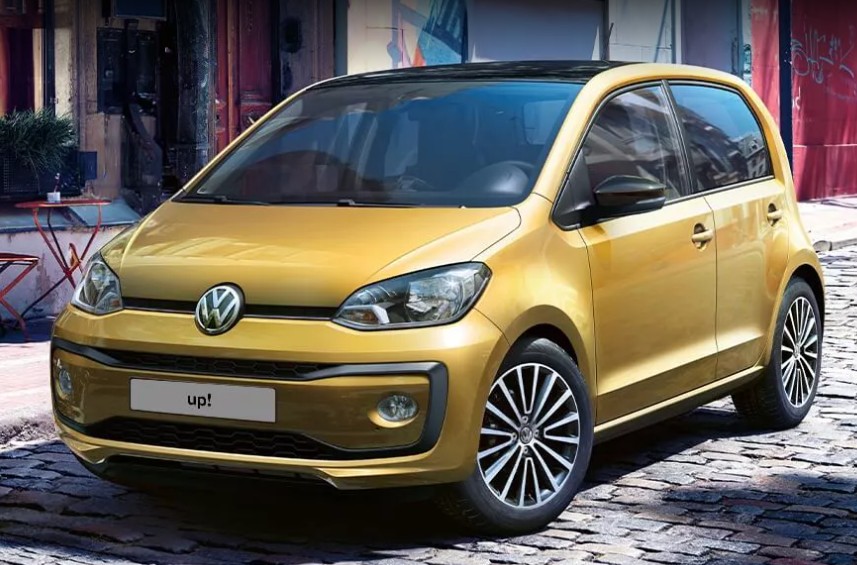
We’ve all been there—driving peacefully, maybe humming along to our favorite tune, when suddenly a mysterious symbol lights up on the dashboard. That tiny glowing icon feels like your car whispering, “Hey… we need to talk.” If you own a Volkswagen Up, understanding those warning lights isn’t just helpful—it’s essential.
In this guide, we’ll break down every important Volkswagen Up warning light, what it means, and what we should actually do about it. No fluff. No jargon overload. Just clear, practical insight.
Content in this publication
- Why Warning Lights Matter More Than We Think
- Understanding Dashboard Colors: The Traffic Light System
- The Most Common Volkswagen Up Warning Lights Explained
- Engine Warning Light (Check Engine Light)
- Oil Pressure Warning Light
- Battery Warning Light
- Brake System Warning Light
- ABS Warning Light (Anti-lock Braking System)
- Tire Pressure Monitoring Light (TPMS)
- Coolant Temperature Warning Light
- Airbag Warning Light
- Power Steering Warning Light
- Electronic Stability Control (ESC) Light
- Glow Plug Warning Light (Diesel Models)
- Door Open Warning Light
- Fuel Warning Light
- When Multiple Warning Lights Appear Together
- How To Reset Warning Lights (Safely)
- Preventing Warning Lights in the First Place
- Volkswagen Up Dashboard: A Minimalist Yet Smart Design
- Real-Life Scenario: When One Light Saved an Engine
- Quick Reference: Warning Lights Cheat Sheet
- Closing Thoughts: Listen to Your Car Before It Shouts
- FAQs About Volkswagen Up Warning Lights
Why Warning Lights Matter More Than We Think
They’re Your Car’s Language
Think of warning lights as your car’s way of communicating. It doesn’t speak English, but it does speak symbols—and those symbols can save you thousands in repairs.
Ignoring Them? Risky Business
A small amber light today can turn into a costly red-light disaster tomorrow. We’re not exaggerating—some issues escalate faster than you’d expect.
Understanding Dashboard Colors: The Traffic Light System
Red Lights – Stop Immediately
Red means danger. If you see one, pull over safely and investigate.
Amber/Yellow Lights – Caution
These indicate something needs attention soon, but not necessarily immediate action.
Green/Blue Lights – Informational
These are usually harmless—just letting you know something is active.
The Most Common Volkswagen Up Warning Lights Explained
Let’s dive into the icons you’re most likely to see.
Engine Warning Light (Check Engine Light)
What It Looks Like
A small engine-shaped icon.
What It Means
This light signals an issue with the engine or emissions system.
Common Causes
- Faulty oxygen sensor
- Loose fuel cap
- Ignition problems
What We Should Do
- Check if the fuel cap is tight
- Drive cautiously
- Get a diagnostic scan ASAP
Oil Pressure Warning Light
What It Looks Like
An oil can with a drip.
What It Means
Low oil pressure—this is serious.
Possible Reasons
- Low engine oil
- Oil pump failure
- Oil leak
Immediate Action
Stop the car immediately. Driving further could destroy the engine.
Battery Warning Light
What It Looks Like
A battery symbol.
What It Means
The battery isn’t charging properly.
Likely Causes
- Faulty alternator
- Dead battery
- Loose cables
Quick Tip
If this light appears while driving, your car may shut down soon. Head to a mechanic quickly.
Brake System Warning Light
What It Looks Like
A circle with an exclamation mark or “P”.
What It Means
There’s an issue with your braking system.
Possible Causes
- Low brake fluid
- Worn brake pads
- Handbrake engaged
What We Should Do
- Check if the handbrake is fully released
- Inspect brake fluid
- Don’t ignore this—brakes are life-saving
ABS Warning Light (Anti-lock Braking System)
What It Looks Like
“ABS” inside a circle.
What It Means
ABS system malfunction.
Impact
Your normal brakes still work—but without ABS assistance.
Next Step
Drive carefully and get it checked soon.
Tire Pressure Monitoring Light (TPMS)
What It Looks Like
A horseshoe shape with an exclamation mark.
What It Means
Low tire pressure in one or more tires.
Why It Matters
Underinflated tires:
- Reduce fuel efficiency
- Increase tire wear
- Affect handling
Fix
Check and inflate tires to recommended PSI.
Coolant Temperature Warning Light
What It Looks Like
A thermometer in liquid.
What It Means
Engine overheating.
Causes
- Low coolant
- Radiator issues
- Thermostat failure
Immediate Action
Stop the car and let it cool. Never open the radiator cap while hot.
Airbag Warning Light
What It Looks Like
A seated figure with a circle (airbag).
What It Means
Airbag system malfunction.
Why It’s Serious
Airbags may not deploy in an accident.
What To Do
Get it checked immediately—this is a safety issue.
Power Steering Warning Light
What It Looks Like
A steering wheel with an exclamation mark.
What It Means
Power steering assistance is reduced or lost.
Driving Impact
Steering becomes heavier—especially at low speeds.
Advice
Drive cautiously and schedule a repair.
Electronic Stability Control (ESC) Light
What It Looks Like
A car with skid marks.
What It Means
- Flashing: system actively stabilizing
- Solid: system malfunction
Why It Matters
ESC helps prevent skidding.
Tip
If solid, get it checked—especially in wet conditions.
Glow Plug Warning Light (Diesel Models)
What It Looks Like
A coil symbol.
What It Means
Preheating system for diesel engines.
Important Note
If it flashes, there’s a fault.
Door Open Warning Light
What It Looks Like
A car with open doors.
What It Means
One or more doors aren’t properly closed.
Simple Fix
Close all doors securely—problem solved.
Fuel Warning Light
What It Looks Like
A fuel pump.
What It Means
Low fuel level.
Pro Tip
Don’t push your luck—running on empty can damage the fuel system.
When Multiple Warning Lights Appear Together
What It Usually Means
Electrical or system-wide issue.
Possible Causes
- Faulty battery
- Sensor failure
- ECU glitch
What We Should Do
- Restart the car
- If lights persist, get a full diagnostic
How To Reset Warning Lights (Safely)
Step-by-Step Approach
- Fix the underlying issue
- Turn ignition off
- Restart vehicle
- Use an OBD2 scanner if needed
Warning
Resetting without fixing the issue is like silencing a smoke alarm during a fire.
Preventing Warning Lights in the First Place
Simple Habits That Make a Difference
- Regular oil changes
- Check tire pressure monthly
- Keep battery terminals clean
- Follow service intervals
Think of It Like Health
Routine check-ups prevent major problems—same goes for your car.
Volkswagen Up Dashboard: A Minimalist Yet Smart Design
Why It Works
The Volkswagen Up keeps things simple. Fewer distractions, clearer symbols.
The Trade-Off
Minimalism means fewer detailed alerts—so understanding icons becomes even more important.
Real-Life Scenario: When One Light Saved an Engine
Imagine this: we ignore the oil light because “it’ll be fine.” A few miles later—engine failure. That tiny red icon? It was the difference between a $50 oil top-up and a $3,000 repair.
Sometimes, the smallest signals carry the biggest consequences.
Quick Reference: Warning Lights Cheat Sheet
Critical (Stop Immediately)
- Oil pressure
- Coolant temperature
- Brake system
Important (Check Soon)
- Engine light
- ABS
- Airbag
- TPMS
Informational
- Fuel
- Door open
- Indicator lights
Closing Thoughts: Listen to Your Car Before It Shouts
Your Volkswagen Up isn’t trying to annoy you—it’s trying to protect you. Each warning light is like a whisper before a shout. If we learn to listen early, we avoid the chaos later.
Driving becomes smoother, safer, and—let’s be honest—less stressful.
So next time a light pops up, don’t panic. Just understand it.
FAQs About Volkswagen Up Warning Lights
1. Can I drive with the engine warning light on?
Yes, but only for a short distance and cautiously. Get it checked as soon as possible.
2. Why does my TPMS light stay on after inflating tires?
It may need resetting or there could be a faulty sensor.
3. Is it safe to ignore the ABS warning light?
Not ideal. Your brakes will work, but without ABS safety features.
4. What causes multiple warning lights at once?
Usually electrical issues or a failing battery.
5. Do warning lights reset themselves?
Some do after fixing the issue, but others require a diagnostic reset.
If you want to know other articles similar to Volkswagen Up Warning Lights: The Complete Driver’s Survival Guide you can visit the category Service and Parts.
Kia Sorento Service Reset: How to Reset the Service Light
Kia Sorento Fuel Tank Capacity: Gallons, Litres and Model Differences
Kia Sorento Tyre Pressure: Recommended PSI, Bar and Complete Guide
Kia Sorento Boot Space: How Much Luggage Space Does It Really Have?
Kia Sorento Towing Capacity: How Much Can a Sorento Tow?

Honda Passport Payload Capacity: How Much Weight Can It Carry?
Leave a Reply
More content of your interest