
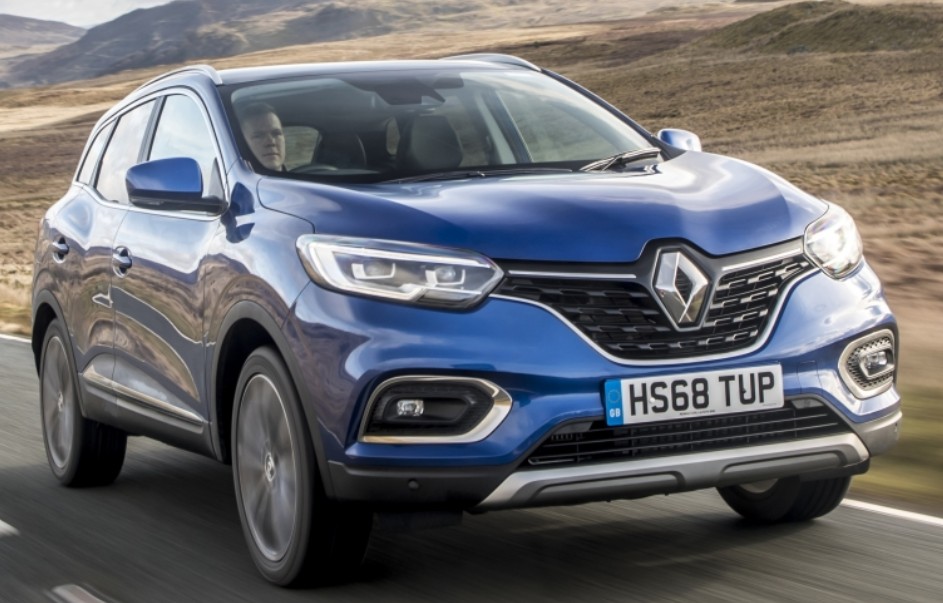
Renault Kadjar Braking System Fault: Causes, Fixes, and Real Solutions

Content in this publication
- Understanding the Braking System in the Renault Kadjar
- What Does “Braking System Fault” Actually Mean?
- Top Causes of Renault Kadjar Braking System Fault
- Dashboard Warning Lights Explained
- Can You Still Drive with a Braking System Fault?
- Step-by-Step Diagnosis Guide
- How to Fix Renault Kadjar Braking System Fault
- Estimated Repair Costs
- Preventive Maintenance Tips
- Real Owner Experiences
- When to Visit a Mechanic Immediately
- Is This a Common Renault Kadjar Issue?
- Comparing with Other SUVs
- Final Thoughts: Don’t Ignore the Warning
- Conclusion
- FAQs
Understanding the Braking System in the Renault Kadjar
Let’s be honest—when your dashboard flashes a “Braking System Fault” warning, your heart skips a beat. And rightly so. Brakes aren’t just another system; they’re your car’s lifeline.
In the Renault Kadjar, the braking system is a blend of mechanical precision and electronic intelligence. It includes:
- Brake discs and pads
- Hydraulic brake lines
- ABS (Anti-lock Braking System)
- Electronic Stability Control (ESC)
- Brake Assist system
Think of it like a symphony—if one instrument goes out of tune, the whole performance suffers.
What Does “Braking System Fault” Actually Mean?
When your Kadjar throws this warning, it’s not always catastrophic—but it’s never something to ignore.
Common meanings behind the warning:
- A sensor has detected abnormal pressure or response
- The ABS system is malfunctioning
- Brake fluid levels are too low
- Electrical communication errors are present
In simple terms, your car is saying:
👉 “Something isn’t right. Please check me before things get worse.”
Top Causes of Renault Kadjar Braking System Fault
1. Low Brake Fluid Levels
This is the most common culprit—and thankfully, often the easiest to fix.
Why it happens:
- Natural wear of brake pads
- Small leaks in the system
- Poor maintenance habits
Signs to watch:
- Soft or spongy brake pedal
- Longer stopping distance
- Warning light flickering
2. Worn Brake Pads or Discs
Your brake pads are like sneakers—they wear down with use.
Symptoms:
- Squealing or grinding noise
- Vibrations when braking
- Reduced braking efficiency
Ignoring this is like running a marathon in worn-out shoes—you’ll get hurt eventually.
3. Faulty ABS Sensors
ABS sensors monitor wheel speed. If one goes rogue, your system panics.
Causes:
- Dirt or debris buildup
- Corrosion
- Damaged wiring
Result:
- ABS warning light
- Braking system fault message
- Loss of anti-lock functionality
4. Electrical or ECU Issues
Modern cars are basically computers on wheels.
Potential problems:
- Software glitches
- Faulty ECU (Engine Control Unit)
- Loose connections
Sometimes, the issue isn’t mechanical—it’s digital confusion.
5. Brake Servo or Master Cylinder Failure
This is more serious.
What happens:
- Loss of brake pressure
- Hard brake pedal
- Increased stopping distance
If this is the cause, stop driving immediately.
Dashboard Warning Lights Explained
Your dashboard speaks a language. Let’s translate:
You may be interested in reading Renault Kadjar 1.5 dCi Problems: The Honest Owner’s Guide
- ABS Light → Anti-lock braking system issue
- Brake Warning Light → Fluid or pressure problem
- ESC Light → Stability control fault
When these lights team up, it’s a red flag—not a coincidence.
Can You Still Drive with a Braking System Fault?
Short answer? Sometimes—but you shouldn’t.
Situations where it might be safe:
- Minor sensor fault
- Temporary electrical glitch
Situations where it’s dangerous:
- Reduced braking power
- Strange noises or vibrations
- Hard or unresponsive pedal
Driving in this condition is like walking on thin ice—you might be fine… until you’re not.
Step-by-Step Diagnosis Guide
Let’s roll up our sleeves.
Step 1: Check Brake Fluid
- Open the hood
- Locate the reservoir
- Ensure levels are between MIN and MAX
Step 2: Inspect Brake Pads
- Look through wheel spokes
- Check thickness (less than 3mm = replace)
Step 3: Scan for Error Codes
Use an OBD2 scanner to identify:
- ABS faults
- Sensor errors
- ECU issues
Step 4: Listen and Feel
- Any grinding?
- Pedal feels different?
Your senses are powerful diagnostic tools.
How to Fix Renault Kadjar Braking System Fault
DIY Fixes (Beginner-Friendly)
- Top up brake fluid
- Clean ABS sensors
- Reset warning light (if temporary glitch)
Intermediate Fixes
- Replace brake pads/discs
- Replace faulty sensors
Professional Repairs
- ABS module replacement
- ECU reprogramming
- Master cylinder repair
Estimated Repair Costs
Let’s talk money—because surprises hurt.
- Brake fluid top-up: $10–$30
- Brake pads replacement: $100–$300
- ABS sensor replacement: $80–$200
- ABS module repair: $300–$1000+
- Master cylinder: $200–$600
Prices vary, but one thing is constant:
👉 Fixing early is always cheaper.
Preventive Maintenance Tips
Want to avoid this headache altogether?
Follow these habits:
- Check brake fluid every 3–6 months
- Replace pads before they wear out completely
- Avoid aggressive braking
- Service your car regularly
Think of it like brushing your teeth—small habits prevent big problems.
Real Owner Experiences
Many Kadjar owners report:
- Intermittent warning lights due to sensors
- Issues after heavy rain (moisture affecting electronics)
- Problems linked to worn brake components
This tells us something important:
👉 Not all faults are catastrophic—but all deserve attention.
When to Visit a Mechanic Immediately
Don’t gamble with safety.
Go to a mechanic if:
- The pedal feels hard or unresponsive
- You hear grinding noises
- The car pulls to one side
- Warning lights persist
Is This a Common Renault Kadjar Issue?
Yes—but not necessarily a design flaw.
You may be interested in readingRenault Kadjar 1.5 dCi Problems: The Honest Owner’s GuideYou may be interested in reading
Renault Kadjar Common Problems: The Real-World Owner’s GuideLike many modern vehicles, the Kadjar relies heavily on electronics. More tech = more potential warning triggers.
Comparing with Other SUVs
Compared to rivals, the Renault Kadjar performs fairly well.
However:
- Sensor sensitivity is slightly higher
- Electronic warnings appear more frequently
It’s like a smoke detector that goes off easily—annoying, but protective.
Final Thoughts: Don’t Ignore the Warning
A Renault Kadjar braking system fault isn’t something to shrug off.
It might be minor. It might be serious.
But either way, it’s your car asking for attention.
Listen to it.
Conclusion
We’ve walked through causes, symptoms, fixes, and prevention—and here’s the takeaway:
👉 Your braking system is your safety net.
👉 Early diagnosis saves money and lives.
👉 Never ignore warning signs.
Treat your Kadjar well, and it will return the favor—mile after mile.
FAQs
1. What triggers the braking system fault in a Renault Kadjar?
It’s usually caused by low brake fluid, worn components, faulty sensors, or electrical issues.
2. Can I reset the braking system warning myself?
Yes, if it’s a temporary glitch—but persistent warnings require diagnosis.
3. How much does it cost to fix the issue?
It ranges from $10 (fluid top-up) to over $1000 (ABS module replacement).
4. Is it safe to drive with the warning on?
Only in minor cases—but it’s strongly discouraged.
You may be interested in readingRenault Kadjar 1.5 dCi Problems: The Honest Owner’s GuideYou may be interested in reading
Renault Kadjar Common Problems: The Real-World Owner’s GuideYou may be interested in reading
Renault Kadjar Check Injection Warning: Causes, Fixes, and Real-World Insights5. How often should I check my braking system?
At least every 6 months, or during regular servicing.
If you want to know other articles similar to Renault Kadjar Braking System Fault: Causes, Fixes, and Real Solutions you can visit the category Common Problems.
Audi A4 Issues: Common Problems, Symptoms, and What Owners Should Know
Audi A4 Glow Plug Light Flashing: Causes, Diagnosis, and Fixes
Audi A4 1.4 TFSI Problems: Reliability, Symptoms, and Fixes
Ram 1500 Smells Like Coolant: Causes, Diagnosis, and Fixes
Problems With Hyundai Veloster: Common Issues, Warning Signs, and What Owners Should Know
Mazda 6 No Sound From Radio: Causes, Diagnosis, and Fixes
Leave a Reply
More content of your interest