

Ram 1500 Smells Like Coolant: Causes, Diagnosis, and Fixes

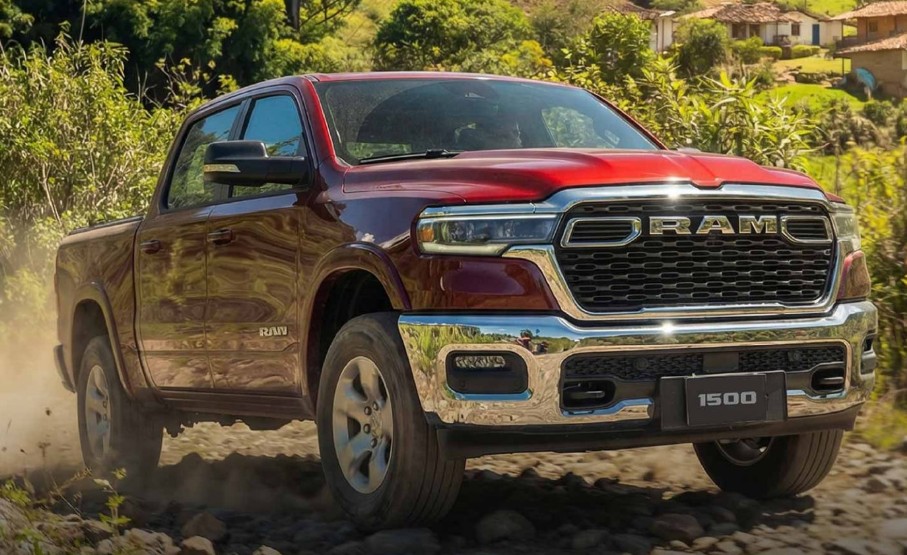
A Ram 1500 that smells like coolant is trying to tell us something, even when there is no puddle under the truck and the temperature gauge looks perfectly normal. That familiar sweet, syrup-like odor usually means coolant is escaping somewhere, evaporating on a hot surface, leaking inside the HVAC system, or—less commonly—entering the engine where it should never be.
The tricky part is that coolant leaks do not always behave like a dripping faucet. Some leaks appear only when the engine is hot and the cooling system is under pressure. Others evaporate almost immediately after reaching the exhaust, engine block, radiator, or heater components. That means we can smell antifreeze long before we actually see it.
So, should we panic? Usually not. But we should not ignore the smell either.
A tiny seep today can become an overheating problem tomorrow. In this guide, we'll walk through the common reasons a Ram 1500 smells like coolant, how to narrow down the source, which symptoms matter most, and when the truck should stay parked until repairs are completed.
Content in this publication
- Why Does My Ram 1500 Smell Like Coolant?
- What Does Coolant Smell Like?
- Ram 1500 Smells Like Coolant but No Leak Is Visible
- Check the Coolant Level First
- Loose or Leaking Coolant Hoses
- Radiator Leaks Can Cause a Sweet Smell
- Ram 1500 Water Pump Leak
- Thermostat Housing and Gasket Leaks
- Coolant Reservoir Problems
- Ram 1500 Smells Like Coolant Through the Vents
- Coolant Smell and Foggy Windshield
- Coolant Smell After Replacing or Servicing Cooling Components
- Ram 1500 Smells Like Coolant After Driving
- Coolant Smell but Temperature Gauge Is Normal
- Could It Be a Head Gasket Problem?
- Can Coolant Leak Into the Engine Oil?
- Pressure Testing the Cooling System
- UV Dye Can Help Find Tiny Coolant Leaks
- Inspect Under the Ram 1500
- Check for Dried Coolant Residue
- Is It Safe to Drive a Ram 1500 That Smells Like Coolant?
- What Happens If We Ignore the Coolant Smell?
- How to Diagnose a Ram 1500 Coolant Smell Step by Step
- Common Mistakes When Diagnosing Coolant Odor
- How Much Coolant Loss Is Normal?
- Coolant Smell Only When the Heater Is On
- Coolant Smell Outside but Not Inside
- Can a Coolant Smell Come From the Exhaust?
- When Should a Mechanic Inspect the Truck?
- Preventing Future Ram 1500 Cooling-System Problems
- Ram 1500 Smells Like Coolant: The Most Likely Causes Ranked
- Closing Thoughts: Don't Ignore That Sweet Smell
- Frequently Asked Questions
- 1. Why does my Ram 1500 smell like coolant but isn't overheating?
- 2. Why does my Ram 1500 smell like coolant inside the cab?
- 3. Can I drive my Ram 1500 if I smell antifreeze?
- 4. Why can I smell coolant but see no puddle?
- 5. Does a coolant smell automatically mean my Ram 1500 has a blown head gasket?
Why Does My Ram 1500 Smell Like Coolant?
The simplest explanation is also the most likely: coolant is escaping from the cooling system somewhere.
Engine coolant circulates through the engine, radiator, hoses, thermostat housing, heater core, and related components. During normal operation, this system is essentially sealed. We might occasionally notice a faint odor after topping off coolant, but a persistent antifreeze smell should not be considered normal.
A coolant odor can come from:
- A loose or damaged hose connection
- A leaking radiator
- A failing water pump
- A cracked coolant reservoir
- A weak reservoir or pressure cap
- A thermostat housing leak
- A leaking heater core
- Coolant spilled during recent maintenance
- Internal engine leakage
- Small leaks that occur only under pressure
Where we smell it matters just as much as how strong it is.
If the odor appears primarily under the hood, we're probably dealing with an external cooling-system leak. If it comes through the vents, the heater core moves much higher on the suspect list. If we smell coolant from the exhaust while also losing fluid, the problem may be internal.
What Does Coolant Smell Like?
Coolant typically has a noticeably sweet chemical odor. People often compare it to syrup, candy, or sweetened chemicals.
Once we've smelled leaking antifreeze a few times, it's difficult to confuse it with other automotive fluids.
Engine oil usually smells oily or burnt. Transmission fluid tends to have a more petroleum-like scent. Gasoline is obvious. Electrical components may produce an acrid burnt-plastic smell.
Coolant is different. It has that strangely sweet fragrance that seems almost out of place inside an engine bay.
That sweet smell becomes our first clue.
Ram 1500 Smells Like Coolant but No Leak Is Visible
This situation frustrates owners the most.
We open the hood, inspect the driveway, crawl around underneath the truck—and find nothing. Yet the coolant smell keeps returning.
That does not necessarily mean there is no leak.
Small Coolant Leaks Can Evaporate
The engine compartment reaches temperatures high enough to evaporate small amounts of coolant quickly.
Imagine a pinhole leak spraying a tiny mist onto the exhaust manifold. Instead of forming a puddle, the coolant disappears almost instantly.
What remains?
The smell.
This is especially common when leaks occur near:
- Hot engine surfaces
- Exhaust components
- Cylinder heads
- Water pump areas
- Heater hoses
- Radiator hose connections
Leaks May Only Appear Under Pressure
A cold cooling system operates at little pressure. Once the engine reaches operating temperature, pressure rises.
A weak seal may remain completely dry while parked and begin leaking only after 15 or 20 minutes of driving.
By the time we stop the truck and inspect it, the leaked coolant may already have evaporated.
That's why pressure testing is such a useful diagnostic method.
Check the Coolant Level First
Before getting complicated, check the reservoir.
Always do this when the engine is completely cold.
Coolant expands dramatically when hot, and opening a pressurized cooling system can cause serious burns.
Look at the level indicated on the coolant reservoir. If it keeps dropping over days or weeks, there is almost certainly coolant escaping somewhere.
A one-time small change is not always meaningful. Repeated loss is.
Create a Simple Coolant-Level Record
When we're trying to diagnose a slow leak, it helps to stop relying on memory.
Check the coolant level when the truck is cold and parked on level ground. Take a photo of the reservoir or mark the level mentally against the molded indicator.
Check again several mornings later.
If the level keeps moving downward, we've confirmed something important: this is not merely an odor left over from an old spill.
Loose or Leaking Coolant Hoses
Cooling-system hoses endure heat, vibration, pressure, and years of expansion and contraction.
Eventually, rubber gets hard. Clamps weaken. Connections begin to seep.
A Ram 1500 may develop coolant odor around:
- Upper radiator hose
- Lower radiator hose
- Heater hoses
- Coolant bypass lines
- Reservoir connections
- Hose fittings around the engine
Look closely around every connection.
We are searching for wetness, staining, dried residue, or crusty deposits.
Coolant residue can look white, pink, orange, or slightly chalky depending on the fluid and how long it has been leaking.
A hose does not need to be dripping dramatically to create a strong odor.
Radiator Leaks Can Cause a Sweet Smell
The radiator lives a rough life.
It's exposed to heat cycles, vibration, road debris, corrosion, and constant pressure. Small cracks can form around plastic end tanks, seams, fittings, or the core itself.
A minor radiator leak may produce:
- Coolant smell near the front of the truck
- Dried residue around radiator seams
- Slowly dropping coolant level
- Occasional steam after driving
- Small spots beneath the front end
- Higher-than-normal engine temperature in advanced cases
Sometimes the leak only appears when the radiator gets hot.
That makes a cold visual inspection deceptively reassuring.
Look Around the Radiator Corners
Tiny radiator leaks often leave evidence before they leave puddles.
Use a flashlight and inspect the sides and lower corners of the radiator. Dried coolant residue can look like a trail frozen in time—a breadcrumb path pointing directly to the leak.
Ram 1500 Water Pump Leak
A failing water pump is another important possibility.
The water pump keeps coolant moving through the engine and radiator. Its shaft seal can eventually deteriorate, allowing coolant to escape.
Depending on engine configuration and leak location, the coolant may drip downward or land on hot components and evaporate.
Potential symptoms include:
- Sweet coolant odor
- Coolant loss
- Moisture near the water pump
- Crusty coolant deposits
- Engine overheating
- Bearing noise in some cases
- Coolant appearing around the front of the engine
A leaking pump may start as little more than an occasional smell.
That is precisely why early diagnosis matters.
Thermostat Housing and Gasket Leaks
The thermostat regulates coolant flow based on engine temperature. The housing surrounding it must remain properly sealed.
If the gasket, O-ring, housing, or connection develops a leak, coolant can escape when the system reaches operating pressure.
These leaks often leave small trails of dried antifreeze around the housing rather than giant puddles.
When inspecting the engine, look for staining around coolant outlets and thermostat connections.
Why Tiny Housing Leaks Smell So Strong
A few drops of coolant landing on hot metal can smell stronger than a larger leak dripping harmlessly onto the ground.
It is a bit like spilling perfume on a warm radiator—the heat spreads the scent rapidly.
So odor intensity does not necessarily tell us leak size.
Coolant Reservoir Problems
The coolant reservoir deserves more attention than it usually gets.
Plastic tanks can eventually develop hairline cracks. Caps can weaken. Sealing surfaces can become damaged.
Sometimes coolant escapes as vapor or a fine mist rather than a visible stream.
Inspect:
- Reservoir seams
- Hose connections
- The reservoir cap
- Areas underneath the tank
- Dried coolant residue around the neck
A cracked reservoir can be especially deceptive because the crack may open only when the plastic expands from heat.
A Weak Cap Can Cause Coolant Odor
The cap helps the cooling system maintain the correct pressure.
If its seal deteriorates, coolant vapor can escape.
We may smell antifreeze without seeing a dramatic leak.
A damaged cap is relatively simple compared with a heater core or internal engine failure, so it makes sense to inspect the easy components before imagining the worst.
Ram 1500 Smells Like Coolant Through the Vents
If the sweet smell becomes strongest when the heater or ventilation system is running, pay attention.
That can point toward the heater core.
The heater core is essentially a miniature radiator located inside the HVAC housing. Hot coolant flows through it, and the blower pushes air across it to warm the cabin.
When the heater core develops a leak, coolant can enter the HVAC case.
Signs of a Leaking Heater Core
Common warning signs include:
- Sweet smell inside the cab
- Coolant odor through dashboard vents
- Windshield fogging unexpectedly
- Greasy or oily film on the inside of the windshield
- Damp passenger-side carpet
- Gradual coolant loss
- Poor heater performance in some cases
Not every heater core leak produces every symptom.
A very small leak might only create odor initially.
Coolant Smell and Foggy Windshield
A fogging windshield combined with coolant odor deserves immediate attention.
Regular condensation usually clears relatively easily. Coolant vapor can leave a stubborn film that keeps returning.
You may wipe the inside of the windshield and notice a slightly greasy residue.
That combination strongly suggests coolant is entering the HVAC system.
Driving indefinitely with a leaking heater core is a poor idea because the leak may worsen and coolant loss can eventually lead to overheating.
Coolant Smell After Replacing or Servicing Cooling Components
Did the smell begin immediately after maintenance?
Then spilled coolant might be responsible.
During radiator, hose, thermostat, water pump, or coolant service, small amounts of fluid can land on engine components.
Once the engine heats up, the leftover coolant begins evaporating.
The odor can persist for several drives before disappearing completely.
When Is Leftover Coolant Normal?
A faint smell that steadily improves after recent cooling-system work is usually less concerning.
A smell that remains equally strong—or grows stronger—deserves another inspection.
Also monitor the coolant level.
If the level stays stable and there is no overheating, visible leakage, or steam, leftover fluid becomes more plausible.
If the level drops, something is still leaking.
Ram 1500 Smells Like Coolant After Driving
Coolant odor that appears primarily after driving usually suggests a temperature- or pressure-related leak.
When the engine is cold, everything may look completely dry. After the system heats up, seals expand and pressure increases.
That can expose:
- Hairline radiator cracks
- Weak hose connections
- Water pump leaks
- Reservoir cracks
- Cap problems
- Thermostat housing leaks
Park the truck after a normal drive and inspect carefully without touching hot components.
A flashlight can reveal fresh moisture or faint steam.
Never remove the cooling-system cap while the system is hot.
Coolant Smell but Temperature Gauge Is Normal
A normal temperature gauge is encouraging, but it does not prove the cooling system is healthy.
A small leak can continue for weeks while the engine maintains normal operating temperature.
Think of it like a slowly leaking water bottle. The bottle still contains plenty of water—until one day it doesn't.
Cooling systems behave similarly.
As long as enough coolant remains, the engine may operate normally. Once the fluid level falls too far, temperature can rise quickly.
Therefore, a coolant smell deserves investigation even without overheating.
Could It Be a Head Gasket Problem?
Yes, but we should not jump straight to that conclusion.
A head gasket failure can allow coolant to enter the combustion chamber or mix with engine oil. However, external leaks are generally simpler and more common explanations for coolant odor.
Potential internal-leak symptoms include:
- Persistent white exhaust after the engine is fully warm
- Unexplained coolant loss
- Repeated overheating
- Cooling-system pressure building abnormally
- Misfires on startup
- Contaminated engine oil
- Bubbles appearing in the coolant reservoir
- Sweet-smelling exhaust
One symptom alone does not confirm a blown head gasket.
Proper diagnostic testing matters.
White Exhaust Is Not Always Coolant
Cold engines naturally create water vapor.
On cool mornings, visible exhaust condensation can look dramatic and still be completely normal.
The concern is thick white exhaust that continues after the engine reaches full operating temperature, especially when accompanied by coolant loss.
Can Coolant Leak Into the Engine Oil?
In serious internal failures, yes.
Coolant-contaminated oil may appear milky, creamy, or unusually light.
But simply seeing beige material under the oil cap is not automatic proof. Short trips and condensation can create deposits too.
The bigger clue is widespread oil contamination combined with declining coolant levels or overheating.
If coolant contamination is suspected, avoid unnecessary driving. Coolant compromises lubrication and can damage bearings and other engine components.
Pressure Testing the Cooling System
When visual inspection fails, a cooling-system pressure test becomes one of the best next steps.
The test applies pressure to the cooling system while the engine is not running.
Why is that useful?
Because it can reproduce the conditions that make a small leak appear without having hot moving engine parts in the way.
A technician may discover coolant emerging from:
- Hose connections
- Radiator seams
- Water pump
- Thermostat housing
- Reservoir
- Heater circuit
- Hidden fittings
A stubborn leak sometimes reveals itself within minutes under pressure.
UV Dye Can Help Find Tiny Coolant Leaks
For extremely small leaks, UV dye may help.
A compatible fluorescent dye is added to the cooling system. After the truck runs, a UV light can reveal where coolant escaped.
This technique is particularly useful when coolant evaporates before leaving obvious wet spots.
Think of it as turning an invisible trail into glowing footprints.
Not every diagnosis requires dye, but it can save considerable guessing.
Inspect Under the Ram 1500
Place the truck on a clean parking surface overnight and inspect underneath it the next morning.
Pay attention to:
- Front-center area
- Passenger side
- Driver side
- Behind the front wheels
- Under the transmission bellhousing region
The location where coolant reaches the ground is not always directly below the source. Airflow and engine surfaces can redirect leaking fluid.
Still, the drip location provides useful direction.
Use Cardboard to Detect Slow Leaks
An old piece of clean cardboard makes an excellent low-tech diagnostic tool.
Place it beneath the engine overnight.
Even a tiny coolant drip becomes obvious against dry cardboard.
Sometimes the simplest diagnostic trick works better than staring into a crowded engine compartment.
Check for Dried Coolant Residue
Fresh coolant is easy to recognize. Old leaks require a detective's eye.
Search for crusty, powdery, or stained areas.
Use a flashlight around:
- Hose clamps
- Radiator seams
- Water pump housing
- Thermostat connections
- Coolant reservoir
- Heater hose fittings
- Engine coolant passages
Residue tells us that liquid has been present, even if everything looks dry now.
This evidence can be incredibly valuable for intermittent leaks.
Is It Safe to Drive a Ram 1500 That Smells Like Coolant?
That depends on the severity of the problem.
If the smell is faint, the coolant level is stable, the temperature remains normal, and there are no visible leaks, a short drive for diagnosis may be reasonable.
However, stop driving if you notice:
- Rising engine temperature
- Low-coolant warning
- Steam from under the hood
- Rapid coolant loss
- A substantial puddle
- Heater suddenly blowing cold while the engine is hot
- Persistent thick white exhaust
- Engine misfiring with coolant loss
Overheating can transform an inexpensive cooling-system repair into major engine damage.
That's a gamble we don't want to take.
What Happens If We Ignore the Coolant Smell?
Small cooling-system problems rarely repair themselves.
A weak hose gets weaker. A cracked plastic tank expands. A leaking water-pump seal deteriorates further.
Eventually, coolant levels may fall enough to reduce the system's ability to control engine temperature.
Possible consequences include:
- Engine overheating
- Warped cylinder heads
- Head gasket damage
- Engine seizure in extreme cases
- Heater failure
- Roadside breakdown
- Much higher repair costs
A sweet smell can therefore be the quiet opening chapter of a much louder problem.
How to Diagnose a Ram 1500 Coolant Smell Step by Step
We can approach the problem logically instead of replacing parts randomly.
- Let the engine cool completely.
- Check the coolant reservoir level.
- Look beneath the truck for drips.
- Inspect hoses and clamps.
- Examine the radiator seams and corners.
- Inspect the coolant reservoir and cap.
- Look around the thermostat housing.
- Check the water pump area.
- Notice whether the smell is stronger inside or outside the cabin.
- Inspect the passenger-side carpet for moisture.
- Watch for windshield fogging.
- Monitor exhaust after the engine warms up.
- Track coolant level over several cold starts.
- Have the cooling system pressure-tested if nothing obvious appears.
- Investigate internal engine leakage only when symptoms support it.
This order matters because we start with the common, visible, relatively simple possibilities before diving into expensive internal-engine scenarios.
Common Mistakes When Diagnosing Coolant Odor
One mistake is assuming no puddle means no leak.
Another is immediately concluding the head gasket has failed.
Both assumptions can lead us in the wrong direction.
We should also avoid:
Opening the Reservoir While Hot
Pressurized coolant can erupt suddenly and cause severe burns.
Always allow the engine to cool fully.
Continuously Topping Off Without Finding the Cause
Adding coolant may keep the truck running temporarily, but it does not solve the underlying problem.
If the level repeatedly falls, diagnose the leak.
Using Stop-Leak Products as a First Choice
Cooling-system sealers may temporarily slow certain leaks, but they can also create other issues and make future repairs more complicated.
A proper mechanical repair is generally preferable.
Ignoring Cabin Odors
A sweet smell through the vents should not simply be masked with air freshener.
The HVAC system may be telling us that the heater core is leaking.
How Much Coolant Loss Is Normal?
In a healthy sealed cooling system, coolant should not require frequent topping off.
The fluid level may shift slightly depending on temperature, but recurring measurable coolant loss is not normal.
If we add coolant every few weeks or months, the system deserves inspection.
Cooling fluid does not simply get “used up” like gasoline.
It circulates repeatedly.
When it disappears, it went somewhere.
Coolant Smell Only When the Heater Is On
This pattern makes the heater circuit particularly suspicious.
Turning on the heater does not normally create a coolant leak, but airflow through the HVAC box can make an existing heater-core odor much easier to detect.
We may notice the smell:
- Immediately after turning on heat
- More strongly through certain vents
- During windshield defrost
- When the blower fan is running faster
Check for damp carpeting and windshield film.
If those appear alongside coolant loss, heater-core inspection should become a priority.
Coolant Smell Outside but Not Inside
When the cabin remains odor-free but the smell is strong around the front of the truck, external leaks become more likely.
We would focus on:
- Radiator
- Hoses
- Water pump
- Coolant reservoir
- Pressure cap
- Thermostat housing
- Engine coolant connections
After driving, open the hood carefully and notice where the odor seems strongest.
Do not place your hands near belts, fans, or hot surfaces.
Sometimes our nose can narrow the search area surprisingly well.
Can a Coolant Smell Come From the Exhaust?
Yes.
Coolant entering the combustion chamber can produce sweet-smelling exhaust.
But this situation usually comes with other evidence, such as coolant loss, persistent white smoke, misfires, or overheating.
If exhaust odor is the primary concern, internal engine testing may include:
- Cooling-system pressure testing
- Combustion-gas testing
- Compression testing
- Cylinder leak-down testing
- Spark-plug inspection
We want evidence before condemning major engine components.
When Should a Mechanic Inspect the Truck?
Professional diagnosis becomes especially worthwhile when the coolant smell persists but no source is visible.
A shop has access to pressure-testing equipment and can inspect areas that are difficult to see from above.
Arrange inspection promptly if:
- Coolant continues disappearing
- The engine has overheated
- Steam appears
- The cabin smells strongly of coolant
- The windshield develops oily fog
- White exhaust persists
- You find coolant mixed with oil
- The leak appears near difficult-to-access engine components
The sooner the source is found, the better the chances of keeping the repair relatively simple.
Preventing Future Ram 1500 Cooling-System Problems
We cannot prevent every component from aging, but routine inspection catches many problems early.
Check the cooling system periodically, particularly before long trips or heavy towing.
Pay attention to:
- Coolant level
- Hose condition
- Visible residue
- Radiator condition
- Reservoir condition
- Temperature gauge behavior
- Changes in heater performance
Coolant replacement should also follow the maintenance requirements appropriate for the specific model year and engine.
Using the correct coolant type matters. Mixing incompatible coolant formulas can create deposits, reduce corrosion protection, and complicate future maintenance.
Never Diagnose by Color Alone
Coolant color is not a universal specification.
Different manufacturers and coolant formulations can have similar colors while using different chemistry.
When topping off or replacing coolant, verify the proper specification for the truck rather than buying a bottle simply because the liquid looks similar.
Ram 1500 Smells Like Coolant: The Most Likely Causes Ranked
When we put everything together, the likely causes generally fall into three broad groups.
External cooling-system leaks are the first place to look. These include hoses, radiator seams, water pumps, thermostat housings, reservoirs, caps, and fittings.
HVAC-related leaks become particularly important when the smell is concentrated inside the cab or through the vents.
Internal engine leaks deserve investigation when coolant disappears without external evidence and symptoms such as persistent white exhaust, overheating, misfires, or oil contamination appear.
The key is not to diagnose based on smell alone.
Smell tells us what fluid may be involved. The surrounding symptoms tell us where it is going.
Closing Thoughts: Don't Ignore That Sweet Smell
When a Ram 1500 smells like coolant, the truck may still drive perfectly. The temperature gauge may remain right where it belongs. There may not be a single drop on the driveway.
That does not mean everything is fine.
Coolant leaks often begin quietly.
A loose clamp or tiny radiator crack can evaporate fluid before we ever see it. A heater core can perfume the cabin long before the carpet becomes wet. A water pump can seep only when the system gets hot enough to build pressure.
The best strategy is simple: check the coolant level while cold, inspect for residue and wetness, determine whether the odor comes from the engine bay or cabin, and pressure-test the system if the source remains hidden.
We don't have to assume catastrophic engine failure every time we smell antifreeze. Most diagnoses should start with the ordinary suspects.
But we shouldn't dismiss the odor either.
In the cooling system, small clues often arrive before big problems. Catching that sweet smell early might be the difference between replacing a hose in the driveway and dealing with an overheated engine on the side of the road.
Frequently Asked Questions
1. Why does my Ram 1500 smell like coolant but isn't overheating?
A small external leak can release enough coolant to create an odor without lowering the fluid level enough to cause overheating. Hose connections, the radiator, water pump, reservoir, thermostat housing, or heater circuit may be leaking slightly. Inspect the system and monitor the coolant level rather than waiting for the temperature gauge to rise.
2. Why does my Ram 1500 smell like coolant inside the cab?
Coolant odor inside the cabin, particularly through the vents, can indicate a leaking heater core or heater-hose connection. Windshield fogging, greasy glass residue, damp carpeting, and gradual coolant loss make a heater-core leak more likely.
3. Can I drive my Ram 1500 if I smell antifreeze?
A short diagnostic trip may be possible if the coolant level is correct and the engine temperature remains normal. However, driving should stop if the truck begins overheating, loses coolant rapidly, produces steam, displays a low-coolant warning, or shows signs of a significant internal leak.
4. Why can I smell coolant but see no puddle?
Small coolant leaks often occur only when the engine is hot and the cooling system is pressurized. Coolant may land on hot engine or exhaust components and evaporate before reaching the ground. A cooling-system pressure test can help locate these hidden leaks.
5. Does a coolant smell automatically mean my Ram 1500 has a blown head gasket?
No. External leaks from hoses, radiators, water pumps, reservoirs, caps, thermostat housings, and heater components are all possible. Head gasket problems become more concerning when coolant loss appears alongside persistent white exhaust, overheating, misfires, abnormal cooling-system pressure, or contaminated engine oil.
If you want to know other articles similar to Ram 1500 Smells Like Coolant: Causes, Diagnosis, and Fixes you can visit the category Common Problems.
Toyota Corolla Cross Issues: Common Problems and Fixes

MG HS Problems: Common Faults, Reliability and Years to Avoid (2019–2026)

Toyota Yaris Cross Battery Problems: Causes & Fixes

Volvo XC40 Sound Not Working? Complete Troubleshooting Guide

Mazda Diesel Engine Problems: Common Faults and Fixes

Volkswagen Key Not Detected or No Key Error: Causes and Fixes
Leave a Reply
More content of your interest