

Renault Kadjar Check Injection Warning: Causes, Fixes, and Real-World Insights

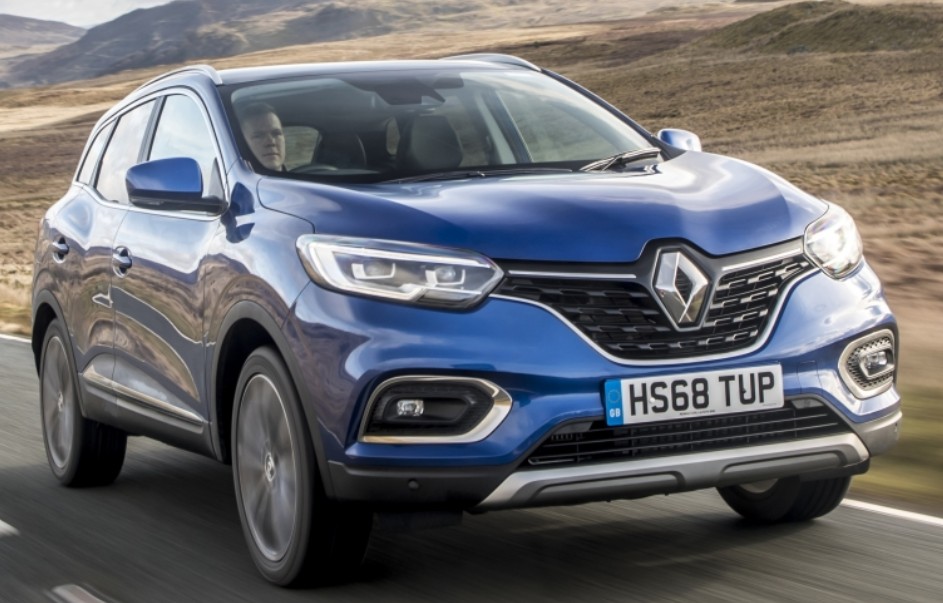
If you drive a Renault Kadjar, chances are you’ve either seen—or dread seeing—the infamous “Check Injection” warning pop up on your dashboard. It’s one of those alerts that instantly raises your heart rate. Is it serious? Can we keep driving? Or is the engine about to throw in the towel?
Let’s break it down together—clearly, honestly, and without the usual robotic explanations.
Content in this publication
- What Does “Check Injection” Mean on a Renault Kadjar?
- How the Fuel Injection System Works
- Common Symptoms Accompanying the Warning
- Top Causes of Renault Kadjar Check Injection Warning
- Is It Safe to Drive With the Warning On?
- What to Do Immediately When You See the Warning
- Diagnostic Process: How Mechanics Identify the Issue
- DIY Fixes vs Professional Repairs
- Cost Breakdown of Repairs
- Preventing the Check Injection Warning
- Diesel vs Petrol Kadjar: Does It Matter?
- Real-World Scenarios: What Owners Experience
- When the Warning Comes and Goes
- Can Software Updates Fix It?
- How Long Do Injectors Last?
- Warning Lights That Appear Alongside “Check Injection”
- Closing Thoughts: Don’t Ignore the Whisper
- FAQs
What Does “Check Injection” Mean on a Renault Kadjar?
At its core, this warning is your car’s way of saying:
“Hey, something’s off in the fuel injection system.”
The injection system is responsible for delivering fuel into the engine in precise amounts. When it’s not working properly, performance, efficiency, and emissions all take a hit.
Why This Warning Matters
- It affects engine performance
- It can increase fuel consumption
- It may lead to long-term damage if ignored
Think of it like your body’s metabolism. If it’s off, everything else starts feeling… wrong.
How the Fuel Injection System Works
The Basics
Your Kadjar’s injection system includes:
- Fuel injectors
- High-pressure fuel pump
- Sensors (air, fuel, pressure)
- ECU (engine control unit)
What Happens Normally
- Fuel is sprayed into the engine in fine mist
- Air mixes with fuel
- Combustion happens efficiently
What Happens When It Fails
- Poor combustion
- Misfires
- Loss of power
Common Symptoms Accompanying the Warning
When the “Check Injection” message appears, it rarely comes alone.
You might notice:
- Reduced engine power (limp mode)
- Rough idling
- Difficulty starting
- Increased fuel consumption
- Black or white smoke from exhaust
It’s like your car is trying to whisper… before it starts shouting.
Top Causes of Renault Kadjar Check Injection Warning
Let’s get into the real culprits—the ones we’ve seen time and time again.
1. Faulty Fuel Injectors
Fuel injectors can:
- Get clogged
- Leak fuel
- Fail electronically
Signs:
- Engine misfires
- Poor acceleration
2. Dirty or Failing EGR Valve
The EGR (Exhaust Gas Recirculation) system reduces emissions—but it clogs easily.
Symptoms:
- Rough idle
- Loss of power
- Engine hesitation
3. Diesel Particulate Filter (DPF) Issues
Common in diesel Kadjar models.
Problems include:
- Blocked filter
- Failed regeneration cycle
4. Faulty Sensors
Sensors feed data to the ECU. If they fail, the system gets confused.
Key sensors:
- Mass Air Flow (MAF)
- Fuel pressure sensor
- Oxygen sensor
5. High-Pressure Fuel Pump Problems
This pump ensures fuel reaches injectors at the right pressure.
Failure signs:
- Engine stalling
- Hard starts
6. Poor Quality Fuel
Sometimes, the problem isn’t the car—it’s what we put into it.
Low-quality fuel can:
- Leave deposits
- Damage injectors
Is It Safe to Drive With the Warning On?
Short answer: It depends—but usually not for long.
Safe (Temporarily) If:
- No loss of power
- No strange noises
- Warning appears briefly
Not Safe If:
- Engine enters limp mode
- You feel jerking or stalling
- Smoke is visible
Driving like this is like running with a twisted ankle—you might manage a few steps, but it’ll get worse.
What to Do Immediately When You See the Warning
Step-by-Step Action Plan
- Stay calm (seriously)
- Check for performance changes
- Restart the engine
- Avoid aggressive driving
- Scan for error codes ASAP
Diagnostic Process: How Mechanics Identify the Issue
Tools Used
- OBD2 scanner
- Fuel pressure testing tools
- Visual inspection
Common Error Codes
- P0200 (Injector circuit malfunction)
- P0087 (Low fuel pressure)
- P0401 (EGR flow issue)
DIY Fixes vs Professional Repairs
What You Can Try Yourself
- Use fuel injector cleaner
- Drive at highway speed (to regenerate DPF)
- Check fuel quality
What Requires a Mechanic
- Injector replacement
- Pump repair
- Sensor diagnostics
Cost Breakdown of Repairs
Let’s talk money—because this matters.
Estimated Costs
- Injector cleaning: $50–$150
- Injector replacement: $200–$400 each
- EGR valve cleaning/replacement: $150–$500
- Fuel pump: $500–$1,200
Prices vary, but ignoring the issue? That’s always more expensive.
Preventing the Check Injection Warning
Prevention is where we win the long game.
Best Practices
- Use high-quality fuel
- Regular servicing
- Drive longer distances occasionally (especially diesel)
- Use fuel additives periodically
Diesel vs Petrol Kadjar: Does It Matter?
Absolutely.
Diesel Models
- More prone to DPF and EGR issues
- Better fuel economy
Petrol Models
- Fewer emission-related problems
- Simpler injection systems
Real-World Scenarios: What Owners Experience
Let’s be honest—this warning isn’t rare.
Common Stories
- Warning appears after short city drives
- Comes on during cold weather
- Disappears after long highway trips
Sound familiar?
When the Warning Comes and Goes
Intermittent issues are tricky.
Possible Reasons
- Sensor glitches
- Temporary fuel pressure drops
- Early-stage injector clogging
Don’t ignore it just because it disappears—it’s often the beginning of a bigger issue.
Can Software Updates Fix It?
Sometimes, yes.
Manufacturers release ECU updates to:
- Improve fuel mapping
- Fix sensor calibration issues
Always check with a dealership.
How Long Do Injectors Last?
Typically:
- 100,000 to 150,000 miles
But:
- Poor fuel shortens lifespan
- Driving habits matter
Warning Lights That Appear Alongside “Check Injection”
You might also see:
- Engine management light
- Service light
- DPF warning
When multiple lights show up, it’s your car waving a red flag.
Closing Thoughts: Don’t Ignore the Whisper
The Renault Kadjar Check Injection warning isn’t just a random message—it’s a conversation starter between you and your car.
Ignore it, and that whisper turns into a scream.
Address it early, and you save:
- Money
- Time
- Stress
So next time it appears, don’t panic—but don’t procrastinate either.
FAQs
1. Can I reset the check injection warning myself?
Yes, using an OBD2 scanner—but if the issue persists, it will return.
2. Is the warning more common in diesel Kadjar models?
Yes, mainly due to DPF and EGR-related issues.
Not always, but it can help prevent injector clogging.
4. How urgent is this warning?
Moderately to highly urgent—depends on symptoms.
5. Can a blocked DPF trigger this warning?
Absolutely, especially in diesel engines.
If you want to know other articles similar to Renault Kadjar Check Injection Warning: Causes, Fixes, and Real-World Insights you can visit the category Common Problems.
Volvo XC40 Sound Not Working? Complete Troubleshooting Guide

Mazda Diesel Engine Problems: Common Faults and Fixes
Volkswagen Key Not Detected or No Key Error: Causes and Fixes

Volvo S90 Common Problems: Reliability & Repair Guide
Volvo S90 No Sound: Causes, Fixes and Solutions

Nissan Rogue Smells Like Gas: Causes and Fixes
Leave a Reply
More content of your interest