

Audi TT Heater Fan Not Working: Causes, Fixes, and Troubleshooting Guide

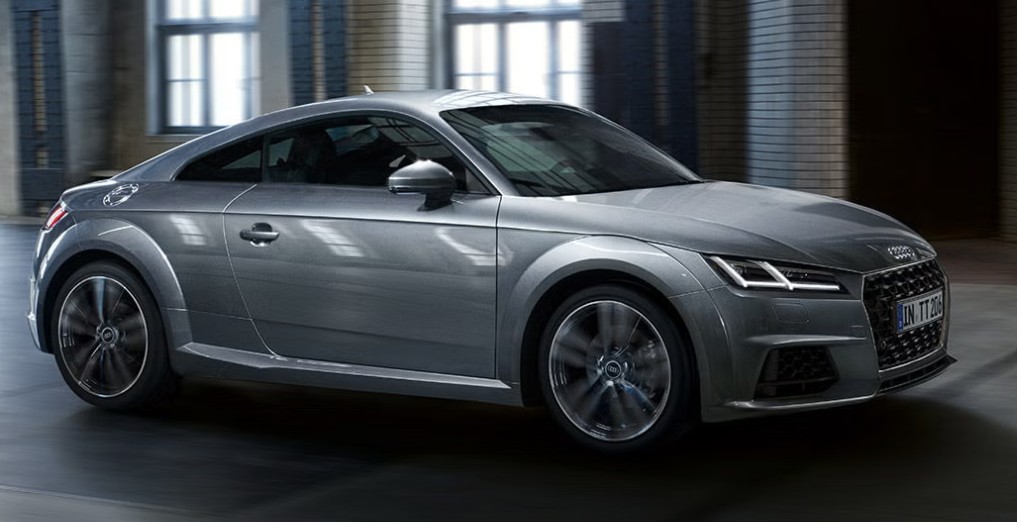
There are few things more frustrating than jumping into your Audi TT on a cold morning, turning the climate control system on, and discovering that the heater fan refuses to work. The sleek sports coupe that usually feels like a comfortable cockpit suddenly becomes as chilly as a mountain cabin with no fireplace.
If your Audi TT heater fan is not working, don't panic. In many cases, the issue is caused by a blown fuse, faulty blower motor resistor, defective blower motor, wiring problems, or climate control module faults. The good news is that many of these issues can be diagnosed without advanced mechanical skills.
In this comprehensive guide, we'll explore the most common causes, warning signs, troubleshooting methods, repair costs, and preventative maintenance tips to help restore your Audi TT's heating and ventilation system.
Content in this publication
- Why the Heater Fan Is Important in an Audi TT
- How the Audi TT Heating System Works
- Common Symptoms of an Audi TT Heater Fan Not Working
- Most Common Causes of Audi TT Heater Fan Failure
- Blown Fuse
- Faulty Blower Motor Resistor
- Failed Blower Motor
- Climate Control Module Problems
- Electrical Wiring Problems
- Faulty Fan Control Switch
- Blocked Cabin Air Filter
- Audi TT Generations and Heater Fan Issues
- Step-by-Step Troubleshooting Guide
- Can You Drive with a Non-Working Heater Fan?
- Audi TT Heater Fan Repair Costs
- DIY Repairs vs Professional Repairs
- Preventing Future Heater Fan Problems
- When the Heater Fan Works but No Heat Comes Out
- Signs You Need Immediate Repair
- Why Audi TT Owners Often Misdiagnose Heater Fan Problems
- Final Thoughts
- Frequently Asked Questions
Why the Heater Fan Is Important in an Audi TT
The heater fan, often called the blower motor, plays a vital role in your vehicle's climate control system. While many drivers assume it only provides warm air, it actually performs several essential functions.
The blower fan helps:
- Circulate heated air during winter
- Distribute cooled air from the air conditioning system
- Remove moisture from the windshield
- Improve cabin comfort
- Support proper defrosting performance
Without a functioning heater fan, even a perfectly working heater core cannot effectively warm the cabin.
How the Audi TT Heating System Works
Understanding the basics of the heating system makes troubleshooting easier.
The process works like this:
- Engine coolant heats up.
- Hot coolant flows through the heater core.
- The blower motor pushes air across the heater core.
- Warm air enters the cabin through the vents.
- The climate control module regulates airflow and temperature.
If any component in this chain fails, cabin heating performance suffers.
Common Symptoms of an Audi TT Heater Fan Not Working
Before diagnosing the problem, it's important to identify the symptoms.
No Airflow from Any Vent
The most obvious sign is a complete lack of airflow regardless of fan speed settings.
Even if you hear climate control buttons responding, no air reaches the cabin.
Fan Works Only on Certain Speeds
Sometimes the blower operates on high speed but not on lower settings.
This typically points toward a failed blower motor resistor.
Intermittent Fan Operation
The fan may start and stop randomly.
This often indicates:
- Loose wiring
- Failing blower motor
- Electrical connection issues
Unusual Noises from the Dashboard
Grinding, squealing, or rattling sounds frequently suggest blower motor wear.
Burning Smell from Vents
A burning odor may indicate:
- Overheating blower motor
- Electrical short circuit
- Damaged wiring
This issue should be addressed immediately.
Most Common Causes of Audi TT Heater Fan Failure
Let's examine the most likely culprits.
Blown Fuse
The fuse is the first thing we should inspect.
Fuses are designed to protect electrical circuits. If excessive current flows through the blower system, the fuse sacrifices itself to prevent larger damage.
Signs of a Blown Fuse
- Fan completely dead
- Climate controls appear normal
- No blower motor sound
How to Check the Fuse
Locate the fuse panel according to your owner's manual and inspect the blower motor fuse.
If the metal strip inside the fuse is broken, replacement is necessary.
Faulty Blower Motor Resistor
The resistor controls fan speed.
When it fails, the fan may:
- Work only on maximum speed
- Lose lower speed settings
- Stop functioning entirely
Why Resistors Fail
Over time, heat cycles and electrical load wear down internal resistor components.
Audi TT models that experience heavy climate control usage may encounter resistor issues sooner.
Replacement Difficulty
Fortunately, resistor replacement is usually straightforward and relatively inexpensive.
Failed Blower Motor
The blower motor itself can wear out over time.
Like any electric motor, bearings, brushes, and internal components eventually deteriorate.
Signs of a Failing Blower Motor
- Fan noises
- Reduced airflow
- Intermittent operation
- Complete fan failure
Typical Lifespan
Many Audi TT blower motors last:
- 100,000 miles or more
- 10+ years under normal use
However, environmental factors can shorten lifespan.
Climate Control Module Problems
Modern Audi TT models rely heavily on electronic climate control systems.
The climate control module acts like the orchestra conductor, coordinating multiple components.
When the module develops faults, strange behavior can occur.
Possible Symptoms
- Fan speed errors
- Unresponsive controls
- Random operation
- Incorrect temperature output
Diagnostic Requirement
In many cases, professional diagnostic equipment is needed to confirm module-related issues.
Electrical Wiring Problems
Wiring serves as the nervous system of the blower circuit.
Damaged wires interrupt communication between components.
Common Causes of Wiring Damage
- Corrosion
- Water intrusion
- Rodent damage
- Aging insulation
Symptoms
Electrical issues often create unpredictable problems, making diagnosis more challenging.
Faulty Fan Control Switch
In older Audi TT generations, fan speed switches can wear out.
Repeated use gradually degrades internal contacts.
Warning Signs
- Certain fan speeds unavailable
- Controls feel loose
- Fan responds inconsistently
Blocked Cabin Air Filter
Sometimes the fan isn't actually broken.
A severely clogged cabin filter can restrict airflow so dramatically that it appears the fan has failed.
Signs of a Blocked Filter
- Weak airflow
- Dust accumulation
- Increased fan noise
Replacement Interval
Most cabin air filters should be replaced every:
- 12,000–15,000 miles
- Once per year
Audi TT Generations and Heater Fan Issues
Different TT generations can experience slightly different blower-related problems.
Mk1 Audi TT (1998–2006)
Common concerns include:
- Aging blower motors
- Fuse issues
- Resistor failures
Mk2 Audi TT (2006–2014)
Frequently reported issues include:
- Climate control electronics
- Blower motor wear
- Wiring corrosion
Mk3 Audi TT (2014–2023)
Common problem areas include:
- Electronic control modules
- Sensor communication faults
- Software-related climate control issues
Step-by-Step Troubleshooting Guide
Let's walk through a logical diagnosis process.
Step 1: Check Fan Settings
Verify:
- Climate control is on
- Fan speed is raised
- Air distribution mode is selected correctly
Simple mistakes happen more often than many drivers realize.
Step 2: Listen for Blower Motor Activity
Turn the fan to maximum.
Ask yourself:
- Do you hear anything?
- Is there humming?
- Is there clicking?
These clues narrow down possible causes.
Step 3: Inspect the Fuse
Replace any blown fuse with the correct amperage rating.
Never install a higher-rated fuse.
Step 4: Check Cabin Air Filter
Remove and inspect the filter.
If it resembles a dusty vacuum bag, replacement is overdue.
Step 5: Scan for Diagnostic Trouble Codes
An OBD-II scanner may reveal climate control system faults.
Step 6: Test the Blower Motor
Applying direct power to the motor can confirm whether the unit itself is functional.
Can You Drive with a Non-Working Heater Fan?
Technically, yes.
However, driving without a functioning blower fan creates several challenges.
Reduced Defrosting Ability
Fogged windows become difficult to clear.
This can reduce visibility significantly.
Reduced Comfort
Winter driving becomes uncomfortable quickly.
Potential Safety Concerns
Poor visibility from condensation can create dangerous driving conditions.
Audi TT Heater Fan Repair Costs
Repair costs vary depending on the root cause.
Fuse Replacement
Typical cost:
- $5–$20
Cabin Air Filter Replacement
Typical cost:
- $20–$80
Blower Motor Resistor Replacement
Typical cost:
- $80–$250
Blower Motor Replacement
Typical cost:
- $250–$700
Climate Control Module Repair
Typical cost:
- $400–$1,500+
Module replacements are generally the most expensive solution.
DIY Repairs vs Professional Repairs
Not every repair requires a professional mechanic.
Good DIY Projects
- Fuse replacement
- Cabin filter replacement
- Basic inspections
Repairs Best Left to Professionals
- Module programming
- Wiring repairs
- Advanced diagnostics
Modern Audi electronics can be surprisingly complex.
Preventing Future Heater Fan Problems
Prevention is often cheaper than repair.
Replace Cabin Filters Regularly
A clean filter reduces strain on the blower motor.
Keep Water Drains Clear
Blocked drains can lead to moisture intrusion.
Run the Fan Year-Round
Regular operation helps keep motor components lubricated.
Address Unusual Noises Early
Ignoring minor noises often turns small repairs into major expenses.
When the Heater Fan Works but No Heat Comes Out
Sometimes the fan operates normally, but warm air never arrives.
Possible causes include:
- Low coolant level
- Faulty thermostat
- Heater core blockage
- Blend door actuator failure
These problems affect heating rather than blower operation.
Low Coolant Levels
Insufficient coolant prevents proper heat transfer.
Faulty Thermostat
A thermostat stuck open prevents the engine from reaching operating temperature.
Blocked Heater Core
Sediment accumulation can restrict coolant flow.
Signs You Need Immediate Repair
Certain symptoms should not be ignored.
Electrical Burning Smell
This may indicate overheating wiring.
Smoke from Dashboard Area
Stop driving and investigate immediately.
Repeated Fuse Failures
Repeatedly blown fuses usually signal an underlying electrical fault.
Water Inside Cabin
Moisture can damage blower motor components and electronics.
Why Audi TT Owners Often Misdiagnose Heater Fan Problems
Many drivers immediately assume the blower motor has failed.
In reality, simpler causes such as fuses, filters, and resistors account for a large percentage of heater fan complaints.
Think of the blower system like a chain. The strongest chain still breaks if one small link fails.
Careful diagnosis saves money, time, and frustration.
Final Thoughts
An Audi TT heater fan not working can transform an enjoyable sports coupe into an uncomfortable driving experience, especially during cold or wet weather. Fortunately, most heater fan issues stem from a handful of predictable causes, including blown fuses, faulty blower motor resistors, worn blower motors, electrical problems, or climate control module faults.
By approaching diagnosis systematically, we can often identify the issue quickly and avoid unnecessary parts replacement. Whether the solution is as simple as a new fuse or as involved as a blower motor replacement, addressing the problem early prevents further complications and keeps the cabin comfortable year-round.
The key is not to ignore warning signs. Strange noises, intermittent operation, weak airflow, and electrical smells are all signals that the climate control system needs attention before a minor inconvenience becomes a major repair bill.
Frequently Asked Questions
Why is my Audi TT heater fan not working at all?
The most common causes include a blown fuse, failed blower motor resistor, defective blower motor, damaged wiring, or climate control module problems.
Can a blown fuse stop the heater fan completely?
Yes. A blown blower motor fuse can instantly disable the entire fan system.
Why does my Audi TT fan only work on high speed?
This symptom usually indicates a faulty blower motor resistor.
How much does it cost to replace an Audi TT blower motor?
Most repairs range between $250 and $700 depending on labor rates and vehicle generation.
Can a dirty cabin filter cause heater fan problems?
Yes. A severely clogged cabin air filter can dramatically restrict airflow and make the fan appear weak or ineffective.
If you want to know other articles similar to Audi TT Heater Fan Not Working: Causes, Fixes, and Troubleshooting Guide you can visit the category Common Problems.
Volvo S90 Common Problems: Reliability & Repair Guide
Volvo S90 No Sound: Causes, Fixes and Solutions

Nissan Rogue Smells Like Gas: Causes and Fixes
Vauxhall Agila Problems: Common Faults & Fixes

Kia Sorento Jerking When Accelerating: Causes & Fixes

Jaguar F-Pace Low Battery: Causes, Warning Signs, and How to Fix It
Leave a Reply
More content of your interest