
BMW 3 Series vs Mercedes C-Class: Which Luxury Sedan Deserves Your Garage?

When we talk about compact luxury sedans, two names immediately dominate the conversation: the BMW 3 Series and the Mercedes C-Class. These German icons have spent decades battling for supremacy, attracting drivers who want a blend of performance, comfort, prestige, and cutting-edge technology.
But which one truly comes out on top?
The answer isn't as simple as declaring a single winner. Choosing between the BMW 3 Series and Mercedes C-Class is like choosing between a precision-crafted sports watch and an elegant luxury timepiece. Both tell the time brilliantly, but they appeal to different personalities.
In this comprehensive comparison, we'll explore every aspect of these luxury sedans, from design and performance to technology, reliability, comfort, and ownership costs.
Content in this publication
- The Legacy Behind the Rivalry
- Exterior Design: Sportiness vs Sophistication
- Which Looks Better?
- Interior Quality and Cabin Experience
- Comfort and Seating
- Passenger Space and Practicality
- Performance: The Heart of the Battle
- Engine Options Compared
- Acceleration and Speed
- Handling and Driving Dynamics
- Ride Quality Comparison
- Technology and Infotainment
- Digital Displays and User Experience
- Safety Features
- Fuel Economy and Efficiency
- Reliability and Long-Term Ownership
- Maintenance Costs
- Resale Value
- Luxury Experience: Different Interpretations
- Who Should Buy the BMW 3 Series?
- Who Should Buy the Mercedes C-Class?
- BMW 3 Series vs Mercedes C-Class: Key Differences at a Glance
- The Verdict
- Frequently Asked Questions
- Conclusion
The Legacy Behind the Rivalry
The BMW 3 Series and Mercedes C-Class have shaped the premium sedan market for decades.
The 3 Series has long been considered the benchmark for driving enthusiasts. Since its introduction, BMW has focused on creating a sedan that delivers exceptional handling and driver engagement.
The Mercedes C-Class, meanwhile, has traditionally emphasized refinement, comfort, and prestige. It brings much of the luxury experience found in larger Mercedes models into a more accessible package.
This rivalry has pushed both manufacturers to constantly innovate, benefiting drivers around the world.
Exterior Design: Sportiness vs Sophistication
BMW 3 Series Design Philosophy
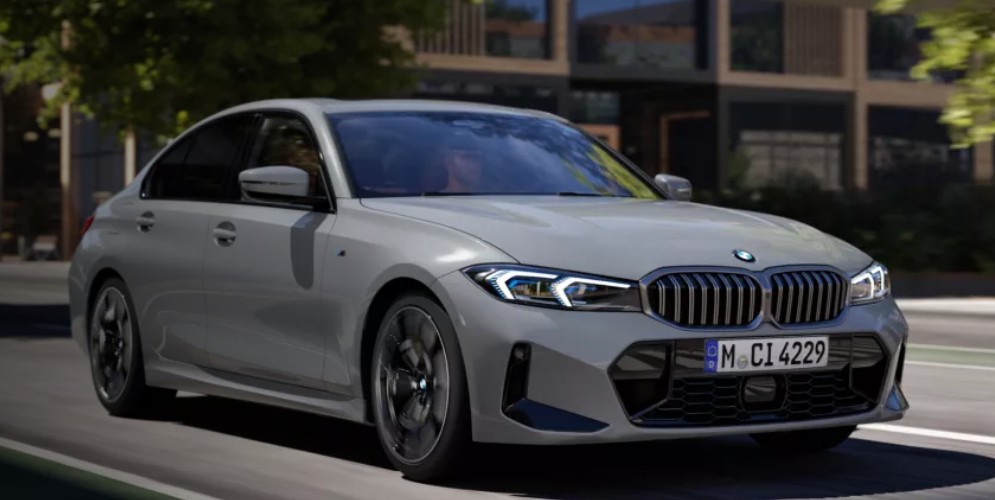
The BMW 3 Series embraces an athletic appearance.
Its long hood, aggressive front fascia, sharp body lines, and muscular stance create a sporty look even when parked.
Key styling highlights include:
- Signature kidney grille
- Sculpted side profile
- Athletic proportions
- Modern LED lighting
- Aggressive rear diffuser styling
The BMW looks ready to attack a winding road at any moment.
Mercedes C-Class Design Philosophy
The Mercedes C-Class takes a more elegant approach.
Inspired by the larger S-Class, it features flowing lines, smooth curves, and a refined overall appearance.
Highlights include:
- Sophisticated front grille
- Sleek roofline
- Elegant body contours
- Premium lighting elements
- Luxurious design language
The C-Class feels like a miniature executive sedan.
Which Looks Better?
Beauty is subjective.
Drivers seeking youthful energy often gravitate toward the BMW 3 Series. Those who prefer timeless elegance frequently choose the Mercedes C-Class.
Think of the BMW as a tailored performance suit and the Mercedes as a luxury tuxedo. Both look fantastic, but they make different statements.
Interior Quality and Cabin Experience
Inside the BMW 3 Series
BMW focuses on creating a driver-centric cockpit.
The dashboard angles slightly toward the driver, putting controls within easy reach.
Notable interior strengths include:
- Excellent build quality
- Premium materials
- Ergonomic controls
- Supportive seating
- Minimalist luxury
The cabin feels purposeful and functional while remaining upscale.
Inside the Mercedes C-Class
Mercedes prioritizes luxury and visual appeal.
Stepping inside feels like entering a smaller version of the flagship S-Class.
Highlights include:
- Ambient lighting
- Premium leather options
- Elegant dashboard design
- High-end trim materials
- Sophisticated atmosphere
The C-Class often feels more luxurious at first glance.
Comfort and Seating
BMW 3 Series Comfort
The BMW offers excellent support for long journeys.
Its seats are designed to balance comfort and sportiness, making them ideal for both commuting and spirited driving.
Mercedes C-Class Comfort
Mercedes has built its reputation on comfort.
The seats tend to feel softer and more plush, creating a relaxed environment for daily driving.
For pure relaxation, many buyers give the edge to Mercedes.
Passenger Space and Practicality
Front Seat Space
Both sedans provide generous front-seat accommodations.
Tall drivers and passengers will find ample headroom and legroom in either vehicle.
Rear Seat Space
The BMW generally provides slightly more rear passenger room, particularly for legroom.
Families and frequent carpoolers may appreciate the additional space.
Cargo Capacity
Both vehicles offer competitive trunk space.
The BMW's cargo area tends to be slightly more practical due to its shape and accessibility.
Performance: The Heart of the Battle
BMW 3 Series Performance
The BMW 3 Series has earned its reputation through exceptional driving dynamics.
Its strengths include:
You may be interested in reading BMW 3 Series vs Audi A4: Which Luxury Sports Sedan Deserves Your Garage?
- Precise steering
- Balanced chassis
- Strong acceleration
- Rear-wheel-drive heritage
- Excellent cornering abilities
The car feels connected to the road.
Every turn becomes an experience.
Mercedes C-Class Performance
The C-Class delivers capable performance but focuses more on refinement.
Its strengths include:
- Smooth power delivery
- Quiet operation
- Comfortable ride quality
- Stable highway cruising
- Refined driving character
The Mercedes prioritizes serenity over excitement.
Engine Options Compared
BMW 330i
The BMW 330i represents the sweet spot in the lineup.
Benefits include:
- Strong turbocharged power
- Excellent fuel efficiency
- Responsive acceleration
- Smooth transmission
Mercedes C300
The C300 directly rivals the 330i.
Advantages include:
- Refined turbocharged engine
- Mild hybrid assistance
- Smooth operation
- Impressive efficiency
Both models offer more than enough power for everyday driving.
Acceleration and Speed
The BMW generally accelerates slightly quicker than the comparable Mercedes.
While the difference may not transform daily driving, enthusiasts often appreciate BMW's extra urgency.
The BMW feels eager.
The Mercedes feels effortless.
Both are fast, but they deliver speed differently.
Handling and Driving Dynamics
Why Enthusiasts Love the BMW
The 3 Series remains one of the best-driving sedans in its class.
Reasons include:
- Near-perfect weight distribution
- Quick steering response
- Strong grip levels
- Excellent road feedback
The vehicle encourages spirited driving.
Mercedes Driving Character
The C-Class is more relaxed.
Instead of communicating every detail from the road, it isolates occupants from imperfections.
Many buyers actually prefer this approach.
Ride Quality Comparison
BMW Ride Quality
Modern BMW models have become increasingly comfortable.
The suspension strikes an effective balance between sportiness and comfort.
Mercedes Ride Quality
Mercedes traditionally excels at ride comfort.
The C-Class often absorbs bumps with greater finesse, creating a smoother overall experience.
For comfort-focused buyers, Mercedes usually takes this category.
Technology and Infotainment
BMW iDrive System
BMW's iDrive platform is widely regarded as one of the industry's best infotainment systems.
Features include:
- Fast responsiveness
- Intuitive menus
- Voice controls
- Wireless smartphone integration
- Crisp displays
Mercedes MBUX System
Mercedes counters with MBUX.
Strengths include:
- Stunning graphics
- Advanced voice assistant
- Large touchscreen interface
- Premium visual presentation
MBUX feels futuristic and visually impressive.
Digital Displays and User Experience
Mercedes often wins in visual wow factor.
The dashboard resembles something from a luxury concept car.
BMW, however, frequently earns praise for usability.
The difference resembles choosing between a beautiful smartphone and one that's incredibly intuitive.
Ideally, we'd want both.
Safety Features
BMW Safety Technology
The 3 Series offers:
- Adaptive cruise control
- Blind-spot monitoring
- Lane-keeping assistance
- Automatic emergency braking
- Traffic sign recognition
Mercedes Safety Technology
The C-Class includes similar features, often packaged with additional luxury-focused driver assistance systems.
Both vehicles perform exceptionally well in safety testing.
Fuel Economy and Efficiency
Fuel economy is remarkably close.
You may be interested in readingBMW 3 Series vs Audi A4: Which Luxury Sports Sedan Deserves Your Garage?You may be interested in reading
BMW 3 Series vs 1 Series: Which BMW Is the Better Choice?Modern turbocharged engines and mild-hybrid technology help both vehicles deliver impressive efficiency without sacrificing performance.
For many owners, real-world differences are minimal.
Driving style often matters more than manufacturer specifications.
Reliability and Long-Term Ownership
BMW Reliability
BMW has improved significantly over the years.
Recent 3 Series models generally demonstrate solid reliability when properly maintained.
Mercedes Reliability
Mercedes has also made strides in reliability.
However, complex luxury technologies can occasionally contribute to higher repair costs.
Neither vehicle is inexpensive to maintain, but regular servicing helps prevent major issues.
Maintenance Costs
Luxury ownership comes with premium expenses.
Typical costs include:
- Scheduled maintenance
- Premium fuel
- Higher insurance premiums
- Specialized repairs
The BMW and Mercedes are closely matched here.
Neither should be considered budget-friendly.
Resale Value
Both sedans experience depreciation, though premium German brands often retain value better than many mainstream competitors.
Factors influencing resale value include:
- Vehicle condition
- Service history
- Mileage
- Trim level
- Market demand
Well-maintained examples of either model can command strong resale prices.
Luxury Experience: Different Interpretations
BMW Luxury
BMW defines luxury through engagement.
The brand believes luxury should enhance the driving experience.
Every control feels deliberate.
Every response feels engineered.
Mercedes Luxury
Mercedes defines luxury through comfort and prestige.
The goal is to make every journey effortless.
Passengers feel pampered.
Drivers feel relaxed.
Who Should Buy the BMW 3 Series?
The BMW 3 Series is ideal for:
- Driving enthusiasts
- Commuters who enjoy spirited driving
- Buyers seeking sporty luxury
- Drivers who value handling
- Those wanting a balanced luxury sedan
The BMW turns ordinary roads into playgrounds.
Who Should Buy the Mercedes C-Class?
The Mercedes C-Class is perfect for:
- Luxury-focused buyers
- Comfort seekers
- Frequent highway travelers
- Drivers prioritizing refinement
- Those wanting an S-Class-inspired experience
The Mercedes transforms daily travel into a relaxing retreat.
BMW 3 Series vs Mercedes C-Class: Key Differences at a Glance
| Category | BMW 3 Series | Mercedes C-Class |
|---|---|---|
| Driving Dynamics | Excellent | Very Good |
| Ride Comfort | Very Good | Excellent |
| Interior Luxury | Very Good | Excellent |
| Handling | Class-Leading | Comfortable |
| Technology | User-Friendly | Visually Stunning |
| Rear Seat Space | Slightly Better | Good |
| Sportiness | Outstanding | Moderate |
| Refinement | Excellent | Outstanding |
The Verdict
The BMW 3 Series and Mercedes C-Class remain two of the finest luxury sedans available today.
If we prioritize driving enjoyment, precise handling, and an engaging experience behind the wheel, the BMW 3 Series emerges as the stronger choice. It remains the enthusiast's benchmark and continues to set standards for sporty luxury sedans.
If we value comfort, elegance, cutting-edge interior design, and effortless refinement, the Mercedes C-Class becomes incredibly compelling. It delivers a luxury experience that feels remarkably close to vehicles costing substantially more.
Ultimately, neither choice is wrong.
The BMW speaks to the driver.
The Mercedes speaks to the traveler.
The best vehicle is simply the one that aligns with how we want to experience every mile ahead.
Frequently Asked Questions
1. Is the BMW 3 Series faster than the Mercedes C-Class?
In comparable trims, the BMW 330i is generally slightly quicker than the Mercedes C300, although both offer strong performance.
2. Which is more comfortable, the BMW 3 Series or Mercedes C-Class?
The Mercedes C-Class usually provides a softer and more luxurious ride, making it the comfort-oriented choice.
3. Which car has a better interior?
The Mercedes C-Class often feels more luxurious visually, while the BMW 3 Series excels in ergonomics and usability.
4. Is the BMW 3 Series more reliable than the Mercedes C-Class?
Recent models from both brands show improved reliability. Proper maintenance is critical regardless of which vehicle you choose.
5. Which luxury sedan is better for families?
Both work well, but the BMW 3 Series offers slightly more practical rear-seat and cargo space, making it marginally better for family use.
Conclusion
Choosing between the BMW 3 Series and Mercedes C-Class is one of the most enjoyable dilemmas in the automotive world. One emphasizes precision and excitement; the other prioritizes elegance and comfort. Both deliver premium craftsmanship, advanced technology, and undeniable prestige. Whether we lean toward the driver's car or the luxury cruiser, we're ultimately choosing from the very best the compact luxury sedan segment has to offer.
You may be interested in readingBMW 3 Series vs Audi A4: Which Luxury Sports Sedan Deserves Your Garage?You may be interested in reading
BMW 3 Series vs 1 Series: Which BMW Is the Better Choice?You may be interested in reading
BMW 3 Series vs 4 Series Gran Coupe: Which Luxury BMW Is the Better Buy?If you want to know other articles similar to BMW 3 Series vs Mercedes C-Class: Which Luxury Sedan Deserves Your Garage? you can visit the category Models.
Hyundai Tucson Weight: Complete Guide to Curb, Gross, and Payload Specs

Honda Passport vs Toyota 4Runner: Which SUV Is Better?
Honda Passport vs Ford Bronco: Which SUV Is Better?
Honda Passport vs Ford Explorer: Which SUV Is Better?
Honda Passport or Pilot: Which SUV Is Better?
Honda Passport vs Jeep Grand Cherokee: Which SUV Is Better?
Leave a Reply
More content of your interest