
BYD Seal vs BMW i4: Which Electric Sedan Is the Better Buy in 2026?

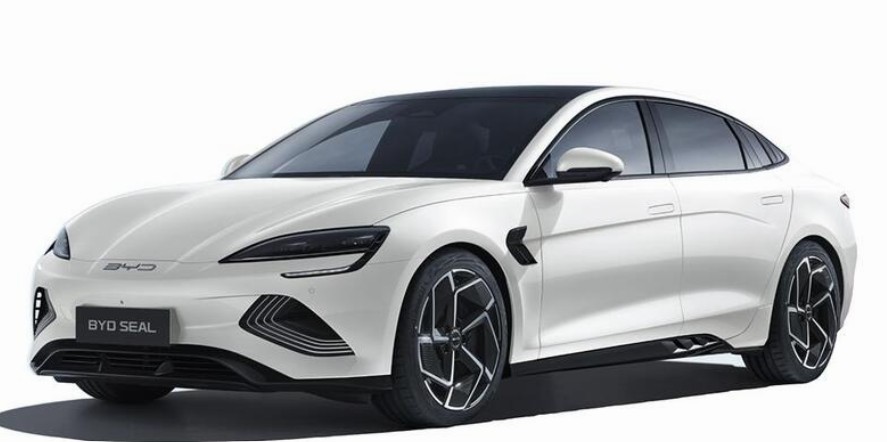
The electric vehicle market has never been more competitive. Every year, new models arrive promising longer range, faster charging, better technology, and more value. Among the most talked-about electric sedans today are the BYD Seal and the BMW i4. On paper, they seem to occupy similar territory. Both offer impressive performance, modern technology, premium interiors, and enough range to satisfy most drivers. Yet when we look closer, these two EVs approach the electric future from very different directions.
The BYD Seal represents the new wave of electric mobility. It comes from a manufacturer that has rapidly become one of the world's largest EV producers, leveraging its expertise in battery technology to create vehicles that challenge established brands at significantly lower prices. The BMW i4, meanwhile, carries the weight of decades of automotive heritage. It combines BMW’s reputation for luxury and driving dynamics with the benefits of electric power.
Choosing between them is not as simple as comparing specifications. One prioritizes value and innovation, while the other emphasizes refinement and premium ownership. Let's explore every major category to determine which electric sedan deserves a place in your garage.
Content in this publication
- Design Philosophy: Modern Challenger vs Luxury Veteran
- Interior Quality and Cabin Experience
- Technology and Infotainment
- Performance and Driving Dynamics
- Battery Technology: A Key Differentiator
- Range and Efficiency
- Charging Capabilities
- Ride Comfort and Practicality
- Safety Features
- Ownership Costs and Value
- Final Verdict: Which Should You Buy?
- Conclusion
- Frequently Asked Questions
Design Philosophy: Modern Challenger vs Luxury Veteran
First impressions matter, and both vehicles make strong ones.
The BYD Seal adopts a sleek and futuristic appearance inspired by oceanic themes. Smooth body lines, flush door handles, aerodynamic curves, and distinctive lighting create a car that immediately looks modern. It embraces its identity as an electric vehicle and wears that identity proudly.
The BMW i4 takes a more traditional approach. While unmistakably modern, it remains deeply rooted in BMW’s design language. The long hood, athletic proportions, and recognizable front fascia ensure that the i4 feels like a BMW first and an EV second. Some buyers appreciate this familiarity because it avoids looking overly experimental.
When parked side by side, the Seal often appears more futuristic, while the i4 projects a sense of established sophistication. The choice ultimately comes down to personal taste. If you enjoy turning heads with a fresh design, the Seal may appeal more. If you prefer timeless elegance, the BMW i4 remains difficult to beat.
Interior Quality and Cabin Experience
The interior is where owners spend most of their time, and both manufacturers have invested heavily in creating premium environments.
Inside the BYD Seal, the cabin feels far more luxurious than its price tag might suggest. Soft-touch materials, attractive trim pieces, ambient lighting, and a clean dashboard layout create a welcoming atmosphere. The centerpiece is BYD’s famous rotating touchscreen, which can switch between landscape and portrait orientations at the touch of a button. It is a feature that not only impresses passengers but also adds genuine flexibility.
The BMW i4 counters with an interior that reflects decades of premium-car expertise. The materials feel richer, the controls operate with remarkable precision, and the overall build quality exudes confidence. BMW’s curved digital display integrates the instrument cluster and infotainment screen into a seamless unit that feels both elegant and technologically advanced.
Although the Seal has narrowed the gap considerably, the i4 still holds a slight advantage in overall refinement. Every switch, button, and surface feels meticulously engineered. However, considering the difference in pricing, BYD deserves tremendous credit for how close it has come.
Technology and Infotainment
Modern EV buyers expect more than transportation. They want connectivity, convenience, and advanced software.
The BYD Seal delivers a generous list of technological features. The large rotating touchscreen dominates the dashboard and serves as the command center for navigation, entertainment, and vehicle settings. Wireless smartphone integration, voice controls, over-the-air updates, and advanced driver assistance systems are all included.
BMW answers with one of the most polished infotainment systems available. Its operating system is intuitive, responsive, and visually appealing. Features such as augmented reality navigation, advanced voice recognition, wireless connectivity, and customizable displays enhance the ownership experience.
The difference between these systems can be compared to smartphones. The BYD Seal offers an impressive collection of features and excellent functionality. The BMW i4, however, feels more refined and seamless in daily use. Menus are easier to navigate, transitions are smoother, and the software feels more mature.
For technology enthusiasts, both vehicles provide plenty to enjoy. The Seal wins on feature-per-dollar value, while the i4 wins on software sophistication.
Performance and Driving Dynamics
Electric vehicles have transformed expectations for acceleration. Instant torque means even family sedans can deliver sports-car-like performance.
The BYD Seal is available in multiple configurations, including rear-wheel-drive and all-wheel-drive versions. The performance-oriented variants offer rapid acceleration that can surprise drivers accustomed to traditional combustion engines. Launching from a standstill feels immediate and exciting.
The BMW i4 also comes in several versions, ranging from efficient rear-wheel-drive models to the powerful M50. The M50 in particular demonstrates just how thrilling an electric sedan can be. Its acceleration is breathtaking, pushing occupants into their seats with remarkable force.
Yet performance is not just about straight-line speed. This is where BMW’s heritage becomes apparent. The i4 feels more balanced through corners, offers more communicative steering, and provides a stronger connection between driver and machine. Every input feels precise and deliberate.
You may be interested in reading BYD Seal vs Tesla Model Y: Which Electric Vehicle Deserves Your Money in 2026?
The Seal remains enjoyable and competent, but the BMW i4 delivers a driving experience that enthusiasts are likely to appreciate more. It transforms ordinary roads into engaging experiences, something BMW has mastered for generations.
Battery Technology: A Key Differentiator
One of the most significant differences between these vehicles lies beneath the floor.
BYD’s Blade Battery has become one of the most respected battery technologies in the industry. Designed for enhanced safety, durability, and thermal stability, it represents a major achievement in EV engineering. The Blade Battery is known for its resistance to thermal runaway and its ability to maintain performance over long periods.
BMW utilizes advanced lithium-ion battery technology optimized for energy density, efficiency, and charging performance. The system performs exceptionally well and supports the premium driving experience BMW customers expect.
While both battery systems are excellent, BYD’s Blade Battery stands out because of its innovative design and impressive safety credentials. It provides a compelling advantage for buyers who prioritize long-term durability and cutting-edge battery engineering.
Range and Efficiency
Range remains one of the most important considerations for electric vehicle buyers.
The BYD Seal delivers impressive efficiency and competitive range figures. Thanks to its aerodynamic design and advanced battery management systems, it can travel significant distances on a single charge. For many drivers, weekly commuting can be accomplished with minimal charging interruptions.
The BMW i4 also performs exceptionally well. Certain versions offer range figures that rival the best vehicles in the segment. Combined with BMW’s efficient powertrain technology, the i4 proves that luxury and efficiency can coexist.
In real-world driving, both vehicles provide more than enough range for typical daily use. Weather, driving habits, and road conditions will always influence results, but neither vehicle should leave owners concerned about running out of power during routine travel.
The Seal often offers slightly better value when comparing range to purchase price, while the i4 compensates with greater refinement and premium appeal.
Charging Capabilities
A great EV needs more than a large battery. It also needs practical charging solutions.
The BYD Seal supports both AC home charging and DC fast charging, making it easy to recharge whether at home or on the road. Overnight charging can comfortably replenish the battery for daily use, while fast charging helps reduce waiting times during longer journeys.
BMW has also invested heavily in charging convenience. The i4 supports rapid charging and integrates charging-stop planning directly into its navigation system. This intelligent route planning simplifies long-distance travel and helps drivers optimize charging sessions.
Both vehicles perform well in this category. BMW’s software integration gives it a slight edge in user experience, while BYD’s charging performance remains highly competitive.
Ride Comfort and Practicality
Not every journey is about performance. Comfort matters, especially for commuters and families.
The BYD Seal offers a comfortable ride that balances sportiness with everyday usability. The seats provide good support, road noise is well controlled, and rear passengers enjoy generous space. It feels well suited to both city driving and longer trips.
The BMW i4 raises the bar even further. Ride quality feels exceptionally refined, and cabin insulation effectively minimizes external noise. Long-distance journeys become relaxing experiences rather than tiring obligations.
Cargo space also deserves consideration. The i4 benefits from its liftback design, making it surprisingly practical for carrying larger items. The Seal’s traditional sedan trunk remains functional but lacks the versatility of BMW’s configuration.
For comfort and practicality, both cars perform admirably, though BMW retains a slight advantage in refinement and cargo flexibility.
Safety Features
Safety has become a major selling point for modern EVs, and both vehicles include comprehensive systems.
You may be interested in readingBYD Seal vs Tesla Model Y: Which Electric Vehicle Deserves Your Money in 2026?You may be interested in reading
BYD Seal vs Seal U: Which BYD Electric Vehicle Is the Better Choice?Standard and available safety features typically include:
- Adaptive cruise control
- Lane-keeping assistance
- Automatic emergency braking
- Blind-spot monitoring
- Traffic sign recognition
- Parking assistance systems
BYD’s Blade Battery also contributes to overall safety through its robust design and thermal stability. BMW’s extensive engineering expertise ensures that the i4 performs strongly in crash protection and active safety technologies.
In practical terms, both vehicles provide the advanced safety systems that modern buyers expect.
Ownership Costs and Value
This category often determines the final purchasing decision.
The BYD Seal’s greatest strength is value. Buyers receive impressive technology, strong performance, advanced battery technology, and premium features at a price that undercuts many competitors.
The BMW i4 commands a higher price, reflecting its luxury positioning and brand prestige. Ownership costs, insurance premiums, and optional extras may also be higher.
However, BMW often benefits from stronger resale values and a well-established premium reputation. For some buyers, the additional expense is justified by the ownership experience.
The Seal represents one of the best value propositions in the EV market, while the i4 focuses on delivering a premium experience rather than maximizing affordability.
Final Verdict: Which Should You Buy?
Choosing between the BYD Seal and BMW i4 depends largely on priorities.
If we want maximum value, innovative battery technology, modern styling, impressive range, and abundant features for the money, the BYD Seal is exceptionally difficult to ignore. It proves that premium-feeling electric vehicles no longer need premium-level pricing.
If we prioritize luxury, driving engagement, refined software, superior craftsmanship, and brand prestige, the BMW i4 remains one of the most compelling electric sedans available today.
The BYD Seal is the smart financial choice.
The BMW i4 is the emotional choice.
Neither decision is wrong.
Conclusion
The battle between the BYD Seal and BMW i4 perfectly illustrates the evolution of the electric vehicle market. Established luxury manufacturers can no longer rely solely on heritage, while emerging brands have demonstrated their ability to compete at the highest levels.
The Seal delivers extraordinary value and showcases some of the most innovative battery technology available. The i4 continues BMW’s tradition of combining performance, comfort, and sophistication into a complete driving package.
Ultimately, the best car is the one that aligns with our priorities. Whether we choose the ambitious newcomer or the established premium icon, both vehicles represent the exciting future of electric mobility.
Frequently Asked Questions
1. Is the BYD Seal cheaper than the BMW i4?
Yes, the BYD Seal is generally positioned at a lower price point, offering excellent value for money.
2. Which car has better performance, the BYD Seal or BMW i4?
The BMW i4, particularly the M50 version, delivers superior driving dynamics and performance.
3. Does the BYD Seal use a different battery technology?
Yes, it uses BYD’s innovative Blade Battery, known for safety and durability.
You may be interested in readingBYD Seal vs Tesla Model Y: Which Electric Vehicle Deserves Your Money in 2026?You may be interested in reading
BYD Seal vs Seal U: Which BYD Electric Vehicle Is the Better Choice?You may be interested in reading
BYD Seal vs MG IM5: Which Electric Sedan Deserves Your Money in 2026?4. Which vehicle offers better interior quality?
The BMW i4 has a more refined and luxurious cabin, although the Seal comes surprisingly close.
5. Which EV is better for value-conscious buyers?
The BYD Seal is generally the better choice for buyers focused on maximizing value.
If you want to know other articles similar to BYD Seal vs BMW i4: Which Electric Sedan Is the Better Buy in 2026? you can visit the category Models.
Honda Passport vs Toyota 4Runner: Which SUV Is Better?
Honda Passport vs Ford Bronco: Which SUV Is Better?
Honda Passport vs Ford Explorer: Which SUV Is Better?
Honda Passport or Pilot: Which SUV Is Better?
Honda Passport vs Jeep Grand Cherokee: Which SUV Is Better?
Honda Passport vs Nissan Pathfinder: Which SUV Is Better?
Leave a Reply
More content of your interest