

Ford C-Max Immobiliser Malfunction Service Required: Causes, Fixes, and Prevention Guide

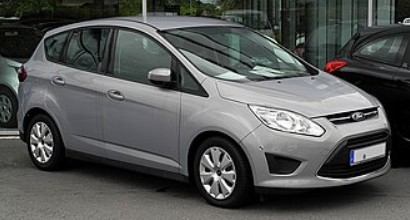
Few warning messages create as much anxiety as seeing “Ford C-Max Immobiliser Malfunction Service Required” appear on your dashboard. One moment your vehicle starts normally, and the next it refuses to recognize the key, leaving you stranded and wondering what went wrong.
The immobiliser system is designed to protect your Ford C-Max from theft, but when it develops a fault, it can prevent the engine from starting altogether. Fortunately, most immobiliser problems can be diagnosed and resolved without replacing half the vehicle.
In this comprehensive guide, we'll explore what this warning means, why it happens, how to fix it, and what steps you can take to avoid future immobiliser issues.
Content in this publication
- What Does “Immobiliser Malfunction Service Required” Mean?
- How the Ford C-Max Immobiliser System Works
- Common Symptoms of an Immobiliser Malfunction
- Most Common Causes of Ford C-Max Immobiliser Problems
- Dead or Weak Key Fob Battery
- Damaged Key Transponder Chip
- Faulty Key Reader Antenna
- Body Control Module (BCM) Issues
- Low Vehicle Battery Voltage
- Wiring Problems and Corrosion
- Software Glitches in the Security System
- Can a Faulty Immobiliser Drain the Battery?
- How to Diagnose a Ford C-Max Immobiliser Fault
- Temporary Fixes That May Help
- When Key Programming Is Required
- Replacing a Faulty Immobiliser Module
- Typical Repair Costs
- Can You Drive With an Immobiliser Fault?
- Preventing Future Immobiliser Problems
- Warning Signs You Should Never Ignore
- Why Immobiliser Faults Are More Common in Modern Vehicles
- Final Thoughts
- Frequently Asked Questions
- 1. What causes the Ford C-Max immobiliser malfunction service required message?
- 2. Can a dead key battery trigger an immobiliser warning?
- 3. Will disconnecting the battery reset the immobiliser?
- 4. Can I start my Ford C-Max with a faulty immobiliser?
- 5. How much does it cost to fix an immobiliser malfunction?
What Does “Immobiliser Malfunction Service Required” Mean?
The immobiliser is an electronic anti-theft system built into the Ford C-Max. Its primary job is to verify that the correct key is being used before allowing the engine to start.
When the dashboard displays the warning message, it means the vehicle's security system cannot properly authenticate the key or communicate with one of its components.
As a result:
- The engine may fail to start
- The starter motor may crank but not fire
- Dashboard warning lights may flash
- The vehicle may enter security lockout mode
Think of the immobiliser as a nightclub bouncer. If it cannot verify your identification, it won't let you inside—even if you're the rightful owner.
How the Ford C-Max Immobiliser System Works
Modern Ford C-Max models use a sophisticated network of electronic components.
The system typically includes:
- Transponder chip inside the key
- Key reader antenna
- Body Control Module (BCM)
- Powertrain Control Module (PCM)
- Vehicle security software
When you insert the key or use keyless start, the antenna reads the transponder signal.
If the code matches stored information, the immobiliser allows the PCM to activate fuel injection and ignition systems.
If communication fails, the vehicle remains immobilised.
Common Symptoms of an Immobiliser Malfunction
Recognizing the signs early can save significant time and money.
Vehicle Won't Start
This is the most common symptom.
You may:
- Turn the key with no response
- Experience cranking without ignition
- Hear clicking noises
Flashing Security Light
The anti-theft indicator often flashes rapidly when the immobiliser cannot validate the key.
Intermittent Starting Problems
Sometimes the vehicle starts normally.
Other times it refuses to recognize the key.
This inconsistency often points toward communication issues.
Dashboard Warning Messages
You may see:
- Immobiliser Malfunction
- Service Required
- Key Not Detected
- Engine Start Fault
Most Common Causes of Ford C-Max Immobiliser Problems
Several faults can trigger the warning message.
Understanding them helps narrow down the diagnosis.
Dead or Weak Key Fob Battery
A weak battery is often the simplest explanation.
Keyless systems rely on battery power to transmit signals.
When battery voltage drops:
- Communication becomes inconsistent
- The vehicle struggles to detect the key
- Security warnings may appear
Replacing the battery is usually inexpensive and quick.
Damaged Key Transponder Chip
Inside the key is a tiny transponder chip.
This chip stores a unique identification code.
If it becomes damaged due to:
- Drops
- Water exposure
- Physical impact
the immobiliser may reject the key entirely.
Faulty Key Reader Antenna
What the Antenna Does
The antenna ring surrounds the ignition area or keyless receiver.
It reads information from the transponder chip.
How Failure Occurs
Over time, wiring or internal electronics may fail.
Symptoms often include:
- Intermittent key recognition
- Random starting failures
- Security system warnings
Body Control Module (BCM) Issues
The BCM acts as the communication hub for many electronic systems.
When it develops faults:
- Immobiliser data may become corrupted
- Key authentication may fail
- Security messages appear unexpectedly
Electrical surges and moisture intrusion frequently contribute to BCM failures.
Low Vehicle Battery Voltage
Many owners overlook this possibility.
Modern vehicles depend heavily on stable voltage.
A weak main battery can create strange electrical behavior including:
- Immobiliser faults
- Dashboard warnings
- Communication errors
If the battery voltage falls below acceptable levels, the immobiliser may stop functioning correctly.
Wiring Problems and Corrosion
Loose Connections
Electrical connectors can loosen over time due to vibration.
Corrosion Damage
Moisture is a vehicle's silent enemy.
Corroded wiring can interrupt communication between:
- BCM
- PCM
- Key reader
- Security modules
Even a small amount of corrosion can trigger major starting issues.
Software Glitches in the Security System
Modern vehicles contain millions of lines of software code.
Occasionally:
- Programming errors occur
- Data becomes corrupted
- Modules lose synchronization
A software update or module reset may solve the problem.
Can a Faulty Immobiliser Drain the Battery?
Surprisingly, yes.
If electronic modules fail to enter sleep mode, they continue consuming power after the vehicle is turned off.
Signs include:
- Frequent battery depletion
- Random warning messages
- Hard starting after parking overnight
A professional diagnostic scan can identify modules that remain active.
How to Diagnose a Ford C-Max Immobiliser Fault
Proper diagnosis prevents unnecessary parts replacement.
Step 1: Check the Key Battery
Start with the simplest possibility.
Install a fresh battery and test the vehicle.
Step 2: Try a Spare Key
If the spare key works perfectly, the original key is likely defective.
Step 3: Inspect the Vehicle Battery
Use a multimeter.
Healthy batteries should generally measure:
- Around 12.6 volts with engine off
- Around 13.7–14.7 volts while running
Step 4: Scan for Trouble Codes
Professional scanners can reveal immobiliser-related fault codes.
Common categories include:
- Key communication errors
- BCM faults
- PCM synchronization issues
Step 5: Inspect Wiring
Look for:
- Corrosion
- Damaged insulation
- Loose connectors
Temporary Fixes That May Help
While not permanent solutions, these methods sometimes restore operation.
Lock and Unlock the Vehicle
This can reset certain security functions.
Disconnect the Battery
Disconnecting the battery for 15–20 minutes may reboot electronic modules.
Remember that radio presets and settings may be lost.
Move Electronic Devices Away
Strong electronic interference can occasionally disrupt key recognition.
Keep devices away from the key when testing.
When Key Programming Is Required
Sometimes the immobiliser loses synchronization with the key.
In such cases:
- Existing keys may require reprogramming
- New keys may need registration
- Security codes must be updated
Programming generally requires specialized equipment.
Replacing a Faulty Immobiliser Module
In rare situations, the immobiliser module itself fails.
Replacement may involve:
- Module installation
- Security coding
- Key synchronization
- Software configuration
Because modules communicate with multiple systems, professional setup is usually necessary.
Typical Repair Costs
Repair costs vary widely depending on the cause.
Minor Repairs
- Key battery replacement
- Connector cleaning
- Battery charging
Moderate Repairs
- Key replacement
- Antenna replacement
- Wiring repair
Major Repairs
- BCM replacement
- PCM programming
- Immobiliser module replacement
Accurate diagnosis is the best way to avoid unnecessary expenses.
Can You Drive With an Immobiliser Fault?
If the vehicle starts and runs normally, driving may still be possible.
However, the risk remains that the system could refuse to start the engine later.
Ignoring the warning can eventually leave you stranded.
Addressing the problem early is always the safest approach.
Preventing Future Immobiliser Problems
Prevention is often easier than repair.
Replace Key Batteries Regularly
Don't wait until communication becomes unreliable.
Protect Keys From Damage
Avoid:
- Water exposure
- Hard impacts
- Extreme temperatures
Maintain Battery Health
A strong battery supports stable communication between modules.
Keep Electrical Connections Clean
Periodic inspection helps identify corrosion before it causes failures.
Install Software Updates
Manufacturers occasionally release updates that improve module reliability.
Warning Signs You Should Never Ignore
Seek diagnosis immediately if you notice:
- Repeated key detection failures
- Flashing security lights
- Intermittent no-start conditions
- Multiple electrical warnings
- Battery drain problems
These symptoms often worsen over time.
Why Immobiliser Faults Are More Common in Modern Vehicles
Today's vehicles are essentially computers on wheels.
The Ford C-Max relies on dozens of interconnected modules.
While this technology improves convenience and security, it also introduces more potential failure points.
A single communication interruption can prevent the vehicle from starting.
That's why seemingly unrelated issues such as low voltage or moisture intrusion can trigger immobiliser warnings.
Final Thoughts
The Ford C-Max Immobiliser Malfunction Service Required warning can seem intimidating, but the underlying cause is often easier to diagnose than many drivers expect. From a weak key battery to a faulty antenna, wiring issue, or module communication error, most immobiliser problems follow predictable patterns.
The key is approaching diagnosis methodically. Start with the simple possibilities, verify battery health, test a spare key, and scan for fault codes before replacing expensive components.
Treat the immobiliser as the vehicle's digital gatekeeper. When communication breaks down, the gate stays closed. Restore that communication, and your Ford C-Max will typically return to normal operation.
Frequently Asked Questions
1. What causes the Ford C-Max immobiliser malfunction service required message?
The most common causes include a weak key battery, damaged transponder chip, faulty antenna ring, low vehicle battery voltage, wiring problems, or module communication faults.
2. Can a dead key battery trigger an immobiliser warning?
Yes. A weak key battery may prevent proper communication between the key and vehicle security system.
3. Will disconnecting the battery reset the immobiliser?
Sometimes. Disconnecting the battery may temporarily reset electronic modules, although it rarely fixes underlying faults permanently.
4. Can I start my Ford C-Max with a faulty immobiliser?
In most cases, no. The immobiliser is specifically designed to prevent engine startup when authentication fails.
5. How much does it cost to fix an immobiliser malfunction?
Costs vary depending on the cause. Simple battery-related issues are inexpensive, while module replacement and programming can be significantly more costly.
If you want to know other articles similar to Ford C-Max Immobiliser Malfunction Service Required: Causes, Fixes, and Prevention Guide you can visit the category Common Problems.
Kia Sorento Issues: Common Problems, Reliability and What to Watch For

Honda Passport Not Starting: Causes, Symptoms, and How to Fix It
Honda Passport Keyless Remote Battery Low: What It Means and How to Fix It

Nissan Rogue Apple CarPlay Not Working: Causes and Fixes
Nissan Rogue No Key Detected: Causes, Fixes, and What to Do
Nissan Rogue Engine Problems: Common Issues, Symptoms, Years and Solutions
Leave a Reply
More content of your interest