

Ford Explorer Versus Honda Pilot: Which Three-Row SUV Deserves Your Driveway?

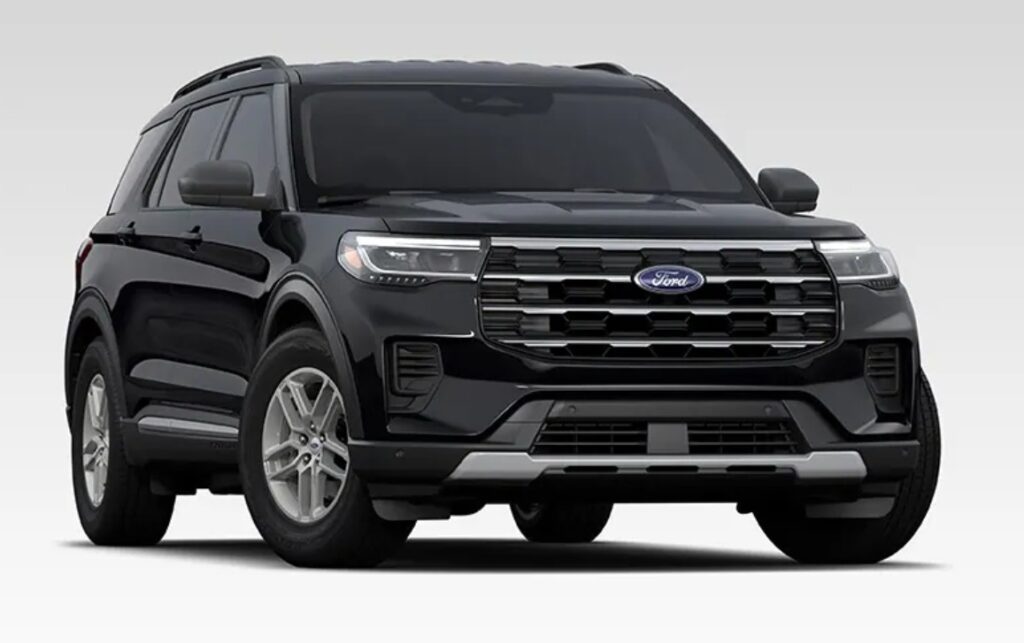
When shopping for a family-friendly three-row SUV, two names consistently rise to the top of the conversation: the Ford Explorer and the Honda Pilot. Both vehicles have earned loyal followings, both offer impressive practicality, and both promise to make daily driving easier. Yet beneath their similar mission statements lies a fascinating battle of philosophies.
The Ford Explorer embraces a more athletic and adventurous personality, while the Honda Pilot leans toward comfort, reliability, and family-focused usability. Choosing between them is a bit like deciding between a hiking boot and a running shoe. Both can take you far, but the journey feels different.
In this comprehensive comparison, we will explore every major aspect of these SUVs to determine which one deserves a spot in your garage.
Content in this publication
- Ford Explorer vs Honda Pilot at a Glance
- The Design Philosophy Behind Each SUV
- Exterior Dimensions and Road Presence
- Interior Quality and Cabin Experience
- Seating Comfort for Long Journeys
- Cargo Capacity Comparison
- Engine Options and Performance
- Driving Dynamics and Handling
- Acceleration Performance
- Fuel Economy Comparison
- Towing Capacity and Capability
- Off-Road Capability
- Technology and Infotainment
- Safety Features and Driver Assistance
- Reliability and Ownership Experience
- Maintenance Costs
- Resale Value Comparison
- Best Trim Levels to Consider
- Who Should Buy the Ford Explorer?
- Who Should Buy the Honda Pilot?
- Ford Explorer Versus Honda Pilot: Final Verdict
- Frequently Asked Questions
- Conclusion
Ford Explorer vs Honda Pilot at a Glance
Before diving deep, let's compare the essentials.
| Category | Ford Explorer | Honda Pilot |
|---|---|---|
| Seating Capacity | Up to 7 | Up to 8 |
| Drivetrain Layout | Rear-wheel-drive based | Front-wheel-drive based |
| Available AWD | Yes | Yes |
| Maximum Towing Capacity | Up to 5,600 lbs | Up to 5,000 lbs |
| Performance Focus | Sporty | Family-oriented |
| Cargo Practicality | Good | Excellent |
| Off-Road Capability | Better | Moderate |
| Reliability Reputation | Strong | Excellent |
The Design Philosophy Behind Each SUV
Ford Explorer: Rugged and Athletic
The Explorer carries a bold appearance that hints at adventure. Its wide stance, muscular body lines, and commanding grille create a strong road presence.
We immediately notice that Ford wants the Explorer to feel more like a traditional SUV than a family hauler. Even standing still, it projects confidence and capability.
Honda Pilot: Refined and Practical
The Pilot takes a different route. Honda emphasizes functionality while still delivering a modern appearance.
Recent Pilot generations have become more rugged-looking, but practicality remains the primary focus. Every angle appears designed to maximize interior room and family convenience.
Exterior Dimensions and Road Presence
Which SUV Looks Bigger?
Although dimensions vary slightly by model year, both SUVs occupy similar footprints.
The Explorer often appears longer and more aggressive due to its styling, while the Pilot feels taller and more upright.
Parking and Urban Driving
Despite their size, both SUVs remain manageable in city environments thanks to:
- Parking sensors
- Rearview cameras
- Available 360-degree camera systems
- Advanced driver assistance technologies
However, some drivers find the Pilot's visibility slightly easier during tight maneuvers.
Interior Quality and Cabin Experience
Explorer Interior
Ford has significantly improved interior materials over the years.
Depending on trim level, buyers may find:
- Leather upholstery
- Large touchscreen displays
- Ambient lighting
- Premium sound systems
- Heated and ventilated seats
The cabin balances technology and comfort effectively.
Pilot Interior
Honda focuses on intuitive design.
Instead of overwhelming drivers with flashy elements, the Pilot prioritizes:
- User-friendly controls
- Clever storage solutions
- Comfortable seating
- Family-friendly layouts
The result is a cabin that feels welcoming and practical.
Seating Comfort for Long Journeys
Front Seats
Both SUVs offer supportive front seats suitable for long road trips.
The Explorer's seats tend to feel slightly sportier, while the Pilot's seats emphasize all-day comfort.
Second Row Experience
The second row is where families spend much of their time.
Honda excels here thanks to:
- Generous legroom
- Flexible seating configurations
- Easy child-seat installation
Ford remains competitive but places greater emphasis on driver engagement than rear-passenger accommodation.
Third Row Usability
A third row is only useful if adults can actually sit there.
The Pilot generally offers more usable third-row space, making it a better choice for larger families.
Cargo Capacity Comparison
Honda Pilot Cargo Advantage
The Pilot shines when it comes to hauling luggage, sports equipment, and household items.
Its boxier shape helps maximize storage volume.
Ford Explorer Cargo Area
The Explorer provides plenty of room but sacrifices a small amount of practicality in favor of styling and performance-oriented proportions.
Best Choice for Families
If maximizing cargo space is your primary objective, the Pilot often takes the lead.
Engine Options and Performance
Ford Explorer Powertrains
Ford traditionally offers multiple engine choices.
Depending on model year and trim, options may include:
Turbocharged Four-Cylinder
This engine balances efficiency and performance effectively.
You may be interested in reading Ford Explorer Versus Jeep Grand Cherokee: Which SUV Deserves Your Driveway?
Twin-Turbo V6
Available in performance-oriented trims, this powerhouse transforms the Explorer into one of the quickest SUVs in its class.
Honda Pilot Engine
Honda keeps things simpler.
Most Pilot models feature a naturally aspirated V6 engine delivering smooth and predictable power.
The Pilot may not feel as exciting as certain Explorer variants, but it performs confidently in everyday situations.
Driving Dynamics and Handling
Explorer: The Driver's SUV
The Explorer's rear-wheel-drive-based architecture gives it a unique personality.
Benefits include:
- Better balance
- Sharper handling
- More engaging steering feel
- Greater confidence during spirited driving
Among mainstream three-row SUVs, the Explorer often feels surprisingly athletic.
Pilot: Smooth and Relaxed
The Pilot focuses on comfort.
Its suspension absorbs road imperfections exceptionally well, creating a calm and composed ride.
For families prioritizing relaxation, this approach works beautifully.
Acceleration Performance
Ford Explorer Wins the Speed Battle
Certain Explorer trims accelerate remarkably quickly for a family SUV.
Turbocharged engines provide strong passing power and effortless highway merging.
Honda Pilot Prioritizes Consistency
The Pilot may not deliver thrilling acceleration, but its power delivery remains smooth, predictable, and refined.
Fuel Economy Comparison
Efficiency Matters
Fuel economy varies by engine configuration and drivetrain.
Generally:
- Explorer turbocharged engines can deliver competitive efficiency.
- Pilot V6 models provide consistent real-world fuel economy.
The winner depends heavily on trim selection.
Hybrid Considerations
In markets where hybrid alternatives are available, shoppers should compare those models separately.
Towing Capacity and Capability
Ford Explorer Leads
The Explorer can tow up to approximately 5,600 pounds when properly equipped.
This makes it an attractive choice for:
- Boats
- Campers
- Utility trailers
- Recreational equipment
Honda Pilot Towing Strength
The Pilot remains highly capable with ratings reaching around 5,000 pounds in properly equipped configurations.
For most families, this is more than sufficient.
Off-Road Capability
Explorer Adventure Credentials
Ford offers terrain management systems and advanced all-wheel-drive technology that improve confidence beyond paved roads.
The Explorer feels more willing to venture into rough terrain.
Pilot Trail Performance
Honda has improved off-road capability in recent generations, especially with specialized trims.
However, the Pilot remains primarily optimized for family transportation rather than rugged exploration.
Technology and Infotainment
Ford Technology Features
The Explorer often impresses with:
- Large touchscreens
- Digital instrument clusters
- Wireless smartphone integration
- Connected vehicle services
The interface feels modern and sophisticated.
Honda Technology Features
Honda counters with simplicity.
Menus are generally intuitive, and controls are easy to learn quickly.
Many drivers appreciate this less-is-more approach.
Safety Features and Driver Assistance
Ford Co-Pilot360
Ford's safety suite commonly includes:
- Automatic emergency braking
- Lane keeping assistance
- Blind-spot monitoring
- Adaptive cruise control
Honda Sensing
Honda's safety package is equally impressive.
You may be interested in readingFord Explorer Versus Jeep Grand Cherokee: Which SUV Deserves Your Driveway?You may be interested in reading
Ford Explorer or Similar Budget: The Complete Guide to Affordable Explorer AlternativesFeatures typically include:
- Collision mitigation braking
- Lane keeping assist
- Road departure mitigation
- Adaptive cruise control
Which Is Safer?
Both SUVs consistently perform well in crash testing and safety evaluations.
For most buyers, safety should not be a deciding factor because both excel.
Reliability and Ownership Experience
Ford Explorer Reliability
Modern Explorers have improved significantly compared with some earlier generations.
Regular maintenance remains essential to long-term ownership satisfaction.
Honda Pilot Reliability
Honda enjoys one of the strongest reliability reputations in the industry.
Many Pilot owners report years of dependable service with relatively few major issues.
Long-Term Confidence
If reliability is your highest priority, the Pilot generally earns the advantage.
Maintenance Costs
Ford Explorer Expenses
Maintenance costs remain reasonable, though turbocharged engines may introduce additional complexity over time.
Honda Pilot Expenses
The Pilot's naturally aspirated V6 design often contributes to predictable maintenance requirements.
Many buyers appreciate this straightforward engineering approach.
Resale Value Comparison
Honda's Historical Strength
Honda vehicles frequently retain value exceptionally well.
The Pilot benefits from strong brand reputation and high demand in the used market.
Ford's Position
The Explorer also maintains respectable resale value, particularly in desirable trims and configurations.
Best Trim Levels to Consider
Recommended Ford Explorer Trims
Popular choices include:
- XLT
- Limited
- ST
- Platinum
The ST trim particularly appeals to enthusiasts seeking performance.
Recommended Honda Pilot Trims
Strong options include:
- Sport
- EX-L
- TrailSport
- Elite
The TrailSport offers added adventure capability without sacrificing comfort.
Who Should Buy the Ford Explorer?
The Explorer makes sense if you:
- Enjoy driving
- Need higher towing capacity
- Want stronger acceleration
- Prefer a sportier SUV personality
- Value available performance trims
The Explorer feels like the SUV equivalent of a multitool—capable, versatile, and ready for adventure.
Who Should Buy the Honda Pilot?
The Pilot is ideal if you:
- Prioritize reliability
- Need maximum passenger space
- Value practicality
- Frequently use the third row
- Want predictable ownership costs
The Pilot resembles a trusted family companion—steady, dependable, and always prepared.
Ford Explorer Versus Honda Pilot: Final Verdict
The battle between the Ford Explorer and Honda Pilot is surprisingly close because each excels in different areas.
The Explorer appeals to drivers who want excitement mixed with practicality. It offers stronger performance, higher towing capability, and more engaging road manners. For families who occasionally seek adventure, it presents a compelling package.
The Pilot, meanwhile, masters the fundamentals. It provides outstanding passenger comfort, excellent reliability, generous cargo capacity, and everyday usability that makes family life easier.
If we prioritize driving enjoyment, the Explorer earns the victory.
If we prioritize family practicality and long-term ownership confidence, the Pilot takes the crown.
Ultimately, neither choice is wrong. The better SUV is simply the one that aligns most closely with your lifestyle.
Frequently Asked Questions
Is the Ford Explorer bigger than the Honda Pilot?
The two SUVs are similarly sized, but the Honda Pilot often offers slightly more usable interior and cargo space.
Which is more reliable, the Ford Explorer or Honda Pilot?
The Honda Pilot generally has a stronger reputation for long-term reliability.
Does the Ford Explorer tow more than the Honda Pilot?
Yes. Properly equipped Explorer models can tow more than comparable Pilot models.
Which SUV has a better third row?
The Honda Pilot typically provides more comfortable third-row seating for adults.
You may be interested in readingFord Explorer Versus Jeep Grand Cherokee: Which SUV Deserves Your Driveway?You may be interested in reading
Ford Explorer or Similar Budget: The Complete Guide to Affordable Explorer AlternativesYou may be interested in reading
Ford Explorer vs Hyundai Palisade: Which Three-Row SUV Deserves Your Driveway?Is the Ford Explorer more fun to drive?
Yes. Thanks to its rear-wheel-drive-based platform and available performance engines, the Explorer delivers a more engaging driving experience.
Conclusion
Choosing between the Ford Explorer and Honda Pilot ultimately comes down to personality versus practicality. The Explorer offers excitement, capability, and confidence behind the wheel. The Pilot delivers comfort, reliability, and family-focused versatility. Whether your weekends involve mountain roads or soccer practice, one of these SUVs will fit seamlessly into your life. The key is understanding which strengths matter most to you and your family.
If you want to know other articles similar to Ford Explorer Versus Honda Pilot: Which Three-Row SUV Deserves Your Driveway? you can visit the category Models.
Honda Passport vs Toyota 4Runner: Which SUV Is Better?
Honda Passport vs Ford Bronco: Which SUV Is Better?
Honda Passport vs Ford Explorer: Which SUV Is Better?
Honda Passport or Pilot: Which SUV Is Better?
Honda Passport vs Jeep Grand Cherokee: Which SUV Is Better?
Honda Passport vs Nissan Pathfinder: Which SUV Is Better?
Leave a Reply
More content of your interest