
Ford Ranger Insurance: Costs, Coverage, and Smart Ways to Save

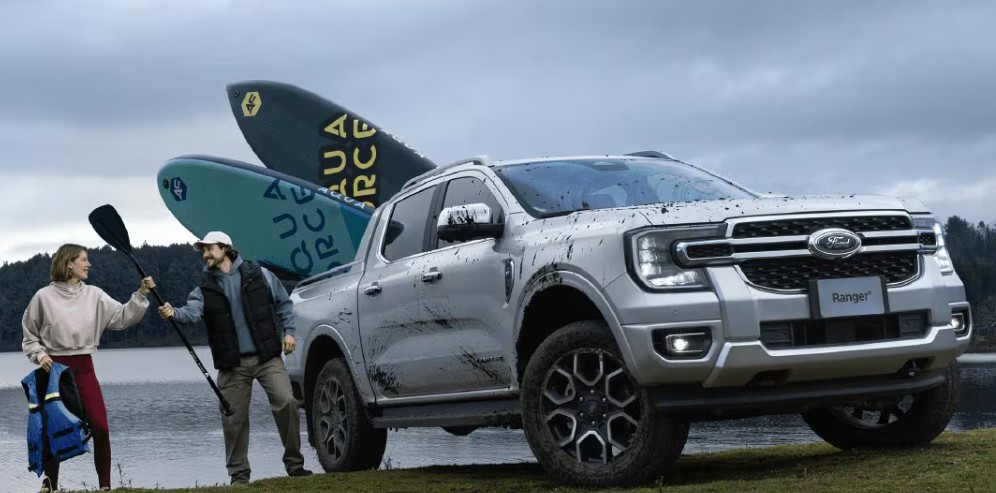
Ford Ranger insurance can seem straightforward until we start requesting quotes. One insurer treats the Ranger like a practical everyday pickup. Another sees a powerful utility vehicle capable of towing trailers, travelling off-road, carrying expensive equipment, and generating costly repair claims. The result? Two drivers with apparently similar Rangers may receive dramatically different premiums.
That does not mean insuring a Ford Ranger is automatically expensive. It means the price depends on much more than the blue oval on the grille.
The Ranger’s model year, trim, engine, value, safety equipment, modifications, location, annual mileage, driver profile, and intended use can all change the final quote. A basic work truck parked in a secure garage presents a different insurance risk from a modified Ranger Raptor used on trails every weekend.
In this guide, we will break down how Ford Ranger insurance works, which factors influence its cost, what coverage may be worth buying, and how we can reduce the premium without leaving the truck dangerously underinsured.
Content in this publication
- Is a Ford Ranger Expensive to Insure?
- What Determines Ford Ranger Insurance Cost?
- 1. Ford Ranger Model Year
- 2. Trim Level and Vehicle Value
- 3. Engine and Performance
- 4. Cab and Body Configuration
- 5. Driver Age and Experience
- 6. Driving and Claims History
- 7. Where the Ranger Is Kept
- 8. Personal, Business, and Commercial Use
- 9. Annual Mileage
- 10. Coverage and Deductible
- What Coverage Does a Ford Ranger Need?
- Liability or Third-Party Cover
- Collision Coverage
- Comprehensive Coverage
- Uninsured or Underinsured Driver Protection
- Medical or Personal-Injury Coverage
- Replacement Vehicle or Rental Cover
- New-Vehicle Replacement and GAP Cover
- Ford Ranger Insurance and Modifications
- Does Towing Affect Ford Ranger Insurance?
- Does Off-Road Driving Have Coverage?
- Ford Ranger Safety and Insurance
- How to Get Cheaper Ford Ranger Insurance
- How to Compare Ford Ranger Insurance Policies
- Common Ford Ranger Insurance Mistakes
- Ford Ranger Insurance for Work Trucks
- Ford Ranger Insurance for Young Drivers
- How Much Coverage Is Enough?
- Final Thoughts on Ford Ranger Insurance
- Frequently Asked Questions
Is a Ford Ranger Expensive to Insure?
A Ford Ranger is not automatically cheap or expensive to insure. Its premium usually sits within the broader pickup-truck market, but individual quotes can swing widely.
Insurance companies do not simply ask, “Is this a Ranger?” They evaluate the likelihood and potential cost of a claim. Vehicle price, repair expenses, theft exposure, safety performance, engine size, driver history, location, mileage, and selected coverage can all influence the calculation. Insurance regulators and industry organizations consistently identify these as important rating considerations.
A lower-spec Ranger used for normal commuting may be relatively reasonable to cover. A high-value Ranger Raptor with accessories, performance upgrades, and a young driver behind the wheel may cost considerably more.
Think of the premium as a risk puzzle. The vehicle is one piece, but the insurer also studies the person driving it, the roads around it, and the financial protection requested.
Why Online Average Prices Can Mislead Us
Search results often display a neat annual or monthly average for Ford Ranger insurance. Those numbers can be useful as broad reference points, but they should never be mistaken for a guaranteed quote.
Insurance systems vary significantly between countries, states, provinces, and territories. Minimum legal coverage, claim costs, accident frequency, repair prices, traffic density, theft levels, taxation, and local regulations all affect premiums. The National Association of Insurance Commissioners notes that differences in coverage requirements, repair costs, accident rates, theft statistics, and state laws make direct regional comparisons difficult.
An average also blends together very different owners:
- New and experienced drivers
- Rural and urban residents
- Base Rangers and Ranger Raptors
- Personal and commercial users
- Clean records and recent accident histories
- Minimum-cover policies and comprehensive policies
That mixture can turn a simple average into something resembling a weather forecast for an entire continent: technically interesting, but not especially useful when deciding whether we need an umbrella outside our own front door.
What Determines Ford Ranger Insurance Cost?
Insurers use their own formulas, and those formulas are rarely identical. However, several variables appear repeatedly when a Ford Ranger quote is calculated.
1. Ford Ranger Model Year
A newer Ranger usually has a higher replacement value than an older example. If it is stolen or declared a total loss, the insurer may face a larger payout.
Newer trucks can also contain cameras, radar sensors, electronic modules, advanced lighting systems, and sophisticated driver-assistance technology. These features may help reduce accident risk, but they can make seemingly minor collision repairs more complicated.
For example, a damaged bumper is no longer always just a scratched piece of plastic. It may contain parking sensors, wiring, mounting brackets, cameras, or radar equipment requiring replacement and calibration.
An older Ranger may cost less to replace, but age does not guarantee a low premium. Parts availability, corrosion, limited safety technology, and previous claims associated with a specific generation can still affect pricing.
Does a New Ranger Always Cost More to Insure?
Not necessarily.
A newer Ranger may benefit from improved crash protection, automatic emergency braking, lane-related assistance, blind-spot monitoring, or other safety systems, depending on its market and specification. Some insurers may recognize qualifying safety or anti-theft equipment with lower pricing or discounts.
The Insurance Information Institute explains that vehicle value, repair cost, safety record, and theft likelihood can influence premiums, while equipment that reduces injury or theft risk may qualify for savings.
The real question is whether the safety benefits outweigh the higher value and repair complexity in the insurer’s model.
2. Trim Level and Vehicle Value
Not all Rangers carry the same insurance risk.
A basic work-oriented trim generally costs less to replace than a premium Wildtrak, Platinum, Limited, or Raptor, depending on the names offered in a particular country. Higher trims may include more expensive wheels, lighting, upholstery, electronics, body components, cameras, and performance equipment.
A Ranger Raptor deserves special attention. Its higher purchase price, powerful engine, specialist suspension, unique body parts, and performance-focused image may result in a higher quote than a mainstream Ranger.
That does not mean every Raptor owner will pay an extreme premium. It means insurers have more financial exposure if the truck is damaged, stolen, or written off.
Why Accurate Trim Information Matters
We should always provide the correct trim, model year, body style, engine, and vehicle identification details when requesting coverage.
Insuring a Ranger as the wrong derivative may create problems when filing a claim. Consumer guidance from the NAIC recommends verifying the year, make, model, and vehicle identification number because the vehicle being insured directly affects the premium and claim handling.
Saving money through an innocent-looking specification error is not real saving. It is more like building a roof from cardboard: everything appears fine until the storm arrives.
3. Engine and Performance
Engine size and performance can influence Ford Ranger insurance, although they are not the only factors.
A more powerful engine may be associated with:
- Higher vehicle value
- Increased accident severity
- More expensive mechanical components
- Greater appeal to performance-oriented drivers
- Higher replacement costs
- Different historical claim patterns
The difference between two engines may be small for one insurer and substantial for another. This is why we should quote the exact version rather than assuming every Ranger receives the same rate.
Performance modifications can create an additional issue. ECU tuning, turbocharger changes, exhaust modifications, suspension upgrades, and oversized tyres may alter the insurer’s assessment of the truck.
4. Cab and Body Configuration
Single-cab, extended-cab, and double-cab Rangers can receive different quotes.
A double-cab truck may have a higher value and carry more passengers. A single-cab model may be used more frequently for business, construction, agriculture, or delivery work. Neither configuration is universally cheaper because the insurer considers the wider usage pattern.
The load bed, wheelbase, drivetrain, and optional equipment may also affect the vehicle’s exact insurance classification.
5. Driver Age and Experience
Driver age remains one of the strongest insurance variables in many markets.
Young or newly licensed drivers typically have less experience and may be statistically more likely to make a claim. Placing a powerful pickup in that risk category can raise the premium sharply.
Experienced drivers often receive more favourable pricing, particularly when they have:
- A clean driving history
- Several claim-free years
- No serious traffic violations
- Continuous previous coverage
- Relevant defensive-driving qualifications
Age alone does not determine the price. A mature driver with multiple recent collisions may still pay more than a younger owner with a clean history.
6. Driving and Claims History
Insurers want to know what has happened behind the wheel before.
Recent accidents, speeding offences, reckless-driving convictions, licence suspensions, and previous claims can increase the quote. A clean history suggests lower risk, while repeated incidents signal that another claim may be more likely.
The effect varies by insurer and jurisdiction. Some incidents remain relevant for several years, while others may carry less weight as time passes.
We should disclose requested information honestly. Failing to mention a material incident may lead to cancellation, adjustment of the settlement, or denial of a claim where permitted by local law.
7. Where the Ranger Is Kept
Location can transform the premium.
A Ranger parked in a low-traffic rural area may receive a different rate from an identical truck parked on a busy urban street. Insurers may examine local accident frequency, weather exposure, vandalism, theft, claim severity, repair costs, and traffic density.
The exact overnight parking arrangement also matters. Keeping the Ranger in a locked garage or secure off-street location may reduce risk. NAIC consumer guidance specifically notes that garage or off-street parking can sometimes result in lower premiums.
Postcode Can Matter More Than Expected
Moving only a few kilometres can change a quote because rating territories do not always follow our intuitive idea of neighbourhood boundaries.
One postcode may contain:
- Higher theft frequency
- More uninsured drivers
- Heavier commuting traffic
- Greater flood or storm exposure
- More expensive repair facilities
- A higher volume of injury claims
This is why a friend’s premium is rarely a dependable benchmark, even when both of us own the same truck.
8. Personal, Business, and Commercial Use
How we use the Ranger matters just as much as which Ranger we own.
A standard personal policy may cover commuting, shopping, family journeys, and recreational use. It may not automatically cover deliveries, transporting customers, carrying commercial equipment, visiting multiple work sites, or operating as part of a business.
Common usage categories include:
You may be interested in reading Is Vauxhall Adam a Good Car? An Honest Used-Car Guide
- Social and domestic use
- Commuting to one regular workplace
- Business travel
- Trade or contractor use
- Agricultural use
- Delivery or courier work
- Fleet operation
Using the truck beyond the declared purpose could create coverage complications.
A builder carrying tools between job sites, for instance, needs to tell the insurer exactly how the vehicle operates. The same applies when the Ranger displays business branding or transports equipment owned by an employer.
9. Annual Mileage
More time on the road generally means greater exposure to accidents.
A Ranger driven 8,000 kilometres per year may receive a different quote from one covering 40,000 kilometres. Accuracy matters here as well. We should estimate realistically rather than selecting the lowest mileage band merely to reduce the initial price.
Drivers with genuinely low annual mileage may benefit from limited-mileage policies or usage-based insurance. Usage-based programs can calculate pricing partly from driving data rather than relying solely on traditional characteristics. However, drivers should understand what information is collected and how it affects the premium.
10. Coverage and Deductible
A policy with broad protection usually costs more than one offering only the legal minimum.
Increasing the deductible or excess—the amount we contribute toward an eligible claim—can reduce the premium because we accept a larger share of the financial risk. The NAIC identifies higher deductibles and reduced optional coverage as common ways premiums may decrease.
However, the deductible should remain affordable.
A huge deductible may create a wonderfully low quote and a painfully useless policy. Before choosing it, ask one simple question: could we comfortably pay that amount tomorrow after an unexpected collision?
What Coverage Does a Ford Ranger Need?
The correct policy depends on local law, vehicle value, finance arrangements, usage, and personal risk tolerance. Coverage names also vary by country, but the following categories are widely relevant.
Liability or Third-Party Cover
Liability coverage pays for eligible injury or property damage we cause to other people, subject to policy terms and limits.
In many jurisdictions, some form of third-party protection is compulsory. Minimum limits may satisfy the law without providing enough financial protection after a serious accident.
A Ranger can tow, carry loads, and travel at normal highway speeds. A severe incident involving several vehicles or significant injuries can generate costs far beyond a basic legal limit.
Where available, choosing stronger liability limits is often worth considering.
Collision Coverage
Collision coverage generally helps repair or replace the Ranger following an impact with another vehicle or object, subject to the deductible and policy conditions.
It can be valuable when:
- The Ranger is new or valuable
- The vehicle is financed or leased
- Replacing it personally would be difficult
- The truck is driven frequently
- The owner wants protection for at-fault damage
Owners of low-value older Rangers may decide that collision coverage no longer provides enough benefit relative to its premium and deductible. That decision should be based on the truck’s realistic market value, not sentimental value.
Comprehensive Coverage
Comprehensive coverage typically protects against selected non-collision events, although definitions vary.
These may include:
- Theft
- Vandalism
- Fire
- Storm damage
- Falling objects
- Animal strikes
- Broken glass
- Flooding or hail
For a Ranger carrying valuable accessories or parked outside, comprehensive protection may be especially important.
We should inspect exclusions carefully. Flood, off-road, theft, and accessory coverage can differ more than policy names suggest.
Uninsured or Underinsured Driver Protection
This coverage may help when an at-fault driver has no insurance or insufficient insurance.
Its exact operation depends on local legislation. In some places it covers injuries, while property damage requires a separate option. In others, it is included automatically or handled through a different compensation framework.
Because serious Ranger repairs can be costly, this protection deserves more attention than it often receives.
Medical or Personal-Injury Coverage
Medical-payments, personal-injury protection, or comparable cover can help with eligible treatment costs, lost income, rehabilitation, or related expenses after an accident.
The need for it depends partly on the local health system and any existing medical coverage. We should compare limits, exclusions, coordination rules, and applicable deductibles rather than buying it blindly.
Replacement Vehicle or Rental Cover
A damaged Ranger may remain in the workshop while parts are ordered, repairs are completed, electronic systems are calibrated, and inspections are performed.
Rental or replacement-vehicle cover can pay for temporary transport during an eligible claim. Owners who depend on the Ranger for work should check whether the replacement vehicle will be comparable.
A tiny hatchback may technically satisfy the benefit but will not replace a pickup needed to transport equipment.
New-Vehicle Replacement and GAP Cover
New-vehicle replacement may provide a new equivalent vehicle when a relatively new Ranger is declared a total loss, subject to eligibility periods and policy rules.
GAP coverage addresses a different problem. It may cover some or all of the difference between an insurer’s settlement and the remaining finance balance.
This matters because market value can fall faster than the loan balance. Without suitable protection, we could lose the truck and still owe the lender money.
Agreed Value Versus Market Value
A market-value policy generally bases settlement on the vehicle’s value immediately before the loss. An agreed-value policy uses an amount arranged when the policy begins, subject to its conditions.
Agreed value may provide greater certainty for modified, unusually equipped, or carefully maintained Rangers. It can also cost more.
We should confirm whether accessories, taxes, registration costs, and dealer charges are included in the settlement calculation.
Ford Ranger Insurance and Modifications
Ranger owners love modifications. That is part of the truck’s appeal. Yet insurance companies are not known for enjoying surprises.
Common modifications include:
- Suspension lifts
- Larger wheels and tyres
- Bull bars or grille guards
- Winches
- Snorkels
- Canopies
- Roof racks
- Drawer systems
- Auxiliary lighting
- ECU tuning
- Upgraded exhaust systems
- Tow bars and towing equipment
- Long-range fuel tanks
- Underbody protection
Every modification should be declared when required.
Some changes may barely affect the premium. Others may lead to a surcharge, specialist policy, additional deductible, inspection, or refusal of coverage.
Why Modifications Change the Risk
A modification can affect:
- Vehicle value: Accessories increase the potential claim payment.
- Repair cost: Custom parts may be expensive or difficult to source.
- Performance: Engine tuning can change speed and power.
- Handling: Suspension and tyre changes may alter vehicle behaviour.
- Theft appeal: Visible accessories may attract attention.
- Usage: Off-road equipment suggests exposure to rougher conditions.
An insurer may cover the standard vehicle but place a separate limit on accessories. A Ranger with thousands invested in a canopy, winch, wheels, suspension, and camping equipment could therefore be seriously underinsured.
Keep Receipts and Photographs
Store invoices, installation records, engineering certificates, compliance documents, and recent photographs.
These records help prove:
- Which accessories were fitted
- When they were installed
- What they cost
- Whether professional installation was used
- What condition they were in before the claim
A vague statement such as “the truck had some upgrades” is weak evidence after theft or a total loss.
Does Towing Affect Ford Ranger Insurance?
The Ranger is widely purchased for towing. Ford lists substantial available towing capability for current models, but the exact limit depends on configuration, equipment, loading, and market specification. Ford advises owners to consult the relevant manual and towing guide for vehicle-specific limits.
The truck’s motor policy may provide some liability protection while towing, but that does not necessarily insure the trailer itself.
Separate trailer or caravan insurance may be required for:
- Collision damage
- Theft
- Contents
- Storm damage
- Fire
- Recovery costs
- Temporary accommodation
- Accessories attached to the trailer
We should also check whether the policy sets maximum trailer dimensions, weight restrictions, licensing requirements, or conditions concerning approved tow bars and brake controllers.
Overloading or towing beyond legal limits may affect vehicle safety and complicate a claim.
Does Off-Road Driving Have Coverage?
Not every policy interprets “off-road” in the same way.
Some may cover maintained unsealed roads but exclude competitive events, timed challenges, private off-road parks, river crossings, beaches, or locations not legally accessible to ordinary traffic.
Before taking the Ranger beyond paved roads, ask the insurer specific questions:
You may be interested in readingIs Vauxhall Adam a Good Car? An Honest Used-Car GuideYou may be interested in reading
Is Vauxhall Adam a Good First Car? Complete Buyer’s Guide- Are public gravel roads covered?
- Are forestry and farm tracks covered?
- Is beach driving included?
- Are water crossings excluded?
- Is recovery from remote terrain covered?
- Does a suspension lift change eligibility?
- Are organised recreational events covered?
A verbal assumption is not enough. We should look for the answer in the policy wording or obtain written confirmation.
Recovery deserves special attention. The policy may cover accidental damage while excluding the cost of extracting a bogged truck from mud, sand, snow, or water.
Ford Ranger Safety and Insurance
Safety can influence insurance, but there is no universal formula translating a crash-test score into a specific discount.
The 2024–2026 Ranger crew cab has received strong results in several IIHS crashworthiness categories, including good ratings in driver- and passenger-side small-overlap testing. Its performance varies by evaluation, with some updated tests producing lower ratings, particularly where rear-passenger protection is examined.
This illustrates an important point: “safe vehicle” is not a simple yes-or-no label. Insurers may consider crash performance, active-safety features, injury claims, repair cost, and theft data together.
Features that may help the risk profile include:
- Automatic emergency braking
- Blind-spot monitoring
- Lane-keeping assistance
- Parking sensors
- Reversing cameras
- Stability control
- Trailer-related assistance
- Factory immobilisers
- Alarm systems
Availability depends on model year, trim, option package, and country.
How to Get Cheaper Ford Ranger Insurance
Reducing the premium is not about finding one secret trick. It is about removing unnecessary risk and comparing policies intelligently.
Compare Equivalent Quotes
Request quotes from several insurers, brokers, or comparison services, but keep the details consistent.
Use the same:
- Driver information
- Annual mileage
- Coverage limits
- Deductible
- Usage category
- Accessories
- Optional benefits
- Parking arrangement
A cheap policy with weak limits and major exclusions is not genuinely cheaper than a stronger policy. It is simply selling less protection.
Increase the Deductible Carefully
A higher deductible can lower the premium, but choose an amount that remains manageable.
Consider keeping the deductible in a dedicated emergency fund. That way, the saving does not disappear into daily spending while the claim risk remains.
Bundle Eligible Policies
Some insurers discount customers who combine vehicle, home, renters, trailer, or other policies.
Bundling is convenient, but it should still be compared against separate policies. A 10% discount means little when the starting price is 25% higher.
Improve Vehicle Security
Depending on the insurer, helpful measures may include:
- Secure garage parking
- Approved alarm systems
- Immobilisers
- Steering locks
- Tracking devices
- Locked gates
- Well-lit parking
- Secure key storage
Ask which devices qualify before purchasing one solely for an insurance discount.
Review Listed Drivers
Only regular drivers should be listed according to local requirements, but we should not hide a higher-risk driver who genuinely uses the Ranger.
Occasional-driver and primary-driver definitions matter. Incorrectly naming an experienced person as the main driver when a younger person uses the truck most often may constitute misrepresentation.
Use Discounts That Actually Fit
Possible discounts may include:
- Claim-free or no-claims discounts
- Multi-vehicle discounts
- Low-mileage discounts
- Telematics or usage-based programs
- Defensive-driving discounts
- Professional or association discounts
- Automatic-payment discounts
- Paperless-policy discounts
- Factory safety-equipment discounts
Availability differs by insurer and market.
Requote at Renewal
Loyalty is comfortable, but comfort can become expensive.
Before renewal:
- Check the new premium.
- Confirm that all vehicle details remain correct.
- Update annual mileage and usage.
- Review the Ranger’s current value.
- Add or remove accessories.
- Compare at least several equivalent policies.
- Ask the existing insurer whether it can improve the offer.
We should not cancel the old policy until the replacement is active. Even a brief uninsured gap can create legal, financial, or future-pricing problems.
How to Compare Ford Ranger Insurance Policies
Price should be one column in the comparison—not the entire spreadsheet.
Review the following details carefully:
| Policy Feature | What We Should Check |
|---|---|
| Vehicle value | Market value, agreed value, or replacement value |
| Deductible | Standard and additional deductibles |
| Accessories | Per-item and total limits |
| Off-road use | Included roads, trails, beaches, and exclusions |
| Towing | Liability, trailer restrictions, and recovery |
| Glass cover | Deductible and replacement limits |
| Rental vehicle | Daily allowance, duration, and vehicle type |
| Business use | Whether actual work activities are covered |
| Drivers | Age restrictions and named-driver rules |
| Repairs | Insurer-selected or owner-selected repairer |
| Parts | New, recycled, aftermarket, or original parts |
| Total-loss process | Valuation method and finance settlement |
| Recovery | Distance limits and remote-area exclusions |
The cheapest quote can become the most expensive after a denied or underpaid claim.
Common Ford Ranger Insurance Mistakes
Not Declaring Accessories
A canopy, suspension lift, winch, expensive wheels, or ECU tune can materially alter the insured risk. Declare modifications and confirm the covered amount in writing.
Choosing Only the Legal Minimum
Minimum liability coverage may satisfy legal requirements but leave the Ranger itself unprotected. It can also provide inadequate limits after a severe accident.
Assuming Tools Are Covered
Vehicle insurance may exclude tools, laptops, cameras, camping equipment, or business stock stored inside the truck.
These items may require separate business, contents, equipment, or portable-property coverage.
Ignoring Off-Road Exclusions
Owning a four-wheel-drive pickup does not guarantee that every four-wheel-drive activity is insured.
Underestimating Mileage
A low estimate may produce a cheaper quote, but a major discrepancy can create questions during a claim.
Letting Coverage Drift
The Ranger may change after purchase. We add accessories, change jobs, move home, begin towing, or start using it for business. The policy should change with it.
Ford Ranger Insurance for Work Trucks
A working Ranger needs a policy that understands work.
Tradespeople, farmers, surveyors, technicians, and mobile service providers may carry expensive equipment and travel to multiple locations. Standard personal insurance may not cover every activity.
Consider asking about:
- Commercial vehicle coverage
- Tools and equipment insurance
- Goods-in-transit protection
- Signwriting and vehicle wraps
- Courtesy commercial vehicles
- Replacement locks after key theft
- Downtime or business-interruption options
- Multiple-driver arrangements
- Trailer and machinery coverage
The vehicle policy and the tool policy should fit together without leaving a gap between them.
Ford Ranger Insurance for Young Drivers
A young driver may face a steep quote, particularly on a high-powered or high-value trim.
Possible ways to reduce the cost include:
- Choosing a lower-spec Ranger
- Avoiding performance modifications
- Building a clean driving history
- Taking an approved driving course
- Using a telematics policy where suitable
- Parking securely
- Selecting realistic annual mileage
- Comparing specialist young-driver insurers
- Joining a legitimate family multi-vehicle policy
A parent should not be listed falsely as the main driver when the younger person is the true primary user. That tactic may reduce the quotation screen’s number while weakening the actual insurance contract.
How Much Coverage Is Enough?
Enough coverage is the amount that protects us from losses we could not comfortably absorb.
We should consider:
- The Ranger’s replacement cost
- Outstanding finance
- The value of accessories
- Potential liability exposure
- Dependence on the truck for work
- Ability to pay a deductible
- Local uninsured-driver risk
- Weather and theft exposure
- Towing and off-road habits
For a financed new Ranger, broad coverage may be required by the lender. For an older truck owned outright, we may choose fewer vehicle-damage benefits while retaining strong liability protection.
The goal is not maximum coverage at any price. Nor is it minimum coverage at any risk. We are looking for the point where the policy protects the losses capable of seriously damaging our finances.
Final Thoughts on Ford Ranger Insurance
Ford Ranger insurance is shaped by the truck, the driver, the location, and the way the vehicle is used.
A standard Ranger with a careful experienced driver may be reasonably affordable. A modified Ranger Raptor used for business, towing, or off-road recreation can require broader and more specialised protection.
The smartest approach is simple:
- Describe the Ranger accurately.
- Declare its accessories and modifications.
- Choose coverage based on real financial risk.
- Compare equivalent policies.
- Read towing, business-use, and off-road exclusions.
- Recheck the policy whenever the truck or its usage changes.
Insurance should behave like a strong recovery point on the front of a well-prepared Ranger: mostly unnoticed during ordinary journeys, but dependable when the road suddenly becomes difficult.
Frequently Asked Questions
1. Is Ford Ranger insurance more expensive than SUV insurance?
It can be, but not always. A Ranger may have a higher value, different repair costs, commercial usage, or expensive accessories. However, driver history, location, mileage, coverage, and the exact SUV being compared may matter more than body style alone.
2. Does a Ford Ranger Raptor cost more to insure?
A Ranger Raptor commonly has the potential to cost more because of its higher value, powerful engine, specialist components, performance positioning, and repair expense. The actual difference depends on the driver and insurer.
3. Do I need to declare a lift kit on my Ranger?
Yes, when the insurer requires modifications to be disclosed. A lift kit can affect handling, vehicle height, component wear, repair cost, and accessory value. Obtain written confirmation that the modification is accepted and covered.
You may be interested in readingIs Vauxhall Adam a Good Car? An Honest Used-Car GuideYou may be interested in reading
Is Vauxhall Adam a Good First Car? Complete Buyer’s GuideYou may be interested in reading
 Are GMC Sierra 1500 Good Trucks? An Honest Buyer’s Guide
4. Does Ford Ranger insurance cover off-road driving?
Some policies cover limited off-road use, while others exclude certain trails, beaches, water crossings, competitions, or private parks. Read the wording and ask the insurer to confirm the intended activity in writing.
5. How can I get the cheapest Ford Ranger insurance?
Compare equivalent quotes, maintain a clean driving history, park securely, declare accurate mileage, review optional benefits, choose an affordable higher deductible, request applicable discounts, and requote at every renewal. Never reduce the price by hiding drivers, modifications, or business use.
If you want to know other articles similar to Ford Ranger Insurance: Costs, Coverage, and Smart Ways to Save you can visit the category Blog.
Volvo S90 Reliability: Problems, Costs & Best Years
Is Haval Jolion a Good Car? Honest Review, Reliability, Pros and Cons
How to Start Haval Jolion With Spare Key: Complete Guide
How to Calculate Per Diem on an Auto Loan

How to Calculate the Residual Value of a Car
Is the Honda Passport Selling Well? Sales Numbers Tell the Story
Leave a Reply
More content of your interest