

Ford Ranger 10 Speed Transmission Problems: Symptoms, Causes, and Fixes

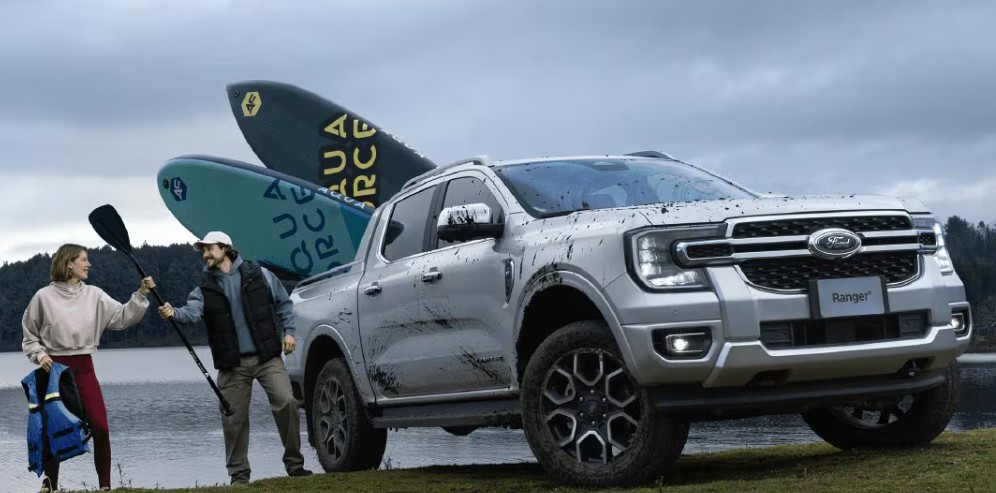
The Ford Ranger’s 10-speed automatic transmission sounds brilliant on paper. Ten closely spaced gears should deliver brisk acceleration, relaxed highway cruising, improved towing performance, and better fuel economy. Most of the time, that is exactly what it tries to do.
However, some owners experience a different personality.
Instead of shifting quietly in the background, the transmission may hesitate, thump into gear, skip ratios, hold a gear too long, or behave unpredictably when cold. A smooth gearbox suddenly feels like someone learning to drive a manual transmission for the first time.
So, are Ford Ranger 10 speed transmission problems a sign that the entire gearbox is failing? Not necessarily. Some symptoms come from adaptive software, calibration issues, low or degraded fluid, or relatively small components. Others may point toward valve-body wear, solenoid trouble, clutch damage, or an internal hydraulic fault.
In this guide, we will examine the most common symptoms, likely causes, diagnostic steps, repair options, prevention strategies, and warning signs that should never be ignored.
Content in this publication
- Which Ford Ranger Uses the 10-Speed Transmission?
- Are Ford Ranger 10-Speed Transmissions Unreliable?
- Common Ford Ranger 10 Speed Transmission Problems
- What Causes Ford Ranger 10 Speed Transmission Problems?
- Do Ford Ranger Transmission Problems Get Worse When Cold?
- How to Diagnose a Ford Ranger 10-Speed Transmission Issue
- Can a Transmission Relearn Fix Harsh Shifting?
- Will Changing the Fluid Fix the Problem?
- Ford Ranger 10-Speed Transmission Repair Options
- How Much Does a Ford Ranger Transmission Repair Cost?
- Can We Keep Driving With a Bad 10-Speed Transmission?
- How to Reduce the Risk of Transmission Trouble
- What to Check Before Buying a Used Ford Ranger
- Should You Avoid a Ford Ranger Because of the 10-Speed?
- Final Thoughts
- Frequently Asked Questions
- 1. What are the most common Ford Ranger 10-speed transmission problems?
- 2. Is a hard shift normal in a Ford Ranger?
- 3. Can disconnecting the battery reset the transmission?
- 4. Does the Ford Ranger 10-speed transmission need regular fluid changes?
- 5. Is it better to rebuild or replace a faulty 10-speed transmission?
Which Ford Ranger Uses the 10-Speed Transmission?
The transmission discussed most often in connection with North American Ford Rangers is the 10R80 10-speed automatic. Ford paired it with the 2.3-litre EcoBoost engine when the Ranger returned to the United States for the 2019 model year.
Other global Ranger models may use different 10-speed transmission versions depending on the engine, model year, and market. Therefore, we should never assume that every 10-speed Ranger has exactly the same gearbox, internal parts, software, or service procedure.
Before purchasing parts or approving repairs, confirm:
- The truck’s model year
- Its engine
- The transmission identification
- The production date
- Its market specification
- Whether any software updates have already been completed
A dealership or qualified transmission specialist can identify the installed unit through the vehicle identification number and transmission data label.
Are Ford Ranger 10-Speed Transmissions Unreliable?
Calling every Ford Ranger 10-speed transmission unreliable would be unfair. Many trucks travel substantial distances without requiring internal transmission repairs. Nevertheless, enough complaints and service documentation exist to show that harsh, delayed, or inconsistent shifting can be a genuine issue rather than mere owner imagination.
Ford service information filed with the US National Highway Traffic Safety Administration has addressed harsh engagement, harsh shifting, delayed shifts, warning lights, and various transmission-related diagnostic trouble codes in certain 2019–2023 Rangers equipped with the 10R80.
The important distinction is this: a transmission that occasionally makes a noticeable shift is not automatically defective. A modern 10-speed gearbox changes gears frequently, adjusts to driving habits, and responds to temperature, load, throttle position, and road conditions.
However, repeated banging, slipping, delayed engagement, warning messages, or loss of power should not be dismissed as “normal operation.”
Common Ford Ranger 10 Speed Transmission Problems
Although symptoms vary between trucks, several complaints appear more frequently than others.
1. Harsh or Jerky Gear Changes
A harsh shift is one of the best-known complaints. The truck may lurch forward, kick during an upshift, or produce a heavy bump while slowing down.
Drivers commonly notice the behaviour:
- Between lower gears
- During light acceleration
- When approaching a stop
- After the vehicle has been parked
- While the transmission is still cold
- When accelerating again after coasting
A mild shift sensation can occur because the transmission has many ratios and regularly changes gears. A violent or repetitive jolt, however, deserves investigation.
Ford technical service information acknowledges that some affected Ranger vehicles may exhibit harsh engagement, harsh shifts, or delayed shifts.
2. Delayed Engagement Into Drive or Reverse
You move the selector into Drive, release the brake, and nothing happens for a moment. Then the truck engages with a thud.
That delay may last only a second or two, yet it can feel much longer when reversing from a parking space or entering traffic.
Possible causes include:
- Insufficient hydraulic pressure
- Incorrect fluid level
- Fluid drain-back after parking
- Valve-body leakage
- A sticking control valve
- Solenoid operation problems
- Software or adaptive-learning errors
- Internal clutch wear
A small pause after selecting a gear in very cold conditions may not prove that the transmission is damaged. A long delay followed by a violent engagement is more concerning.
3. Transmission Slipping
Slipping occurs when engine speed increases without a matching increase in road speed. The Ranger may feel as though the transmission briefly loses its grip before catching again.
We might notice:
- Engine revs flaring during a shift
- Weak acceleration
- A temporary loss of drive
- Shuddering under load
- A burning smell
- Unusual behaviour while towing
Slipping can result from a pressure-control fault, worn clutch material, incorrect fluid, low fluid, or internal damage. It is not a symptom we should ignore because continued driving can generate heat and accelerate wear.
4. Gear Hunting
Gear hunting happens when the transmission repeatedly shifts up and down because it cannot settle on the most suitable ratio.
Some gear changes are expected on steep roads or while towing. The problem becomes more obvious when the gearbox constantly searches between ratios on relatively level roads under steady throttle.
Potential triggers include:
- Outdated calibration
- Incorrect adaptive values
- Inconsistent throttle input
- Heavy loads
- Oversized tyres
- Engine performance problems
- Sensor data errors
- Transmission pressure irregularities
Ten gears give the transmission plenty of choices. Unfortunately, when its information or calibration is wrong, those choices can turn into indecision.
5. Rough Downshifts When Slowing Down
Some Ranger owners describe a bump just before the truck stops. It can feel like another vehicle has lightly tapped the rear bumper.
This sensation may occur as the gearbox moves through its lower ratios. In some cases, an adaptive relearn or software update improves the behaviour. In others, technicians may need to inspect the valve body, solenoids, fluid condition, driveshaft components, engine mounts, or internal transmission hardware.
Not every clunk comes from inside the gearbox. Slack in the driveline can imitate a transmission problem remarkably well.
6. Transmission Shudder
A shudder feels like driving over a strip of closely spaced road markings. It may happen during gentle acceleration, at a particular road speed, or when the torque converter is trying to lock.
Possible causes include:
- Torque-converter clutch operation
- Contaminated or deteriorated fluid
- Engine misfires
- Driveshaft imbalance
- Worn universal joints
- Tyre or wheel problems
- Internal clutch vibration
Because several unrelated faults produce similar sensations, replacing transmission parts without testing can become an expensive guessing game.
7. Skipping Gears
A 10-speed automatic does not always use every gear sequentially. Under certain conditions, it may skip ratios intentionally to reduce unnecessary shifting.
For example, it might move through selected gears during moderate acceleration instead of touching all ten. That alone is not evidence of failure.
We should become concerned when gear skipping is accompanied by:
- A heavy impact
- Engine-speed flare
- Loss of acceleration
- Warning lights
- Limp mode
- Repeated hesitation
- Stored transmission fault codes
The difference lies in how the shift feels and whether the transmission remains in control.
8. Transmission Warning Light or Check Engine Light
The Ranger may illuminate the check engine light, display a powertrain warning, or store transmission-related diagnostic codes.
Ford service documentation has listed codes associated with shift solenoid performance, incorrect gear ratios, clutch control, and related transmission operation. Examples appearing in 10R80 service information include P0751, P0756, P0761, P0766, P0771, P2700-series codes, and incorrect-ratio codes such as P0731 through P0736. The exact diagnosis depends on the code, symptoms, build date, and test results.
A code is a starting point, not a complete diagnosis. It tells us which condition the control module detected, but it does not automatically identify the failed component.
9. Limp Mode
When the control system detects a serious fault, it may restrict transmission operation to protect the powertrain. The Ranger may remain in one gear, provide limited acceleration, or refuse to shift normally.
Limp mode can be triggered by:
- A solenoid fault
- Abnormal clutch slip
- Incorrect gear-ratio detection
- Electrical failure
- Sensor trouble
- Low hydraulic pressure
- Excessive transmission temperature
- Internal mechanical damage
Restarting the truck may temporarily restore normal operation, but it does not repair the cause. The stored codes and freeze-frame data should be scanned before they disappear or become harder to interpret.
What Causes Ford Ranger 10 Speed Transmission Problems?
The transmission is a network of mechanical, hydraulic, electrical, and software-controlled systems. One weak link can change the behaviour of the entire unit.
Adaptive Transmission Learning
The Ranger’s control system learns how the transmission responds and makes adjustments over time. It considers clutch fill times, pressure requirements, driving style, temperature, and component wear.
That intelligence can improve shift quality, but it can also create confusion after:
- Battery disconnection
- Module programming
- Transmission repair
- Valve-body replacement
- Fluid service
- Long-term operation with an existing fault
- A major change in driving conditions
Resetting adaptive tables may help when the learned values are unsuitable. However, a reset is not a magic eraser. If a hydraulic leak, worn clutch, or sticking valve is present, the symptoms will return.
Transmission Software and Calibration
Modern transmissions depend heavily on programming. Shift timing, converter lockup, gear selection, and pressure commands are all managed electronically.
An updated calibration may improve harsh or delayed shifting in trucks that match the applicable service criteria. Ford service procedures commonly require technicians to check for available powertrain-control software and perform guided diagnostic testing rather than immediately replacing the complete transmission.
Software can correct control behaviour. It cannot rebuild a worn clutch or repair a damaged hydraulic passage.
Valve-Body Problems
The valve body acts like the transmission’s hydraulic traffic controller. Fluid passes through precisely designed channels and valves, directing pressure to the required clutch packs.
If a valve sticks, a bore wears, or pressure leaks internally, the transmission may:
- Shift harshly
- Engage slowly
- Slip
- Select the wrong ratio
- Set solenoid codes
- Behave differently when hot or cold
Contamination, wear, manufacturing tolerances, and repeated pressure cycling may all affect valve-body performance.
Shift Solenoid Faults
Solenoids are electronically controlled valves that regulate fluid flow. A faulty or sticking solenoid can disrupt clutch application and shift timing.
Solenoid trouble may cause:
- Delayed shifts
- Harsh engagement
- Missing gears
- Gear-ratio codes
- Limp mode
- Intermittent symptoms
- Warning lights
Electrical testing, scan-tool commands, pressure measurements, and service-manual procedures may be needed to determine whether the solenoid itself is faulty or whether another hydraulic problem is producing a similar code.
CDF Clutch Cylinder Sleeve Movement
Some 10R80 service documentation describes a condition involving axial movement of the CDF clutch cylinder sleeve. This movement can contribute to hydraulic leakage, harsh or delayed engagement, harsh shifting, warning lights, and various ratio or solenoid-related codes.
Ford’s published service information includes diagnostic and repair procedures for affected transmissions rather than treating every symptom as a simple programming issue.
This is a specialised internal fault. Confirming it typically requires professional diagnosis, and repairs may involve substantial transmission disassembly.
Low or Incorrect Transmission Fluid
Automatic transmission fluid does much more than lubricate. It also carries hydraulic pressure, removes heat, and helps clutches engage correctly.
Problems can develop when the fluid is:
- Below the specified level
- Overfilled
- Contaminated
- Severely degraded
- Mixed with an incompatible product
- Checked at the wrong temperature
- Filled using an incorrect procedure
Because fluid expands as it warms, the checking procedure matters. A level that appears acceptable under the wrong conditions may not be correct during operation.
Why a Small Fluid Leak Matters
A minor leak may leave only a few spots on the driveway, yet even gradual fluid loss can affect pressure and cooling.
Potential leak areas include:
- Transmission pan sealing surfaces
- Cooler lines
- Electrical connector seals
- Output-shaft seals
- Input or pump areas
- Service plugs
- Connections disturbed during previous repairs
Never assume that red or brown fluid beneath the truck is definitely transmission fluid. Engine oil, transfer-case fluid, and power-steering-related fluids on applicable vehicles may be confused with it.
Overheating
Heat is one of an automatic transmission’s most determined enemies. Towing, deep sand, steep climbs, high ambient temperatures, insufficient cooling, and repeated low-speed operation can increase transmission temperature.
Excessive heat may:
- Reduce fluid life
- Harden seals
- Accelerate clutch wear
- Alter shift quality
- Trigger protective operation
- Produce warning messages
A healthy transmission should handle normal work within the Ranger’s rated limits, but poor maintenance, overloading, or an existing hydraulic fault can reduce its margin of safety.
Torque Converter Problems
The torque converter transfers engine power to the transmission and can lock internally to improve efficiency.
Problems may create:
- Shuddering
- Vibrations at cruising speed
- Excessive heat
- Stalling when stopping
- Slipping
- Metallic contamination
- Poor acceleration
Torque-converter symptoms can resemble engine misfires or driveline vibration, so technicians should verify the source before replacing it.
Internal Clutch Wear
The transmission contains multiple clutch packs that apply and release to produce different gear ratios. If clutch material becomes worn or damaged, the unit may slip, flare, bang into gear, or lose certain ratios.
Internal wear is more likely when the transmission has experienced:
- Persistent slipping
- Overheating
- Contaminated fluid
- Incorrect repairs
- Heavy use
- Pressure loss
- Continued driving with warning signs
Once significant clutch material circulates through the transmission, replacing one isolated component may not be enough.
Do Ford Ranger Transmission Problems Get Worse When Cold?
They can.
Transmission fluid is thicker at low temperatures, seals behave differently, and hydraulic clearances change. The control system may also use a special warm-up strategy.
A Ranger might therefore shift more firmly during its first few minutes of operation. That does not mean every cold shift is a fault.
We should investigate when the truck consistently:
- Delays engagement for several seconds
- Slams into Drive or Reverse
- Loses a gear while cold
- Flares between shifts
- Displays a warning
- Improves only after an extended warm-up
Ford’s diagnostic information for harsh or delayed 10R80 shifts distinguishes between symptoms occurring at lower and higher transmission-fluid temperatures, showing why technicians should reproduce the concern under the correct conditions.
How to Diagnose a Ford Ranger 10-Speed Transmission Issue
A proper diagnosis is more useful than a pile of replacement parts.
Step 1: Describe the Exact Symptom
Avoid telling the workshop only that “the transmission is bad.” Record exactly what happens.
Useful details include:
- Whether the truck is hot or cold
- The approximate road speed
- The selected gear
- Light or heavy throttle
- Uphill, downhill, or level road
- Towing or unloaded
- The time since startup
- Any warning messages
- Whether the problem is repeatable
A technician can work with “harsh 3–4 shift at light throttle when cold.” “It drives weird” offers far fewer clues.
Step 2: Scan Every Relevant Module
A basic code reader may retrieve engine codes but miss detailed transmission information. A capable scan tool should inspect the powertrain and transmission data, including pending and history codes.
Important information may include:
- Commanded gear
- Actual gear
- Input and output speeds
- Solenoid commands
- Clutch slip
- Fluid temperature
- Line-pressure data
- Adaptive values
- Freeze-frame conditions
Deleting codes before recording them removes valuable evidence.
Step 3: Check Fluid Level and Condition Correctly
The fluid should be inspected according to the correct service procedure for that transmission. The truck may need to be level, the engine may need to be running, and the fluid may need to fall within a defined temperature range.
Look for:
- Low fluid
- Darkened fluid
- A burnt smell
- Metallic particles
- Excessive clutch material
- Signs of water or coolant contamination
Fluid colour alone cannot prove the transmission’s condition, but burnt fluid and debris are important warning signs.
Step 4: Check for Updates and Service Bulletins
A dealer or well-equipped independent workshop can determine whether the truck has the latest calibration and whether its model year, build date, codes, and symptoms match a published service procedure.
A technical service bulletin is not automatically a recall. It is guidance that helps technicians diagnose and repair a known pattern under specified conditions.
Step 5: Perform a Controlled Road Test
The road test should reproduce the conditions described by the driver. Scan data may reveal whether a harsh event occurs during a commanded shift, torque-converter lockup, or an unexpected pressure change.
Technicians may test the vehicle:
- Cold
- Fully warmed
- At light throttle
- Under moderate load
- During coast-down
- From Reverse to Drive
- At steady cruising speed
A five-minute drive around the block may not reproduce an intermittent issue.
Step 6: Inspect the Entire Driveline
The clunk may come from somewhere else.
Inspecting the following can prevent a mistaken diagnosis:
- Engine mounts
- Transmission mount
- Driveshaft
- Universal joints
- Differential backlash
- Axle components
- Transfer case
- Wheel and tyre condition
- Engine performance
A misfiring engine can feel like a shuddering torque converter. A worn mount can make an ordinary shift feel violent.
Can a Transmission Relearn Fix Harsh Shifting?
Sometimes—but only when the problem is genuinely related to unsuitable adaptive values.
A relearn process may be appropriate after:
- Software programming
- Valve-body work
- Transmission replacement
- Certain fluid services
- Battery or module events
- Repairs specified by Ford procedures
After resetting adaptives, the transmission may initially shift differently while it learns clutch behaviour again.
We should not repeatedly erase adaptive data simply because the truck shifts harshly. The adaptive system may be compensating for mechanical wear. Removing those learned corrections can temporarily alter the symptoms without solving the fault.
Will Changing the Fluid Fix the Problem?
A fluid service may help when the existing fluid is degraded, contaminated, incorrect, or at the wrong level. It may also form part of scheduled maintenance or a manufacturer-approved repair.
However, new fluid cannot reverse:
- Worn clutch plates
- A damaged torque converter
- Severe valve-body wear
- A failed solenoid
- Broken internal components
- Hydraulic leakage caused by damaged hardware
Be cautious with aggressive flushing on a neglected, high-mileage transmission that is already slipping. The correct approach depends on fluid condition, service history, fault codes, and manufacturer procedures.
Ford Ranger 10-Speed Transmission Repair Options
The appropriate repair depends on what testing reveals.
Software Update and Adaptive Relearn
This is generally among the least invasive possibilities. It may correct shift scheduling, pressure commands, or learned behaviour when no mechanical damage is present.
Fluid-Level Correction or Leak Repair
If the level is wrong, the workshop should identify why. Simply adding fluid without repairing a leak is like filling a bucket with a hole in the bottom.
Valve-Body or Solenoid Repair
A technician may repair or replace valve-body components when hydraulic testing and diagnostic codes support that conclusion.
Torque Converter Replacement
Replacement may be required when testing confirms converter-clutch failure, internal damage, or contamination.
Internal Transmission Repair
An internal repair may involve clutch packs, drums, seals, bushings, bearings, or other components. The transmission must usually be removed and disassembled.
Complete Replacement or Remanufactured Unit
A replacement unit may make sense when internal damage is extensive, labour costs are high, or a remanufactured transmission provides stronger warranty coverage.
In 2025, NHTSA published recall documentation concerning certain remanufactured 10R80 transmissions that may have been installed in some 2019–2021 Rangers. This was not a blanket recall of every Ranger transmission, so owners should check their individual VIN and repair history rather than assuming inclusion.
How Much Does a Ford Ranger Transmission Repair Cost?
Repair costs vary dramatically by country, labour rate, model year, warranty status, and failed component.
A software update or relearn may cost relatively little. Leak repairs, fluid service, or a replaceable control component may remain manageable. Valve-body work can be considerably more expensive, while torque-converter replacement or full transmission rebuilding can run into several thousand dollars.
Before approving a major repair, request:
- The diagnostic codes
- Test results
- The suspected root cause
- Parts and labour itemisation
- Warranty terms
- Whether software is included
- Whether the cooler will be inspected or flushed
- Whether adaptive learning will be completed
- Whether the replacement is new, used, rebuilt, or remanufactured
The cheapest estimate is not always the least expensive outcome. A poorly diagnosed repair can turn a small problem into a returning customer nightmare.
Can We Keep Driving With a Bad 10-Speed Transmission?
That depends on the symptom, but caution is wise.
Stop driving and arrange professional assistance when the Ranger:
- Loses drive
- Slips severely
- Enters limp mode repeatedly
- Produces grinding or metallic noises
- Leaks a large amount of fluid
- Displays an overheating warning
- Bangs violently into gear
- Cannot select Drive or Reverse
- Behaves unpredictably in traffic
Continuing to drive a slipping transmission creates heat. Heat damages fluid. Damaged fluid reduces protection. The cycle rolls downhill like a snowball gathering size.
A minor occasional shift sensation may allow a careful trip to a workshop. A major loss of control or power can become a safety risk.
How to Reduce the Risk of Transmission Trouble
No maintenance routine can guarantee that a component will never fail, but sensible care improves the odds.
Follow the Correct Service Schedule
Use the maintenance guidance for the specific model, engine, market, and operating conditions. Severe use may require more frequent attention than ordinary commuting.
Use the Specified Fluid
A modern automatic transmission depends on fluid with precise friction and viscosity characteristics. “Universal” does not always mean appropriate.
Repair Leaks Early
A damp seal is easier to manage than a damaged transmission starved of fluid.
Warm the Truck Gently
There is no need to idle for an eternity. Drive smoothly until the engine and transmission begin reaching normal operating temperature, particularly in cold weather.
Respect Towing and Payload Limits
The Ranger is built for work, but exceeding its ratings adds stress and heat. Account for passengers, cargo, accessories, trailer tongue weight, and terrain.
Avoid Constant Shifting Between Drive and Reverse
Come to a complete stop before changing direction. Selecting Reverse while the truck is still rolling forward forces the transmission to manage unnecessary stress.
Do Not Ignore Engine Problems
Irregular engine torque, misfires, throttle faults, and sensor issues can affect shift quality. The transmission cannot perform gracefully if the engine is feeding it chaotic information.
What to Check Before Buying a Used Ford Ranger
A ten-minute test drive is not enough.
Ask to test the truck from a cold start. Sellers sometimes warm vehicles before a viewing because certain symptoms become less noticeable once the fluid is hot.
During the inspection:
- Select Reverse and Drive several times while stationary.
- Note any long delay or hard engagement.
- Accelerate gently and watch for flaring.
- Use moderate throttle and check for harsh shifts.
- Allow the truck to coast down to a stop.
- Cruise steadily and feel for shuddering.
- Scan for current, pending, and history codes.
- Inspect underneath for leaks.
- Review service and repair invoices.
- Confirm whether recalls apply to the VIN.
A transmission that behaves perfectly during one drive can still have intermittent problems, but a careful inspection reduces the risk.
Should You Avoid a Ford Ranger Because of the 10-Speed?
Not automatically.
The Ford Ranger remains a capable midsize pickup, and many examples operate without serious transmission failure. The better approach is to judge the individual truck.
A Ranger with documented maintenance, smooth cold and hot operation, clean diagnostic results, and a credible repair history may be a stronger purchase than a neglected competitor with a simpler transmission.
On the other hand, we should not let attractive paint, oversized tyres, and a polished interior distract us from delayed engagement or repeated harsh shifts. A shiny truck can hide an expensive mechanical storm.
Final Thoughts
Ford Ranger 10 speed transmission problems can range from annoying shift calibration to significant internal damage. Common complaints include harsh gear changes, delayed engagement, slipping, rough downshifts, gear hunting, shuddering, warning lights, and limp mode.
The hardest part is that these symptoms do not all share one cause. Software, adaptive learning, fluid level, the valve body, solenoids, the torque converter, driveline components, and internal clutch hardware can produce overlapping behaviour.
That is why accurate diagnosis matters more than assumptions.
We should record when the problem happens, scan the correct modules, verify fluid level and condition, check applicable service information, and reproduce the symptom under controlled conditions. Replacing an entire transmission before those steps may waste money. Repeatedly resetting the software while ignoring internal damage can be equally costly.
When a Ranger shifts smoothly, the ten-speed unit works almost invisibly, moving through its ratios like a skilled musician changing notes. When something goes wrong, it can sound and feel more like the drum kit falling down the stairs.
Listen to the warning signs early. The transmission may be asking for a simple update—or warning us before a much larger repair arrives.
Frequently Asked Questions
1. What are the most common Ford Ranger 10-speed transmission problems?
The most frequently reported symptoms include harsh shifts, delayed engagement, rough downshifts, gear hunting, slipping, shuddering, warning lights, and limp mode. The cause may be electronic, hydraulic, mechanical, or a combination of these.
2. Is a hard shift normal in a Ford Ranger?
An occasional noticeable shift may occur, especially when the transmission is cold, adapting, or operating under load. Repeated violent shifts, long delays, slipping, or warning lights are not symptoms we should automatically accept as normal.
3. Can disconnecting the battery reset the transmission?
Disconnecting the battery may reset or disturb some learned information, depending on the vehicle and module strategy, but it is not a reliable transmission repair. A professional scan tool and the correct relearn procedure are preferable. Any underlying mechanical problem will remain.
4. Does the Ford Ranger 10-speed transmission need regular fluid changes?
Maintenance requirements depend on the model year, market, use, and service schedule. Towing, extreme temperatures, dusty conditions, and heavy commercial use may justify closer inspection or more frequent servicing. Always follow the applicable Ford documentation and use the specified fluid.
5. Is it better to rebuild or replace a faulty 10-speed transmission?
The better choice depends on the damage, local expertise, parts availability, price, and warranty. A well-executed rebuild can be effective, while a quality remanufactured unit may provide more predictable coverage. Compare written estimates and warranty terms before deciding.
If you want to know other articles similar to Ford Ranger 10 Speed Transmission Problems: Symptoms, Causes, and Fixes you can visit the category Common Problems.
Volvo S90 Common Problems: Reliability & Repair Guide
Volvo S90 No Sound: Causes, Fixes and Solutions

Nissan Rogue Smells Like Gas: Causes and Fixes
Vauxhall Agila Problems: Common Faults & Fixes

Kia Sorento Jerking When Accelerating: Causes & Fixes

Jaguar F-Pace Low Battery: Causes, Warning Signs, and How to Fix It
Leave a Reply
More content of your interest