

Ford Ranger Years to Avoid: A Complete Used-Truck Guide

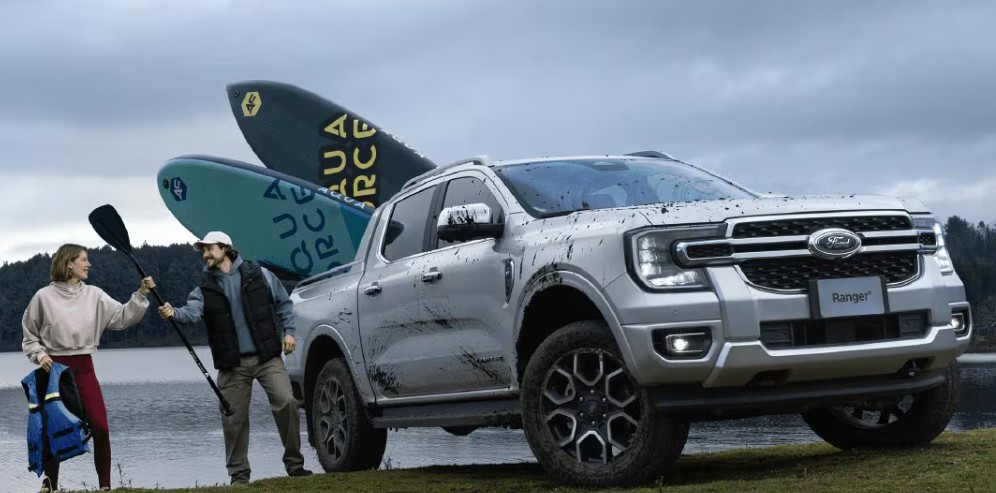
The Ford Ranger has earned its place as one of the most recognizable midsize pickups on the road. It is compact enough for daily driving, capable enough for weekend adventures, and tough enough to handle jobs that would make a crossover wave a white flag.
Still, not every Ranger left the factory wearing the same armor.
Some model years developed stronger reputations than others because of transmission complaints, engine concerns, rust, electrical gremlins, safety recalls, or first-year production teething problems. That does not mean every truck from a troublesome year is destined to fail. It means we should inspect it more carefully, study its maintenance history, and avoid buying with our eyes closed.
So, which Ford Ranger years should we avoid?
For buyers in the United States, the model years that generally deserve the greatest caution are 1998–2001, 2004–2006, 2019, and to a lesser extent 2020. Certain international T6 Rangers—particularly early examples from the 2012–2015 period—also warrant close inspection because their diesel engines, cooling systems, transmissions, and emissions components can become expensive trouble spots.
This guide explains why these years raise concerns, which problems matter most, and how we can find a reliable Ranger without stepping into a mechanical money pit.
Content in this publication
- Which Ford Ranger Years Should We Avoid?
- A Quick Look at the Ford Ranger Generations
- Why Some Ford Ranger Years Are Riskier Than Others
- 1998 Ford Ranger: Aging Drivetrain and Suspension Concerns
- 1999 Ford Ranger: Transmission and Engine Complaints
- 2000 Ford Ranger: A Model Year Requiring Careful Inspection
- 2001 Ford Ranger: Timing-System and Transmission Risks
- 2004–2006 Ford Ranger: Airbag Recall Concerns
- 2012 Ford Ranger: First-Year T6 Teething Problems
- 2013 Ford Ranger: Cooling and Diesel-System Inspection
- 2014 Ford Ranger: Turbo, EGR, and Transmission Questions
- 2015 Ford Ranger: Better, but Not Trouble-Free
- 2019 Ford Ranger: The Main Modern Year to Avoid
- 2020 Ford Ranger: Should We Avoid It Too?
- Are 2021–2023 Ford Rangers More Reliable?
- Are New Ford Ranger Models Safe to Buy?
- The Biggest Ford Ranger Problems to Check
- Red Flags When Buying a Used Ford Ranger
- How to Buy a Reliable Ford Ranger
- Ford Ranger Years That May Be Better Choices
- Is a High-Mileage Ford Ranger a Bad Purchase?
- Should We Avoid Modified Ford Rangers?
- The Final Verdict on Ford Ranger Years to Avoid
- Frequently Asked Questions
Which Ford Ranger Years Should We Avoid?
The following years are not automatic failures, but they represent the Ranger models we would approach with the most caution:
- 1998–2001: Aging automatic transmissions, rust, suspension wear, electrical faults, and engine-related concerns.
- 2004–2006: Serious Takata airbag recall exposure on some vehicles, plus age-related mechanical deterioration.
- 2012–2015 international T6 models: Potential diesel, cooling, turbocharger, EGR, transmission, and electrical problems.
- 2019: First-year return of the Ranger to the U.S. market, with numerous recalls and owner-reported transmission, HVAC, and electrical complaints.
- 2020: Improved in some areas but still associated with early-generation refinement issues and complaints involving the 10-speed transmission.
A truck’s actual condition matters more than the calendar printed on its registration document. A meticulously serviced 2019 Ranger may be a better purchase than an abused 2022 model with missing maintenance records. Nevertheless, model-year patterns give us a valuable starting point.
A Quick Look at the Ford Ranger Generations
Before naming individual problem years, we need to understand that “Ford Ranger” does not describe one identical truck worldwide.
North American Compact Ranger: 1983–2011
The original North American Ranger was a compact pickup offered with multiple four-cylinder, V6, manual, and automatic powertrains. These trucks were simple by modern standards, which can make them affordable to repair.
However, age has become their biggest enemy. Even a good design can become troublesome after two decades of corrosion, neglected fluid changes, improvised wiring, and hard work.
International T6 Ranger: 2011 Onward
The T6 Ranger became Ford’s global midsize pickup and was widely sold across Australia, New Zealand, Europe, Asia, Africa, and Latin America. Depending on the market, it used engines such as the 2.2-liter and 3.2-liter Duratorq diesels, later EcoBlue diesels, and several petrol options.
These Rangers provide excellent towing and off-road capability, but their more complicated diesel systems can generate expensive repair bills when maintenance is skipped.
North American Ranger Revival: 2019–2023
Ford returned the Ranger to the U.S. and Canadian markets for 2019. The revived truck used a 2.3-liter EcoBoost engine paired with a 10-speed automatic transmission.
It offered strong performance, respectable towing ability, and modern technology. Yet 2019 was a launch year, and launch years often behave like the first pancake in the pan: recognizable, edible, but not always the neatest one in the batch.
New-Generation Ranger: 2024 Onward
A redesigned Ranger arrived in North America for the 2024 model year. It brought updated technology, new styling, revised interiors, and expanded powertrain choices.
It is still relatively young, so long-term durability patterns are developing. We would not label it a year to avoid based solely on its age, but buyers should verify recalls, software updates, and service campaigns before purchasing.
Why Some Ford Ranger Years Are Riskier Than Others
Problem years usually emerge for several reasons.
A redesign may introduce components that have not yet been tested by millions of real-world miles. Manufacturers can identify and correct problems in later production years, leaving the first model year with more recalls or service bulletins.
Older Rangers face a different challenge. Their original design may be sound, but seals harden, wiring becomes brittle, cooling systems clog, frames rust, and previous owners postpone repairs.
Diesel Rangers add another layer. Turbochargers, diesel particulate filters, exhaust gas recirculation systems, fuel injectors, and high-pressure pumps can provide years of dependable service—but they do not tolerate poor maintenance kindly.
That is why we should never judge a Ranger by model year alone. We must combine the year with mileage, service history, climate, previous use, modifications, recall status, and mechanical condition.
1998 Ford Ranger: Aging Drivetrain and Suspension Concerns
The 1998 Ranger marked the beginning of a refreshed generation in North America. It offered updated styling and suspension changes, but today these trucks are old enough to have accumulated serious wear.
Common areas requiring attention include:
- Automatic transmission slipping or delayed engagement
- Ball-joint and suspension wear
- Power-steering leaks
- Differential noise
- Cooling-system deterioration
- Frame and body corrosion
- Brittle electrical connectors
The 1998 model is not necessarily a bad truck. Many examples have covered impressive distances. The danger lies in buying one that has survived through temporary fixes instead of proper maintenance.
A fresh coat of underbody paint can hide corrosion. Thick transmission fluid additives can temporarily mask shifting trouble. A recently cleared check-engine light can stay off just long enough for the seller to disappear over the horizon.
Should We Buy a 1998 Ranger?
We should only consider one after a thorough inspection. A well-preserved manual-transmission truck from a dry climate may still be a charming and inexpensive workhorse.
A rusty automatic truck with vague service records, however, can drain a repair budget faster than a leaking fuel tank.
1999 Ford Ranger: Transmission and Engine Complaints
The 1999 Ranger deserves caution for many of the same reasons as the 1998 model. At this age, automatic transmission behavior becomes especially important.
During a test drive, we should watch for:
- Harsh engagement when selecting Drive or Reverse
- Engine revving without corresponding acceleration
- Delayed upshifts
- Shuddering under light throttle
- Fluid that smells burned
- Transmission-fluid leaks
- Overdrive warning-light activity
Engine choice also matters. Some older V6 engines can develop cooling-system leaks, timing-related noises, misfires, or oil leaks. None of these problems automatically condemn the truck, but several appearing together suggest years of deferred maintenance.
Rust Can Be the Bigger Threat
Mechanical components can often be replaced. Severe structural corrosion is harder to justify.
We should inspect the frame rails, suspension mounting points, leaf-spring shackles, brake lines, fuel lines, cab mounts, and the area around the spare tire. Surface rust is common. Flaking metal, holes, swollen seams, or heavily patched sections are more serious.
2000 Ford Ranger: A Model Year Requiring Careful Inspection
The 2000 Ranger remains popular among buyers seeking an inexpensive small pickup. Its basic construction is relatively straightforward, but simplicity does not make it immune to neglect.
Potential trouble areas include transmission wear, cooling problems, front suspension play, wheel-bearing noise, electrical faults, and corrosion.
The Importance of Engine Identification
A Ranger advertisement that simply says “V6” does not tell us enough. Different engines have different maintenance needs and failure patterns.
We should confirm:
- Exact engine displacement
- Whether the engine is original
- Whether the cooling system has been serviced
- Whether timing-related repairs were completed
- Whether the truck has overheated
- Whether oil or coolant consumption is present
An engine that has overheated repeatedly may continue running while hiding damaged head gaskets, warped components, or weakened seals.
2001 Ford Ranger: Timing-System and Transmission Risks
The 2001 Ranger is among the older model years we would examine particularly closely. Some trucks equipped with the 4.0-liter SOHC V6 have become associated with timing-chain system concerns.
Timing-system noise may sound like a metallic rattle during startup or acceleration. Repairing internal timing components can be labor-intensive, especially if the noise has been ignored.
Other potential concerns include:
- Automatic transmission wear
- Intake or vacuum leaks
- Cooling-system faults
- Rear differential noise
- Suspension deterioration
- Rusted brake lines
- Electrical problems
A quiet engine during a warm test drive is not enough. We should request a cold start because some timing noises become most obvious after the truck has been parked overnight.
2004–2006 Ford Ranger: Airbag Recall Concerns
Certain older Ford Rangers were included in major Takata airbag recall campaigns. NHTSA has issued urgent warnings concerning unrepaired Takata inflators, including “Do Not Drive” warnings for certain 2004–2011 Ford Rangers. Exposure to heat and humidity can contribute to inflator deterioration, and an inflator rupture can send metal fragments into the cabin.
NHTSA also reported a fatal incident involving a 2006 Ford Ranger whose recalled driver-side Takata airbag inflator ruptured. The agency stressed the importance of checking and completing open recalls.
This issue changes the buying conversation completely.
A faded seat, noisy wheel bearing, or broken radio can be inconvenient. An unrepaired safety recall involving an airbag is different. We should verify the vehicle identification number before driving the truck regularly.
Does an Airbag Recall Make Every 2004–2006 Ranger Bad?
No. A properly completed recall repair may resolve the specific safety concern. However, we should never accept a seller’s verbal assurance.
We need documented proof or an official VIN lookup showing that the required recall work has been completed.
How to Check Recall Status
In the United States, buyers can use NHTSA’s official recall lookup system. The agency allows owners to search by VIN and, in supported cases, by license plate.
Outside the United States, we should consult Ford’s local recall portal or the relevant national vehicle-safety authority.
You may be interested in reading How Many Types of Chevy Trucks Are There? Complete Guide
2012 Ford Ranger: First-Year T6 Teething Problems
The global T6 Ranger represented a major leap in capability. It became larger, more powerful, safer, and more sophisticated than many earlier Rangers.
However, early production vehicles can present a wider collection of issues than later, refined versions.
On early T6 models, buyers frequently inspect for:
- Coolant leaks
- Turbocharger hose damage
- EGR-system faults
- Injector or fuel-system problems
- Sensor failures
- Automatic transmission hesitation
- Electrical warning lights
- Four-wheel-drive engagement faults
- Cracked intercooler hoses
- Diesel particulate filter problems in applicable markets
The exact risk depends heavily on the engine, transmission, country, and emissions specification.
Why Service History Matters on a Diesel Ranger
Modern diesel engines operate under enormous pressure and heat. Clean oil, correct coolant, good fuel, and timely filter changes are not optional luxuries.
A diesel Ranger with incomplete maintenance records can look powerful during a brief test drive while quietly carrying a worn turbocharger, contaminated intake system, or struggling fuel injector.
We should treat missing service records like a warning light.
2013 Ford Ranger: Cooling and Diesel-System Inspection
The 2013 Ranger is not universally unreliable, but it belongs to the early T6 period and therefore deserves detailed inspection.
Cooling problems are particularly important. Diesel engines can suffer severe damage if coolant loss or overheating is ignored.
Look for:
- Dried coolant residue around hoses and connections
- Coolant smell after driving
- A temperature gauge that moves abnormally
- Pressurized hoses shortly after a cold start
- White exhaust smoke
- Bubbles in the expansion tank
- Evidence of repeated coolant top-ups
- Recently cleaned engine-bay areas
A suspiciously spotless engine bay can sometimes be as revealing as a dirty one. We want cleanliness, but we also want transparency.
2014 Ford Ranger: Turbo, EGR, and Transmission Questions
By 2014, the T6 platform was becoming established, but high-mileage examples may now require expensive work.
Turbocharger performance should feel smooth and predictable. A Ranger that produces excessive black smoke, loses power, enters limp mode, or whistles unusually may have a boost leak, damaged hose, sensor problem, EGR fault, or turbo issue.
The automatic transmission should also be evaluated when cold and hot. Some problems only emerge after fluid reaches operating temperature.
Watch for Hard Working Lives
Many Rangers were purchased specifically because they could tow, haul, cross rough terrain, and survive commercial use.
That is a compliment to the truck, but it creates risk for the second-hand buyer.
A Ranger may have spent years pulling heavy trailers, carrying tools, idling at job sites, or crawling through mud. Mileage alone cannot reveal that history. Worn tow hitches, damaged underbody panels, mismatched tires, dusty interiors, and sagging rear suspension can tell a broader story.
2015 Ford Ranger: Better, but Not Trouble-Free
The 2015 Ranger can be a more attractive choice than the earliest T6 trucks, especially when it has been maintained correctly. Nevertheless, it remains old enough for diesel emissions equipment, hoses, suspension parts, and drivetrain components to show wear.
Potential buyers should check:
- Injector correction values
- Cold-start behavior
- Turbo boost consistency
- EGR operation
- DPF condition, where fitted
- Transmission-fluid service history
- Differential and transfer-case fluids
- Four-wheel-drive operation
- Suspension bushings
- Steering play
We would not reject every 2015 Ranger. Instead, we would reject examples whose owners treated the service schedule as a polite suggestion.
2019 Ford Ranger: The Main Modern Year to Avoid
For North American buyers, 2019 is the modern Ranger year that attracts the most caution.
It was the first model year after the Ranger returned to the U.S. market. First-year models frequently experience calibration, assembly, supplier, and quality-control issues that are improved in later production.
The 2019 Ranger has also accumulated numerous recalls. Consumer Reports lists 11 recalls for the model and identifies owner-reported trouble spots involving climate-system components.
That number alone does not mean every 2019 Ranger is unreliable. Recalls can cover minor or serious issues, and a truck whose recall work has been completed may be safer than one from a later year with an unresolved defect.
Still, the pattern tells us to investigate carefully.
2019 Ford Ranger Transmission Complaints
The 2019 Ranger uses Ford’s 10-speed automatic transmission. When operating correctly, it helps the turbocharged engine deliver quick acceleration and acceptable highway efficiency.
Some owners, however, report behavior such as:
- Hard or abrupt shifts
- Gear hunting
- Delayed engagement
- Clunks during low-speed driving
- Shuddering
- Hesitation after slowing down
- Unpredictable downshifts
Not every unusual shift indicates internal failure. Adaptive programming, software calibration, fluid condition, driveshaft behavior, engine mounts, or other components may influence how the truck feels.
Even so, we should not dismiss aggressive shifting as “normal” without a professional diagnosis.
How to Test the 10-Speed Automatic
During a test drive, we should:
- Start with the engine and transmission cold.
- Shift slowly between Park, Reverse, Neutral, and Drive.
- Drive gently through city traffic.
- Accelerate moderately onto a faster road.
- Allow the transmission to perform several downshifts.
- Test low-speed stop-and-go behavior.
- Repeat the drive after the powertrain is fully warm.
A five-minute trip around the dealership block is not enough.
2019 Ranger HVAC Problems
Owners have also reported air-conditioning and climate-control concerns. Potential symptoms include weak cooling, inconsistent vent temperatures, unusual dashboard noises, fan problems, or component failure.
An HVAC problem may sound minor until dashboard disassembly or an expensive compressor replacement enters the conversation.
We should test every fan speed, vent position, temperature setting, defrost function, and seat-cabin control before purchase.
2019 Ranger Electrical and Sensor Issues
Modern trucks depend on interconnected modules and sensors. A weak battery, damaged connector, software fault, or failing sensor can generate several warning messages at once.
Check that:
- No warning lights remain illuminated
- The backup camera works consistently
- Parking sensors operate correctly
- Four-wheel drive engages
- Driver-assistance systems show no errors
- The infotainment screen does not freeze
- Every exterior light works
- The battery and charging system test properly
A seller who says, “It only needs a sensor,” should be willing to repair that sensor before the sale.
2020 Ford Ranger: Should We Avoid It Too?
The 2020 Ranger is generally less concerning than the launch-year 2019 model, but we would still inspect it carefully for transmission quality, driveline vibration, electrical faults, and unresolved recalls.
Manufacturers often improve production during the second year, yet not every issue disappears when the calendar changes.
A 2020 Ranger may still display:
- Abrupt 10-speed transmission behavior
- Low-speed hesitation
- Driveline clunks
- Infotainment faults
- HVAC concerns
- Battery-related warning messages
- Sensor or camera problems
The 2020 model is better described as a buy cautiously year rather than an absolute year to avoid.
When a 2020 Ranger Makes Sense
A 2020 Ranger can be a reasonable purchase when it has:
- Complete maintenance records
- Smooth cold and warm shifting
- No unexplained warning messages
- Completed recall repairs
- Clean diagnostic scans
- No evidence of heavy abuse
- A satisfactory independent inspection
The right example can still deliver strong value.
Are 2021–2023 Ford Rangers More Reliable?
Later years of the North American generation generally benefit from additional production experience and software refinement.
That does not make them flawless. For example, NHTSA’s vehicle listings show recall activity affecting certain 2021 Rangers, including a concern involving an engine block heater that could crack, leak coolant, and short-circuit when connected.
A later model year should never be treated as recall-proof.
Nevertheless, when condition, mileage, price, and service history are comparable, many buyers may feel more comfortable choosing a 2021–2023 Ranger over a 2019 launch-year truck.
Are New Ford Ranger Models Safe to Buy?
The redesigned Ranger offers more technology, which can be both helpful and complicated.
Newer trucks may benefit from improved engineering, stronger safety systems, and factory warranty coverage. At the same time, software modules, digital displays, driver-assistance features, and electronically controlled accessories create more potential failure points.
Because newer vehicles continue to receive recalls and software updates after launch, buyers should check the VIN immediately before purchasing—even when the truck appears almost new.
You may be interested in readingHow Many Types of Chevy Trucks Are There? Complete GuideYou may be interested in reading
 Nissan Note vs Toyota Aqua: Which Hybrid Hatchback Is Better?
The Biggest Ford Ranger Problems to Check
Instead of focusing only on model years, we should inspect the systems most capable of producing major repair bills.
Automatic Transmission Problems
Warning signs include harsh shifting, slipping, delayed engagement, shuddering, fluid leaks, transmission warnings, and inconsistent gear selection.
Transmission problems can range from a software update to a complete rebuild. We should never assume the cheapest explanation.
Diesel Injector and Fuel-System Problems
On diesel Rangers, hard starting, rough idle, excessive smoke, knocking, reduced power, and poor fuel economy can indicate fuel-system trouble.
High-pressure diesel components are precision parts. Contaminated fuel or neglected filters can turn a bargain truck into a very expensive driveway ornament.
Turbocharger and Intercooler-Hose Failure
A split hose may cause reduced boost, hissing, black smoke, or limp mode. That can be relatively straightforward to repair.
A failing turbocharger is another story. We should investigate unusual whining, blue smoke, oil consumption, and excessive shaft play.
Cooling-System Failure
Overheating can damage cylinder heads, gaskets, pistons, seals, and turbochargers.
Any Ranger with a history of overheating should receive extra scrutiny. Repeated coolant loss without a documented repair is a major red flag.
EGR and DPF Problems
Diesel Rangers used mainly for short journeys may struggle to complete proper DPF regeneration. EGR systems can also collect soot and carbon.
Warning lights, frequent regeneration, reduced power, high idle speed, poor fuel economy, or limp mode should not be ignored.
Rust and Structural Corrosion
Older North American Rangers can suffer severe corrosion, particularly in areas exposed to road salt.
We should inspect underneath the truck with proper lighting. A shiny body above a crumbling frame is lipstick on a crocodile.
Suspension and Steering Wear
Rangers that have travelled off-road or carried heavy loads may develop worn bushings, ball joints, wheel bearings, shocks, tie rods, or leaf-spring components.
Listen for knocking noises and check whether the truck tracks straight without wandering.
Red Flags When Buying a Used Ford Ranger
Walk away—or at least slow the deal down—when we encounter:
- No service records
- An engine already warm when we arrive
- Freshly cleared warning lights
- Harsh transmission engagement
- Coolant loss
- Excessive exhaust smoke
- Structural rust
- Uneven tire wear
- Four-wheel drive that does not engage
- Heavy towing modifications without supporting maintenance
- Deleted emissions equipment
- Unresolved safety recalls
- Multiple mismatched electrical accessories
- A seller unwilling to permit an inspection
- A price suspiciously below the local market
One minor flaw may be manageable. Five unrelated flaws usually form a pattern.
How to Buy a Reliable Ford Ranger
Request a Cold Start
A cold engine can reveal timing noise, injector problems, weak batteries, smoke, rough idle, and delayed transmission engagement.
Tell the seller not to start the truck before we arrive.
Scan the Vehicle for Diagnostic Codes
A quality scan can reveal active, pending, and historical fault codes. Some advanced scanners can also display transmission data, injector corrections, DPF information, temperatures, and module communication faults.
A dashboard without warning lights does not guarantee a code-free vehicle.
Verify Every Recall
Recall status should be checked using the VIN, not merely the model year. Recall campaigns frequently cover specific production ranges rather than every vehicle built that year.
This is especially important for older Rangers affected by urgent Takata airbag warnings.
Inspect Maintenance Records
Good records should show more than oil changes.
Depending on the model, we should look for evidence of:
- Transmission servicing
- Coolant replacement
- Brake-fluid replacement
- Differential-fluid changes
- Transfer-case servicing
- Fuel-filter replacement
- Timing-system work
- DPF or EGR repairs
- Recall completion
- Battery replacement
- Turbo or injector work
Pay for an Independent Inspection
An inspection should ideally include a road test, underbody examination, diagnostic scan, leak check, brake inspection, tire assessment, and evaluation of the engine, transmission, cooling system, suspension, and four-wheel-drive system.
The inspection fee is tiny compared with the cost of replacing an engine or transmission.
Ford Ranger Years That May Be Better Choices
Although individual condition remains crucial, buyers often prefer later and more refined years within each generation.
For older North American Rangers, carefully maintained examples from the late 2000s can be appealing once airbag recalls have been resolved and rust has been ruled out.
For international T6 Rangers, later examples with documented servicing and known ownership history may be safer than neglected early-production trucks.
For the revived North American Ranger, 2021–2023 models may offer a more comfortable balance of proven design, updated production, and modern capability than the 2019 launch-year version.
That does not mean we should buy blindly. It simply gives us a stronger place to begin the search.
Is a High-Mileage Ford Ranger a Bad Purchase?
Not automatically.
A high-mileage truck that received consistent maintenance can be safer than a low-mileage truck that spent years making short journeys, towing beyond its limits, or sitting unused.
Mileage becomes meaningful when combined with usage.
Highway miles are generally easier on the drivetrain than constant stop-and-go driving. Commercial towing miles may be harder than the odometer suggests. Off-road use can accelerate suspension, underbody, and drivetrain wear.
We should buy the truck’s history, not just its mileage.
Should We Avoid Modified Ford Rangers?
Modifications are not inherently bad, but they change the risk calculation.
Lift kits, oversized tires, performance tuning, emissions deletes, heavy steel bumpers, winches, and towing upgrades can place additional stress on the drivetrain, cooling system, wheel bearings, steering, brakes, and suspension.
A professionally modified truck with supporting documentation may be excellent. A cheaply lifted Ranger with cut wiring and unknown software can feel like a mechanical treasure hunt where every prize is an invoice.
The Final Verdict on Ford Ranger Years to Avoid
The Ford Ranger years most deserving of caution are 1998–2001, 2004–2006, early 2012–2015 T6 models, 2019, and some 2020 examples.
The reasons vary.
Older Rangers may suffer from structural rust, worn transmissions, aging suspension components, timing-system concerns, and unresolved airbag recalls. Early global T6 models may develop diesel, cooling, turbo, EGR, DPF, and transmission issues. The 2019 North American Ranger stands out as a first-year model with numerous recalls and reports involving its transmission, climate system, electronics, and general refinement.
Still, the badge on the tailgate does not decide the truck’s fate.
A Ranger with complete records, completed recalls, clean diagnostics, smooth operation, and a careful previous owner can remain a dependable companion. A supposedly “good” model year can become a nightmare when maintenance has been ignored.
Our smartest strategy is simple: identify the risky years, inspect the individual truck, verify the VIN, and refuse to let an attractive price silence obvious warning signs.
A used Ranger should carry our tools, trailer, camping gear, or weekend plans—not our entire repair budget.
Frequently Asked Questions
1. What is the worst year for the Ford Ranger?
For modern North American models, 2019 is commonly treated as the year requiring the most caution because it was the first year of the Ranger’s return and accumulated multiple recalls and owner-reported concerns. Among older trucks, 2001 and certain 2004–2006 examples also deserve careful inspection due to mechanical aging and serious airbag-recall considerations.
2. Is the 2019 Ford Ranger worth buying?
It can be worth buying when it has complete service records, completed recall repairs, smooth transmission behavior, no diagnostic faults, and a favorable independent inspection. However, we should compare its price with newer 2021–2023 models before accepting the additional launch-year risk.
3. Which Ford Ranger engine is most reliable?
Reliability depends on the market and maintenance history. Simple petrol engines in older Rangers can be durable and affordable to repair, while well-maintained diesel engines can cover high mileage. No engine remains dependable when oil, coolant, filters, injector symptoms, or overheating problems are ignored.
You may be interested in readingHow Many Types of Chevy Trucks Are There? Complete GuideYou may be interested in reading
Nissan Note vs Toyota Aqua: Which Hybrid Hatchback Is Better?You may be interested in reading
Nissan Note vs Honda Fit: Which Small Car Is Better?4. How many miles can a Ford Ranger last?
A properly maintained Ranger can exceed 200,000 miles, and some travel considerably farther. Longevity depends on rust prevention, cooling-system care, transmission servicing, oil changes, operating conditions, towing history, and the quality of previous repairs.
5. What should we check before buying a used Ford Ranger?
We should verify recall status, request a cold start, scan all control modules, inspect the frame for rust, test the transmission cold and warm, operate four-wheel drive, check for leaks and smoke, review maintenance records, and arrange an independent pre-purchase inspection.
If you want to know other articles similar to Ford Ranger Years to Avoid: A Complete Used-Truck Guide you can visit the category Models.
Honda Passport vs Toyota 4Runner: Which SUV Is Better?
Honda Passport vs Ford Bronco: Which SUV Is Better?
Honda Passport vs Ford Explorer: Which SUV Is Better?
Honda Passport or Pilot: Which SUV Is Better?
Honda Passport vs Jeep Grand Cherokee: Which SUV Is Better?
Honda Passport vs Nissan Pathfinder: Which SUV Is Better?
Leave a Reply
More content of your interest