

GMC Sierra “Service Transmission Now, Unable to Shift Soon”: Causes, Fixes, and What to Do

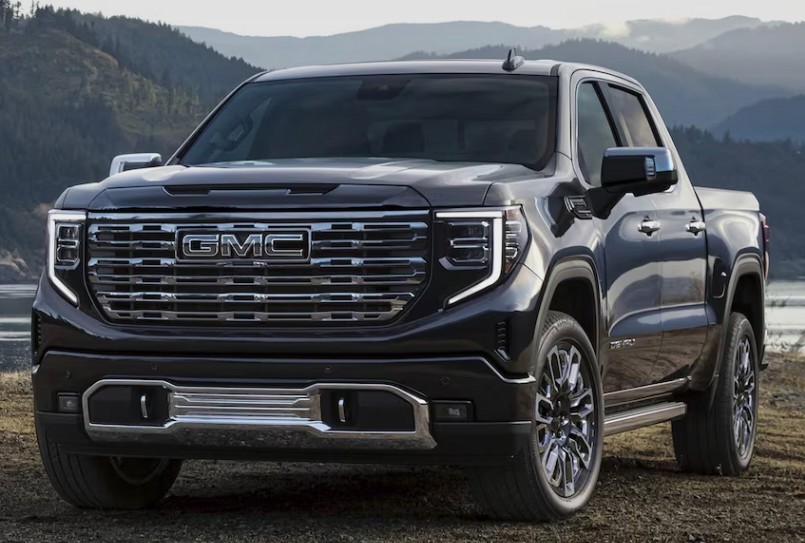
Seeing the message “Service Transmission Now, Unable to Shift Soon” on a GMC Sierra can turn an ordinary drive into a stressful guessing game. One minute, the truck feels normal. The next, the dashboard warns that shifting may soon become impossible.
That message is not simply a routine maintenance reminder. It means the Sierra’s transmission control system has detected a fault serious enough to threaten normal gear operation. The truck may continue driving temporarily, but it could enter reduced-power mode, become stuck in one gear, refuse to shift into Drive or Reverse, or stop recognizing the selected gear altogether.
So, should we pull over immediately? Is the transmission already ruined? Could a weak battery create the warning? And how much might the repair cost?
Let’s break it down calmly. A transmission warning can sound like thunder, but it does not always mean the entire gearbox has failed. Sometimes the problem is electrical, software-related, or linked to a relatively small component. The key is responding early rather than driving until a manageable fault becomes an expensive mechanical disaster.
Content in this publication
- What Does “Service Transmission Now, Unable to Shift Soon” Mean?
- Is It Safe to Keep Driving the GMC Sierra?
- Most Common Causes of the GMC Sierra Transmission Warning
- 1. Weak or Failing 12-Volt Battery
- 2. Charging-System or Alternator Problem
- 3. Electronic Transmission Range Selector Failure
- 4. Transmission Control Module Malfunction
- 5. Damaged Wiring or Loose Connectors
- 6. Blown Fuse or Faulty Relay
- 7. Low, Contaminated, or Overheated Transmission Fluid
- 8. Defective Shift Solenoids
- 9. Valve Body or Control-Solenoid Assembly Problems
- 10. Internal Transmission Wear or Failure
- 11. Transmission Overheating
- 12. Software or Calibration Issue
- Why Restarting the Truck May Temporarily Clear the Warning
- What Is Limp Mode?
- Can We Reset the Transmission Warning at Home?
- How a Technician Diagnoses the Problem
- Common Diagnostic Codes That May Appear
- Repair Costs: What Should We Expect?
- Questions to Ask the Repair Shop
- Could the Warning Be Covered Under Warranty?
- How to Prevent Future Transmission Problems
- What Not to Do When the Warning Appears
- Can a GMC Sierra Become Stuck in Park?
- Why the Truck May Shift Normally After Cooling Down
- Is the Transmission Completely Ruined?
- Final Thoughts
- Frequently Asked Questions
- 1. Can a weak battery cause “Unable to Shift Soon” on a GMC Sierra?
- 2. Can I drive with the “Service Transmission Now” warning?
- 3. Why did the transmission warning disappear after restarting?
- 4. Does “Unable to Shift Soon” mean I need a new transmission?
- 5. What should I check first when this message appears?
What Does “Service Transmission Now, Unable to Shift Soon” Mean?
The message means the vehicle’s computers have detected a transmission-related malfunction that could soon prevent the truck from changing gears correctly.
Modern GMC Sierra transmissions are electronically controlled. When we move the shifter, we are not always moving a mechanical linkage directly. Instead, sensors, control modules, wiring, solenoids, and electronic commands work together to select the requested gear.
If the system loses reliable communication or detects a dangerous operating condition, it may display warnings such as:
- Service Transmission Now
- Unable to Shift Soon
- Service Transmission
- Conditions Not Correct for Shift
- Shift to Park
- Transmission Hot—Idle Engine
- Reduced Acceleration—Drive with Care
The wording varies by model year and transmission configuration, but the core message is similar: the truck cannot guarantee normal shifting for much longer.
Why the Warning Uses the Word “Soon”
The word “soon” does not provide a safe driving window. It does not mean we have another 100 miles, an hour, or even ten minutes.
The system may still be functioning when the message first appears, but the fault could worsen without warning. Think of it like a flickering light before a fuse blows. The circuit is still alive, but stability is disappearing.
The truck might shift normally for several trips, or it could become stuck in Park at the next stop. Because the timing is unpredictable, the message should be treated as urgent.
Is It Safe to Keep Driving the GMC Sierra?
In most cases, we should avoid unnecessary driving after this warning appears.
If the truck is shifting harshly, slipping, losing power, refusing gears, making unusual noises, or leaking transmission fluid, we should stop in a safe location and arrange a tow. Continuing to drive may increase internal transmission damage or leave us stranded in traffic.
A very short drive to a safe parking area may be reasonable when:
- The truck still shifts normally.
- There are no grinding or clunking noises.
- No fluid is leaking underneath.
- There is no burning smell.
- The transmission temperature is normal.
- The truck is not stuck in one gear.
- The warning is not accompanied by severe shaking.
Even then, towing is generally safer than gambling with a failing shift system.
Stop Driving Immediately If These Symptoms Appear
Pull over as soon as it is safe when the Sierra:
- Will not shift into Drive or Reverse.
- Suddenly drops into Neutral.
- Remains stuck in a single gear.
- Slams violently between gears.
- Displays a transmission overheating warning.
- Produces a strong burnt-fluid smell.
- Makes grinding, whining, or metallic noises.
- Has a large red or brown fluid leak.
- Loses acceleration while engine speed rises.
- Shows several electrical warnings at once.
The transmission is one of the most expensive systems in the truck. A tow bill is frustrating, but it is often cheaper than turning a control problem into complete transmission failure.
Most Common Causes of the GMC Sierra Transmission Warning
Several issues can trigger the message. Some are relatively minor. Others require transmission removal or internal repair.
The most common possibilities include electrical voltage problems, control-module faults, defective shift components, damaged wiring, transmission-fluid issues, valve-body problems, and internal clutch damage.
1. Weak or Failing 12-Volt Battery
A weak battery is one of the first things we should consider, especially if multiple warning messages appear at the same time.
The Sierra relies on stable voltage to operate the transmission control module, electronic shifter, sensors, solenoids, and communication network. When voltage drops too low, modules may produce false or intermittent errors.
Possible battery-related symptoms include:
- Slow engine cranking.
- Dashboard lights flickering.
- Random warning messages.
- Infotainment system resets.
- Electronic shifter problems.
- Warnings appearing mainly during startup.
- The message disappearing after the truck is restarted.
A battery may still start the engine while producing unstable voltage. Starting ability alone does not prove the battery is healthy.
Battery Connections Matter Too
Even a good battery cannot perform correctly through loose or corroded terminals.
We should inspect:
- Positive and negative battery terminals.
- Ground cables between the battery, body, and engine.
- Visible corrosion.
- Loose terminal clamps.
- Damaged cables.
- Signs of moisture around electrical connections.
A poor ground connection can imitate a failing control module because electronics become starved of clean, consistent power.
2. Charging-System or Alternator Problem
The battery starts the truck, but the alternator supports the electrical system while the engine runs. If alternator output is too low, too high, or unstable, the transmission electronics may malfunction.
An alternator problem may cause:
- Warning lights while driving.
- Dimming headlights.
- Battery warnings.
- Electronics that behave unpredictably.
- Transmission messages after several minutes of driving.
- Repeated module communication codes.
A technician should test both battery condition and charging voltage. Replacing the battery without checking the alternator can leave us circling the same problem.
3. Electronic Transmission Range Selector Failure
Many newer GMC Sierra models use an electronically controlled gear-selection system rather than a simple mechanical shifter.
The system must accurately communicate whether we selected Park, Reverse, Neutral, or Drive. If the selector module, position sensor, wiring, or communication circuit fails, the truck may not know which gear we are requesting.
Symptoms may include:
- The gear indicator flashing.
- The selected gear not appearing on the display.
- The truck refusing to leave Park.
- Reverse or Drive not engaging.
- “Conditions Not Correct for Shift.”
- “Unable to Shift Soon.”
- A shifter that feels normal but produces no response.
In this situation, the transmission itself may be mechanically healthy. The problem may sit between the driver’s input and the transmission’s electronic controls.
4. Transmission Control Module Malfunction
The transmission control module, often called the TCM, acts like the system’s conductor. It interprets sensor information and commands the transmission to apply the correct clutches and gear ratios.
If the TCM fails, loses power, overheats, develops software corruption, or stops communicating with other modules, shifting can become erratic or impossible.
Common signs include:
- Harsh shifts.
- Delayed gear engagement.
- The transmission staying in one gear.
- Gear indicator errors.
- Intermittent no-shift conditions.
- Several communication-related diagnostic codes.
- The warning returning immediately after restart.
A module should not be replaced solely because a scan code mentions communication. Wiring, grounds, connectors, voltage supply, and software should be checked first.
Can the TCM Simply Be Reprogrammed?
Sometimes a software update or module reprogramming resolves shift warnings, especially when the hardware tests correctly.
However, software is not a magic eraser. Reprogramming will not repair damaged wiring, worn clutches, low fluid, or a defective valve body. The technician must diagnose the cause rather than using programming as a blind first move.
5. Damaged Wiring or Loose Connectors
Transmission electronics operate in a harsh environment. Wiring can be affected by engine heat, road debris, moisture, vibration, rodents, previous repair work, or corrosion.
A small wiring problem can create a large dashboard warning.
Areas that may require inspection include:
- Transmission wiring harnesses.
- Connectors near the transmission case.
- TCM power and ground circuits.
- Battery grounds.
- Fuse-box connections.
- Harnesses near hot exhaust components.
- Pins pushed backward inside connectors.
- Water intrusion in electrical plugs.
Intermittent faults are particularly tricky. A connector may work when cold, fail when hot, and behave normally again after the truck sits overnight.
Why Visual Inspection Alone May Not Be Enough
A wire can look perfect outside while being broken internally. Technicians may need to test continuity, voltage drop, resistance, terminal tension, and circuit behavior while moving the harness.
That is why replacing parts based only on the dashboard message often wastes money.
6. Blown Fuse or Faulty Relay
A transmission-related fuse can fail because of age, moisture, an electrical short, or a damaged component drawing excessive current.
If a fuse supplies power to the TCM, shift selector, or transmission solenoids, the truck may suddenly lose the ability to select or change gears.
Checking fuses is worthwhile, but we should not repeatedly install new fuses if one keeps blowing. A recurring blown fuse usually points to an underlying short circuit or failing device.
7. Low, Contaminated, or Overheated Transmission Fluid
Transmission fluid performs several jobs at once. It lubricates internal parts, carries hydraulic pressure, controls heat, and helps clutch packs engage smoothly.
If the fluid level becomes too low, hydraulic pressure may drop. If the fluid is contaminated or badly degraded, valves and solenoids may stop operating correctly.
Possible symptoms include:
- Delayed engagement.
- Slipping between gears.
- Rough or inconsistent shifts.
- Transmission overheating.
- A whining sound.
- A burnt smell.
- Fluid spots beneath the truck.
- Engine speed increasing without matching acceleration.
Where Transmission Fluid May Leak
Potential leak points include:
- Transmission cooler lines.
- Pan gasket.
- Axle or output seals.
- Transmission case connectors.
- Cooler fittings.
- Front pump seal.
- Damaged transmission pan.
- Radiator or external transmission cooler.
Not all Sierra transmissions have a traditional dipstick. Fluid level may need to be checked through a service plug at a specific temperature while the truck is level. Adding fluid blindly can cause overfilling, foaming, and further problems.
8. Defective Shift Solenoids
Shift solenoids are electronically controlled valves that regulate hydraulic fluid flow inside the transmission.
When a solenoid sticks, shorts, or fails electrically, the transmission may shift harshly, remain in one gear, skip gears, or enter limp mode.
A solenoid-related issue may trigger diagnostic codes describing:
- Incorrect gear ratio.
- Shift timing faults.
- Pressure-control problems.
- Solenoid performance.
- Electrical circuit faults.
- Stuck-on or stuck-off conditions.
Depending on the transmission design, an individual solenoid may be replaceable, or the repair may require replacing a larger control-solenoid assembly.
9. Valve Body or Control-Solenoid Assembly Problems
The valve body is like the transmission’s hydraulic traffic controller. It routes pressurized fluid to the correct clutches and internal circuits.
Wear, debris, sticking valves, damaged passages, faulty pressure switches, or defective solenoids can cause unpredictable shifting.
Symptoms often include:
- Harsh engagement into Drive or Reverse.
- Delayed shifts.
- Flare between gears.
- Downshift clunks.
- Intermittent limp mode.
- Shifting that worsens after warming up.
- Repeated transmission warnings.
Valve-body problems can resemble internal transmission failure. Accurate testing matters because replacing a valve body is generally less involved than rebuilding the entire transmission.
10. Internal Transmission Wear or Failure
Unfortunately, the warning can also appear when the transmission has suffered internal damage.
Possible internal failures include:
- Worn clutch packs.
- Damaged drums.
- Failed bearings.
- Broken internal seals.
- Torque-converter damage.
- Pump failure.
- Metal contamination.
- Excessive internal leakage.
- Gear or shaft damage.
Internal failure is more likely when we notice slipping, burnt fluid, metal debris, severe noises, or a long history of harsh shifting.
A scan tool may reveal ratio errors, but further testing is usually needed to determine whether the root cause is hydraulic, electrical, or mechanical.
11. Transmission Overheating
Heat is one of a transmission’s worst enemies. Towing, hauling, steep climbs, hot weather, low fluid, blocked coolers, and internal slipping can push temperatures beyond a safe range.
When the fluid overheats, its protective qualities decline. Seals harden, clutches deteriorate, and debris begins circulating through delicate passages.
Overheating may cause the Sierra to limit shifting or enter a protective mode.
What to Do When the Transmission Is Hot
If the truck displays an overheating message:
- Move to a safe location.
- Stop towing or climbing if possible.
- Follow the instructions shown in the driver information center.
- Allow the system to cool.
- Do not repeatedly rev the engine.
- Check for visible leaks once it is safe.
- Arrange an inspection before continuing heavy use.
Cooling the transmission may clear the immediate warning, but it does not explain why overheating occurred.
12. Software or Calibration Issue
Modern vehicles are rolling computer networks. Sometimes the transmission hardware is functioning, but outdated software causes incorrect fault detection, rough shifting, or communication problems.
A dealership or properly equipped repair facility can check for:
- Control-module software updates.
- Calibration revisions.
- Service information related to specific symptoms.
- Relearn procedures.
- Module programming requirements.
Software updates should be based on confirmed applicability to the truck’s model year, engine, transmission, and diagnostic results.
Why Restarting the Truck May Temporarily Clear the Warning
Turning the Sierra off and restarting it may reset a temporary communication or voltage-related fault. The message may vanish, and shifting may seem normal again.
That does not necessarily mean the problem is fixed.
Restarting can take the system out of a protective mode until the fault returns. It is similar to restarting a computer that keeps crashing: the restart restores function, but the underlying error still exists.
We should note:
- When the warning appeared.
- Whether the engine was cold or hot.
- The selected gear.
- Whether we were towing.
- Road and weather conditions.
- Any other warning lights.
- Whether restarting cleared the message.
- How long it took to return.
Those details can shorten diagnosis considerably.
What Is Limp Mode?
Limp mode is a protective strategy that limits transmission operation after a serious fault is detected.
The truck may:
- Remain in one forward gear.
- Accelerate slowly.
- Disable certain gears.
- Limit torque.
- Produce firm or abrupt shifts.
- Refuse manual shift commands.
Limp mode is designed to help us move the vehicle out of danger, not continue normal driving for days.
Driving long distances in limp mode can create excess heat and stress. Once the truck reaches a safe location, it should be diagnosed.
Can We Reset the Transmission Warning at Home?
We can try a basic power-cycle procedure, but we should view it as a temporary test rather than a repair.
Basic Restart Procedure
- Park safely.
- Apply the parking brake.
- Shift to Park if the truck allows it.
- Turn off the ignition.
- Open and close the driver’s door.
- Wait several minutes for the modules to power down.
- Restart the truck.
- Check whether the message returns.
- Test gear engagement only in a safe, controlled area.
If the warning returns, the truck needs diagnosis.
Should We Disconnect the Battery?
Disconnecting the battery may erase temporary module information, reset settings, and complicate diagnosis. It can also clear valuable fault history before a technician reads it.
Unless we are following a correct service procedure, it is usually better to scan the truck first. Stored codes and freeze-frame data may reveal exactly when the failure occurred.
How a Technician Diagnoses the Problem
A proper diagnosis involves more than plugging in a basic code reader.
The process may include:
- Scanning all control modules.
- Recording current, pending, and history codes.
- Checking battery and charging-system performance.
- Inspecting fuses, grounds, and electrical connections.
- Confirming shifter input and gear-position data.
- Looking at commanded and actual gear values.
- Monitoring transmission-fluid temperature.
- Testing line pressure or solenoid operation.
- Checking fluid condition and level.
- Inspecting for software updates.
- Performing a road test when safe.
- Checking the pan for debris if internal damage is suspected.
A cheap generic scanner may read the check-engine light but miss transmission-module, shifter, or network codes. A professional scan tool provides much deeper information.
Common Diagnostic Codes That May Appear
The exact codes vary, but transmission warnings may involve categories such as:
- Communication faults between modules.
- Gear-ratio errors.
- Pressure-control faults.
- Shift-solenoid circuit faults.
- Range-sensor errors.
- Temperature-sensor faults.
- Low-voltage codes.
- Internal control-module errors.
The code is a clue, not a replacement instruction.
For example, a code mentioning a solenoid does not always prove the solenoid itself is bad. The real cause might be damaged wiring, poor voltage, contaminated fluid, a connector problem, or a mechanical valve that cannot move correctly.
Repair Costs: What Should We Expect?
Repair cost depends heavily on the actual cause, model year, transmission type, labor rates, and whether programming is required.
Relatively lower-cost repairs may include:
- Cleaning or tightening battery connections.
- Replacing a weak battery.
- Repairing a ground cable.
- Replacing a fuse after fixing the related short.
- Repairing damaged wiring.
- Updating module software.
Mid-range repairs may include:
- Replacing the gear selector.
- Replacing a transmission range sensor.
- Repairing cooler lines.
- Replacing a solenoid assembly.
- Servicing the valve body.
- Replacing or programming a control module.
Higher-cost repairs may involve:
- Torque-converter replacement.
- Internal transmission repair.
- Full transmission rebuild.
- Remanufactured transmission replacement.
- New transmission installation.
We should avoid approving a complete transmission replacement without understanding the diagnosis. Ask for the diagnostic codes, test results, fluid condition, and evidence of internal damage.
Questions to Ask the Repair Shop
A good conversation can prevent unnecessary parts replacement.
Consider asking:
- Which diagnostic codes were stored?
- Were the battery and alternator load-tested?
- Were grounds and connectors inspected?
- Is the fault electrical, hydraulic, or mechanical?
- Was transmission fluid level checked correctly?
- Is there metal or clutch material in the fluid?
- Does the truck need a software update?
- Can the failed component be repaired separately?
- Is module programming included?
- What warranty covers the repair?
- Are there any applicable factory campaigns or warranty extensions?
A trustworthy shop should explain the findings clearly without hiding behind technical vocabulary.
Could the Warning Be Covered Under Warranty?
Coverage depends on the truck’s age, mileage, ownership history, region, and the exact failed component.
Some transmission-related parts may fall under powertrain coverage, while batteries, wiring damage, or external electrical components may have different terms.
Before authorizing an expensive repair:
- Check the warranty booklet.
- Contact a GMC dealer with the VIN.
- Ask about open recalls or service campaigns.
- Review extended warranty coverage.
- Keep diagnostic reports and service receipts.
We should verify coverage using the truck’s VIN rather than relying on general online statements.
How to Prevent Future Transmission Problems
Not every failure can be prevented, but good maintenance reduces risk.
Follow the Correct Service Schedule
Transmission-fluid service intervals vary by model year, transmission, driving conditions, and usage. Trucks used for towing, commercial work, mountain driving, or frequent short trips may require more attention.
Use the fluid specification and service procedure listed for the exact Sierra. Universal fluid is not automatically suitable.
Watch Transmission Temperature While Towing
Heat builds quickly when towing heavy loads, climbing steep grades, or driving slowly in hot weather.
To reduce stress:
- Stay within rated towing limits.
- Account for passengers and cargo.
- Use the recommended tow/haul settings.
- Avoid excessive throttle when the transmission is slipping.
- Keep cooling systems clean.
- Investigate repeated high temperatures.
- Do not ignore fluid leaks.
Do Not Ignore Early Shift Changes
A small delay, occasional clunk, or brief flare may seem harmless. Yet these symptoms can be the transmission whispering before it begins to shout.
Schedule an inspection when we notice:
- New hesitation into gear.
- Rough downshifts.
- Unusual engine-speed changes.
- Frequent gear hunting.
- Delayed Reverse engagement.
- New vibration under load.
- Fluid stains beneath the truck.
Early diagnosis may prevent broader damage.
What Not to Do When the Warning Appears
When anxiety rises, it is tempting to try random fixes. That approach often adds confusion.
Avoid:
- Driving long distances to “see if it clears.”
- Repeatedly shifting between Drive and Reverse.
- Towing heavy loads with the warning active.
- Adding unverified transmission additives.
- Filling fluid without the correct procedure.
- Clearing codes before recording them.
- Replacing the TCM based only on one code.
- Installing used electronic modules without programming guidance.
- Assuming a restart means the fault is gone.
- Continuing to drive with slipping or overheating.
Transmission additives cannot repair broken wiring, failed solenoids, damaged clutches, or software problems. Diagnosis must come first.
Can a GMC Sierra Become Stuck in Park?
Yes. If the truck loses communication with the shifter, brake switch, transmission control system, or gear-position sensor, it may remain in Park.
This can happen even when the engine starts normally.
Possible causes include:
- Low battery voltage.
- Brake-pedal switch failure.
- Electronic shifter malfunction.
- Range-position sensor failure.
- Wiring damage.
- TCM communication loss.
- Blown fuse.
- Internal parking mechanism problems.
Do not force the shifter. Consult the owner’s manual for emergency procedures specific to the model, and use professional towing equipment when necessary.
Why the Truck May Shift Normally After Cooling Down
Heat changes electrical resistance, fluid viscosity, and component clearances. A failing solenoid, module, wire, or valve may work when cold and malfunction once temperatures rise.
This pattern often points technicians toward:
- Heat-sensitive wiring faults.
- Internal valve-body wear.
- Solenoid failure.
- Overheated fluid.
- Module overheating.
- Pressure loss after warm-up.
A cold test drive may not reproduce the problem. Tell the shop if the warning usually appears after a certain distance, during towing, or in hot traffic.
Is the Transmission Completely Ruined?
Not necessarily.
The warning sounds severe because the vehicle may lose shifting ability, but the underlying cause can range from a weak battery to major internal transmission damage.
We should not assume the best or the worst before testing.
A more useful approach is:
- Stop driving if symptoms are severe.
- Record exactly what happened.
- Scan all modules.
- Test voltage and grounds.
- Check fluid condition and leaks.
- Verify shifter and sensor data.
- Diagnose before replacing parts.
That sequence turns panic into a plan.
Final Thoughts
The GMC Sierra “Service Transmission Now, Unable to Shift Soon” message deserves immediate attention. It means the truck has detected a transmission-control problem that may soon prevent normal gear selection.
Sometimes the cause is surprisingly simple, such as a weak battery, loose ground, failed fuse, or software issue. In other cases, the problem may involve the electronic shifter, transmission control module, solenoids, valve body, fluid pressure, torque converter, or internal clutch damage.
The smartest move is not to keep driving and hope the message disappears. We should park safely, watch for severe symptoms, avoid towing or heavy acceleration, and arrange a proper diagnostic scan.
A modern Sierra transmission is less like a simple box of gears and more like an orchestra of electronics, hydraulics, sensors, and mechanical components. When one section loses the rhythm, the whole performance can stumble. Accurate diagnosis helps us identify the instrument that is out of tune instead of replacing the entire orchestra.
Frequently Asked Questions
1. Can a weak battery cause “Unable to Shift Soon” on a GMC Sierra?
Yes. Low or unstable voltage can disrupt the electronic shifter, transmission control module, sensors, and vehicle communication network. The battery, alternator, terminals, and ground connections should be tested before expensive transmission components are replaced.
2. Can I drive with the “Service Transmission Now” warning?
Driving is not recommended, especially if the truck slips, shifts harshly, loses gears, overheats, leaks fluid, or becomes stuck in one gear. A short move to a safe location may be possible if operation is completely normal, but towing is the safer choice.
3. Why did the transmission warning disappear after restarting?
Restarting can temporarily reset a module or take the transmission out of protective mode. The underlying fault may still be stored and can return at any time. The truck should be scanned even if the message disappears.
4. Does “Unable to Shift Soon” mean I need a new transmission?
No. It may be caused by electrical voltage, wiring, software, a gear selector, a sensor, a solenoid, or a control module. However, internal transmission damage is also possible. Testing is required before deciding whether replacement is necessary.
5. What should I check first when this message appears?
Start by observing how the truck shifts and checking for leaks, burning smells, overheating, or unusual noises. A technician should then scan all modules, test the battery and alternator, inspect grounds and connectors, and evaluate transmission-fluid condition.
If you want to know other articles similar to GMC Sierra “Service Transmission Now, Unable to Shift Soon”: Causes, Fixes, and What to Do you can visit the category Service and Parts.
Volvo S90 Engine Oil: Type, Capacity & Change Guide
Volvo S90 Boot Space: Size, Capacity and Practicality
SEO Title: Volvo S90 Oil Capacity: Complete Guide by Engine

Kia Sorento Oil Type: Complete Guide by Year & Engine
Kia Sorento Engine Capacity: Complete Guide by Year

Peugeot 308 Clutch Replacement Cost: Complete UK Guide for 2026
Leave a Reply
More content of your interest