

Chevrolet Silverado Gas Type: The Complete Fuel Guide

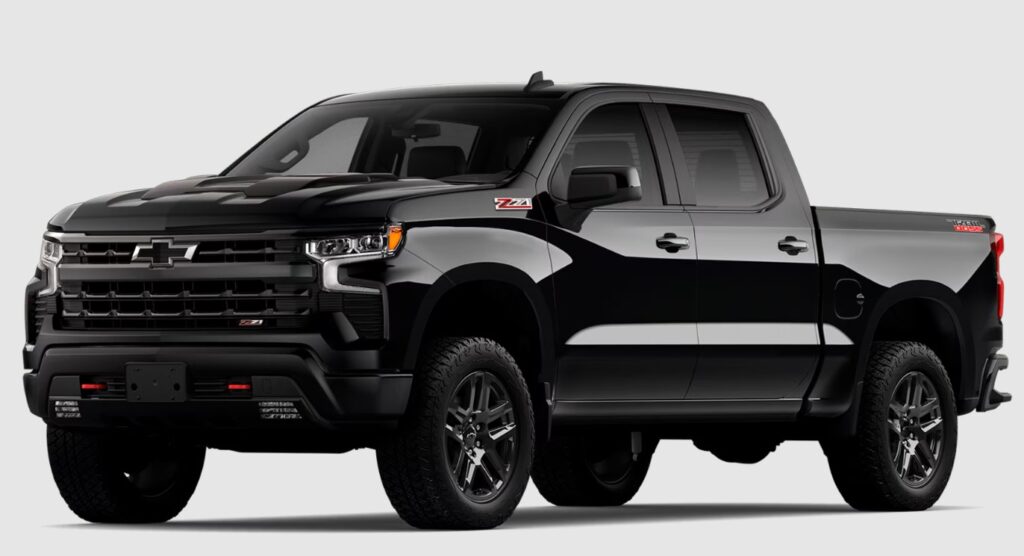
Choosing the correct Chevrolet Silverado gas type may seem as simple as reaching for the regular unleaded pump. In many cases, it is. Yet the Silverado family includes turbocharged four-cylinder engines, naturally aspirated V8s, high-output V8s, turbo-diesels, heavy-duty trucks, flex-fuel variants, and fully electric models.
In other words, asking what fuel a Silverado uses is a little like asking what shoes an athlete wears—the right answer depends on the player.
Most gasoline-powered Chevrolet Silverado 1500 trucks can run on regular unleaded gasoline, but certain engines perform best or specifically call for higher-octane fuel. Diesel-powered Silverados require ultra-low-sulfur diesel, while the Silverado EV does not use gasoline at all. Because requirements vary by engine and model year, we should always confirm the recommendation in the owner’s manual and on the fuel-door label.
Let’s break everything down without turning a five-minute fuel stop into an engineering lecture.
Content in this publication
- What Gas Does a Chevrolet Silverado Take?
- Understanding Octane Ratings Before Filling Up
- Chevrolet Silverado TurboMax Gas Type
- Chevrolet Silverado 5.3L V8 Gas Type
- Chevrolet Silverado 6.2L V8 Gas Type
- Chevrolet Silverado Diesel Fuel Type
- What Fuel Does a Silverado 2500HD or 3500HD Use?
- How to Identify Your Silverado’s Engine
- Required Fuel Versus Recommended Fuel
- Can Premium Gas Improve Silverado Fuel Economy?
- Does the Silverado Require TOP TIER Gasoline?
- Can We Use E15 in a Chevrolet Silverado?
- Can a Chevrolet Silverado Use E85?
- What Happens If We Use the Wrong Octane?
- What Happens If Diesel Goes Into a Gas Silverado?
- Should We Add Fuel-System Cleaner?
- Seasonal Fuel Considerations
- Fuel Tips for Towing With a Silverado
- Silverado Gas Type by Engine: Quick Reference
- How to Choose the Right Fuel Every Time
- Common Chevrolet Silverado Fuel Myths
- Final Thoughts on Chevrolet Silverado Gas Type
- Frequently Asked Questions
What Gas Does a Chevrolet Silverado Take?
The Chevrolet Silverado’s fuel type depends primarily on its engine:
- TurboMax 2.7-liter turbo engine: generally regular unleaded gasoline
- 5.3-liter EcoTec3 V8: generally regular unleaded gasoline
- 6.2-liter EcoTec3 V8: typically premium gasoline recommended
- 3.0-liter Duramax turbo-diesel: ultra-low-sulfur diesel
- Silverado HD gasoline engines: regular or premium fuel depending on the engine and model year
- Silverado HD Duramax diesel: ultra-low-sulfur diesel
- Silverado EV: electricity rather than gasoline
Chevrolet’s current Silverado 1500 lineup continues to offer four major engine choices: the TurboMax, 5.3-liter EcoTec3 V8, 6.2-liter EcoTec3 V8, and 3.0-liter Duramax turbo-diesel.
That summary gives us the map, but we still need to examine each road.
Understanding Octane Ratings Before Filling Up
Octane measures gasoline’s resistance to premature combustion, commonly called knocking or detonation. It does not measure how “powerful” or “clean” the gasoline is.
At most US pumps, we normally see three grades:
- Regular: usually 87 AKI
- Mid-grade: generally 88 to 90 AKI
- Premium: commonly 91 to 93 AKI
AKI stands for Anti-Knock Index. It is the number displayed on fuel pumps in the United States and Canada.
A higher number means the fuel can withstand greater pressure before igniting uncontrollably. That matters in high-compression and high-output engines, where temperatures and cylinder pressures climb like a pot beginning to boil.
Does Higher Octane Always Produce More Power?
No. Premium fuel does not automatically turn every Silverado into a stronger or faster truck.
When an engine is designed for 87-octane gasoline, filling it with 93 octane usually delivers little or no meaningful improvement. The engine cannot take full advantage of the extra knock resistance if its calibration, compression ratio, boost pressure, and ignition strategy do not require it.
However, an engine calibrated for premium gasoline may reduce ignition timing when lower-octane fuel is used. That protective adjustment can reduce performance, particularly while towing, climbing steep grades, accelerating hard, or driving in hot weather.
Think of premium gasoline as heat-resistant work gloves. They are valuable when the job is hot, but unnecessary when we are simply folding laundry.
Chevrolet Silverado TurboMax Gas Type
The 2.7-liter TurboMax is a turbocharged four-cylinder engine used across several Silverado 1500 trims. Despite its smaller displacement, it produces substantial low-end torque and is designed to handle real truck duties.
What Octane Does the 2.7L TurboMax Need?
The TurboMax generally uses 87-octane regular unleaded gasoline.
That makes it a practical option for drivers who want strong torque without paying for premium at every stop. Although it is turbocharged, its electronic controls and combustion design allow it to operate on regular gasoline under normal conditions.
Current Silverado specifications list the TurboMax at 310 horsepower and 430 pound-feet of torque, paired with an eight-speed automatic transmission.
Can We Put Premium Gas in the TurboMax?
Yes. Premium gasoline will not normally harm the engine, provided the fuel meets Chevrolet’s quality standards.
Still, we should not expect a dramatic transformation. Some drivers may notice slightly smoother operation in severe heat or under heavy loads, but the cost difference rarely produces enough benefit to justify routine premium use in an engine designed for regular fuel.
The wisest approach is straightforward: use the octane stated in the owner’s manual unless operating conditions or official guidance call for something higher.
Chevrolet Silverado 5.3L V8 Gas Type
The 5.3-liter EcoTec3 V8 is one of the Silverado’s most familiar engines. It balances traditional V8 character, towing ability, everyday usability, and broad availability.
In most Silverado applications, the 5.3-liter V8 is designed to run on 87-octane regular unleaded gasoline.
We do not usually need premium fuel just because the truck has a V8. Engine size alone does not determine octane requirements. Compression, calibration, cylinder pressure, combustion-chamber design, and operating strategy matter more.
Chevrolet lists the contemporary 5.3-liter EcoTec3 V8 at 355 horsepower and 383 pound-feet of torque in the Silverado 1500.
It may help under demanding conditions, but that does not mean it is required.
When towing a heavy trailer through mountains or operating in extreme heat, higher-octane gasoline can offer additional resistance to knock. The engine management system may be able to maintain more favorable ignition timing rather than pulling timing to protect the engine.
Nevertheless, the correct baseline remains the manufacturer’s stated minimum. If Chevrolet specifies 87 octane for our exact truck, regular gasoline remains acceptable while towing unless the manual provides a separate recommendation.
Chevrolet Silverado 6.2L V8 Gas Type
The 6.2-liter EcoTec3 V8 sits near the top of the Silverado 1500 gasoline range. It produces serious power, strong acceleration, and substantial towing capability.
Current Silverado information lists the 6.2-liter V8 at 420 horsepower and 460 pound-feet of torque.
The 6.2-liter EcoTec3 V8 generally calls for or strongly recommends premium unleaded gasoline, commonly 91 octane or higher.
This engine operates with performance-oriented calibration and relatively high cylinder pressures. Premium fuel helps it deliver its advertised output while reducing the likelihood of knock.
Using premium is especially important when we:
- Tow near the truck’s rated limit
- Haul heavy payloads
- Drive in very hot weather
- Climb long mountain grades
- Accelerate aggressively
- Spend extended periods at high engine loads
Chevrolet also identifies 91-octane premium gasoline as the recommendation for the 6.2-liter EcoTec3 V8 in other current models using the same engine family, while the 5.3-liter V8 is assigned 87 octane. Exact Silverado instructions should still be verified by model year and vehicle documentation.
Can a Silverado 6.2 Run on 87 Octane?
Some model years may allow temporary use of lower-octane gasoline, but “can run” and “should regularly use” are different ideas.
Modern engine controls can detect knock and adjust ignition timing. This protection can prevent immediate damage, but the engine may lose power, respond less sharply, and consume more fuel. Persistent knocking is not normal and should never be ignored.
If premium is unavailable, we should drive gently, avoid heavy towing, refrain from hard acceleration, and refill with the recommended grade as soon as practical.
Chevrolet Silverado Diesel Fuel Type
Silverados equipped with a Duramax engine do not use gasoline. They require diesel fuel, normally ultra-low-sulfur diesel, or ULSD.
The Silverado 1500’s available 3.0-liter Duramax turbo-diesel is rated at 305 horsepower and 495 pound-feet of torque in current configurations. Chevrolet also promotes highway fuel economy of up to 28 mpg for selected models and configurations.
What Kind of Diesel Does a Silverado Need?
For normal road use, we should select fresh, high-quality ultra-low-sulfur diesel from a busy, reputable station.
Depending on the model year, region, and owner’s-manual instructions, approved biodiesel blends may also be permitted. However, biodiesel limits are not identical across every Duramax generation. We should never assume that a blend approved for a newer truck is also suitable for an older one.
Can We Put Regular Gas in a Duramax Silverado?
Absolutely not.
Gasoline lacks the lubricating properties required by diesel fuel systems. Putting gasoline in a Duramax can damage the high-pressure fuel pump, injectors, lines, and other components. Repair costs can be enormous because contamination may spread throughout the entire system.
If gasoline enters a diesel Silverado:
- Do not start the engine.
- Do not switch the ignition on unnecessarily.
- Move the truck only if it can be pushed safely.
- Contact roadside assistance.
- Have the tank and fuel system professionally drained.
Starting the engine turns a manageable draining job into a potentially major repair. One twist of the key can send the wrong fuel through the system like ink through a glass of water.
What Fuel Does a Silverado 2500HD or 3500HD Use?
Silverado Heavy Duty trucks generally come with either a large gasoline V8 or a Duramax turbo-diesel.
The proper fuel depends on the installed engine:
- Gasoline V8: unleaded gasoline at the octane specified in the manual
- Duramax turbo-diesel V8: ultra-low-sulfur diesel
Heavy Duty specifications, calibrations, and engine offerings have changed over the years. That is why we should identify the truck by model year, series, and engine rather than relying only on the Silverado badge.
A Silverado 1500, 2500HD, and 3500HD may look like members of the same family, but what sits beneath the hood can be as different as a commuter bicycle and a freight locomotive.
How to Identify Your Silverado’s Engine
Not everyone knows which engine their truck has, particularly after buying a used Silverado. Fortunately, we have several ways to find out.
Check the Owner’s Manual
The owner’s manual contains the official fuel recommendation for the truck’s model year and engine. It should always take priority over generic online advice.
Read the Fuel-Door Label
Many vehicles display the required or recommended octane near the filler opening. A diesel truck may also carry a clear diesel-only warning.
Look at the Engine Badge
Some Silverados display badges such as:
- TurboMax
- 5.3L
- 6.2L
- Duramax
- 3.0L Duramax
Badges can be removed or added, however, so they are useful clues rather than perfect proof.
Decode the VIN
The Vehicle Identification Number can help a Chevrolet dealer or parts database identify the original engine. This is especially helpful when badges are missing or the truck has changed owners several times.
Inspect the Registration or Purchase Documents
Original sales documents, service records, insurance records, and build sheets may identify the engine and fuel type.
Required Fuel Versus Recommended Fuel
These terms sound similar, yet the distinction matters.
Required Fuel
When premium fuel is required, the engine was engineered to operate on that octane. Lower-octane fuel may cause reduced performance, knocking, or other operating problems.
Recommended Fuel
When premium is recommended, the truck may be capable of operating on regular fuel, but premium is needed for optimum power, efficiency, or towing performance.
Minimum Octane
A minimum-octane statement creates a floor. We may use a higher grade, but we should not go below the specified number.
Whenever wording differs between an online article, a fuel station employee, and the owner’s manual, the manual wins.
Sometimes, but not always—and rarely enough to guarantee financial savings.
If an engine is calibrated for regular gasoline, premium usually does not create a meaningful efficiency gain. Even a small improvement may fail to offset the higher price per gallon.
In an engine designed around premium fuel, however, using the recommended octane can help the computer maintain ideal ignition timing. That may improve performance and prevent the efficiency losses caused by repeated knock-control intervention.
We can test the difference scientifically:
- Fill the tank with the recommended regular grade.
- Record mileage over two or three complete tanks.
- Drive similar routes under similar loads.
- Repeat with premium fuel.
- Compare actual fuel cost per mile—not just dashboard mpg.
A single tank proves little. Traffic, wind, temperature, idling, trailer weight, tire pressure, and driving style can easily distort the result.
Does the Silverado Require TOP TIER Gasoline?
Chevrolet commonly recommends using fuel that meets recognized detergent standards, including TOP TIER gasoline where available.
TOP TIER is not an octane grade. A station may sell TOP TIER regular, mid-grade, and premium gasoline. The designation refers primarily to detergent and deposit-control standards.
Quality detergent gasoline can help keep injectors, intake components, and combustion areas cleaner over time. Direct-injection engines are precise machines; clean fuel is like a clean paintbrush—it allows the tool to do its job without dragging old residue into every stroke.
Is Cheap Gas Bad for a Silverado?
A lower price does not automatically mean poor fuel. The greater concern is buying from a station with:
- Low fuel turnover
- Poor tank maintenance
- Water contamination
- Incorrectly labeled pumps
- Inadequate detergent additives
- Visible signs of neglect
A busy, reputable station is generally a safer choice than an isolated pump that appears to have been waiting for customers since the last ice age.
Can We Use E15 in a Chevrolet Silverado?
Some newer gasoline-powered Silverados may permit gasoline containing up to 15 percent ethanol, but approval depends on model year and engine.
We should look for an E15 compatibility statement in the owner’s manual or near the filler door. Never assume compatibility based only on the truck being relatively new.
E15 may be labeled as:
- Unleaded 88
- 88 octane
- 15% ethanol
- E15
Because ethanol contains less energy per gallon than gasoline, fuel economy may decrease slightly even when the blend is approved.
Can a Chevrolet Silverado Use E85?
Only a flex-fuel Silverado specifically approved for E85 should use it.
E85 can contain a high proportion of ethanol and requires compatible seals, lines, injectors, sensors, and engine-management programming. Putting E85 into a non-flex-fuel Silverado may cause poor starting, warning lights, rough operation, and fuel-system problems.
Flex-fuel compatibility may be indicated by:
- A yellow fuel cap
- A yellow ring around the filler
- An E85 or FlexFuel badge
- A statement in the owner’s manual
- Vehicle build information
Do not rely solely on cap color, especially on a used truck. Fuel caps are easy to replace.
What Happens If We Use the Wrong Octane?
Using an octane grade below the recommendation may produce:
- Spark knock or pinging
- Reduced acceleration
- Lower towing performance
- Rough operation under load
- Increased fuel consumption
- Retarded ignition timing
- Higher combustion stress
One accidental tank of regular in a premium-recommended truck does not automatically mean disaster. The engine computer will generally attempt to protect the engine. We should nevertheless drive conservatively and return to the correct fuel at the next fill-up.
Persistent metallic pinging under acceleration should be treated as a warning, not background music.
What Happens If Diesel Goes Into a Gas Silverado?
Diesel fuel in a gasoline engine can foul spark plugs, clog injectors, create smoke, and prevent the engine from running correctly.
If we notice the mistake before starting:
- Leave the engine off
- Do not attempt to “dilute” the diesel with gasoline
- Arrange professional draining
- Follow the technician’s inspection recommendations
If the engine has already run, shut it down safely and seek professional help.
Adding more correct fuel is not a dependable solution. Wrong-fuel contamination is not weak coffee that can be fixed with more water.
Should We Add Fuel-System Cleaner?
A well-maintained Silverado using quality detergent fuel should not need an additive at every fill-up.
Unapproved or excessive additives can create more problems than they solve. Some may affect oxygen sensors, catalytic converters, injectors, or emissions equipment.
Use a fuel-system treatment only when:
- Chevrolet approves the product or chemistry
- The owner’s manual recommends it
- A qualified technician identifies a deposit-related issue
- The truck has been operated on poor-quality fuel
More additive is not better. Precision engines prefer precision decisions.
Seasonal Fuel Considerations
Fuel behavior changes with temperature, and Silverado owners in extreme climates should pay attention.
Gasoline in Hot Weather
Hot weather increases the chance of knock, particularly while towing or climbing grades. Using the correct octane becomes more important when the engine is working hard.
Gasoline in Cold Weather
Winter gasoline blends are formulated to vaporize more easily. Cold starts can still expose weak batteries, worn spark plugs, or injector issues that may be mistaken for bad fuel.
Diesel in Freezing Conditions
Diesel fuel can gel in severe cold as wax crystals form. Winter-grade diesel, approved anti-gel treatment, and the factory block heater can help where the owner’s manual permits them.
Never add gasoline to diesel fuel as a homemade anti-gel solution. That outdated shortcut can damage modern high-pressure diesel systems.
Fuel Tips for Towing With a Silverado
Towing places sustained demand on the engine. Heat rises, transmission workloads increase, and the engine spends more time under boost or heavy throttle.
Before towing, we should:
- Fill with the recommended fuel grade
- Use premium when the specific engine calls for it
- Avoid questionable fuel stations
- Check tire pressure
- Verify engine oil and coolant levels
- Reduce speed in extreme heat
- Avoid lugging the engine
- Plan fuel stops before entering remote areas
The 2026 Silverado 1500 is advertised with maximum available towing capacity of up to 13,300 pounds in properly equipped configurations, although actual capacity varies by engine, drivetrain, cab, bed, axle ratio, and equipment.
Fuel choice does not increase the truck’s certified tow rating. Premium gasoline cannot transform an improperly equipped Silverado into a higher-rated model.
Silverado Gas Type by Engine: Quick Reference
| Silverado engine | Typical fuel type | General guidance |
|---|---|---|
| 2.7L TurboMax | Regular unleaded | Usually 87 octane |
| 4.3L V6, older models | Regular unleaded | Verify year-specific manual |
| 5.3L EcoTec3 V8 | Regular unleaded | Usually 87 octane |
| 6.0L V8, older HD models | Unleaded gasoline | Requirement varies by year |
| 6.2L EcoTec3 V8 | Premium unleaded | Commonly 91 octane recommended |
| 6.6L gasoline V8, HD | Unleaded gasoline | Confirm model-year instructions |
| 3.0L Duramax diesel | ULSD diesel | Never use gasoline |
| 6.6L Duramax diesel | ULSD diesel | Follow diesel and biodiesel limits |
| FlexFuel engine | Gasoline or approved E85 | Only when factory-approved |
| Silverado EV | Electricity | No gasoline or diesel |
This table is a general guide, not a substitute for the owner’s manual. Engine calibrations, fuel availability, ethanol limits, and official recommendations can change between model years and markets.
How to Choose the Right Fuel Every Time
We can avoid most fuel mistakes with a simple routine:
- Identify the model year.
- Confirm the engine.
- Check the fuel-door label.
- Read the owner’s-manual fuel section.
- Select the stated minimum octane or diesel specification.
- Use a reputable, high-turnover station.
- Keep the receipt after unfamiliar fuel stops.
- Stop driving if severe knocking, smoke, or rough running begins.
This routine takes less time than ordering coffee, yet it can prevent repairs costing thousands.
Common Chevrolet Silverado Fuel Myths
False. Many 5.3-liter V8 Silverados are designed for regular unleaded gasoline.
False. The TurboMax is turbocharged but is generally designed to operate on regular gasoline.
Not necessarily. Octane and detergent quality are separate characteristics.
“Mixing 87 and 93 Octane Damages the Engine”
Usually false. Mixing grades produces an approximate intermediate octane level. The real question is whether the final blend meets the engine’s minimum requirement.
“A Diesel Nozzle Cannot Fit a Gas Truck”
Nozzle sizes reduce mistakes but do not make them impossible. Containers, modified pumps, regional nozzle differences, and simple inattention can still lead to misfueling.
Final Thoughts on Chevrolet Silverado Gas Type
The correct Chevrolet Silverado gas type depends on the truck’s engine rather than the name on the tailgate.
Most TurboMax and 5.3-liter V8 Silverado 1500 models use regular 87-octane unleaded gasoline. The performance-oriented 6.2-liter V8 generally benefits from or recommends premium gasoline, commonly 91 octane or higher. Duramax models require ultra-low-sulfur diesel, while the Silverado EV uses electricity and never visits a gasoline pump unless its driver wants snacks.
The owner’s manual remains our most reliable authority because Chevrolet has sold the Silverado across numerous generations, engines, countries, and calibrations. A recommendation that is accurate for a current 5.3-liter Silverado may be wrong for an older heavy-duty model or a flex-fuel truck.
Using the correct fuel is not glamorous maintenance. It will not earn admiring looks in the parking lot. Yet it protects performance, efficiency, emissions equipment, and long-term reliability. Sometimes the smartest truck decision happens before the engine even starts—right there beside the pump.
Frequently Asked Questions
1. What gas does a Chevrolet Silverado 1500 take?
Most gasoline-powered Silverado 1500 models use regular unleaded gasoline with a minimum rating of 87 octane. However, trucks equipped with the 6.2-liter V8 generally recommend premium fuel. Always confirm the requirement for the exact model year and engine.
The 5.3-liter EcoTec3 V8 normally does not require premium gasoline. It is generally designed to run on 87-octane regular unleaded fuel. Premium can be used, but it may not provide enough improvement to justify the additional cost.
3. What happens if I put 87 octane in a 6.2 Silverado?
The engine-management system may reduce ignition timing to control knock, resulting in lower performance or efficiency. One accidental tank is unlikely to cause immediate failure, but we should avoid heavy loads and return to the recommended premium grade as soon as possible.
4. Can a Silverado use E85 fuel?
Only Silverados factory-certified as flex-fuel vehicles should use E85. Check the owner’s manual, fuel-door information, VIN data, or original build documentation before filling with a high-ethanol blend.
5. What fuel does a Duramax Silverado use?
A Duramax Silverado uses ultra-low-sulfur diesel rather than gasoline. Approved biodiesel limits vary by engine and model year, so we should consult the owner’s manual before using blends with a high biodiesel percentage.
If you want to know other articles similar to Chevrolet Silverado Gas Type: The Complete Fuel Guide you can visit the category Service and Parts.
Volvo S90 Engine Oil: Type, Capacity & Change Guide
Volvo S90 Boot Space: Size, Capacity and Practicality
SEO Title: Volvo S90 Oil Capacity: Complete Guide by Engine

Kia Sorento Oil Type: Complete Guide by Year & Engine
Kia Sorento Engine Capacity: Complete Guide by Year

Peugeot 308 Clutch Replacement Cost: Complete UK Guide for 2026
Leave a Reply
More content of your interest