

Chevy Silverado Years to Buy: The Complete Used-Truck Guide

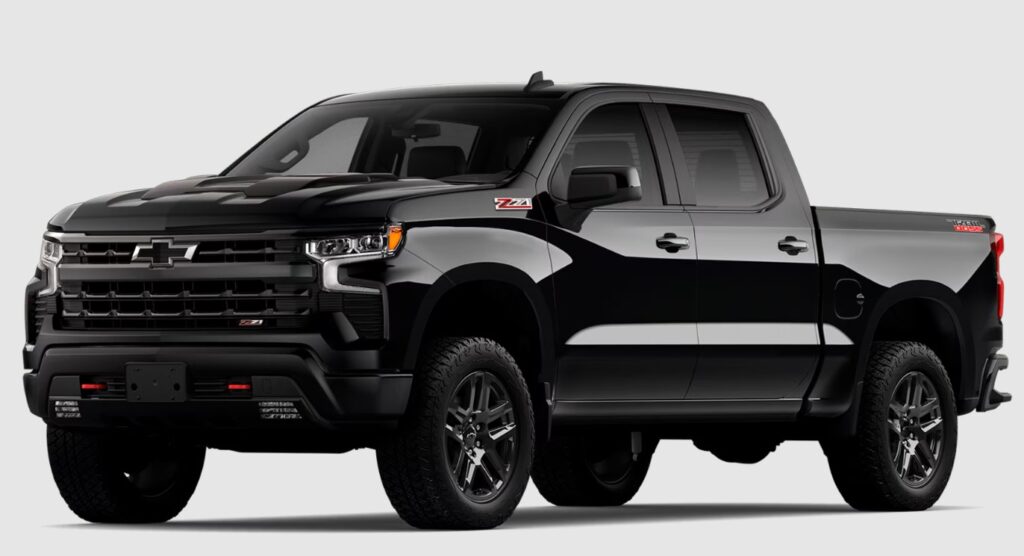
Buying a used Chevrolet Silverado can feel like shopping for work boots. From a distance, most pairs look tough enough for the job. Once we inspect the stitching, soles, and wear patterns, however, the differences become obvious.
The same principle applies to Silverado model years.
Some Silverados have earned reputations as dependable workhorses that can absorb years of towing, commuting, construction work, and weekend adventures. Others introduced new engines, transmissions, electronics, or fuel-saving systems that occasionally created expensive headaches for owners.
So, what are the best Chevy Silverado years to buy?
For shoppers seeking the strongest balance of durability, affordability, comfort, and parts availability, the 2006, 2011–2013, 2016–2018, and carefully selected 2022-or-newer Silverado 1500 models deserve serious consideration. Among them, the 2018 Silverado 1500 is arguably the best all-around modern used choice, while the 2006 model appeals to buyers who value mechanical simplicity.
That does not mean every truck from those years is perfect. A neglected “good year” can be a worse purchase than a well-maintained truck from a supposedly troublesome year. Maintenance history, engine choice, mileage, configuration, climate, and previous use matter enormously.
Let’s separate the genuine bargains from the shiny money pits.
Content in this publication
- What Are the Best Chevy Silverado Years to Buy?
- Why the Model Year Matters So Much
- Chevrolet Silverado Generations Explained
- 2006 Chevy Silverado: Best for Mechanical Simplicity
- 2011 Chevy Silverado: An Affordable Sweet Spot
- 2012 Chevy Silverado: Strong for Work and Daily Use
- 2013 Chevy Silverado: Best Older Used Value
- 2016 Chevy Silverado: Best Entry into Modern Features
- 2017 Chevy Silverado: The Balanced Choice
- 2018 Chevy Silverado: Best Overall Year to Buy
- Are 2022 and Newer Silverados Good to Buy?
- Chevy Silverado Years We Would Approach Carefully
- Does the Engine Matter More Than the Year?
- The Best Silverado Year Depends on the Job
- How Mileage Changes the Decision
- Should We Buy a Silverado with Active Fuel Management?
- How to Inspect a Used Chevy Silverado
- Red Flags That Should Make Us Walk Away
- Stock Silverado or Modified Silverado?
- Two-Wheel Drive or Four-Wheel Drive?
- Silverado 1500 or Silverado HD?
- Our Final Ranking of Chevy Silverado Years to Buy
- Conclusion: Which Chevy Silverado Year Should We Buy?
- Frequently Asked Questions
What Are the Best Chevy Silverado Years to Buy?
Here is our practical shortlist:
| Model year | Why it stands out | Best suited for |
|---|---|---|
| 2006 | Simple, proven drivetrain and strong parts support | Budget buyers and DIY owners |
| 2011 | Mature second-generation design | Affordable daily driving |
| 2012 | Refined platform with fewer first-year concerns | Work and personal use |
| 2013 | Final year of its generation | Buyers wanting an older proven truck |
| 2016 | Updated technology and styling | Modern features on a moderate budget |
| 2017 | Balanced comfort, capability, and value | Most general used-truck shoppers |
| 2018 | Final and most refined year of its generation | Best overall used Silverado choice |
| 2022 refresh and newer | Improved cabin, technology, and engine selection | Buyers prioritizing modern features |
Our overall rankings are:
- Best overall: 2018 Chevrolet Silverado 1500
- Best older value: 2013 Chevrolet Silverado 1500
- Best low-cost work truck: 2006 Chevrolet Silverado 1500
- Best modern choice: 2022 refresh or newer, subject to engine and VIN checks
- Best balance of price and equipment: 2017 Chevrolet Silverado 1500
Why the Model Year Matters So Much
A Silverado badge alone tells us surprisingly little.
Chevrolet has sold the Silverado with multiple engines, transmissions, cab layouts, bed lengths, axle ratios, trim levels, and towing packages. Two trucks built in the same year can provide dramatically different ownership experiences.
One might be a basic rear-wheel-drive Work Truck with a naturally aspirated engine and modest towing history. Another might be a heavily equipped four-wheel-drive model that spent its life pulling a large trailer through mountain passes.
Generation changes also matter. The first model year after a redesign often introduces:
- New electrical architecture
- Revised transmissions
- Different engine-management software
- Updated infotainment systems
- New active fuel-management technology
- Fresh body and suspension components
- Manufacturing adjustments
Early-production trucks can expose issues that manufacturers refine later. That is why the final two or three years of a generation frequently represent safer used purchases. They are like the final draft of a book: the basic story remains, but many rough sentences have been corrected.
Chevrolet Silverado Generations Explained
Before selecting a year, we should understand where it sits in Silverado history.
First Generation: 1999–2006
The first-generation Silverado replaced Chevrolet’s C/K pickup line and established the Silverado as a separate model family. These trucks are appreciated for their familiar small-block V8 engines, straightforward construction, widely available components, and relatively manageable repair costs.
A 2007 Silverado Classic also continued the older body style for a limited period, so shoppers should distinguish it from the redesigned 2007 model.
Second Generation: 2007–2013
The second-generation truck introduced a more modern structure, updated styling, improved interiors, and additional safety features. Later examples, particularly 2011 through 2013, tend to be more attractive than the earliest years because the platform had time to mature.
Third Generation: 2014–2018
This generation brought direct-injected engines, improved cabin technology, stronger towing capability, and more sophisticated fuel-management systems. It feels considerably more modern than the previous truck without carrying all the complexity of the newest models.
The 2016–2018 trucks are especially appealing because they combine updated connectivity with late-generation refinement.
Fourth Generation: 2019–Present
The fourth-generation Silverado grew larger, became lighter in selected areas, adopted new powertrains, and expanded its technology. Chevrolet refreshed the Silverado 1500 during the 2022 model year with a redesigned interior and upgraded infotainment options.
These trucks deliver excellent performance and comfort, but configuration matters more than ever. Buyers should research the exact engine, transmission, build date, recall status, and service history rather than judging the truck by model year alone.
2006 Chevy Silverado: Best for Mechanical Simplicity
The 2006 Silverado is one of the strongest choices for buyers who prefer an old-school truck.
By 2006, Chevrolet had spent several years refining the first-generation platform. The drivetrain was familiar, replacement components were plentiful, and independent mechanics understood the vehicle well. That combination helps keep ownership realistic even as these trucks age.
Why We Like the 2006 Silverado
Its biggest advantage is simplicity. Compared with newer Silverados, it contains fewer layers of fuel-saving hardware, driver-assistance systems, touchscreen controls, cameras, and networked modules.
That does not make it immune to problems. It simply means many faults are easier to diagnose and less likely to require specialized electronic equipment.
The V8 engines available in this period are also widely known throughout the repair industry. A large aftermarket surrounds them, making maintenance, replacement parts, and upgrades relatively accessible.
What to Inspect on a 2006 Model
Age is now the main enemy.
Check carefully for:
- Frame and rocker-panel corrosion
- Brake-line corrosion
- Oil leaks
- Worn front suspension components
- Steering play
- Instrument-cluster faults
- Air-conditioning problems
- Transmission slipping or delayed engagement
- Differential noise
- Brittle wiring and hoses
A clean, lightly used 2006 truck can be a terrific buy. A rusted example with 20 years of deferred maintenance can swallow money like a shop vacuum.
Who Should Buy One?
The 2006 Silverado makes sense for a buyer who can tolerate an older cabin, lower fuel economy, fewer safety features, and occasional age-related repairs.
It is especially suitable for rural use, property maintenance, occasional hauling, local work, or a second vehicle.
2011 Chevy Silverado: An Affordable Sweet Spot
The 2011 Silverado offers a useful middle ground. It feels more substantial and refined than the first-generation model but remains affordable compared with late-model trucks.
By this point, the second-generation platform was no longer new. Chevrolet had already addressed many early-production quirks, and used examples now benefit from an enormous supply of replacement parts.
The 2011 model is not necessarily the most exciting Silverado. That is part of its charm. It is a familiar, practical truck that does its job without demanding luxury-truck money.
Potential Concerns
Some V8-equipped trucks use Active Fuel Management, which can shut down selected cylinders under light loads to improve efficiency. On poorly maintained or high-mileage examples, related valvetrain problems and oil-consumption complaints deserve attention.
We should not assume every Active Fuel Management engine will fail. Many run for substantial mileages. Still, service records and oil-change discipline are crucial.
Listen for:
- Persistent ticking
- Rough idle
- Misfires
- Excessive oil consumption
- Low oil-pressure warnings
- Smoke during startup
- Unusual exhaust noise
A pre-purchase diagnostic scan can reveal stored or pending misfire codes even when no warning light appears.
2012 Chevy Silverado: Strong for Work and Daily Use
The 2012 model carries many of the same qualities as the 2011 truck but is one year newer and often slightly better equipped.
For buyers who want a traditional full-size pickup without paying for a modern digital cockpit, the 2012 Silverado remains attractive. It offers useful towing configurations, several body styles, accessible maintenance, and a comfortable highway ride.
Why Condition Matters More Than Trim
A basic 2012 Work Truck with documented maintenance can be a smarter purchase than a polished high-trim model with unknown towing history.
Fancy seats cannot compensate for:
- Burnt transmission fluid
- Low engine-oil pressure
- Structural corrosion
- Overheated brakes
- Worn universal joints
- A neglected cooling system
- Poor-quality suspension modifications
We should buy the mechanical condition first and the trim badge second.
2013 Chevy Silverado: Best Older Used Value
The 2013 Silverado is one of our favorite used years because it represents the final model year of the second generation.
Final-year vehicles often benefit from years of incremental production improvements. Mechanics know them, parts catalogs are established, and common problems are easier to anticipate.
The 2013 truck also avoids some of the additional complexity introduced with the redesigned 2014 Silverado.
Why the 2013 Model Deserves Attention
It offers:
- A proven basic platform
- Broad engine and configuration availability
- Traditional truck styling
- Strong aftermarket support
- Lower purchase prices than third-generation models
- Comfortable highway manners
- Useful towing and payload configurations
It is old enough to be affordable but new enough to serve as a daily driver when properly maintained.
The Catch
The 2013 model is not automatically trouble-free. Active Fuel Management concerns, age-related rubber deterioration, corrosion, transmission wear, and neglected fluids can still appear.
At this age, maintenance history is more valuable than low mileage alone. A truck driven regularly and serviced correctly may be healthier than a low-mileage example that sat outside for long periods.
2016 Chevy Silverado: Best Entry into Modern Features
The redesigned 2014 Silverado moved the truck into a more modern era, but we generally prefer the later years of that generation.
The 2016 model received styling and technology updates, including broader availability of smartphone integration. For many drivers, it feels current enough for everyday life without carrying the price of a nearly new truck.
The 2014–2018 Silverado generation has also been recognized as a compelling used-truck option for its capability, comfort, engine selection, and available technology.
Why the 2016 Silverado Is Appealing
It combines:
- Modern exterior styling
- A quieter cabin
- Strong V6 and V8 choices
- Better infotainment than older generations
- Competitive towing capability
- Readily available parts
- A large used inventory
The 5.3-liter V8 is common, making it easier to compare multiple trucks rather than settling for the first example we find.
What Could Go Wrong?
Depending on configuration, buyers should investigate transmission behavior, air-conditioning performance, infotainment operation, fuel-management-related engine symptoms, and previous recall completion.
During the test drive, pay attention to harsh shifting, delayed engagement, shuddering at steady speed, or jerking during light acceleration. Not every unusual shift means the transmission is failing, but it justifies professional evaluation.
You may be interested in reading Nissan Note Alternatives: The Best Cars to Consider
2017 Chevy Silverado: The Balanced Choice
The 2017 Silverado sits in a particularly useful position.
It is newer than the earliest third-generation trucks, offers modern connectivity, and is often cheaper than a comparable 2018. It also avoids the first-year risks associated with the fourth-generation 2019 redesign.
For many shoppers, the 2017 truck is the sensible middle child: capable, familiar, comfortable, and mature.
Reasons to Buy a 2017 Silverado
We like it for:
- Strong engine availability
- Good towing configurations
- A comfortable and practical interior
- Modern smartphone connectivity
- Mature third-generation engineering
- Wide dealer and independent-shop familiarity
- A broad selection of trims and cab styles
It works equally well as a family truck, highway vehicle, tow rig, or job-site pickup—provided the chosen configuration matches the task.
Is the 2017 Silverado Reliable?
It can be, but the answer depends heavily on maintenance and drivetrain.
Some owners experience many years of reliable service. Others report transmission, lifter, electrical, or air-conditioning repairs. Used-vehicle reliability is not a coin toss, though. A careful inspection lets us tilt the odds in our favor.
Check oil-change records, transmission-service history, idle quality, cold-start noises, and fluid condition. Also confirm whether the truck has been modified or tuned.
A stock truck with complete records is usually a safer bet than a lifted truck wearing oversized tires, aggressive tuning, and an unexplained check-engine light.
2018 Chevy Silverado: Best Overall Year to Buy
For most shoppers, the 2018 Chevrolet Silverado 1500 is the best overall used model year.
It was the final year before the fully redesigned 2019 Silverado. Chevrolet had years to refine the third-generation platform, and the truck offers enough technology to feel modern without plunging completely into the complexity of newer models.
The 2018 Silverado also received a five-star overall vehicle score from NHTSA in applicable configurations and earned recognition for resale value and dependability during its market life.
Why 2018 Is Our Top Pick
It delivers a convincing combination of:
- Late-generation refinement
- Strong towing and hauling capability
- Modern infotainment
- Comfortable seating
- Familiar engine options
- Good parts availability
- Broad trim selection
- Attractive used-market pricing
- No first-year redesign penalty
A well-maintained 2018 with the right equipment can serve as a daily driver during the week and a trailer-pulling workhorse on the weekend.
Which 2018 Engine Should We Choose?
The answer depends on our priorities.
The 4.3-liter V6 may suit light-duty users who value simplicity and do not need maximum towing performance. The 5.3-liter V8 provides a popular balance of availability, power, and capability. The 6.2-liter V8 offers stronger performance but may cost more to purchase, fuel, maintain, and insure.
We should never choose an engine solely because it has the highest output. More power is useful only when our towing, payload, or driving needs justify it.
What to Check Before Buying
Even the best model year requires inspection.
Look for:
- Smooth cold startup
- Stable oil pressure
- Clean, properly filled fluids
- Consistent transmission shifts
- No shudder during steady cruising
- Functional air conditioning
- Working cameras and infotainment
- Even tire wear
- No front-end clunks
- No evidence of heavy unreported towing
- Completed recalls
Certain 2014–2018 GM trucks were included in safety campaigns, reinforcing why every buyer should check the VIN rather than relying on a seller’s memory.
Are 2022 and Newer Silverados Good to Buy?
The refreshed 2022 Silverado 1500 introduced a much-improved cabin in many trims. Larger displays, revised dashboard design, upgraded connectivity, and expanded driver-assistance technology make it feel far more contemporary.
A newer truck can also offer remaining warranty coverage, better safety technology, lower age-related wear, and easier financing.
However, we should not treat every 2022-or-newer Silverado as equally desirable.
Engine Selection Requires Extra Research
The fourth-generation Silverado offers several powertrains, including turbocharged gasoline, V8 gasoline, and Duramax diesel options. Each serves a different buyer.
A major concern involves certain 2021–2024 Silverado 1500 trucks equipped with the 6.2-liter L87 V8. A 2025 safety recall addressed manufacturing defects involving connecting-rod or crankshaft components that could lead to engine damage, failure, and loss of propulsion.
In January 2026, NHTSA opened an additional recall query after reports alleged some engine failures occurred even after the earlier remedy.
That does not mean every 6.2-liter truck will fail, nor does it make every newer Silverado a bad purchase. It means buyers must verify:
- The exact engine code
- The truck’s build information
- Open and completed recalls
- Dealer inspection records
- Oil specifications used after recall service
- Any engine replacement documentation
- Remaining special coverage or warranty
GM’s recall lookup and NHTSA’s VIN tool should be part of the buying process, not an afterthought.
Our Verdict on Newer Trucks
A 2022-refresh-or-newer Silverado with a suitable engine, full documentation, clean inspection, and no unresolved recall concerns can be an excellent truck.
We would simply research it more carefully than a mechanically simpler older model.
Chevy Silverado Years We Would Approach Carefully
No model year should be condemned automatically. However, some years deserve more scrutiny because they introduced major redesigns, accumulated notable complaint patterns, or used components associated with costly repairs.
2007 Silverado
The redesigned 2007 model introduced the second generation. First-year redesigns often carry more uncertainty than later versions.
Confusingly, Chevrolet also sold the older design as the 2007 Silverado Classic. Buyers must determine which truck they are examining.
A clean example can still be worthwhile, but we would generally choose a comparable 2006 Classic-style truck or a later 2011–2013 model.
2014 Silverado
The 2014 Silverado launched the third generation with updated direct-injected engines, electronics, interiors, and bodywork.
It offers strong capability, but first-year complexity makes it less appealing than a similarly maintained 2016–2018 model. NHTSA’s records show model-specific recalls and complaints should be reviewed by body style and drivetrain.
2015 Silverado
The 2015 is not necessarily a truck to avoid at any price. Still, we prefer the refreshed 2016 model when costs and condition are similar.
Transmission behavior, air-conditioning performance, electrical accessories, and engine noises deserve careful examination.
2019 Silverado
The 2019 Silverado launched the fourth generation. It brought major changes to the body, cabin, powertrain lineup, electronics, and overall architecture.
Many owners enjoy their 2019 trucks, but first-year examples can carry more risk than later versions. Buyers should examine transmission behavior, software history, recalls, and the exact engine configuration.
Some 2019–2024 models with the L87 engine were also included in federal investigation activity, although the principal 2025 safety recall described certain 2021–2024 vehicles. Exact VIN status is therefore more meaningful than broad assumptions.
2021–2024 Silverado with the 6.2-Liter L87 V8
These trucks should not be rejected blindly, but we would not purchase one without complete recall documentation and a specialist inspection.
The engine is powerful, smooth, and attractive for towing and highway performance. Yet a powerful engine with uncertain documentation can turn from stallion to storm cloud very quickly.
Does the Engine Matter More Than the Year?
Sometimes, yes.
A model-year recommendation is only a starting point. The engine and transmission pairing may have a greater impact on long-term costs.
4.3-Liter V6
The naturally aspirated 4.3-liter V6 found in earlier modern Silverados can be a practical choice for lighter use. It does not deliver the excitement or maximum towing performance of the V8s, but that can work in its favor for buyers seeking a straightforward work truck.
5.3-Liter V8
The 5.3-liter V8 is one of the most common Silverado engines. Its popularity provides a large knowledge base and strong parts availability.
However, buyers should investigate oil consumption, lifter noise, cylinder-deactivation systems, misfires, and service history. Frequent oil changes with the correct specification matter greatly.
6.2-Liter V8
The 6.2-liter V8 provides excellent acceleration and towing confidence. In older third-generation trucks, it can be a desirable premium engine when properly maintained.
For certain 2021–2024 L87-equipped trucks, recall status and engine documentation are essential because of the official engine-loss-of-propulsion campaign.
Turbocharged Four-Cylinder
The newer turbocharged four-cylinder can surprise drivers with its low-end torque. It may suit commuting, moderate hauling, and buyers who do not need a V8.
We should still compare real-world fuel economy, towing demands, driving habits, and long-term maintenance expectations rather than assuming fewer cylinders automatically mean lower costs.
Duramax Diesel
The 3.0-liter Duramax diesel appeals to drivers covering long highway distances or towing regularly. It offers strong torque and potentially attractive cruising efficiency.
Diesel ownership, however, includes additional emissions equipment, specialized fluids, and potentially higher repair expenses. A diesel makes the most sense when our driving pattern allows it to operate as intended.
The Best Silverado Year Depends on the Job
The “best” truck changes with the owner.
Best Year for a Daily Driver
We would choose a 2017 or 2018 Silverado 1500. These trucks provide a comfortable cabin, useful connectivity, solid highway manners, and enough modern equipment for daily life.
Best Year for a Budget Work Truck
A clean 2006 Silverado is hard to ignore. It is simple, familiar, and supported by an enormous parts market.
Best Year for Towing
A properly configured 2018 Silverado with the 6.2-liter V8 and factory towing equipment can be an excellent used option. Buyers seeking newer technology might consider a later diesel or V8 model after verifying recall status and service history.
You may be interested in readingNissan Note Alternatives: The Best Cars to ConsiderYou may be interested in reading
 Ford Ranger Years to Avoid: A Complete Used-Truck Guide
Never estimate towing capacity from the engine alone. Cab style, axle ratio, drivetrain, bed length, cooling equipment, hitch rating, and payload all influence the actual limit.
Best Year for Long-Term Ownership
The 2013 Silverado offers a compelling blend of mature engineering and manageable complexity. The 2018 Silverado is the better choice for drivers wanting a more modern truck.
Best Year for Technology
The 2022 refresh and newer models win easily. Their improved cabin and available displays make older Silverados feel like flip phones beside a modern smartphone.
Technology brings convenience, though it also introduces more modules, cameras, sensors, and software to diagnose when something stops cooperating.
How Mileage Changes the Decision
Mileage is important, but it should never stand alone.
A 70,000-mile truck that spent years towing at its maximum rating may have endured more stress than a 120,000-mile truck used for gentle highway commuting.
Likewise, repeated short trips can create more cold starts, moisture buildup, and stop-and-go wear than long-distance driving.
We should evaluate:
- Engine hours
- Idle hours
- Towing history
- Commercial use
- Accident history
- Maintenance intervals
- Climate exposure
- Number of previous owners
- Modifications
- Fluid condition
High mileage with complete records can be acceptable. Low mileage without records is simply a mystery wearing clean paint.
Should We Buy a Silverado with Active Fuel Management?
Active Fuel Management, and later Dynamic Fuel Management, attempt to save fuel by reducing the number of active cylinders under certain conditions.
The idea is clever. In practice, cylinder-deactivation hardware adds complexity.
Some Silverado owners have experienced lifter-related problems, misfires, ticking, or oil-consumption concerns. Plenty of trucks also operate for years without major trouble.
We should focus on evidence rather than fear.
Request service records, inspect oil level, listen to the engine cold and warm, scan for misfire history, and avoid trucks showing signs of neglect.
Aftermarket devices that alter cylinder-deactivation behavior do not erase existing wear. They may also affect emissions compliance, warranty coverage, or local inspection requirements. We should understand those consequences before modifying anything.
How to Inspect a Used Chevy Silverado
A professional pre-purchase inspection is one of the best investments we can make. Spending a modest amount before purchase can prevent a repair bill large enough to buy a second, less glamorous vehicle.
Inspect the Truck Before Startup
Ask the seller not to warm the engine before arrival.
A cold start can reveal:
- Lifter ticking
- Timing-related noise
- Exhaust leaks
- Weak battery performance
- Blue or white smoke
- Rough idle
- Delayed oil-pressure buildup
Check the ground for fresh fluid spots and inspect the engine bay before everything becomes hot.
Test Every Electrical Feature
Operate:
- Windows
- Door locks
- Mirrors
- Seats
- Cameras
- Parking sensors
- Infotainment
- Bluetooth
- Climate control
- Heated and ventilated seats
- Trailer-brake controller
- Four-wheel-drive system
- Exterior lighting
Small electrical faults can reveal water intrusion, poor accessory installation, battery problems, or wiring modifications.
Perform a Long Test Drive
A five-minute loop around a dealership is not enough.
Drive the truck:
- From a cold start
- At neighborhood speeds
- During moderate acceleration
- At highway speed
- On a rough road
- Through several complete stops
- In reverse
- While turning tightly
- In four-wheel drive where appropriate and safe
Listen for clunks, humming, vibration, shuddering, wind noise, steering looseness, and brake pulsation.
Scan the Computer
A diagnostic scan should check more than active engine codes. Look for pending, permanent, history, transmission, body-control, airbag, and four-wheel-drive codes where the equipment allows it.
A recently cleared computer can be suspicious. Readiness monitors that have not completed may indicate the seller erased a warning shortly before the test drive.
Check the VIN for Open Recalls
Every truck should receive a VIN-specific recall check through official GM and NHTSA resources. Recall lists can change, and model-year summaries cannot account for production dates or equipment differences.
Red Flags That Should Make Us Walk Away
We should be cautious when a Silverado shows several of these signs:
- The seller refuses a professional inspection
- The engine is already warm when we arrive
- Warning lights have been covered or disabled
- Readiness monitors are incomplete
- Transmission fluid smells burnt
- The engine ticks after warming up
- Oil pressure behaves erratically
- Four-wheel drive will not engage properly
- Coolant or oil appears contaminated
- The frame has severe scaling or perforation
- Oversized tires rub against body or suspension parts
- The truck has an unknown tune
- Maintenance records are missing
- The title history is inconsistent
- The price is far below comparable trucks without explanation
A bargain truck with three major red flags is rarely a bargain. It is a repair invoice still wearing license plates.
Stock Silverado or Modified Silverado?
For most buyers, a stock truck is the safer choice.
Lift kits, large tires, wheel spacers, engine tunes, deleted emissions equipment, loud exhaust systems, and aftermarket lighting can affect reliability, drivability, insurance, inspection compliance, and resale value.
Modifications are not automatically bad. Quality components installed by a skilled professional can work well. The problem is that used-truck buyers rarely know who performed the work or whether supporting components were upgraded.
Large tires, for example, can increase stress on:
- Wheel bearings
- Steering components
- Ball joints
- Brakes
- Axles
- Differentials
- Transmission
- Engine cooling
Unless we specifically want a modified truck and understand the engineering behind it, factory condition usually offers the clearest path.
Two-Wheel Drive or Four-Wheel Drive?
Two-wheel-drive Silverados generally cost less, weigh less, use fewer drivetrain components, and may return slightly better efficiency. They can be excellent for dry climates, paved roads, and light-duty work.
Four-wheel drive adds traction for snow, mud, steep property access, boat ramps, construction sites, and off-road travel. It also adds a transfer case, front differential, axles, actuators, and additional maintenance points.
We should buy the system we will genuinely use. Paying for four-wheel drive only to commute on dry highways is like carrying a climbing rope to the supermarket—reassuring, perhaps, but not always necessary.
Silverado 1500 or Silverado HD?
The Silverado 1500 suits most private owners. It offers a smoother ride, easier maneuverability, broader engine selection, and lower operating costs.
The Silverado 2500HD and 3500HD are designed for heavier payloads and towing. Their frames, axles, brakes, cooling systems, and drivetrains are engineered for demanding work.
An HD truck is not automatically more reliable simply because it is stronger. It may have spent its life towing commercially, idling for long periods, carrying heavy payloads, or operating in severe conditions.
Buy an HD when the job requires it—not because the grille looks impressive.
Our Final Ranking of Chevy Silverado Years to Buy
After considering age, complexity, market value, platform maturity, engine choices, and ownership practicality, our ranking is:
1. 2018 Chevrolet Silverado 1500
The best all-around choice. It offers late-generation refinement, modern features, strong capability, and broad availability.
2. 2013 Chevrolet Silverado 1500
The best older value. It is mature, familiar, practical, and less complex than newer trucks.
3. 2017 Chevrolet Silverado 1500
An excellent balance of affordability, comfort, technology, and capability.
4. 2006 Chevrolet Silverado 1500
The best choice for mechanical simplicity, DIY repairs, and budget work-truck use.
5. 2016 Chevrolet Silverado 1500
A smart entry point for buyers wanting modern connectivity without paying 2018 prices.
6. Carefully Selected 2022-Refresh-or-Newer Silverado
The best for interior technology and contemporary comfort, provided the engine, recalls, warranty coverage, and service records are thoroughly verified.
Conclusion: Which Chevy Silverado Year Should We Buy?
For the typical used-truck shopper, the 2018 Chevy Silverado 1500 is the year we would buy first. It sits at the end of a proven generation, offers useful modern features, and avoids the uncertainty of a first-year redesign.
Buyers seeking a more affordable truck should examine the 2011–2013 models, especially the 2013. Those who value straightforward mechanical design should consider a well-preserved 2006 Silverado.
The 2016 and 2017 models also represent excellent middle-ground choices. They feel modern, remain widely available, and can deliver years of service when properly maintained.
Newer Silverados should be evaluated by engine and VIN rather than year alone. In particular, certain 2021–2024 trucks equipped with the 6.2-liter L87 V8 require careful recall and repair-history verification due to the official engine-failure campaign and subsequent federal review.
Ultimately, the best Silverado is not simply the year praised most often online. It is the truck with the right drivetrain, honest service records, clean structure, sensible previous use, and a professional inspection.
A good model year opens the door. Condition decides whether we should walk through it.
Frequently Asked Questions
1. What is the most reliable Chevy Silverado year to buy?
The 2018 Silverado 1500 is one of the strongest all-around choices because it was the final year of the third generation and combines mature engineering with modern comfort and technology. Buyers wanting a simpler and cheaper truck should also consider the 2006 or 2013 model years.
2. What older Chevy Silverado should we buy?
A clean 2006 Silverado is ideal for buyers who prioritize mechanical simplicity and parts availability. The 2011–2013 Silverados feel more modern, while the 2013 stands out as the final and most refined year of the second generation.
3. Is a 2017 Chevy Silverado worth buying?
Yes. A properly maintained 2017 Silverado can be an excellent used truck. It offers good towing capability, a comfortable interior, modern connectivity, and a mature platform. Buyers should still inspect the transmission, engine valvetrain, air conditioning, four-wheel-drive system, and service records.
4. Should we avoid all 2019–2024 Silverados?
No. Many owners have positive experiences with fourth-generation Silverados. However, these trucks vary considerably by engine and equipment. Buyers should check the exact VIN, drivetrain, recall status, software history, and maintenance documentation. Certain 2021–2024 models with the 6.2-liter L87 V8 require particular attention.
You may be interested in readingNissan Note Alternatives: The Best Cars to ConsiderYou may be interested in reading
Ford Ranger Years to Avoid: A Complete Used-Truck GuideYou may be interested in reading
 How Many Types of Chevy Trucks Are There? Complete Guide
5. Is mileage or model year more important on a used Silverado?
Condition and maintenance history usually matter more than model year alone. A well-maintained 120,000-mile Silverado may be a safer purchase than a neglected 70,000-mile truck. We should consider engine hours, towing history, rust, modifications, fluid condition, service records, and diagnostic-scan results alongside mileage.
If you want to know other articles similar to Chevy Silverado Years to Buy: The Complete Used-Truck Guide you can visit the category Models.
Honda Passport vs Toyota 4Runner: Which SUV Is Better?
Honda Passport vs Ford Bronco: Which SUV Is Better?
Honda Passport vs Ford Explorer: Which SUV Is Better?
Honda Passport or Pilot: Which SUV Is Better?
Honda Passport vs Jeep Grand Cherokee: Which SUV Is Better?
Honda Passport vs Nissan Pathfinder: Which SUV Is Better?
Leave a Reply
More content of your interest