
Honda Jazz Warning Lights and Dashboard Symbols


Honda Jazz warning lights and dashboard symbols tell us whether a feature is operating, a system needs attention, or a fault requires a safe stop. We need to read the symbol, its colour, whether it flashes, and any accompanying message together.
This illustrated guide explains 40 common warnings and indicators, from oil pressure and the flashing transmission indicator to the blue temperature light, tyre-pressure warning, Honda Sensing, and e:HEV operating information.
Coverage: common petrol Jazz indicators and selected newer e:HEV features. Equipment, colours, and graphics vary by year, trim, and market. The images are Honda reference illustrations, not an exact reproduction of every Jazz instrument cluster. Some newer models replace separate lamps with messages or combined safety-support graphics. Older IMA hybrids and market-specific diesel versions have additional indicators outside this guide. Use the handbook for your exact vehicle to confirm the required action.
Content in this publication
- What Do Honda Jazz Warning Light Colours Mean?
- Why the Dashboard Lights Up Before Starting
- Urgent Engine, Brake, and Steering Warnings
- Engine, Transmission, and Safety-System Warnings
- Messages, Fuel, Security, and Maintenance
- Temperature, Stop/Start, and Hybrid Indicators
- Brake Hold and Honda Sensing Indicators
- Cruise Control, Economy, and Lighting Symbols
- What If Several Honda Jazz Warning Lights Appear Together?
- Can We Reset a Honda Jazz Warning Light?
- Understanding Your Jazz Dashboard
- Frequently Asked Questions
What Do Honda Jazz Warning Light Colours Mean?
Colour is a useful starting point, but there are exceptions. A red parking-brake indicator can be normal while parked. An amber rear-fog indicator usually means the lamp is switched on. We should identify the actual symbol before deciding how urgent it is.
| Colour | Typical meaning | What we should do |
|---|---|---|
| Red | An urgent fault or important safety status | Read the message immediately. Stop safely for oil-pressure loss, overheating, or an unexplained braking warning. |
| Amber or yellow | A fault, advisory, disabled feature, or selected function | Identify the symbol and follow its instructions. Do not assume every amber warning permits continued driving. |
| Green | A feature is selected or operating | Confirm that the system matches the intended setting. |
| Blue | High-beam lighting or cold coolant on applicable models | Read the shape: the headlamp and thermometer have different meanings. |
| White or grey | Information, standby, or a selected state | Check the message and feature status; selected does not always mean actively assisting. |
Why the Dashboard Lights Up Before Starting
Many indicators illuminate briefly when we switch the ignition or power mode on. This starting check is normal. Some lamps go out after a few seconds, while others clear after the engine starts, a seat belt is fastened, or the parking brake is released.
A warning that stays on unexpectedly, appears during driving, or fails its prescribed starting check deserves investigation. On a Jazz e:HEV, silence does not prove the car is switched off: check the READY indication and complete the proper shutdown procedure before leaving.
Urgent Engine, Brake, and Steering Warnings
1. Low Engine Oil Pressure
 | Oil can · Stop safely and switch off the engine. |
The oil-pressure warning means the engine may not have enough lubrication pressure. It is not simply a reminder that an oil change is due. We should find a safe place to stop and switch the engine off before checking the level as described in the handbook.
A normal level does not prove that pressure is healthy. Do not keep driving or repeatedly restart the engine to test the light. Arrange assistance if the cause is unresolved; topping up cannot repair a failed pump or another pressure-related fault.
2. High Coolant Temperature
 | Red thermometer · Possible engine overheating. |
A red temperature warning needs attention immediately. On applicable Jazz models, flashing can warn that coolant temperature is rising, while steady illumination indicates excessive temperature. Read the display and follow the overheating procedure for the particular engine.
We should stop safely and avoid opening the bonnet if steam is escaping. Never remove a hot cooling-system pressure cap. Continuing because the car still accelerates normally can turn a cooling problem into major engine damage. The blue version of this symbol has a different meaning.
3. Parking Brake and Brake System Warning
 | Red brake symbol · Check parking-brake status and braking safety. |
This lamp can be normal when the parking brake is applied. A warning that remains after release, appears during driving, or accompanies abnormal braking can indicate low brake fluid or a braking-system problem.
We should stop safely if the warning is unexplained. A soft pedal, fluid leak, or longer stopping distance makes further driving especially unsafe. On newer cars, flashing and accompanying messages can concern the electric parking brake. Read the instructions rather than assuming every red brake indication simply means the handbrake is on.
4. Battery and Charging System Warning
 | Battery symbol · The low-voltage charging system needs attention. |
On a conventional petrol Jazz, this light normally clears after the engine starts. If it appears during driving, the charging system may not be replenishing the battery correctly. The symbol does not establish that the battery itself needs replacement.
We should stop somewhere safe, reduce unnecessary electrical loads, and seek advice. Keep equipment needed for visibility and safety operating. The e:HEV uses a different electrical arrangement, so consult its instructions rather than applying an alternator diagnosis to every Jazz.
5. Electric Power Steering Warning
 | Steering warning · Assistance may be affected. |
The EPS indicator identifies a possible power-steering problem when it remains on after the starting check or appears during a journey. Steering effort may increase, particularly when manoeuvring slowly.
Keep control of the wheel and stop safely if steering becomes difficult or unpredictable. We should arrange diagnosis instead of repeatedly cycling the ignition to clear the display. A warning does not identify a particular sensor, motor, or wiring fault without further testing.
Engine, Transmission, and Safety-System Warnings
6. Check Engine or Malfunction Indicator Lamp
 | Engine outline · Check the emissions or powertrain system. |
A steady engine light calls for diagnosis. It can relate to emissions monitoring and, on some hybrid versions, the electric drive system. A flashing lamp can indicate engine misfire, which may damage the catalytic converter.
We should avoid heavy acceleration and follow the handbook. If the light flashes, stop safely away from flammable material and obtain advice, especially if the engine shakes or loses power. Do not guess at replacement parts or assume a fuel-cap check explains every warning.
7. ABS Warning Light
 | ABS inside a circle · Anti-lock braking may be unavailable. |
The ABS light normally illuminates during the initial system check. If it stays on, conventional braking may remain available, but anti-lock operation can be lost. That matters most during hard braking or on slippery surfaces.
We should allow extra space and arrange prompt inspection. A simultaneous red brake warning needs greater caution because it may involve additional braking functions. Stop safely and obtain assistance when braking feels abnormal or the combined warnings leave braking safety uncertain.
8. Amber Brake System Warning
 | Amber brake symbol · A related braking function needs checking. |
The amber warning is separate from the red brake indication. Depending on the generation, it can concern braking support, the electric parking brake, or automatic brake hold. The exact message determines which system is affected.
We should arrange prompt inspection and follow any instruction about parking-brake use. Make sure the vehicle is secured using the prescribed method before leaving it. If the red warning also appears, or the brake pedal behaves unusually, stop safely and seek assistance.
9. Flashing D or Transmission Indicator
 | Flashing transmission indication · Have the gearbox checked promptly. |
The illustration shows a related transmission-system message. On applicable automatic or CVT Jazz models, a blinking transmission indicator can report a transmission-system problem. A steady D showing the selected drive position is normally expected; flashing changes the meaning.
Avoid sudden starts and heavy acceleration while finding a safe place to assess the situation. We should arrange diagnosis promptly. Stop and request recovery if the car jerks severely, loses drive, or displays an urgent instruction. The indicator cannot tell us whether the cause is fluid, an electrical component, or internal wear.
10. SRS Airbag Warning
 | Occupant and airbag · Restraint-system inspection required. |
A persistent SRS warning can concern the airbags or seat-belt tensioners. Some protection may not work as intended in a collision. It is different from a passenger-airbag OFF status indication.
We should have the vehicle checked promptly if the lamp stays on or fails the starting check described in the handbook. Do not unplug under-seat connectors or attempt an improvised reset. A warning that disappears intermittently still deserves attention if it keeps returning.
11. Seat Belt Reminder
 | Seat belt symbol · Check all occupied seats. |
The seat-belt reminder asks us to secure the driver and passengers. Depending on the Jazz version, the display may show individual seating positions or changes in rear-seat belt status. A chime or flashing lamp can accompany the reminder.
Fasten belts correctly before moving. Objects on a passenger seat can sometimes affect occupancy detection, so secure luggage properly. If the warning remains with the belt correctly fastened and the seat used normally, arrange inspection rather than bypassing the buckle sensor.
12. Low Tyre Pressure or Deflation Warning
 | Tyre outline and exclamation mark · Check pressures with a gauge. |
Stop safely and inspect the tyres, especially if the car pulls, vibrates, or feels unstable. Check cold pressures against the vehicle label, using the correct specification for the load. A tyre can be significantly underinflated without looking obviously flat.
Many UK Jazz versions use a deflation warning system that infers changes from wheel behaviour. After correcting pressures or changing tyres, calibration may be required. We should follow the exact procedure and never calibrate simply to hide an unresolved puncture. Flashing followed by steady illumination can indicate a system fault.
13. Vehicle Stability Assist Indicator
 | Skidding-car symbol · Flashing and steady illumination differ. |
Flashing normally means VSA is intervening to help control wheelspin or instability. It can alter engine output and apply individual brakes. We should ease off and adjust speed to the surface instead of treating normal intervention as a breakdown.
A steady warning can indicate a malfunction. Have the system checked and allow for reduced assistance. VSA cannot overcome excessive speed, unsuitable tyres, or the limits of grip, even when no warning is showing.
14. VSA OFF Indicator
 | Skidding car with OFF · Stability assistance has been reduced or disabled. |
This indicator normally confirms that a VSA-off setting has been selected. The functions affected depend on the vehicle, so check the handbook before assuming the button switches every stability feature off.
We should restore the normal setting when the reason for changing it no longer applies. If the indication is unexpected or cannot be cleared using the documented controls, arrange inspection. A separate VSA fault lamp should not be dismissed as a deliberate OFF selection.
Messages, Fuel, Security, and Maintenance
15. System Message Indicator
 | Information symbol · Read the instrument-display message. |
The system message indicator tells us that more information is available in the display. On applicable models, we can use the information controls to recall the message when safely parked. It may concern a warning or another vehicle condition.
The symbol alone is not a diagnosis. We should read the full wording and note other lamps before deciding what to do. Photograph the display only after stopping safely, and share the message with the workshop if the cause remains unclear.
16. Low Fuel Warning
 | Fuel pump · Refuel promptly. |
The low-fuel indicator means the remaining reserve is limited. Distance-to-empty is an estimate that changes with conditions; it is not a promise that we can drive a specific number of miles after the light appears.
Refuel with the fuel specified for the engine. The Jazz e:HEV still needs petrol even when it sometimes moves on electric power. If the fuel indication behaves abnormally, including unexpected flashing on applicable versions, have it checked rather than assuming the tank is simply low.
17. Door or Tailgate Open
 | Open-door graphic · Check that every opening is latched. |
A door or tailgate warning can show a general symbol or identify the opening that is not fully closed. The exact display varies by instrument cluster. Stop somewhere safe before checking doors and luggage.
We should make sure the tailgate is securely latched and nothing is trapped in the closing area. A warning that persists with all openings closed may involve a latch or sensor. Do not continue with an unsecured tailgate just because the engine will start.
18. Immobiliser Indicator
 | Key symbol · Check whether the vehicle recognises the key. |
A brief key indication during starting can be normal. Repeated blinking with a failure to start can mean the immobiliser has not recognised the key or that the system needs attention.
We should use the correct programmed key and follow the procedure for the fitted ignition system. A known working spare key may help establish whether the problem follows one key. Do not attempt to bypass the immobiliser or assume changing a remote-control battery will repair every recognition fault.
19. Keyless Access or Smart Entry Warning
 | Key-related warning · Keyless access or starting needs checking. |
On equipped versions, this indicator can identify a problem in the keyless-access or keyless-starting system. Read the accompanying message, because a weak remote battery, a missing key, and a system malfunction require different responses.
We should keep the correct remote inside the detection area and use the documented backup starting method if instructed. Persistent warnings deserve diagnosis. Avoid copying a button-holding procedure from another Honda model because the required sequence can differ.
20. Service Reminder or Spanner Symbol
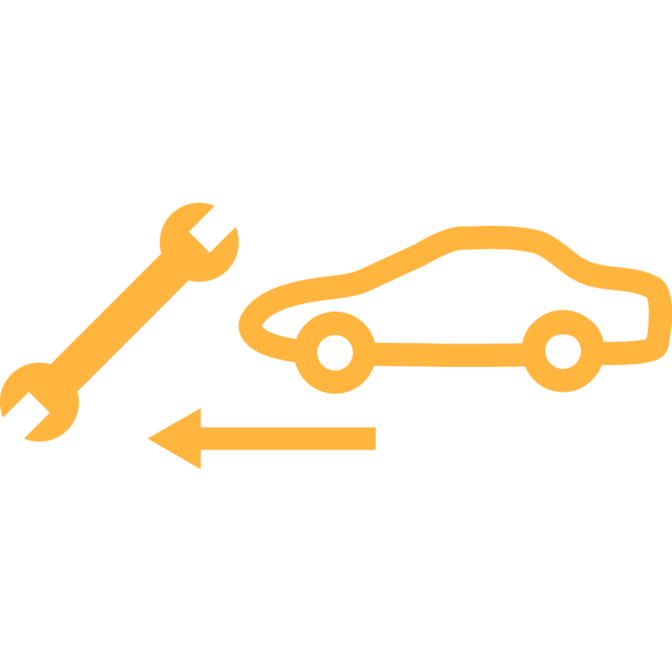 | Spanner or wrench · Check the maintenance information. |
A service reminder usually refers to maintenance timing or a service item. It does not replace the separate warnings for oil pressure, engine malfunction, or braking faults. The displayed code or message is more useful than the spanner alone.
We should check which work is due and arrange it using the schedule for the vehicle and its operating conditions. Reset the reminder only after the required maintenance. Clearing it without servicing the car changes the display, not the condition of its components.
Temperature, Stop/Start, and Hybrid Indicators
21. Blue Coolant Temperature Indicator
 | Blue thermometer · The engine coolant is still cold. |
A blue temperature light after a cold start is generally a status indication on Jazz models that use it. It normally goes out as the engine warms. We can drive gently while avoiding high engine speeds and heavy load.
If it remains on unusually long, behaves erratically, or accompanies other symptoms, have the cooling system and temperature sensing checked. We should never confuse this blue cold-engine indication with the red high-temperature warning, which requires an urgent response.
22. Auto Idle Stop Indicator
 | A with a circular arrow · Check colour and message. |
On equipped petrol Jazz models, the auto-idle-stop indication reports temporary stop/start operation. A normal engine stop can be part of fuel-saving operation, while an amber fault indication needs checking.
The system may withhold an automatic stop for normal operating reasons, so an engine that stays running is not automatically faulty. We should read the message and handbook before seeking a reset. The e:HEV’s engine switching follows hybrid operating logic rather than conventional petrol idle-stop operation.
23. READY Indicator on the Jazz e:HEV
 | READY · The hybrid system is operational and the car can move. |
The image is Honda’s generic ready-to-drive reference graphic; the Jazz e:HEV display uses a READY indication. READY means the vehicle is ready to drive even if the petrol engine is silent. We should use this indicator, not engine noise alone, to understand whether the hybrid system is active.
Before leaving, follow the normal parking and shutdown procedure. If READY does not appear when expected, check the accompanying instructions rather than repeatedly selecting a drive position. A separate power-system warning needs its own assessment; READY is normally an operating status.
24. EV Indicator on the Jazz e:HEV
 | EV · Electric-motor driving with the engine stopped. |
The EV indicator reports an operating condition of the hybrid drive system. It can illuminate when the car is propelled by the motor and the petrol engine is not running. It is not, by itself, a battery fault.
The engine can start automatically when conditions require it. We should not interpret EV as a guaranteed electric range or a promise that the car will remain silent. Normal changes between hybrid operating modes do not automatically indicate a malfunction.
25. Power System Warning on the Jazz e:HEV
 | Power-system warning · Hybrid drive inspection required. |
A persistent power-system indicator can identify a problem with the electric side of the hybrid system. Read the complete message and arrange prompt professional inspection. The symbol alone cannot identify a failed battery or another specific component.
If the display tells us to stop, or the vehicle loses power or behaves abnormally, stop safely and obtain assistance. Do not touch high-voltage components or orange cables. We should use hybrid-specific guidance rather than a generic petrol-engine reset routine.
Brake Hold and Honda Sensing Indicators
26. Automatic Brake Hold System Indicator
 | BRAKE HOLD · The brake-hold function is enabled. |
The system-on indication tells us that automatic brake hold has been switched on. It is separate from the indication confirming that the brakes are currently holding the stopped vehicle. Being enabled does not mean the car is held in every situation.
We should remain ready to press the brake pedal and check the operating conditions. Use the prescribed parking procedure before leaving the car. Automatic brake hold supports temporary stops; it should not be treated as a substitute for securing a parked vehicle.
27. Automatic Brake Hold Active Indicator
 | Hold-active symbol · The system is holding the vehicle. |
This separate indicator confirms active holding on the referenced Honda system. The car must meet the required conditions for the feature to maintain a stop, and operation can change with driver inputs or a system warning.
We should supervise the vehicle and keep ready to brake if it moves. Read any warning about the electric parking brake or brake-hold system. Understanding the distinction between enabled and actively holding is particularly useful in slow traffic.
28. Collision Mitigation Braking System Indicator
 | Collision graphic · Check CMBS status and the message. |
Honda Sensing-equipped Jazz models can display warnings about Collision Mitigation Braking System availability. A disabled setting, an obstructed sensing area, operating limits, or a fault can require different actions. Newer clusters may use a broader safety-support indication instead of this reference graphic.
We must continue judging traffic and braking ourselves. When parked, check the stated reason and follow camera-cleaning instructions if applicable. A persistent fault needs diagnosis; automatic braking cannot be relied on to prevent every collision.
29. Lane Keeping Assist System Indicator
 | LKAS · Read the colour and lane-status display. |
A lane-keeping indicator can show that the system is selected, ready to assist, or affected by a problem. Colour, lane-line graphics, and the accompanying message vary by generation. The letters alone do not prove a fault.
We should keep steering actively. Poor markings, bends, weather, and other operating limits can reduce assistance. Have a persistent malfunction checked, but distinguish it from a normal standby state when the system cannot currently identify suitable lane boundaries.
30. Road Departure Mitigation Warning
 | Road-boundary graphic · Check the safety-support message. |
Road Departure Mitigation can assist when the car risks leaving the road or its lane under the system’s operating conditions. Its warning or status presentation differs between Jazz versions and may be included within a shared safety-support display.
We should read whether the feature is off, temporarily unavailable, or malfunctioning. Keep full control of steering and speed. Cleaning an obstructed camera area as instructed may resolve an availability message, but a continuing fault should be inspected rather than repeatedly dismissed.
31. Adaptive Cruise Control Indicator
 | ACC · Distinguish normal cruise status from a fault. |
On equipped Jazz e:HEV models, ACC can manage speed and following distance within its operating limits. An amber warning or fault message differs from an ordinary selected or active indication. Refer to the actual cluster display when interpreting this reference symbol.
We should maintain a safe gap and stay ready to brake, especially if assistance becomes unavailable. ACC does not remove the need to supervise traffic. A persistent fault requires inspection even if the vehicle drives normally under manual control.
Cruise Control, Economy, and Lighting Symbols
32. CRUISE MAIN Indicator
 | CRUISE MAIN · Conventional cruise control is switched on. |
On older equipped Jazz versions, CRUISE MAIN indicates that conventional cruise control is available for use. It does not necessarily mean a speed has been set or that the car is maintaining it.
We should check for the separate active indication and confirm the intended speed. Conventional cruise control does not automatically maintain a gap from traffic ahead. Use it only in appropriate conditions and switch it off when it is no longer useful.
33. CRUISE CONTROL Indicator
 | CRUISE CONTROL · A cruising speed has been set. |
This indication normally confirms active conventional cruise control on applicable models. It is a normal status lamp rather than an engine or transmission warning.
Watch the road and remain ready to cancel cruise control or brake. We should not confuse it with adaptive cruise control just because both systems regulate speed. Equipment, cancellation behaviour, and operating conditions must be checked in the handbook for the exact vehicle.
34. ECON Mode Indicator
 | Leaf or ECON symbol · Economy mode is selected. |
On versions with ECON mode, this indication confirms an economy-oriented setting. It can change how certain functions respond, depending on the model. It is normally informational and does not mean the engine has a fault.
We should distinguish ECON from the efficiency coaching or ECO indications on some older clusters. A green economy symbol does not guarantee a particular fuel consumption figure. Traffic, temperature, tyres, load, and driving style still affect the result.
35. High Beam Indicator
 | Blue headlamp · Main-beam headlights are on. |
The blue headlamp symbol normally confirms high-beam operation or headlight flashing. It is an everyday status indicator and does not require a repair simply because it illuminates.
Dip the headlights when needed to avoid dazzling other road users. We should check the stalk position if high beam appears unexpectedly. Automatic lighting can assist, but the driver remains responsible for selecting suitable illumination for the surrounding traffic and conditions.
36. Automatic High Beam Indicator
 | Headlamp with A · Automatic high-beam operation is enabled. |
This symbol identifies the automatic high-beam feature on equipped Jazz versions. It is different from the plain blue lamp confirming that high beam is actually on. Its precise colour and display depend on the cluster.
We should supervise the lighting and override it when necessary. Weather, road layout, and vehicle detection can affect switching. If a camera or lighting-system warning appears, follow that message rather than assuming the automatic function is operating as intended.
37. Lights-On Indicator
 | Paired lamps · Exterior lighting is selected. |
The lights-on symbol reports an exterior-lighting state described in the handbook. It may appear with position lights or headlights, depending on the controls and model. It is normally a confirmation, not a malfunction warning.
We should verify actual lighting when travelling at night or in poor weather. An illuminated instrument panel or daytime running lights do not by themselves confirm that the complete lighting setup is suitable for darkness. Use the controls deliberately when automatic operation is unsuitable.
38. Front Fog Light Indicator
 | Front fog-lamp symbol · Front fog lights are selected. |
This indicator normally confirms that the front fog lights are on. Availability varies by trim, generation, and market, so a Jazz without the corresponding lamps will not necessarily show this symbol.
We should use fog lights only when appropriate for the conditions and local rules, then switch them off when no longer needed. A normal fog-lamp indicator should be distinguished from a separate light-control warning reporting a problem with the headlights.
39. Rear Fog Light Indicator
 | Rear fog-lamp symbol · The rear fog light is on. |
The rear-fog indicator is normally amber, but it is not a fault warning. It confirms that the bright rear fog light has been selected on vehicles equipped with that function.
Turn it off once visibility improves so it does not dazzle following drivers. We should identify the shape and purpose of the lamp rather than assume every amber symbol requires servicing. Check the lighting controls if it remains on unexpectedly.
40. Turn Signal and Hazard Indicators
 | Flashing arrows · Direction indicators or hazards are operating. |
A flashing arrow normally confirms the selected turn signal. Both directions flashing together normally indicate hazard-light operation. The dashboard indication should correspond with the lights visible outside the car.
We should confirm that the signal cancels after a manoeuvre. Unusually rapid flashing can justify checking the exterior indicators. Hazard lights help warn others, but they do not make an unsafe stopping location safe or replace the need to move out of danger when possible.
References: Honda’s Jazz indicator guide and UK Jazz owner’s manuals, including the 2026 e:HEV manual. Illustrations: Honda owner resources, Honda’s symbol catalogue, and selected Driving Test Tips reference icons. The READY illustration is a Honda hybrid reference symbol. Your cluster’s graphics may differ.
What If Several Honda Jazz Warning Lights Appear Together?
Several warnings can share one underlying cause, but the instrument panel alone cannot tell us which part has failed. A low-voltage supply problem can affect multiple systems, while an engine-management fault may also make certain assistance functions unavailable.
We should respond first to the most urgent instruction. Stop safely if the display requests it, oil pressure is lost, the engine overheats, braking or steering becomes abnormal, or the car develops severe running problems. Once parked, record the messages and whether the lamps were steady or flashing. That information helps a technician choose the next checks.
Can We Reset a Honda Jazz Warning Light?
A reset is appropriate only after the underlying condition has been corrected and the documented procedure calls for it. Resetting a maintenance reminder after servicing is different from clearing an engine or airbag fault. Disconnecting the battery just to extinguish lamps can remove useful diagnostic information without repairing anything.
Tyre-pressure calibration is another example. First check and correct all relevant cold pressures and investigate any leak. Then carry out the calibration specified for the fitted system. We should not teach the system that an underinflated tyre is normal by calibrating before correcting the pressure.
Understanding Your Jazz Dashboard
The most useful approach to Honda Jazz dashboard symbols is to combine the image, colour, flashing pattern, and message. A blue thermometer, green ECON indication, or normal EV display has a different purpose from a red oil-pressure warning or a flashing engine light.
We can use this guide to recognise common symbols, then confirm the instructions in the correct handbook. When the warning concerns a critical system, a safe stop and proper diagnosis matter more than making the light disappear.
Frequently Asked Questions
1. What does the blue temperature light mean on a Honda Jazz?
On models with this indicator, it means the engine coolant is still cold. We can normally drive gently while the engine warms, avoiding high revs and heavy load. A light that remains on unusually long should be checked. The red temperature warning has a different, urgent meaning.
2. Why is the D light flashing on my Honda Jazz?
On applicable automatic or CVT versions, a flashing transmission indication can report a gearbox-system problem. Avoid sudden acceleration and arrange prompt diagnosis. We should stop and request assistance if the car loses drive, jerks severely, or shows an urgent message.
3. How do we reset the Honda Jazz tyre-pressure light?
First set the cold tyre pressures to the vehicle label and repair any puncture or leak. If the fitted deflation warning system requires calibration, use the exact handbook procedure. The menu or button sequence differs by model; a persistent fault needs diagnosis rather than repeated resets.
4. Is it safe to drive with the Honda Jazz engine light on?
A steady light with normal running still needs prompt diagnosis and the handbook’s guidance. A flashing lamp, severe misfire, loss of power, overheating, or another urgent warning calls for a safe stop and advice. We cannot decide whether continued driving is safe from the lamp’s colour alone.
5. What is the difference between READY and EV on a Jazz e:HEV?
READY means the hybrid system is operational and the vehicle can move, even with a silent engine. EV indicates electric-motor propulsion with the petrol engine stopped. We still need to park and shut down the car properly before leaving it.
If you want to know other articles similar to Honda Jazz Warning Lights and Dashboard Symbols you can visit the category Service and Parts.
Volvo S90 Engine Oil: Type, Capacity & Change Guide
Volvo S90 Boot Space: Size, Capacity and Practicality
SEO Title: Volvo S90 Oil Capacity: Complete Guide by Engine

Kia Sorento Oil Type: Complete Guide by Year & Engine
Kia Sorento Engine Capacity: Complete Guide by Year
Peugeot 308 Clutch Replacement Cost: Complete UK Guide for 2026
Leave a Reply
More content of your interest