

How Long Do Ram 1500 Last? Mileage, Lifespan, and Reliability Guide

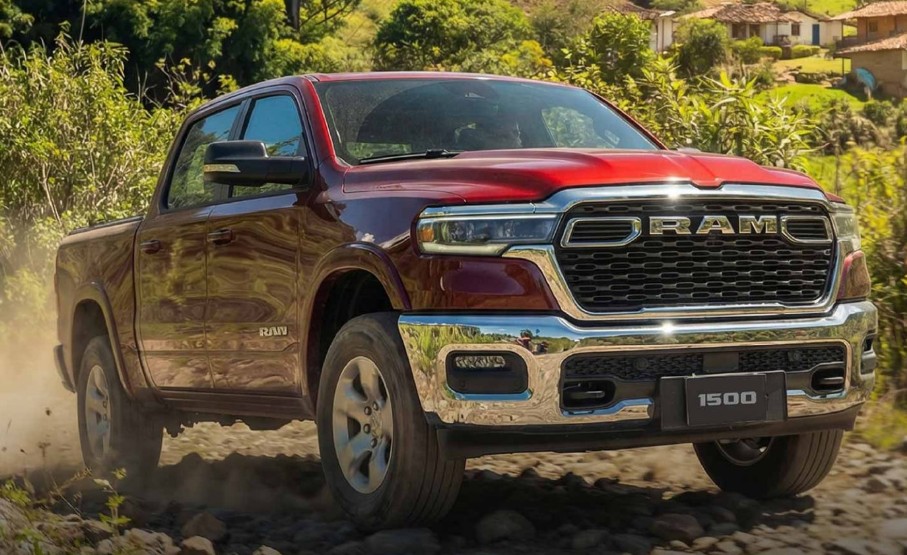
Buying a full-size pickup is rarely a short-term decision. These trucks haul trailers, carry tools, survive long highway trips, sit through freezing mornings, and sometimes become part of the family for well over a decade. So, naturally, one question matters more than almost any other: how long do Ram 1500 last?
A well-maintained Ram 1500 can commonly reach 200,000 miles, while carefully maintained examples may continue beyond 250,000 or even 300,000 miles. That does not mean every Ram will effortlessly reach those numbers. Engine choice, transmission condition, towing history, maintenance, climate, driving habits, and previous ownership can dramatically influence how long the truck remains dependable.
Think of mileage as only one chapter of the story. A 180,000-mile Ram that spent its life cruising highways and receiving regular maintenance can sometimes be a smarter purchase than a neglected 90,000-mile truck that constantly hauled near its limits.
In this guide, we'll examine realistic Ram 1500 life expectancy, what happens at different mileage milestones, which components usually determine the truck's usable lifespan, and what we can do to keep one running for as long as possible.
Content in this publication
- How Many Miles Does a Ram 1500 Last?
- How Many Years Can a Ram 1500 Last?
- What Determines How Long a Ram 1500 Lasts?
- 2. Engine Choice
- 3. Transmission Maintenance and Driving Style
- 4. Highway Miles Versus City Miles
- 5. Rust and Climate
- Ram 1500 Lifespan by Mileage
- What Usually Prevents a Ram 1500 From Lasting Longer?
- How to Make a Ram 1500 Last Longer
- Is a Ram 1500 With 100,000 Miles Worth Buying?
- Is 200,000 Miles High for a Ram 1500?
- How Expensive Is Keeping a High-Mileage Ram?
- When Should We Stop Repairing an Old Ram 1500?
- Ram 1500 Longevity: Maintenance Matters More Than the Odometer
- How Long Do Ram 1500 Last Compared With Other Trucks?
- Should You Keep a Ram 1500 Past 200,000 Miles?
- Final Thoughts: How Long Can a Ram 1500 Really Last?
- Frequently Asked Questions
How Many Miles Does a Ram 1500 Last?
For most owners, 200,000 miles is a realistic long-term target for a Ram 1500 that receives proper maintenance.
Reaching 200,000 miles does not necessarily mean the truck is finished. Instead, it is usually the point where maintenance history becomes increasingly important.
We can roughly think about Ram 1500 mileage like this:
| Mileage | What We Might Expect |
|---|---|
| Under 75,000 miles | Relatively young with normal maintenance |
| 75,000–125,000 miles | Wear items become increasingly important |
| 125,000–175,000 miles | Maintenance history starts separating good trucks from neglected ones |
| 175,000–200,000 miles | Higher likelihood of suspension, cooling, electrical, or drivetrain repairs |
| 200,000–250,000 miles | Achievable with strong maintenance |
| 250,000+ miles | Possible, but condition matters far more than mileage |
| 300,000+ miles | Exceptional rather than something every owner should expect |
There is no magical odometer reading at which a Ram suddenly expires.
Instead, trucks usually become uneconomical when several expensive repairs arrive close together. An engine may still run perfectly while the transmission, suspension, electronics, air conditioning, differential, and steering system gradually demand attention.
That distinction matters.
Can a Ram 1500 Last 200,000 Miles?
Yes. 200,000 miles is entirely achievable for a properly maintained Ram 1500.
The key phrase is "properly maintained."
Oil changes alone are not enough. Long-term ownership involves looking after the entire vehicle: transmission, cooling system, differential, brakes, suspension, fluids, filters, ignition components, and other wear items.
Owners who respond quickly to small problems also tend to fare better.
A tiny coolant leak ignored for months can eventually become an overheating problem. A slight drivetrain vibration can turn into a more expensive repair. A minor suspension noise can accelerate tire wear.
Longevity is often less about avoiding problems altogether and more about preventing small problems from becoming big ones.
Can a Ram 1500 Reach 300,000 Miles?
It can, but we should separate possible from typical.
Some Ram 1500 trucks can exceed 300,000 miles, especially when they have favorable operating conditions and excellent maintenance histories. However, buyers should not assume every Ram 1500 will reach that milestone without significant repairs.
By 300,000 miles, even a durable engine has accumulated enormous operating time.
Bushings have flexed millions of times. Bearings have rotated countless revolutions. Electrical connectors have endured years of heat cycles and vibration. Seals have aged. Suspension components have absorbed thousands of impacts.
At that stage, longevity becomes a battle against accumulated wear.
How Many Years Can a Ram 1500 Last?
Mileage is only half of the equation.
If someone drives around 12,000 miles annually, reaching 200,000 miles would take roughly 16 to 17 years. A driver covering 15,000 miles annually could reach the same mileage in about 13 years.
Consequently, a well-maintained Ram 1500 can potentially remain usable for 15 years or longer.
Low annual mileage does not automatically guarantee longevity, though.
Time creates its own problems.
Rubber seals harden. Batteries weaken. Corrosion develops. Fluids absorb contaminants. Wiring ages. Plastic becomes brittle. Vehicles driven only occasionally can also experience problems related to extended storage and short trips.
Mileage Versus Age: Which Matters More?
Neither number tells the complete story.
Suppose we have two trucks.
One is eight years old with 170,000 highway miles. The other is 12 years old with only 80,000 miles but spent most of its life making short city trips.
Which one is better?
We cannot answer from mileage alone.
Highway driving generally produces fewer cold starts per mile and less braking, shifting, steering, and suspension activity than stop-and-go city driving.
That is why maintenance records and vehicle condition should always accompany the odometer reading.
What Determines How Long a Ram 1500 Lasts?
Several factors ultimately determine whether a Ram becomes a long-term workhorse or an expensive driveway decoration.
1. Maintenance History
Maintenance is the heavyweight champion of vehicle longevity.
Regular engine oil changes are critical, but we should also consider:
- Transmission servicing when appropriate
- Differential fluid
- Transfer case fluid on four-wheel-drive trucks
- Coolant
- Brake fluid
- Spark plugs
- Engine and cabin filters
- Belts and hoses
- Battery condition
- Suspension inspection
- Tire rotation and alignment
- Brake maintenance
The owner's manual should remain the primary reference for the maintenance requirements of the specific model year, engine, drivetrain, and operating conditions.
Why Maintenance Records Matter on Used Rams
A folder filled with invoices may be more valuable than a shiny coat of wax.
Documentation tells us whether the previous owner actually maintained the truck instead of simply claiming they did.
When buying used, records showing consistent maintenance over many years are a major advantage.
2. Engine Choice
Ram 1500 trucks have been offered with different engines over the years, and engine selection can affect long-term ownership costs.
One of the most familiar choices is the 5.7-liter HEMI V8, while different generations have also offered V6, diesel, turbocharged, and electrified powertrain configurations.
Each has different strengths and maintenance requirements.
Rather than declaring one engine universally "best," we should evaluate the specific engine's maintenance history and known trouble areas.
How Long Does the Ram 1500 5.7 HEMI Last?
A properly maintained 5.7 HEMI can potentially remain serviceable beyond 200,000 miles.
However, maintenance quality becomes increasingly important as mileage climbs.
Oil condition deserves particular attention because lubrication is critical to internal engine components. Owners should also investigate unusual ticking, misfires, oil consumption, coolant loss, warning lights, and abnormal exhaust smoke rather than assuming every sound is normal.
A HEMI that has received consistent maintenance can be a completely different ownership proposition from one that has endured extended oil-change intervals and years of neglect.
How Long Does a Ram 1500 V6 Last?
A Ram 1500 equipped with a gasoline V6 can also offer a long service life.
Again, there is no fixed expiration mileage. Reaching 200,000 miles is plausible when the engine and surrounding systems have been maintained correctly.
At higher mileage, however, we should remember that the engine is only part of the equation. Cooling components, sensors, mounts, transmission components, suspension parts, and electrical systems may require attention even when the engine itself remains healthy.
3. Transmission Maintenance and Driving Style
We often focus so heavily on engines that we forget the transmission.
That is a mistake.
A healthy engine attached to a failing transmission does not make for a particularly useful truck.
Ram 1500 trucks have used different automatic transmissions depending on model year and powertrain. Their long-term durability depends on operating conditions, service history, heat exposure, towing demands, and driving behavior.
Watch for symptoms such as:
- Delayed engagement
- Harsh shifts
- Shuddering
- Transmission slipping
- Unusual noises
- Fluid leaks
- Warning messages
- Changes in normal shift behavior
These symptoms do not automatically mean the transmission has failed, but they justify proper diagnosis.
Does Towing Shorten Ram 1500 Life Expectancy?
Not automatically.
Pickup trucks are designed to tow within their rated limits. Properly configured towing performed within the manufacturer's limits should not be treated like mechanical abuse.
Heavy towing does, however, increase the workload placed on the drivetrain, cooling system, brakes, suspension, and tires.
Imagine walking five miles with an empty backpack versus carrying 40 pounds. Both journeys are possible, but one creates substantially more stress.
The same principle applies here.
Owners who tow frequently should pay particular attention to severe-duty maintenance requirements applicable to their truck.
You may be interested in reading Will Ram 1500 Seats Fit a 2500? Complete Compatibility Guide
4. Highway Miles Versus City Miles
Not all miles are equal.
Highway driving usually allows the engine to operate at stable temperatures and speeds for longer periods. City driving introduces more acceleration, braking, shifting, idling, steering, and heat cycling.
That means a high-mileage highway truck can sometimes show surprisingly little mechanical wear.
Are Short Trips Bad for Longevity?
Repeated short journeys can be harder on vehicles than we might assume.
Engines operate most efficiently after reaching normal operating temperature. A truck constantly driven only a few miles at a time experiences repeated cold starts without much sustained operating time.
Short trips can therefore represent relatively demanding use despite adding very little mileage.
5. Rust and Climate
Sometimes the engine does not decide when a truck's life ends.
Rust does.
Vehicles operated where road salt is heavily used can develop corrosion on frames, suspension components, brake lines, fasteners, and body panels.
A mechanically strong engine inside a badly corroded truck does not necessarily make financial sense to preserve.
Why Undercarriage Inspection Matters
When evaluating an older Ram 1500, look underneath it.
Surface corrosion and serious structural corrosion are not the same thing. If we are uncertain about what we see, a professional pre-purchase inspection is worth considering.
The underside can reveal a truck's past surprisingly quickly.
Ram 1500 Lifespan by Mileage
Instead of treating 200,000 miles as one enormous destination, it helps to examine the journey in stages.
0–50,000 Miles: The Early Years
During this period, we would generally expect routine maintenance rather than major age-related repairs.
The priority is establishing good habits early.
Correct fluids, regular servicing, sensible warm-up behavior, proper tire pressure, and immediate attention to warning lights create the foundation for future reliability.
A truck's path toward 200,000 miles starts long before the odometer reaches six figures.
50,000–100,000 Miles: Wear Starts Appearing
As mileage accumulates, ordinary wear becomes more noticeable.
Depending on operating conditions, we may encounter brake replacement, tires, batteries, suspension wear, spark plugs, fluid servicing, and other routine maintenance items.
This is not necessarily a sign that the truck is unreliable.
Parts wear out. That is what moving machinery does.
100,000–150,000 Miles: Maintenance History Takes Control
Once a Ram passes 100,000 miles, its previous treatment becomes increasingly visible.
A meticulously maintained truck can still feel solid. A neglected one may begin producing problem after problem.
This is where we should pay close attention to:
- Oil or coolant leaks
- Suspension noises
- Transmission behavior
- Steering looseness
- Cooling-system performance
- Engine noises
- Electrical faults
- Uneven tire wear
The odometer is no longer the star of the show. Condition is.
150,000–200,000 Miles: Expect Repairs, Not Disaster
Owners sometimes become nervous once a truck crosses 150,000 miles.
There is no reason to panic simply because the odometer has entered unfamiliar territory.
However, expecting a 170,000-mile truck to behave exactly like a 30,000-mile truck is unrealistic.
Components have aged, and repairs become increasingly probable.
The better question is not, "Will anything break?"
It is, "Are the expected repairs reasonable compared with replacing the truck?"
200,000 Miles and Beyond
At this stage, preventative maintenance and sensible repair decisions become extremely important.
A 200,000-mile Ram may still provide years of service, but we should evaluate the vehicle as a complete system.
If the engine runs beautifully but the truck needs a transmission, suspension overhaul, air-conditioning repairs, tires, brakes, and extensive rust work, keeping it may become difficult to justify.
On the other hand, a well-maintained truck that has already received many of those repairs may still have plenty of useful life ahead.
What Usually Prevents a Ram 1500 From Lasting Longer?
Vehicles rarely die from mileage itself.
They reach the end of their practical lives when repairs become too frequent or expensive relative to the vehicle's value.
Common longevity killers include neglected maintenance, overheating, prolonged fluid leaks, corrosion, repeated overloading, unresolved transmission problems, poor-quality repairs, accident damage, and owners continuing to drive after serious warning signs appear.
One ignored problem can trigger several others.
A cooling-system issue can cause overheating. Overheating can damage engine components. Suddenly, what started as a manageable repair becomes a major financial decision.
How to Make a Ram 1500 Last Longer
If our goal is 200,000 miles and beyond, consistency beats heroics.
We do not need to treat the truck like a museum exhibit. We simply need to maintain it intelligently.
Follow the Correct Maintenance Schedule
Use the maintenance information specified for the truck's exact year, engine, drivetrain, and usage pattern.
A truck regularly towing heavy loads may require different attention from one primarily used for commuting.
Never Ignore Fluids
Fluids are the bloodstream of a vehicle.
Engine oil receives most of the attention, but transmission fluid, coolant, brake fluid, differential lubricant, and transfer case fluid can also affect long-term reliability.
Correct specifications matter just as much as replacement intervals.
Fix Small Leaks Early
A tiny spot under the truck can be easy to dismiss.
We should resist that temptation.
Leaks rarely repair themselves.
Identifying whether the fluid is oil, coolant, transmission fluid, or something else allows us to address the underlying problem before fluid loss causes secondary damage.
Do Not Ignore Warning Lights
A warning light is the truck asking for attention.
Clearing a fault code without diagnosing its cause is like removing the batteries from a smoke alarm because the noise is annoying.
The silence does not solve the underlying problem.
Avoid Constant Overloading
The payload and towing ratings exist for a reason.
Operating within the truck's limits protects the drivetrain, suspension, brakes, tires, and cooling system.
If a truck constantly works near its maximum capacity, increased maintenance should not come as a surprise.
Keep the Cooling System Healthy
Heat is one of the greatest enemies of mechanical longevity.
Watch coolant levels, inspect for leaks, and investigate abnormal operating temperatures quickly.
A healthy cooling system is one of the strongest defenses against catastrophic engine damage.
Is a Ram 1500 With 100,000 Miles Worth Buying?
Potentially, yes.
A 100,000-mile Ram 1500 should not automatically be considered "high mileage" in the sense that it is near the end of its life.
But we should investigate the truck rather than simply admiring the price.
You may be interested in readingWill Ram 1500 Seats Fit a 2500? Complete Compatibility GuideYou may be interested in reading
Will Ram 1500 Fit in Garage? Complete Size GuideService records matter. So does evidence of towing, modifications, accidents, corrosion, fluid leaks, warning lights, and neglected maintenance.
A professional pre-purchase inspection can be especially valuable on older trucks.
What Is Too Many Miles for a Used Ram 1500?
There is no universal cutoff.
For some buyers, 150,000 miles may be too much. For someone comfortable performing repairs and looking for inexpensive transportation, a carefully maintained 180,000-mile truck could make sense.
Instead of asking only, "How many miles does it have?" ask:
"What happened during those miles?"
That question is far more revealing.
A truck with 140,000 documented, carefully maintained highway miles can be more attractive than one with 85,000 mysterious miles and virtually no service records.
Is 200,000 Miles High for a Ram 1500?
Yes, 200,000 miles is high mileage for virtually any light-duty pickup.
But high mileage and unusable are not synonyms.
At 200,000 miles, condition matters enormously.
If the engine has good operating characteristics, the transmission shifts correctly, corrosion is controlled, maintenance has been documented, and major systems remain healthy, the truck may continue providing useful service.
We simply need realistic expectations.
A 200,000-mile vehicle will probably require repairs eventually. Budgeting for them is part of high-mileage ownership.
How Expensive Is Keeping a High-Mileage Ram?
This depends on which components fail and whether we perform any work ourselves.
Routine maintenance is generally manageable. Major drivetrain or electronic repairs can be much more expensive.
This is why we should look at annual ownership cost rather than reacting emotionally to individual repairs.
Suppose an older paid-off Ram needs a substantial repair.
The immediate reaction may be, "I'm not putting that much money into an old truck."
But compare that repair with monthly payments, depreciation, taxes, and insurance on a replacement truck.
Sometimes repairing the old Ram makes financial sense.
Sometimes it does not.
The numbers should make the decision.
When Should We Stop Repairing an Old Ram 1500?
There is no single mileage where we should walk away.
Instead, look at the combination of vehicle value, upcoming repairs, reliability needs, structural condition, and total annual maintenance cost.
Multiple major problems appearing simultaneously can be a warning.
For example, significant rust combined with transmission trouble and serious engine problems creates a very different calculation than replacing a water pump on an otherwise healthy truck.
The Reliability Question Changes With Age
When a Ram is new, reliability means avoiding unexpected problems.
At 200,000 miles, reliability means something slightly different.
We expect parts to wear out eventually. The objective becomes maintaining predictable transportation without allowing repair expenses to spiral out of control.
That mindset makes high-mileage ownership far less frustrating.
Ram 1500 Longevity: Maintenance Matters More Than the Odometer
People love simple numbers.
"Ram 1500s last exactly 200,000 miles."
It sounds reassuring.
Unfortunately, vehicles do not work that way.
Two identical trucks leaving the same factory can have radically different futures. One might spend years towing, idling, and navigating salted winter roads. Another might cruise warm highways and receive meticulous servicing.
After 12 years, they may technically be the same model but mechanically feel like completely different vehicles.
Maintenance creates that difference.
So does environment.
So does driving style.
So does luck.
How Long Do Ram 1500 Last Compared With Other Trucks?
The Ram 1500 competes in a demanding segment alongside trucks such as the Ford F-150, Chevrolet Silverado 1500, GMC Sierra 1500, and Toyota Tundra.
All of these trucks can accumulate substantial mileage when maintained correctly.
Rather than choosing a used truck exclusively because one brand supposedly lasts a certain number of miles, we should compare the actual vehicles in front of us.
Service history, engine condition, transmission behavior, corrosion, ownership history, accident history, and price can outweigh broad brand reputations.
A well-maintained Ram is usually a better bet than a neglected competitor simply because someone on the internet claims the competing badge is more reliable.
Should You Keep a Ram 1500 Past 200,000 Miles?
If it remains structurally sound, mechanically dependable, and economically sensible to maintain, absolutely.
There is no prize for replacing a perfectly functional truck just because its odometer rolled past 200,000.
Likewise, there is no prize for pouring endless money into a vehicle that has become unreliable and structurally compromised.
We need to judge the individual truck.
Ask yourself three questions:
- Is it dependable enough for how I use it?
- Are annual repair costs still reasonable?
- Would replacing it actually cost less overall?
Those answers tell us more than mileage ever will.
Final Thoughts: How Long Can a Ram 1500 Really Last?
So, how long do Ram 1500 last?
A reasonable target for a properly maintained Ram 1500 is around 200,000 miles, while well-cared-for trucks can potentially continue through 250,000 miles and beyond. Reaching 300,000 miles is possible, but it should be viewed as an impressive outcome rather than a guaranteed lifespan.
More importantly, mileage alone does not determine longevity.
Maintenance history, engine condition, transmission health, towing habits, corrosion, climate, driving style, and previous repairs all influence whether a truck reaches old age gracefully.
We should think about a Ram 1500 like a pair of quality work boots. Use them hard without caring for them, and they wear out quickly. Clean them, maintain them, repair small damage early, and they can surprise us with how long they remain useful.
If we already own a Ram, consistent maintenance gives us the best chance of reaching 200,000 miles and beyond.
If we're shopping for a used one, forget the obsession with finding the lowest odometer reading possible.
Find the truck with the best story.
And make sure that story comes with maintenance records.
Frequently Asked Questions
1. How many miles can a Ram 1500 last?
A well-maintained Ram 1500 can reasonably reach around 200,000 miles. Some trucks can exceed 250,000 miles, while exceptionally well-maintained examples may reach 300,000 miles or more. Actual lifespan depends heavily on maintenance, operating conditions, engine and transmission health, and previous use.
2. Is 150,000 miles a lot for a Ram 1500?
It is significant mileage, but it does not necessarily mean the truck is near the end of its usable life. A Ram with 150,000 documented and carefully maintained miles can still provide considerable service. At this mileage, condition and maintenance records become more important than the odometer alone.
3. Can a Ram 1500 last 20 years?
Yes, a Ram 1500 can potentially remain on the road for 20 years, particularly if annual mileage is moderate and maintenance is consistent. Age-related problems such as corrosion, deteriorating rubber components, electrical issues, and seals may become increasingly important even when mileage remains relatively low.
You may be interested in readingWill Ram 1500 Seats Fit a 2500? Complete Compatibility GuideYou may be interested in reading
Will Ram 1500 Fit in Garage? Complete Size GuideYou may be interested in reading
Are Ram 1500 Good Trucks? Reliability, Pros, Cons, and Buying Advice4. Is a Ram 1500 with 100,000 miles worth buying?
It can be. A 100,000-mile Ram with comprehensive service records, minimal corrosion, healthy drivetrain components, and a clean inspection may be a better purchase than a lower-mileage truck with poor maintenance. A professional pre-purchase inspection is advisable when considering an older or higher-mileage vehicle.
5. What is the best way to make a Ram 1500 last 200,000 miles?
Follow the correct maintenance schedule for the specific model, use appropriate fluids, address leaks and warning lights promptly, maintain the cooling and drivetrain systems, avoid exceeding towing or payload limits, and inspect the truck regularly. Consistency is more important than waiting until something breaks.
If you want to know other articles similar to How Long Do Ram 1500 Last? Mileage, Lifespan, and Reliability Guide you can visit the category Blog.
How to Reset the Oil Light on a Kia Sportage

Volvo S90 Reliability: Problems, Costs & Best Years

Is Haval Jolion a Good Car? Honest Review, Reliability, Pros and Cons
How to Start Haval Jolion With Spare Key: Complete Guide
How to Calculate Per Diem on an Auto Loan

How to Calculate the Residual Value of a Car
Leave a Reply
More content of your interest