
How Long Will a Subaru XV Last? Mileage, Lifespan, and Reliability Explained

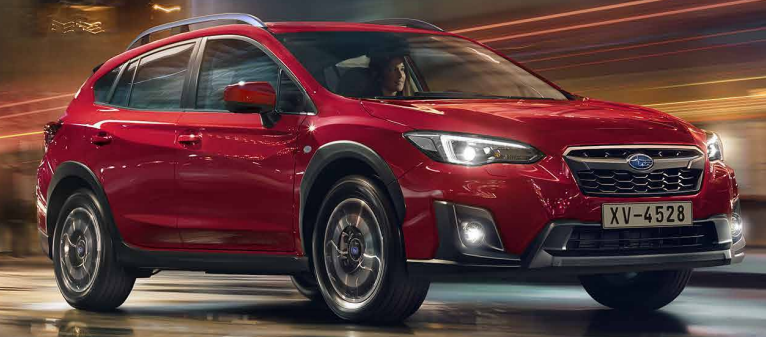
If you're considering buying a Subaru XV—or perhaps there's already one sitting in your driveway—there's a simple question that eventually comes to mind: how long will a Subaru XV last?
The encouraging answer is that a well-maintained Subaru XV can often remain useful for around 200,000 miles (320,000 km) or more, although there is no magic mileage at which every XV suddenly gives up. Some examples will experience expensive repairs considerably earlier, while carefully maintained cars can keep rolling well beyond the mileage most owners expect.
Think of longevity less like an expiration date and more like a marathon. The engine matters, certainly, but maintenance history, driving conditions, transmission care, climate, and even the habits of previous owners can determine whether an XV reaches old age gracefully or limps toward retirement.
In this guide, we'll explore realistic Subaru XV life expectancy, high-mileage reliability, engines, CVT longevity, maintenance, common age-related problems, and what we would check before buying an older example.
Content in this publication
- How Long Will a Subaru XV Last on Average?
- How Many Years Does a Subaru XV Last?
- Can a Subaru XV Reach 200,000 Miles?
- What Determines Subaru XV Life Expectancy?
- How Long Does a Subaru XV Engine Last?
- How Long Does the Subaru XV CVT Last?
- Does Subaru Symmetrical AWD Affect Longevity?
- What Usually Wears Out First on a Subaru XV?
- Subaru XV Reliability After 100,000 Miles
- Subaru XV Reliability After 150,000 Miles
- Is High Mileage Bad on a Subaru XV?
- How Can We Make a Subaru XV Last Longer?
- How Expensive Is an Older Subaru XV to Maintain?
- When Is a Subaru XV Too Old to Keep?
- How Long Will a Used Subaru XV Last?
- What Should a Pre-Purchase Inspection Include?
- Is the Subaru XV a Good Long-Term Car?
- Should You Buy a Subaru XV With 100,000 Miles?
- Should You Buy a Subaru XV With 150,000 Miles?
- How Do You Know When a Subaru XV Is Near the End of Its Life?
- Subaru XV Lifespan: Kilometres Versus Miles
- What Is More Important Than Mileage?
- Final Verdict: How Long Will a Subaru XV Last?
- Frequently Asked Questions
How Long Will a Subaru XV Last on Average?
A sensible expectation for a properly serviced Subaru XV is roughly 150,000 to 200,000+ miles, or approximately 240,000 to 320,000+ kilometres.
That doesn't mean 200,000 miles is guaranteed.
Cars don't read mileage charts.
An XV that spends its life crawling through severe traffic, missing oil changes, and bouncing across neglected roads may develop significant problems relatively early. Another XV driven mostly on highways and maintained carefully could feel remarkably healthy after 150,000 miles.
For long-term ownership, we would consider these rough milestones:
- Under 60,000 miles: Still relatively young if properly maintained.
- 60,000–100,000 miles: Maintenance history becomes increasingly important.
- 100,000–150,000 miles: Wear components and suspension repairs become more likely.
- 150,000–200,000 miles: Excellent territory for a well-kept vehicle, but larger repairs should be expected eventually.
- Beyond 200,000 miles: Possible, particularly with disciplined maintenance, but condition matters far more than the number on the odometer.
So, can a Subaru XV last 20 years? Potentially, yes. But reaching that age comfortably requires something owners sometimes underestimate: consistency.
How Many Years Does a Subaru XV Last?
For an owner travelling around 10,000–15,000 miles annually, a 200,000-mile lifespan translates to roughly 13–20 years of driving.
In reality, time and mileage attack cars differently.
A twelve-year-old XV with only 60,000 miles can still have ageing rubber seals, bushings, batteries, fluids, hoses, and corrosion. Meanwhile, a six-year-old car with 140,000 predominantly highway miles might have accumulated less severe mechanical wear than its odometer initially suggests.
Age Versus Mileage: Which Matters More?
Neither should be considered alone.
High mileage generally means more operating cycles, while age deteriorates materials whether the car moves or not.
When evaluating an older Subaru XV, we'd rather buy a slightly higher-mileage example with:
- Consistent servicing
- Evidence of regular oil changes
- Smooth transmission operation
- No overheating history
- Clean fluid condition
- Healthy suspension
- Sensible previous ownership
than an unusually low-mileage example with large holes in its maintenance history.
Mileage tells us how far the vehicle has travelled. Maintenance tells us how it got there.
Can a Subaru XV Reach 200,000 Miles?
Absolutely possible.
Reaching 200,000 miles is not unrealistic for the Subaru XV platform when the drivetrain is healthy and preventive maintenance hasn't been ignored.
However, don't interpret that statement as meaning every XV is automatically a 200,000-mile vehicle.
Long-lived examples usually have something in common: owners repaired small problems before those problems became expensive ones.
A minor oil leak ignored for years, for instance, can become far more consequential than the original leak. An ageing wheel bearing might initially produce little more than humming. A neglected cooling-system issue can eventually threaten the entire engine.
Longevity often comes down to catching the whispers before they become screams.
Can a Subaru XV Reach 300,000 Miles?
Three hundred thousand miles—roughly 483,000 km—is much more ambitious.
It's possible for individual vehicles, but we would regard it as exceptional rather than typical.
By this mileage, an XV is unlikely to be running exclusively on everything it left the factory with. Suspension components, wheel bearings, cooling components, sensors, drivetrain parts, and possibly major mechanical components may have required attention.
The important distinction is this:
A car can reach 300,000 miles without necessarily reaching it cheaply.
For many owners, the practical lifespan ends when repair expenses exceed what they consider worthwhile—not when the engine literally stops running.
What Determines Subaru XV Life Expectancy?
Two apparently identical Subaru XVs can age completely differently.
Why?
Because longevity is an equation with many variables.
Maintenance History
Routine servicing is probably the biggest controllable factor.
Regular engine oil changes protect internal components from lubrication breakdown, contamination, heat, and excessive wear. Fluid inspections can highlight problems before they become catastrophic. Filters, spark plugs, cooling-system components, brakes, and driveline maintenance all play their part.
Skipping servicing because "the car still feels fine" is like skipping dental appointments because your teeth don't hurt yet.
It works beautifully—until it doesn't.
Driving Conditions
An XV driven primarily along open highways often experiences easier operating conditions than one constantly battling:
- Heavy stop-start traffic
- Short cold trips
- Mountain roads
- Rough surfaces
- Frequent towing
- Dusty environments
- Extreme temperatures
Highway mileage isn't automatically harmless, but steady-speed driving generally places fewer repeated acceleration, braking, and thermal-cycle demands on the drivetrain.
Driving Style
Aggressive acceleration won't instantly destroy an XV. Neither will occasionally enjoying the accelerator.
Constant abuse is different.
Repeated hard acceleration before the engine reaches operating temperature, excessive loads, poor towing practices, and ignoring warning lights can gradually shorten drivetrain life.
Mechanical sympathy sounds old-fashioned, but it works.
Climate and Corrosion
Mechanical health isn't the only thing that can retire a vehicle.
In areas where roads are heavily salted, corrosion can attack:
- Exhaust components
- Fasteners
- Suspension hardware
- Brake components
- Underbody structures
An engine might theoretically have another 80,000 miles left while rust makes repairing the surrounding vehicle economically unattractive.
Underbody Inspections Matter
If we're buying an older XV from a corrosion-prone region, we wouldn't inspect only the shiny paintwork.
We'd get underneath.
A polished bonnet can distract us beautifully from a miserable underbody.
How Long Does a Subaru XV Engine Last?
With suitable maintenance, Subaru XV engines can potentially operate beyond 150,000–200,000 miles, and some go substantially farther.
The exact longevity depends on engine generation, regional specification, maintenance, use, and repair history.
The XV has been sold with different powertrains internationally, so there isn't one universal engine-life number.
What matters most for longevity is whether the engine has consistently received the basics it needs.
Oil Changes Are Critical
Engine oil isn't merely another maintenance item. It's effectively the bloodstream of the engine.
As oil ages, contamination increases and its ability to protect components can deteriorate.
For that reason, we would follow the correct service schedule for the specific model, engine, climate, and driving pattern rather than assuming one universal interval fits every XV.
Severe operating conditions can justify particularly close attention to oil condition and service intervals.
Check the Oil Level Between Services
Servicing on schedule is important, but so is checking the level periodically.
Engines can consume or leak oil.
A vehicle doesn't need to leave a dramatic puddle underneath itself to gradually lose enough oil to become a concern.
High-mileage XV owners should become comfortable checking the dipstick. It takes minutes and can reveal a developing issue surprisingly early.
How Long Does the Subaru XV CVT Last?
This is where many prospective owners become nervous.
Many Subaru XV models use a continuously variable transmission, or CVT. CVTs operate differently from conventional stepped automatics, and their long-term reputation frequently becomes a major topic when people shop for used Subarus.
There is no fixed mileage at which the XV's CVT fails.
A well-maintained unit may deliver a long service life, potentially exceeding 100,000 miles by a substantial margin. Conversely, transmission problems can occur earlier due to wear, operating conditions, servicing history, manufacturing differences, or other mechanical factors.
Signs a High-Mileage CVT Deserves Attention
We would investigate symptoms such as:
- Unusual shuddering
- Delayed engagement
- Abnormal whining
- Hesitation
- Warning lights
- Irregular engine-speed behaviour
- Transmission-fluid leaks
- Noticeably worsening drivability
Not every unusual sensation indicates CVT failure—the operating characteristics of a CVT can feel different from a traditional automatic—but obvious changes deserve diagnosis.
CVT Maintenance Can Influence Longevity
Transmission servicing is one area where vague internet advice can become dangerous.
Fluid requirements and replacement guidance may differ according to market, model year, transmission version, and operating conditions.
You may be interested in reading Land Rover Defender 90 Reliability: How Dependable Is It Really?
Our approach?
Follow the service documentation relevant to the actual vehicle and use the specified fluid. If the maintenance history of a used XV is unclear, consult a Subaru specialist rather than improvising.
Cheap fluid in the wrong gearbox isn't saving money. It's buying a lottery ticket we don't want.
Does Subaru Symmetrical AWD Affect Longevity?
One reason buyers choose the XV is its all-wheel-drive capability.
The system provides valuable traction, particularly in poor weather or on loose surfaces, but an AWD drivetrain contains components that should not be treated casually.
One surprisingly important factor is tyres.
Keep Tyres Properly Matched
Because all four wheels participate in the drivetrain, owners should pay close attention to tyre:
- Size
- Wear
- Pressure
- Circumference
- Condition
Using badly mismatched tyres can create unnecessary differences in rotational speed across the drivetrain.
A full set of properly matched tyres isn't merely a traction consideration; it can also be a drivetrain-care consideration.
What Usually Wears Out First on a Subaru XV?
Even if the engine and transmission remain healthy, ordinary components won't last forever.
As mileage climbs, owners may eventually encounter replacement of parts such as:
- Brake pads and rotors
- Wheel bearings
- Suspension bushings
- Shock absorbers or struts
- Batteries
- Spark plugs
- Belts
- Hoses
- Sensors
- Engine mounts
- CV joints or boots
- Exhaust components
These shouldn't automatically make us label the vehicle unreliable.
Every ageing car consumes components.
The better question is whether repairs are occurring at a reasonable frequency and cost relative to the vehicle's usefulness.
Subaru XV Reliability After 100,000 Miles
Crossing 100,000 miles isn't a mechanical cliff.
An XV with 105,000 miles does not suddenly become unreliable simply because another digit appeared on the odometer.
However, the ownership mindset should evolve.
After this point, we'd pay increasing attention to preventive maintenance and age-related wear rather than simply performing oil changes and assuming everything else will look after itself.
What Should We Check Around 100,000 Miles?
Exact servicing varies by model, but a comprehensive inspection could include attention to:
- Engine fluid condition and leaks
- Transmission operation
- Cooling system
- Spark plugs
- Braking components
- Wheel bearings
- Suspension wear
- Steering components
- CV boots
- Tyres
- Battery condition
- Drive belts
- Differential-related service requirements
Service records become especially valuable here.
A 120,000-mile XV with documented maintenance may be a much safer purchase than a 75,000-mile example whose previous owner remembers servicing it "a few times."
Subaru XV Reliability After 150,000 Miles
At around 150,000 miles, condition starts overpowering reputation.
Brand reputation can help us understand broad tendencies, but it cannot tell us whether one particular XV has been serviced correctly.
At this mileage, we would expect some components to have been replaced already.
That's often positive.
Suppose a seller has receipts for quality suspension repairs, wheel bearings, scheduled servicing, and other age-related work. Those invoices don't necessarily reveal a troublesome car—they may reveal someone who actually maintained it.
Repair Records Can Be Good News
Buyers sometimes panic when they see a stack of repair receipts.
We often look at it differently.
A twelve-year-old car with no repair history hasn't necessarily needed nothing. Sometimes nobody bothered recording what happened—or worse, nobody repaired what needed attention.
Documentation is your flashlight in a dark room.
Is High Mileage Bad on a Subaru XV?
Not automatically.
We'd examine how the mileage was accumulated.
Consider two cars.
XV A: 80,000 miles, mostly short urban journeys, irregular servicing.
XV B: 120,000 miles, long-distance commuting, comprehensive service records.
Which would we choose?
Quite possibly XV B.
Mileage matters, but maintenance quality and operating conditions can matter more.
Highway Miles Can Be Easier Miles
Long-distance driving frequently means:
- Fewer cold starts per mile
- Longer periods at operating temperature
- Less repeated acceleration
- Less braking
- Fewer gear-selection cycles
- Potentially less suspension punishment than poor urban roads
This isn't permission to ignore mileage. It's a reminder not to worship the odometer.
How Can We Make a Subaru XV Last Longer?
Want 200,000 miles?
Treat 50,000 miles as though you're already preparing for it.
Longevity begins long before a car becomes old.
1. Change Engine Oil on Schedule
Use the appropriate oil specification and follow the relevant maintenance requirements.
Don't stretch intervals simply to save the price of one service.
2. Check Fluids Regularly
Pay attention to engine oil, coolant, brake fluid, transmission-related fluids where applicable, and other specified service items.
Sudden changes in level can reveal leaks or developing mechanical problems.
3. Never Ignore Overheating
Few things can turn a manageable repair into an engine-scale expense faster than overheating.
If temperature warnings appear, investigate promptly.
4. Keep the Cooling System Healthy
Radiator condition, hoses, coolant, thermostatic components, and related hardware deserve increasing attention as the vehicle ages.
Cooling-system maintenance isn't glamorous.
Neither is replacing an engine.
5. Treat the CVT Properly
Avoid questionable fluids, improper servicing, and ignoring symptoms.
If towing is permitted for your specific model and market, respect the manufacturer's limits and requirements.
6. Maintain Matching Tyres
Keep pressures correct and tyres appropriately matched.
Rotate them according to suitable recommendations to encourage even wear.
7. Warm the Car Sensibly
Modern engines generally don't require extended stationary warm-ups.
However, hammering a cold engine immediately after starting it isn't ideal either.
Start driving gently and allow temperatures to rise naturally before asking for maximum performance.
8. Fix Small Problems Promptly
That slight humming sound?
That new vibration?
The tiny fluid spot underneath the car?
Investigate early.
Mechanical problems rarely become cheaper through neglect.
How Expensive Is an Older Subaru XV to Maintain?
Running costs usually increase with age.
That's normal.
A ten-year-old car might need several wear items during the same year, making maintenance suddenly feel expensive even if none of the individual repairs is particularly unusual.
The useful comparison is not simply:
"How much did I spend repairing it?"
You may be interested in readingLand Rover Defender 90 Reliability: How Dependable Is It Really?You may be interested in reading
 Infiniti QX60 Reliability: Is This Luxury SUV Dependable?
Instead ask:
"How much did it cost me to keep dependable transportation for another year?"
If a $1,000 repair gives an otherwise healthy paid-off XV another two or three useful years, it may make more financial sense than replacing the car.
On the other hand, repeated major drivetrain problems combined with corrosion, suspension wear, electrical issues, and poor overall condition may signal that it's time to move on.
When Is a Subaru XV Too Old to Keep?
There's no universal age.
A 15-year-old XV can still be worth owning if it remains structurally sound, dependable, and affordable to maintain.
We would start questioning continued ownership when several expensive problems stack together.
For example:
- Major engine work is required.
- The transmission is failing.
- Significant structural corrosion exists.
- Suspension needs extensive repairs.
- Electrical faults are multiplying.
- The car's market value is low.
- Reliability has become unpredictable.
One repair rarely kills an old car.
Five repairs arriving together often do.
How Long Will a Used Subaru XV Last?
To estimate the remaining life of a used XV, subtracting current mileage from 200,000 isn't enough.
A vehicle with 100,000 miles doesn't automatically have exactly another 100,000 remaining.
Instead, we'd assess its mechanical age.
Questions to Ask Before Buying
Ask the seller:
- How frequently was it serviced?
- Are maintenance invoices available?
- Has the CVT received any relevant servicing or repairs?
- Has the engine ever overheated?
- Does it consume noticeable amounts of oil?
- Have wheel bearings or suspension components been replaced?
- Has it ever towed regularly?
- Are all four tyres properly matched?
- Has the vehicle been involved in significant accidents?
- Are there current warning lights?
Then verify what you can.
People forget. Receipts don't.
What Should a Pre-Purchase Inspection Include?
For an older Subaru XV, a professional pre-purchase inspection can be worth every penny.
We'd want the technician to examine:
- Engine leaks
- Cooling-system condition
- CVT behaviour
- Differential/drivetrain noise
- Wheel bearings
- Suspension
- Brake condition
- Tyre wear
- CV boots
- Exhaust
- Corrosion
- Diagnostic trouble codes
- Evidence of accident repairs
A mechanic cannot predict every future failure, but they can dramatically reduce the odds of buying someone else's deferred-maintenance project.
Listen During the Test Drive
Turn the radio off.
Really.
Cars speak through noises.
Listen for humming that changes with road speed, knocks over bumps, vibration under acceleration, abnormal drivetrain whine, brake noises, or rattles.
The most expensive sound in a used car can be the one the stereo was hiding.
Is the Subaru XV a Good Long-Term Car?
For the right owner, yes.
The XV combines useful ground clearance, all-wheel drive, practical dimensions, and everyday versatility in a package that can remain viable well into higher mileage when properly maintained.
It isn't immortal.
No car is.
And ownership beyond 100,000 miles demands more attention than simply filling the tank and occasionally changing the oil.
But that's true of almost every vehicle.
A Subaru XV that receives preventive care can be the automotive equivalent of an old hiking jacket. It may accumulate a few marks, replacement pieces, and stories along the way, yet it keeps doing the job.
Should You Buy a Subaru XV With 100,000 Miles?
We wouldn't reject one purely because of the mileage.
At this stage, the service history becomes arguably more important than the badge.
A clean, well-maintained 100,000-mile XV may represent excellent value.
A neglected 60,000-mile example may be a considerably riskier bet.
Before buying, pay particular attention to:
- Cold-start behaviour
- CVT operation
- Oil or coolant leaks
- Wheel-bearing noise
- Suspension condition
- Tyre matching and wear
- Warning lights
- Service records
- Accident history
- Corrosion
And whenever possible, arrange an independent inspection.
Should You Buy a Subaru XV With 150,000 Miles?
This requires more caution.
At 150,000 miles, we'd want exceptional documentation and a price that realistically accounts for the possibility of future repairs.
The car could still deliver years of service.
But you shouldn't purchase it using the financial assumptions you'd make for a 40,000-mile vehicle.
Set aside a repair reserve.
Older cars can be remarkably economical when paid off, but only if one repair bill doesn't destroy the household budget.
How Do You Know When a Subaru XV Is Near the End of Its Life?
High mileage alone isn't enough.
More concerning signs include:
- Persistent overheating
- Severe oil consumption
- Low oil pressure
- Significant internal engine noise
- Serious CVT problems
- Extensive corrosion
- Multiple recurring warning lights
- Increasing electrical faults
- Chronic drivetrain vibration
- Repeated breakdowns
- Repair costs approaching or exceeding the vehicle's practical value
A car's useful life usually ends economically before it ends mechanically.
Technically, almost anything can be repaired.
Financially?
That's another story.
Subaru XV Lifespan: Kilometres Versus Miles
For readers who think in kilometres, here are some simple conversions:
| Mileage | Approximate Kilometres | General Perspective |
|---|---|---|
| 50,000 miles | 80,000 km | Relatively modest mileage |
| 75,000 miles | 121,000 km | Maintenance history becoming important |
| 100,000 miles | 161,000 km | High-mileage territory begins |
| 125,000 miles | 201,000 km | Condition matters greatly |
| 150,000 miles | 241,000 km | Older/high-mileage vehicle |
| 200,000 miles | 322,000 km | Strong longevity achievement |
| 250,000 miles | 402,000 km | Exceptional territory |
| 300,000 miles | 483,000 km | Unusually high mileage |
These numbers are landmarks, not expiration dates.
What Is More Important Than Mileage?
Three things stand above the rest:
Maintenance
Consistent servicing is the foundation.
Condition
Look at how the vehicle behaves today, not merely what its reputation says it should do.
History
Accidents, neglect, overheating events, towing use, driving environment, and previous repairs can radically alter expected longevity.
Put those three together and you'll understand far more about an XV than the odometer alone can ever tell you.
Final Verdict: How Long Will a Subaru XV Last?
So, how long will a Subaru XV last?
A properly maintained Subaru XV has the potential to reach around 200,000 miles (320,000 km), while some well-cared-for examples can continue beyond that. Roughly 150,000–200,000+ miles is a more useful long-term expectation than pretending every vehicle has one predetermined lifespan.
But the odometer isn't destiny.
Regular oil changes, correct fluids, careful CVT maintenance, healthy tyres, cooling-system care, sensible driving, and fast responses to emerging problems can all improve your chances of keeping an XV on the road for many years.
If we're shopping for a used XV, we'd choose maintenance history over artificially low mileage almost every time.
That's really the secret.
A durable car isn't merely manufactured. In many ways, it's created gradually by the person who owns it.
Treat the XV like a disposable appliance and its life may be disappointingly short.
Look after it like something you're planning to keep for fifteen years?
It might surprise you.
Frequently Asked Questions
1. Can a Subaru XV last 200,000 miles?
Yes. A well-maintained Subaru XV can potentially reach 200,000 miles or approximately 320,000 kilometres. Regular servicing, careful drivetrain maintenance, healthy fluids, and prompt repairs significantly influence whether an individual vehicle achieves that mileage.
2. How many kilometres can a Subaru XV last?
A reasonable long-term target for a properly maintained XV is around 240,000–320,000 km or more. Some examples may exceed this considerably, while neglected vehicles can develop major problems much earlier.
3. Is 100,000 miles high for a Subaru XV?
It is relatively high mileage, but it isn't automatically excessive. At 100,000 miles, maintenance records, CVT operation, engine condition, suspension wear, wheel bearings, fluid condition, tyres, and corrosion become more important than the mileage figure alone.
You may be interested in readingLand Rover Defender 90 Reliability: How Dependable Is It Really?You may be interested in reading
Infiniti QX60 Reliability: Is This Luxury SUV Dependable?You may be interested in reading
 BMW i7 Reliability: Is BMW’s Electric Flagship Built to Last?
4. Is a Subaru XV reliable after 150,000 miles?
It can be. A well-serviced XV may remain dependable beyond 150,000 miles, although age-related repairs become increasingly likely. Buyers should budget for wear components and arrange a professional inspection before purchasing a high-mileage vehicle.
5. What is the best way to make a Subaru XV last longer?
Keep up with scheduled servicing, monitor engine oil and other fluids, maintain the cooling system, use correct transmission fluids and procedures, keep tyres properly matched, investigate unusual noises quickly, and avoid continuing to drive when serious warning lights or overheating occurs.
If you want to know other articles similar to How Long Will a Subaru XV Last? Mileage, Lifespan, and Reliability Explained you can visit the category Blog.
Volvo S90 Reliability: Problems, Costs & Best Years
Is Haval Jolion a Good Car? Honest Review, Reliability, Pros and Cons
How to Start Haval Jolion With Spare Key: Complete Guide
How to Calculate Per Diem on an Auto Loan

How to Calculate the Residual Value of a Car

Is the Honda Passport Selling Well? Sales Numbers Tell the Story
Leave a Reply
More content of your interest