

How to Open Toyota Sequoia Trunk From Inside: Complete Guide

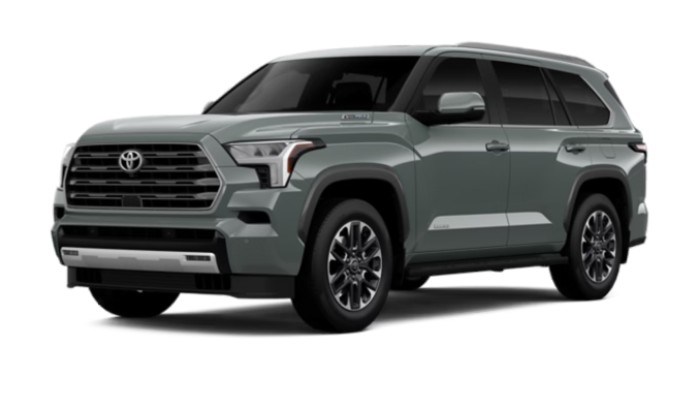
Knowing how to open a Toyota Sequoia trunk from inside can save us a lot of frustration when the rear hatch refuses to cooperate. Maybe the battery is weak. Maybe the power liftgate has stopped responding. Perhaps the exterior handle seems completely dead, or we simply need to access the cargo area while sitting inside the SUV.
Whatever brought us here, one thing matters: the Toyota Sequoia has changed considerably over its generations, so the exact procedure can vary by model year and equipment. Toyota's current owner resources specifically recommend checking the manual for the applicable vehicle because features and operating procedures vary between models and years.
We'll cover the practical options, beginning with the easy methods and moving toward manual access when the electrical system isn't cooperating.
Content in this publication
- Can You Open a Toyota Sequoia Trunk From Inside?
- Quick Answer: How to Open Toyota Sequoia Trunk From Inside
- Before We Start: Identify Your Sequoia Generation
- Method 1: Try the Normal Interior Controls First
- Method 2: Access the Cargo Area Through the Cabin
- Method 3: Locate the Liftgate Latch Area
- Method 4: Operate the Mechanical Release
- What If the Toyota Sequoia Battery Is Dead?
- Can the Rear Window Help?
- Why Won't My Toyota Sequoia Trunk Open?
- How to Tell an Electrical Problem From a Mechanical One
- What Not to Do When the Sequoia Hatch Is Stuck
- How to Open Toyota Sequoia Trunk From Inside Without Power
- What If the Hatch Is Jammed Even After Releasing the Latch?
- Could Cold Weather Freeze the Sequoia Trunk Shut?
- How to Prevent the Sequoia Trunk From Getting Stuck Again
- How Much Does a Stuck Sequoia Liftgate Cost to Repair?
- Should You Remove the Entire Interior Liftgate Panel?
- When Should We Call a Professional?
- A Practical Sequoia Liftgate Troubleshooting Order
- Is “Trunk” the Same as “Liftgate” on the Toyota Sequoia?
- Safety Matters More Than Getting the Hatch Open Quickly
- Final Thoughts on How to Open Toyota Sequoia Trunk From Inside
- Frequently Asked Questions
- 1. Does the Toyota Sequoia have an emergency trunk release inside?
- 2. How do I open my Toyota Sequoia trunk when the battery is dead?
- 3. Why does my Sequoia liftgate click but not open?
- 4. Can I manually lift a Toyota Sequoia power liftgate?
- 5. Why won't my Toyota Sequoia rear hatch open from outside?
Can You Open a Toyota Sequoia Trunk From Inside?
Yes, but there's an important distinction.
A Sequoia isn't necessarily equipped with a prominent interior trunk-release handle like the glow-in-the-dark emergency lever we're accustomed to seeing inside the trunk of a sedan. Its rear cargo opening is a back door or liftgate, and the opening mechanisms differ depending on generation, trim, and whether the vehicle has a power back door.
Normally, we're supposed to unlock the vehicle and operate the rear hatch using its regular controls. Toyota documentation for Sequoia models describes a rear back door opener, while newer vehicles may also use electronic power-liftgate controls.
When normal operation fails, however, we may be able to reach the latch mechanism from the cargo side.
Think of the hatch like a hotel room door: the electronic button may be the convenient entrance, but there's still mechanical hardware doing the actual locking.
Quick Answer: How to Open Toyota Sequoia Trunk From Inside
If we simply want the fastest overview, try the normal electrical methods first. Make sure the Sequoia is safely parked, unlock all doors, move into the rear cargo area, and check whether the vehicle has an interior power-back-door control appropriate to the model year.
If the power system or exterior opener has failed, the general manual approach is:
- Park the Sequoia safely and switch the vehicle off.
- Unlock all doors if electrical power is available.
- Fold the second- and third-row seats as necessary.
- Climb carefully into the cargo area.
- Inspect the lower center portion of the liftgate's interior trim.
- Look for an access cover associated with the latch mechanism.
- Remove only the appropriate removable cover without forcing the surrounding trim.
- Operate the mechanical latch/release according to the instructions for your exact model year.
- Push the liftgate outward while supporting it.
- Once open, diagnose why the normal release stopped working.
Because latch layouts differ between Sequoia generations, we shouldn't blindly pry trim or move an unidentified lever. Toyota directs owners to model-specific owner's manuals for operating details.
Before We Start: Identify Your Sequoia Generation
This little detail can make the difference between a two-minute fix and twenty minutes spent staring at plastic panels.
Toyota has produced multiple generations of the Sequoia, and the rear-door design has evolved along with them.
First-Generation Toyota Sequoia
Early Sequoia models use a comparatively straightforward rear hatch system. Depending on the year, electrical switches, lock actuators, exterior handles, and mechanical linkages work together to release the rear door.
Age is an important factor here. On an older SUV, a dead exterior hatch handle doesn't automatically mean the entire latch has failed. We may instead be dealing with worn hardware, corrosion, a failed actuator, or damaged linkage.
Second-Generation Toyota Sequoia
The second-generation Sequoia introduced more sophisticated convenience equipment, with available power rear-door features depending on year and configuration.
Toyota's Sequoia manuals describe a back-door opener used to release the rear door, which confirms that ordinary hatch operation relies on a specific rear-door release mechanism rather than treating the cargo hatch like a conventional sedan trunk lid.
Third-Generation Toyota Sequoia
Newer Sequoias lean much more heavily on electronic convenience systems and available hands-free power-liftgate technology.
Toyota explains that compatible newer vehicles equipped with its Kick Sensor can initiate liftgate operation when the Smart Key is present and the vehicle is switched off.
That convenience is wonderful when everything works. When battery voltage disappears, though, an electrically controlled hatch can suddenly feel like a bank vault.
Method 1: Try the Normal Interior Controls First
Before dismantling anything, let's exhaust the easy possibilities.
Check that the transmission is in Park and the vehicle is stationary. Unlock the doors completely rather than assuming the rear hatch has unlocked with the driver's door.
Then try any applicable power-liftgate switch or normal hatch control available on your particular Sequoia.
Sometimes what looks like a broken trunk is simply a locking-state problem.
Unlock All Doors
Press the unlock control more than once if necessary.
Some central-locking configurations initially unlock only selected doors. If the back door remains locked, pressing its opener won't accomplish much.
Listen carefully when locking and unlocking the vehicle. A healthy actuator often produces an identifiable click from the liftgate.
No sound at all can point us toward an electrical problem.
Check the Power Back Door Setting
If your Sequoia has a power liftgate, make sure its power-back-door functionality hasn't been disabled through a vehicle setting or switch applicable to that model.
This catches people surprisingly often.
We assume the motor died, start imagining a four-figure repair bill, and eventually discover that somebody disabled the feature.
Method 2: Access the Cargo Area Through the Cabin
Suppose the hatch remains completely closed.
Our next goal isn't opening the door yet. It's simply getting close enough to reach the rear latch area.
Fold the Rear Seats
Move the front seats forward if necessary, then fold the second- and third-row seating according to your vehicle's configuration.
Clear loose cargo out of the way.
We're effectively turning a full-size SUV into a crawl tunnel, so organization matters.
Don't climb over unsecured tools, glass bottles, child-seat anchors, or anything that could cause injury.
Use a Flashlight
The lower portion of the liftgate is surprisingly dark from inside.
A small flashlight or phone light makes the job far easier. We want to identify trim seams and access panels—not attack every plastic rectangle we see.
That's the difference between troubleshooting and archaeology.
Method 3: Locate the Liftgate Latch Area
Once we're facing the rear hatch from inside, look toward the lower center of the liftgate.
The latch itself must engage with the striker at the bottom of the opening, so the release hardware is generally concentrated around this area.
Depending on the specific model year, interior trim may hide portions of the latch assembly.
Look for a Small Access Cover
Some rear-door systems provide service access to the mechanical latch behind a removable interior cover.
If our Sequoia has such access, carefully identify the panel before removing it.
Don't immediately insert a large screwdriver and twist.
Plastic automotive trim becomes brittle with age, particularly after years of heat cycling. What feels like a stubborn clip can turn into a snapped $40 trim piece faster than we can say "that wasn't supposed to happen."
Use a Plastic Trim Tool When Possible
A nylon trim-removal tool is preferable to a metal screwdriver around visible interior panels.
If a screwdriver is the only option, wrap its tip with cloth or tape and use very little pressure.
The goal is access, not demolition.
Method 4: Operate the Mechanical Release
Once the appropriate latch access point has been exposed, the objective is to release the hatch mechanically.
Exactly what we move—and in which direction—depends on the model year and latch design.
That's why we don't recommend giving an unidentified lever a heroic shove.
Toyota maintains year-specific owner's manuals because equipment and procedures vary, and those manuals should take priority over a generic procedure.
Apply Gentle Pressure to the Hatch
While operating the proper release mechanism, gently push outward on the rear door.
Sometimes latch tension can make the release seem stuck. A little controlled pressure against the hatch can relieve that load.
We're talking about gentle pressure here—not kicking the liftgate from inside like we're escaping an action movie.
Support a Heavy Liftgate
Once the latch releases, be prepared for the weight of the door.
If the liftgate's gas supports or power system aren't functioning properly, the hatch may not rise or remain open by itself.
Keep fingers away from hinge and latch areas.
What If the Toyota Sequoia Battery Is Dead?
A dead 12-volt battery is one of the more logical explanations when the hatch suddenly stops responding along with other electrical accessories.
In that situation, restoring electrical power may be easier than manually manipulating the rear latch.
If safe and practical, accessing the passenger compartment and restoring the vehicle's 12-volt electrical supply according to Toyota's recommended jump-starting procedure can bring normal lock and hatch functions back to life.
Once electrical power returns, try the normal unlock and hatch controls again.
Can the Rear Window Help?
Some Toyota SUVs have rear hatch-glass features, and Toyota publishes separate guidance for vehicles equipped with an opening rear hatch window. The company notes that compatible systems use a dedicated latch/button to release the glass.
However, we shouldn't assume every Sequoia year or trim has the same rear-glass arrangement.
And even when the glass opens, it isn't automatically a substitute for opening the entire liftgate.
Still, if the hatch door is jammed but the glass operates normally, the window can occasionally provide useful cargo access while we investigate the real problem.
Why Won't My Toyota Sequoia Trunk Open?
Opening the hatch manually solves today's problem. Finding the cause prevents tomorrow's repeat performance.
Several faults can produce similar symptoms.
Dead or Weak 12-Volt Battery
Modern power locks and liftgate systems need adequate voltage.
A battery can sometimes have enough energy for a few lights while still being too weak to operate a demanding motor or actuator reliably.
If multiple electrical systems have become sluggish simultaneously, battery condition belongs near the top of our checklist.
Failed Liftgate Lock Actuator
An actuator converts an electrical command into mechanical movement.
Press the button, electricity arrives, actuator moves, latch releases.
That's the happy version.
When the actuator fails, we press the switch and get silence—or perhaps a weak click with no actual movement.
Broken Exterior Hatch Handle or Switch
If the vehicle unlocks correctly but pressing the exterior opener does nothing, the exterior switch itself can be the culprit.
Exposure to water, road salt, temperature swings, dirt, and thousands of button presses isn't exactly a spa treatment for electrical components.
Damaged Wiring
Liftgates contain moving electrical connections, and wires can eventually suffer from repeated flexing or other damage.
An intermittent fault is especially suspicious when the hatch occasionally works after being moved, after temperature changes, or only from certain controls.
Blown Fuse
If the liftgate circuit suddenly loses power, a fuse may deserve inspection.
But remember: a blown fuse can be a symptom rather than the root cause.
Replacing the fuse repeatedly without discovering why it blows is like resetting a smoke alarm without looking for smoke.
Latch Contamination or Corrosion
The mechanical latch sits in an area exposed to years of dust, moisture, road debris, and temperature changes.
Eventually, lubrication can dry out and moving pieces can become sticky.
If the latch sounds as though it's trying to release but remains stubborn, inspection and proper servicing may be warranted.
Power Liftgate Motor Problem
Power-equipped Sequoias add another possibility: the drive mechanism itself.
If the latch releases but the liftgate won't raise electrically, our problem may be different from a door that remains firmly latched.
That's an important diagnostic clue.
How to Tell an Electrical Problem From a Mechanical One
We can learn quite a bit just by listening.
Press the hatch release.
Do we hear anything?
If there's absolutely no sound, investigate electrical supply, switches, fuses, wiring, and actuators.
If there's a click but the hatch stays shut, the actuator may be moving without successfully releasing the latch.
If the hatch unlatches but refuses to lift, investigate the power-lift mechanism, supports, alignment, or obstruction.
If the door feels physically jammed, avoid forcing it until we've checked whether cargo is pushing against the hatch.
A folding chair wedged against the inside of the liftgate can imitate an expensive mechanical failure remarkably well.
What Not to Do When the Sequoia Hatch Is Stuck
Frustration makes us inventive. Unfortunately, it doesn't always make us wise.
Avoid these shortcuts:
- Don't violently kick the hatch outward.
- Don't pry around the exterior painted surfaces.
- Don't force unidentified latch components.
- Don't repeatedly operate a struggling power liftgate.
- Don't bypass wiring randomly with jumper leads.
- Don't slam the hatch to "reset" it.
- Don't work beneath an unsupported liftgate.
- Don't disconnect or probe electrical components without understanding the circuit.
A stubborn hatch is annoying. A shattered trim panel, scratched liftgate, pinched hand, or damaged wiring harness is worse.
How to Open Toyota Sequoia Trunk From Inside Without Power
When there's genuinely no electrical power, our strategy becomes more mechanical.
First, enter through a passenger door that can be unlocked mechanically if necessary. Fold the rear seats, move into the cargo compartment, illuminate the hatch area, and identify the correct latch-access point for the model year.
From there, use the model-specific manual release procedure rather than repeatedly pressing dead electrical buttons.
If the proper release cannot be confidently identified, accessing Toyota's owner documentation for the year and model is the safer move. Toyota provides manuals through its official owner portal.
What If the Hatch Is Jammed Even After Releasing the Latch?
Now things become interesting.
If we can feel or hear the latch release but the door refuses to move, the latch may no longer be the principal problem.
Check for:
- Cargo pushing against the door
- Ice around the hatch seal
- A damaged or displaced weatherstrip
- Body or liftgate misalignment
- A bent striker
- Collision damage
- Failed hinges or lift supports
- A malfunctioning power-lift mechanism
Apply gentle pressure from inside while another person pulls carefully from outside if appropriate.
If the hatch begins twisting rather than opening evenly, stop.
Could Cold Weather Freeze the Sequoia Trunk Shut?
Absolutely.
Water can collect around seals and freeze, effectively gluing the hatch to the body even after the latch releases.
The giveaway is usually obvious: we hear the release working, but the door feels stuck around its perimeter.
Warm the vehicle gradually.
Don't pour boiling water across cold glass, paint, and seals. Extreme temperature changes can turn a minor inconvenience into an expensive afternoon.
How to Prevent the Sequoia Trunk From Getting Stuck Again
Once we regain access, prevention is much more appealing than crawling through three rows of seats a second time.
Keep the Latch Clean
Inspect the latch periodically for grime and contamination.
If lubrication is required, use a product appropriate for automotive latch mechanisms rather than coating everything in whatever oily spray happens to be sitting on the garage shelf.
Inspect the Weather Seals
Clean the rubber hatch seals and look for torn or displaced sections.
Healthy seals help prevent water intrusion and reduce freezing problems.
Pay Attention to Slow Operation
Mechanical systems rarely send us a calendar invitation before failing.
Instead, they whisper.
The liftgate becomes slower. The actuator sounds strained. The hatch requires two presses instead of one. The lock works intermittently.
Those are clues.
Maintain the 12-Volt Battery
A healthy battery benefits far more than starting.
Electronic locks, computers, sensors, powered doors, and liftgates all depend on stable electrical power.
If the battery is approaching the end of its service life and accessories are behaving strangely, test it before chasing complicated electrical ghosts.
How Much Does a Stuck Sequoia Liftgate Cost to Repair?
There isn't one meaningful price because "the trunk won't open" describes a symptom, not a failed part.
A simple adjustment or cleaning job might be inexpensive.
Replacing a switch, actuator, latch, wiring section, liftgate support, or powered-door component is another story entirely.
Labor can also vary dramatically depending on whether the technician can open the hatch normally.
Ironically, a ten-dollar-looking problem sometimes becomes complicated because the technician first has to figure out how to open the door.
Our best move is diagnosis before parts replacement.
Should You Remove the Entire Interior Liftgate Panel?
Usually not as the first step.
If a small service-access point provides the necessary route to the latch, removing the whole trim panel simply creates additional opportunities to snap clips.
Full-panel removal may make sense when we're replacing the actuator, repairing wiring, servicing the latch assembly, or diagnosing another internal component.
But for emergency opening alone, use the least invasive access available.
When Should We Call a Professional?
There comes a point where persistence stops being economical.
Consider contacting a qualified technician if:
- The mechanical release won't move.
- The hatch appears badly misaligned.
- Electrical wiring smells hot or looks damaged.
- A fuse immediately blows again.
- The power liftgate motor continues straining.
- Interior trim must be substantially dismantled.
- The vehicle has accident damage.
- The latch releases but the hatch remains physically jammed.
- We're unsure which component is the manual release.
Toyota's owner resources also provide access to authorized service centers when inspection or repair is necessary.
A Practical Sequoia Liftgate Troubleshooting Order
When our Toyota Sequoia trunk refuses to open, following a logical sequence saves time.
Start with the simplest question: Is the vehicle completely unlocked?
Then try the normal exterior and interior controls. Listen for actuator noise. Check whether other electrical accessories are functioning normally. If the entire SUV seems electrically weak, investigate the 12-volt battery.
If power is healthy but the hatch doesn't respond, check applicable vehicle settings and fuses.
Still stuck?
Access the cargo area from inside, inspect the latch area, and use the appropriate manual-release procedure for the specific model.
Once it's open, don't declare victory and forget about it.
Find the underlying failure.
Otherwise we're basically resetting the countdown until the next time the liftgate traps our groceries.
Is “Trunk” the Same as “Liftgate” on the Toyota Sequoia?
In everyday speech, yes.
People search for "Toyota Sequoia trunk," and everybody understands what they mean.
Technically, however, the Sequoia uses a rear back door/liftgate rather than the separate trunk lid we'd find on a Camry or Corolla sedan. Toyota's Sequoia documentation uses terminology such as back door and back door opener for this assembly.
Why does that matter?
Because searching the manual for "trunk emergency release" may lead nowhere. Searching for back door, power back door, rear door, or back door opener may produce much better results.
Safety Matters More Than Getting the Hatch Open Quickly
A stuck liftgate isn't normally an emergency repair, so we have the luxury of doing this carefully.
Keep the vehicle in Park and secure it against movement. Don't allow children to climb into the cargo area during troubleshooting. Keep fingers away from the latch while someone operates exterior controls.
And most importantly, don't trust an unsupported hatch.
A large Sequoia liftgate dropping unexpectedly can cause serious injury.
Toyota likewise warns users to stay clear of moving liftgates when operating powered or hands-free rear-door systems.
Final Thoughts on How to Open Toyota Sequoia Trunk From Inside
Learning how to open Toyota Sequoia trunk from inside is really about understanding two different situations.
If everything is working normally, use the vehicle's normal unlocking and power-liftgate controls.
If the electrical opener, battery, actuator, or exterior switch fails, access the rear cargo area through the cabin and locate the model-specific mechanical latch access. Carefully operating that release can allow the hatch to open without forcing the exterior handle.
The exact latch layout changes between Sequoia generations, so the owner's manual for the specific model year remains our best reference. Toyota maintains official manuals online for this reason.
Once the door is open, we shouldn't stop at celebrating. Diagnose the failure—battery, switch, fuse, actuator, wiring, latch, power mechanism, or physical obstruction—so we don't end up crawling through the SUV again next weekend.
A Sequoia is enormous.
Getting into the cargo area shouldn't feel like cave exploration.
Frequently Asked Questions
1. Does the Toyota Sequoia have an emergency trunk release inside?
The Sequoia uses a rear liftgate/back-door system rather than a conventional sedan trunk. Interior emergency or manual access arrangements vary by model year, so we should check the owner's manual for the specific Sequoia before attempting to manipulate the latch. Toyota provides model-specific manuals through its owner portal.
2. How do I open my Toyota Sequoia trunk when the battery is dead?
If normal electrical operation is unavailable, we can either restore 12-volt power using the proper procedure or enter the cargo area through the passenger cabin and use the applicable mechanical rear-latch release. The precise access location and procedure should be verified for the model year.
3. Why does my Sequoia liftgate click but not open?
A click suggests that at least part of the electrical release system is receiving a command. The problem could involve a weak actuator, sticking latch, mechanical linkage, misalignment, or pressure against the hatch. If the latch releases but the door remains stuck, inspect for physical obstruction or binding rather than repeatedly operating the switch.
4. Can I manually lift a Toyota Sequoia power liftgate?
Manual operation depends on the generation and system condition. We shouldn't force a powered liftgate that is actively resisting movement because doing so may damage the mechanism. Consult the operating instructions for the specific Sequoia model before manually moving a malfunctioning power hatch.
5. Why won't my Toyota Sequoia rear hatch open from outside?
Common possibilities include a weak battery, lock actuator failure, faulty exterior release switch, damaged wiring, fuse issue, contaminated latch, power-lift mechanism problem, or physical obstruction. Start by confirming the SUV is fully unlocked and electrically healthy before moving to mechanical diagnosis.
If you want to know other articles similar to How to Open Toyota Sequoia Trunk From Inside: Complete Guide you can visit the category Tips.
BYD Shark 6 Tips and Tricks: 20 Features Every Owner Should Know

Leapmotor C10 Tips and Tricks: The Complete Owner’s Guide

How to Open Ford Edge With Manual Key: Complete Step-by-Step Guide
How to Start Ford Edge With Remote: The Complete Step-by-Step Guide

BYD Seal Hidden Features: The Secret Functions Every Owner Should Know
BYD Seal Tips and Tricks: The Ultimate Guide to Unlocking Your EV’s Full Potential
Leave a Reply
More content of your interest