

Hyundai Coupe Problems: Common Issues, Reliability, and What Owners Should Know

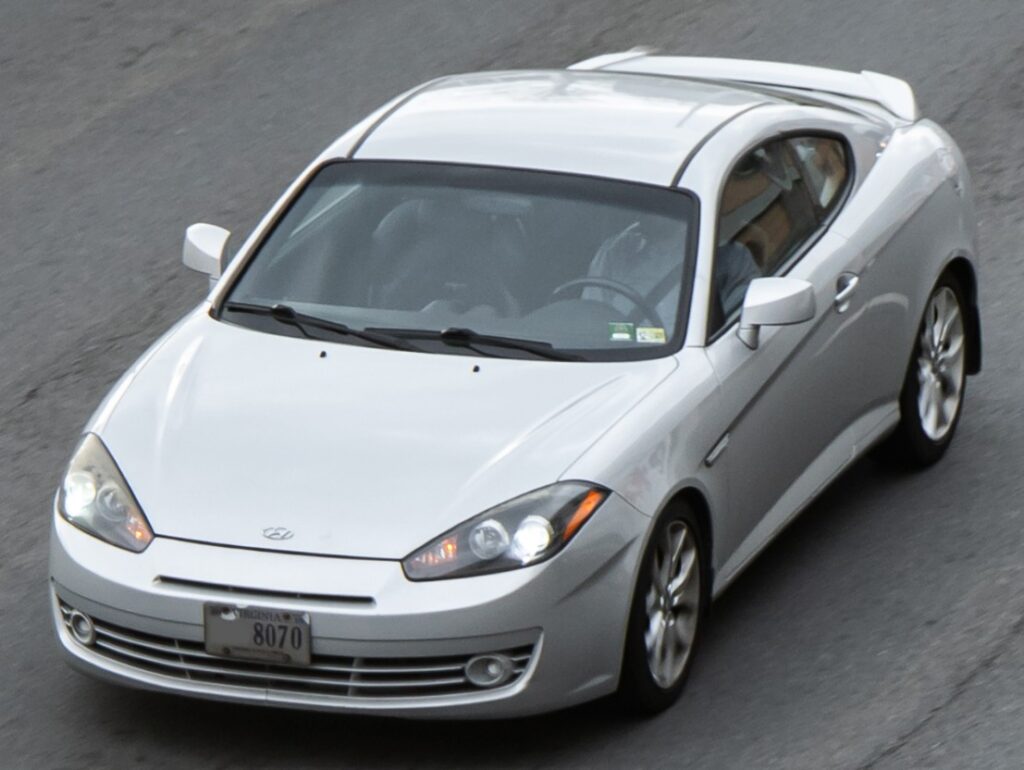
The Hyundai Coupe has long been one of the most appealing affordable sports coupes on the market. Stylish, reasonably powerful, and surprisingly practical, it attracted drivers who wanted sporty looks without premium-car costs. Yet, like any aging vehicle, the Hyundai Coupe is not immune to problems.
Whether you're considering buying a used Hyundai Coupe or already own one, understanding the most common Hyundai Coupe problems can save time, money, and frustration. Some issues are minor annoyances, while others can become expensive repairs if ignored.
Let's explore the most common faults, reliability concerns, and maintenance challenges associated with the Hyundai Coupe.
Content in this publication
- Why the Hyundai Coupe Remains Popular
- Understanding Hyundai Coupe Generations
- Engine Problems in the Hyundai Coupe
- Transmission Problems
- Clutch Problems
- Electrical Problems
- Suspension Problems
- Steering System Issues
- Brake System Problems
- Rust and Corrosion Concerns
- Cooling System Problems
- Exhaust System Issues
- Air Conditioning Problems
- Are Hyundai Coupe V6 Models More Problematic?
- Most Expensive Hyundai Coupe Repairs
- Buying a Used Hyundai Coupe: What to Check
- How Reliable Is the Hyundai Coupe Overall?
- Conclusion
- Frequently Asked Questions
Why the Hyundai Coupe Remains Popular
Before discussing the problems, it's worth understanding why so many enthusiasts still love the Hyundai Coupe.
The Coupe offers:
- Attractive styling
- Affordable purchase prices
- Good equipment levels
- Reliable engine options
- Low running costs compared to rivals
Despite its strengths, age has begun to reveal certain weaknesses that prospective buyers should carefully inspect.
Understanding Hyundai Coupe Generations
Several generations of the Hyundai Coupe were sold globally.
First Generation
The original model established Hyundai's presence in the sporty coupe segment.
Second Generation
Improved styling and performance made it more competitive.
Third Generation (GK/Tiburon)
The most popular version, known for its sleek design and V6 engine option.
Most reported problems today involve the third-generation model simply because many examples are now over 15 years old.
Engine Problems in the Hyundai Coupe
The engine is generally one of the Coupe's strongest components, but several issues can appear with age.
Timing Belt Failure
One of the most critical maintenance items is the timing belt.
If the timing belt snaps, severe engine damage can occur.
Signs include:
- Ticking noises
- Difficulty starting
- Visible belt wear
- Missed service intervals
Replacing the timing belt according to the maintenance schedule is essential.
Oil Consumption
Higher-mileage engines sometimes develop increased oil consumption.
Symptoms include:
- Frequent oil top-ups
- Blue smoke from the exhaust
- Oil warning lights
Regular oil checks can prevent serious damage.
Rough Idle Issues
Some owners report rough idling caused by:
- Dirty throttle bodies
- Faulty idle control valves
- Vacuum leaks
- Worn spark plugs
Fortunately, these repairs are often straightforward and affordable.
Transmission Problems
The Hyundai Coupe was available with both manual and automatic transmissions.
Manual Gearbox Wear
Manual models can develop:
- Difficulty selecting gears
- Clutch slippage
- Noisy bearings
Most issues stem from wear rather than design flaws.
Automatic Transmission Hesitation
Automatic versions occasionally experience:
- Delayed shifting
- Harsh gear changes
- Transmission fluid leaks
Regular fluid changes help extend transmission life significantly.
Clutch Problems
Clutch wear is common on older Coupes.
Common Symptoms
Watch for:
- Slipping during acceleration
- High clutch bite point
- Burning smell
- Difficulty changing gears
Many original clutches have already exceeded their expected lifespan due to vehicle age.
Electrical Problems
Electrical faults are among the most frequently reported Hyundai Coupe problems.
Power Window Failures
Window regulators can fail over time.
Typical symptoms include:
- Slow window movement
- Stuck windows
- Grinding noises
Replacement regulators generally solve the issue.
Central Locking Issues
Owners occasionally report:
- Doors failing to lock
- Remote key malfunctions
- Intermittent locking behavior
Often, worn actuators or key fob batteries are responsible.
Dashboard Warning Lights
Random warning lights may appear due to:
- Faulty sensors
- Battery issues
- Electrical grounding problems
A diagnostic scan usually identifies the source.
Suspension Problems
The sporty handling of the Hyundai Coupe depends heavily on suspension condition.
Worn Bushings
Over time, rubber bushings deteriorate.
Signs include:
- Clunking sounds
- Uneven tire wear
- Reduced handling precision
Shock Absorber Wear
Older Coupes often require new dampers.
Symptoms include:
- Excessive bouncing
- Poor ride quality
- Reduced cornering stability
Replacing worn suspension components dramatically improves driving feel.
Steering System Issues
Steering problems are not widespread but can occur.
Power Steering Leaks
Leaks may develop from:
- Hoses
- Seals
- Steering racks
Low fluid levels can make steering feel heavy and unresponsive.
Steering Wheel Vibration
Vibrations are often caused by:
- Wheel balancing issues
- Suspension wear
- Tire defects
Proper diagnosis prevents unnecessary repairs.
Brake System Problems
Brakes are generally dependable but require regular maintenance.
Warped Brake Discs
Common symptoms include:
- Steering wheel shake during braking
- Pulsating brake pedal
- Reduced stopping confidence
Sticking Brake Calipers
Older models sometimes develop sticking calipers.
This can lead to:
- Uneven pad wear
- Reduced fuel economy
- Overheated brakes
Rust and Corrosion Concerns
Rust is perhaps the biggest long-term threat to many older Hyundai Coupes.
Common Rust Locations
Inspect carefully around:
- Rear wheel arches
- Door sills
- Floor pans
- Suspension mounting points
Rust can spread silently like ivy creeping across a wall, eventually becoming expensive to repair.
How to Prevent Rust
Owners should:
- Wash the underside regularly
- Repair paint chips quickly
- Apply rust protection treatments
- Keep drainage channels clear
Cooling System Problems
Cooling system failures can cause significant engine damage.
Radiator Leaks
Older radiators may develop leaks.
Symptoms include:
- Coolant loss
- Overheating
- Visible puddles
Thermostat Failure
A faulty thermostat may cause:
- Temperature fluctuations
- Slow warm-up times
- Overheating
Replacing the thermostat is usually inexpensive.
Exhaust System Issues
The exhaust system often suffers from age-related deterioration.
Corroded Exhaust Components
Common failures include:
- Rusted mufflers
- Damaged catalytic converters
- Exhaust leaks
Listen for unusual noises or rattles during operation.
Air Conditioning Problems
Air conditioning systems frequently need attention in older vehicles.
Common Faults
Typical issues include:
- Refrigerant leaks
- Weak cooling performance
- Compressor failure
Fortunately, many repairs are relatively affordable compared to premium sports cars.
Are Hyundai Coupe V6 Models More Problematic?
Many buyers wonder whether the V6 engine is less reliable than the four-cylinder alternatives.
In reality, the V6 is generally robust when properly maintained.
However:
- Fuel costs are higher
- Timing belt replacement is more expensive
- Engine bay access can be tighter
Reliability remains strong if maintenance is performed on schedule.
Most Expensive Hyundai Coupe Repairs
Potential high-cost repairs include:
- Engine rebuilds
- Timing belt-related engine damage
- Automatic transmission replacement
- Extensive rust repairs
- Suspension overhauls
A thorough pre-purchase inspection can help avoid these expenses.
Buying a Used Hyundai Coupe: What to Check
Before purchasing, inspect:
Service History
Look for evidence of:
- Timing belt changes
- Oil services
- Brake maintenance
Body Condition
Pay special attention to:
- Rust
- Accident repairs
- Paint inconsistencies
Road Test Evaluation
During a test drive, check for:
- Smooth gear changes
- Suspension noises
- Warning lights
- Steering performance
A careful inspection often reveals more than a shiny exterior.
How Reliable Is the Hyundai Coupe Overall?
Despite its list of potential issues, the Hyundai Coupe remains surprisingly reliable.
Most problems stem from:
- Vehicle age
- Neglected maintenance
- High mileage
The core mechanical components are generally durable and capable of covering substantial distances when maintained correctly.
For many owners, the Coupe delivers an enjoyable driving experience without the repair costs often associated with European sports coupes.
Conclusion
The Hyundai Coupe may not be perfect, but few affordable sports cars offer the same blend of style, practicality, and value. Common Hyundai Coupe problems include timing belt concerns, electrical faults, suspension wear, rust, and aging cooling systems. Fortunately, most issues are predictable and manageable when identified early.
For buyers willing to perform proper inspections and owners committed to regular maintenance, the Hyundai Coupe remains a rewarding and dependable sports coupe. Like a seasoned athlete, it may show signs of age, but with the right care, it can continue performing admirably for years to come.
Frequently Asked Questions
1. What is the most common Hyundai Coupe problem?
Timing belt neglect, suspension wear, and electrical faults are among the most commonly reported issues.
2. Is the Hyundai Coupe reliable?
Yes. The Hyundai Coupe is generally considered reliable when maintained according to manufacturer recommendations.
3. Do Hyundai Coupes rust easily?
Older examples can develop rust, particularly around wheel arches, sills, and underbody components.
4. How long can a Hyundai Coupe last?
Many well-maintained Hyundai Coupes exceed 150,000 to 200,000 miles.
5. Is the Hyundai Coupe expensive to repair?
No. Most repairs are relatively affordable compared to many competing sports coupes.
If you want to know other articles similar to Hyundai Coupe Problems: Common Issues, Reliability, and What Owners Should Know you can visit the category Common Problems.
Volvo XC40 Sound Not Working? Complete Troubleshooting Guide

Mazda Diesel Engine Problems: Common Faults and Fixes

Volkswagen Key Not Detected or No Key Error: Causes and Fixes

Volvo S90 Common Problems: Reliability & Repair Guide
Volvo S90 No Sound: Causes, Fixes and Solutions

Nissan Rogue Smells Like Gas: Causes and Fixes
Leave a Reply
More content of your interest