

Hyundai i10 Problems: Common Faults & Reliability

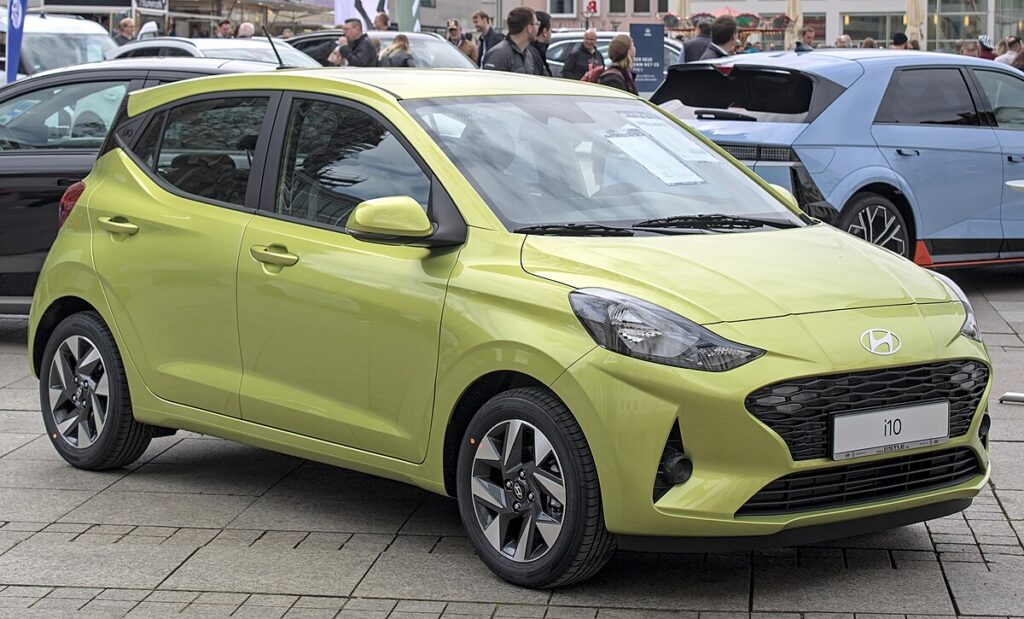
The Hyundai i10 is one of the most popular small cars for drivers looking for affordable transportation, economical fuel consumption, and low maintenance costs. Its compact dimensions make it ideal for city driving, while its practical interior and relatively simple mechanical design have helped establish a positive reputation for reliability.
However, despite its advantages, the Hyundai i10 is not completely free from mechanical and electrical issues.
Over the years, some owners have reported clutch problems, gearbox difficulties, engine vibrations, brake faults, and occasional electrical malfunctions. Certain issues are more noticeable in older vehicles, while others depend on the engine, transmission, model year, and maintenance history.
The good news is that most Hyundai i10 problems can be prevented or repaired without excessive expense, especially when symptoms are identified early.
In this comprehensive guide, we'll examine the most common Hyundai i10 problems, explain their symptoms and causes, explore potential repair costs, and identify the generations that deserve additional attention.
We'll also discuss Hyundai i10 reliability, expected lifespan, maintenance requirements, and whether buying a used model is a good decision.
Content in this publication
- Is the Hyundai i10 a Reliable Car?
- Hyundai i10 Problems by Generation
- 1. Hyundai i10 Clutch Problems
- 2. Hyundai i10 Gearbox Problems
- 3. Hyundai i10 Engine Problems
- 4. Hyundai i10 Timing Chain Problems
- 5. Hyundai i10 Starting Problems
- 6. Hyundai i10 Brake Problems
- 7. Hyundai i10 Power Steering Problems
- 8. Hyundai i10 Electrical Problems
- 9. Hyundai i10 Battery Problems
- 10. Hyundai i10 Suspension Problems
- 11. Hyundai i10 Air Conditioning Problems
- 12. Hyundai i10 Overheating Problems
- 13. Hyundai i10 Fuel Consumption Problems
- 14. Hyundai i10 Rust Problems
- 15. Hyundai i10 Warning Lights Problems
- Hyundai i10 Problems by Year: Which Years to Avoid?
- Hyundai i10 Recalls and Safety Concerns
- Hyundai i10 Repair Costs
- How Long Does a Hyundai i10 Last?
- How to Prevent Common Hyundai i10 Problems
- What to Check Before Buying a Used Hyundai i10
- Hyundai i10 vs Other Small Cars: Reliability
- Frequently Asked Questions About Hyundai i10 Problems
- Final Verdict: Is the Hyundai i10 a Reliable Choice?
Is the Hyundai i10 a Reliable Car?
Yes, the Hyundai i10 is generally considered a reliable small car.
Its straightforward mechanical design, economical petrol engines, and affordable replacement parts make it an attractive option for drivers who want to minimise ownership expenses.
Compared with larger vehicles equipped with complex engines and sophisticated transmissions, many Hyundai i10 versions are relatively simple to maintain.
However, reliability depends heavily on several factors:
- Regular servicing and engine oil changes.
- Driving conditions and previous ownership.
- Clutch and gearbox condition.
- Brake system maintenance.
- Battery and electrical system health.
- Engine cooling system condition.
- Mileage and vehicle age.
- Quality of previous repairs.
A properly maintained Hyundai i10 can provide many years of dependable transportation.
Nevertheless, older examples may require repairs as components naturally wear out.
For this reason, we recommend evaluating the condition of an individual vehicle rather than assuming every Hyundai i10 has the same reliability.
Hyundai i10 Problems by Generation
Understanding the different Hyundai i10 generations can help us identify potential issues before purchasing a used vehicle.
Although the overall design has remained relatively straightforward, Hyundai has introduced several mechanical and technological improvements.
| Generation | Model years | Common areas to inspect |
|---|---|---|
| First generation | 2008–2013 | Clutch, gearbox, brakes and ageing electrical components |
| Second generation | 2014–2019 | Gear selection, rear brakes, suspension and electrical accessories |
| Third generation | 2020–present | Electronics, transmission operation and recall status |
These dates primarily refer to the European Hyundai i10. Versions sold in other markets, including the Grand i10, may have different specifications and production periods.
First-Generation Hyundai i10 Problems (2008–2013)
The first-generation Hyundai i10 remains an affordable option for drivers looking for a basic city car.
However, these vehicles are now relatively old, making maintenance history particularly important.
Some owners have experienced clutch judder, difficult gear changes, sticking brakes, and electrical faults.
Older examples may also develop suspension wear, engine mount deterioration, and corrosion.
We recommend carefully checking the clutch and gearbox before purchasing an early Hyundai i10.
Second-Generation Hyundai i10 Problems (2014–2019)
The second-generation Hyundai i10 introduced improvements in comfort, interior quality, and driving refinement.
This generation generally offers good reliability, especially when properly serviced.
Nevertheless, some vehicles may experience stiff gear selection, rear brake problems, suspension noise, or minor electrical faults.
These issues are not necessarily expensive to repair, but ignoring them can lead to additional damage.
A well-maintained second-generation i10 can be an excellent choice for someone looking for affordable daily transportation.
Third-Generation Hyundai i10 Problems (2020–Present)
The third-generation Hyundai i10 offers more modern technology, additional safety features, and updated engine options.
Overall, this generation has developed a strong reliability reputation.
However, buyers should still inspect the infotainment system, parking sensors, warning lights, battery, and transmission.
Some versions feature an automated manual transmission, which can feel different from a conventional automatic gearbox.
It is also important to verify whether any manufacturer recalls apply to the vehicle.
1. Hyundai i10 Clutch Problems
Clutch problems are among the most frequently discussed issues affecting older manual Hyundai i10 models.
Some drivers notice vibrations when pulling away, while others experience difficulty changing gears.
Although clutch wear is normal over time, certain symptoms may indicate that repairs are necessary.
Symptoms of Hyundai i10 Clutch Problems
Common warning signs include:
- Juddering when moving from a standstill.
- A heavy or unusually light clutch pedal.
- Difficulty engaging first or reverse gear.
- Engine revs increasing without equivalent acceleration.
- Burning smells after driving.
- Unusual noises when pressing the clutch pedal.
- A high clutch biting point.
Clutch judder can be particularly noticeable in slow-moving traffic.
What Causes Hyundai i10 Clutch Failure?
Several factors can contribute to clutch problems.
Normal friction material wear is one of the most common causes, particularly in vehicles driven extensively in urban environments.
Other possible causes include worn engine mounts, clutch contamination, damaged friction components, and problems with the release mechanism.
Driving habits also influence clutch lifespan.
Holding a vehicle stationary on a hill using the clutch or constantly resting a foot on the pedal can accelerate wear.
Hyundai i10 Clutch Replacement Cost
In the UK, a Hyundai i10 clutch replacement may cost approximately £260–£500, although prices can be higher depending on the model and additional components requiring replacement.
Before authorising repairs, we recommend checking the clutch operating mechanism and engine mounts to confirm the cause.
2. Hyundai i10 Gearbox Problems
Gearbox problems can affect driving comfort and become expensive if ignored.
Some Hyundai i10 owners report stiff gear changes, unusual noises, or difficulty selecting particular gears.
However, these symptoms do not always mean that the gearbox itself is failing.
Hyundai i10 Manual Gearbox Problems
Manual gearbox complaints may include:
- Difficulty selecting first gear.
- Reverse gear refusing to engage.
- Grinding during gear changes.
- A stiff gear lever.
- Transmission whining.
- Gears occasionally jumping out of position.
Potential causes include clutch problems, worn synchronisers, incorrect gear linkage adjustment, or damaged transmission components.
In some cases, adjusting the gear-selection mechanism can improve operation without replacing the gearbox.
Hyundai i10 Automatic Gearbox Problems
Automatic Hyundai i10 models use different transmission systems depending on the generation and market.
Older versions may feature a conventional automatic transmission, while some newer models use an automated manual transmission.
An automated manual gearbox can produce noticeable pauses between shifts, especially during low-speed driving.
This behaviour is not necessarily a fault.
However, excessive hesitation, transmission warning lights, unusual noises, or failure to select a gear should be investigated.
How to Prevent Gearbox Problems
We recommend avoiding aggressive gear changes, checking for transmission leaks, and addressing clutch issues promptly.
Transmission maintenance should follow the manufacturer's recommendations.
If a gearbox begins making unusual noises, early diagnosis may prevent more expensive repairs.
3. Hyundai i10 Engine Problems
Hyundai i10 petrol engines are generally dependable, but mechanical and electronic faults can still develop.
Some owners experience rough idling, reduced acceleration, increased fuel consumption, or occasional starting difficulties.
The severity of these problems depends on the underlying cause.
Hyundai i10 Engine Misfire
An engine misfire occurs when one or more cylinders fail to produce power correctly.
Common symptoms include:
- Rough engine idle.
- Hesitation during acceleration.
- Reduced performance.
- Increased fuel consumption.
- Engine vibrations.
- Check engine light illumination.
Possible causes include faulty ignition coils, worn spark plugs, fuel-delivery problems, or engine-management sensor faults.
A diagnostic scan is usually the best starting point.
Hyundai i10 Engine Vibration
Engine vibration is another complaint occasionally reported by drivers.
Some three-cylinder Hyundai i10 engines naturally produce more vibration than comparable four-cylinder engines.
A small amount of vibration at idle may therefore be normal.
However, excessive shaking can indicate worn engine mounts, ignition problems, or uneven engine operation.
If the vibration becomes noticeably stronger, we recommend arranging an inspection.
Hyundai i10 Loss of Power
A Hyundai i10 that struggles to accelerate may have an engine-management or fuel-system problem.
Possible causes include:
- Dirty air filters.
- Faulty ignition components.
- Fuel-pressure problems.
- Defective sensors.
- Exhaust restrictions.
- Engine overheating.
Turbocharged versions may also experience problems involving the boost-control system.
A significant loss of power should be diagnosed before continuing regular driving.
4. Hyundai i10 Timing Chain Problems
Timing-system problems can be serious because these components control the relationship between the crankshaft and camshaft.
However, not every Hyundai i10 engine uses the same timing mechanism.
Does the Hyundai i10 Have a Timing Chain or Belt?
Most Hyundai i10 models equipped with 1.0-litre and 1.2-litre Kappa petrol engines use timing chains.
These systems do not normally require replacement at a fixed mileage interval.
However, the older 1.1-litre petrol engine uses a timing belt, which must be replaced according to the applicable maintenance schedule.
We recommend confirming the exact engine specification before purchasing replacement parts or planning maintenance.
Symptoms of Hyundai i10 Timing Chain Problems
Possible warning signs include:
- Metallic rattling during startup.
- Persistent engine rattling.
- Rough idling.
- Reduced performance.
- Engine warning lights.
- Camshaft timing-related diagnostic codes.
A rattling noise does not automatically confirm a timing-chain fault.
Other engine components can produce similar sounds.
How to Prevent Timing System Failure
Regular oil changes are especially important for engines equipped with timing chains.
Poor lubrication and neglected maintenance can contribute to premature component wear.
For timing-belt engines, we recommend verifying the replacement history and following the correct maintenance interval.
5. Hyundai i10 Starting Problems
Starting difficulties can be frustrating, particularly when the vehicle is needed for everyday commuting.
Fortunately, many starting problems are related to relatively inexpensive components.
Hyundai i10 Not Starting but Lights Work
If the dashboard lights illuminate but the engine refuses to crank, possible causes include:
- Weak battery.
- Corroded battery terminals.
- Faulty starter motor.
- Starter relay failure.
- Ignition switch problems.
- Electrical connection faults.
A battery can sometimes provide enough power for interior lights while lacking sufficient energy to operate the starter.
For this reason, battery testing should be one of the first diagnostic steps.
Hyundai i10 Cranks but Won't Start
If the engine turns over but fails to start, the fault may involve fuel delivery or ignition.
Possible causes include a defective crankshaft position sensor, ignition coil failure, or fuel pump problems.
A diagnostic scan can help identify relevant fault codes.
We recommend avoiding repeated extended cranking because it can discharge the battery and place unnecessary strain on the starter motor.
6. Hyundai i10 Brake Problems
Brake problems are particularly important because they directly affect vehicle safety.
Some older Hyundai i10 models have experienced sticking rear brakes, parking brake issues, and accelerated wear.
Not every brake complaint represents a manufacturing defect. Many problems develop naturally as vehicles age.
Hyundai i10 Rear Brake Problems
Possible symptoms include:
- Scraping noises when driving.
- Reduced acceleration.
- A wheel becoming unusually hot.
- Increased fuel consumption.
- A burning smell near a wheel.
- Parking brake difficulties.
Depending on the braking system, the underlying cause may involve sticking calipers, worn components, damaged mechanisms, or parking brake cable problems.
Hyundai i10 ABS Problems
The ABS warning light may illuminate because of defective wheel-speed sensors, wiring problems, or faults within the anti-lock braking system.
When the ABS warning remains illuminated, conventional braking may still function, but anti-lock assistance may be unavailable.
We recommend having the system inspected promptly.
If normal braking performance is affected, the vehicle should not be driven until the fault has been assessed.
7. Hyundai i10 Power Steering Problems
Many Hyundai i10 models use electrically assisted power steering.
Although these systems generally require limited maintenance, faults can develop over time.
Symptoms of Hyundai i10 Power Steering Failure
Warning signs can include:
- Steering becoming unusually heavy.
- Intermittent steering assistance.
- Steering warning light illumination.
- Clicking or knocking sounds.
- Changes in steering effort.
Possible causes include electrical faults, low battery voltage, damaged wiring, or steering-system component failure.
A technician should check the relevant diagnostic codes before replacing expensive parts.
If steering assistance disappears unexpectedly, we recommend stopping safely and arranging an inspection.
8. Hyundai i10 Electrical Problems
Electrical faults can occur as the Hyundai i10 ages.
While many are relatively minor, they can become inconvenient if several accessories stop working.
Hyundai i10 Central Locking Problems
Central locking failures can occur because of faulty door-lock actuators, damaged wiring, or remote-control problems.
Before replacing the locking mechanism, check whether the problem occurs with both the remote and the interior locking controls.
A weak key fob battery may also prevent remote unlocking.
Hyundai i10 Electric Window Problems
Electric windows may stop operating because of worn motors, damaged regulators, or faulty switches.
A window that moves slowly or makes grinding noises may have a mechanical problem.
We recommend avoiding repeated operation of a jammed window.
Hyundai i10 Radio and Infotainment Problems
Some electrical complaints may involve:
- Infotainment screen freezing.
- Bluetooth connection failures.
- USB connectivity problems.
- Radio malfunction.
- Intermittent dashboard warnings.
- Exterior lighting problems.
Possible causes include software faults, electrical connections, battery issues, or individual component failures.
9. Hyundai i10 Battery Problems
Battery problems are common in vehicles used mainly for short journeys.
Frequent engine starts and limited driving time can prevent the battery from recovering its charge.
Symptoms of a Weak Hyundai i10 Battery
Typical warning signs include:
- Slow engine cranking.
- Clicking noises when starting.
- Dim headlights.
- Intermittent electrical faults.
- Stop-start system not operating.
- Difficulty starting during cold weather.
Battery problems can sometimes produce misleading electronic warning messages.
Why Does the Hyundai i10 Battery Keep Going Flat?
Repeated battery discharge may be caused by an ageing battery, alternator problems, or an electrical component drawing current while the vehicle is parked.
If a replacement battery also becomes discharged, we recommend checking the charging system and investigating possible parasitic electrical drain.
10. Hyundai i10 Suspension Problems
Suspension wear can become noticeable on Hyundai i10 models driven frequently over potholes and uneven roads.
These problems are not exclusive to Hyundai vehicles, but they are important when evaluating a used city car.
Symptoms of Suspension Wear
Common signs include:
- Knocking noises over bumps.
- Creaking when turning.
- Uneven tyre wear.
- Reduced ride comfort.
- Excessive body movement.
- Unusual steering behaviour.
Potential causes include worn anti-roll bar links, damaged suspension bushes, shock absorber deterioration, or other suspension components.
Hyundai i10 Suspension Repair
The correct repair depends on the damaged component.
A mechanic should inspect the suspension joints, springs, dampers, bushes, and mounting points.
We recommend confirming the source of any noise before replacing parts.
Wheel alignment may also be necessary after certain steering or suspension repairs.
11. Hyundai i10 Air Conditioning Problems
Air conditioning problems can become increasingly noticeable as a vehicle ages.
The most common symptom is reduced cooling performance.
Why Is My Hyundai i10 AC Not Cooling?
Possible causes include:
- Refrigerant leaks.
- Faulty compressor.
- Damaged condenser.
- Electrical problems.
- Cooling fan malfunction.
- Blocked cabin air filter.
Low refrigerant levels often indicate a leak somewhere in the system.
Simply refilling the air conditioning without locating the leak may provide only temporary improvement.
Hyundai i10 AC Compressor Problems
Compressor faults can cause unusual noises, weak cooling performance, or complete air conditioning failure.
However, poor cooling does not automatically mean that the compressor needs replacement.
A technician should inspect the refrigerant pressures, electrical controls, and other system components before recommending expensive repairs.
12. Hyundai i10 Overheating Problems
An overheating Hyundai i10 should never be ignored.
Excessive engine temperature can cause serious mechanical damage if the vehicle continues operating.
Causes of Hyundai i10 Overheating
Potential causes include:
- Low coolant levels.
- Coolant leaks.
- Faulty thermostat.
- Water pump problems.
- Radiator fan failure.
- Blocked radiator.
- Cooling system deterioration.
Warning signs may include a rising temperature gauge, steam from the engine compartment, or unusual coolant smells.
What to Do if a Hyundai i10 Overheats
If the engine temperature becomes excessive, stop safely and switch off the engine.
Allow the cooling system to cool before inspection.
Never remove the coolant pressure cap while the engine is hot.
If the cause cannot be identified safely, arrange professional assistance rather than continuing to drive.
13. Hyundai i10 Fuel Consumption Problems
One of the Hyundai i10's main advantages is its economical petrol consumption.
However, some owners notice that fuel economy becomes worse over time.
This does not necessarily indicate a serious engine problem.
Why Is My Hyundai i10 Using Too Much Fuel?
Possible reasons include:
- Heavy traffic.
- Frequent short journeys.
- Underinflated tyres.
- Dirty air filters.
- Worn spark plugs.
- Sticking brakes.
- Aggressive acceleration.
- Excessive engine idling.
Fuel consumption can also vary depending on engine size, transmission type, driving conditions, and vehicle load.
We recommend measuring fuel economy over several complete tanks to establish a reliable average.
A sudden and unexplained increase should be investigated.
14. Hyundai i10 Rust Problems
Corrosion may become an issue on older Hyundai i10 vehicles, especially those exposed to winter road salt, coastal environments, or poor previous repairs.
Rust is more likely to develop when protective coatings have deteriorated.
Common Areas to Check for Rust
Important inspection points include:
- Wheel arches.
- Door bottoms.
- Vehicle sills.
- Underbody.
- Suspension mounting points.
- Brake pipes.
- Areas around previous accident repairs.
Minor surface corrosion may be manageable, but advanced structural rust can make repairs expensive.
We recommend a thorough underbody inspection before buying an older Hyundai i10.
15. Hyundai i10 Warning Lights Problems
Dashboard warning lights provide important information about the vehicle's mechanical and electronic systems.
Although some warnings indicate relatively minor faults, others require immediate attention.
| Warning light | Possible problem | Recommended action |
|---|---|---|
| Check engine | Engine management fault | Perform diagnostic scan |
| Battery | Charging system problem | Inspect battery and alternator |
| ABS | Anti-lock braking system fault | Check sensors and braking system |
| Oil pressure | Insufficient oil pressure | Stop the engine immediately |
| Temperature | Engine overheating | Stop safely |
| Power steering | Steering assistance fault | Inspect steering system |
| Tyre pressure | Low tyre pressure or sensor fault | Check tyres and monitoring system |
A flashing engine warning light may indicate an active misfire that could damage the catalytic converter.
We recommend reducing engine load and stopping safely if serious symptoms occur.
Ignoring warning lights can allow relatively inexpensive faults to develop into more expensive repairs.
Hyundai i10 Problems by Year: Which Years to Avoid?
Some Hyundai i10 model years deserve more attention than others, particularly because of vehicle age and known ownership complaints.
However, there is no reliable reason to assume that every vehicle produced during a particular year will develop the same problems.
| Model years | Potential concerns | Buying recommendation |
|---|---|---|
| 2008–2010 | Clutch judder, gearbox operation, ageing brakes | Inspect carefully |
| 2011–2013 | Clutch wear, suspension and electrical components | Check service history |
| 2014–2016 | Rear brakes, gear selection and normal wear | Good option if maintained |
| 2017–2019 | Generally dependable; check mileage-related wear | Recommended |
| 2020–2023 | Electronic systems, transmission operation and recalls | Recommended with VIN check |
| 2024–2026 | Less accumulated wear, but recall and warranty checks remain important | Attractive newer option |
What Is the Worst Hyundai i10 Year?
There is no single model year that should automatically be considered the worst Hyundai i10.
Early first-generation vehicles may require more attention because of clutch complaints and age-related mechanical deterioration.
However, a well-maintained older model can still provide dependable transportation.
We recommend prioritising vehicle condition, documented repairs, and maintenance history over model year alone.
What Is the Best Hyundai i10 Year to Buy?
Later second-generation models from approximately 2017–2019 can offer an appealing balance between affordability and reliability.
Third-generation vehicles from 2020 onwards are also attractive because of their improved technology and modern safety equipment.
The best choice ultimately depends on budget, mileage, service history, and mechanical condition.
Hyundai i10 Recalls and Safety Concerns
Checking manufacturer recalls is an essential part of buying a used Hyundai i10.
Some production batches have been subject to safety campaigns involving fuel-system components.
Depending on the affected vehicle, a fuel-system fault could potentially cause fuel leakage or engine operation problems.
However, not every Hyundai i10 is affected.
Recall eligibility depends on the specific vehicle identification number, production details, and market.
Before buying a used Hyundai i10, we recommend checking the VIN with Hyundai or the relevant national vehicle safety authority.
Outstanding safety recall repairs are generally completed without charge to the vehicle owner.
Hyundai i10 Repair Costs
One of the main advantages of owning a Hyundai i10 is its relatively affordable maintenance.
However, repair expenses can vary depending on the engine, transmission, labour costs, location, and availability of replacement parts.
The following table provides approximate UK repair costs for budgeting purposes.
| Repair | Estimated cost |
|---|---|
| Battery replacement | £80–£180 |
| Spark plug replacement | £50–£120 |
| Ignition coil replacement | £70–£180 |
| Brake pad replacement | £80–£180 |
| Brake discs and pads | £150–£300 |
| Clutch replacement | £260–£500+ |
| Timing chain replacement | £400–£700+ |
| Suspension drop-link replacement | £70–£150 |
| Starter motor replacement | £180–£350 |
| Air conditioning repair | £100–£600+ |
These prices are approximate and should not be treated as guaranteed repair quotations.
Major gearbox repairs or extensive engine damage can cost substantially more.
We recommend obtaining several quotations before authorising expensive work.
How Long Does a Hyundai i10 Last?
A properly maintained Hyundai i10 can potentially exceed 150,000 miles, equivalent to approximately 240,000 kilometres.
Some vehicles may achieve significantly higher mileage with appropriate maintenance.
However, lifespan depends on several factors.
Engine Maintenance
Regular oil changes help protect important internal engine components.
Using the correct oil specification and replacing filters at the recommended intervals can reduce unnecessary wear.
Driving Conditions
Vehicles driven primarily on short journeys may experience additional battery, clutch, and brake wear.
Frequent cold starts and stop-start traffic can also increase maintenance requirements.
Previous Ownership
A vehicle with documented maintenance and careful previous ownership is generally more desirable than one with an incomplete service history.
Mileage alone does not reveal the full condition of a car.
Preventative Repairs
Replacing deteriorating components before they fail completely can prevent secondary damage.
For example, repairing a cooling-system leak early may prevent overheating and expensive engine repairs.
How to Prevent Common Hyundai i10 Problems
Although no vehicle can be completely protected against mechanical failure, preventative maintenance can significantly improve long-term reliability.
Follow the Manufacturer's Service Schedule
Regular servicing is essential.
Use the recommended engine oil, replace filters when required, and follow the correct maintenance intervals for the engine and transmission.
Maintain the Braking System
Have the brake components inspected regularly.
Sticking brakes, unusual noises, or changes in pedal response should be investigated promptly.
Protect the Clutch
Manual transmission owners should avoid holding the car stationary on inclines using the clutch.
Aggressive launches and unnecessary clutch slipping can accelerate wear.
Check the Battery
A weak battery can cause starting difficulties and electrical problems.
Vehicles used infrequently may benefit from appropriate battery maintenance.
Inspect the Cooling System
Check coolant levels and investigate unexplained coolant loss.
Maintaining the cooling system is particularly important for preventing engine overheating.
Address Warning Lights Early
Dashboard warning lights should not be ignored.
Early diagnosis is often considerably cheaper than repairing damage caused by continuing to drive with an unresolved problem.
What to Check Before Buying a Used Hyundai i10
A thorough inspection is one of the best ways to avoid unexpected expenses.
We recommend checking the following:
- Engine: Start the vehicle when cold and listen for unusual noises.
- Clutch: Check for juddering, slipping, and abnormal pedal operation.
- Gearbox: Test every gear, including reverse.
- Brakes: Listen for scraping sounds and check for sticking components.
- Suspension: Drive over uneven surfaces and listen for knocking noises.
- Electrical systems: Test the windows, central locking, lights, and infotainment.
- Air conditioning: Confirm that the system cools properly.
- Cooling system: Look for leaks and signs of overheating.
- Bodywork: Inspect for rust, accident damage, and poor repairs.
- Service records: Verify scheduled maintenance and previous repairs.
- Recall status: Confirm that applicable safety campaigns have been completed.
A professional pre-purchase inspection can be particularly valuable when buying a higher-mileage or older vehicle.
Hyundai i10 vs Other Small Cars: Reliability
The Hyundai i10 competes with several popular small cars.
These include the Kia Picanto, Toyota Aygo, Volkswagen Up, and Suzuki Celerio.
Each vehicle has different advantages and ownership considerations.
| Model | Advantages | Potential disadvantages |
|---|---|---|
| Hyundai i10 | Practical, economical, generally reliable | Clutch and brake wear on older examples |
| Kia Picanto | Compact, economical, easy to park | Maintenance history and transmission condition |
| Toyota Aygo | Low running costs and simple engines | Clutch wear and limited refinement |
| Volkswagen Up | Comfortable ride and good cabin quality | Transmission and maintenance considerations |
| Suzuki Celerio | Affordable maintenance and fuel economy | Basic interior and limited equipment |
The Hyundai i10 stands out for its practical interior, manageable dimensions, and relatively inexpensive repairs.
However, when comparing used cars, mechanical condition is often more important than differences in reputation between models.
Frequently Asked Questions About Hyundai i10 Problems
1. What Are the Most Common Hyundai i10 Problems?
The most commonly discussed Hyundai i10 problems include clutch judder, stiff gear selection, sticking rear brakes, electrical faults, and suspension wear.
These issues are more relevant to older and higher-mileage vehicles.
Newer models generally offer strong reliability, although regular maintenance remains essential.
2. Does the Hyundai i10 Have Engine Problems?
Hyundai i10 petrol engines are generally dependable.
However, individual vehicles can experience ignition coil problems, misfires, starting difficulties, sensor faults, or timing-system noise.
Regular servicing and early diagnosis can help prevent more serious damage.
3. How Many Miles Can a Hyundai i10 Last?
A well-maintained Hyundai i10 can potentially exceed 150,000 miles.
Some examples may last considerably longer, depending on maintenance quality, driving conditions, and previous ownership.
There is no guaranteed maximum lifespan for every vehicle.
4. Is the Hyundai i10 Expensive to Repair?
Generally, the Hyundai i10 is relatively affordable to maintain and repair.
Routine servicing, brake repairs, battery replacement, and many electrical repairs are usually less expensive than equivalent work on larger vehicles.
However, major engine or gearbox repairs can still be costly.
5. Is Buying a Used Hyundai i10 a Good Idea?
Yes, a used Hyundai i10 can be an excellent choice for drivers seeking economical and practical transportation.
We particularly recommend considering well-maintained second-generation models and newer third-generation vehicles.
Before purchasing, always check the service history, clutch, gearbox, brakes, suspension, and recall status.
Final Verdict: Is the Hyundai i10 a Reliable Choice?
The Hyundai i10 remains a strong option for drivers who want an affordable, economical, and practical small car.
Although some owners experience clutch problems, gearbox difficulties, brake faults, or electrical issues, these problems do not mean that the Hyundai i10 is fundamentally unreliable.
Many faults are associated with age, high mileage, or insufficient maintenance rather than widespread defects.
Older first-generation models deserve careful inspection, especially around the clutch, gearbox, and braking system.
Second-generation vehicles offer an appealing combination of affordability, practicality, and reliability.
Meanwhile, third-generation models provide improved technology, modern safety features, and a strong overall dependability record.
For anyone considering buying a Hyundai i10, maintenance history and mechanical condition should be the main priorities.
A properly serviced vehicle with documented repairs can often be a better investment than a newer example that has been poorly maintained.
Ultimately, understanding the most common Hyundai i10 problems allows us to identify warning signs, avoid unnecessary repair costs, and choose a vehicle capable of delivering years of dependable daily transportation.
If you want to know other articles similar to Hyundai i10 Problems: Common Faults & Reliability you can visit the category Common Problems.
Volvo XC40 Sound Not Working? Complete Troubleshooting Guide

Mazda Diesel Engine Problems: Common Faults and Fixes

Volkswagen Key Not Detected or No Key Error: Causes and Fixes

Volvo S90 Common Problems: Reliability & Repair Guide
Volvo S90 No Sound: Causes, Fixes and Solutions

Nissan Rogue Smells Like Gas: Causes and Fixes
Leave a Reply
More content of your interest