
Jeep Grand Cherokee Knocking Noise When Accelerating

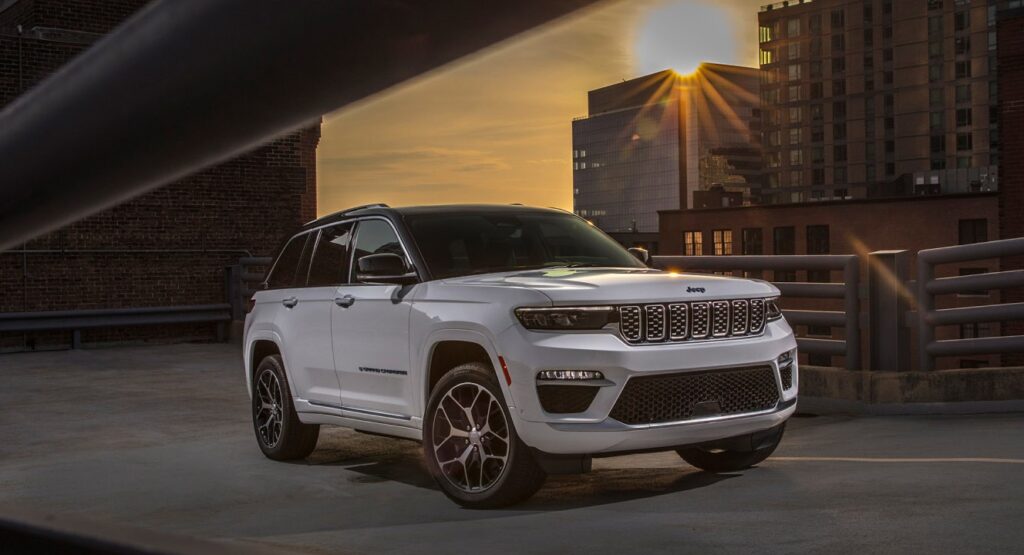
Few sounds make a driver tense up faster than a knocking noise during acceleration. One second, your Jeep glides down the road like a confident mountain climber. The next? Knock… knock… knock. Suddenly every stoplight feels suspicious, every hill feels risky, and every press of the gas pedal sounds like a warning bell from under the hood.
If your Jeep Grand Cherokee produces a knocking sound when accelerating, you are not alone. This issue appears across multiple generations of the SUV, from older WK and WJ models to newer WL versions. The tricky part is that the noise can come from dozens of different components. Sometimes it is harmless. Other times, it signals an expensive mechanical problem waiting to erupt like a volcano beneath the engine bay.
In this guide, we will break down the most common causes, symptoms, diagnosis methods, repair costs, and prevention tips for a Jeep Grand Cherokee knocking noise during acceleration. We will also explore differences between engine knock, suspension knock, drivetrain clunking, and transmission-related sounds so we can pinpoint the real culprit instead of throwing random parts at the vehicle.
Content in this publication
- Why Does a Jeep Grand Cherokee Make a Knocking Noise When Accelerating?
- Engine Knock vs Suspension Knock
- Bad Fuel Causing Engine Knocking
- Carbon Buildup Inside the Engine
- Failing Spark Plugs
- Bad Ignition Timing
- Rod Knock: The Nightmare Scenario
- Motor Mount Failure
- Driveshaft Problems
- Transmission-Related Knocking
- Differential Problems in Jeep Grand Cherokee
- Loose Exhaust Components
- Suspension Components Creating Knock Sounds
- Wheel Bearing Problems
- How To Diagnose Knocking Noise During Acceleration
- Which Jeep Grand Cherokee Engines Commonly Develop Knocking Sounds?
- Cold Start Knock vs Acceleration Knock
- Can Low Oil Cause Knocking?
- Repair Costs for Jeep Grand Cherokee Knocking Noise
- How To Prevent Knocking Sounds in a Jeep Grand Cherokee
- When Should You Stop Driving Immediately?
- DIY Fixes vs Professional Repairs
- Why Ignoring Knocking Sounds Is Risky
- Final Thoughts on Jeep Grand Cherokee Knocking Noise When Accelerating
- FAQs
Why Does a Jeep Grand Cherokee Make a Knocking Noise When Accelerating?
A knocking noise during acceleration usually means one of three things:
- Something is loose
- Something is worn out
- Combustion inside the engine is abnormal
That may sound broad, but acceleration places extra stress on nearly every major system in the vehicle:
- Engine
- Transmission
- Driveshaft
- Suspension
- Exhaust
- Motor mounts
- Differential
When torque increases, weak parts reveal themselves. Think of acceleration like turning up the volume on hidden mechanical problems. What stays silent during idle suddenly begins speaking loudly under load.
Engine Knock vs Suspension Knock
Before replacing anything, we need to identify the type of knock.
Engine Knock Characteristics
Engine knock often sounds like:
- Metallic pinging
- Rapid tapping
- Deep knocking from the engine block
- Noise increasing with RPM
It typically happens:
- During hard acceleration
- Uphill driving
- Heavy throttle input
Suspension or Chassis Knock Characteristics
Suspension-related knocking usually:
- Occurs over bumps
- Sounds dull rather than metallic
- Comes from under the vehicle
- Changes with steering movement
The distinction matters because engine repairs can cost thousands, while suspension fixes are often much cheaper.
Bad Fuel Causing Engine Knocking
One of the most common reasons for a Jeep Grand Cherokee knocking noise when accelerating is poor fuel quality.
Many Grand Cherokee engines, especially:
- 5.7L HEMI
- 6.4L V8
- High-compression Pentastar variants
perform better with higher-octane fuel.
What Happens Inside the Engine?
Normally, fuel ignites in a controlled explosion. But low-quality gasoline can ignite too early, creating detonation or “pinging.”
The result?
A metallic knocking sound that becomes more noticeable during acceleration.
- Knocking under throttle
- Reduced power
- Poor fuel economy
- Hesitation during acceleration
Simple Fix
Try:
- Premium fuel
- Fuel injector cleaner
- Carbon-cleaning treatment
Sometimes the issue disappears after a few tanks of better gasoline.
Carbon Buildup Inside the Engine
Carbon deposits are like cholesterol inside an engine. They slowly accumulate and disrupt normal operation.
The Jeep Grand Cherokee is especially vulnerable if:
- Oil changes were delayed
- Cheap fuel was used
- The SUV was driven mostly in city traffic
Why Carbon Causes Knocking
Carbon buildup creates hot spots inside combustion chambers. These hot spots ignite fuel prematurely, leading to knocking sounds.
Signs of Carbon Buildup
Rough Idle
The engine may vibrate or feel uneven.
Loss of Acceleration
Throttle response becomes sluggish.
Knocking Under Load
The sound intensifies during acceleration or climbing hills.
Possible Solutions
- Fuel system cleaner
- Intake valve cleaning
- Walnut blasting
- Professional combustion chamber cleaning
Ignoring heavy carbon buildup can eventually damage pistons and valves.
Failing Spark Plugs
Spark plugs are small parts with massive responsibility. If they wear out, combustion timing becomes erratic.
A worn spark plug can create:
- Misfires
- Pinging
- Engine knock
- Hesitation
How Often Should They Be Replaced?
For most Jeep Grand Cherokee models:
- Standard plugs: every 30,000–50,000 miles
- Iridium plugs: every 80,000–100,000 miles
Warning Signs
- Check engine light
- Rough acceleration
- Poor MPG
- Knocking during acceleration
Replacing spark plugs is often one of the cheapest ways to solve knocking issues.
Bad Ignition Timing
Timing is everything in life — and especially inside an engine.
If ignition timing becomes incorrect, fuel ignites too early or too late.
That mistimed combustion creates knocking.
Common Causes
- Faulty crankshaft sensor
- Camshaft sensor failure
- ECU software issues
- Timing chain wear
Why Timing Problems Are Serious
Incorrect timing can damage:
- Pistons
- Rod bearings
- Valves
The longer the knocking continues, the higher the repair bill climbs.
Rod Knock: The Nightmare Scenario
Few phrases terrify vehicle owners like “rod knock.”
Rod knock happens when engine bearings wear excessively, allowing connecting rods to move improperly.
What Does Rod Knock Sound Like?
It often sounds like:
- Deep metallic knocking
- Rhythmic hammering
- Heavy thudding under acceleration
The sound usually worsens:
- During acceleration
- Under engine load
- At higher RPM
Common Causes
- Low oil pressure
- Poor maintenance
- Oil starvation
- Excessive mileage
Can You Drive With Rod Knock?
Technically yes.
Realistically? You should not.
Driving with rod knock can destroy the engine completely.
Motor Mount Failure
Sometimes the engine itself is perfectly healthy. The real issue lies in the mounts holding it in place.
Motor mounts absorb engine movement. When they fail, acceleration causes the engine to shift excessively.
That movement can create:
- Clunking
- Knocking
- Thumping noises
Signs of Bad Motor Mounts
- Excessive vibration
- Engine movement during acceleration
- Noise when shifting gears
- Clunk when pressing the gas pedal
Why Jeep Grand Cherokees Experience This
The Grand Cherokee produces strong torque, especially with V8 engines. Over time, rubber mounts crack and weaken.
Driveshaft Problems
The driveshaft transfers power from the transmission to the wheels.
If it becomes damaged or unbalanced, knocking sounds may appear during acceleration.
Symptoms of Driveshaft Issues
- Vibration at speed
- Knocking underneath vehicle
- Clunk during acceleration
- Shuddering on takeoff
Common Causes
Worn U-Joints
Universal joints wear with age.
Bent Driveshaft
Off-roading impacts can damage the shaft.
Loose Components
Bolts or supports may loosen over time.
Driveshaft issues should never be ignored because failure at highway speed can become dangerous.
Sometimes the engine gets blamed unfairly.
The transmission may actually be responsible.
Transmission Noise During Acceleration
Transmission-related knocking often appears:
- During gear changes
- Under acceleration
- When shifting into drive or reverse
Possible Causes
- Low transmission fluid
- Internal gear wear
- Torque converter issues
- Worn transmission mounts
Warning Signs
- Delayed shifting
- Jerking between gears
- Burning smell
- Slipping transmission
Modern Grand Cherokees use complex automatic transmissions that rely heavily on proper fluid condition.
Differential Problems in Jeep Grand Cherokee
The differential handles power distribution between wheels.
When it wears out, knocking or clunking noises may appear during acceleration.
Rear Differential Symptoms
- Whining
- Clunking
- Knocking under throttle
- Vibration from rear
Why This Happens
Worn gears create excessive play. Under acceleration, the slack suddenly loads and unloads, producing a knock.
Repair Costs
Differential repairs vary widely:
- Fluid service: inexpensive
- Bearing replacement: moderate
- Full rebuild: expensive
Loose Exhaust Components
Sometimes the issue is surprisingly simple.
A loose exhaust heat shield or pipe can create knocking sounds during acceleration because engine torque shifts the exhaust system slightly.
Typical Clues
- Metallic rattling
- Noise from underneath vehicle
- Sound changes with RPM
- Worse during cold starts
Easy Inspection
Check for:
- Loose clamps
- Broken hangers
- Damaged heat shields
This is one of the cheapest fixes on the list.
Suspension Components Creating Knock Sounds
Acceleration shifts weight toward the rear of the SUV. That movement can expose worn suspension parts.
Common Suspension Culprits
- Ball joints
- Sway bar links
- Control arm bushings
- Shock mounts
How To Identify Suspension Knock
Noise Over Uneven Roads
The sound may intensify over potholes.
Steering Instability
Loose suspension parts affect handling.
Uneven Tire Wear
Worn components alter wheel alignment.
The Jeep Grand Cherokee’s suspension is designed for comfort and off-road flexibility, but those same moving parts wear with time.
Wheel Bearing Problems
Wheel bearings usually hum or grind, but severe wear can produce knocking sounds.
Symptoms
- Noise increasing with speed
- Vibration through steering wheel
- Roaring or knocking
- Uneven tire wear
Danger Level
High.
A failed wheel bearing can cause wheel instability or even wheel separation in extreme cases.
How To Diagnose Knocking Noise During Acceleration
Diagnosis requires patience. Guessing wastes money.
Step 1: Identify Noise Location
Ask:
- Front or rear?
- Engine bay or underneath?
- Left or right side?
Step 2: Listen During Different Conditions
Does the sound occur:
- Only during acceleration?
- During braking?
- Over bumps?
- At idle?
Step 3: Scan for Trouble Codes
A simple OBD2 scanner may reveal:
- Misfires
- Timing problems
- Fuel issues
Step 4: Inspect Fluid Levels
Check:
- Engine oil
- Transmission fluid
- Differential fluid
Low fluids often trigger mechanical noise.
Step 5: Perform Visual Inspection
Look for:
- Loose mounts
- Damaged bushings
- Exhaust movement
- Fluid leaks
Which Jeep Grand Cherokee Engines Commonly Develop Knocking Sounds?
Some engines experience this issue more frequently than others.
5.7L HEMI V8
Known for:
- Lifters issues
- Tick noises
- Exhaust manifold bolt problems
3.6L Pentastar V6
Can develop:
- Timing chain issues
- Rocker arm noise
- Carbon buildup
4.7L V8
Older models may experience:
- Rod knock
- Oil sludge problems
- Valve train wear
6.4L HEMI
Performance-oriented engines sometimes develop:
- Pinging under load
- Exhaust ticking
- Fuel sensitivity
Cold Start Knock vs Acceleration Knock
Some Jeep owners hear knocking only during cold starts.
Others hear it only while accelerating.
The difference matters.
Cold Start Knock
Usually linked to:
- Lifters
- Oil pressure delay
- Piston slap
Acceleration Knock
More commonly related to:
- Detonation
- Fuel problems
- Mounts
- Drivetrain components
Understanding when the sound appears narrows the diagnosis dramatically.
Can Low Oil Cause Knocking?
Absolutely.
Oil acts like the bloodstream of the engine. Without proper lubrication, metal components collide violently.
Symptoms of Low Oil Knock
- Deep engine knocking
- Oil warning light
- Increased engine temperature
- Ticking from top of engine
What To Do Immediately
- Stop driving
- Check oil level
- Add proper oil
- Inspect for leaks
Ignoring low oil can destroy the engine rapidly.
Repair Costs for Jeep Grand Cherokee Knocking Noise
Repair costs vary wildly depending on the root cause.
| Problem | Estimated Cost |
|---|---|
| Spark plugs | $150–$400 |
| Motor mounts | $300–$900 |
| Driveshaft repair | $400–$1,200 |
| Differential repair | $500–$2,000 |
| Transmission repair | $1,500–$5,000 |
| Rod knock engine rebuild | $3,000–$8,000+ |
The sooner we diagnose the issue, the cheaper the repair usually becomes.
How To Prevent Knocking Sounds in a Jeep Grand Cherokee
Prevention always costs less than repair.
Use Quality Fuel
Cheap fuel often creates expensive problems.
Change Oil Regularly
Fresh oil protects bearings and timing components.
Inspect Suspension Frequently
Especially if the SUV sees rough roads or off-road trails.
Address Small Noises Early
Tiny sounds grow into giant repair bills.
Avoid Aggressive Driving When Symptoms Appear
Heavy acceleration worsens internal damage.
When Should You Stop Driving Immediately?
Certain knocking noises require immediate attention.
Stop Driving If You Notice:
- Deep metallic knocking
- Oil pressure warning light
- Severe vibration
- Smoke
- Sudden power loss
Continuing to drive could transform a manageable repair into complete engine failure.
DIY Fixes vs Professional Repairs
Some Jeep Grand Cherokee owners love wrenching in the garage. Others prefer professional shops.
DIY-Friendly Repairs
- Spark plugs
- Air filters
- Fuel additives
- Loose heat shields
Professional-Level Repairs
- Rod knock
- Timing chain replacement
- Transmission rebuild
- Differential overhaul
Knowing your limits prevents accidental damage.
Why Ignoring Knocking Sounds Is Risky
A knocking sound is not just noise. It is communication.
Your Jeep is essentially waving a red flag and saying:
“Something is wrong.”
Ignoring that warning can lead to:
- Engine seizure
- Transmission failure
- Unsafe driving conditions
- Massive repair costs
Mechanical problems rarely heal themselves.
Final Thoughts on Jeep Grand Cherokee Knocking Noise When Accelerating
A Jeep Grand Cherokee knocking noise during acceleration can stem from something minor like bad fuel or something catastrophic like rod knock. The challenge lies in distinguishing harmless noises from serious mechanical danger before expensive damage occurs.
The smartest approach is methodical diagnosis. Listen carefully. Check fluids. Scan for codes. Inspect mounts, suspension, and drivetrain components. Small clues often reveal the true problem hiding beneath the surface.
The Grand Cherokee remains one of the most capable SUVs on the road, blending rugged off-road capability with daily comfort. But even strong machines develop weak points over time. A knocking sound is not necessarily the end of the vehicle — it is simply the vehicle asking for attention.
Treat the noise early, and your Jeep may continue climbing mountains, towing trailers, and conquering highways for many years ahead.
FAQs
Why does my Jeep Grand Cherokee knock when I accelerate uphill?
This often points to engine detonation caused by low-octane fuel, carbon buildup, or ignition timing problems. Uphill acceleration places extra load on the engine, making knock more noticeable.
Can bad motor mounts cause knocking during acceleration?
Yes. Failed motor mounts allow excessive engine movement, creating clunking or knocking sounds when torque increases.
Is rod knock common in Jeep Grand Cherokee models?
Rod knock is not extremely common, but it can occur in poorly maintained engines or high-mileage models suffering from low oil pressure or bearing wear.
In some cases, yes. Higher-octane fuel resists premature combustion and can reduce pinging or knocking caused by detonation.
How much does it cost to fix knocking noise in a Jeep Grand Cherokee?
Costs range from under $200 for minor fixes like spark plugs to several thousand dollars for engine or transmission repairs.
If you want to know other articles similar to Jeep Grand Cherokee Knocking Noise When Accelerating you can visit the category Common Problems.
Volvo S90 Common Problems: Reliability & Repair Guide
Volvo S90 No Sound: Causes, Fixes and Solutions
Nissan Rogue Smells Like Gas: Causes and Fixes
Vauxhall Agila Problems: Common Faults & Fixes

Kia Sorento Jerking When Accelerating: Causes & Fixes

Jaguar F-Pace Low Battery: Causes, Warning Signs, and How to Fix It
Leave a Reply
More content of your interest