

Kia Rio Years to Avoid: A Smart Buyer’s Guide Before You Say Yes

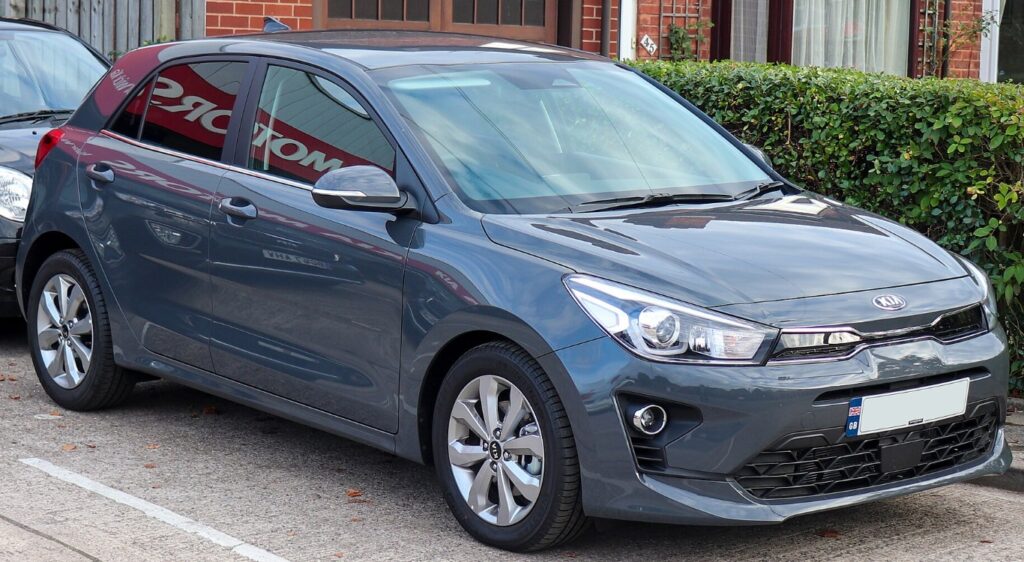
Buying a used Kia Rio can feel like finding a small treasure chest on wheels. It is compact, easy to park, affordable to run, and usually kinder to the wallet than many bigger cars. But here is the little catch we should not ignore: not every Kia Rio year is equally lovable.
Some model years are simple, dependable, and cheap to maintain. Others can feel like that one friend who always says, “I’ll be ready in five minutes,” then keeps you waiting for an hour. The Kia Rio has built a reputation as a practical subcompact car, and reliability sources generally rate it well overall, with RepairPal giving the Rio a 4.5 out of 5 reliability score and ranking it strongly among subcompact cars. Still, smart used-car shopping means looking beyond the badge and digging into the exact year, mileage, service history, recalls, and common owner complaints.
So, which Kia Rio years should we avoid? Broadly speaking, the riskiest years tend to be early 2000s models, some late-2000s cars, and certain 2011–2014 examples. These are the years where buyers more often report engine issues, transmission concerns, electrical problems, rough aging, and higher repair risk. Some used-car sources specifically flag 2001–2004, 2007–2009, and 2011–2014 as years to approach carefully or avoid unless the car has strong maintenance records.
That does not mean every Rio from those years is a disaster. A well-maintained car can still be worth considering. But if we are shopping with limited time, limited budget, and limited patience for surprise repair bills, these are the years where our magnifying glass should come out.
Content in this publication
- Why the Kia Rio Years to Avoid Matter
- Quick Answer: Kia Rio Years to Avoid
- Best Kia Rio Years to Consider Instead
- Understanding the Kia Rio Generations
- 2001 Kia Rio: The First-Year Gamble
- 2002 Kia Rio: Still Too Close to the Beginning
- 2003 Kia Rio: Cheap but Risky
- 2004 Kia Rio: Better, But Still Not Ideal
- 2007 Kia Rio: Watch for Aging Problems
- 2008 Kia Rio: A Budget Car With Buyer Beware Energy
- 2009 Kia Rio: Not the Worst, But Not the Best
- 2011 Kia Rio: Transition-Year Caution
- 2012 Kia Rio: New Generation, New Questions
- 2013 Kia Rio: Attractive, But Inspect Hard
- 2014 Kia Rio: Better Than Earlier Years, Still Not Perfect
- Common Kia Rio Problems to Watch For
- How to Inspect a Used Kia Rio Before Buying
- Is a High-Mileage Kia Rio Worth Buying?
- Should We Avoid All Old Kia Rio Models?
- Kia Rio Years to Avoid vs Best Years: Simple Comparison
- Best Buyer Strategy for a Used Kia Rio
- When a Kia Rio Avoid Year Might Still Be Okay
- Final Thoughts: Which Kia Rio Years Should We Avoid?
- FAQs About Kia Rio Years to Avoid
Why the Kia Rio Years to Avoid Matter
When we search for “Kia Rio years to avoid,” we are not just looking for gossip. We are trying to protect our money. A used car can look shiny on the outside and still hide expensive problems underneath, like a nice jacket over a torn shirt.
The year matters because automakers change engines, transmissions, safety features, electronics, suspension tuning, and interior materials over time. A weak model year can carry design flaws, cheaper components, recall history, or reliability patterns that show up after thousands of owners put real miles on the car.
With the Kia Rio, we are usually dealing with buyers who want value. Nobody shops for a Rio expecting luxury-sedan drama. We want a car that starts every morning, sips fuel, fits into tight parking spots, and does not ask for a mechanic every other weekend.
That is why choosing the right year can be the difference between “great little commuter” and “why is the check engine light back again?”
Quick Answer: Kia Rio Years to Avoid
If we want the simple version, these are the Kia Rio years we should inspect very carefully or skip altogether:
- 2001 Kia Rio
- 2002 Kia Rio
- 2003 Kia Rio
- 2004 Kia Rio
- 2007 Kia Rio
- 2008 Kia Rio
- 2009 Kia Rio
- 2011 Kia Rio
- 2012 Kia Rio
- 2013 Kia Rio
- 2014 Kia Rio
These years are not automatically worthless, but they are more likely to carry the kind of problems used-car buyers do not want: engine trouble, transmission complaints, electrical gremlins, rough interiors, worn suspension, and poor prior maintenance. Older Rios can also be cheap to buy but not always cheap to rescue.
Best Kia Rio Years to Consider Instead
Now, let us balance the story. The Kia Rio is not a car we should fear. In fact, many Rio owners love how simple and efficient it is. The better years are usually later models with improved build quality, better safety equipment, and fewer age-related headaches.
Years often worth considering include:
- 2015 Kia Rio
- 2016 Kia Rio
- 2017 Kia Rio
- 2018 Kia Rio
- 2019 Kia Rio
- 2020 Kia Rio
- 2021 Kia Rio
- 2022 Kia Rio
- 2023 Kia Rio
The later third-generation and fourth-generation cars generally feel more refined. They are newer, safer, more efficient, and less likely to have the heavy wear we see in older budget cars. Of course, condition still matters more than the badge on the trunk. A neglected 2020 Rio can be worse than a loved 2015 Rio.
Understanding the Kia Rio Generations
Before we label certain years as risky, we need to understand the Rio’s timeline. Each generation has its own personality, and knowing the difference makes shopping much easier.
First Generation Kia Rio: 2001–2005
The earliest Kia Rio models were basic transportation. And when we say basic, we mean basic like toast without butter. These cars were cheap, simple, and designed to get people from A to B without much flair.
The problem is that many first-generation Rios have aged poorly. They were inexpensive when new, and many owners treated them like disposable cars. That means today we often find them with spotty maintenance, tired engines, worn interiors, rust, weak suspension parts, and aging automatic transmissions.
Why Early Kia Rio Models Can Be Risky
The 2001–2004 Rio years are commonly mentioned among the least desirable. First-year and early-production cars often carry more bugs, and the early Rio was no exception. Used-car sources note that the 2001 Rio in particular has a history of engine and transmission-related complaints filed with NHTSA.
If we are considering one of these, the purchase price needs to be extremely low, and the maintenance history needs to be unusually strong. Otherwise, we may be buying someone else’s problems with a discount sticker attached.
Second Generation Kia Rio: 2006–2011
The second-generation Rio was a step forward. It looked better, drove better, and felt more modern than the first version. But not every year in this generation deserves our trust equally.
The 2007–2009 years are often listed among the Kia Rio years to avoid because of reliability concerns and owner complaints. These cars are now old enough that age-related wear is a major factor. Even if the original design was not terrible, time can turn minor weaknesses into expensive headaches.
Common Second-Generation Concerns
On older second-generation Rios, buyers should watch for:
- Rough shifting
- Engine hesitation
- Check engine lights
- Suspension clunks
- Weak air conditioning
- Electrical issues
- Rust in harsh climates
- Poor maintenance history
This is where we need to be brutally honest. A cheap used car is only cheap if it does not immediately demand repairs.
Third Generation Kia Rio: 2012–2017
The third-generation Kia Rio brought sharper styling, better equipment, and a more grown-up feel. It no longer looked like a penalty box. It became a genuinely decent small car.
But the early years of this generation, especially 2012–2014, are often viewed with caution. These models can still be good cars, but they are frequently included in “avoid” lists because of reported issues and ownership concerns.
Why 2012–2014 Kia Rio Models Need Extra Inspection
The 2012 Rio launched a new generation, and new generations can bring teething problems. We should pay attention to engine performance, oil consumption, transmission behavior, electronics, steering feel, and suspension condition.
These cars can be attractive because they look modern and are often inexpensive. But that can be a trap. A stylish small car with hidden mechanical wear is still a repair bill waiting in the bushes.
Fourth Generation Kia Rio: 2018–2023
The fourth-generation Rio is generally the one we would feel more comfortable recommending. It is newer, better built, and more refined. The design is cleaner, the cabin feels improved, and fuel economy is usually strong.
By this stage, the Rio became a more mature subcompact. It was still affordable, but it did not feel quite as cheap or fragile as some early models.
Why Later Kia Rio Models Are Safer Bets
Later Rio years tend to benefit from:
- Better safety technology
- Improved interior quality
- More modern infotainment
- Better fuel efficiency
- Lower mileage on average
- Fewer age-related failures
- Stronger resale appeal
Again, we should never skip an inspection. But if we are choosing between a 2008 Rio and a 2020 Rio, the newer car usually wins before the conversation even gets interesting.
2001 Kia Rio: The First-Year Gamble
The 2001 Kia Rio is one of the clearest years to avoid for most buyers. It was the beginning of the Rio nameplate in several markets, and first-year cars often carry early-production issues.
A 2001 Rio today is also very old. Even if it has survived, it may have rust, brittle rubber parts, worn mounts, tired seals, outdated safety features, and a long unknown history. Buying one is less like buying transportation and more like adopting a mechanical mystery.
Could it work as an ultra-cheap runabout? Maybe. But for most buyers, the risk is too high.
You may be interested in reading Kia Rio Models UK: A Complete Guide to Trims, Generations, Engines, and Which One to Buy
2002 Kia Rio: Still Too Close to the Beginning
The 2002 model did not move far enough away from the early weaknesses. It still belongs to the first generation and carries many of the same concerns: basic build quality, aging mechanicals, and limited modern safety protection.
If we find one with low mileage and perfect service records, we can look. But realistically, most 2002 Rios on the used market have lived hard lives. We should not expect miracles from a car that was originally built to be cheap transportation.
2003 Kia Rio: Cheap but Risky
The 2003 Kia Rio can tempt buyers because the price may look almost too good to ignore. But sometimes a low price is not a deal; it is a warning label.
At this age, the biggest issue is not only factory reliability. It is accumulated wear. Engine seals, cooling system parts, suspension components, electrical connectors, and transmission parts may all be tired.
When a small economy car reaches this age, the repair cost can quickly exceed the value of the car.
2004 Kia Rio: Better, But Still Not Ideal
The 2004 Rio may be slightly more sorted than the earliest examples, but it is still part of the same basic first-generation package. We would not put it high on a shopping list unless the budget is extremely tight and the car is unusually clean.
The smartest move is to compare it with a later Rio. Spending a little more upfront can save us from spending much more later.
2007 Kia Rio: Watch for Aging Problems
The 2007 Kia Rio belongs to the second generation, so it is more modern than the original model. Still, it often appears in discussions about Rio years to avoid.
Why? Because these cars are now old enough to suffer from both design limitations and age-related wear. A 2007 Rio may have worn suspension, aging electronics, tired interior materials, or transmission issues depending on how it was maintained.
If we inspect one, we should test-drive it when cold, check for shifting smoothness, listen for engine noise, and scan for diagnostic codes.
2008 Kia Rio: A Budget Car With Buyer Beware Energy
The 2008 Rio is another year we should approach carefully. It can be dependable if maintained, but many examples were bought as cheap commuter cars and maintained with the same energy people use for forgotten houseplants.
The danger is deferred maintenance. Cheap cars often get cheap care. Oil changes get delayed. Transmission fluid gets ignored. Tires are mismatched. Warning lights are dismissed. Then the next buyer inherits the mess.
A 2008 Rio with full records is one thing. A 2008 Rio with no records and a “trust me, it runs great” seller is another.
2009 Kia Rio: Not the Worst, But Not the Best
The 2009 Kia Rio sits in an awkward place. It is newer than the earliest Rios but still old enough to be risky. Many are high-mileage cars now, and some may have been through multiple owners.
For this year, condition is everything. If the engine idles smoothly, the transmission shifts cleanly, the brakes feel solid, and the service history is complete, it may be usable. But we should not overpay.
2011 Kia Rio: Transition-Year Caution
The 2011 Rio can be tricky. It is the final stretch of the second generation in many markets, and while it may be more refined than older examples, it still does not offer the same appeal as the later third-generation cars.
Some buyers may consider it because prices are low. But we should compare it carefully against 2015–2017 models, which often feel like a better long-term bet.
2012 Kia Rio: New Generation, New Questions
The 2012 Kia Rio looked much better than the car it replaced. Suddenly, the Rio had style. It no longer looked like it was apologizing for being inexpensive.
But new-generation models can have early issues, and 2012 is often placed in the caution zone. Before buying one, we should inspect for engine noise, oil leaks, poor acceleration, transmission hesitation, steering issues, and electrical faults.
The car may be fine. The point is not panic. The point is caution.
2013 Kia Rio: Attractive, But Inspect Hard
The 2013 Rio is not automatically bad. In fact, many owners have had good experiences with it. But when a year appears repeatedly in avoid-year discussions, we should listen.
This is the kind of used car that needs a pre-purchase inspection. Not a quick walkaround. Not a “looks clean to me” moment. A real inspection.
We should ask:
- Has the oil been changed regularly?
- Are there service records?
- Does the engine sound smooth on cold start?
- Are there any open recalls?
- Does the transmission shift normally?
- Are there dashboard warning lights?
- Has the car been in an accident?
If the seller gets annoyed by these questions, that is useful information too.
2014 Kia Rio: Better Than Earlier Years, Still Not Perfect
The 2014 Rio may be more appealing than 2012 or 2013, but it is still commonly grouped with years buyers should approach carefully. It can be a good purchase if clean, but we should not assume it is bulletproof.
By 2014, many Rio models had better refinement, but problems can still come from mileage, maintenance neglect, and ownership history. The safest 2014 Rio is one with documented maintenance, no major accident history, smooth driving behavior, and no suspicious noises.
Common Kia Rio Problems to Watch For
Whether we buy an avoid-year Rio or a recommended-year Rio, some problems deserve special attention.
Engine Problems
Engine issues are among the most serious concerns on any used car. Some complaint-tracking sources list engine problems as one of the most common Kia Rio complaint categories across model years.
Warning signs include:
- Knocking or ticking sounds
- Rough idle
- Smoke from the exhaust
- Burning oil smell
- Poor acceleration
- Check engine light
- Overheating
- Oil leaks
An engine problem can turn a cheap Rio into an expensive regret very quickly.
Transmission Issues
Automatic transmission problems can show up as rough shifts, delayed engagement, slipping, or jerking. Manual transmissions can suffer from clutch wear, grinding, or hard shifting.
During a test drive, we should accelerate gently, accelerate firmly, reverse, park, and drive at city and highway speeds. A short spin around the block is not enough.
Electrical Gremlins
Small cars often age in annoying ways. Windows, locks, sensors, lights, radio units, and dashboard electronics can start acting strange.
You may be interested in readingKia Rio Models UK: A Complete Guide to Trims, Generations, Engines, and Which One to BuyYou may be interested in reading
Kia Rio vs Ceed: Which Kia Hatchback Makes More Sense?Electrical issues may not always be expensive, but they can be irritating. And when several small problems appear together, they can make a car feel older than it is.
Suspension Wear
A Kia Rio is light and simple, but suspension parts still wear out. Listen for clunks over bumps, uneven tire wear, loose steering, and vibration at speed.
Suspension repairs are usually manageable, but they should be included in the price negotiation.
Brake and Recall Concerns
Some Kia and Hyundai vehicles have been affected by fire-risk recalls connected to brake-related electrical components, and NHTSA issued a consumer alert in 2023 about millions of Kia and Hyundai vehicles being recalled and advised owners to park outside until repaired. Cars.com also lists Kia Rio recall history sourced from NHTSA data, including brake-related recall information.
Before buying any used Kia Rio, we should check the VIN for open recalls. This step is free, fast, and too important to skip.
How to Inspect a Used Kia Rio Before Buying
A used Rio can be a great purchase if we inspect it properly. Think of the inspection like reading the fine print before signing a contract. It may not be exciting, but it can save us.
Check the Service History
Maintenance records are gold. We want to see regular oil changes, brake work, tire replacements, coolant service, and any major repairs.
No records does not always mean no maintenance, but it does increase risk.
Start the Engine Cold
A warm engine can hide problems. Ask the seller not to start the car before we arrive. On a cold start, listen for rattles, knocking, rough idle, or smoke.
Windows, locks, mirrors, radio, air conditioning, heater, lights, wipers, horn, and infotainment should all work. In a small cheap car, people often ignore broken features. We should not.
Drive at Different Speeds
A proper test drive should include:
- Slow city driving
- Stop-and-go traffic
- Moderate acceleration
- Highway speed
- Braking from speed
- Reverse parking
- Tight turns
The car should feel stable, smooth, and predictable.
Scan for Codes
A diagnostic scan can reveal stored or pending trouble codes even if the dashboard looks clean. This is especially important because some sellers clear warning lights before showing the car.
Is a High-Mileage Kia Rio Worth Buying?
A high-mileage Kia Rio can be worth buying, but only if the price, condition, and service history make sense. These cars are simple and economical, but they are not magic. A neglected Rio with 150,000 miles can become a money pit.
Mileage is not the enemy. Neglect is.
A 120,000-mile Rio with full maintenance records may be better than an 80,000-mile Rio with no history, mismatched tires, and a suspiciously clean engine bay.
Should We Avoid All Old Kia Rio Models?
Not necessarily. We should avoid bad examples, not just old years. But some years deserve extra caution because they are more likely to have problems or poor ownership histories.
Older Rio models can still work for:
- Very tight budgets
- Short-distance commuting
- First-time drivers
- Temporary transportation
- Buyers who can do basic repairs themselves
But if we need reliable daily transportation with minimal drama, a later model is usually the smarter choice.
Kia Rio Years to Avoid vs Best Years: Simple Comparison
| Category | Years | Buyer Advice |
|---|---|---|
| Highest caution | 2001–2004 | Avoid unless extremely cheap and well maintained |
| Caution | 2007–2009 | Inspect carefully; age and maintenance matter |
| Caution | 2011–2014 | Can be okay, but check history and engine condition |
| Better choices | 2015–2017 | More refined and usually safer buys |
| Stronger choices | 2018–2023 | Best balance of age, features, and reliability |
Best Buyer Strategy for a Used Kia Rio
The smartest strategy is simple: buy the newest, cleanest, best-maintained Rio we can afford. Do not chase the cheapest listing unless we are prepared for repairs.
A good Rio should have:
- Clean title
- No major accident history
- Strong maintenance records
- Smooth engine
- Smooth transmission
- Working air conditioning
- No warning lights
- Good tires
- No open recalls
- Fair price
If two cars cost almost the same, choose the one with better records, not just lower mileage.
When a Kia Rio Avoid Year Might Still Be Okay
Let us be fair. An avoid year can still be worth buying in the right situation. For example, a 2013 Rio with one owner, low mileage, full service records, and a clean inspection could be a better buy than a neglected 2018 model.
Used cars are individual machines. The year gives us a clue, not a final verdict.
A risky year becomes more acceptable when:
- The price is clearly below market
- Maintenance records are complete
- A mechanic approves it
- There are no open recalls
- The car has no major accident history
- The seller is transparent
- The test drive feels normal
Final Thoughts: Which Kia Rio Years Should We Avoid?
If we are shopping for a used Kia Rio, the main years to avoid or inspect very carefully are 2001–2004, 2007–2009, and 2011–2014. These years tend to carry more risk due to age, owner complaints, early-generation issues, or maintenance sensitivity.
For most buyers, the safer path is to look at 2015 and newer models, especially 2018–2023 examples. They feel more modern, usually have better safety features, and are less likely to be worn out.
The Kia Rio can be a brilliant little car when we choose wisely. It is like a good backpack: small, practical, affordable, and surprisingly useful. But pick the wrong one, and suddenly that backpack has a broken zipper, a hole in the bottom, and your wallet falling through it.
So, we inspect carefully, check the VIN, read the service records, drive it properly, and never let a shiny price blind us. A good Kia Rio can serve us well. A bad one can teach us an expensive lesson.
FAQs About Kia Rio Years to Avoid
What are the worst Kia Rio years to avoid?
The Kia Rio years most often worth avoiding or inspecting very carefully are 2001–2004, 2007–2009, and 2011–2014. These years may have higher risk due to age, complaints, mechanical wear, or early-generation issues.
Is the 2012 Kia Rio a bad car?
The 2012 Kia Rio is not automatically bad, but it is a year buyers should inspect carefully. It launched a newer generation, and early model years can carry teething problems. A clean 2012 Rio with full records may still be worth considering.
What is the best used Kia Rio year to buy?
For many buyers, 2018–2023 Kia Rio models are the best choices because they are newer, more refined, and usually less worn. The 2015–2017 models can also be good value if properly maintained.
Are Kia Rio cars reliable?
Yes, the Kia Rio is generally considered a reliable subcompact car, especially when maintained well. RepairPal gives it a strong reliability rating, but individual model year, mileage, and service history still matter a lot.
You may be interested in readingKia Rio Models UK: A Complete Guide to Trims, Generations, Engines, and Which One to BuyYou may be interested in reading
Kia Rio vs Ceed: Which Kia Hatchback Makes More Sense?You may be interested in reading
Kia Rio vs Picanto: Which Small Kia Makes More Sense?Should I buy an old Kia Rio with high mileage?
Only if it has strong maintenance records, a clean inspection, and a very fair price. High mileage is not always bad, but poor maintenance can make an old Kia Rio expensive to own.
If you want to know other articles similar to Kia Rio Years to Avoid: A Smart Buyer’s Guide Before You Say Yes you can visit the category Models.
Kia Sorento Models: Complete Guide to Trims, Engines and Versions
BYD Shark 6 vs Ranger vs HiLux: Which Ute Makes the Most Sense in 2026?
BYD Shark 6 vs MG U9: Which Ute Makes More Sense in 2026?
BYD Shark 6 vs Ford Ranger Raptor: Which Performance Ute Is Better in 2026?
BYD Shark 6 vs Kia Tasman: Which Ute Is Better?
BYD Shark 6 vs 7: What We Know So Far
Leave a Reply
More content of your interest