

Leapmotor C10 Life vs Design: Which Trim Should We Buy?

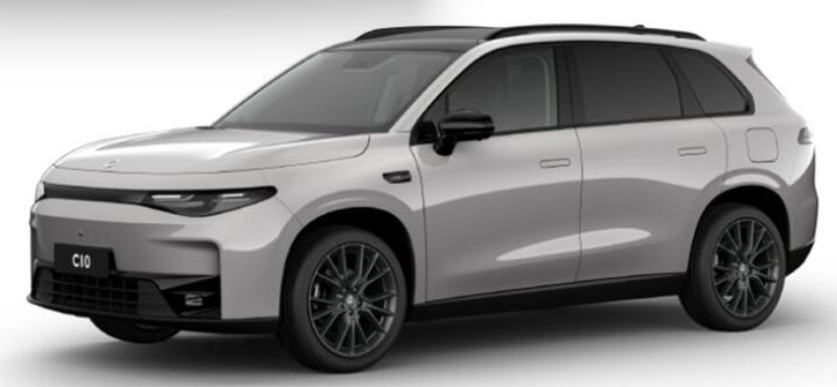
Choosing between the Leapmotor C10 Life vs Design looks simple at first. Both versions share the same spacious SUV body, modern cabin layout, large infotainment screen and extensive safety technology. Look closer, though, and the Design trim starts sprinkling in the sort of equipment we notice every single day: heated and ventilated seats, a heated steering wheel, ambient lighting, privacy glass and an electric tailgate.
So, is Design genuinely worth spending more on, or is Life the smarter choice?
For most buyers, the answer comes down to something more important than simply counting features. We need to ask which extras improve everyday ownership and which ones will simply sit quietly in the specification sheet.
In European MY26 pricing, the difference is relatively modest. A Belgian October 2025 price list, for example, placed the 69.9kWh C10 Life BEV at €37,400 and the equivalent Design at €38,900—a €1,500 gap. The same difference applied to the range-extender version.
That makes the comparison interesting because Design isn't asking us to climb a huge financial mountain. It's more like stepping onto the next stair.
Let's break down exactly what changes.
Content in this publication
- Leapmotor C10 Life vs Design at a Glance
- What Do Life and Design Have in Common?
- Leapmotor C10 Life: What Do We Actually Get?
- Leapmotor C10 Design: What Does It Add?
- Life vs Design Interior: Which Feels More Premium?
- Life vs Design Exterior Differences
- Does Design Drive Better Than Life?
- What About the New 81.9kWh C10?
- Leapmotor C10 Life vs Design Price Difference
- Electric Tailgate: Luxury or Useful Feature?
- Which Trim Is Better for Families?
- Which Trim Is Better for Value?
- Which Trim Should Company-Car Drivers Choose?
- Which Trim Should Private Buyers Choose?
- Is the C10 Life Better on Smaller Wheels?
- Life vs Design for Hot Climates
- Life vs Design for Cold Climates
- Are There Any Reasons Not to Choose Design?
- Leapmotor C10 Life vs Design: Our Verdict
- Frequently Asked Questions
- Closing Thoughts
Leapmotor C10 Life vs Design at a Glance
The easiest way to understand these trims is to think of Life as the sensible foundation and Design as the comfort-focused upgrade.
| Feature | C10 Life | C10 Design |
|---|---|---|
| Large central touchscreen | Yes | Yes |
| Digital instrument display | Yes | Yes |
| 360-degree camera | Yes | Yes |
| Adaptive cruise control | Yes | Yes |
| Heat pump | Yes | Yes |
| Panoramic glass roof | Yes | Yes |
| Dual-zone climate control | Yes | Yes |
| Wireless phone charging | Yes | Yes |
| Heated front seats | No | Yes |
| Ventilated front seats | No | Yes |
| Heated steering wheel | No | Yes |
| Ambient interior lighting | No | Yes |
| Rear privacy glass | No | Yes |
| Electric tailgate | No | Yes |
| Upgraded seat material | Standard synthetic leather | OEKO-TEX-enhanced trim |
| Larger alloy wheels in some markets | No | Yes |
European specifications list heated and ventilated front seats, heated steering wheel, ambient lighting, privacy glass and a powered tailgate among the main Design additions. Exact equipment can vary between countries.
The first thing that jumps out is how well equipped Life already is. We aren't moving from a bare-bones rental-car specification into something luxurious. Life already feels thoroughly modern.
That changes the question.
Rather than asking, “Can we live with Life?”, we should ask, “Will we actually appreciate the Design upgrades enough to justify paying extra?”
What Do Life and Design Have in Common?
A lot.
Both versions sit on the same C10 architecture and offer the same basic dimensions, cabin design and five-seat layout. The C10 measures roughly 4.74 metres long and 1.90 metres wide, placing it firmly in family-SUV territory.
The dashboard also remains fundamentally identical.
We get a large 14.6-inch central infotainment display accompanied by a digital instrument cluster. That combination makes the C10 cabin feel more expensive than we might expect from a relatively affordable electric SUV.
Safety Equipment Is Strong Even on Life
This is important.
Leapmotor hasn't reserved the core driver-assistance package for the expensive trim.
Depending on market specification, equipment can include:
- Adaptive cruise control
- Lane centring
- Lane departure warning
- Blind-spot detection
- Rear cross-traffic alert
- Autonomous emergency braking
- Driver-attention monitoring
- Door-opening warning
- Intelligent speed assistance
- 360-degree camera
The Dutch MY26 equipment list, for instance, shows this broad ADAS package on the Life model rather than making buyers upgrade to Design to obtain the important safety systems.
That's exactly how trim levels should work.
Safety shouldn't be the carrot dangling at the top of the options ladder.
Leapmotor C10 Life: What Do We Actually Get?
Life sounds like the entry-level model, but “entry-level” almost feels misleading here.
The trim already includes many features that would once have belonged to a premium equipment package.
Depending on market, the Life specification includes electrically adjustable front seats, synthetic leather upholstery, automatic dual-zone climate control, a heat pump, panoramic roof with electric sunshade, wireless phone charging, multiple USB connections, keyless functionality and a comprehensive infotainment system.
That makes Life feel less like the cheap version and more like the value-focused version.
The Life Cabin Doesn't Feel Basic
This matters because specification sheets can create the wrong impression.
Remove heated seats and ambient lighting from many cars and suddenly the interior feels rather barren. The C10 doesn't suffer that problem because its fundamental cabin design is already minimalist and screen-focused.
The 14.6-inch display dominates the dashboard like a tablet sitting in the middle of a modern living room.
The panoramic roof adds light.
Electric seat adjustment adds convenience.
Synthetic leather upholstery keeps the visual presentation upscale.
So nobody climbing into a Life is likely to immediately think, “Ah, you bought the cheap one.”
That Makes Life Surprisingly Difficult to Beat
And that's where Leapmotor has made the trim decision tricky.
When the base version gives us nearly everything necessary, the upper trim needs to win through small luxuries rather than dramatic functional improvements.
For many drivers, Life does exactly enough.
Leapmotor C10 Design: What Does It Add?
Design doesn't completely transform the C10.
Instead, it polishes it.
Think of Life as a nicely furnished apartment. Design adds better lighting, warmer furniture and a few conveniences that make the place nicer to live in.
The significant upgrades are generally:
- Heated front seats
- Ventilated front seats
- Heated steering wheel
- Ambient interior lighting
- Rear privacy glass
- Electric tailgate
- Upgraded upholstery details
- Different or larger alloy wheels depending on market
Current European equipment lists confirm these as the principal differences between Life and Design.
Heated and Ventilated Seats Are the Star Upgrade
We could argue that this is the most valuable Design feature.
Heating is useful in cold climates, obviously.
Ventilation might be even better.
Anyone who has climbed into a dark car after it has spent three hours roasting in summer sunshine knows why. Ventilated seats aren't glamorous on paper, but after living with them they become one of those features we miss surprisingly quickly.
Design gives us both heating and ventilation on the front seats.
If our C10 will regularly carry us through hot summers or cold winters, that alone makes Design more persuasive.
Design wins.
But not by the margin its name might suggest.
The actual dashboard architecture doesn't change. We're still looking at the same screens, broadly the same layout and the same minimalist philosophy.
What changes is atmosphere.
Ambient Lighting Makes a Bigger Difference at Night
Ambient lighting is one of those features that sounds frivolous until darkness falls.
During daylight, we might barely care.
At night, it changes the character of the cabin.
The Life interior can look clean and almost clinical. Design introduces ambient lighting that gives the dashboard and surrounding surfaces more visual depth. Some specifications also describe animated or rhythm-linked lighting effects.
Will it make the car drive better?
Of course not.
Will we enjoy it every evening?
Potentially.
Design Upholstery Gets an Upgrade
Some European specifications list synthetic leather for Life and an OEKO-TEX-enhanced upholstery treatment for Design.
Again, we're talking refinement rather than revolution.
The Design doesn't suddenly turn into a Bentley.
But together with the ambient lighting, heated seats and heated steering wheel, it feels like someone has turned the cabin's comfort dial one notch to the right.
Life vs Design Exterior Differences
The exterior distinction is fairly subtle.
That's actually good news for Life buyers.
We don't get a car wearing tiny wheels and black plastic bumpers shouting “BASE MODEL” to everybody in the supermarket car park.
The overall shape remains identical.
Both retain the C10's smooth EV styling, flush-looking details, long roofline and substantial proportions.
Privacy Glass Gives Design More Presence
One of the most noticeable Design upgrades is darker rear glazing.
Privacy glass visually tightens the side profile and makes the upper half of the vehicle look cleaner.
It's a cosmetic improvement, yes, but it also provides practical benefits for rear passengers and luggage.
If we frequently travel with children, carry valuables or simply dislike the greenhouse feeling created by large areas of glass, it's a useful addition.
Wheels Can Differ by Market
Wheel specification is one area where we need to be particularly careful.
The Dutch MY26 equipment sheet lists 18-inch wheels on Life and 20-inch alloys on Design, while equipment and naming may differ elsewhere.
That means buyers should check their local configuration rather than assuming every Life or Design sold globally is identical.
You may be interested in reading Leapmotor C10 2025 vs 2026: What Has Actually Changed?
And bigger isn't automatically better.
Twenty-inch wheels tend to look sharper, but smaller wheels can help ride comfort, tyre replacement costs and potentially efficiency.
Looks versus practicality. The eternal SUV argument.
Does Design Drive Better Than Life?
Usually, no meaningful difference should be expected when we're comparing equivalent powertrains.
The major trim changes centre on comfort and presentation rather than additional performance.
For the 69.9kWh rear-wheel-drive BEV, European MY26 pricing lists both Life and Design with the same 160kW/218hp drivetrain and 424km WLTP range in Belgium.
That means we aren't buying Design for speed.
Same Motor, Same Basic Character
The familiar 69.9kWh C10 EV produces roughly 218hp and drives the rear wheels. UK specification data quotes a 0-60mph time of around 7.5 seconds and a top speed of 106mph.
That's plenty for a family SUV.
Acceleration should feel brisk rather than neck-snapping.
And frankly, that's fine.
Not every EV needs to rearrange our internal organs every time the accelerator reaches the carpet.
What About the New 81.9kWh C10?
Here's where things become more interesting.
The latest European MY26 range doesn't necessarily offer every drivetrain on both trims.
In Belgium, the 81.9kWh, 800-volt, 215kW/292hp rear-wheel-drive C10 with a quoted 510km WLTP range is listed as a Design model, while Life is associated with the 69.9kWh version.
Spanish pricing published in 2026 follows a similar structure and additionally lists the higher-output 81.9kWh versions under Design rather than Life.
So the Life vs Design decision can sometimes become more than an equipment choice.
It may also determine which battery and powertrain combinations we can buy.
Check the Powertrain Before Comparing Prices
This is crucial.
Seeing one Design priced several thousand euros above a Life doesn't automatically mean we're paying thousands for heated seats and some ambient lights.
We might also be comparing different batteries, motors or charging systems.
Always compare like with like.
Otherwise, we're comparing apples to oranges—with both plugged into charging stations.
Leapmotor C10 Life vs Design Price Difference
Where matching powertrains are offered, the premium can be surprisingly reasonable.
The Belgian MY26 price list positioned both the 69.9kWh BEV and 28.4kWh REEV versions at:
Life: €37,400
Design: €38,900
That's exactly €1,500 more for Design before optional paint and any discounts.
Spanish March 2026 pricing similarly showed a €1,500 difference between matching Life and Design versions.
At that level, Design begins to look attractive.
Why €1,500 Changes the Equation
Suppose Design added only ambient lights and larger wheels.
We might keep our money.
But when the package includes heated seats, ventilated seats, heated steering wheel, electric tailgate and privacy glass as well, the additional cost starts looking proportionate.
Spread across several years of ownership, the price gap isn't enormous.
That doesn't make Design automatically better value.
It simply makes it easier to justify.
Electric Tailgate: Luxury or Useful Feature?
It sounds like a minor convenience.
Then we're standing behind the car holding two shopping bags, a backpack and something our child decided we absolutely needed to carry.
Suddenly, an electric tailgate makes perfect sense.
Design's powered boot lid is one of its genuinely practical upgrades in current European specifications.
It's not essential.
But unlike decorative trim, this is something many families will actually use.
Life Still Gives Us the Same Basic Luggage Space
Choosing Design doesn't magically make the C10 bigger.
Both trims share the same basic body and cargo architecture.
Published figures vary by version and measuring method, with European/UK sources quoting roughly 370-400 litres with the rear seats up and around 1,375-1,410 litres with them folded.
So we're paying for easier access, not additional capacity.
Which Trim Is Better for Families?
We'd lean toward Design.
Not because families need mood lighting.
Although toddlers may disagree.
The real reason is convenience.
Ventilated seats help during summer.
Heated seats help during winter.
Privacy glass improves rear-seat comfort.
The electric tailgate makes loading easier.
The heated steering wheel makes chilly morning school runs noticeably nicer.
None of these features transforms the C10 individually.
Together, however, they reduce small daily annoyances.
And that's often what good family-car equipment does.
Which Trim Is Better for Value?
Life.
This is where we need to separate best trim from best value.
Life gives us an extraordinary amount of equipment without requiring the jump to Design.
We're still getting the panoramic roof, big infotainment interface, digital instrumentation, electric seat adjustment, climate control, heat pump, wireless charging, 360-degree camera and the major driver-assistance systems in markets where the MY26 specification follows the published European equipment structure.
That's a substantial package.
Life Doesn't Feel Like a Compromise
This may be its greatest strength.
We aren't choosing Life and constantly being reminded of everything we're missing.
The stuff we interact with most—the screens, climate control, seating layout, cameras and safety technology—is already present.
Unless we've become accustomed to heated and ventilated seats, Design is largely optional luxury.
Which Trim Should Company-Car Drivers Choose?
Life deserves serious attention.
If the vehicle is being leased through a company scheme and we're sensitive to monthly payments, Life preserves most of the C10 experience while potentially reducing the monthly outlay.
The situation changes if Design costs only a small amount more through the lease provider.
A €1,500 or equivalent retail difference can translate into a relatively modest monthly gap.
If that's the case, Design may become the smarter long-term choice simply because we're using those comfort features every day.
The trick is to compare monthly cost, not merely list price.
Which Trim Should Private Buyers Choose?
We'd probably choose Design if the price difference remains around €1,500.
You may be interested in readingLeapmotor C10 2025 vs 2026: What Has Actually Changed?You may be interested in reading
 Mazda CX-9 Equivalent: The Best Alternatives to Mazda’s Three-Row SUV
Private buyers tend to keep cars longer.
Over five, six or seven years, features such as seat ventilation, heating and a powered tailgate have plenty of opportunities to prove useful.
There's also resale appeal to consider.
Second-hand buyers often filter searches by equipment.
A car with heated seats, privacy glass and an electric boot may attract more attention than an otherwise identical example without them.
We wouldn't assume Design will recover its entire premium at resale, but richer specifications rarely hurt desirability.
Is the C10 Life Better on Smaller Wheels?
Potentially.
If Life comes with 18-inch wheels and Design with 20-inch wheels in your country—as listed in the Dutch MY26 equipment sheet—the cheaper trim may deliver an unexpected practical advantage.
Smaller wheels generally mean more tyre sidewall.
More sidewall can help absorb sharp road imperfections.
Replacement tyres may also cost less.
And damage from potholes can become less financially terrifying.
Design Looks Better, Life May Ride Better
This is one of those compromises manufacturers rarely highlight in glossy brochures.
Bigger wheels photograph beautifully.
Real roads have potholes.
If comfort and running costs sit above visual drama on our priority list, Life's wheel package may actually be preferable.
Life vs Design for Hot Climates
Design wins easily.
Ventilated front seats make considerably more sense when temperatures climb.
Synthetic leather can become unpleasantly warm after a vehicle spends hours under direct sunshine, and ventilation helps mitigate that.
Privacy glass is another useful addition.
So if we're living somewhere with long, hot summers, Design's extras shift from “nice luxury” toward “features we'll genuinely appreciate.”
Life vs Design for Cold Climates
Design wins again.
This time it's the heated seats and heated steering wheel doing the heavy lifting.
The C10 Life already includes a heat pump in European specifications, which is important for an EV because efficient cabin heating can help minimise the winter range penalty.
Design then adds direct-contact heating.
A warm steering wheel sounds absurdly indulgent until the first freezing morning.
Then it feels like humanity's greatest invention since coffee.
Are There Any Reasons Not to Choose Design?
Absolutely.
The first is cost.
€1,500 isn't an enormous jump in the context of a €35,000-plus car, but money is still money. If we're financing the purchase, every additional euro can accumulate interest.
The second is wheels.
Larger alloys can mean more expensive tyres and potentially firmer ride quality.
The third is simplicity.
Life already contains most of the technology that defines the C10 experience.
Buying features we don't care about simply because they're bundled together isn't automatically good value.
Ask Yourself Five Questions
Before upgrading, we should ask:
- Will we actually use heated seats?
- Do we live somewhere hot enough to appreciate ventilation?
- Do we regularly load the boot with our hands full?
- Does privacy glass matter to us?
- Would we personally pay the price difference for those features?
Answer “yes” to three or more and Design probably makes sense.
Answer “no” to most of them and Life is the rational choice.
Leapmotor C10 Life vs Design: Our Verdict
If we judge purely on value for money, the Leapmotor C10 Life wins.
It already gives us most of the C10's strengths: a large family-friendly cabin, panoramic roof, huge central display, digital instrumentation, electric seat adjustment, heat pump, climate control, wireless charging, 360-degree camera and a deep suite of driver-assistance technology.
Nothing about it screams budget specification.
But if we're asking which version we'd rather own every day, the answer changes.
The Leapmotor C10 Design is our overall pick.
Why?
Because its upgrades concentrate on things we physically touch and use.
Heated seats.
Ventilated seats.
Heated steering wheel.
Electric tailgate.
Privacy glass.
Ambient lighting.
These aren't hidden mechanical modifications we'll appreciate twice a year. They improve ordinary journeys.
And where the difference between equivalent Life and Design models remains around €1,500, Design feels like a sensible upgrade rather than an indulgent one.
There is one important caveat.
Trim structures vary significantly by country.
The current UK C10 range, for example, has moved toward an “everything as standard” single-trim approach, while continental European markets continue to advertise Life and Design variants.
So check the specification sheet attached to the actual car we're buying.
If equivalent batteries and motors are being compared, Life is the budget champion.
If comfort matters and the premium remains modest, Design is the one we'd put in the driveway.
Frequently Asked Questions
Is Leapmotor C10 Design worth the extra money?
For many buyers, yes. Where the price difference between equivalent Life and Design versions is around €1,500, the addition of heated and ventilated front seats, heated steering wheel, ambient lighting, privacy glass and an electric tailgate makes Design attractive.
What is the main difference between Leapmotor C10 Life and Design?
The fundamental vehicle is similar, but Design focuses on additional comfort and styling equipment. Typical additions include heated and ventilated seats, heated steering wheel, ambient lighting, privacy glass, powered tailgate and upgraded upholstery details.
Does the Leapmotor C10 Life have a panoramic roof?
Yes, European MY26 equipment information lists a panoramic roof with an electric sunshade among the Life model's standard equipment.
Does the Leapmotor C10 Life have a 360-degree camera?
Yes. Published European specifications list a 360-degree camera among the C10 Life's equipment, so buyers do not necessarily need Design to obtain surround-view parking assistance.
Does Leapmotor C10 Design have more range than Life?
Not necessarily. When Life and Design use the same 69.9kWh drivetrain, Belgian MY26 pricing lists both at 424km WLTP. However, some newer 81.9kWh versions are offered only in Design specification in certain European markets, meaning those particular Design variants can deliver longer claimed range.
Closing Thoughts
The Leapmotor C10 Life vs Design debate isn't really about good versus bad.
It's about excellent value versus extra comfort.
Life proves that an entry specification doesn't need to feel stripped out. It delivers nearly everything necessary and leaves very little on our wish list.
Design simply makes daily ownership nicer.
For the price-conscious buyer, choose Life.
For the family buyer, long-term owner or anyone who values creature comforts, choose Design.
And if the difference is only around €1,500?
We'd stretch to Design.
Sometimes the best upgrades aren't the ones that make a car faster or flashier. They're the little conveniences we stop noticing because they've quietly made every journey easier.
That's exactly where the C10 Design earns its money.
You may be interested in readingLeapmotor C10 2025 vs 2026: What Has Actually Changed?You may be interested in reading
Mazda CX-9 Equivalent: The Best Alternatives to Mazda’s Three-Row SUVYou may be interested in reading
Mazda CX-9 Years: Best, Worst, and Full Model GuideIf you want to know other articles similar to Leapmotor C10 Life vs Design: Which Trim Should We Buy? you can visit the category Models.
Honda Passport vs Toyota 4Runner: Which SUV Is Better?
Honda Passport vs Ford Bronco: Which SUV Is Better?
Honda Passport vs Ford Explorer: Which SUV Is Better?
Honda Passport or Pilot: Which SUV Is Better?
Honda Passport vs Jeep Grand Cherokee: Which SUV Is Better?
Honda Passport vs Nissan Pathfinder: Which SUV Is Better?
Leave a Reply
More content of your interest