
Mazda 6 Cons: The Downsides You Should Know Before Buying

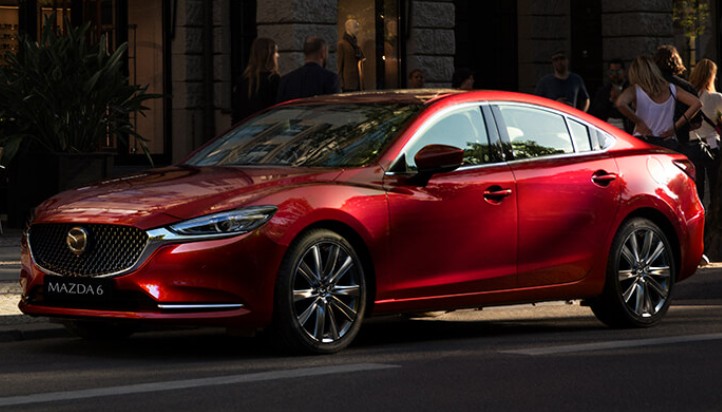
The Mazda 6 has always been a bit of a rebel in the midsize-car world. While many rivals chased maximum practicality, soft suspension, and appliance-like simplicity, Mazda built a sedan that wanted to make us enjoy the drive. Sharp styling, responsive steering, and an upscale-feeling cabin helped the Mazda 6 stand apart.
But no car is perfect.
When we look closely at the Mazda 6 cons, several weaknesses start to appear. Some are minor annoyances. Others can become important depending on the model year, engine, transmission, climate, and how we plan to use the car.
Maybe we are shopping for a used Mazda 6. Perhaps we already own one and are wondering whether a strange noise, limited rear space, or stiff ride is normal. Either way, understanding the disadvantages matters just as much as reading glowing reviews.
So, what are the real drawbacks of the Mazda 6? Let's dig into them.
Content in this publication
- What Are the Main Mazda 6 Cons?
- The Mazda 6 Prioritizes Driving Feel Over Maximum Comfort
- Rear-Seat Space Is Good, But Not Class-Leading
- Road Noise Can Be More Noticeable Than Expected
- Some Older Mazda 6 Infotainment Systems Feel Dated
- The Mazda 6 Does Not Offer SUV-Like Cargo Flexibility
- All-Wheel Drive Is Generally Not an Option
- Turbo Models Can Use More Fuel Than Expected
- Naturally Aspirated Engines Can Feel Modest at Higher Speeds
- Mazda 6 Diesel Engines Can Bring Additional Complexity
- Carbon Buildup Can Affect Some Engines
- The Automatic Transmission Is Smooth but Not Always Exciting
- Visibility Is Not Perfect
- Low Ground Clearance Requires More Care
- Paint Durability Can Frustrate Some Owners
- Interior Materials Are Good, But Not Perfect Everywhere
- The Mazda 6 Is No Longer the Newest Design in the Segment
- Resale Value Depends Heavily on Market Demand
- Replacement Parts Can Become Expensive
- Safety Technology Can Feel Intrusive
- Is the Mazda 6 Expensive to Maintain?
- Should We Avoid High-Mileage Mazda 6 Models?
- Which Mazda 6 Buyers May Be Disappointed?
- Who Will Probably Enjoy the Mazda 6 Despite Its Cons?
- What to Check Before Buying a Used Mazda 6
- Are the Mazda 6 Cons Serious Enough to Avoid the Car?
- Mazda 6 Cons vs Its Strengths
- Final Thoughts: Are the Mazda 6 Cons Deal Breakers?
- Frequently Asked Questions About Mazda 6 Cons
What Are the Main Mazda 6 Cons?
The Mazda 6 does many things well, but its weaknesses tend to fall into a few major categories.
Some of the most commonly discussed Mazda 6 disadvantages include:
- Limited rear-seat space compared with some rivals
- A firmer ride than comfort-focused sedans
- More noticeable road noise on certain surfaces
- No all-wheel-drive option on most versions
- Lower cargo practicality than SUVs and hatchbacks
- Potential diesel-related problems in some markets
- Aging infotainment technology on older models
- Turbo-engine fuel economy that can disappoint
- Visibility limitations caused by the sleek body design
- Potentially expensive repairs as the car ages
None of these automatically make the Mazda 6 a bad car. Think of them more like the fine print beneath an attractive headline.
The Mazda 6 Prioritizes Driving Feel Over Maximum Comfort
One of the clearest Mazda 6 cons is also connected to one of its greatest strengths.
Mazda designed the car to feel responsive.
The steering feels relatively direct, body roll is controlled, and the chassis doesn't float around like a boat on a calm lake. Enthusiastic drivers generally appreciate that personality.
The trade-off?
Ride comfort can be firmer than expected.
Rough Roads Can Expose the Firm Suspension
On smooth highways, the Mazda 6 usually feels composed and mature. Move onto broken pavement, potholes, expansion joints, or rough city streets and things can change.
Sharper impacts sometimes enter the cabin more clearly than they would in softer competitors.
Vehicles equipped with larger wheels and lower-profile tires can feel especially firm.
If we regularly drive on poorly maintained roads, this becomes much more noticeable.
Large Wheels Can Make Things Worse
Higher-spec Mazda 6 versions often look fantastic with larger alloy wheels.
Unfortunately, beauty occasionally sends the bill later.
Low-profile tires have less sidewall available to absorb impacts. That can make potholes feel harsher while also increasing the possibility of wheel or tire damage.
For drivers prioritizing comfort, a Mazda 6 equipped with smaller wheels can sometimes be the smarter choice.
Rear-Seat Space Is Good, But Not Class-Leading
Another important disadvantage becomes clear when we start comparing the Mazda 6 with larger midsize sedans.
The rear seat isn't tiny.
Two adults can generally sit comfortably enough, and children should have no major issue. But rivals designed with maximum passenger volume in mind can provide noticeably more room.
Tall Passengers May Notice Limited Legroom
If the front seats are pushed backward for tall occupants, rear passengers may find knee room tighter than expected.
That matters if we frequently transport:
- Adult passengers
- Teenagers
- Clients or coworkers
- Family members on longer journeys
If the back seat is only occasionally used, the difference may barely matter. For families, however, those few extra inches offered by a rival can feel enormous during a four-hour road trip.
The Sloping Roofline Affects Rear Headroom
The Mazda 6's roofline contributes to its sporty silhouette.
It also creates a compromise.
Tall rear passengers may find headroom less generous than in more upright sedans.
This is the classic style-versus-space equation: the car looks lower and sleeker from outside, but there is slightly less air above your head inside.
Road Noise Can Be More Noticeable Than Expected
Mazda improved refinement considerably across later versions of the Mazda 6, but road noise remains worth considering, particularly on certain model years.
Coarse pavement can generate a fair amount of tire noise.
Wind noise may also become more obvious at highway speed compared with premium sedans or exceptionally quiet mainstream competitors.
Tire Choice Makes a Big Difference
Sometimes the car isn't entirely responsible.
Different tires can transform how noisy a Mazda 6 feels.
Aggressive performance-oriented tires often transmit more road texture and sound into the cabin. Touring tires designed around comfort can make the same vehicle feel considerably more refined.
This means a noisy test drive doesn't always indicate a mechanical problem.
Check the tires first.
Some Older Mazda 6 Infotainment Systems Feel Dated
Technology ages faster than almost anything else in a car.
A ten-year-old engine can still feel perfectly adequate. A ten-year-old touchscreen can feel prehistoric.
Older Mazda 6 models may have infotainment systems that respond slowly by modern standards.
Graphics can appear dated, menus may require too many inputs, and touchscreen functionality can be limited depending on the vehicle and system configuration.
The Rotary Controller Has a Learning Curve
Mazda has frequently relied on a center-console rotary controller.
We actually find the concept useful once we're familiar with it. It allows many functions to be operated without reaching forward toward the dashboard.
New owners, though, may need time to adapt.
Drivers accustomed exclusively to touchscreen interfaces can initially find it unnecessarily complicated.
Smartphone Integration Depends on Model Year
Apple CarPlay and Android Auto availability varies according to market, trim, equipment, and production year.
Some older Mazda 6 vehicles may require an upgrade to gain modern smartphone integration.
That doesn't ruin the car, but it deserves attention when shopping used.
The Mazda 6 Does Not Offer SUV-Like Cargo Flexibility
Sedans have a natural limitation.
The trunk can be spacious, but the opening is still smaller than the large rear hatch found on an SUV, wagon, or liftback.
That difference matters more than raw cargo-volume numbers suggest.
Try loading a large box into a sedan and suddenly the trunk opening becomes the bottleneck.
Folding Seats Help, But Only So Much
Folding rear seats increase flexibility for longer objects.
However, bulky items can still be difficult to load because the trunk opening remains relatively narrow.
If we frequently carry bicycles, camping equipment, large suitcases, furniture, tools, or pets, a crossover may simply make everyday life easier.
All-Wheel Drive Is Generally Not an Option
For many versions and markets, the Mazda 6 is fundamentally a front-wheel-drive sedan.
That's perfectly acceptable for most conditions.
Yet shoppers living in snowy or mountainous areas may prefer all-wheel drive.
Competitors that offer AWD can therefore become more attractive.
Good Tires Matter More Than Many Drivers Think
Front-wheel drive paired with quality winter tires can still perform impressively in cold weather.
Nevertheless, AWD can provide additional traction while accelerating on slippery surfaces.
If all-wheel drive is a non-negotiable requirement, the Mazda 6 quickly disappears from many shopping lists.
Turbo Models Can Use More Fuel Than Expected
Certain later Mazda 6 variants were available with Mazda's turbocharged 2.5-liter petrol engine.
Extra torque transforms the car.
Acceleration feels stronger, overtaking becomes easier, and the engine suits the Mazda 6's sporty character.
But performance never arrives completely free.
Driving Style Strongly Influences Consumption
Drive gently and fuel consumption can remain reasonable.
Use the turbo regularly and the fuel gauge can start falling like sand through an hourglass.
City driving, short journeys, heavy acceleration, idling, and larger wheels can all increase consumption.
Drivers expecting economy-car fuel bills may therefore be disappointed.
Premium Fuel May Affect Performance Depending on Specification
Some versions of Mazda's turbo engine can adjust output depending on fuel octane.
Owners should always follow the requirements and recommendations listed in the owner's manual for their specific market and model.
You may be interested in reading Ram 1500 Reliability: How Dependable Is This Full-Size Truck?
The important point is simple: performance-oriented versions generally cost more to operate than basic naturally aspirated models.
Naturally Aspirated Engines Can Feel Modest at Higher Speeds
The standard naturally aspirated engine offers a different compromise.
It is generally smooth and adequate for everyday commuting, but drivers expecting strong performance may wish for more power.
Acceleration becomes more noticeable when:
- Carrying several passengers
- Climbing steep hills
- Joining fast highways
- Passing vehicles at higher speeds
- Driving with a heavily loaded trunk
The Mazda 6 chassis can sometimes feel capable of handling considerably more power than the base engine provides.
That contrast can be frustrating for enthusiastic drivers.
Mazda 6 Diesel Engines Can Bring Additional Complexity
In markets where diesel Mazda 6 models were sold, the diesel versions deserve special attention.
Diesel engines can provide excellent torque and strong long-distance economy. However, modern diesel emissions systems are complex.
Short-trip driving can create problems that motorway drivers may never experience.
DPF Problems Can Be a Concern
The diesel particulate filter needs suitable operating conditions to regenerate properly.
Frequent short journeys may prevent regeneration from completing as intended.
Potential warning signs can include:
- DPF warning lights
- Reduced performance
- Increased fuel consumption
- Frequent regeneration attempts
- Rising oil level in some circumstances
- Engine warning messages
Ignoring diesel warning signs is rarely a smart strategy.
A small issue can snowball into something considerably more expensive.
Oil Dilution Deserves Attention
Certain diesel operating conditions can contribute to fuel contamination of engine oil.
That makes correct maintenance especially important.
Owners should monitor oil level, use the correct oil specification, and take warning messages seriously.
If buying a used diesel Mazda 6, service history matters enormously.
Diesel Models Suit Certain Driving Patterns Better
A diesel Mazda 6 can make much more sense for someone driving long highway distances every week than for someone commuting three kilometers through city traffic.
Modern diesels like heat and sustained running.
Use one entirely for tiny trips and it's a little like buying hiking boots to walk from the sofa to the refrigerator.
Carbon Buildup Can Affect Some Engines
Direct-injection engines can be susceptible to carbon accumulation over time.
The severity varies greatly depending on engine design, mileage, maintenance, driving style, fuel quality, and operating conditions.
Symptoms potentially associated with excessive deposits can include:
- Rough idle
- Reduced efficiency
- Hesitation
- Power loss
- Engine warning lights
These symptoms can also have many other causes, so diagnosis matters.
We shouldn't assume carbon buildup every time the engine stumbles.
The Automatic Transmission Is Smooth but Not Always Exciting
Mazda continued using conventional automatic transmissions while many competitors moved toward continuously variable transmissions or newer multi-speed automatics.
This has advantages.
Mazda automatics often feel natural because engine speed rises and falls in a familiar way.
However, drivers focused purely on acceleration may find some versions less aggressive than newer transmissions with more ratios.
Manual Mode Doesn't Turn It Into a Sports Car
Manual shifting can make the car more engaging, but the transmission still protects itself and behaves according to programmed limits.
That's sensible engineering.
It just means the Mazda 6 sometimes looks sportier than its drivetrain actually behaves.
Visibility Is Not Perfect
The Mazda 6's low-slung design gives it visual drama.
Again, styling creates compromises.
Rear visibility can feel restricted compared with boxier vehicles.
Thick pillars and a relatively small rear window may require extra attention when reversing or changing lanes.
Parking Sensors and Cameras Become Valuable
A reversing camera dramatically improves everyday usability.
Higher-spec versions with additional driver-assistance technology can further reduce the inconvenience.
When test-driving a used Mazda 6, make sure these features function correctly.
A blurry or malfunctioning camera can quickly turn a minor inconvenience into a daily frustration.
Low Ground Clearance Requires More Care
The Mazda 6 isn't unusually low for a sedan, but compared with today's crossovers, it sits close to the ground.
Speed bumps, steep driveways, rough roads, curbs, and deep potholes therefore deserve more attention.
Front Bumper Scrapes Are Easier Than in an SUV
Pull too far forward over a tall curb and the front bumper may remind us why SUVs became so popular.
Drivers living in areas with badly damaged roads may find a crossover less stressful.
This doesn't mean the Mazda 6 is fragile.
It simply means sedan geometry requires more awareness.
Paint Durability Can Frustrate Some Owners
Mazda finishes are often visually striking.
Certain colors look incredibly rich under sunlight.
However, owners sometimes complain that paint appears susceptible to stone chips and minor surface damage.
A beautiful finish can therefore require more care than expected.
Highway Drivers May Notice Chips First
Cars driven frequently behind trucks or at motorway speeds naturally encounter more debris.
Protective film on vulnerable front areas can help, although installation adds cost.
Used buyers should inspect:
- Hood edges
- Front bumper
- Mirror caps
- Roof leading edge
- Areas around wheel arches
Small chips aren't necessarily alarming.
They are simply useful negotiation points.
Interior Materials Are Good, But Not Perfect Everywhere
The Mazda 6 earned praise for interiors that often felt more expensive than mainstream expectations.
Sit inside a well-equipped version and it's easy to see why.
However, look lower in the cabin and harder plastics start appearing.
That's normal for the segment, but buyers expecting true luxury-car materials throughout may feel disappointed.
Glossy Surfaces Can Show Scratches
Piano-black trim looks elegant when new.
After years of fingerprints, dust, cleaning, and contact with keys or objects, it can resemble an old smartphone screen.
Minor scratches become visible quickly under direct light.
Thankfully, this is mainly cosmetic.
The Mazda 6 Is No Longer the Newest Design in the Segment
Another Mazda 6 disadvantage has nothing to do with reliability.
Age matters.
Later Mazda 6 models remained attractive, but the underlying platform and cabin design became older as newer competitors introduced larger screens, digital dashboards, improved driver-assistance technology, hybrids, and more advanced connectivity.
A used Mazda 6 can still feel sophisticated.
It just doesn't always feel cutting-edge.
Newer Rivals Offer More Electrification
Depending on the market, competitors increasingly offer:
- Traditional hybrids
- Plug-in hybrids
- Mild hybrids
- Fully electric alternatives
The Mazda 6 largely belongs to an earlier era of conventional petrol and diesel powertrains.
For drivers prioritizing maximum fuel efficiency, electrified competitors may make more sense.
Resale Value Depends Heavily on Market Demand
Used-car values vary dramatically by location.
In some markets, Mazda enjoys strong demand and the Mazda 6 holds value reasonably well.
You may be interested in readingRam 1500 Reliability: How Dependable Is This Full-Size Truck?You may be interested in reading
 Is Mazda 6 a Good Car? A Complete Owner-Focused Guide
Elsewhere, SUVs dominate so strongly that midsize sedans receive less attention.
That can reduce resale demand.
Sedans Have Lost Popularity
This isn't really Mazda's fault.
The entire market shifted toward SUVs and crossovers.
A used Mazda 6 may therefore take longer to sell than a similarly priced compact SUV, even if the sedan is better equipped and nicer to drive.
The upside?
Used buyers can sometimes get a lot of car for their money.
Replacement Parts Can Become Expensive
Routine maintenance shouldn't automatically be costly, but aging vehicles eventually need more than oil and filters.
Suspension components, sensors, infotainment hardware, turbo-related equipment, diesel emissions parts, lighting assemblies, and electronic modules can become expensive.
Higher Trims Can Cost More to Repair
Luxury-like equipment adds complexity.
Features such as adaptive headlights, advanced safety sensors, premium audio components, powered seats, and sophisticated infotainment systems are wonderful while they work.
When they fail, basic trim levels suddenly look very clever.
Before buying a higher-mileage Mazda 6, check every electronic feature.
Don't assume a malfunction is cheap because the car itself is affordable.
Safety Technology Can Feel Intrusive
Driver-assistance systems are designed to help us.
Sometimes they also annoy us.
Lane warnings, automatic braking alerts, blind-spot notifications, and other systems can occasionally feel overenthusiastic depending on road markings and driving conditions.
Most drivers adapt quickly.
Others prefer cars that interfere less.
Sensor Calibration Can Add Repair Costs
Modern safety systems rely on cameras, radar sensors, and calibration.
After certain windshield replacements, collision repairs, suspension work, or alignment-related procedures, recalibration may be necessary.
That can add another layer of expense.
This isn't unique to Mazda, but used-car owners should understand the technology they're buying.
Is the Mazda 6 Expensive to Maintain?
For most petrol versions, routine maintenance can be relatively manageable if the vehicle has been cared for properly.
The story can change when we introduce neglected maintenance, diesel emissions equipment, turbocharged engines, or high mileage.
A cheap Mazda 6 with no service history can become considerably more expensive than a slightly pricier example with excellent records.
That's why purchase price should never be our only calculation.
Preventive Maintenance Makes a Huge Difference
The most valuable maintenance habits include following appropriate service intervals, checking fluid levels, using correct fluid specifications, inspecting tires, responding quickly to warning lights, and fixing small leaks before they become major ones.
Cars rarely wake up one morning and decide to destroy our bank account for entertainment.
Expensive failures often send small warning signals first.
Should We Avoid High-Mileage Mazda 6 Models?
Not automatically.
Mileage tells only half the story.
A Mazda 6 with high mileage and meticulous maintenance can be a better purchase than a low-mileage example that spent years receiving irregular servicing and constant short-trip use.
Highway mileage can actually be relatively gentle because the engine spends long periods operating at stable temperature and speed.
Maintenance Records Matter More Than Dashboard Numbers
When evaluating a used example, we'd rather see invoices, documented fluid changes, consistent servicing, quality tires, and evidence of responsible ownership than an unusually low odometer reading with no history.
A clean maintenance file is like a vehicle's résumé.
It tells us where the car has been.
Which Mazda 6 Buyers May Be Disappointed?
The Mazda 6 isn't ideal for everybody.
We would think carefully before buying one if our priorities include maximum rear-seat room, SUV-like cargo capacity, extremely soft suspension, AWD, hybrid fuel economy, high ground clearance, or the newest infotainment technology.
Those buyers may simply be happier elsewhere.
Who Will Probably Enjoy the Mazda 6 Despite Its Cons?
The Mazda 6 still makes plenty of sense for people who want a stylish sedan with strong driving dynamics and a cabin that doesn't feel generic.
It suits drivers who enjoy steering rather than simply transporting themselves from one parking lot to another.
It can also be appealing on the used market because depreciation may place well-equipped versions within reach of buyers otherwise considering smaller cars.
That's where the Mazda 6 can become compelling.
We accept a few compromises and receive a car with considerably more personality.
What to Check Before Buying a Used Mazda 6
A proper inspection is essential.
Pay particular attention to:
- Complete maintenance history.
- Engine oil level and condition.
- Signs of oil or coolant leakage.
- Dashboard warning lights.
- Transmission behavior.
- Suspension noises.
- Uneven tire wear.
- Infotainment operation.
- Air-conditioning performance.
- Driver-assistance systems.
- Paint condition.
- Brake condition.
- Battery health.
- DPF condition on diesel versions.
- Evidence of previous collision repairs.
Ideally, arrange an independent pre-purchase inspection.
Spending a little before buying can prevent spending a mountain afterward.
Are the Mazda 6 Cons Serious Enough to Avoid the Car?
For most buyers, no.
The disadvantages are real, but many are compromises rather than serious defects.
The firm ride exists partly because the chassis is responsive. Rear space suffers partly because the design is sleek. Turbo models consume more fuel because they offer considerably stronger performance.
Other concerns, particularly diesel-related problems, deserve more caution.
That's why choosing the right engine and understanding how the previous owner used the car can be more important than choosing the Mazda 6 itself.
Mazda 6 Cons vs Its Strengths
It helps to see both sides.
The Mazda 6 can disappoint us with its firmer suspension, limited rear-seat room, aging technology, sedan-only practicality, and certain drivetrain-specific concerns.
Yet it can simultaneously reward us with attractive styling, responsive handling, a driver-focused interior, solid highway manners, and a more premium atmosphere than many conventional family sedans.
Choosing one is therefore less about asking whether the Mazda 6 has flaws.
Of course it does.
The better question is whether its flaws interfere with the things we care about most.
Final Thoughts: Are the Mazda 6 Cons Deal Breakers?
The Mazda 6 cons become much easier to accept when we understand what the car was designed to be.
This isn't an oversized family lounge on wheels.
It isn't a rugged crossover.
It isn't a technology showcase filled with enormous screens.
Instead, the Mazda 6 is a midsize sedan with a little more soul than we often find in the segment.
Its biggest disadvantages include limited rear passenger space compared with roomier rivals, a relatively firm ride, road noise on some surfaces, restricted cargo flexibility, lack of AWD in most configurations, aging infotainment technology, and potential complexity surrounding certain diesel engines.
Still, a carefully maintained petrol Mazda 6 can remain an appealing used-car choice.
If driving enjoyment matters and we don't need SUV practicality, the compromises may feel small.
But if comfort, maximum interior space, AWD, or hybrid-level efficiency sits at the top of our list, another vehicle may fit better.
A good car doesn't have to be perfect.
It simply has to make the right compromises for us.
Frequently Asked Questions About Mazda 6 Cons
1. What is the biggest disadvantage of the Mazda 6?
One of the biggest Mazda 6 disadvantages is that its sporty design and handling come with compromises in comfort and practicality. The suspension can feel firm, while rear-seat and cargo flexibility are less generous than some alternatives.
2. Is the Mazda 6 expensive to repair?
Routine servicing for petrol models can be manageable, but repair costs increase as the vehicle ages. Turbocharged engines, diesel emissions components, advanced electronics, sensors, and premium equipment can make certain repairs expensive.
3. Does the Mazda 6 have enough space for a family?
Yes, the Mazda 6 can work well as a family car, especially for smaller families. However, tall rear passengers may find legroom and headroom less generous than in some competing midsize sedans or SUVs.
You may be interested in readingRam 1500 Reliability: How Dependable Is This Full-Size Truck?You may be interested in reading
Is Mazda 6 a Good Car? A Complete Owner-Focused GuideYou may be interested in reading
How Long Do Mazda 6 Engines Last? A Complete Lifespan Guide4. Should we avoid a diesel Mazda 6?
Not necessarily, but diesel versions require more careful evaluation. DPF operation, oil condition, service history, emissions-system health, and the previous owner's driving pattern should all be considered. Diesels generally suit frequent longer-distance driving better than repeated short trips.
5. Is a used Mazda 6 still worth buying?
Yes, a well-maintained Mazda 6 can offer strong value, especially for drivers who appreciate handling, styling, and a quality interior. A thorough inspection and good service history are essential before purchasing.
If you want to know other articles similar to Mazda 6 Cons: The Downsides You Should Know Before Buying you can visit the category Blog.
How to Reset the Oil Light on a Kia Sportage

Volvo S90 Reliability: Problems, Costs & Best Years
Is Haval Jolion a Good Car? Honest Review, Reliability, Pros and Cons
How to Start Haval Jolion With Spare Key: Complete Guide
How to Calculate Per Diem on an Auto Loan

How to Calculate the Residual Value of a Car
Leave a Reply
More content of your interest