
Mazda 6 Generations: Complete Guide by Year and Generation

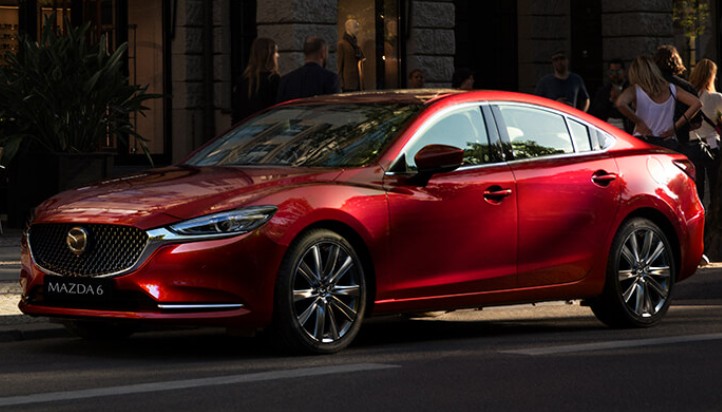
The Mazda 6 has always been a little different from the average family sedan. While many midsize cars focus almost entirely on comfort and practicality, the Mazda 6 has traditionally mixed those sensible qualities with sharper steering, attractive styling, and a surprisingly enjoyable personality.
That combination explains why used-car shoppers still search for information about Mazda 6 generations even years after particular versions have left some markets.
But the history can become confusing.
Depending on where we live, the Mazda 6 may also be called the Mazda Atenza, and model-year boundaries occasionally differ between North America, Europe, Australia, Japan, and other markets. Add facelifts, different engines, wagon versions, and regional specifications, and suddenly a simple question such as “What generation is a 2014 Mazda 6?” starts feeling more complicated than it should.
So, let’s untangle it.
Broadly speaking, the Mazda 6 has gone through three main generations since its introduction in the early 2000s. Each represents a noticeably different chapter in Mazda’s history. The first generation replaced the Mazda 626 and injected some energy into the family-car segment. The second became larger and more mature. The third generation embraced Mazda’s SKYACTIV engineering and Kodo design philosophy, becoming arguably the most recognizable Mazda 6 of them all.
In this guide, we’ll walk through every major generation, explain the important differences, discuss facelifts and engines, and help determine which Mazda 6 generation makes the most sense as a used car.
Content in this publication
- Mazda 6 Generations at a Glance
- Where the Mazda 6 Came From
- First Generation Mazda 6: GG and GY
- First Mazda 6 Facelift
- Second Generation Mazda 6: GH
- How the Second Generation Changed the Mazda 6
- Second-Generation Engine Options
- Second-Generation Facelift
- Third Generation Mazda 6: GJ and GL
- Third-Generation Mazda 6 Years
- What Is Kodo Design?
- SKYACTIV Technology Changed the Mazda 6
- Early Third-Generation Mazda 6
- 2015–2016 Era Mazda 6 Updates
- GJ vs GL Mazda 6
- Turbocharged Mazda 6 Models
- Mazda 6 Sedan vs Wagon Generations
- Mazda Atenza and Mazda 6: Are They the Same Car?
- Which Mazda 6 Generation Looks Best?
- Which Mazda 6 Generation Is Most Fun to Drive?
- Which Mazda 6 Generation Is the Most Comfortable?
- Which Mazda 6 Generation Has the Best Interior?
- Mazda 6 Generation Reliability
- Best Mazda 6 Generation to Buy Used
- Which Mazda 6 Generation Is Best for a First Car?
- Mazda 6 Generation Comparison
- How to Identify Your Mazda 6 Generation
- Did Mazda Make a Fourth-Generation Mazda 6?
- Why Mazda 6 Generations Differ by Country
- Mazda 6 Generation Evolution: What Really Changed?
- Why the Third Generation Had Such a Long Life
- What to Check Before Buying Any Mazda 6 Generation
- Are Older Mazda 6 Generations Becoming Classics?
- Mazda 6 Generations and the Shift Away From Sedans
- Which Mazda 6 Generation Should We Choose?
- Conclusion: Three Generations, One Distinct Mazda Character
- Frequently Asked Questions About Mazda 6 Generations
Mazda 6 Generations at a Glance
Before diving into the details, here is the simple version.
| Generation | Approximate Years | Chassis Family | Main Character |
|---|---|---|---|
| First generation | 2002–2008 | GG/GY | Sporty, compact, relatively simple |
| Second generation | 2008–2012/2013 | GH | Larger, quieter, more refined |
| Third generation | 2012/2013 onward, market dependent | GJ/GL | SKYACTIV efficiency, premium styling |
These dates should be treated as broad generation boundaries rather than universal rules. Mazda launched and discontinued vehicles at different times depending on the market, and North American model years do not always align perfectly with production dates elsewhere.
Still, this three-generation structure gives us the cleanest way to understand the Mazda 6 family tree.
Where the Mazda 6 Came From
Before the Mazda 6 arrived, Mazda competed in the midsize segment with the Mazda 626.
The 626 was sensible, but by the late 1990s and early 2000s Mazda wanted something more distinctive. The company began shifting its image toward cars that felt engaging rather than merely functional.
The Mazda 6 became one of the first major expressions of that philosophy.
Mazda 6 Replaced the Mazda 626
The first Mazda 6 arrived around 2002, although some countries received it as a 2003 model.
Mazda essentially wiped the slate clean.
Rather than making another conservative 626, it introduced a more athletic-looking vehicle with sharper handling and a broader range of body styles.
In some markets, buyers could choose among:
- Four-door sedan
- Five-door liftback/hatchback
- Station wagon
- Performance-oriented variants
That variety helped give the original Mazda 6 an identity that went beyond the traditional family sedan.
First Generation Mazda 6: GG and GY
The first-generation Mazda 6, commonly associated with the GG sedan/hatchback and GY wagon platform codes, established the personality that would follow the nameplate for years.
It was relatively light, responsive, and visually more energetic than many competitors of the period.
If the Toyota Camry of the era felt like a dependable appliance, the early Mazda 6 felt more like that appliance had suddenly discovered running shoes.
First-Generation Mazda 6 Years
Production broadly covered 2002 through 2008, depending on market and body style.
In North America, shoppers will commonly encounter model years from roughly 2003 through 2008.
Elsewhere, launch timing varied slightly.
First-Generation Styling
Today, the original Mazda 6 looks unmistakably early-2000s, but its proportions have aged reasonably well.
The design used:
- Narrow headlights
- A relatively low beltline
- A modest grille
- Shorter overall proportions than later generations
- Sportier body profiles than the outgoing 626
It was not trying to imitate a luxury sedan.
Instead, the styling communicated lightness and movement.
First-Generation Interior
The cabin was straightforward.
We shouldn’t expect giant screens, digital dashboards, or elaborate ambient lighting. The controls were largely physical, the dashboard was driver-focused, and most functions could be understood without opening a manual.
For buyers who prefer simplicity, that can actually be refreshing.
However, age becomes the bigger issue now. Plastics, seat fabrics, switchgear, trim pieces, headliners, and electrical components may all show wear after two decades.
First-Generation Engines
Engine availability varied substantially by country.
Depending on the market, the Mazda 6 was offered with various four-cylinder petrol engines, diesel engines, and V6 options.
North America famously received a four-cylinder engine as well as a more powerful V6.
European and other global markets had additional engine combinations, including diesels.
This matters when shopping used because two visually identical Mazda 6 models may have completely different mechanical reputations depending on the engine under the hood.
Performance Versions
One of the most memorable variants from this era was the performance-oriented MazdaSpeed6, also known as the Mazda6 MPS in several markets.
It combined turbocharging with all-wheel drive and turned the otherwise sensible Mazda 6 into something considerably more serious.
It remains an interesting enthusiast car, but buying one today requires more caution than purchasing an ordinary naturally aspirated Mazda 6.
Turbocharged performance cars tend to attract enthusiastic owners, modifications, and harder driving. Maintenance history therefore matters enormously.
First Mazda 6 Facelift
Mazda updated the first generation during its production run.
The changes were not dramatic enough to constitute a new generation, but refreshed models generally received tweaks to styling, equipment, interior details, and mechanical specifications depending on market.
This is where buyers sometimes become confused.
A facelifted Mazda 6 may look noticeably different from an earlier example, yet both belong to the same first generation.
Is the First-Generation Mazda 6 Still Worth Buying?
Potentially, yes.
But we would shop based on condition rather than simply choosing a year.
At this age, service history matters more than whether the vehicle was built one year earlier or later.
Rust can also be a significant consideration in regions where winter road salt is common.
Look carefully at:
- Wheel arches
- Rocker panels
- Subframes
- Suspension mounting areas
- Brake lines
- Underside corrosion
A clean, well-maintained first-generation car can still be enjoyable. A neglected example, however, can quickly become a money pit.
Second Generation Mazda 6: GH
The second-generation Mazda 6, usually identified by the GH platform code, arrived around 2007–2008 depending on the market.
This generation marked a noticeable shift.
Where the first Mazda 6 felt compact and nimble, the second became more substantial. Mazda wanted greater refinement, more interior room, and stronger appeal against mainstream midsize competitors.
Second-Generation Mazda 6 Years
Broadly speaking, the GH Mazda 6 covers approximately 2008 through 2012 or 2013, although regional differences are especially important here.
Some markets received the vehicle earlier than others.
North America also received a Mazda 6 with dimensions and specifications tailored more specifically to that market, meaning comparisons with European or Australian versions are not always perfectly straightforward.
How the Second Generation Changed the Mazda 6
The second generation became:
- Larger
- More mature
- More refined
- Better insulated
- Roomier
- More conventional in sedan form
Some enthusiasts felt the original Mazda 6 had a slightly lighter, more playful quality.
However, the second generation was arguably easier to live with.
It had grown up.
Imagine a young athlete trading a backpack for a briefcase. The personality remained, but priorities had broadened.
Second-Generation Exterior Design
The GH model adopted more dramatic surfaces and pronounced wheel arches.
The front end looked more expressive, and the body had more visual weight than before.
Mazda had not yet introduced the full Kodo design language associated with later models, so the second generation occupies an interesting middle ground between older Mazda styling and the sleek modern Mazda identity.
Second-Generation Interior
Inside, quality generally improved.
The dashboard appeared more substantial, controls became more sophisticated, and higher trims could offer features that made the car feel closer to an entry-level premium product.
Still, compared with the third-generation Mazda 6, the GH interior now looks relatively conventional.
That is not necessarily a criticism.
Some drivers actually prefer its traditional layout.
Second-Generation Engine Options
Once again, engine availability varied according to region.
Markets received different combinations of:
- Four-cylinder petrol engines
- V6 petrol engines
- Turbo-diesel engines
- Manual and automatic transmissions
North American buyers may encounter large-displacement petrol engines that were not widely sold in Europe, while European and Australian shoppers are more likely to see diesel options.
Therefore, whenever we discuss Mazda 6 reliability by generation, we should avoid treating every engine as mechanically identical.
Why Engine Choice Matters More Than Generation Alone
Suppose two people say they own a 2010 Mazda 6.
One might drive a petrol four-cylinder with an automatic transmission.
Another could have a turbo-diesel manual.
Those cars share a body generation but may have completely different maintenance concerns.
That is why a used-car purchase should always narrow the search from:
generation → model year → engine → transmission → trim → maintenance history.
Skipping those steps can turn general reliability advice into something misleading.
Second-Generation Facelift
Mazda refreshed the GH generation during its lifecycle.
Changes could include revised bumpers, lighting, equipment levels, interior trim, and mechanical updates.
As with the first-generation facelift, these changes did not create a completely new generation.
A late GH Mazda 6 is still a second-generation Mazda 6.
Is the Second Generation a Good Used-Car Choice?
It can be a sweet spot.
Prices are generally lower than for later SKYACTIV models, yet the car feels significantly more modern than an early first-generation example.
The challenge is age.
Even the youngest examples are no longer new vehicles, so suspension components, engine mounts, bushings, cooling-system parts, wheel bearings, electronics, and transmission servicing deserve careful inspection.
With a good history, however, the GH Mazda 6 can deliver plenty of car for the money.
Third Generation Mazda 6: GJ and GL
Then Mazda changed direction again.
The third-generation Mazda 6, introduced around 2012 and widely sold beginning with the 2013 or 2014 model year depending on location, transformed the nameplate.
You may be interested in reading Mazda 6 Years to Avoid: Which Models Should You Think Twice About?
This is the generation most people picture when someone mentions a modern Mazda 6.
It brought together two major Mazda philosophies:
Kodo design and SKYACTIV technology.
The result was a car that looked more expensive than many direct rivals and drove with a noticeably polished character.
Third-Generation Mazda 6 Years
The third-generation production timeline depends heavily on market.
It debuted in the early 2010s and remained available for many years.
Some countries stopped selling the Mazda 6 earlier than others, while production for certain markets continued longer.
This extended lifecycle also means the third generation received several meaningful updates.
A 2013 Mazda 6 and a late-production Mazda 6 might technically belong to the same generation, yet they can feel surprisingly different inside.
What Is Kodo Design?
Kodo is Mazda’s design philosophy centered around a sense of motion.
That may sound like marketing language, but we can actually see the difference.
The third-generation Mazda 6 uses:
- A long hood
- Sweeping body lines
- A relatively low roof
- A prominent grille
- Slimmer lighting
- Strong rear haunches
Rather than looking like a box designed around maximum cabin volume, the car has the stance of something more expensive and rear-wheel-drive-inspired, even though most versions are front-wheel drive.
Its proportions became one of the Mazda 6’s strongest selling points.
SKYACTIV Technology Changed the Mazda 6
SKYACTIV is not simply the name of one engine.
Mazda used the term for an integrated engineering strategy involving engines, transmissions, chassis design, body structure, weight reduction, and efficiency.
The goal was relatively simple: improve fuel economy without making the car dull.
SKYACTIV-G Petrol Engines
Many third-generation Mazda 6 models use SKYACTIV-G petrol engines.
Depending on region, engine displacement varied.
The 2.5-liter SKYACTIV-G became particularly familiar in markets such as North America.
These engines often use relatively high compression ratios and carefully engineered combustion strategies to balance efficiency with usable power.
SKYACTIV-D Diesel Engines
Some markets also received SKYACTIV-D diesel engines.
They offer excellent torque and strong highway efficiency, but diesel ownership brings additional systems and considerations.
Depending on operating conditions and specification, owners should pay attention to components and systems related to emissions control, diesel particulate filtration, oil condition, and short-trip usage.
A diesel that spends its life cruising long distances may experience very different operating conditions from one driven almost exclusively for brief urban trips.
Early Third-Generation Mazda 6
Early GJ cars established the formula:
sleek styling, efficient engines, sharp steering, and a cabin that moved Mazda closer to premium territory.
Still, these earliest versions generally lack some of the refinement found in later examples.
Technology also moved quickly during this period.
Infotainment systems, driver-assistance features, sound insulation, and interior presentation would all evolve through subsequent updates.
2015–2016 Era Mazda 6 Updates
Around the middle of the decade, Mazda began making meaningful improvements to the third-generation car.
Exact timing varies by market, but refreshed examples may feature:
- Revised interior design
- Updated infotainment
- Improved materials
- New safety technology
- Styling tweaks
- Better cabin refinement
These updated cars often represent an attractive compromise between price and modernity.
They look similar to early third-generation cars from the outside, yet the cabin can feel significantly newer.
GJ vs GL Mazda 6
Mazda enthusiasts often refer to earlier third-generation cars as GJ and later versions as GL.
The distinction is useful, although terminology and timing can vary across markets.
The later GL-era cars benefited from extensive refinement work.
Mazda did not simply change the headlights and call it a day.
The company progressively improved noise suppression, suspension tuning, interior materials, infotainment, safety technology, and overall polish.
Later Third-Generation Interior
This is where the Mazda 6 became especially interesting.
Later models adopted a cleaner dashboard design with a more horizontal layout, higher-quality trim, slimmer vents, and more premium-looking controls.
Higher specifications could include upscale leather, ventilated seats, head-up displays, advanced driver-assistance systems, and Bose audio.
Sitting inside one of these later cars, it can be difficult to believe the Mazda 6 competed with ordinary family sedans rather than entry-level luxury cars.
Turbocharged Mazda 6 Models
Certain markets, particularly North America, eventually received a turbocharged version of Mazda’s 2.5-liter petrol engine.
This dramatically changed the character of the car.
The regular naturally aspirated Mazda 6 is smooth and responsive enough for everyday driving.
The turbo version adds substantially more low-end torque, making highway merging and overtaking feel effortless.
It does not turn the Mazda 6 into a dedicated sports sedan, but it gives the chassis the stronger engine many enthusiasts felt it deserved.
Mazda 6 Sedan vs Wagon Generations
One of the confusing aspects of Mazda 6 history is body-style availability.
Not every market received the same versions.
Mazda 6 Sedan
The sedan is the most familiar form, especially in North America.
It provides a conventional trunk and the sleekest representation of the Mazda 6’s proportions.
Mazda 6 Wagon
Many markets outside North America also received a Mazda 6 wagon.
The wagon combines much of the sedan’s driving character with considerably greater cargo practicality.
In Europe, Australia, and other regions, it became an appealing alternative to an SUV for drivers who needed space but did not want extra ride height and weight.
Why North America Missed the Later Wagon
Mazda did not widely offer the third-generation Mazda 6 wagon in the United States and Canada.
That decision has frustrated wagon fans for years.
The broader North American market increasingly favored crossovers, while wagons occupied a relatively small niche.
In countries where wagons retained stronger demand, Mazda continued offering the body style.
Mazda Atenza and Mazda 6: Are They the Same Car?
Essentially, yes.
In Japan, the Mazda 6 was historically sold as the Mazda Atenza.
The Atenza name covered sedan and wagon models depending on generation.
Later, Mazda moved toward using the Mazda6 name more consistently.
This creates confusion when importing vehicles or researching Japanese-market specifications.
If we see references to a Mazda Atenza from the same period, we are generally looking at the Japanese-market relative of the Mazda 6.
Which Mazda 6 Generation Looks Best?
Styling is subjective, but the third generation usually receives the most praise.
The first generation looks compact and sporty.
The second has a more muscular, conventional appearance.
The third generation looks lower, longer, and considerably more sophisticated.
From certain angles, a well-equipped third-generation Mazda 6 can still appear remarkably modern.
That longevity is important for used-car buyers.
Buying an older car is easier to justify when it does not immediately look old.
Which Mazda 6 Generation Is Most Fun to Drive?
This question is more complicated.
The first generation can feel lighter and more mechanical.
The second is more mature.
The third combines competent handling with much greater refinement.
Enthusiasts may enjoy a well-kept first-generation manual Mazda 6 because it feels connected and relatively simple.
For everyday use, though, the third generation is arguably the best all-rounder.
It maintains Mazda’s steering and chassis philosophy without demanding the compromises associated with an older car.
Which Mazda 6 Generation Is the Most Comfortable?
The later third-generation models generally take the prize.
Mazda steadily improved:
- Road-noise insulation
- Seat design
- Suspension tuning
- Cabin materials
- Climate control
- Infotainment
- Driver-assistance technology
Early Mazda 6 generations were enjoyable, but refinement was not always their strongest feature.
Later cars became substantially quieter and more polished.
Which Mazda 6 Generation Has the Best Interior?
Again, the later third generation wins.
The difference becomes especially obvious when comparing a late GL model with an original GG car.
The first generation feels functional.
The second feels solid.
The late third generation feels almost premium.
Mazda spent considerable effort simplifying the dashboard and improving touchpoints, helping the interior age gracefully.
Mazda 6 Generation Reliability
There is no single generation that automatically guarantees reliability.
Maintenance history matters enormously.
However, age alone means early generations require more careful inspection.
You may be interested in readingMazda 6 Years to Avoid: Which Models Should You Think Twice About?You may be interested in reading
Mazda 6 Trim Levels: Complete Guide to Choosing the Right VersionFirst Generation
Primary concerns are increasingly related to age:
- Rust
- Worn suspension
- Oil leaks
- Aging cooling-system components
- Electrical wear
- Previous accident repairs
Second Generation
We would pay attention to:
- Transmission behavior
- Suspension noises
- Engine maintenance
- Diesel-specific issues where applicable
- Corrosion
- Service history
Third Generation
Inspection priorities depend heavily on engine and year.
Naturally aspirated petrol versions are mechanically different from turbo petrol or diesel models.
Check:
- Complete maintenance records
- Correct oil specification
- Warning lights
- Infotainment operation
- Electronic safety systems
- Automatic transmission behavior
- Diesel particulate filter history on diesel versions
The broader lesson is simple: buy the car, not merely the generation.
Best Mazda 6 Generation to Buy Used
For most buyers, we would start with the third generation.
It offers the best combination of:
- Modern safety
- Fuel economy
- Styling
- Interior quality
- Driving dynamics
- Replacement-part availability
- Everyday comfort
Within that generation, later facelifted versions can be particularly appealing because Mazda progressively improved refinement and technology.
That does not automatically make them the cheapest choice.
A clean second-generation model may provide outstanding value if the purchase budget is limited.
Which Mazda 6 Generation Is Best for a First Car?
A second- or third-generation petrol model can make sense, provided insurance, maintenance, and local parts availability are reasonable.
We would generally prioritize:
- Proven service history.
- A naturally aspirated petrol engine for simplicity.
- A clean accident record.
- Minimal rust.
- Good tires and brakes.
- No dashboard warning lights.
- A pre-purchase inspection.
A slightly older Mazda 6 with meticulous maintenance can be a much smarter purchase than a newer neglected example.
Mazda 6 Generation Comparison
Let’s put the personalities side by side.
| Category | First Generation | Second Generation | Third Generation |
| Driving feel | Light and sporty | Balanced and mature | Refined yet engaging |
| Interior | Simple | Improved | Most premium |
| Technology | Basic | Moderate | Most advanced |
| Fuel economy | Average by modern standards | Improved | Generally best |
| Used price | Lowest | Affordable | Highest |
| Age-related risk | Highest | Moderate-high | Lower overall |
| Styling | Early-2000s sporty | Bold | Sleek and upscale |
| Best for | Budget enthusiasts | Value seekers | Most everyday buyers |
How to Identify Your Mazda 6 Generation
The easiest method is to combine model year, exterior styling, VIN information, and chassis code.
First Generation Identification
Look for the smaller early-2000s body, typically associated with GG/GY codes.
The headlights and grille are relatively narrow, and the car has simpler surfaces than later versions.
Second Generation Identification
The GH model has larger dimensions and strongly pronounced front fenders.
It looks bulkier and more rounded than the first generation.
Third Generation Identification
The GJ/GL Mazda 6 is easy to recognize by its large shield-like grille, swept headlights, long hood, and flowing Kodo body lines.
If it looks dramatically sleeker than the previous cars, we are probably looking at the third generation.
Did Mazda Make a Fourth-Generation Mazda 6?
This question appears frequently because the third generation had such a long life and went through multiple major updates.
Those facelifts sometimes make late models look like a new generation.
However, the widely recognized Mazda 6 lineage consists of three principal generations.
Rumors and reports about potential successors have circulated over the years, particularly regarding rear-wheel-drive platforms and electrification, but speculation should not be confused with an officially established fourth-generation production lineage.
When buying a used Mazda 6, it is therefore most practical to classify the car as first, second, or third generation.
Why Mazda 6 Generations Differ by Country
Automotive model years are messy.
Manufacturers do not always launch cars worldwide on the same date.
One country might receive a redesigned Mazda 6 in late 2012.
Another may label essentially the same vehicle a 2014 model.
Engine options may also differ.
That is why searches such as “2013 Mazda 6 generation” can produce conflicting answers.
The safest approach is to verify the actual vehicle through:
- VIN
- Build date
- Chassis code
- Engine code
- Market of original sale
These details matter more than a generalized internet chart.
Mazda 6 Generation Evolution: What Really Changed?
Looking across all three generations, we can see Mazda gradually transforming the Mazda 6 from a sporty mainstream family car into something closer to an affordable premium sedan.
The evolution looks something like this:
First generation: fun first, refinement second.
Second generation: greater space and maturity.
Third generation: efficiency, design, and premium aspirations.
That progression mirrors Mazda itself.
The brand gradually moved away from competing primarily on price and toward emphasizing design, engineering, and driving feel.
Why the Third Generation Had Such a Long Life
Normally, mainstream vehicles receive completely new generations every five to seven years.
The third-generation Mazda 6 lasted much longer in several markets.
Why?
Partly because the underlying design aged unusually well.
Mazda also kept improving the car through facelifts rather than replacing everything at once.
Updated interiors, powertrains, safety systems, infotainment, suspension tuning, and styling allowed the vehicle to remain competitive.
The downside is that “third-generation Mazda 6” can describe cars separated by many years.
That makes specification checks especially important when shopping.
What to Check Before Buying Any Mazda 6 Generation
Regardless of generation, we would never buy purely on appearance.
A beautifully polished car can hide years of neglect underneath.
Before purchasing, inspect or verify:
- Service records
- Engine oil condition
- Coolant level and condition
- Transmission operation
- Suspension noises
- Steering feel
- Tire wear
- Brake condition
- Accident history
- Rust
- Air-conditioning operation
- Dashboard warning lights
- Infotainment and electrical features
- Recalls applicable to the VIN
A professional pre-purchase inspection can be inexpensive compared with discovering a serious mechanical problem after the sale.
Why Service History Beats Low Mileage
Low mileage sounds wonderful, but it does not automatically mean better condition.
A car that travelled modest annual mileage but missed oil changes can be riskier than a higher-mileage vehicle that received consistent servicing.
Likewise, long periods of inactivity can create their own issues.
We would rather buy a Mazda 6 with transparent maintenance and sensible mileage than gamble on a suspiciously low-mileage example with no paperwork.
Are Older Mazda 6 Generations Becoming Classics?
Some versions are beginning to attract enthusiast attention.
The MazdaSpeed6/Mazda6 MPS is the obvious example.
Manual-transmission first-generation cars in excellent condition are also becoming harder to find.
Will an ordinary Mazda 6 become a highly valuable collector car?
Probably not in most cases.
But clean examples of once-common cars often become interesting precisely because so many others disappear.
Yesterday’s ordinary family sedan can become tomorrow’s nostalgic curiosity.
Mazda 6 Generations and the Shift Away From Sedans
The Mazda 6 story also reflects a larger industry trend.
Sedans once formed the backbone of family transportation.
Then SUVs and crossovers exploded in popularity.
Models such as the Mazda CX-5 became increasingly important to Mazda’s sales strategy, while traditional sedans faced shrinking demand in several major markets.
That change helps explain why the Mazda 6 disappeared from some countries even though the car itself remained highly regarded.
It was not necessarily that buyers suddenly disliked the Mazda 6.
Many simply wanted SUVs instead.
Which Mazda 6 Generation Should We Choose?
If we want maximum affordability and enjoy older, simpler cars, the first generation can still be appealing, provided rust and condition are carefully checked.
If we want a spacious, relatively inexpensive midsize car without paying third-generation prices, the second generation deserves consideration.
If we want the best overall combination of looks, comfort, efficiency, safety, and driving enjoyment, the third generation is the clear starting point.
For most buyers, a well-maintained later third-generation petrol model is likely to be the easiest Mazda 6 to live with.
But there is no magic year.
Condition remains king.
Conclusion: Three Generations, One Distinct Mazda Character
The history of Mazda 6 generations is remarkably easy to understand once we strip away regional model-year differences.
The first-generation GG/GY Mazda 6 arrived in the early 2000s and established the car’s sporty personality.
The second-generation GH became larger, quieter, and more mature.
Then the third-generation GJ/GL pushed the model in a more sophisticated direction with SKYACTIV engineering, Kodo styling, improved efficiency, and a much more premium interior.
What makes the Mazda 6 interesting is that its basic philosophy remained surprisingly consistent.
It was never merely trying to be the cheapest sedan or the softest family car.
Mazda wanted it to feel alive.
Even the most refined later models retained steering and chassis tuning that reminded us someone actually cared about the driving experience.
For used-car shoppers, the third generation is usually the strongest all-round choice, while earlier cars can offer tremendous value for buyers willing to accept additional age-related maintenance.
Whatever generation catches our eye, the smartest approach remains the same: verify the exact engine and specification, inspect the vehicle thoroughly, and value documented maintenance over a shiny exterior.
A Mazda 6 can be a wonderfully rewarding used car—but, like any older vehicle, the best generation is ultimately the one that has been cared for properly.
Frequently Asked Questions About Mazda 6 Generations
1. How many Mazda 6 generations are there?
The Mazda 6 is generally divided into three major generations. The first is commonly identified as GG/GY, the second as GH, and the third as GJ/GL. Exact production years differ slightly by country and model-year convention.
2. What generation is a 2014 Mazda 6?
In most major markets, a 2014 Mazda 6 belongs to the third generation. It uses the newer Kodo design language and SKYACTIV engineering that distinguished the GJ-generation car from the earlier GH model.
3. What is the best Mazda 6 generation?
For most used-car buyers, the third generation offers the strongest overall package. It combines better fuel economy, safety technology, interior quality, refinement, and modern styling while preserving the responsive driving characteristics associated with Mazda.
You may be interested in readingMazda 6 Years to Avoid: Which Models Should You Think Twice About?You may be interested in reading
Mazda 6 Trim Levels: Complete Guide to Choosing the Right VersionYou may be interested in reading
 Ram 1500 Generations: Complete Guide From 1981 to Today
4. Is Mazda Atenza the same as Mazda 6?
Yes, broadly speaking. Mazda used the Atenza name for the Japanese-market version of the Mazda 6 for much of the model's history. Specifications and engines can differ by country, but the Atenza belongs to the same Mazda 6 model family.
5. What is the difference between GJ and GL Mazda 6 models?
Both belong broadly to the third-generation Mazda 6 family. GJ generally refers to earlier third-generation versions, while GL is commonly used for later updated models. Later cars received substantial improvements in interior quality, technology, refinement, styling, and available safety equipment.
If you want to know other articles similar to Mazda 6 Generations: Complete Guide by Year and Generation you can visit the category Models.
Volkswagen T-Cross vs Volkswagen T-Roc: Which Is Better?
Hyundai Tucson Weight: Complete Guide to Curb, Gross, and Payload Specs

Honda Passport vs Toyota 4Runner: Which SUV Is Better?
Honda Passport vs Ford Bronco: Which SUV Is Better?
Honda Passport vs Ford Explorer: Which SUV Is Better?
Honda Passport or Pilot: Which SUV Is Better?
Leave a Reply
More content of your interest