

Mitsubishi Colt Not Starting: Causes, Fixes, and Troubleshooting Guide

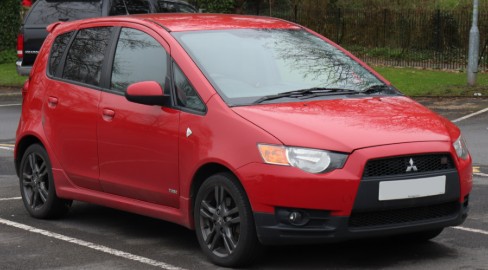
A Mitsubishi Colt that refuses to start can feel like a locked door standing between us and our day. One moment the car runs perfectly, and the next, we're turning the key or pressing the start button with nothing but silence, clicking noises, or endless cranking. The good news is that most Mitsubishi Colt starting problems can be diagnosed systematically without immediately rushing to a repair shop.
In this comprehensive guide, we'll explore the most common reasons a Mitsubishi Colt won't start, how to identify the symptoms, and what steps we can take to get back on the road.
Content in this publication
- Understanding Why a Mitsubishi Colt Won't Start
- The Most Common Mitsubishi Colt Starting Problems
- Battery Problems: The Number One Cause
- Corroded Battery Terminals
- Starter Motor Failure
- Faulty Starter Relay
- Fuel Delivery Problems
- Failed Fuel Pump
- Blocked Fuel Filter
- Ignition System Failures
- Worn Spark Plugs
- Faulty Ignition Coils
- Immobiliser Problems
- Key Fob Battery Issues
- Crankshaft Position Sensor Failure
- Camshaft Position Sensor Problems
- Blown Fuses and Electrical Faults
- Alternator Problems
- Engine Management System Faults
- Cold Weather Starting Problems
- Mitsubishi Colt Cranks But Won't Start
- Mitsubishi Colt Won't Start After Sitting
- Step-by-Step Diagnostic Checklist
- When to Call a Professional Mechanic
- How to Prevent Future Starting Problems
- Conclusion
- FAQs
Understanding Why a Mitsubishi Colt Won't Start
Before replacing parts, it's important to understand what "not starting" actually means.
A Mitsubishi Colt may:
- Not crank at all
- Crank but not start
- Start intermittently
- Start and then stall immediately
- Click repeatedly when attempting to start
Each symptom points toward a different issue.
Think of the starting system like an orchestra. Every instrument must play at the right moment. If even one section falls silent, the performance stops.
The Most Common Mitsubishi Colt Starting Problems
Several systems work together to start the engine:
- Battery
- Starter motor
- Ignition system
- Fuel system
- Immobiliser system
- Engine management electronics
- Sensors and wiring
Failure in any of these areas can leave the vehicle stranded.
Battery Problems: The Number One Cause
How a Weak Battery Prevents Starting
The battery is often the first suspect when a Mitsubishi Colt won't start.
Symptoms include:
- Clicking noise when turning the key
- Dim headlights
- Slow engine cranking
- Dashboard lights flickering
Modern Colts rely heavily on electronics. Even a slightly weakened battery may prevent proper startup.
How to Check the Battery
A healthy battery should measure:
- Around 12.6 volts with engine off
- 13.7–14.7 volts while running
If voltage drops significantly during cranking, battery replacement may be necessary.
Signs You Need a New Battery
- Battery older than 4–5 years
- Frequent jump starts
- Corrosion around terminals
- Swollen battery casing
Corroded Battery Terminals
Sometimes the battery itself is perfectly healthy.
The real culprit may be dirty or corroded battery terminals.
What Corrosion Looks Like
Look for:
- White powder deposits
- Green corrosion
- Loose terminal connections
Even minor corrosion can interrupt electrical flow.
Cleaning the Connections
We can often solve the issue by:
- Disconnecting the battery
- Cleaning terminals
- Tightening connections
- Applying protective grease
This simple maintenance step can restore starting performance instantly.
Starter Motor Failure
The starter motor physically turns the engine during startup.
When it fails, the engine cannot crank.
Common Starter Motor Symptoms
- Single loud click
- No crank condition
- Intermittent starting
- Grinding noises
A worn starter motor may work one day and fail the next.
How Long Does a Starter Motor Last?
Most Mitsubishi Colt starter motors last:
- 100,000–150,000 miles
- 160,000–240,000 kilometers
Driving habits and environmental conditions affect lifespan.
Faulty Starter Relay
The starter relay acts like a switch between the ignition and starter motor.
A failed relay can mimic:
- Dead battery symptoms
- Starter motor problems
- Ignition switch failures
Because relays are relatively inexpensive, they are often checked early in the diagnostic process.
Fuel Delivery Problems
An engine needs fuel, air, and spark.
Without fuel, the engine may crank endlessly but never fire.
Signs of Fuel System Issues
Common symptoms include:
- Engine cranks normally
- Strong battery
- No ignition
- Sudden stalling before failure to restart
Failed Fuel Pump
Why the Fuel Pump Matters
The fuel pump delivers gasoline from the tank to the engine.
When it fails, fuel never reaches the combustion chambers.
Symptoms of a Bad Fuel Pump
- Whining noise from fuel tank
- Loss of power
- Difficulty starting
- Complete no-start condition
A failed fuel pump often gives warning signs before total failure.
Quick Fuel Pump Test
Turn the key to the ON position.
Listen for a brief humming sound from the rear of the vehicle.
No sound may indicate:
- Failed pump
- Blown fuse
- Faulty relay
Blocked Fuel Filter
The Silent Restriction
Over time, contaminants accumulate inside the fuel filter.
As the filter becomes restricted:
- Fuel pressure drops
- Engine performance suffers
- Starting becomes difficult
Many drivers replace expensive parts before discovering a clogged fuel filter.
Ignition System Failures
The ignition system creates the spark needed to ignite fuel.
Without spark, combustion cannot occur.
Main Ignition Components
- Spark plugs
- Ignition coils
- Ignition wiring
- Crankshaft sensor
Any failure can stop the engine from starting.
Worn Spark Plugs
Small Parts, Big Consequences
Spark plugs may be tiny, but they play a massive role.
Symptoms include:
- Hard starting
- Misfires
- Rough idling
- Reduced fuel economy
Replacing worn spark plugs is often one of the most affordable repairs.
When Should Spark Plugs Be Replaced?
Depending on engine type:
- Every 30,000–100,000 miles
Always follow the service schedule for your specific Mitsubishi Colt model.
Faulty Ignition Coils
Ignition coils convert battery voltage into the high voltage needed for spark generation.
Symptoms of Coil Failure
- Misfires
- Engine hesitation
- Check engine light
- No-start condition
A completely failed coil can prevent startup altogether.
Immobiliser Problems
When the Car Thinks You're a Thief
The immobiliser system prevents unauthorized vehicle use.
If communication fails between:
- Key
- Transponder chip
- Immobiliser module
The engine may refuse to start.
Common Immobiliser Symptoms
- Engine starts then stalls
- Flashing security light
- No injector operation
- No ignition signal
Key Fob Battery Issues
A weak key fob battery can sometimes interfere with starting authorization.
Signs of a Weak Key Battery
- Reduced remote range
- Intermittent unlocking
- Immobiliser warning light
Replacing the battery is quick, inexpensive, and worth trying.
Typical Key Fob Batteries
Many Mitsubishi Colt models use:
- CR1616
- CR1620
- CR2032
Always verify your specific model.
Crankshaft Position Sensor Failure
A Critical Sensor for Engine Timing
The crankshaft sensor tells the engine computer where the crankshaft is positioned.
Without this information:
- Spark timing disappears
- Fuel injection stops
- Engine won't start
Symptoms of a Failed Crankshaft Sensor
- Sudden engine shutdown
- Intermittent starting
- Tachometer movement issues
- Check engine light
This sensor commonly causes mysterious no-start conditions.
Camshaft Position Sensor Problems
The camshaft sensor works alongside the crankshaft sensor.
What Happens When It Fails?
Potential symptoms:
- Long cranking times
- Rough running
- Engine stalling
- No-start conditions
Sensor failures often become more common as vehicles age.
Blown Fuses and Electrical Faults
The Small Components That Can Stop Everything
A single blown fuse may disable:
- Fuel pump
- Ignition system
- Starter circuit
- Engine control module
Checking fuses should always be part of the diagnostic process.
Common Fuse Locations
Most Mitsubishi Colt models have fuse boxes:
- Under dashboard
- Engine compartment
The owner's manual identifies fuse positions.
Alternator Problems
Many drivers assume alternator issues only affect charging.
However, a failing alternator can indirectly cause starting failures.
Signs of Alternator Failure
- Battery warning light
- Repeated dead batteries
- Electrical malfunctions
- Dim headlights
If the alternator isn't charging properly, the battery eventually becomes too weak to start the engine.
Engine Management System Faults
When Electronics Become the Problem
Modern Mitsubishi Colt models rely on sophisticated engine computers.
Issues may involve:
- ECU faults
- Wiring damage
- Software problems
- Sensor communication errors
Professional diagnostic equipment is often required.
Cold Weather Starting Problems
Low temperatures can dramatically affect starting performance.
Why Winter Causes Trouble
Cold weather:
- Thickens engine oil
- Reduces battery capacity
- Increases electrical demand
Older batteries often reveal their weaknesses during winter mornings.
Winter Starting Tips
- Keep battery fully charged
- Use correct oil viscosity
- Minimize short trips
- Test battery before winter arrives
Mitsubishi Colt Cranks But Won't Start
This is one of the most common complaints.
Likely Causes
If the engine cranks strongly but never starts, investigate:
- Fuel pump
- Fuel filter
- Spark plugs
- Ignition coils
- Crankshaft sensor
- Immobiliser system
The engine is clearly receiving electrical power, so attention shifts elsewhere.
Mitsubishi Colt Won't Start After Sitting
Vehicles left unused for extended periods often develop unique issues.
Possible Causes
- Flat battery
- Fuel degradation
- Rodent-damaged wiring
- Corroded electrical connections
If the vehicle sat for months, fuel quality becomes an important consideration.
Step-by-Step Diagnostic Checklist
Follow This Logical Order
Before spending money, work through these steps:
Step 1: Check Battery Voltage
Confirm battery condition.
Step 2: Inspect Terminals
Look for corrosion and looseness.
Step 3: Listen for Fuel Pump
Turn key to ON and listen carefully.
Step 4: Check Fuses
Inspect engine and fuel-related fuses.
Step 5: Scan for Fault Codes
Use an OBD-II scanner.
Step 6: Inspect Immobiliser Light
Look for flashing security indicators.
Step 7: Evaluate Starter Operation
Determine whether the engine cranks normally.
This methodical approach saves time and money.
When to Call a Professional Mechanic
Some issues require advanced diagnostic tools.
Seek professional assistance when:
- Engine management faults appear
- Wiring issues are suspected
- Immobiliser programming is required
- Sensor data needs analysis
- No obvious cause can be identified
A proper diagnosis often costs less than replacing multiple parts unnecessarily.
How to Prevent Future Starting Problems
Preventive maintenance remains the best defense.
Recommended Practices
- Test battery annually
- Replace spark plugs on schedule
- Keep terminals clean
- Service fuel system regularly
- Address warning lights promptly
- Avoid letting the vehicle sit unused
These simple habits dramatically reduce the risk of unexpected starting failures.
Conclusion
A Mitsubishi Colt not starting can be frustrating, but the root cause is usually more straightforward than it first appears. In most cases, the issue comes down to a weak battery, corroded terminals, starter motor problems, fuel delivery failures, ignition faults, or immobiliser-related issues. By approaching diagnosis logically and checking the most common causes first, we can often identify the problem quickly and avoid unnecessary repairs.
Think of troubleshooting like solving a puzzle. Each symptom is a clue. When we follow those clues carefully, the solution usually reveals itself long before expensive guesswork enters the picture. Whether the culprit is a dying battery or a faulty crankshaft sensor, understanding how the starting system works puts us firmly in control of the situation.
FAQs
1. Why does my Mitsubishi Colt click but not start?
A clicking noise usually indicates a weak battery, poor battery connection, or failing starter motor.
2. Can a bad key fob stop a Mitsubishi Colt from starting?
Yes. If the immobiliser cannot recognize the key, the engine may not start or may start briefly and then stall.
3. Why does my Mitsubishi Colt crank but not fire up?
Common causes include fuel pump failure, faulty spark plugs, ignition coil problems, or a defective crankshaft position sensor.
4. How much does it cost to fix a Mitsubishi Colt that won't start?
Costs vary depending on the cause. Battery replacements are relatively inexpensive, while fuel pumps, starter motors, and sensor repairs can cost significantly more.
5. Can cold weather prevent a Mitsubishi Colt from starting?
Absolutely. Cold temperatures reduce battery performance and increase engine resistance, making starting more difficult, especially with older batteries.
If you want to know other articles similar to Mitsubishi Colt Not Starting: Causes, Fixes, and Troubleshooting Guide you can visit the category Common Problems.
Kia Sorento Issues: Common Problems, Reliability and What to Watch For

Honda Passport Not Starting: Causes, Symptoms, and How to Fix It
Honda Passport Keyless Remote Battery Low: What It Means and How to Fix It

Nissan Rogue Apple CarPlay Not Working: Causes and Fixes
Nissan Rogue No Key Detected: Causes, Fixes, and What to Do
Nissan Rogue Engine Problems: Common Issues, Symptoms, Years and Solutions
Leave a Reply
More content of your interest