
Mitsubishi Outlander Won’t Start: Causes, Diagnosis, and Fixes

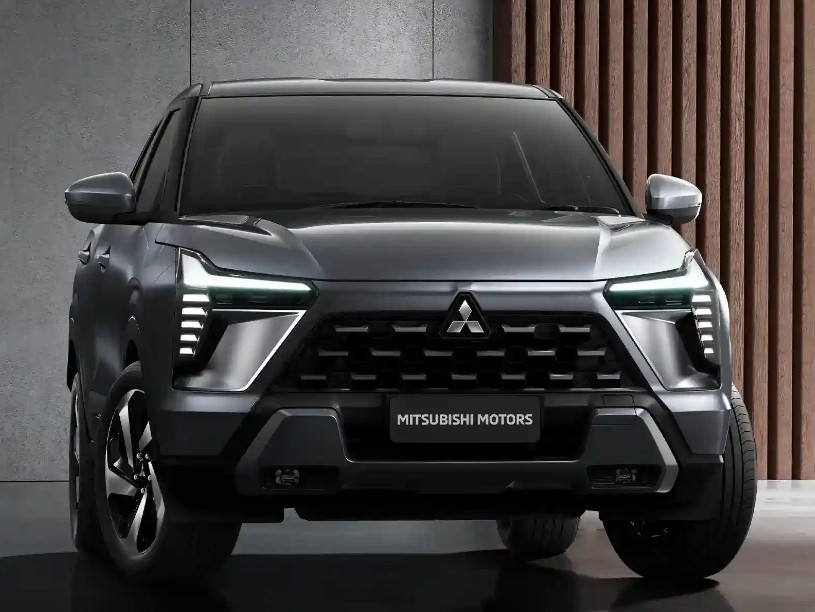
Few automotive problems disrupt the day quite like turning the key—or pressing the start button—and getting nothing useful in return. Maybe the dashboard lights flicker. Perhaps the engine clicks but refuses to crank. In other cases, the starter spins the engine normally, yet the Mitsubishi Outlander still won’t start.
It can feel as though the vehicle has suddenly decided to speak in riddles.
The good news is that a no-start condition usually leaves clues. The sounds we hear, the warning lights we see, and the way the electrical system behaves can help us narrow the problem down quickly. A weak battery behaves differently from a failed starter. A fuel-delivery issue produces different symptoms than an immobilizer fault.
In this guide, we will walk through the most common reasons a Mitsubishi Outlander won’t start, explain what each symptom means, and show how we can approach the problem without replacing parts blindly.
Content in this publication
- Why Your Mitsubishi Outlander Won’t Start
- First Identify What the Outlander Is Doing
- A Weak or Dead 12-Volt Battery
- Loose or Corroded Battery Terminals
- The Key Fob Battery Is Weak
- The Brake Pedal Switch Is Not Registering
- The Transmission Is Not Recognizing Park or Neutral
- A Blown Fuse or Faulty Starter Relay
- The Starter Motor Has Failed
- The Alternator Is Not Charging the Battery
- Fuel Is Not Reaching the Engine
- The Engine Is Not Producing Spark
- A Faulty Crankshaft Position Sensor
- A Faulty Camshaft Position Sensor
- The Immobilizer Is Blocking the Start
- The Engine May Be Flooded
- Airflow and Throttle Problems
- Low Engine Compression or Timing Failure
- Mitsubishi Outlander PHEV Won’t Start or Enter READY Mode
- Cold Weather Can Expose a Weak System
- Diesel Outlander Starting Problems
- Warning Lights That May Appear During a No-Start
- Can an OBD2 Scanner Help?
- Step-by-Step Mitsubishi Outlander No-Start Checklist
- How to Jump-Start a Mitsubishi Outlander Safely
- Mistakes to Avoid When the Outlander Won’t Start
- When Should We Call a Mechanic?
- How Much Can a Mitsubishi Outlander No-Start Repair Cost?
- How to Prevent Future Starting Problems
- Final Thoughts
- Frequently Asked Questions
Why Your Mitsubishi Outlander Won’t Start
A gasoline or diesel engine needs several basic things to start:
- Adequate battery power
- A functioning starter motor
- Fuel delivery
- Ignition or combustion
- Correct engine timing
- Proper security authorization
- Reliable electrical communication
If even one of these pieces goes missing, the starting process can stop like a row of dominoes with one tile removed.
The exact cause depends heavily on what happens when we attempt to start the vehicle. Does it remain silent? Does it make one click? Does it crank slowly? Does it crank normally without firing? Answering those questions gives us a much better starting point.
First Identify What the Outlander Is Doing
Before checking parts, we should classify the symptom. This prevents us from chasing the wrong problem.
The Engine Does Nothing
When we press the start button or turn the key and nothing happens, the likely causes include:
- A discharged 12-volt battery
- Loose or corroded battery terminals
- A faulty brake-pedal switch
- A defective ignition switch
- A starter relay problem
- An unrecognized key fob
- A transmission range sensor fault
The dashboard may remain dark, illuminate weakly, or function normally depending on the specific failure.
The Vehicle Makes a Clicking Sound
One rapid series of clicks usually suggests that the battery has enough power to activate the starter relay but not enough to turn the engine.
A single heavy click can point toward:
- A failing starter motor
- A sticking starter solenoid
- A poor battery connection
- A damaged ground cable
- A weak battery under load
The distinction matters. Rapid clicking often screams “low voltage,” while one solid click may point more directly toward the starter circuit.
The Engine Cranks Slowly
A sluggish cranking sound is another classic sign of weak electrical power. The starter is trying, but it sounds as though it is running through thick mud.
Possible causes include:
- A weak battery
- Cold weather
- Corroded terminals
- Excessive resistance in a battery cable
- A worn starter motor
- Incorrectly thick engine oil
Slow cranking should not be ignored. Even when the engine eventually starts, the condition may worsen without warning.
The Engine Cranks Normally but Won’t Fire
When the starter turns the engine at normal speed but combustion never begins, the battery and starter are less likely to be the main problem.
At that point, we should consider:
- Insufficient fuel pressure
- A failed fuel pump
- Ignition-system trouble
- A crankshaft position sensor fault
- A camshaft position sensor fault
- Immobilizer interference
- Flooding
- Incorrect engine timing
- Low compression
This type of no-start condition usually requires more methodical diagnosis.
A Weak or Dead 12-Volt Battery
The 12-volt battery is the most common cause of a Mitsubishi Outlander that won’t start. That remains true even on plug-in hybrid models.
The battery must supply a strong burst of current to power the vehicle’s electronics, control modules, relays, and starting system. A battery can still illuminate dashboard lights while being too weak to start the vehicle.
Think of it like a nearly empty water tank. There may be enough pressure to fill a glass, but not enough to run a powerful shower.
Common Signs of a Weak Battery
We may notice:
- Rapid clicking when starting
- Dim interior lights
- Flickering dashboard lights
- Slow cranking
- Electrical warnings appearing together
- The clock or radio settings resetting
- Central locking operating slowly
- The vehicle starting successfully with jumper cables
A battery that works after a jump-start should still be tested. Jumping the vehicle proves that voltage was low, but it does not tell us why.
Why the Battery May Have Gone Flat
Common causes include:
- Leaving a light switched on
- An aging battery
- Frequent short journeys
- Cold weather
- A faulty alternator
- A parasitic electrical drain
- Long periods without driving
- Loose battery connections
- An aftermarket accessory drawing power
A healthy alternator should recharge the battery while the engine runs. If the battery repeatedly dies, the charging system or an electrical drain may be responsible.
How to Check Battery Voltage
Using a digital multimeter, we can measure voltage at the battery terminals.
As a general guide:
- Around 12.6 volts indicates a well-charged battery
- Around 12.4 volts indicates partial discharge
- Around 12.0 volts indicates a heavily discharged battery
- Below 12 volts usually means the battery needs charging or testing
Voltage should also be observed while attempting to start the engine. A battery that appears acceptable at rest may collapse under load.
Why Voltage Alone Is Not Enough
A damaged battery can display reasonable voltage without delivering adequate current. A proper load test or conductance test gives us a better picture of battery health.
If the battery is several years old and repeatedly causes starting trouble, replacement may be more practical than repeated charging.
Loose or Corroded Battery Terminals
Sometimes the battery itself is fine, but its power cannot reach the vehicle properly.
Battery terminals can loosen or develop white, blue, or green corrosion. This corrosion acts like a roadblock in the electrical system. The current wants to travel, but resistance chokes the flow.
How to Inspect the Connections
With the vehicle switched off, inspect:
- The positive terminal
- The negative terminal
- The ground cable connection
- The body ground
- The engine ground strap
- The positive cable leading to the starter
The terminals should not rotate by hand. Heavy corrosion should be cleaned carefully using suitable battery-cleaning equipment and appropriate protective gear.
Never work around battery terminals with metal jewelry, open flames, or tools that could bridge the positive terminal to ground.
The Key Fob Battery Is Weak
Push-button-start Mitsubishi Outlander models depend on communication between the key fob and the vehicle.
If the fob battery becomes weak, the Outlander may display messages such as:
- Key not detected
- Key not recognized
- Insert key
- Place key near start switch
- Incorrect key
The vehicle may also unlock inconsistently or require several button presses.
Try the Emergency Key-Fob Starting Method
Many keyless-start vehicles can detect the key at very close range even when the fob battery is weak.
We can try:
- Sit inside the vehicle with the key fob.
- Press the brake pedal firmly.
- Hold the key fob directly against or very near the start button.
- Press the start button using the fob.
The exact procedure can vary by model year, so the owner’s manual should remain the final reference.
Replace the Fob Battery
A fresh key-fob battery is inexpensive and easy to overlook. Make sure the replacement is installed with the correct polarity.
If one key works but another does not, the problem is probably inside the faulty key. If neither key works, the issue may involve the vehicle’s receiver, immobilizer, antenna system, or 12-volt power supply.
The Brake Pedal Switch Is Not Registering
Most push-button-start Outlanders require the brake pedal to be pressed before the vehicle will start.
A failed brake-light switch can prevent the vehicle from recognizing that we are pressing the pedal. The dashboard may instruct us to press the brake even though our foot is already there.
Check the Brake Lights
Ask someone to observe the rear lights while the brake pedal is pressed.
If the brake lights do not illuminate, possible causes include:
- A failed brake-pedal switch
- A blown fuse
- Damaged wiring
- An incorrectly adjusted switch
- A brake-light circuit fault
A brake-switch problem can affect starting, brake lights, cruise control, shift interlock operation, and other systems.
The Transmission Is Not Recognizing Park or Neutral
An automatic Outlander should only start when the transmission is in Park or Neutral. If the range sensor does not correctly detect the selector position, the starting circuit may remain disabled.
Try Starting in Neutral
We can perform a simple test:
- Hold the brake pedal.
- Move the shifter firmly into Park.
- Attempt to start.
- If it does not start, shift into Neutral.
- Attempt to start again.
If the vehicle starts in Neutral but not in Park, the transmission range sensor, shifter linkage, or selector adjustment may need attention.
Do not attempt to bypass the safety system. Its purpose is to prevent the vehicle from starting unexpectedly in gear.
A Blown Fuse or Faulty Starter Relay
Fuses protect electrical circuits from excessive current. Relays allow a low-current control signal to activate a higher-current component such as the starter.
A failed fuse or relay can interrupt the starting process even when the battery is healthy.
Circuits Worth Checking
Depending on the model and powertrain, relevant circuits may include:
- Starter circuit
- Ignition circuit
- Engine-control circuit
- Fuel-pump circuit
- Electronic control unit
- Keyless-operation system
- Hybrid control system
- Brake-switch circuit
Fuse locations and names vary, so we should follow the diagram in the owner’s manual or on the fuse-box cover.
Never Install a Higher-Rated Fuse
Replacing a blown fuse with one of a higher amperage rating can overheat wiring and create a fire risk. If the correct replacement fuse blows again, the circuit likely has an underlying fault.
The Starter Motor Has Failed
The starter motor uses battery power to turn the engine during startup. Over time, the internal brushes, bearings, solenoid, or electrical contacts can wear out.
Symptoms of a Bad Starter
A failing starter may cause:
- One loud click
- Intermittent starting
- No cranking despite bright dashboard lights
- A grinding sound
- Smoke or an electrical smell
- Starting only after several attempts
- Starting when the engine is cold but not hot
A healthy-looking battery does not automatically rule out a voltage problem. The starter circuit should be tested for battery condition, voltage drop, relay operation, and command signals before the motor is replaced.
Why Tapping the Starter Is Not a Repair
Some drivers tap the starter housing and find that the engine suddenly cranks. This may temporarily move worn internal brushes into contact, but it does not fix the failure.
At best, it confirms that the starter is near the end of its life. At worst, it creates false confidence before the vehicle fails again somewhere less convenient.
The Alternator Is Not Charging the Battery
The alternator does not usually crank the engine directly. However, it recharges the battery and supplies electrical power while the engine runs.
A failing alternator may allow the Outlander to start after a jump, only for the battery to go flat again later.
Possible Alternator Warning Signs
Look for:
- A battery warning light
- Repeated dead-battery incidents
- Dim headlights
- Electrical systems behaving unpredictably
- A whining or grinding noise
- A burning smell
- The engine stalling after a jump-start
- Voltage remaining low while the engine runs
A charging-system test can determine whether the alternator, battery, wiring, or belt drive is responsible.
Fuel Is Not Reaching the Engine
When the engine cranks normally but refuses to start, fuel delivery becomes a major suspect.
The fuel system must create sufficient pressure and deliver the correct amount of fuel through the injectors.
Possible Fuel-Delivery Problems
These may include:
- An empty fuel tank
- An inaccurate fuel gauge
- A failed fuel pump
- A faulty fuel-pump relay
- A blocked fuel filter
- Contaminated fuel
- Damaged wiring
- Injector problems
- Low fuel pressure
- A control-module fault
It sounds almost too simple, but we should confirm that the vehicle actually has fuel. Fuel gauges and level sensors can fail, and parking on a steep slope can complicate pickup when the tank is nearly empty.
Listen for the Fuel Pump
In many vehicles, the fuel pump briefly runs when the ignition is switched on. We may hear a soft humming sound from the rear of the vehicle.
No sound does not automatically prove pump failure, but it gives us a direction for further testing.
A technician may verify fuel pressure with a gauge or inspect live data using a diagnostic scanner.
The Engine Is Not Producing Spark
Gasoline engines require a properly timed spark to ignite the air-fuel mixture.
A no-spark condition may result from:
- Failed ignition coils
- Worn or fouled spark plugs
- A crankshaft sensor failure
- A camshaft sensor failure
- Wiring damage
- An engine-control module problem
- Immobilizer activation
- A loss of power to the ignition system
Multiple coils rarely fail at exactly the same moment. If the engine suddenly loses spark on every cylinder, a shared sensor, fuse, relay, power supply, ground, or control issue is more likely.
A Faulty Crankshaft Position Sensor
The crankshaft position sensor tells the engine computer how fast the crankshaft is rotating and where it is positioned.
Without that signal, the computer may not know when to trigger ignition or fuel injection.
Symptoms of Crankshaft Sensor Failure
Possible symptoms include:
- Cranking without starting
- Sudden stalling
- Intermittent no-start behavior
- Starting after the engine cools down
- A check-engine light
- Misfiring
- An engine-speed reading that remains at zero while cranking
Heat-related failure is common with some electronic sensors. The vehicle may start cold, stall when warm, and then restart after sitting.
Diagnostic trouble codes can help, but a failed sensor does not always store a clear code immediately.
A Faulty Camshaft Position Sensor
The camshaft sensor helps the control module coordinate injection timing and identify the engine’s combustion cycle.
When it fails, the engine may:
- Crank longer than normal
- Start intermittently
- Run roughly
- Stall
- Refuse to start
- Enter reduced-power mode
Because crankshaft and camshaft signals work together, diagnosis should include wiring, connector condition, sensor power, ground, and waveform quality—not only the sensor itself.
The Immobilizer Is Blocking the Start
The anti-theft system must recognize an authorized key before allowing the engine to run.
If the immobilizer rejects the key, the engine may crank without starting or may not crank at all.
Signs of an Immobilizer Problem
We may see:
- A flashing key symbol
- A security warning
- A “key not detected” message
- Starting followed by immediate stalling
- Failure with one key but not another
- Problems after battery replacement
- Problems after key programming or electrical work
Try the spare key when available. Remove other electronic keys, large metal objects, or devices that may interfere with the signal.
If both keys fail, professional diagnostics may be required. Immobilizer faults often involve programmed security data and cannot always be solved with a simple battery reset.
The Engine May Be Flooded
A gasoline engine can become flooded when excess fuel accumulates in the cylinders. This is less common in modern fuel-injected vehicles than in older cars, but it can still happen.
Flooding may occur after:
- Repeated short starting attempts
- Moving the vehicle a very short distance
- Starting and immediately shutting down
- A leaking injector
- Extremely cold conditions
- An ignition problem that prevents combustion
Signs of a Flooded Engine
Possible signs include:
- A strong fuel smell
- Wet spark plugs
- Normal cranking without firing
- Brief attempts to catch
- Starting after an extended pause
Repeatedly cranking the engine can drain the battery and overheat the starter. If flooding is suspected, we should stop and follow the correct model-specific clearing procedure rather than continuing endlessly.
Airflow and Throttle Problems
The engine also needs the correct amount of air.
A severely restricted intake or an electronic-throttle fault may create a no-start or hard-start condition.
Possible issues include:
- A blocked air intake
- A heavily contaminated throttle body
- A failed throttle actuator
- A disconnected intake hose
- Faulty airflow-sensor data
- Rodent damage to wiring
- Water intrusion
- A severely clogged air filter
A dirty air filter alone does not commonly cause a sudden complete no-start, but major airflow restrictions or electronic faults can.
Low Engine Compression or Timing Failure
An engine may have fuel and spark yet still refuse to start if it cannot compress the air-fuel mixture properly.
Low compression can result from:
- A timing chain problem
- A timing belt failure on applicable engines
- Bent valves
- Worn piston rings
- A damaged cylinder head
- Washed cylinder walls
- Severe overheating
- Internal engine damage
Warning Signs of a Mechanical Problem
We should take mechanical failure seriously when:
- The engine cranks unusually fast
- The cranking rhythm sounds uneven
- A loud mechanical noise occurred before the breakdown
- The engine stopped suddenly while driving
- The vehicle previously overheated
- Engine oil is extremely low
- Multiple cylinders show low compression
A compression test, leak-down test, or timing inspection may be necessary.
Mitsubishi Outlander PHEV Won’t Start or Enter READY Mode
The Outlander PHEV is different from a conventional gasoline model. It does not always make the familiar cranking sound we expect from a traditional vehicle.
The key question is whether the vehicle enters READY mode.
When READY appears, the hybrid system is active and the vehicle can usually move—even if the gasoline engine is not running at that moment.
The 12-Volt Battery Still Matters
A common misunderstanding is that the large traction battery should start everything. In reality, the smaller 12-volt battery powers control modules, relays, security systems, and the electronics required to initialize the high-voltage system.
A weak 12-volt battery can prevent READY mode even when the traction battery has charge.
Symptoms may include:
- Multiple warning messages
- Flickering displays
- Failure to enter READY
- Clicking relays
- Central locking problems
- Temporary recovery after a 12-volt jump
Other PHEV-Specific Possibilities
A PHEV may fail to start because of:
- A weak 12-volt auxiliary battery
- A charging-system fault
- A high-voltage interlock problem
- A hybrid-system warning
- A brake-switch fault
- An unrecognized key
- A damaged charging connector
- A control-module communication fault
- An isolation or battery-management fault
High-voltage systems require specialized training and safety equipment. We should never open, probe, or disconnect orange high-voltage cables unless properly qualified.
Cold Weather Can Expose a Weak System
Cold conditions slow chemical reactions inside the battery and thicken engine oil. A marginal battery that seemed fine during warm weather may suddenly become useless on a cold morning.
Cold-weather starting problems may involve:
- Reduced battery output
- Thick oil
- Fuel-vapor issues
- Moisture in electrical connectors
- Diesel glow-plug faults
- Frozen components
- Weak sensors
- A starter drawing excessive current
The cold may not be the root cause. Often, it simply exposes a battery or starter that was already close to failure.
Diesel Outlander Starting Problems
Diesel engines rely on compression heat and may use glow plugs to help during cold starts.
A diesel Outlander that cranks but will not start may have:
- Failed glow plugs
- A faulty glow-plug relay
- Low fuel pressure
- Air in the fuel system
- A blocked fuel filter
- Injector problems
- A crankshaft sensor fault
- Low compression
- Contaminated diesel
- A fuel-pressure regulator problem
Watch for the Glow-Plug Indicator
In cold weather, allow the glow-plug warning light to switch off before starting.
Repeated long cranking attempts can flatten the battery quickly. Diesel engines generally require strong cranking speed to build enough compression and fuel pressure.
Warning Lights That May Appear During a No-Start
A no-start condition may trigger several dashboard lights at once. This does not necessarily mean every system has failed.
Low battery voltage can confuse control modules and create a miniature electrical storm of warnings.
We may see:
- Battery warning
- Check-engine light
- ABS warning
- Stability-control warning
- Power-steering warning
- Key or security warning
- Transmission warning
- Hybrid-system warning
- Brake-system warning
Start by checking battery voltage and connections before assuming multiple components failed simultaneously.
Can an OBD2 Scanner Help?
Yes. A diagnostic scanner can reveal stored trouble codes and live data.
Useful information may include:
- Engine speed while cranking
- Fuel-pressure readings
- Immobilizer status
- Brake-switch input
- Park/Neutral status
- Battery voltage
- Camshaft and crankshaft synchronization
- Throttle position
- Control-module communication faults
However, codes are clues rather than final answers.
For example, a crankshaft sensor code may be caused by a failed sensor, damaged wiring, low voltage, incorrect timing, or a control-module issue. We should test before replacing.
Step-by-Step Mitsubishi Outlander No-Start Checklist
When the Outlander will not start, we can use this order:
- Confirm the transmission is in Park.
- Press the brake pedal firmly.
- Observe the dashboard lights.
- Listen for clicking or cranking.
- Check whether the headlights are bright.
- Try the spare key.
- Hold the key fob near the start button.
- Try starting in Neutral.
- Inspect battery terminals.
- Measure battery voltage.
- Attempt a safe jump-start.
- Check the relevant fuses.
- Scan for diagnostic trouble codes.
- Confirm that the vehicle has fuel.
- Listen for fuel-pump operation.
- Check for immobilizer warnings.
- Stop repeated cranking if the engine does not respond.
- Arrange professional diagnosis when necessary.
This sequence moves from simple, common causes toward more technical ones.
How to Jump-Start a Mitsubishi Outlander Safely
Jump-starting may help when the 12-volt battery is discharged, but incorrect connections can damage sensitive electronics.
Always use the connection points and procedure specified for the exact model.
A typical sequence is:
- Switch off both vehicles.
- Connect the red clamp to the positive terminal of the weak battery.
- Connect the other red clamp to the positive terminal of the donor battery.
- Connect the black clamp to the donor battery’s negative terminal.
- Connect the final black clamp to an approved ground point on the disabled vehicle.
- Start the donor vehicle if the specified procedure allows it.
- Attempt to start the Outlander.
- Remove the cables in reverse order.
Special Warning for the Outlander PHEV
Do not assume the procedure is identical to that of a conventional vehicle. Follow the PHEV owner’s manual carefully. The 12-volt system can be assisted, but the high-voltage system must not be treated like a conventional starting circuit.
Mistakes to Avoid When the Outlander Won’t Start
A stressful no-start situation can tempt us into trial-and-error repairs. That can become expensive quickly.
Avoid:
- Replacing the battery without testing it
- Repeatedly cranking for long periods
- Installing oversized fuses
- Bypassing safety switches
- Disconnecting random sensors
- Pouring fuel into the intake
- Striking the starter aggressively
- Opening high-voltage PHEV components
- Assuming every warning light represents a separate failure
- Clearing codes before recording them
The vehicle is already giving us evidence. We should preserve it.
When Should We Call a Mechanic?
Professional diagnosis is wise when:
- The engine cranks but will not fire
- The vehicle repeatedly drains new batteries
- A fuse blows more than once
- The immobilizer warning remains active
- The starter circuit has power but does not operate
- Fuel pressure is low
- The engine cranks unusually fast
- A hybrid-system warning appears
- There is smoke, heat, or a burning smell
- The vehicle stalled while driving
- The engine suffered overheating or mechanical noise
- The no-start problem is intermittent
Intermittent failures can be particularly tricky. They may require voltage-drop testing, wiring inspection, live-data analysis, or monitoring while the fault is present.
How Much Can a Mitsubishi Outlander No-Start Repair Cost?
Repair cost depends entirely on the cause.
A simple key-fob battery or corroded terminal may cost very little. A replacement 12-volt battery costs more, while starter, fuel-pump, immobilizer, wiring, or internal engine repairs can become considerably more expensive.
The smartest way to control cost is to diagnose before replacing.
A dozen unnecessary parts are still more expensive than one accurate test.
How to Prevent Future Starting Problems
We cannot prevent every mechanical failure, but we can reduce the risk.
Maintain the Battery
Have the battery tested periodically, especially before extreme weather. Keep the terminals clean and secure.
Drive Long Enough to Recharge
Repeated short trips may not restore the energy used during startup. Occasional longer drives can help, provided the charging system works correctly.
Replace Key-Fob Batteries Early
Do not wait until the vehicle stops recognizing the key. Weak remote operation is an early warning.
Respond to Slow Cranking
Slow cranking is not a harmless personality trait. It is often the opening chapter of a complete no-start.
Investigate Warning Lights Promptly
A warning that disappears may still leave a diagnostic code. Early diagnosis can prevent a minor fault from becoming a roadside breakdown.
Service the Vehicle on Schedule
Regular maintenance supports reliable starting through correct oil viscosity, clean filters, healthy spark plugs, proper fuel delivery, and timely inspections.
Final Thoughts
When a Mitsubishi Outlander won’t start, our first instinct may be to blame the battery. Often, that instinct is correct—but not always.
The sound and behavior of the vehicle tell us where to look. Rapid clicking suggests low voltage. One heavy click may indicate a starter problem. Normal cranking without combustion points us toward fuel, ignition, sensors, security, or mechanical timing. On an Outlander PHEV, failure to enter READY mode often brings the 12-volt auxiliary battery and hybrid control system into focus.
The key is to diagnose in a logical order.
We begin with the simplest checks: battery voltage, terminal condition, key recognition, brake-switch operation, and Park or Neutral detection. From there, we move toward fuses, relays, starter operation, fuel pressure, sensor signals, immobilizer status, and engine condition.
A no-start problem may feel like a brick wall, but the clues usually form a doorway. We simply need to follow them carefully.
Frequently Asked Questions
1. Why won’t my Mitsubishi Outlander start even though the lights work?
Dashboard lights require far less current than the starter motor. The battery may have enough power for lights and accessories but not enough to crank the engine. Loose terminals, damaged cables, or a faulty starter can produce similar symptoms.
2. Why does my Outlander click but not start?
Rapid clicking usually indicates low battery voltage or poor battery connections. One strong click may point toward a faulty starter motor, starter solenoid, relay, ground cable, or high-resistance connection.
3. Why does my Mitsubishi Outlander crank but not start?
If the engine cranks normally, the problem may involve fuel pressure, ignition, crankshaft or camshaft sensors, immobilizer authorization, engine timing, flooding, or low compression. A diagnostic scan and basic fuel-and-spark tests are often required.
4. Can a weak key-fob battery stop an Outlander from starting?
Yes. A weak fob battery can prevent the keyless system from recognizing the key. Try holding the fob directly against the start button while pressing the brake. Replace the fob battery and test the spare key when available.
5. Why won’t my Mitsubishi Outlander PHEV enter READY mode?
A weak 12-volt auxiliary battery is a common possibility, even when the high-voltage traction battery has charge. Brake-switch faults, key-recognition problems, control-module errors, or hybrid-system faults can also prevent READY mode.
If you want to know other articles similar to Mitsubishi Outlander Won’t Start: Causes, Diagnosis, and Fixes you can visit the category Common Problems.
Volvo S90 Common Problems: Reliability & Repair Guide
Volvo S90 No Sound: Causes, Fixes and Solutions

Nissan Rogue Smells Like Gas: Causes and Fixes
Vauxhall Agila Problems: Common Faults & Fixes

Kia Sorento Jerking When Accelerating: Causes & Fixes

Jaguar F-Pace Low Battery: Causes, Warning Signs, and How to Fix It
Leave a Reply
More content of your interest