
Mitsubishi Pajero Sport Boot Space: Complete Cargo and Luggage Guide

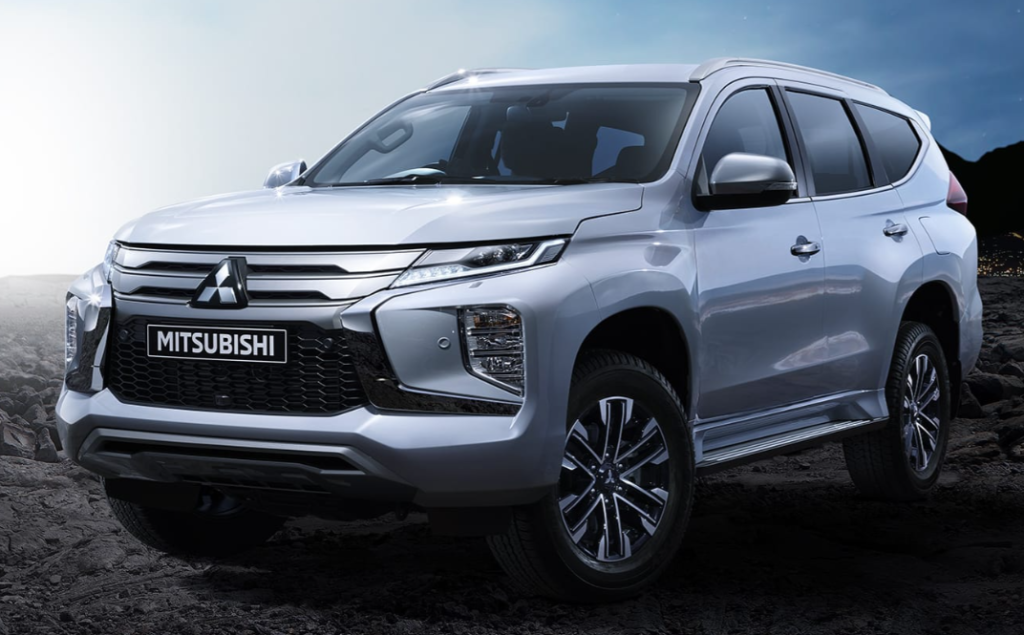
The Mitsubishi Pajero Sport boot space is one of those specifications that looks simple until we actually start using the vehicle. A figure in litres is helpful, sure, but it does not tell us whether seven people can bring luggage, whether a large suitcase fits behind the third row, or whether folding the seats turns this rugged SUV into something genuinely useful for camping, airport runs, and family road trips.
That distinction matters with the Pajero Sport because it is not built like an ordinary five-seat crossover. Depending on the market and specification, it can be configured with five or seven seats, and the third row dramatically changes the amount of usable luggage room.
As an official Australian benchmark, Mitsubishi lists the Pajero Sport with up to 1,488 litres of cargo volume in its seven-seat configuration. The company's detailed specifications list 131 litres behind the third row, 502 litres with the third row folded, and 1,488 litres with all rear seats folded and cargo measured to the roof. A five-seat configuration has been listed at 673 litres behind the second row and up to 1,624 litres with the rear seats folded. Exact specifications can vary by model year and country, so owners should still check their local brochure.
Those numbers already tell an interesting story. The Pajero Sport can swallow a serious amount of equipment when configured for cargo, but carrying seven people changes the equation dramatically. So, how practical is it in the real world? Let's open the tailgate and find out.
Content in this publication
- Mitsubishi Pajero Sport Boot Space at a Glance
- How Big Is the Mitsubishi Pajero Sport Boot?
- Mitsubishi Pajero Sport Boot Space With the Third Row Folded
- Maximum Mitsubishi Pajero Sport Cargo Capacity
- Five-Seat vs Seven-Seat Pajero Sport Boot Space
- Is the Pajero Sport Boot Shape Practical?
- How Practical Is the Pajero Sport for Suitcases?
- Pajero Sport Boot Space for Camping
- Pajero Sport Boot Space for Dogs
- Loading Height and Tailgate Convenience
- Does the Third Row Fold Flat?
- How the Pajero Sport Boot Compares With Everyday Needs
- Ways to Make Better Use of the Boot
- Mitsubishi Pajero Sport Boot Space by Market and Model Year
- Is the Mitsubishi Pajero Sport Boot Big Enough?
- What We Like About the Pajero Sport Cargo Area
- Where the Boot Could Be Better
- Who Will Find the Pajero Sport Boot Most Practical?
- Closing Thoughts: Mitsubishi Pajero Sport Boot Space Explained
- FAQs About Mitsubishi Pajero Sport Boot Space
- 1. How many litres is the Mitsubishi Pajero Sport boot?
- 2. Is the Mitsubishi Pajero Sport boot big enough for a family?
- 3. Can you fit luggage behind the third row of a Pajero Sport?
- 4. Do the rear seats fold down in the Mitsubishi Pajero Sport?
- 5. What is the maximum Mitsubishi Pajero Sport cargo capacity?
Mitsubishi Pajero Sport Boot Space at a Glance
Before getting lost in suitcases, camping chairs and grocery bags, we need a clear picture of the available space.
For the Australian seven-seat specification, the official VDA measurements provide a useful reference:
| Seating configuration | Approximate cargo capacity |
|---|---|
| Seven seats in use | 131 litres |
| Third row folded | 502 litres |
| Second and third rows folded | 1,488 litres |
| Five-seat model behind second row | 673 litres |
| Five-seat model with rear seats folded | 1,624 litres |
The seven-seat version also has an officially listed cargo length of approximately 393 mm with every seat raised, increasing to around 1,575 mm with the rear seating folded. Cargo width is listed at approximately 1,370 mm, with about 1,000 mm between the wheel arches.
Those dimensions are arguably more useful than litres alone. A 500-litre boot can be frustrating if it is badly shaped. Fortunately, the Pajero Sport's cargo area is relatively broad and becomes much more accommodating once we drop the third row.
How Big Is the Mitsubishi Pajero Sport Boot?
The honest answer is: very small with all seven seats occupied, quite useful with five seats in use, and genuinely large when the rear seats are folded.
That is fairly typical for body-on-frame seven-seat SUVs. The vehicle has to package passengers, suspension components, a full-size SUV body and folding seats into a finite space. Something has to give, and when the third row is standing upright, luggage capacity becomes the sacrificial lamb.
With only the first two rows being used, though, the Pajero Sport changes character.
Suddenly, there is enough room for ordinary family luggage, groceries, sports equipment and holiday bags without requiring a game of automotive Tetris every time we shut the tailgate.
Boot Space With Seven Seats Up
With the third-row seats raised, approximately 131 litres of official cargo volume is available in the Australian seven-seat specification.
That isn't much.
Think of this configuration as emergency or day-trip luggage capacity rather than full family-holiday capacity. Seven occupants may fit inside the cabin, but seven occupants plus seven large suitcases certainly won't.
The shallow cargo area is better suited to things such as smaller backpacks, shopping bags, children's items, soft overnight bags or a few compact pieces of luggage.
Hard-shell suitcases quickly become troublesome because they cannot compress into awkward spaces.
What Can Fit Behind the Third Row?
Real-world packing always depends on the exact dimensions of what we're carrying, but with all seats occupied we'd prioritize soft luggage.
A practical packing strategy might include one compact backpack for each passenger rather than traditional airport suitcases. Another option is to use several narrow duffel bags that can be stacked vertically and squeezed into unused corners.
That flexibility makes a huge difference.
Trying to force several rigid suitcases behind the third row is like trying to pack a wardrobe into a kitchen cupboard. Technically, both are storage spaces, but geometry wins the argument.
Seven People Plus Luggage Requires Planning
If we're regularly transporting seven passengers on long-distance trips, the Pajero Sport's cabin capacity and its luggage capacity need to be considered separately.
A roof-mounted cargo solution may become useful, provided weight limits and local regulations are respected. Another option is towing a trailer where appropriate.
For everyday school runs or transporting additional passengers across town, however, the limited boot space behind row three may not be a major problem.
Mitsubishi Pajero Sport Boot Space With the Third Row Folded
This is where the Pajero Sport becomes considerably more practical.
Fold the third row into the floor and the seven-seater offers around 502 litres of cargo capacity to the top of the second-row seatback under Mitsubishi Australia's published VDA measurement.
For many families, this will be the default configuration.
We still have five usable seats while gaining enough cargo room for weekly groceries, luggage, sports bags, children's equipment and most ordinary day-to-day loads.
The difference between 131 and 502 litres is enormous.
It is not merely an extra corner of the boot. It changes what we can reasonably do with the vehicle.
Is 502 Litres Enough for a Family?
For a typical family of four or five, it should be much easier to live with than the seven-seat arrangement.
Large suitcases can usually be positioned more efficiently when the third row is hidden away. Smaller bags can fill gaps around them, while softer equipment can sit above or alongside bulkier luggage.
The tall SUV body also helps.
Boot capacity isn't just about floor area. Vertical room matters whenever we are carrying boxes, bags, camping gear or stacked luggage.
Five Seats Become the Pajero Sport's Sweet Spot
This configuration arguably makes the strongest practical case for the SUV.
We retain a proper second row while opening a respectable luggage compartment behind it. For parents, outdoor enthusiasts or anyone who occasionally needs extra passenger capacity rather than using seven seats every day, that balance makes sense.
The third row is there when we need it. When we don't, it disappears and gives the boot room to breathe.
Maximum Mitsubishi Pajero Sport Cargo Capacity
Need more?
Fold the rear seating down and the seven-seat Pajero Sport can provide up to approximately 1,488 litres of cargo space, using Mitsubishi Australia's maximum-capacity measurement to the roof.
Now we're playing a completely different game.
This configuration can suit furniture boxes, camping equipment, bulky sports gear, DIY supplies and other loads that would overwhelm the normal boot.
What Happens When All Rear Seats Are Folded?
The cargo bay becomes long and substantially more versatile.
Mitsubishi's published figures list approximately 1,575 mm of cargo length with the rear seating folded, although the precise usable dimensions depend on how the load is shaped and where the front seats are positioned.
That length means objects that would never fit behind an upright second row suddenly become realistic.
We're no longer treating the Pajero Sport merely as a seven-seat passenger SUV. In this configuration, it behaves almost like a rugged gear transporter.
Can You Sleep in a Mitsubishi Pajero Sport?
This question inevitably appears whenever an SUV has folding rear seats.
For some adults, sleeping inside a Pajero Sport can be possible with the second and third rows folded, particularly with a suitable mattress or camping platform. However, comfort depends heavily on height, seat positioning and how flat a particular model's load floor becomes.
The approximate 1.575-metre published cargo length does not automatically translate into the same amount of perfectly flat sleeping length because cabin contours and front-seat positions matter.
Anyone planning to use the Pajero Sport as a regular sleeping platform should physically test the vehicle rather than buying purely from a specification sheet.
Five-Seat vs Seven-Seat Pajero Sport Boot Space
Here is an important detail that sometimes gets buried beneath headline cargo figures: not every Pajero Sport is configured identically.
In specifications where a five-seat version is offered, removing the need to package a third row can provide noticeably more dedicated cargo room.
Mitsubishi's Australian specifications have listed approximately 673 litres behind the second row for a five-seat version, compared with 502 litres for the seven-seater when its third row is folded. Maximum capacity has been listed at 1,624 litres for the five-seater versus 1,488 litres for the seven-seat model.
Why Does the Five-Seater Hold More?
Seats occupy space even when folded.
Their frames, cushioning, hinges and locking mechanisms all have to go somewhere. A dedicated five-seat configuration does not have to hide a complete third row beneath the cargo floor.
That creates more usable volume.
If we never need seats six and seven, the five-seat configuration can therefore be the more practical luggage carrier where it is available.
Who Should Consider the Five-Seat Version?
Buyers carrying camping equipment, tools, pets or large luggage more frequently than extra passengers are the obvious candidates.
Conversely, families who occasionally need seven seats may gladly sacrifice some cargo volume for the flexibility of having those additional chairs available.
Neither configuration is automatically better. The smarter choice depends on whether people or cargo occupy that space most often.
Is the Pajero Sport Boot Shape Practical?
Capacity figures don't reveal everything.
Two SUVs can both advertise around 500 litres while feeling completely different once we start loading them. Wheel-arch intrusion, opening width, floor height and seat-folding mechanisms determine whether those litres are genuinely useful.
The Pajero Sport benefits from a relatively broad cargo area.
Official Australian dimensions have listed around 1,370 mm of overall cargo width and 1,000 mm between the wheel arches.
That one-metre space between the arches is particularly relevant for boxes and rectangular equipment.
A Tall Boot Helps With Awkward Equipment
SUVs have another advantage: vertical space.
When we transport camping chairs, coolers, boxes or soft luggage, being able to stack items can compensate for a shorter floor.
Of course, stacking cargo high creates its own considerations. Heavy objects should remain low and properly secured, and visibility through the rear window shouldn't be sacrificed unnecessarily.
A large boot becomes useful only when we use it safely.
How Practical Is the Pajero Sport for Suitcases?
Airport trips expose weak boot designs very quickly.
Suitcases are rigid, rectangular and spectacularly unwilling to cooperate. A soft backpack politely moves when squeezed. A hard-shell suitcase behaves like a brick.
With the third row upright, luggage flexibility is limited. We would not choose this arrangement for a seven-person airport transfer involving conventional full-size baggage.
Fold the third row, however, and the roughly 502-litre cargo compartment makes much more sense for several pieces of luggage.
Exact suitcase counts should always be treated cautiously because a 75-litre suitcase and a 110-litre suitcase are both casually described as "large."
The Best Way to Load Holiday Luggage
Rather than thinking purely in litres, we would pack the Pajero Sport according to shape and weight:
- Put the heaviest suitcases low and nearest the seatbacks.
- Use soft duffel bags around rigid cases.
- Keep frequently needed items near the tailgate.
- Avoid loose objects that could move during sudden braking.
- Preserve rearward visibility where possible.
- Use approved cargo restraints for heavier equipment.
This approach often creates significantly more practical room than simply throwing luggage into the boot in whatever order it reaches the car.
Pajero Sport Boot Space for Camping
Camping is where the Pajero Sport begins to make sense beyond simple statistics.
A body-on-frame SUV with off-road capability often attracts owners who carry much more than suitcases. We're talking tents, camp chairs, sleeping bags, recovery equipment, food containers, portable refrigerators and muddy boots.
That equipment comes in wildly different shapes.
Fortunately, once the third row is folded, the Pajero Sport provides enough flexibility to organize loads more intelligently.
Camping With Five People
Five occupants plus camping equipment can still require disciplined packing, especially for multi-day trips.
Bulky sleeping gear consumes volume surprisingly quickly. Folding chairs are long. Coolers are heavy. Recovery equipment shouldn't simply be balanced on top of everything else.
This is where rectangular storage boxes can help.
Instead of creating a mountain of loose equipment, stackable containers allow us to use the boot vertically while keeping related items together.
Camping With Two People
Fold the second and third rows and the equation changes completely.
Two travellers can dedicate most of the rear cabin to equipment. Long items become easier to carry, and the large maximum cargo capacity allows us to separate frequently used gear from equipment needed only at camp.
In that configuration, the Pajero Sport feels less like a family SUV and more like a compact expedition wagon.
Pajero Sport Boot Space for Dogs
Dog owners tend to judge cargo areas differently.
Litres matter less than floor length, height, ventilation and ease of access.
With the third row folded, medium and larger dogs can have substantially more room than they would behind an upright third row. Protective cargo liners also become worth considering because claws, mud and water can age interior trim surprisingly quickly.
A barrier or properly designed pet restraint should be used where appropriate.
The goal isn't merely keeping the interior clean. An unrestrained pet can become vulnerable during sudden braking or a collision.
Loading Height and Tailgate Convenience
Another factor often ignored in specification tables is how easy the boot is to access.
The Pajero Sport is a genuine SUV with substantial ground clearance, which naturally means the cargo floor sits higher than it does in a conventional wagon or hatchback.
That can be useful off-road, but lifting heavy luggage upward may require more effort.
Some Pajero Sport variants include a power tailgate, and Mitsubishi currently lists the feature on Australian GLS and Exceed models. Mitsubishi also describes hands-free and remote operation functionality on applicable versions.
Why a Power Tailgate Actually Matters
A powered boot lid can sound like a luxury gimmick until we're carrying shopping bags in both hands.
Then it suddenly becomes brilliant.
It's particularly convenient for families, travellers loading luggage or anyone frequently opening the cargo area while carrying equipment.
It doesn't increase the boot capacity by a single litre, but it can make the space easier to live with every day.
Does the Third Row Fold Flat?
The Pajero Sport's third-row arrangement is designed to disappear into the rear cargo area when it isn't needed, helping transform the seven-seater into a more useful five-seat load carrier.
Different markets may use slightly different descriptions and mechanisms, but the fundamental principle remains the same: the rear-most seats can be stowed to reclaim cargo space.
This flexibility is one of the Pajero Sport's strongest practical characteristics.
A permanent seven-seat layout would make the small 131-litre rear compartment far more frustrating. Instead, we can treat those seats almost like emergency passenger accommodation.
Use them when necessary. Hide them when luggage becomes more important.
How the Pajero Sport Boot Compares With Everyday Needs
Numbers are useful, but everyday scenarios paint the clearer picture.
For grocery shopping, the Pajero Sport with the third row folded is comfortably more practical than it is with seven seats occupied. For a family holiday, five-seat mode gives us enough room to start thinking about conventional luggage rather than tiny bags.
For DIY runs or outdoor adventures, folding both rear rows unlocks the vehicle's real cargo potential.
And for seven adults travelling with substantial luggage?
That's the configuration where compromises appear quickly.
School Runs and Daily Family Life
For everyday family duty, the flexible seating arrangement works well because the third row often isn't needed continuously.
We can leave it folded during the week, enjoy the larger luggage bay, and raise one or both rear seats when additional passengers appear.
That is the hidden advantage of a seven-seat SUV: we aren't obligated to use all seven seats simply because they're there.
Road Trips
Long-distance travel amplifies luggage requirements.
Children bring entertainment. Adults bring bags. Then come drinks, jackets, food, chargers, pillows and all the things everyone insisted they wouldn't need.
For that reason, five-seat mode is far more comfortable for long journeys involving significant baggage.
Seven passengers can travel in the Pajero Sport, but seven passengers with holiday luggage may require an external storage strategy.
Ways to Make Better Use of the Boot
We don't need a bigger vehicle every time the boot becomes crowded. Sometimes we simply need to use the space more intelligently.
Soft luggage is one of the easiest upgrades because it adapts to gaps that rigid cases waste. Packing cubes can also divide clothing without adding bulky suitcase frames.
Cargo organizers stop smaller items rolling across the floor, while rubber liners protect the interior after camping, sports or beach trips.
For especially long journeys, approved roof systems can add storage flexibility, but we need to remain within the vehicle's roof-load limit and remember that extra mass and aerodynamic drag can influence handling and fuel consumption.
Mitsubishi Pajero Sport Boot Space by Market and Model Year
This deserves emphasis because vehicle websites often present one boot-space number as though every Pajero Sport ever sold is identical.
It isn't.
Specifications can vary according to country, trim, seating configuration and model year. Even measuring standards can produce different-looking numbers.
The figures we've used here come primarily from Mitsubishi Australia's official specifications because they provide unusually detailed VDA cargo measurements. Mitsubishi's current Australian Pajero Sport range is offered as a seven-seat SUV in GLS and Exceed forms, while historic and other-market configurations may differ.
Why Different Websites Quote Different Boot Sizes
There are several possible reasons.
One publication may measure below the parcel cover. Another may quote manufacturer VDA figures. A third might use maximum volume to the roof.
Some websites also combine specifications from different markets.
That's why we should always ask one question when seeing a cargo figure: with which seats folded, and measured to where?
Without that context, litre figures can be misleading.
Is the Mitsubishi Pajero Sport Boot Big Enough?
For five occupants, the Pajero Sport offers genuinely useful luggage capacity.
For two to four occupants with the rear seats folded strategically, it becomes even more versatile.
For seven occupants, luggage capacity is undeniably limited.
That doesn't make the design unsuccessful. It simply reflects the compromises required to package three rows into a midsize SUV.
The bigger question is how often we actually need all seven seats.
If the answer is "occasionally," the Pajero Sport makes far more sense because the third row can remain folded most of the time.
If the answer is "every single day, with lots of luggage," then cargo requirements deserve closer attention before purchasing.
What We Like About the Pajero Sport Cargo Area
The strongest feature isn't the absolute maximum capacity.
It's adaptability.
The Pajero Sport can transition from seven-seat passenger transport to a five-seat family SUV and then into a large two-seat cargo carrier without changing vehicles.
That's valuable.
Its wide cargo compartment, fold-away seating and sizeable maximum capacity give it a level of versatility that suits the personality of the vehicle: part family transporter, part touring SUV and part weekend adventure machine.
Where the Boot Could Be Better
The obvious weakness is space behind the third row.
At around 131 litres in the Australian specification, it simply isn't designed for seven people's full-size luggage.
The relatively high loading floor can also make heavy objects harder to lift compared with a lower wagon or crossover.
And although the folded-seat arrangement dramatically improves capacity, anyone transporting exceptionally long or bulky equipment should physically measure the cargo area before assuming it will fit.
Cars have an uncanny ability to make an item look perfectly compatible right up until the tailgate refuses to close.
Who Will Find the Pajero Sport Boot Most Practical?
The Pajero Sport makes particular sense for buyers who need flexibility rather than permanent maximum seating.
A family of four can enjoy a generous amount of luggage space while retaining the option of bringing two or three extra passengers occasionally.
Outdoor enthusiasts can fold the seats and devote most of the rear cabin to equipment.
Dog owners can create a substantial rear compartment.
And travellers can configure the interior according to the trip rather than being stuck with one fixed seating arrangement.
That's the real value here.
Closing Thoughts: Mitsubishi Pajero Sport Boot Space Explained
The Mitsubishi Pajero Sport boot space is best understood as three very different cargo areas hiding inside one SUV.
With seven seats upright, the approximately 131-litre luggage compartment is small and requires careful packing. Fold the third row and around 502 litres becomes available in the Australian seven-seat specification, transforming the Pajero Sport into a much more useful family load carrier. Fold the remaining rear seats and maximum volume rises to around 1,488 litres.
That versatility is the key.
We wouldn't choose the Pajero Sport purely because it has a gigantic boot with seven passengers aboard—it doesn't. We would choose it because we can reshape the interior to suit the day.
School run? Keep the rear seats down.
Friends joining us? Raise the third row.
Camping weekend? Fold everything and fill the back with gear.
Like a Swiss Army knife on four wheels, its usefulness comes from the number of configurations available rather than one headline capacity figure.
Before buying, we'd still take our largest suitcase, stroller, dog crate or camping box to the showroom and physically test it. Specifications tell us how much theoretical space exists. Our own equipment tells us whether that space works.
FAQs About Mitsubishi Pajero Sport Boot Space
1. How many litres is the Mitsubishi Pajero Sport boot?
In Mitsubishi Australia's published seven-seat specification, the Pajero Sport offers approximately 131 litres with all three rows in use, 502 litres with the third row folded and up to 1,488 litres with the rear seats folded and cargo measured to the roof. Specifications can vary by market and model year.
2. Is the Mitsubishi Pajero Sport boot big enough for a family?
Yes, particularly when the third row is folded. With five seats being used, the boot provides substantially more practical luggage room than it does in seven-seat mode, making it suitable for typical groceries, holiday luggage, sports equipment and family gear.
3. Can you fit luggage behind the third row of a Pajero Sport?
Yes, but space is limited. Soft bags, backpacks and compact cases are far easier to accommodate than several large rigid suitcases. Seven passengers carrying significant holiday luggage may need additional storage.
4. Do the rear seats fold down in the Mitsubishi Pajero Sport?
Yes. The Pajero Sport uses folding rear seating to expand the luggage compartment. Folding the third row creates a much larger five-seat cargo area, while folding the second row as well unlocks maximum load capacity.
5. What is the maximum Mitsubishi Pajero Sport cargo capacity?
Mitsubishi Australia currently advertises the Pajero Sport with up to 1,488 litres of cargo volume in the seven-seat configuration when the rear seats are folded. Exact figures should be checked against the brochure for your specific country and model year.
If you want to know other articles similar to Mitsubishi Pajero Sport Boot Space: Complete Cargo and Luggage Guide you can visit the category Service and Parts.
Volvo S90 Engine Oil: Type, Capacity & Change Guide
Volvo S90 Boot Space: Size, Capacity and Practicality
SEO Title: Volvo S90 Oil Capacity: Complete Guide by Engine

Kia Sorento Oil Type: Complete Guide by Year & Engine
Kia Sorento Engine Capacity: Complete Guide by Year
Peugeot 308 Clutch Replacement Cost: Complete UK Guide for 2026
Leave a Reply
More content of your interest