

Nissan Frontier Dash Lights: Warning Symbols and Meanings

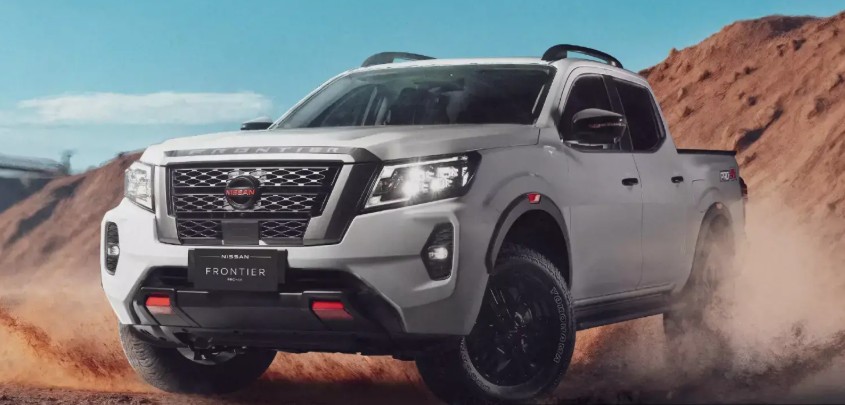
Your Nissan Frontier dash lights are basically the truck’s way of talking to us. Some lights casually say, “Hey, this system is working.” Others are more like a smoke alarm screaming from the ceiling.
Knowing the difference matters.
A green cruise-control symbol usually means everything is functioning normally. A flashing red oil-pressure warning, on the other hand, can mean we should pull over before a relatively small problem turns into a painfully expensive engine repair.
The tricky part is that the Nissan Frontier has been sold across several generations, trims, engines, and model years. Dashboard designs have evolved considerably along the way. Older Frontiers rely heavily on conventional warning lamps, while newer trucks combine indicator lights with information presented through the driver display.
Still, the basic language of dashboard warnings remains remarkably consistent.
In this guide, we’ll break down the most important Nissan Frontier dashboard warning lights, explain what their colors generally mean, show which warnings deserve immediate attention, and help us decide what to do when an unfamiliar symbol suddenly appears.
Content in this publication
- What Do Nissan Frontier Dash Lights Mean?
- Nissan Frontier Dashboard Light Colors Explained
- Nissan Frontier Check Engine Light
- Nissan Frontier Oil Pressure Warning Light
- Nissan Frontier Battery Warning Light
- Nissan Frontier Brake Warning Light
- Nissan Frontier ABS Warning Light
- Nissan Frontier Tire Pressure Warning Light
- Nissan Frontier Airbag Warning Light
- Nissan Frontier Vehicle Dynamic Control Light
- Nissan Frontier Slip Indicator Light
- Nissan Frontier 4WD Warning and Indicator Lights
- Nissan Frontier Master Warning Light
- Nissan Frontier Low Fuel Warning Light
- Nissan Frontier Coolant Temperature Warning Light
- Nissan Frontier Seat Belt Warning Light
- Nissan Frontier Door Open Warning
- Nissan Frontier Security Indicator Light
- Nissan Frontier High Beam Indicator
- Nissan Frontier Turn Signal Indicators
- Nissan Frontier Cruise Control Light
- What Does It Mean When Several Nissan Frontier Dash Lights Come On?
- Why Do All Nissan Frontier Dash Lights Come On at Startup?
- Nissan Frontier Dash Lights but Truck Won't Start
- Nissan Frontier Dash Lights Flickering
- Nissan Frontier Dashboard Lights Dim
- Nissan Frontier Dash Lights Not Working
- How to Reset Nissan Frontier Dash Warning Lights
- Can Disconnecting the Battery Reset Nissan Frontier Dash Lights?
- How to Diagnose Nissan Frontier Dashboard Warning Lights
- Which Nissan Frontier Dash Lights Mean Stop Driving?
- Which Dashboard Lights Can Usually Wait for Diagnosis?
- Nissan Frontier Dash Lights by Generation
- How Serious Are Nissan Frontier Warning Lights?
- How to Prevent Nissan Frontier Dash Warning Lights
- Don't Replace Parts Based Only on a Warning Light
- When Should We Take a Nissan Frontier to a Mechanic?
- Final Thoughts on Nissan Frontier Dash Lights
- Frequently Asked Questions
- 1. What does the yellow triangle mean on a Nissan Frontier?
- 2. Can I drive my Nissan Frontier with the check engine light on?
- 3. Why are several Nissan Frontier dash lights on at once?
- 4. Why is my Nissan Frontier dashboard lit up but the truck won't start?
- 5. How do I clear warning lights on a Nissan Frontier?
What Do Nissan Frontier Dash Lights Mean?
Dashboard lights fall into two broad categories: warning lights and indicator lights.
A warning light tells us that the truck has detected something requiring attention. This might involve the engine, braking system, battery, oil pressure, airbags, tire pressure, or another vehicle system.
An indicator light generally confirms that a feature has been activated. High beams, turn signals, four-wheel drive, and cruise control are common examples.
That distinction sounds simple, but there is another useful clue: color.
Think of dashboard colors like traffic signals.
Green generally means go.
Yellow means pay attention.
Red means stop and investigate.
Not every Frontier follows exactly the same arrangement, though. Symbols, wording, and display behavior can vary between years and equipment levels.
Nissan Frontier Dashboard Light Colors Explained
Before memorizing dozens of tiny symbols, understanding the color system gives us a useful head start.
Red Dashboard Lights
A red warning typically indicates something potentially serious or safety-related.
Examples may include:
- Brake system warning
- Engine oil pressure warning
- Charging system warning
- Seat belt warning
- Door-open warning
- Certain supplemental restraint system alerts
Some red lights disappear once we start driving or complete a normal action, such as fastening a seat belt.
Others should never be ignored.
If a red oil-pressure or brake-system warning remains illuminated while driving, stopping safely and investigating the cause is usually the smartest move.
Yellow or Amber Dashboard Lights
Yellow lights usually mean the Frontier has detected something requiring inspection but not necessarily an immediate roadside stop.
Common examples include:
- Check engine light
- Tire pressure warning
- ABS warning
- Vehicle Dynamic Control warning
- Master warning light
Imagine them as the truck tapping us on the shoulder rather than pulling the emergency brake.
We can often continue driving cautiously, depending on the specific warning and how the vehicle behaves.
Green and Blue Indicator Lights
Green and blue symbols usually tell us that a system is operating.
Examples include:
- Turn signals
- Cruise-control indicators
- Exterior lighting indicators
- Four-wheel-drive indicators
- High-beam indicator
A blue high-beam symbol at night, for example, does not mean something is broken. It simply tells us the high beams are switched on.
Nissan Frontier Check Engine Light
Few dashboard lights create anxiety quite like the check engine light.
It usually resembles the outline of a small engine and may illuminate because the engine-management system has detected an emissions, ignition, fuel, sensor, or electronic-control problem.
The severity depends largely on whether the light is steady or flashing.
Solid Check Engine Light
A solid check engine light usually means a fault has been stored in the truck's diagnostic system.
Possible causes can include:
- Loose or damaged fuel cap
- Oxygen-sensor problems
- Airflow sensor faults
- Evaporative-emissions leaks
- Ignition problems
- Fuel-system problems
- Catalytic-converter efficiency faults
- Other engine-management issues
If the Frontier drives normally, we generally have time to arrange a diagnostic scan.
That does not mean ignoring the light for three months is a good strategy. Problems have an annoying habit of inviting their friends over.
Flashing Check Engine Light
A flashing check engine light deserves considerably more attention.
It can indicate severe combustion misfires capable of damaging emissions components, particularly the catalytic converter.
If the check engine light flashes while the engine runs roughly, shakes, loses power, or smells unusual, reducing speed and stopping somewhere safe is wise.
Continuing to drive aggressively could turn a repairable ignition problem into a much larger bill.
Nissan Frontier Oil Pressure Warning Light
The oil-pressure warning generally looks like an old-fashioned oil can.
It is one of the dashboard lights we should take very seriously.
The warning does not simply mean the engine needs an oil change.
It indicates that the lubrication system may not be maintaining adequate oil pressure.
Possible reasons include:
- Low engine-oil level
- Oil leak
- Faulty oil-pressure sensor
- Restricted oil pickup
- Oil-pump problem
- Internal engine wear
If the oil-pressure warning stays illuminated after startup or appears while driving, pull over safely and shut the engine off.
Check the oil level once it is safe to do so.
Driving an engine without adequate lubrication is like running a marathon with sandpaper between the moving parts. Damage can happen surprisingly fast.
Nissan Frontier Battery Warning Light
The battery-shaped symbol is commonly misunderstood.
People naturally assume it means, “Your battery is bad.”
Not necessarily.
The warning usually indicates a problem within the charging system.
Potential causes include:
- Failing alternator
- Loose or damaged accessory belt
- Corroded battery connections
- Wiring problem
- Charging-system fault
- Weak battery combined with another electrical issue
Once the engine is running, the alternator normally supplies electricity and replenishes the battery.
If charging stops, the truck can continue operating temporarily on stored battery power. Eventually, however, voltage drops enough that electronic systems begin shutting down.
What Should We Do When the Battery Light Appears?
Switch off unnecessary electrical accessories when practical.
Avoid repeatedly shutting the engine off until we reach somewhere safe, because the battery may no longer have enough energy to restart the truck.
If steering becomes heavy, temperatures rise, or other warning lights suddenly appear, stop the vehicle and inspect it.
A broken belt may sometimes affect more than the alternator.
Nissan Frontier Brake Warning Light
The red brake warning deserves close attention because it can represent several conditions.
It may simply indicate that the parking brake is engaged.
If the parking brake is fully released and the warning remains on, however, the issue could involve the braking system.
Possible causes include:
- Low brake-fluid level
- Brake hydraulic problem
- Parking-brake switch issue
- Other brake-system faults
Never assume a persistent red brake warning is harmless.
Brake Light and ABS Light Together
Seeing the brake warning and ABS warning simultaneously can indicate a more significant braking-system issue.
If braking feels unusual, the pedal travels farther than normal, or stopping performance deteriorates, we should not continue driving as though nothing happened.
Brakes are not an area where optimism makes a good diagnostic tool.
Nissan Frontier ABS Warning Light
ABS stands for Anti-lock Braking System.
The system helps prevent the wheels from locking during hard braking, allowing us to retain more steering control in many emergency situations.
When the ABS warning stays illuminated, conventional braking may still function, but the anti-lock feature could be disabled.
Common causes include:
- Faulty wheel-speed sensor
- Damaged sensor wiring
- Contaminated sensor area
- ABS control fault
- Low system voltage
The truck may feel completely normal during ordinary driving, which makes the warning easy to postpone.
But emergency braking is exactly when we would want ABS available.
Have the system diagnosed reasonably soon.
Nissan Frontier Tire Pressure Warning Light
The tire-pressure warning resembles a tire cross-section with an exclamation point in the center.
It is part of the Tire Pressure Monitoring System, or TPMS.
When the light remains illuminated, one or more tires may have insufficient pressure.
Check every tire with an accurate gauge rather than relying solely on appearance.
A tire can look perfectly healthy and still be significantly underinflated.
Why Tire Pressure Changes
Common reasons include:
- Normal gradual air loss
- Cold weather
- Nail or screw puncture
- Damaged valve stem
- Wheel leak
- Tire damage
Temperature changes matter more than many owners realize.
As ambient temperature drops, tire pressure normally drops too. That is why TPMS warnings often appear on cold mornings.
Flashing TPMS Light
If the warning flashes for a period after startup and then remains illuminated, the monitoring system itself may have a problem.
Possible causes include a faulty TPMS sensor, dead sensor battery, incompatible wheel sensor, or communication issue.
Nissan Frontier Airbag Warning Light
The airbag or Supplemental Restraint System warning typically shows a seated person with a circle representing the airbag.
If the warning behaves abnormally or remains illuminated, there may be a problem within the restraint system.
Potential issues can involve:
- Airbag sensors
- Seat-belt pretensioners
- Occupant-detection components
- Electrical connections
- Airbag control module
Because airbags form part of the truck's safety system, this warning deserves professional attention.
The Frontier may drive normally while an airbag fault exists, but some restraint functions might not operate as intended in a collision.
Nissan Frontier Vehicle Dynamic Control Light
Vehicle Dynamic Control, commonly abbreviated VDC, helps maintain stability when the truck begins losing traction.
It can reduce engine power or selectively apply braking to individual wheels.
Flashing VDC Indicator
A flashing stability-control indicator often simply means the system is actively working.
For instance, accelerate too aggressively on wet pavement and the light may flash while the truck manages wheel slip.
That is normal.
VDC Light Staying On
If the light remains illuminated continuously, the system may have been switched off or a malfunction may exist.
Possible contributors include:
- Wheel-speed sensor faults
- Steering-angle sensor problems
- ABS-related faults
- Low voltage
- Stability-system malfunction
Because ABS, traction control, and stability control share several sensors, one failed component can sometimes illuminate multiple dashboard warnings.
Nissan Frontier Slip Indicator Light
The slip indicator is closely associated with traction and stability control.
If it flashes briefly while accelerating on loose gravel, rain, snow, mud, or another low-grip surface, the system may simply be doing its job.
A permanently illuminated warning, however, could suggest the system has been disabled or detected a fault.
If multiple stability and ABS lights appear simultaneously, a diagnostic scan can often reveal whether a shared sensor is responsible.
Nissan Frontier 4WD Warning and Indicator Lights
Four-wheel-drive indicators vary substantially by Frontier generation and drivetrain configuration.
Depending on the truck, the dashboard may indicate operation in:
- 2WD
- 4H
- 4LO
A normal indicator simply confirms the selected drive mode.
A flashing 4WD symbol, unexpected warning, or inability to complete a shift between drive modes can indicate that the system has not engaged properly.
Why a 4WD Light May Flash
Possible reasons include:
- Drivetrain binding
- Incomplete transfer-case engagement
- Electronic actuator problem
- Sensor issue
- Improper conditions during mode selection
- Unequal tire sizes or pressures
Follow the correct shifting procedure for the specific Frontier generation.
Some modes can be selected while moving within certain conditions, while others require stopping and shifting the transmission appropriately.
The owner's manual for the exact model year should always win the argument here.
Nissan Frontier Master Warning Light
Some Frontiers use a master warning symbol—often represented by a triangle with an exclamation point.
Think of it as the dashboard saying:
“Something needs your attention. Look at the additional information.”
The master warning may accompany another message or condition rather than identifying one specific mechanical problem.
Examples might involve:
- Low fuel
- Open door
- Vehicle settings
- Driver-assistance warnings
- Key-related messages
- Tire-pressure issues
- Other system alerts
On models equipped with a multi-information display, check the accompanying message before assuming something catastrophic has happened.
Nissan Frontier Low Fuel Warning Light
This one is simple.
The fuel-pump symbol means the truck is reaching a low fuel level.
Could we continue driving?
Usually, yes—for a while.
Should we test exactly how far “a while” lasts?
Probably not.
Frequently running extremely low on fuel is unnecessary and increases the risk of being stranded.
Fuel economy, road grade, temperature, towing load, traffic, and driving style can all change the remaining range dramatically.
Treat the distance-to-empty display as an estimate rather than a contractual promise.
Nissan Frontier Coolant Temperature Warning Light
Depending on the Frontier generation, coolant temperature may be shown through a gauge, warning symbol, or dashboard message.
An overheating engine requires immediate attention.
Warning signs may include:
- Temperature gauge entering the hot zone
- Temperature warning light
- Steam
- Coolant smell
- Reduced engine performance
- Cooling fans behaving unusually
What Should We Do If the Frontier Overheats?
Turn off the air conditioning and stop safely when possible.
Do not remove a hot radiator cap.
Cooling systems operate under pressure, and hot coolant can cause serious burns.
Possible causes of overheating include:
- Low coolant
- Coolant leak
- Thermostat failure
- Cooling-fan problem
- Water-pump failure
- Blocked radiator
- Hose problem
Continuing to drive an overheating engine can warp cylinder heads or cause other severe engine damage.
Nissan Frontier Seat Belt Warning Light
The seat-belt warning is one of the least mysterious dashboard symbols.
Fasten the appropriate seat belt and it should normally disappear.
Newer vehicles may also detect passengers in specific seating positions.
If a seat is empty but the warning activates, a heavy bag placed on the seat may occasionally confuse the occupant-detection system.
Move the object rather than buckling the seat belt around luggage as a workaround.
Nissan Frontier Door Open Warning
A door-open warning simply tells us that one or more doors are not completely closed.
It sounds trivial until the cabin light drains the battery overnight.
If the warning persists despite every door being securely closed, a latch or door-position sensor could be sticking or malfunctioning.
Older trucks can develop these small electrical quirks as components accumulate years of dust, moisture, and use.
Nissan Frontier Security Indicator Light
The security indicator is associated with the vehicle's anti-theft or immobilizer system.
A blinking security light while the vehicle is parked can be completely normal.
Trouble becomes more likely when the truck fails to recognize the key or refuses to start while a security-related warning behaves abnormally.
Possible causes can include:
- Key recognition problem
- Weak key-fob battery on compatible models
- Immobilizer issue
- Electrical fault
- Damaged key
If a spare key starts the Frontier normally, that provides a useful clue.
Nissan Frontier High Beam Indicator
The blue headlight symbol means the high beams are active.
Nothing is broken.
Just remember to dim them around approaching vehicles and when following traffic closely.
This tiny blue symbol might be harmless to us, but to an oncoming driver it can feel like staring directly into a miniature sun.
Nissan Frontier Turn Signal Indicators
Green arrows flash when the left or right turn signal is active.
Both arrows normally flash when the hazard lights are switched on.
A turn-signal indicator blinking significantly faster than usual can sometimes indicate a failed exterior turn-signal bulb or another circuit issue, depending on the electrical system used by that particular Frontier.
Check the exterior lights if the flashing rhythm suddenly changes.
Nissan Frontier Cruise Control Light
Cruise-control indicators vary between generations.
Depending on the Frontier, the dashboard may show that cruise control is available, switched on, or actively maintaining a set speed.
An illuminated cruise indicator is generally informational rather than a warning.
If cruise control suddenly stops working while another warning appears—particularly an ABS, brake, or engine-related warning—the truck may disable cruise control as a precaution.
What Does It Mean When Several Nissan Frontier Dash Lights Come On?
This situation looks terrifying.
You start the truck and suddenly the dashboard resembles a Christmas tree.
Ironically, several warning lights illuminating simultaneously do not always mean five separate systems failed at once.
Modern vehicle systems communicate with each other.
One fault can trigger warnings across several connected systems.
Low Battery Voltage Can Trigger Multiple Lights
Weak system voltage can create strange electronic behavior.
A failing battery, poor electrical connection, or charging-system problem can sometimes produce several warning messages because control modules require stable voltage.
If multiple unrelated warnings appear unexpectedly, especially after slow cranking or a dead battery, checking battery and charging voltage is a logical first step.
Wheel Speed Sensors Can Affect Several Systems
ABS, traction control, stability control, and other systems may rely on wheel-speed information.
A single failed sensor can therefore trigger multiple warning lights.
Rather than replacing random parts, read the diagnostic trouble codes first.
The codes give us a map instead of forcing us to wander through the electrical jungle blindfolded.
Why Do All Nissan Frontier Dash Lights Come On at Startup?
When the ignition is switched on, many warning lights illuminate briefly.
This is normally a self-check.
The truck is essentially confirming that the warning lamps and related systems can communicate.
After the engine starts, most lights should disappear.
A warning that remains illuminated deserves closer attention.
So ironically, seeing plenty of lights for a few seconds at startup can be perfectly normal.
It is the one that refuses to leave the party that matters.
Nissan Frontier Dash Lights but Truck Won't Start
If the dashboard illuminates but the engine does not start, do not assume the presence of dash lights means the battery is healthy.
Interior electronics require far less power than the starter motor.
A weak battery may still illuminate every dashboard light while lacking enough current to crank the engine.
Common possibilities include:
- Weak or discharged battery
- Loose battery terminals
- Corroded battery cables
- Starter problem
- Park/Neutral switch issue
- Immobilizer problem
- Fuel or ignition problem
Listen to What Happens When We Turn the Key
The sound can provide useful clues.
A rapid clicking noise commonly points toward insufficient battery power.
One heavy click may suggest a starter or electrical connection problem.
Normal cranking without starting pushes the investigation toward fuel, ignition, sensors, or engine-management systems.
No sound at all opens another branch of the diagnostic tree.
Nissan Frontier Dash Lights Flickering
Flickering dashboard illumination should not be ignored.
Potential causes include:
- Loose battery connection
- Poor ground
- Failing alternator
- Weak battery
- Electrical wiring fault
- Instrument-panel issue
- Voltage irregularities
Notice whether headlights or interior lights also flicker.
If several electrical systems pulse together, a charging or connection problem becomes more likely than a dashboard-only defect.
Nissan Frontier Dashboard Lights Dim
Dashboard brightness may be adjustable, and accidentally changing the dimmer setting can make the instrument cluster appear unusually dark.
Before hunting for electrical demons, check the brightness control.
If the dash lights remain unusually dim despite proper adjustment, investigate:
- Battery voltage
- Charging-system output
- Instrument-cluster illumination
- Ground connections
- Fuse-related issues
Electrical diagnosis works best when we begin with the simple possibilities.
Sometimes the monster under the bed is just a misplaced sock.
Nissan Frontier Dash Lights Not Working
If the instrument-panel illumination disappears completely, check whether other interior electrical components have stopped working too.
Potential causes can include:
- Blown fuse
- Dimmer setting
- Wiring fault
- Failed instrument-cluster component
- Connector problem
- Electrical supply issue
Avoid installing a higher-amperage fuse when one repeatedly blows.
A fuse is designed to protect the wiring.
Replacing it with a stronger fuse without finding the fault is like disabling a smoke detector because it keeps warning us about smoke.
How to Reset Nissan Frontier Dash Warning Lights
Here comes one of the most important points in the guide.
We should not automatically “reset” a warning before understanding why it appeared.
Most legitimate warning lights disappear after the underlying condition has been corrected or after the system completes its required checks.
Check Engine Light Reset
An OBD-II diagnostic tool can clear stored engine codes.
But clearing the code does not repair the fault.
If the condition remains, the light will normally return.
Read and record the diagnostic trouble codes before deleting them because those codes provide valuable troubleshooting information.
TPMS Light Reset
After setting tire pressures correctly, some Frontiers may require driving before the TPMS warning clears.
If the warning remains or flashes, the system may have a sensor or communication problem rather than simple low tire pressure.
ABS and Airbag Warning Reset
ABS and airbag faults should generally be diagnosed before attempting to erase them.
These systems store diagnostic information that can help identify the faulty circuit or component.
Because both systems affect vehicle safety, guessing is especially unwise.
Can Disconnecting the Battery Reset Nissan Frontier Dash Lights?
Disconnecting the battery can clear or temporarily reset certain electronic information on some vehicles.
That does not make it a proper repair method.
Warning lights may return as soon as the control module detects the fault again.
Battery disconnection can also reset stored settings and electronic memory.
Rather than using battery disconnection as a universal dashboard eraser, diagnose the actual problem.
How to Diagnose Nissan Frontier Dashboard Warning Lights
You do not need a dealership-sized toolbox to perform basic diagnosis.
A systematic approach can save enormous amounts of time.
Step 1: Identify the Symbol
First, determine exactly which warning is illuminated.
Do not guess based on vague resemblance.
A brake symbol and tire-pressure symbol can look surprisingly similar from the driver's seat if we only glance at them.
Step 2: Notice the Color
Red generally demands more urgency than yellow.
Green or blue usually indicates system operation.
Step 3: Check Whether It Flashes
A flashing warning can carry a different meaning than the same symbol illuminated continuously.
The check engine light is the classic example.
Step 4: Observe How the Truck Behaves
Ask:
- Is the engine running smoothly?
- Is braking normal?
- Is steering normal?
- Is the truck overheating?
- Is power reduced?
- Are there unusual noises?
- Do we smell fuel, coolant, or burning material?
A dashboard warning combined with physical symptoms raises the urgency considerably.
Step 5: Scan for Diagnostic Codes
An OBD-II scanner can provide valuable information when engine or electronically controlled systems report faults.
Basic code readers can handle many powertrain codes, while more capable diagnostic tools may access ABS, airbag, four-wheel-drive, body, and other modules.
Step 6: Inspect the Basics
Before replacing anything, check simple items such as:
- Battery connections
- Fluid levels
- Tire pressures
- Fuses
- Visible wiring
- Fuel cap
- Exterior lights
- Obvious leaks
Basic checks solve more mysteries than we sometimes expect.
Which Nissan Frontier Dash Lights Mean Stop Driving?
No single rule covers every situation, but certain warnings deserve immediate caution.
Consider stopping the vehicle promptly when experiencing:
- Oil-pressure warning that remains illuminated
- Severe overheating
- Brake warning combined with abnormal braking
- Flashing check engine light with rough running
- Charging warning accompanied by serious electrical symptoms
- Multiple warnings combined with loss of steering, braking, or engine performance
Safety always takes priority over reaching the destination.
A tow bill feels expensive until we compare it with the price of an engine, transmission, accident, or roadside breakdown.
Which Dashboard Lights Can Usually Wait for Diagnosis?
Some yellow warnings may allow limited continued driving when the Frontier otherwise behaves normally.
Examples can include:
- Solid check engine light
- TPMS warning after tire condition has been checked
- ABS warning with conventional braking functioning normally
- Stability-control warning
“Can continue driving” does not mean “ignore indefinitely.”
Schedule diagnosis before the issue develops into something larger.
Nissan Frontier Dash Lights by Generation
The Frontier's dashboard has changed substantially throughout its production history.
Older models generally use simpler analog instrumentation with traditional warning lamps.
Later generations incorporate more sophisticated electronic displays and additional vehicle systems.
Older Nissan Frontier Models
Older Frontiers tend to have fewer electronic driver-assistance systems, so the dashboard may feel relatively straightforward.
Common lights typically center around:
- Engine management
- Oil pressure
- Charging
- Brakes
- ABS
- Airbags
- Four-wheel drive
- Security
- Basic indicators
Age itself becomes an important diagnostic factor.
Corroded grounds, aging sensors, connectors, and wiring can produce intermittent warning lights on high-mileage trucks.
Later Nissan Frontier Models
Later generations may display more detailed messages alongside warning icons.
Instead of giving us only a mysterious symbol, the truck can sometimes provide additional information through the driver display.
More technology means better information, but it also means systems depend increasingly on shared sensors and control modules.
One failed input may trigger warnings across several features.
How Serious Are Nissan Frontier Warning Lights?
The answer depends entirely on the light.
We can roughly divide them into three groups.
Immediate Attention
These may justify stopping quickly:
- Low oil pressure
- Serious overheating
- Brake-system problem
- Severe flashing engine warning
Prompt Diagnosis
These should be inspected soon:
- ABS warning
- Airbag warning
- Solid check engine light
- Stability-control fault
- Charging-system warning
- Persistent TPMS warning
Normal Indicators
These typically confirm system operation:
- Turn signals
- High beams
- Cruise control
- Certain 4WD indicators
- Exterior-light indicators
The key is understanding the context rather than fearing every illuminated symbol.
How to Prevent Nissan Frontier Dash Warning Lights
We cannot prevent every sensor failure, but routine maintenance dramatically reduces surprise warnings.
Keep up with:
- Engine-oil changes
- Coolant checks
- Brake-fluid inspections
- Battery testing
- Tire-pressure checks
- Tire rotation
- Brake inspections
- Scheduled servicing
- Engine air-filter replacement
- Charging-system checks
Also investigate small electrical problems early.
A battery that cranks slowly today could become the dashboard disco show tomorrow.
Don't Replace Parts Based Only on a Warning Light
This deserves its own section because it is one of the most common mistakes in DIY troubleshooting.
A dashboard light tells us which system noticed a problem.
It does not necessarily identify the failed component.
For example, an oxygen-sensor-related diagnostic code does not automatically mean the oxygen sensor itself has failed.
The real cause could involve an air leak, wiring issue, fuel problem, exhaust leak, or another condition affecting the sensor reading.
Diagnostic trouble codes are clues—not shopping lists.
Proper diagnosis saves money.
When Should We Take a Nissan Frontier to a Mechanic?
Professional diagnosis makes sense when:
- A red warning persists
- The engine is overheating
- Braking feels abnormal
- Multiple warning lights appear together
- The truck enters reduced-power mode
- The check engine light flashes
- An airbag warning stays on
- Electrical problems are intermittent
- A warning repeatedly returns after repairs
- We lack the equipment needed to diagnose the module involved
There is nothing wrong with DIY diagnosis when we understand the system.
There is also nothing heroic about guessing until the parts bill exceeds what professional diagnosis would have cost.
Final Thoughts on Nissan Frontier Dash Lights
Understanding Nissan Frontier dash lights takes much of the anxiety out of seeing one suddenly illuminate.
The dashboard is not trying to ruin our morning. It is giving us information.
The color, symbol, flashing pattern, accompanying message, and way the truck behaves all help determine what the warning means.
Green and blue indicators are generally informational.
Yellow lights deserve investigation.
Red warnings often require quicker action.
Among the most important warnings to recognize are the check engine, oil pressure, battery/charging, brake, ABS, airbag, tire-pressure, coolant-temperature, and stability-control lights.
Above all, remember this simple rule: diagnose before resetting.
Turning a warning light off without correcting the cause is like covering a fire alarm with a pillow. The noise disappears, but the underlying problem remains.
Pay attention to what your Frontier is telling you, address serious warnings early, and that little collection of dashboard symbols becomes a useful diagnostic assistant rather than a source of panic.
Frequently Asked Questions
1. What does the yellow triangle mean on a Nissan Frontier?
A yellow or amber triangle with an exclamation point is generally a master warning indicator on Frontiers equipped with that feature. It often appears alongside another warning or message. Check the vehicle-information display for additional details explaining the condition.
2. Can I drive my Nissan Frontier with the check engine light on?
If the light remains solid and the truck runs normally, limited driving is often possible while arranging diagnosis. A flashing check engine light—especially with shaking, hesitation, or power loss—can indicate a severe misfire and deserves immediate attention.
3. Why are several Nissan Frontier dash lights on at once?
Several lights can appear because multiple systems share sensors and electronic data. Low battery voltage, charging problems, wheel-speed sensor faults, or communication issues can sometimes trigger several warnings simultaneously. Reading the diagnostic codes is usually the fastest path toward identifying the common cause.
4. Why is my Nissan Frontier dashboard lit up but the truck won't start?
A weak battery can still supply enough electricity to illuminate dashboard lights while lacking enough current to operate the starter. Other possibilities include battery-terminal problems, starter failure, immobilizer issues, transmission-position switches, or fuel and ignition faults.
5. How do I clear warning lights on a Nissan Frontier?
Correct the condition responsible for the warning first. Some lights clear automatically after the problem is repaired, while others may require a diagnostic scanner or specific relearn procedure. Avoid erasing codes before recording them because they provide useful diagnostic information.
If you want to know other articles similar to Nissan Frontier Dash Lights: Warning Symbols and Meanings you can visit the category Service and Parts.
Kia Sorento Service Reset: How to Reset the Service Light
Kia Sorento Fuel Tank Capacity: Gallons, Litres and Model Differences
Kia Sorento Tyre Pressure: Recommended PSI, Bar and Complete Guide
Kia Sorento Boot Space: How Much Luggage Space Does It Really Have?
Kia Sorento Towing Capacity: How Much Can a Sorento Tow?

Honda Passport Payload Capacity: How Much Weight Can It Carry?
Leave a Reply
More content of your interest