

Nissan Frontier Transmission Problems: Symptoms, Causes, Fixes, and Years to Watch

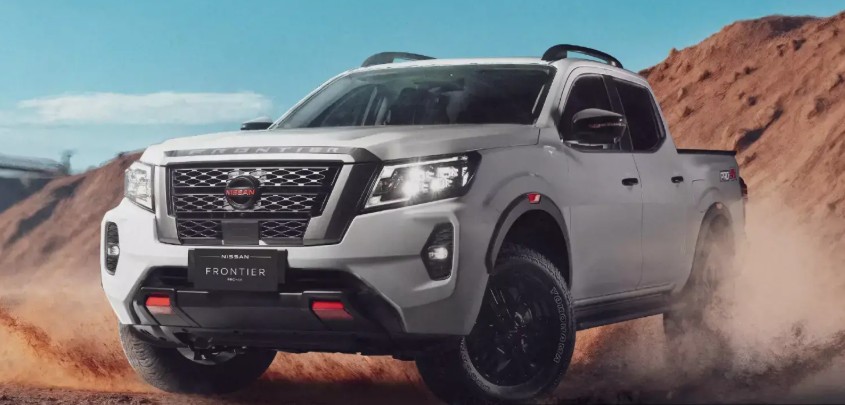
The Nissan Frontier has earned a reputation as a straightforward, tough midsize pickup. For many owners, that reputation is deserved. These trucks can spend years hauling equipment, climbing rough trails, towing trailers, and handling daily commuting without asking for much beyond routine maintenance.
But no truck is immune to mechanical trouble, and Nissan Frontier transmission problems deserve special attention because the Frontier has used several very different transmissions across its long production run.
That distinction matters.
An older Frontier with a 5-speed automatic does not behave like a newer truck equipped with Nissan's 9-speed automatic. Manual-transmission Frontiers bring another collection of possible clutch, synchronizer, and gear-selection complaints. Even two trucks with the same transmission can behave differently depending on towing history, fluid condition, mileage, modifications, and previous maintenance.
So, instead of declaring that "the Frontier transmission is bad," we'll look at what owners should actually watch for, which generations deserve more scrutiny, what certain symptoms may mean, and when a problem calls for immediate attention.
Content in this publication
- Are Nissan Frontier Transmission Problems Common?
- Which Transmission Does the Nissan Frontier Use?
- Most Common Nissan Frontier Transmission Problem Symptoms
- Nissan Frontier Hard Shifting
- Nissan Frontier Transmission Hesitation
- Nissan Frontier Transmission Slipping
- Nissan Frontier Transmission Shudder
- Delayed Engagement Into Drive or Reverse
- Transmission Clunk When Slowing Down
- 2020 Nissan Frontier 9-Speed Transmission Problems
- 2022–2023 Nissan Frontier Transmission Recall
- Older Nissan Frontier 5-Speed Automatic Problems
- Manual Nissan Frontier Transmission Problems
- Can Low Transmission Fluid Cause Frontier Problems?
- Does the Nissan Frontier Transmission Need a Fluid Change?
- Can Towing Damage a Nissan Frontier Transmission?
- Transmission Warning Lights and Diagnostic Codes
- Can Software Fix Nissan Frontier Transmission Problems?
- Valve Body Problems in the Frontier 9-Speed
- How Much Does a Nissan Frontier Transmission Repair Cost?
- Should You Flush a High-Mileage Frontier Transmission?
- How to Prevent Nissan Frontier Transmission Problems
- Should You Buy a Used Nissan Frontier With Transmission Problems?
- Are Nissan Frontier Transmissions Reliable Overall?
- When Should You Stop Driving the Truck?
- Conclusion: Don't Ignore Nissan Frontier Transmission Symptoms
- FAQs About Nissan Frontier Transmission Problems
Are Nissan Frontier Transmission Problems Common?
Not every Nissan Frontier develops transmission trouble, and it would be misleading to describe transmission failure as inevitable.
The better way to look at the Frontier is generation by generation.
Older second-generation trucks generally used a conventional 5-speed automatic or manual gearbox. These transmissions are mechanically different from the 9-speed automatic introduced for the 2020 model year. Meanwhile, the redesigned D41 Frontier that arrived for 2022 continued using the 9-speed automatic.
Each setup has its own personality.
Some complaints are relatively minor, such as a noticeable shift when the transmission is cold. Others can point toward fluid deterioration, electronic-control problems, valve-body faults, internal wear, or a safety recall.
Nissan itself has issued technical documentation dealing with the 9-speed transmission. For example, a Nissan service bulletin specifically provides a replacement procedure for the valve body/control valve TCM on the 2020 Frontier equipped with the GE9R01A 9-speed automatic.
That does not mean every 2020 Frontier needs a valve body. It does show why accurate diagnosis is more useful than assuming every unusual shift is "normal."
Which Transmission Does the Nissan Frontier Use?
Understanding what sits underneath the truck makes troubleshooting much easier.
Earlier Frontier models were available with conventional automatic and manual gearboxes. Through much of the second generation, the V6 was commonly paired with a 5-speed automatic, while manual transmissions were available on selected configurations.
The major change arrived with the 2020 Frontier.
Although the truck still used the older D40 body, Nissan introduced a 3.8-liter V6 and a new 9-speed automatic transmission. That combination effectively previewed the powertrain that would continue into the redesigned 2022 Frontier.
This means we cannot lump a 2012 Frontier and a 2022 Frontier into the same transmission discussion. The architecture, electronics, shift programming, servicing procedures, and typical failure points differ substantially.
Most Common Nissan Frontier Transmission Problem Symptoms
Transmission trouble usually announces itself before the truck completely stops moving. Sometimes it whispers. Sometimes it practically throws a wrench through the window.
Symptoms worth investigating include:
- Delayed engagement when shifting into Drive or Reverse
- Hard or unusually abrupt gear changes
- Hesitation during acceleration
- Transmission slipping or engine rpm flaring between shifts
- Shuddering or vibration under load
- Repeated hunting between gears
- Clunking when slowing down or accelerating again
- Difficulty selecting a gear
- Transmission warning lights or stored diagnostic codes
- Fluid leaks beneath the truck
- Burning smells after towing or hard driving
- A truck that will not crank because of a transmission-control communication issue
- A vehicle that appears to be in Park but can still move
One isolated rough shift does not automatically mean the transmission is dying. A pattern that becomes increasingly frequent, however, should not be ignored.
Nissan Frontier Hard Shifting
Hard shifting is probably one of the easiest transmission symptoms to notice.
Instead of slipping quietly into the next ratio, the truck changes gear with a thump, bump, or jolt. It can feel as though someone briefly tapped the rear bumper.
Possible causes range from relatively simple to expensive.
Transmission-fluid condition or level may affect hydraulic operation on transmissions where the servicing procedure allows these factors to be checked. Electronic adaptation and control-module programming can also influence shift behavior. Solenoids and the valve body control hydraulic pressure inside an automatic transmission, so faults in that area may result in irregular shifting.
Mechanical wear inside the transmission becomes more plausible when harsh shifting occurs alongside slipping, noises, contaminated fluid, or diagnostic codes.
Does a Hard Shift Mean the Transmission Is Failing?
Not necessarily.
Automatic transmissions deliberately alter shift strategy according to temperature, throttle opening, speed, load, and other inputs. A shift that feels slightly more noticeable immediately after a cold start can therefore be different from a violent shift happening every time the truck changes from one particular gear to another.
Frequency matters.
If the same harsh shift appears consistently, gets worse, triggers a warning light, or is accompanied by hesitation, have the vehicle scanned before replacing parts.
Guessing at transmission repairs can become very expensive very quickly.
Nissan Frontier Transmission Hesitation
Hesitation creates a different sensation.
You press the accelerator expecting the Frontier to move immediately, but there is a pause before power arrives. On a busy highway merge, even a short delay can feel much longer than it actually is.
A transmission-related hesitation can come from gear selection, torque-converter behavior, hydraulic-pressure problems, or electronic control. Yet hesitation isn't exclusively a transmission symptom. Engine management, throttle response, ignition faults, fuel-delivery issues, and traction-control intervention can sometimes produce similar sensations.
That overlap is why scanning both the engine and transmission modules is so important.
We should diagnose the truck rather than diagnose the word "hesitation."
Nissan Frontier Transmission Slipping
Slipping is more concerning.
Imagine pressing the accelerator and watching the tachometer climb while road speed barely follows. The engine sounds willing, but the transmission seems to be letting some of that power escape.
That can indicate worn internal clutch components, pressure loss, fluid-related issues, or control problems.
Another warning sign is an rpm flare during an upshift. The engine speed briefly rises between gears instead of dropping smoothly as the next ratio engages.
Occasional unusual behavior needs diagnosis. Persistent slipping under acceleration should be treated seriously because continued driving can generate additional heat and potentially accelerate internal damage.
Nissan Frontier Transmission Shudder
Shuddering may feel like driving over a narrow strip of rough pavement even though the road is perfectly smooth.
Automatic-transmission shudder can be associated with torque-converter operation, clutch engagement, fluid condition, hydraulic control, or other drivetrain components.
But don't forget the rest of the vehicle.
A misfiring engine, damaged driveshaft component, worn universal joint, tire problem, or engine mount can imitate transmission vibration remarkably well.
The trick is to note exactly when it occurs.
Does the vibration appear at a particular speed? During light acceleration? Only during a shift? While towing? At steady highway speed?
Those clues can dramatically shorten diagnostic time.
Delayed Engagement Into Drive or Reverse
Another complaint owners may encounter is delayed engagement.
You move the selector from Park into Drive, yet the Frontier doesn't begin pulling immediately. Then, a moment later, it engages with a noticeable bump.
A very brief delay may occur under certain operating conditions, especially when cold, but repeated or increasingly long delays deserve inspection.
Hydraulic pressure must build and apply the appropriate clutch elements inside an automatic transmission. Problems involving fluid level, leaks, internal seals, valve-body operation, solenoids, or internal wear can interfere with that process.
If Drive or Reverse starts taking several seconds to engage consistently, we wouldn't simply wait for it to become worse.
Transmission Clunk When Slowing Down
Pickup trucks naturally have more drivetrain movement than many passenger cars. The driveshaft, differential, transmission, engine mounts, and suspension all contribute to the sensation we feel when torque changes direction.
That means a clunk during deceleration isn't automatically coming from inside the transmission.
Still, transmission downshifts can sometimes produce noticeable bumps, especially if shift strategy, adaptive values, or hydraulic control isn't behaving properly.
A technician should distinguish transmission behavior from differential backlash, worn universal joints, driveshaft movement, engine mounts, or suspension components before recommending major repairs.
Replacing a transmission because of a worn U-joint would be like replacing the entire refrigerator because the kitchen light burned out.
2020 Nissan Frontier 9-Speed Transmission Problems
The 2020 model year deserves its own discussion because it marked a major mechanical transition.
Nissan installed its 3.8-liter V6 and GE9R01A 9-speed automatic into the outgoing-generation Frontier before the redesigned truck arrived.
Nissan later issued technical documentation covering 9-speed valve-body/control-valve TCM replacement on the 2020 Frontier. The bulletin specifically identifies the 2020 Frontier D40 with the GE9R01A transmission and directs technicians to a dedicated service procedure when valve-body replacement is required.
Again, a bulletin does not establish that every vehicle suffers the problem. Technical service bulletins describe service procedures for specific conditions technicians may encounter.
2020 Frontier No-Start and TCM Communication Issues
A separate Nissan bulletin addresses an intermittent no-crank/no-start condition involving communication with the Transmission Control Module on the 2020 Frontier equipped with the 9-speed automatic.
The bulletin points technicians toward DTC U0101, indicating lost communication with the TCM, and tells them to check whether specified recall campaigns have already been completed before continuing diagnosis.
This is a perfect example of why an apparent "starting problem" can sometimes involve transmission electronics rather than the starter, battery, or engine itself.
2022–2023 Nissan Frontier Transmission Recall
One of the most important transmission-related issues for newer Frontier owners involves the Park mechanism.
NHTSA Recall 22V-671 covered certain 2020–2021 Frontier trucks and certain 2022–2023 Frontier trucks equipped with 9-speed transmissions. According to Nissan's recall filing, resistance inside the transmission could prevent the parking pawl from fully engaging. If that happened, the truck could move after the driver had shifted it into Park.
This was not simply an annoyance or shift-quality complaint. It created a potential rollaway risk.
The recall filing stated that there might be no warning before the problem occurred and specifically noted that failure to engage the parking brake could increase the risk of vehicle movement, injury, or a crash.
Nissan also published a recall campaign bulletin for certain 2022 Frontiers involving inspection and, where applicable, TCM reprogramming at no charge to the owner.
What Should Owners Do About the Recall?
A recall applies by VIN, not simply because two vehicles share a model year.
Owners of affected-year trucks should therefore check the VIN through Nissan or NHTSA's recall system instead of assuming the repair has or hasn't been performed.
If you own one of these Frontiers and are uncertain about recall completion, verify it.
And regardless of vehicle, using the parking brake is a good habit—especially on slopes.
Older Nissan Frontier 5-Speed Automatic Problems
The older 5-speed automatic is fundamentally different from the 9-speed unit in the 2020-and-newer trucks.
As these trucks accumulate mileage, age itself becomes part of the equation.
Seals harden. Electrical connectors deteriorate. Fluid experiences thousands of heating and cooling cycles. Solenoids may wear. Mounts soften. Cooling components age. Previous owners may have towed heavy loads, ignored leaks, or used incorrect fluids.
That means the transmission's maintenance history can matter as much as the odometer reading.
A 180,000-mile Frontier that received thoughtful maintenance and mostly highway use may have an easier life than a 90,000-mile truck that spent years towing near capacity in extreme heat.
Fluid Condition Matters More Than People Think
Transmission fluid isn't merely a lubricant.
It transfers hydraulic pressure, removes heat, lubricates moving components, and affects clutch operation. Nissan's own maintenance information describes automatic transmission fluid as performing those functions and notes that heat and contamination can reduce its effectiveness over time.
For the 2010 Frontier, Nissan's maintenance schedule also distinguishes between standard and more demanding operating conditions when describing inspection and replacement intervals.
Owners should use the maintenance schedule that applies to their specific model year, transmission, market, and operating conditions rather than adopting a universal mileage number from the internet.
Manual Nissan Frontier Transmission Problems
Manual Frontiers eliminate many of the hydraulic and electronic complications found in automatic transmissions, but they're not maintenance-free.
Hard gear engagement, grinding, clutch slippage, clutch chatter, bearing noises, and worn synchronizers can appear as mileage accumulates.
Driving technique plays a major role, too.
A clutch that spends its life on flat highways may last dramatically longer than one used for constant urban stop-and-go driving, hill starts, heavy towing, or off-road crawling.
Grinding When Changing Gears
Grinding often points toward a clutch that isn't fully disengaging or a worn synchronizer.
If multiple gears suddenly become difficult to select, we'd also look at clutch hydraulics and linkage before condemning the gearbox itself.
If only one particular gear consistently grinds, internal synchronizer wear becomes more suspicious.
Manual Transmission Oil Maintenance
Nissan's maintenance guidance states that manual transmission oil helps protect internal parts and dissipate heat. It also recommends inspecting for leaks and checking the fluid level, with fluid changes performed according to the applicable maintenance schedule.
Using the correct specification matters. "Gear oil is gear oil" is not a good maintenance strategy because synchronizers and internal components can depend on a particular lubricant specification.
Can Low Transmission Fluid Cause Frontier Problems?
Where the specific transmission design and factory procedure allow fluid level to be checked, an incorrect level can certainly contribute to poor operation.
Too little fluid can lead to inadequate hydraulic pressure and lubrication. Too much can also create problems by aerating or foaming fluid under certain conditions.
Leaks should never be ignored.
Look around transmission pan areas, cooler lines, seals, electrical connectors, and the ground where the truck is normally parked.
However, newer transmissions frequently require very specific temperature-controlled filling procedures. The 9-speed Frontier is not a gearbox where we should casually pour in fluid until it "looks about right."
Nissan's 9-speed service documentation calls for dedicated tools and specific procedures when refilling and adjusting fluid following valve-body service.
Does the Nissan Frontier Transmission Need a Fluid Change?
The safest answer is to follow the maintenance schedule for your exact year and usage.
Why not simply recommend one interval for everyone?
Because Nissan's maintenance requirements differ depending on model year, transmission, and operating severity.
A truck that spends its life commuting unloaded on highways experiences a very different thermal environment from one routinely towing a camper through mountain passes.
If we frequently tow, drive off-road, operate in severe heat, travel through deep mud or dust, or repeatedly make short trips, we should pay closer attention to severe-service recommendations.
Can Towing Damage a Nissan Frontier Transmission?
Towing by itself shouldn't ruin a healthy transmission when the truck is operated within its limits.
Heat is the enemy.
Pulling a heavy trailer asks the torque converter and clutch packs to work harder. Mountain grades magnify that load. High ambient temperatures add another layer. Oversized tires can effectively alter gearing and increase drivetrain effort as well.
A transmission repeatedly exposed to excessive heat can deteriorate fluid faster and increase wear.
So if your Frontier works for a living, maintenance shouldn't follow a "nothing until something breaks" philosophy.
Transmission Warning Lights and Diagnostic Codes
Modern automatic transmissions are heavily electronic.
The Transmission Control Module watches sensor signals, calculates gear changes, controls solenoids, communicates with other modules, and stores fault codes when something goes outside its expected range.
That's why scanning the vehicle should be one of the first diagnostic steps.
A basic code reader may only show engine-related information. A professional scan tool capable of communicating with the transmission and other modules can reveal much more.
Nissan's technical documentation itself relies heavily on diagnostic trouble codes and CONSULT diagnostic data when identifying control-system problems. The 2020 no-start bulletin, for instance, references U0101 and specific TCM communication information.
Data beats guessing.
Can Software Fix Nissan Frontier Transmission Problems?
Sometimes.
Modern transmission behavior isn't controlled only by springs, valves, and gears. Software tells the transmission when and how to shift.
Nissan's 2022 Frontier recall campaign included inspecting the transmission-control programming and reprogramming the TCM when applicable.
That demonstrates something important: certain transmission-related concerns can have an electronic or calibration component.
But software cannot repair burned clutch packs or broken hard parts.
Think of programming as the conductor and the transmission hardware as the orchestra. Fixing the conductor won't help if the violin has snapped in half.
Valve Body Problems in the Frontier 9-Speed
The valve body acts as the hydraulic traffic controller inside an automatic transmission.
It routes pressurized fluid through different passages so the correct clutches engage at the correct time. In the Frontier's 9-speed unit, the control valve and TCM form part of an electronically sophisticated assembly.
Nissan's bulletin NTB20-077 lays out a specific valve-body/control-valve TCM replacement procedure for the 2020 Frontier's GE9R01A automatic.
A valve-body problem may potentially produce symptoms such as irregular shifts, gear-selection problems, warning lights, or diagnostic codes depending on the actual failure.
But replacing a valve body solely because the truck shifts strangely is poor diagnosis. The scan data, codes, fluid condition, mechanical tests, and applicable Nissan service information should point toward the repair.
How Much Does a Nissan Frontier Transmission Repair Cost?
There isn't one meaningful universal figure.
A software update or electrical repair is very different from replacing a valve body, torque converter, clutch assembly, or complete transmission.
Labor rates also vary dramatically between independent repair shops, transmission specialists, and dealerships.
Instead of immediately asking, "How much is a new transmission?" we'd first establish what actually failed.
Sometimes what feels like a catastrophic transmission problem turns out to be an electrical issue, mount, driveline component, low fluid caused by a leak, or software-related concern.
Other times, unfortunately, internal damage really does require rebuilding or replacement.
Diagnosis is the dividing line between those two worlds.
Should You Flush a High-Mileage Frontier Transmission?
This question creates endless debate.
The first priority should be Nissan's service information for the specific transmission.
A neglected high-mileage transmission that already slips is not magically repaired by fresh fluid. If clutch material has worn away or hydraulic pressure is compromised, servicing the fluid cannot rebuild the damaged components.
On the other hand, fear of changing transmission fluid shouldn't become an excuse for ignoring scheduled maintenance on a healthy transmission.
There's a difference between preventative service and attempting to rescue a failing gearbox.
If the history is unknown and mileage is high, a qualified transmission specialist can inspect fluid condition, look for leaks and codes, and recommend a service approach appropriate to that transmission.
How to Prevent Nissan Frontier Transmission Problems
Prevention is less exciting than rebuilding a gearbox, but considerably cheaper.
Follow Nissan's maintenance schedule for the correct model year. Repair fluid leaks instead of topping them up indefinitely. Use the specified transmission fluid. Don't exceed towing or payload limits. Allow the drivetrain to reach normal operating temperature before repeatedly demanding maximum power in extreme cold.
Pay attention when the truck's behavior changes.
A Frontier that suddenly begins clunking, slipping, hesitating, or engaging Drive slowly is telling us something. Trucks rarely wake up one morning and decide to become dramatic for entertainment.
Early diagnosis can prevent a smaller issue from becoming a much larger bill.
Should You Buy a Used Nissan Frontier With Transmission Problems?
Only when the price reflects the risk and the cause has been properly identified.
We would be cautious about a used Frontier that displays persistent slipping, delayed engagement, transmission warning messages, harsh repeated shifts, unexplained fluid leaks, or obvious drivetrain vibration.
Don't accept "they all do that" without evidence.
Ask for maintenance records. Run the VIN for recalls. Scan the transmission module. Test-drive the truck cold and fully warmed up. Try light and moderate acceleration. Check Drive and Reverse engagement. Listen during downshifts and parking maneuvers.
For newer 9-speed trucks, verify applicable recall work. For older high-mileage Frontiers, maintenance history becomes especially valuable.
A pre-purchase inspection can be worth far more than it costs.
Are Nissan Frontier Transmissions Reliable Overall?
Broadly speaking, we shouldn't judge every Frontier transmission by a handful of complaints because several unrelated gearboxes have been used over decades.
Older automatic trucks bring age-related maintenance and wear considerations. Manual trucks have clutch and synchronizer concerns that depend heavily on use. The 2020-and-newer 9-speed introduced greater electronic complexity and has been the subject of Nissan service information and a safety recall affecting specific vehicles.
What matters most is the individual truck.
A documented service history, proper operation, completed recalls, correct fluids, and sensible use tell us much more than the Frontier badge alone.
When Should You Stop Driving the Truck?
Some symptoms justify immediate caution.
If the Frontier slips badly, loses drive, refuses to engage a gear, leaks a large amount of fluid, displays serious transmission warnings, makes grinding mechanical noises, or unexpectedly moves after being placed in Park, continuing to drive may create a safety risk or worsen damage.
The Park issue deserves particular emphasis for potentially affected newer trucks. Nissan's recall documentation states that a parking-pawl engagement problem could allow an affected vehicle to move after the shifter had been placed in Park.
If something feels unsafe, don't test the truck's limits just to see what happens next.
Conclusion: Don't Ignore Nissan Frontier Transmission Symptoms
The phrase Nissan Frontier transmission problems covers everything from small shift-quality complaints to legitimate safety concerns, so context matters enormously.
Older 5-speed automatic Frontiers require us to think about mileage, fluid history, heat, leaks, hydraulic control, and ordinary mechanical wear. Manual trucks bring clutch and synchronizer considerations. The 2020-and-newer 9-speed is far more electronically integrated and has specific Nissan technical documentation associated with valve-body service, TCM communication, programming, and certain recall campaigns.
The smartest approach is simple: notice changes early, scan the vehicle properly, check applicable recalls, follow the correct maintenance schedule, and diagnose before replacing expensive components.
A strange shift doesn't automatically mean your Frontier needs a transmission.
But a transmission that repeatedly slips, bangs into gear, hesitates, leaks, or triggers warning codes shouldn't be treated like background noise either.
Catch the problem while it's still knocking on the door instead of waiting until it kicks the door down.
FAQs About Nissan Frontier Transmission Problems
1. What are the most common Nissan Frontier transmission problems?
Commonly reported symptoms can include hard shifts, delayed engagement, hesitation, slipping, shuddering, unusual downshift clunks, transmission-control faults, and fluid leaks. The exact causes vary greatly by model year and transmission type. Certain 9-speed Frontiers were also included in a recall concerning possible failure of the parking pawl to engage.
2. Does the 2022 Nissan Frontier have transmission problems?
Some 2022 Frontier vehicles were included in a transmission-related safety recall involving the Park mechanism, and Nissan published a campaign involving inspection and possible TCM reprogramming for specified vehicles. Recall eligibility should be checked using the truck's VIN rather than model year alone.
3. Why does my Nissan Frontier shift hard?
Hard shifting can have several causes, including transmission temperature, fluid condition or level, control-module behavior, valve-body or solenoid problems, driveline movement, or internal transmission wear. A scan for transmission codes and a proper inspection are much more reliable than replacing parts based on the symptom alone.
4. How long can a Nissan Frontier transmission last?
There is no fixed lifespan. Longevity depends on the transmission version, maintenance history, towing use, operating temperatures, driving conditions, previous repairs, and how the truck has been treated. A well-maintained high-mileage transmission may outlast a lower-mileage unit that has been overheated or neglected.
5. Should I buy a Nissan Frontier with a transmission warning light?
We would not buy one without determining the cause first. Have the vehicle scanned with equipment capable of reading transmission modules, check its maintenance history, verify recall completion, and obtain a professional inspection. An inexpensive electronic fault and a failing internal transmission can create surprisingly similar warning signs.
If you want to know other articles similar to Nissan Frontier Transmission Problems: Symptoms, Causes, Fixes, and Years to Watch you can visit the category Common Problems.
Volvo S90 Common Problems: Reliability & Repair Guide
Volvo S90 No Sound: Causes, Fixes and Solutions

Nissan Rogue Smells Like Gas: Causes and Fixes
Vauxhall Agila Problems: Common Faults & Fixes

Kia Sorento Jerking When Accelerating: Causes & Fixes

Jaguar F-Pace Low Battery: Causes, Warning Signs, and How to Fix It
Leave a Reply
More content of your interest