

Nissan Qashqai Common Problems: Reliability, Faults, and Repair Costs (2007–2026)

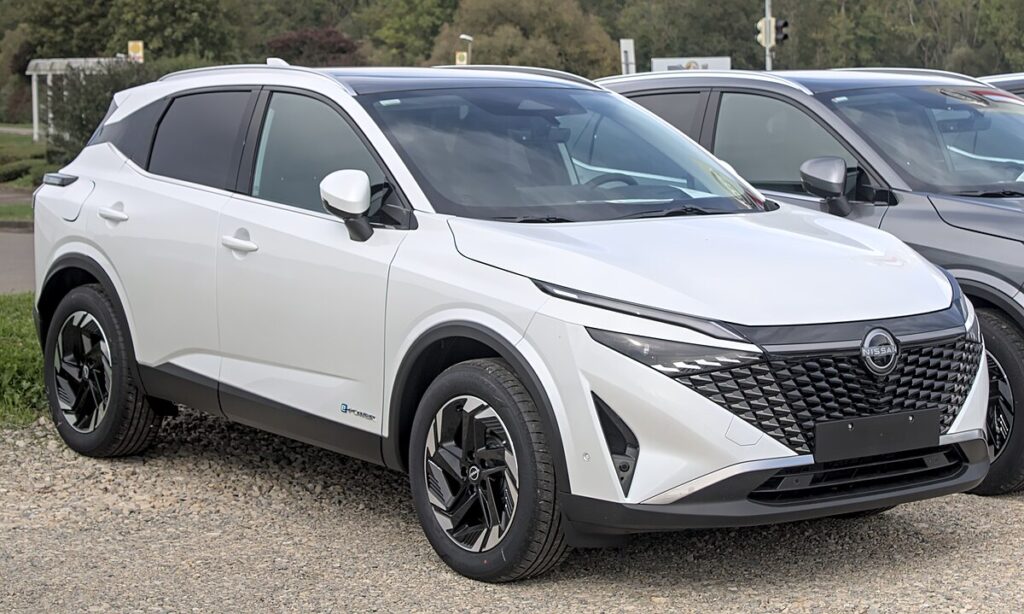
The Nissan Qashqai is one of the UK's most popular family SUVs, offering practicality, comfort, good fuel economy, and relatively affordable running costs. However, like any vehicle, it has its weaknesses, and some Nissan Qashqai common problems can lead to expensive repairs if ignored.
From excessive oil consumption and timing chain failures to automatic gearbox problems, diesel particulate filter issues, and electrical faults, the Qashqai has experienced different reliability concerns across its three generations.
The good news? Not every Nissan Qashqai suffers from these problems. Many examples provide years of dependable service, particularly when properly maintained.
In this guide, we'll explore the most common Nissan Qashqai faults, explain their symptoms, examine potential repair costs, and identify which engines and model years deserve extra attention.
Content in this publication
- What Are the Most Common Nissan Qashqai Problems?
- Nissan Qashqai Problems by Generation
- 1. Nissan Qashqai 1.2 DIG-T Excessive Oil Consumption
- 2. Nissan Qashqai Timing Chain Problems
- 3. Nissan Qashqai Automatic Gearbox Problems
- 4. Nissan Qashqai Diesel Particulate Filter Problems
- 5. Nissan Qashqai EGR Valve Problems
- 6. Nissan Qashqai Turbocharger Problems
- 7. Nissan Qashqai 1.5 dCi Timing Belt Problems
- 8. Nissan Qashqai Clutch and Dual-Mass Flywheel Problems
- 9. Nissan Qashqai Battery and Stop-Start Problems
- 10. Nissan Qashqai Electrical Problems
- 11. Nissan Qashqai Suspension and Steering Problems
- 12. Nissan Qashqai Air Conditioning Problems
- 13. Nissan Qashqai J12 Hybrid and e-POWER Problems
- Nissan Qashqai Common Problems by Engine
- Nissan Qashqai Repair Costs in the UK
- Which Nissan Qashqai Years Should You Avoid?
- Is the Nissan Qashqai a Reliable Car?
- How to Check a Used Nissan Qashqai Before Buying
- Nissan Qashqai Recalls: What Owners Should Know
- How to Prevent Common Nissan Qashqai Problems
- Nissan Qashqai Common Problems: Frequently Asked Questions
- Final Thoughts: Should You Worry About Nissan Qashqai Common Problems?
What Are the Most Common Nissan Qashqai Problems?
The most frequently discussed Nissan Qashqai reliability concerns include:
- Excessive engine oil consumption, particularly in some 1.2 DIG-T petrol engines.
- Timing chain wear and rattling noises during cold starts.
- Xtronic CVT automatic gearbox hesitation and juddering.
- Diesel particulate filter (DPF) blockages.
- EGR valve and turbocharger problems in diesel engines.
- Stop-start system failures and weak batteries.
- Premature clutch and dual-mass flywheel wear.
- Electrical faults affecting parking sensors and infotainment.
- Suspension knocks and worn steering components.
- Air conditioning problems.
- Hybrid-system warnings and software faults on some newer models.
The likelihood of experiencing these problems depends on the engine, transmission, manufacturing year, mileage, driving conditions, and maintenance history.
Nissan Qashqai Common Problems at a Glance
| Common problem | Models most relevant | Typical symptoms | Potential severity |
|---|---|---|---|
| Excessive oil consumption | J11 1.2 DIG-T | Low oil level, frequent top-ups | High |
| Timing chain wear | Early J11 1.2 DIG-T | Cold-start rattling | High |
| CVT gearbox faults | Selected J10/J11 automatics | Juddering, hesitation | High |
| DPF blockage | J10/J11 diesels | Warning light, reduced power | Medium–High |
| EGR valve problems | Diesel models | Rough idle, poor acceleration | Medium |
| Turbocharger faults | Selected turbo engines | Whining, smoke, power loss | High |
| Battery and stop-start faults | Mainly J11, also J12 | Stop-start unavailable, starting issues | Low–Medium |
| Clutch wear | Manual models | Slipping, vibration | Medium–High |
| Electrical problems | All generations | Warning messages, sensor faults | Low–Medium |
| Suspension wear | Particularly older models | Knocking, uneven tyre wear | Medium |
| Infotainment glitches | J11/J12 | Frozen screen, connectivity issues | Low |
| Hybrid software problems | Selected J12 vehicles | System warnings, reduced power | Potentially high |
These are recognised areas worth inspecting, not a prediction that every vehicle will develop each fault.
Nissan Qashqai Problems by Generation
Before examining individual faults, we need to understand how reliability differs between generations.
First Generation Nissan Qashqai J10 (2007–2013)
The original Nissan Qashqai established the family crossover formula and remains an affordable option on the used market.
Common concerns include:
- Age-related suspension and steering wear.
- DPF and EGR problems on diesel versions.
- Clutch and dual-mass flywheel deterioration.
- Turbocharger issues on poorly maintained diesel engines.
- Electrical and air conditioning faults.
- Corrosion affecting older, high-mileage vehicles.
The J10 can still be a practical budget SUV, but condition and maintenance are increasingly important as these vehicles age.
Second Generation Nissan Qashqai J11 (2014–2021)
The J11 introduced a more refined cabin, updated technology, and a wider range of turbocharged engines.
However, it is also associated with some of the most expensive Qashqai mechanical problems.
The early 1.2 DIG-T petrol engine deserves particular attention because of reported oil consumption and timing chain issues.
Selected automatic models may also experience Xtronic CVT transmission problems.
Later J11 examples with the 1.3 DIG-T petrol engine generally represent a more appealing option for buyers seeking to avoid the earlier 1.2-litre engine's known weaknesses.
Third Generation Nissan Qashqai J12 (2021–2026)
The J12 introduced updated styling, improved driver assistance technology, mild-hybrid powertrains, and the e-POWER hybrid system.
Its main areas to inspect include:
- Infotainment and software glitches.
- Battery-related electrical warnings.
- Driver assistance sensor faults.
- Hybrid-system warning messages.
- Outstanding safety recalls and software updates.
The J12 has not accumulated the same long-term mileage history as older generations, so its reliability record will continue developing.
1. Nissan Qashqai 1.2 DIG-T Excessive Oil Consumption
Excessive oil consumption is one of the most important problems to investigate when considering an early second-generation Nissan Qashqai.
Some vehicles fitted with the 1.2-litre DIG-T turbocharged petrol engine consume more oil than expected between services.
This can become particularly serious when owners assume the engine will maintain a sufficient oil level until the next scheduled service.
Symptoms of Excessive Oil Consumption
Common warning signs include:
- The engine oil level dropping rapidly.
- Frequent oil top-ups.
- Blue smoke from the exhaust.
- Rough engine operation.
- Unusual mechanical noises.
- Reduced engine performance.
An engine can consume excessive oil without producing obvious exhaust smoke, so checking the dipstick is essential.
Why Does the 1.2 DIG-T Consume Oil?
Oil consumption can be associated with piston ring sealing problems, internal engine wear, crankcase ventilation faults, or other mechanical issues.
Some early examples of the 1.2 DIG-T engine have attracted particular concern over abnormal oil consumption.
Allowing the engine to operate with insufficient lubrication can damage bearings, timing components, and other internal parts.
How to Prevent Serious Damage
We recommend checking the engine oil level regularly, especially on an older 1.2 DIG-T Qashqai.
Owners should also:
- Use the manufacturer-approved engine oil specification.
- Investigate unexplained oil loss.
- Maintain consistent servicing.
- Keep records of oil consumption.
- Avoid driving when oil pressure warnings appear.
If oil consumption is unusually high, simply adding oil repeatedly is not a substitute for diagnosing the underlying problem.
2. Nissan Qashqai Timing Chain Problems
Timing chain problems are another significant concern, especially on some early J11 models fitted with the 1.2 DIG-T petrol engine.
The timing chain synchronises the crankshaft and camshaft, allowing the engine's valves to operate at the correct time.
If the chain becomes stretched or the tensioning system deteriorates, engine timing can be affected.
Nissan Qashqai Timing Chain Symptoms
Warning signs may include:
- Metallic rattling when starting the engine.
- Unusual noises from the timing chain area.
- Rough idling.
- Engine management warning lights.
- Reduced performance.
- Difficulty starting.
A short rattle during a cold start deserves professional investigation, particularly when combined with a history of oil consumption.
What Happens if the Timing Chain Fails?
If a timing chain jumps timing or fails completely, the consequences can include serious internal engine damage.
Depending on the engine and extent of failure, repairs may involve damaged valves, pistons, and other mechanical components.
A timing chain replacement is considerably less expensive than replacing a severely damaged engine.
Is the Nissan Qashqai Timing Chain Reliable?
Many Nissan Qashqai engines use timing chains and do not automatically require replacement at a fixed mileage.
However, the earlier 1.2 DIG-T has a more concerning history than several later petrol engines.
Regular oil servicing and investigation of unusual noises are particularly important.
3. Nissan Qashqai Automatic Gearbox Problems
Automatic transmission problems are among the more expensive issues associated with certain Nissan Qashqai models.
Some older automatic Qashqais use Nissan's Xtronic continuously variable transmission, commonly called a CVT.
Unlike a conventional automatic gearbox, a CVT changes its effective gear ratio continuously.
When operating correctly, this provides smooth acceleration.
However, worn components, contaminated transmission fluid, or internal mechanical problems can produce noticeable symptoms.
Common Nissan Qashqai CVT Problems
Drivers may experience:
- Juddering when accelerating.
- Hesitation when moving away.
- Unusual whining noises.
- Engine revs increasing without proportional acceleration.
- Loss of power.
- Transmission overheating warnings.
- Difficulty maintaining smooth acceleration.
A CVT naturally behaves differently from a traditional automatic gearbox, so a steady rise in engine revs is not necessarily a fault.
Persistent shuddering, abnormal noise, or slipping sensations require inspection.
What Causes CVT Gearbox Failure?
Possible causes include internal component wear, hydraulic pressure problems, overheating, and deteriorated transmission fluid.
Maintenance requirements vary according to gearbox design and operating conditions.
We recommend checking the exact transmission type and following the relevant Nissan maintenance guidance rather than assuming every Qashqai automatic uses the same gearbox.
Importantly, later Qashqai models have also used dual-clutch automatic transmissions, while e-POWER models employ an electric-drive system.
Should We Avoid Automatic Nissan Qashqais?
Not necessarily.
A properly maintained automatic Qashqai with smooth operation and a documented history can be a reasonable purchase.
However, we would be cautious about buying an older CVT-equipped example showing hesitation, juddering, overheating warnings, or unexplained transmission noises.
4. Nissan Qashqai Diesel Particulate Filter Problems
The diesel particulate filter, or DPF, is designed to capture soot particles from the exhaust gases of diesel engines.
Over time, the accumulated soot must be burned off through a process called regeneration.
This process can be interrupted when a diesel Qashqai is repeatedly driven over very short distances.
Nissan Qashqai DPF Warning Signs
Common symptoms include:
- DPF warning messages.
- Reduced engine power.
- Increased fuel consumption.
- Engine management lights.
- Limp mode.
- Unusually frequent regeneration attempts.
Some owners may also notice the cooling fan operating after the engine has been switched off.
Why Does the DPF Become Blocked?
Frequent short journeys may prevent the exhaust system from reaching conditions suitable for successful regeneration.
Other mechanical faults can also contribute.
These include defective exhaust pressure sensors, EGR problems, injector issues, and incorrect engine operating temperatures.
How to Fix Nissan Qashqai DPF Problems
The correct solution depends on the reason for the blockage.
A technician may recommend:
- Diagnosing fault codes.
- Checking the DPF pressure sensor.
- Investigating EGR and injector operation.
- Performing a controlled regeneration when appropriate.
- Cleaning the filter professionally.
- Replacing the DPF if damaged beyond repair.
A longer motorway journey can sometimes support normal regeneration, but it will not fix every blockage.
If the vehicle is already in limp mode or displaying serious warnings, we recommend diagnosis before further driving.
5. Nissan Qashqai EGR Valve Problems
The exhaust gas recirculation valve, known as the EGR valve, helps reduce nitrogen oxide emissions by directing some exhaust gas back into the intake system.
Over time, carbon deposits can interfere with valve movement.
EGR-related problems are especially relevant to older diesel Qashqai models.
Symptoms of a Faulty EGR Valve
Common signs include:
- Rough engine idle.
- Hesitation during acceleration.
- Poor fuel economy.
- Engine warning lights.
- Reduced performance.
- Increased exhaust smoke.
In some cases, the vehicle may enter a reduced-power mode.
Can a Nissan Qashqai EGR Valve Be Cleaned?
Sometimes.
If the problem is caused mainly by carbon deposits and the valve remains mechanically and electrically functional, cleaning may help.
However, a valve with a failed actuator, damaged electronics, or significant mechanical wear may require replacement.
A proper diagnostic inspection is important because EGR symptoms can resemble turbocharger, injector, or DPF problems.
6. Nissan Qashqai Turbocharger Problems
Turbocharger faults have been reported on selected Nissan Qashqai diesel and petrol engines.
The turbocharger increases engine performance by forcing additional air into the combustion chambers.
When its lubrication, bearings, boost control, or associated components deteriorate, performance may suffer.
Signs of Turbocharger Failure
Look out for:
- Whistling or whining noises.
- Excessive exhaust smoke.
- Poor acceleration.
- Reduced engine power.
- Increased oil consumption.
- Engine management warnings.
Not every boost-related problem means the turbocharger itself has failed.
A split intercooler hose, boost pressure sensor fault, or vacuum control issue may produce similar symptoms.
Before authorising an expensive turbocharger replacement, we recommend a complete inspection of the intake and boost system.
7. Nissan Qashqai 1.5 dCi Timing Belt Problems
Unlike many Qashqai petrol engines, the 1.5 dCi diesel uses a timing belt.
This distinction is particularly important when purchasing an older used vehicle.
The timing belt must be replaced according to the correct manufacturer's schedule for the specific engine and model year.
For many UK J11 1.5 dCi versions, replacement guidance is approximately every five years or 75,000 miles, whichever comes first. Owners should verify the exact requirement for their vehicle.
Why Is Timing Belt Replacement Important?
A deteriorated timing belt can fail unexpectedly.
Because the engine relies on precise mechanical timing, belt failure can result in substantial internal damage.
We recommend checking invoices rather than accepting a seller's verbal assurance that the belt was replaced.
If the timing belt replacement history cannot be verified, factor the required maintenance into the purchase decision.
8. Nissan Qashqai Clutch and Dual-Mass Flywheel Problems
Manual Nissan Qashqai models can experience clutch and dual-mass flywheel wear.
These components naturally deteriorate over time, but repeated stop-start driving, heavy loads, and certain driving habits can accelerate the process.
Common Clutch Failure Symptoms
Signs include:
- Engine revs rising without matching acceleration.
- Difficulty changing gears.
- A high clutch biting point.
- Vibration when pulling away.
- Burning smells.
- Unusual rattling noises.
A worn dual-mass flywheel can also produce vibration or mechanical noise.
How Long Does a Nissan Qashqai Clutch Last?
There is no guaranteed replacement mileage.
Clutch life depends heavily on driving conditions, maintenance, vehicle loading, and driver behaviour.
Some clutches last well beyond 100,000 miles, while others require attention considerably earlier.
If we're buying a used manual Qashqai, we should test clutch engagement during normal driving and check for slipping under acceleration.
9. Nissan Qashqai Battery and Stop-Start Problems
Battery and stop-start faults are familiar complaints on some second-generation Qashqai models.
The stop-start system automatically switches off the engine under suitable conditions to reduce fuel consumption.
However, it relies on several inputs, including battery condition, temperature, and electrical load.
Why Is Nissan Qashqai Stop-Start Not Working?
Possible reasons include:
- A weak or ageing 12-volt battery.
- Incorrect battery type.
- Battery charging problems.
- Faulty sensors.
- Engine temperature conditions.
- High electrical demand.
- Stop-start system faults.
The absence of stop-start operation does not always mean something is broken.
For example, the system may temporarily remain inactive when the battery charge is low or the engine has not reached the required temperature.
How to Fix the Problem
Start with a proper battery health and charging-system test.
If replacement is necessary, install a battery compatible with the vehicle's stop-start requirements.
Some models may also require battery registration or system resetting according to the manufacturer's procedures.
Repeated battery failures should prompt further checks for charging faults or excessive electrical consumption while the vehicle is parked.
10. Nissan Qashqai Electrical Problems
Electrical faults can affect various Nissan Qashqai generations.
Although many are relatively minor, intermittent electrical problems can be frustrating to diagnose.
Common Nissan Qashqai Electrical Faults
Owners may encounter:
- Parking sensors sounding incorrectly.
- Reversing camera problems.
- Infotainment freezing.
- Bluetooth connection failures.
- Tyre pressure monitoring warnings.
- Keyless entry malfunctions.
- Dashboard warning messages.
- Intermittent central locking faults.
Parking Sensor Problems
Parking sensors may malfunction because of dirt, water ingress, damaged wiring, or defective sensor units.
Cleaning the external sensor surfaces is a sensible first step, but persistent problems require diagnosis.
Infotainment Problems
Older systems may experience slow navigation performance or connectivity difficulties.
On newer Qashqais, some infotainment issues may be addressed through manufacturer software updates.
Before replacing expensive electronic components, check whether an applicable software update or service bulletin exists.
11. Nissan Qashqai Suspension and Steering Problems
Suspension and steering wear become increasingly relevant as vehicles accumulate mileage.
Older Qashqai models may develop problems involving suspension bushes, anti-roll bar links, ball joints, shock absorbers, or related components.
Signs of Suspension Problems
Common symptoms include:
- Knocking over bumps.
- Uneven tyre wear.
- Excessive body movement.
- Steering vibration.
- Poor directional stability.
- Unusual noises when turning.
Not every suspension noise indicates a major failure.
A worn anti-roll bar link may be relatively inexpensive to replace, while more extensive suspension or steering repairs can cost considerably more.
We recommend inspecting both sides of the suspension and checking wheel alignment after repairs where appropriate.
12. Nissan Qashqai Air Conditioning Problems
Air conditioning issues are another concern reported by Qashqai owners.
Possible causes include refrigerant leaks, compressor problems, condenser damage, electrical faults, or malfunctioning climate control components.
Common Air Conditioning Symptoms
Watch for:
- Air conditioning blowing warm air.
- Weak cooling performance.
- Unusual compressor noises.
- Intermittent cooling.
- Unpleasant ventilation smells.
Low refrigerant can indicate a leak rather than simply an overdue recharge.
If the system repeatedly loses cooling performance, a pressure and leak test is more useful than continuously adding refrigerant.
13. Nissan Qashqai J12 Hybrid and e-POWER Problems
The third-generation Qashqai introduced more electrified powertrain options, including the 1.3-litre mild hybrid and the e-POWER system.
These technologies operate differently and should not be confused.
Nissan Qashqai Mild-Hybrid Issues
The mild-hybrid system assists the petrol engine and manages electrical energy.
Potential issues to investigate include:
- Battery-related warning messages.
- Stop-start irregularities.
- Electrical system faults.
- Software-related warnings.
Many apparent hybrid faults can originate from the conventional 12-volt electrical system, although professional diagnostics are needed to identify the cause.
Nissan Qashqai e-POWER Issues
Nissan's e-POWER system uses a petrol engine to generate electricity, while an electric motor drives the wheels.
Some vehicles have been affected by battery-management software recall campaigns, making recall verification particularly important.
Warning messages, abnormal power reduction, or failure to restart should be inspected promptly by an appropriately qualified technician.
The e-POWER system contains high-voltage components and is not suitable for DIY electrical repairs.
Is Nissan Qashqai e-POWER Reliable?
The e-POWER system offers smooth electric-motor propulsion without requiring external charging.
However, its longer-term reliability is still being established compared with older petrol and diesel engines.
We recommend prioritising a documented service history, applicable software updates, warranty status, and satisfactory operation during a test drive.
Nissan Qashqai Common Problems by Engine
Choosing the right engine can substantially influence the ownership experience.
Nissan Qashqai 1.2 DIG-T Problems
The 1.2 DIG-T is one of the engines requiring the greatest caution.
Its main concerns are:
- Excessive oil consumption.
- Timing chain wear.
- Potential internal engine damage.
- Turbocharger or related performance issues.
We would strongly recommend a detailed inspection before buying an early example.
Nissan Qashqai 1.3 DIG-T Problems
The later 1.3 DIG-T generally offers a more reassuring alternative to the earlier 1.2-litre petrol engine.
Nevertheless, buyers should check:
- Service history.
- Oil and coolant condition.
- Turbocharger operation.
- Cold-start behaviour.
- Engine management warnings.
- Automatic transmission operation, if fitted.
The 1.3 DIG-T should not automatically be considered fault-free, but it does not carry the same established reputation for serious oil consumption problems as the early 1.2 DIG-T.
Nissan Qashqai 1.5 dCi Problems
The 1.5 dCi diesel is known for its strong fuel economy.
However, it requires attention to:
- Timing belt maintenance.
- DPF condition.
- EGR valve operation.
- Injector performance.
- Turbocharger condition.
For drivers regularly covering long motorway distances, a well-maintained diesel may still make financial sense.
Nissan Qashqai 1.6 dCi Problems
The 1.6 dCi offers stronger performance than the smaller diesel but can experience familiar diesel-related problems.
These include DPF restrictions, EGR faults, boost-system issues, and general wear associated with high mileage.
As with any used diesel, previous driving patterns matter considerably.
Nissan Qashqai e-POWER Problems
The e-POWER engine and electrical system introduce different maintenance considerations.
Owners should pay particular attention to manufacturer software campaigns, hybrid-system warning messages, cooling-system condition, and authorised hybrid-system servicing.
Nissan Qashqai Repair Costs in the UK
How much does it cost to repair Nissan Qashqai common problems?
The answer depends on the generation, engine, replacement parts, garage labour rates, and severity of the fault.
The following figures are broad UK budgeting estimates rather than fixed quotations.
| Repair | Estimated UK cost |
|---|---|
| 12V battery replacement | £120–£300 |
| Timing chain replacement | £800–£1,500 |
| Timing belt replacement | £400–£700 |
| DPF cleaning | £150–£400 |
| DPF replacement | £700–£2,000+ |
| EGR valve replacement | £300–£900 |
| Turbocharger replacement | £700–£1,600+ |
| Clutch replacement | £500–£1,100 |
| Clutch and dual-mass flywheel | £800–£1,800+ |
| CVT gearbox major repair/replacement | £1,500–£4,000+ |
| Parking sensor replacement | £80–£250 |
| Air conditioning repair | £100–£900+ |
| Suspension component replacement | £100–£450+ |
These figures are intended for general guidance. Major engine repairs, complicated gearbox failures, and extensive diagnostic work can exceed the upper estimates.
A diagnostic assessment should always come before authorising expensive component replacements.
Which Nissan Qashqai Years Should You Avoid?
There is no single Nissan Qashqai model year that guarantees problems.
However, certain versions deserve closer examination than others.
Nissan Qashqai 2014–2018: Early 1.2 DIG-T Models
Some early second-generation models with the 1.2 DIG-T petrol engine have an established history of oil consumption and timing chain complaints.
Not every vehicle is affected, but the potential financial consequences make inspection essential.
We would be especially cautious about buying one without detailed service records.
Older Nissan Qashqai CVT Automatics
High-mileage automatic Qashqais with poor transmission maintenance histories can represent a greater financial risk.
Avoid examples displaying clear transmission faults unless the purchase price and repair arrangements appropriately reflect the condition.
Older Diesel Models Used Mainly for Short Journeys
A diesel Qashqai used almost exclusively for short journeys may have experienced repeated interrupted DPF regenerations.
We recommend checking for DPF warnings, previous emissions repairs, and evidence of regular longer-distance use.
Are 2019–2021 Nissan Qashqais Better?
Later J11 models fitted with the 1.3 DIG-T petrol engine are generally worth considering.
They avoid the earlier 1.2 DIG-T engine's specific reputation for oil consumption issues.
Nevertheless, maintenance, gearbox condition, and overall vehicle history remain more important than the registration year alone.
Is the Nissan Qashqai a Reliable Car?
The Nissan Qashqai can be reliable, but the answer depends heavily on which version we're discussing.
A well-maintained 1.3 DIG-T petrol Qashqai and a neglected early 1.2 DIG-T are very different ownership propositions.
The same applies to a diesel used primarily on motorways compared with one repeatedly driven on short urban journeys.
What Makes a Nissan Qashqai Reliable?
The most important factors include:
- Regular servicing.
- Correct engine oil.
- Timely timing belt replacement where applicable.
- Proper transmission maintenance.
- Early diagnosis of warning lights.
- Suitable driving conditions for diesel engines.
- Completed recall work.
- A documented repair history.
In short, maintenance and engine choice make a significant difference.
How to Check a Used Nissan Qashqai Before Buying
A careful inspection can help us avoid expensive surprises.
1. Check the Service History
Look for evidence of regular engine oil changes, timing belt replacement where required, and any significant repairs.
Missing paperwork should be treated cautiously.
2. Start the Engine from Cold
A cold start can reveal timing chain rattles, rough running, smoke, or starting difficulties that may disappear after the engine warms up.
3. Inspect the Engine Oil
Check the oil level and condition.
On a 1.2 DIG-T, ask whether the owner regularly adds oil between services.
4. Test the Gearbox
Manual transmissions should shift smoothly without clutch slipping.
Automatic versions should operate without abnormal juddering, hesitation, or warning messages.
5. Check All Electrical Equipment
Test the infotainment screen, parking sensors, climate control, cameras, electric windows, and central locking.
6. Inspect the Suspension
Listen for unusual knocks while driving over uneven roads.
Check tyre wear and steering response.
7. Review the MOT History
A vehicle's MOT history can reveal recurring advisories, suspension deterioration, braking issues, and patterns of neglected maintenance.
However, an MOT does not establish that the engine or transmission is mechanically healthy.
8. Check Outstanding Recalls
Ask a Nissan dealer to verify recall status using the vehicle identification number.
9. Consider a Professional Inspection
An independent inspection is particularly worthwhile on high-mileage vehicles, older automatics, and models with engines associated with expensive repairs.
Nissan Qashqai Recalls: What Owners Should Know
Nissan Qashqai models have been subject to various safety recall and service campaigns over the years.
These have included concerns involving vehicle safety components and, on selected newer J12 vehicles, fuel-system components and battery-management software.
For example, UK recall campaigns recorded in 2025 and 2026 have involved certain J12 fuel pipes and e-POWER battery-management systems.
However, a recall does not necessarily affect every Qashqai built in the relevant period.
Eligibility depends on the specific vehicle and its manufacturing details.
We recommend checking the registration and VIN with the official UK recall service and Nissan.
Recall-related safety repairs are generally performed without charge to the owner.
How to Prevent Common Nissan Qashqai Problems
Although not every fault can be prevented, sensible maintenance helps reduce unnecessary mechanical wear.
Follow the Correct Service Schedule
Use the maintenance schedule for your exact engine, transmission, and model year.
Check Engine Oil Regularly
This is especially important for vehicles with a history of unexplained oil consumption.
Avoid Ignoring Warning Lights
Engine management, oil pressure, gearbox, and hybrid-system warnings should be investigated promptly.
Choose the Right Engine for Your Driving
A petrol or hybrid model may be more suitable for frequent short journeys.
A diesel can still make sense for drivers covering substantial motorway mileage.
Maintain the Battery
A healthy battery helps avoid starting problems and unnecessary electrical warnings.
Investigate Unusual Noises
Cold-start rattles, turbocharger whines, clutch vibrations, and suspension knocks can indicate developing problems.
Early diagnosis is often less expensive than waiting for a complete failure.
Nissan Qashqai Common Problems: Frequently Asked Questions
1. What Is the Most Common Problem With the Nissan Qashqai?
The answer depends on the generation and engine. Frequently reported concerns include excessive oil consumption in some early 1.2 DIG-T petrol models, timing chain problems, CVT gearbox faults, diesel DPF blockages, and battery-related electrical issues.
There is no single fault that affects every Qashqai.
2. Which Nissan Qashqai Engine Is the Most Reliable?
The later 1.3 DIG-T petrol engine is generally an appealing choice in the second-generation Qashqai, particularly compared with the earlier 1.2 DIG-T.
However, reliability depends on maintenance and vehicle condition, not engine designation alone.
The 1.5 dCi can also be a suitable option for drivers covering regular longer journeys, provided its timing belt and emissions systems have been properly maintained.
3. How Long Does a Nissan Qashqai Engine Last?
A well-maintained Nissan Qashqai engine can exceed 150,000 miles, and some vehicles achieve considerably higher mileages.
However, engine life varies significantly according to servicing, mechanical condition, operating conditions, and whether emerging problems are addressed promptly.
There is no guaranteed lifespan.
4. Does the Nissan Qashqai Have Gearbox Problems?
Some Nissan Qashqai models equipped with the Xtronic CVT have experienced hesitation, juddering, unusual noises, and transmission failures.
However, not all Qashqai automatics use the same transmission, and many operate satisfactorily.
When purchasing a used automatic, checking the exact gearbox type and maintenance history is essential.
5. Is Buying a Used Nissan Qashqai Worth It?
Yes, a used Nissan Qashqai can offer good value, comfortable family transport, practical interior space, and manageable everyday running costs.
However, we recommend avoiding poorly maintained examples, investigating any oil consumption or transmission symptoms, and prioritising vehicles with complete service histories.
A well-chosen Qashqai can be a sensible purchase, while buying one with unresolved major mechanical faults can quickly become expensive.
Final Thoughts: Should You Worry About Nissan Qashqai Common Problems?
The Nissan Qashqai remains a practical and popular family SUV, but understanding its weaknesses is essential before buying or maintaining one.
Among the most important concerns are excessive oil consumption and timing chain wear on certain early 1.2 DIG-T petrol engines, CVT gearbox faults on selected older automatic models, and DPF problems on diesel versions regularly used for short journeys.
Electrical faults, stop-start issues, suspension wear, and air conditioning problems are also worth checking.
Newer J12 models introduce more advanced technology, making software updates, recall verification, and appropriate hybrid-system maintenance increasingly important.
Our recommendation is to prioritise condition, engine choice, and documented maintenance over price alone. A slightly more expensive Qashqai with a strong service history may ultimately cost considerably less than a cheaper vehicle with neglected mechanical problems.
By recognising the warning signs early and choosing the right version for our driving needs, we can enjoy the Nissan Qashqai's practicality while reducing the risk of unexpected repair bills.
If you want to know other articles similar to Nissan Qashqai Common Problems: Reliability, Faults, and Repair Costs (2007–2026) you can visit the category Common Problems.
Volvo S90 Common Problems: Reliability & Repair Guide
Volvo S90 No Sound: Causes, Fixes and Solutions

Nissan Rogue Smells Like Gas: Causes and Fixes
Vauxhall Agila Problems: Common Faults & Fixes

Kia Sorento Jerking When Accelerating: Causes & Fixes

Jaguar F-Pace Low Battery: Causes, Warning Signs, and How to Fix It
Leave a Reply
More content of your interest