A dashboard light does not always mean a breakdown, but some warnings demand an immediate response. With Skoda Octavia dashboard warning lights, we need to identify the symbol, read the message and notice whether it is steady or flashing. A red oil-pressure warning and an amber oil-level warning can look similar while requiring very different actions.
This guide explains the main Octavia symbols, their meanings and the checks we can make safely. It covers common equipment across generations, with separate guidance for petrol, diesel, DSG, mild-hybrid and Octavia iV models. Equipment and graphics vary by production date and market. The images are recognition aids; some are representative standard symbols rather than exact artwork from every Octavia instrument cluster.
Quick answer: stop safely for a red oil-pressure warning, serious overheating, unsafe braking or a message telling you to stop. An amber light usually requires attention, but its colour alone does not make continued driving safe. Green and blue indicators often describe normal operation.
The Octavia has used different instrument clusters, engines and safety systems. An older TDI can have diesel warnings absent from a petrol model. An Octavia iV plug-in hybrid has high-voltage equipment that differs from the 48-volt system on an e-TEC mild hybrid.
Before following a procedure, identify the engine, transmission and production period. A warning shown in a general guide may not be fitted to your car. Likewise, the same fault can appear as a small lamp on one cluster and a symbol plus text on another.
What the Colours and Flashing Patterns Mean
Indication
Typical meaning
Our first response
Red fault warning
Potentially urgent condition
Read the message and stop safely when instructed.
Amber warning
Fault, reduced function or corrective action needed
Check symptoms and arrange the required attention.
Green or white
Selected, available or operating function
Confirm the system's actual state.
Blue headlight symbol
High beam is illuminated
Dip the lights when necessary.
Flashing
Intervention, urgency or a distinct fault condition
Use the explanation for that particular symbol.
Many warning lamps illuminate briefly at ignition as a self-check. They should extinguish as specified once the checks finish or the engine starts. A persistent warning is different from this normal sequence. A safety-system lamp that fails to perform its expected check also deserves attention.
Central Warning Triangle
Read the accompanying message; the triangle is not the diagnosis.The general warning symbol draws attention to another condition. Its colour and the associated wording determine the response. It can accompany engine, braking or other system messages rather than identify one particular component.Record the full message once safely parked. Do not assume that a triangle always means a low battery, or that clearing it fixes the problem. Any explicit instruction to stop takes priority over a generic colour chart.
Oil, Coolant and Electrical Warnings
Red Engine Oil Pressure Warning
Urgent — stop safely and switch off the engine.The red oil can indicates potentially insufficient lubrication pressure. It is not simply an oil-change reminder. Continuing to drive or leaving the engine idling can cause severe damage.Check the oil level only after parking safely and following the checking procedure. A normal dipstick reading does not prove that pressure is adequate. If the pressure warning remains or returns, do not keep restarting the engine to test it. Arrange professional assistance.
Amber Oil Level or Oil-Sensor Warning
Check the wording and measured level before adding oil.An amber oil warning can concern low oil, excessive oil or the level sensor, depending on the version and message. These conditions require different responses.Park on level ground and measure the level correctly. Add approved oil only if the reading confirms it is low, and avoid exceeding the maximum. A high-level or sensor message needs appropriate inspection rather than an automatic top-up. Follow any restriction on further driving shown by the vehicle.
Coolant Level or Temperature Warning
Stop safely for overheating or an urgent cooling-system message.A thermometer over waves can indicate excessive temperature or inadequate coolant. We should not wait for steam before responding. Stop, switch off when directed and let the engine cool.Never remove a hot coolant cap. Once cool, check the level and look for obvious leakage. A correct level does not rule out a fan or circulation fault. If the reservoir is empty, there is a significant leak or the warning persists, obtain assistance rather than repeatedly topping up and continuing.
12-Volt Battery or Charging-System Warning
Read whether the message concerns charging failure or low charge.A red charging warning can mean the electrical supply is no longer being replenished correctly. An amber low-charge message can have a different urgency. Neither automatically proves that the battery itself needs replacing.The charging equipment, connections and battery condition need testing. A combined charging and engine-temperature warning demands an immediate safe response. Avoid repeated restarts and follow the display's stop instruction instead of trying to finish a journey on the remaining electrical reserve.
48-Volt Battery Messages on e-TEC Models
A mild-hybrid Octavia can display a warning about its 48-volt system. This is separate from a conventional 12-volt battery warning and from the traction battery fitted to an iV plug-in hybrid.
Read the exact instruction and seek qualified diagnosis when required. Do not use ordinary jump-start equipment on 48-volt components or attempt to disconnect them as a reset. A generic battery icon is not enough to select a repair procedure.
Braking, Parking Brake and Steering
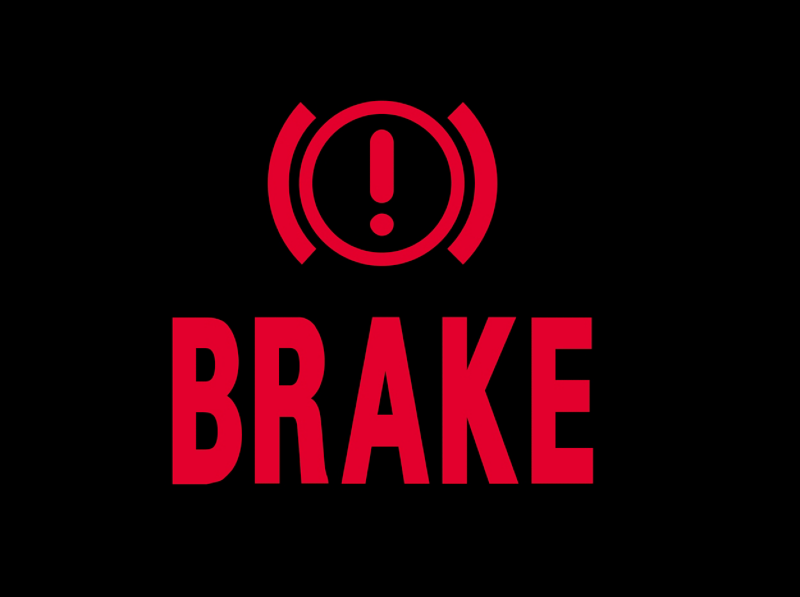
Red Brake-System or Brake-Booster Warning
Urgent if the parking brake is released or braking feels abnormal.A brake warning can concern low fluid, a braking-system fault or restricted assistance. A hard pedal, soft pedal, excessive travel or reduced braking changes the situation from a dashboard query to a safety problem.Stop safely and obtain help. If ABS and the red brake warning appear together, do not assume normal braking performance remains. Adding brake fluid without identifying the reason it is low can conceal a leak or another defect.
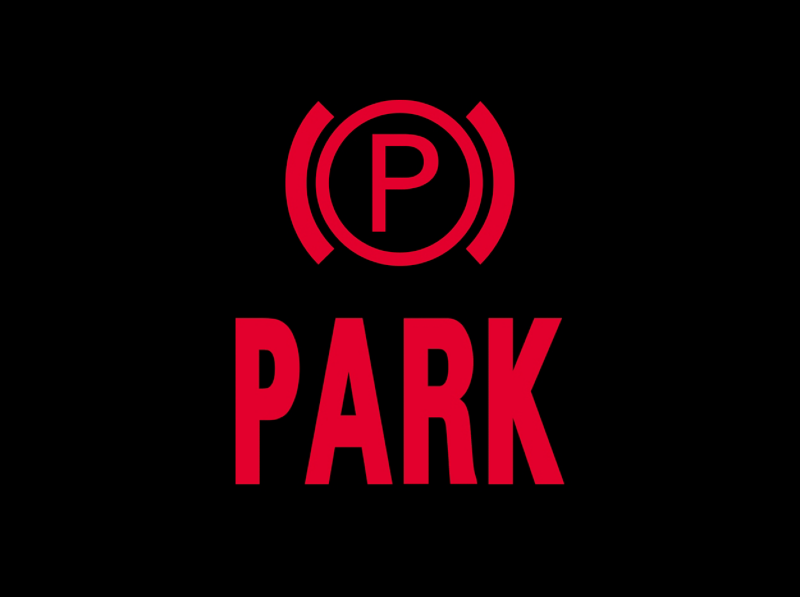
Parking-Brake Indicator
Normal when applied; persistent or flashing warnings need context.Depending on generation, the Octavia has a manual handbrake or an electronic parking brake. A red parking symbol normally confirms that it is applied. Release it correctly before driving.A fault message, unexpected flashing or failure to release needs investigation. Do not drive against an applied brake. If secure parking is uncertain, prevent the car from rolling and obtain assistance. A slope-related parking message may also require choosing a less steep location.
ABS Warning Light
Anti-lock braking assistance may be unavailable.A persistent ABS lamp indicates a fault in the system that helps prevent wheel lock during hard braking. Conventional braking may remain, but we should not rely on ABS intervention.Arrange prompt inspection and avoid abrupt braking where possible. Stop if there is also a red brake warning or abnormal pedal behaviour. The warning alone does not prove that a particular wheel-speed sensor needs replacing.
Brake-Pad Wear Warning
Arrange a brake inspection soon, where monitoring is fitted.The pad-wear symbol usually means the wear-monitoring circuit has detected a condition requiring attention. Have the pads, discs and sensor wiring inspected.There is no universal safe mileage remaining after the lamp appears. Grinding, pulling or reduced braking requires more urgent action. Not every pad on every version is monitored, so a clear dashboard does not replace routine brake inspection.
Auto Hold Indicator
Status — confirm that holding is actually active.Auto Hold can maintain braking during a temporary stop on equipped versions. Availability and active holding are different states, so we should learn the display used by the particular car.If Auto Hold is unavailable, use the brake pedal and parking brake normally. Do not assume the vehicle will remain stationary merely because the feature was selected earlier. A braking-system fault message needs its own assessment.
Power Steering or Steering-Lock Warning
Colour, flashing and the message determine the urgency.A steering-wheel warning can indicate reduced assistance. Flashing can relate to a steering-lock condition on applicable versions. Heavy steering, especially during slow manoeuvres, must be taken seriously.Keep firm control and stop safely if handling is affected. A red warning or an instruction not to continue requires assistance. A persistent amber warning also needs diagnosis; a possible voltage issue is not a reason to ignore it.
Press Brake Pedal or Selector-Lock Indicator
Operating instruction — apply the brake as requested.On automatic versions, this indicator can remind us to press the brake before selecting a gear or starting. It is not automatically evidence of a gearbox fault.Follow the normal sequence. If the selector remains locked, do not force it. Brake-switch, electrical-supply and selector problems need different checks. Any emergency release must follow the vehicle procedure with the car secured against rolling.
Petrol, Diesel and DSG Warning Lights
EPC Warning Light on Petrol Engines
Engine-control fault — assess symptoms and arrange diagnosis.EPC means Electronic Power Control. It can accompany reduced power or restricted accelerator response. The warning covers monitored engine-control functions rather than identifying one failed part.If the car cannot maintain safe progress, runs very roughly or responds unpredictably, stop and obtain assistance. Where the matching instructions permit cautious driving, avoid heavy load and go directly for inspection. Replacing a throttle body without testing is guesswork.
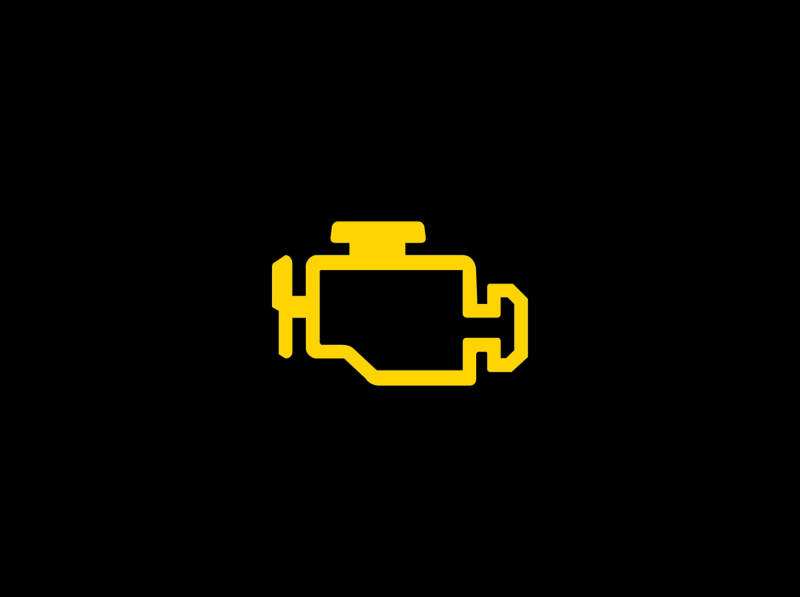
Check Engine or Emissions Warning
A steady light and a flashing light need different attention.A steady engine-shaped warning can indicate an emissions or engine-management fault even when the engine feels normal. Prompt diagnosis is still needed.Flashing accompanied by rough running can indicate a damaging combustion problem. Reduce load and stop safely if the flashing persists or the engine runs badly. Do not attempt to clear the warning by revving harder. Codes and operating data help identify the cause, but a code is not always a replacement-parts instruction.
Glow-Plug and Diesel Engine-Control Warning
Brief preheating can be normal; flashing during driving indicates a fault.The coil lamp identifies diesel preheating during the appropriate starting sequence. Persistent illumination, failure to perform its expected check or flashing while driving needs investigation.A flashing coil can concern diesel engine management rather than the glow plugs themselves. Reduced-power operation may be possible on some faults, but severe symptoms or an unsafe loss of performance call for recovery. Read the message before choosing the next step.
Diesel or Petrol Particulate Filter Warning
Use the cleaning procedure for the exact engine.A filter warning can mean soot accumulation requires attention. Petrol and diesel particulate filters can use different cleaning routines. A procedure copied from another Octavia engine may be unsuitable.If the handbook allows a cleaning drive, follow it only with the required conditions met and no warning prohibiting further driving. Multiple engine warnings, major power loss or an unsuccessful cleaning attempt need diagnosis. Do not attempt a stationary forced regeneration yourself, and keep the hot exhaust away from combustible material.
AdBlue Level or SCR-System Warning
Distinguish a refill request from an emissions-system malfunction.On equipped diesels, a low AdBlue message concerns the reagent used by the emissions system. A fault warning may involve the dosing or monitoring system and will not necessarily clear after a refill.Take a restart-prevention countdown seriously. Refill the correct tank with the specified product and follow the recognition procedure for the vehicle. Never put AdBlue in the diesel tank. If the message reports a malfunction or persists after correct refilling, arrange diagnosis before the countdown expires.
Water in the Diesel Fuel Filter Warning
Have the fuel system checked promptly.This warning applies only to relevant diesel versions. Water contamination can harm fuel-system components, so the message should not be treated as a routine service reminder.Follow the vehicle's driving instruction and arrange professional attention. Do not add a random additive or dismantle the filter beside the road. If the warning follows refuelling and the engine behaves abnormally, stop and obtain advice before further running.
DSG or Automatic Gearbox Warning
The exact message decides whether continued driving is permitted.An automatic gearbox can report overheating, restricted operation or a serious fault. Some amber states permit cautious travel to a repairer, while red states require stopping. A cog symbol alone is insufficient to choose between them.Follow the displayed cooling and shutdown instructions for the version. Do not hold the car on an incline using accelerator pressure or repeatedly force it to creep when overheating. Missing gears, harsh engagement or a stop message calls for appropriate assistance and recovery.
Tyres, Traction and Stability Control
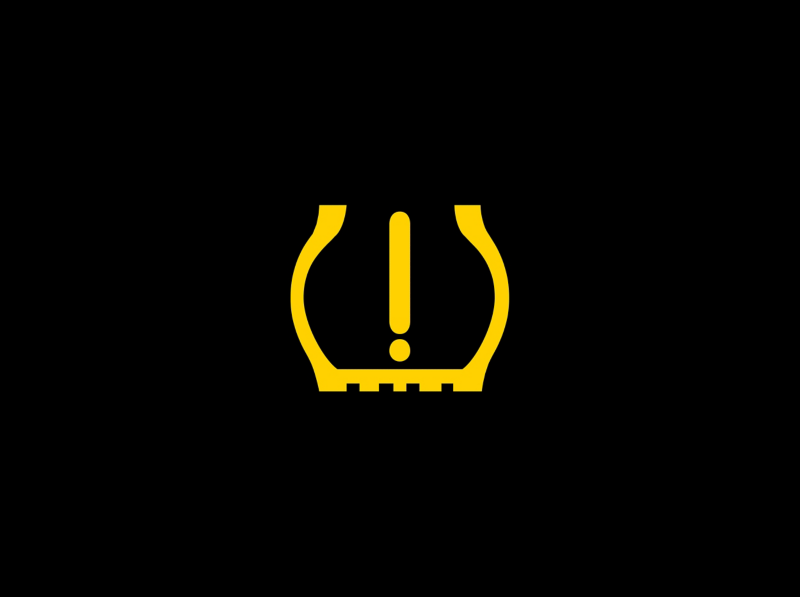
Tyre Pressure Loss or Monitoring-System Warning
Inspect and measure before resetting.Reduce speed smoothly and stop safely to inspect the tyres. Check cold pressures against the vehicle label for the fitted wheels and load. A puncture or damaged tyre needs repair before driving further.Many Octavias use an indirect system that learns reference values from wheel behaviour. Store new values only after the tyres are correctly inflated. A warning that flashes and then stays on can indicate a monitoring fault on applicable versions. Resetting cannot repair a leak or a system fault.
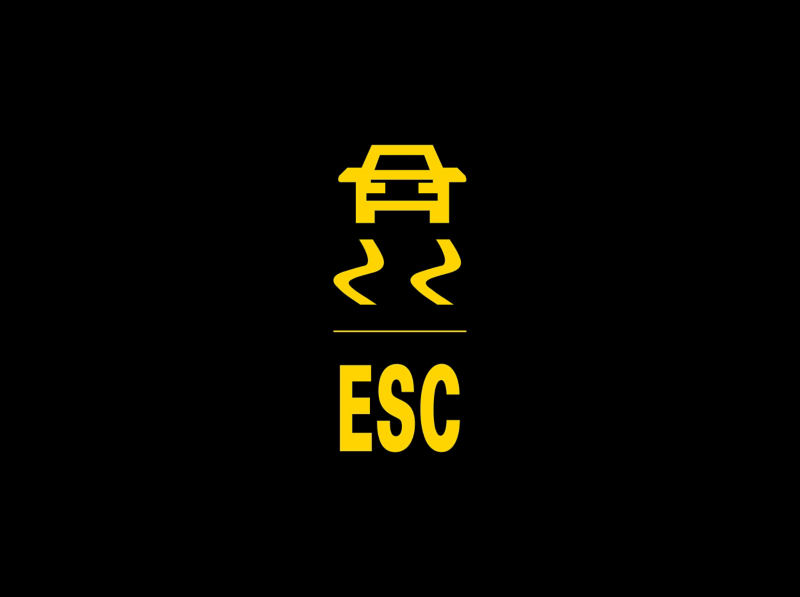
ESC or Traction-Control Indicator
Flashing often means intervention; persistent illumination can mean a malfunction.The skidding-car symbol can flash while the system helps maintain stability or traction. Ease the accelerator and adapt to grip conditions rather than relying on repeated intervention.A steady warning can mean assistance is restricted or unavailable. Because ABS and stability functions share information, several lamps may appear together. Have the systems diagnosed and drive without assuming their usual intervention remains available.
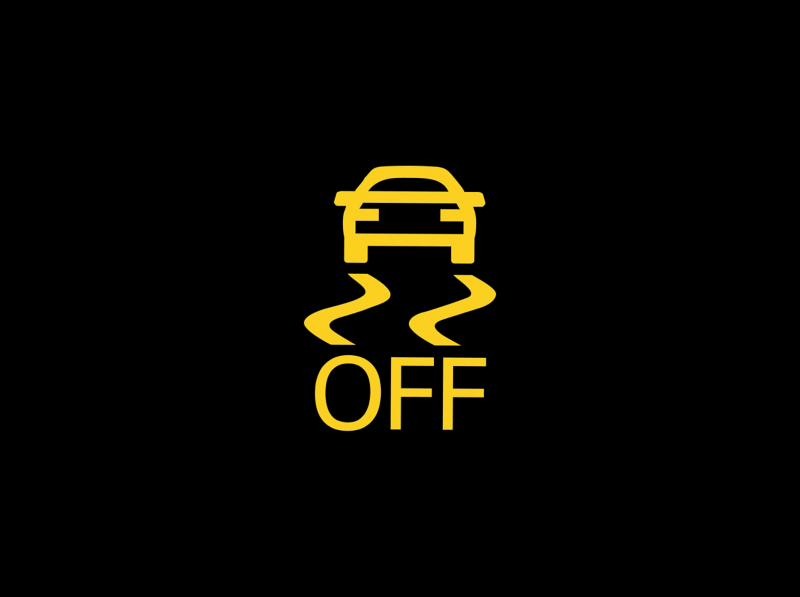
ASR OFF or ESC Sport Indicator
Status — the assistance setting has changed.This indicator can show that traction control has been disabled or a different stability setting selected, depending on equipment. The exact effect varies by version.Return to the normal road-driving setting when appropriate. If the system will not reactivate or reports a fault, obtain diagnosis. Disabling a feature to hide its warning does not repair the underlying problem.
Airbags, Seat Belts and Body Openings
Airbag or Occupant-Protection Warning
Have the safety system inspected promptly.An airbag warning can involve airbags, belt pretensioners or related protection functions. The car may drive normally while some crash protection is unavailable.Do not probe restraint-system wiring or unplug under-seat connectors as an experiment. A diagnostic tool must access the relevant safety module. Clearing the warning without repairing the cause is not a satisfactory fix.
Passenger Airbag ON or OFF Indicator
Confirm the status before using the passenger seat.OFF can be normal after deliberate deactivation. It differs from a system-malfunction warning. Unexpected flashing or a status inconsistent with the setting requires attention.Never place a rear-facing child restraint in front of an active passenger airbag. Follow the vehicle and child-seat instructions, and resolve an uncertain status before carrying a passenger there.
Seat-Belt Reminder
Check all occupied seats and rear-seat status.The seat-belt symbol and buzzer ask an occupant to fasten a belt. Newer displays can identify individual rear seating positions. Luggage on a passenger seat may trigger detection.Secure every occupant and move loose items to a safe location. If the warning continues with a properly latched belt, check for obvious buckle obstruction and arrange inspection. Do not use a buckle bypass device.
Door, Bonnet or Boot Open Warning
Stop safely and check the indicated opening.A vehicle outline or message identifies an opening that may not be securely latched. Look for trapped luggage or a belt before closing it correctly.A persistent warning may involve a latch or switch. Verify physical security instead of assuming an electrical fault, particularly with the bonnet. Do not try to solve a door warning while the car is moving.
Driver-Assistance Indicators and Warnings
Front Assist Warning or Unavailability
Distinguish an immediate collision alert from a system fault.A collision warning calls for the driver to assess the road and brake or steer appropriately. Automatic emergency braking has operating limits and cannot prevent every collision.An unavailable message can involve obstructed sensing areas, adverse conditions or a malfunction. Clean the relevant exterior area safely if instructed. Persistent faults require inspection. The illustration is representative; the Octavia's alert graphics vary by generation.
Lane Assist and Travel Assist Indications
Keep steering actively and follow takeover requests.Lane graphics can show availability and intervention. Poor markings, glare or weather can reduce performance without a permanent fault. Travel Assist combines functions on equipped cars but does not remove driver responsibility.Respond immediately to a hands-on or takeover request. If a malfunction persists despite suitable conditions and clear sensing areas, have it checked. Do not test the system by releasing the steering wheel.
Cruise Control and Adaptive Cruise Control
Check selected, standby and active regulation states.A cruise icon does not always mean that speed regulation is active. Adaptive cruise also controls distance within limits. If it cannot slow the vehicle sufficiently, we must brake ourselves.When the system cancels or reports a fault, take control smoothly. Sensor obstruction is one possible reason for unavailability, but repeated faults need diagnosis, especially after impact or work around the sensor mounting.
Speed Limiter Indicator
Normal status — a limit has been selected.The limiter helps prevent unintended acceleration beyond the selected speed within its operating rules. It is different from cruise control, and the driver normally continues to use the accelerator.If acceleration seems restricted, check this setting before assuming an engine fault. Braking may still be needed downhill. A malfunction message requires investigation rather than repeated attempts to override the feature.
Side Assist, Parking Sensors and Adaptive Suspension Messages
These functions are equipment-dependent and can use mirror lamps, parking graphics or text instead of a single universal dashboard icon. A blocked sensor, an unavailable system and an actual malfunction require different responses.
Check the indicated area for dirt or ice when safe. Continue to observe traffic and obstacles directly. An adaptive-suspension warning, persistent parking fault or repeated Side Assist error needs diagnosis; do not assume that every assistance warning has the same cause.
Octavia iV and Electrified-Model Indications
The following illustrations represent electric-drive concepts and may differ from the exact iV cluster artwork. Use the displayed wording to identify the condition. Do not apply high-voltage instructions to an ordinary petrol car or confuse the iV traction battery with an e-TEC 48-volt system.
Electric Driving or E-Mode Indication
Normally a status indicator, not a fault.Electric-operation information shows the selected mode or current propulsion state. The petrol engine can start automatically when operating conditions require it. Electric driving becoming temporarily unavailable does not, by itself, prove a battery failure.Read any explanation on the display. Temperature, available charge and power demand can affect operation. Before leaving the car, switch it fully off; a silent engine does not mean the vehicle cannot move.
Hybrid Drive-System Fault
Follow the severity and driving instruction shown.An iV hybrid warning can describe a restricted operating mode or a more serious fault. Some conditions permit cautious driving to a repairer; others require stopping. Do not decide purely from whether the petrol engine still runs.Contact a qualified repairer and obey any stop instruction. Reduced propulsion, abnormal behaviour or unsafe progress is a reason to arrange recovery. Never handle orange high-voltage cables or attempt a propulsion-system reset by disconnecting them.
High-Voltage Cooling-System Warning
Stop when instructed and obtain specialist advice.The hybrid system can have a cooling fault separate from ordinary engine overheating. An iV cooling warning must be interpreted with the other symbols and text shown beside it.Do not assume topping up the engine's coolant reservoir addresses every hybrid cooling problem. Avoid opening hot reservoirs or investigating high-voltage components. A persistent warning or a stop message requires the appropriate professional response.
High-Voltage Battery or Charging Fault Message
Distinguish low charge, interrupted charging and a genuine malfunction.An ordinary low state of charge is not the same as a battery-system fault. Likewise, charging may be delayed by a schedule or interrupted by a supply problem without proving the vehicle battery is defective.Check only accessible, undamaged charging equipment and the displayed instructions. Do not use damaged cables or repeatedly retry charging after a serious electrical warning. Fault messages that persist need diagnosis. The image illustrates the battery concept rather than a universal Octavia charging telltale.
Electronic Engine-Sound Warning
Have the pedestrian warning-sound system checked.On equipped electrified models, an external sound helps pedestrians notice the car at low speed. A fault can reduce that warning function.Be especially attentive around people and arrange inspection. Do not assume they can hear a quietly moving vehicle. This is separate from an entertainment-system sound setting.
Recuperation Fault Message
A recuperation warning concerns energy recovery during deceleration. It is different from a low-charge indication and requires inspection. Use the brake pedal normally and assess any change in braking behaviour.
If a red brake warning, abnormal pedal response or stop instruction is present, stop safely and arrange recovery. Do not keep driving merely to see whether regeneration returns.
Everyday Reminders and Lighting Symbols
Automatic Start-Stop Indicator
Normal unavailability is not automatically a battery fault.Automatic stopping depends on conditions such as temperature, electrical demand and charge state. An unavailable indicator can be normal, while a specific malfunction message needs checking.Switch the vehicle fully off before leaving it or working under the bonnet. Do not rely on an automatic engine stop to prevent a restart. Hybrid engine stopping follows its own operating strategy.
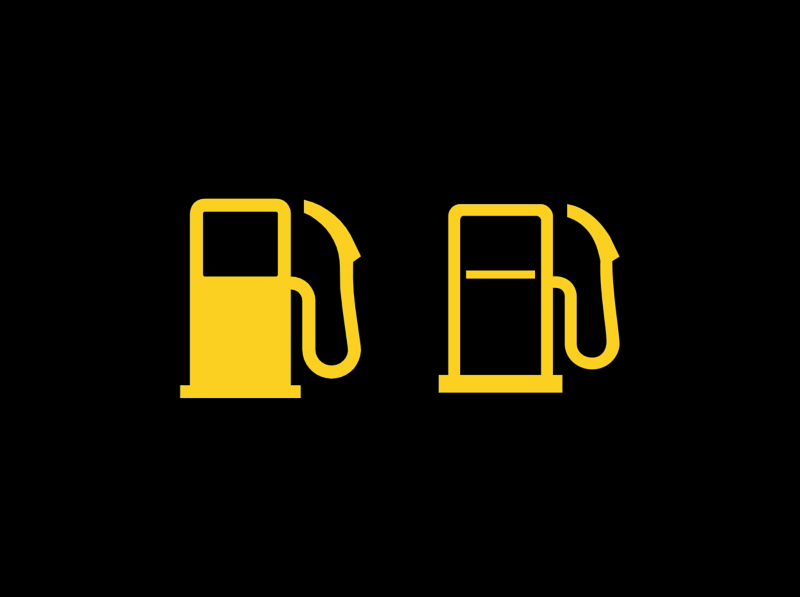
Low Fuel Warning
Refuel soon and treat remaining range as an estimate.The fuel-pump symbol identifies a low reserve. Weather, traffic and driving style can change the distance available, so the range display is not a guarantee.An iV still needs petrol for hybrid operation. Do not intentionally run the tank dry because some battery charge remains. A persistent warning after a substantial refill needs checking.
Low Washer-Fluid Warning
Top up the correct reservoir with suitable fluid.Use washer fluid appropriate for the expected temperatures. Rapid loss suggests a leak, while a warning that remains with adequate fluid may involve level sensing.Do not confuse the washer reservoir with a coolant tank. Reliable screen washing matters especially in winter road spray and dirty conditions.
Key Battery or KESSY Detection Warning
Read the message before choosing a remedy.A weak remote battery, an undetected key and a starting-system fault are different issues. Replace a depleted key battery with the specified type and orientation.For detection problems, use the correct registered key and follow the backup starting procedure. Persistent KESSY or steering-lock faults need diagnosis. Forcing the controls or repeatedly trying to start can simply drain the vehicle battery.
Bulb or Exterior-Light Failure Warning
Inspect the indicated lamp and other exterior lights.The display may identify the affected position. Some faults appear only when the lamp is switched on, so check the relevant lighting function while safely parked.Replace serviceable bulbs with the correct specification. LED modules, wiring and control faults may need professional repair. A monitoring system does not necessarily detect every individual lamp failure.
Low Outside Temperature Warning
Caution — ice may be present.A snowflake warns about cold conditions rather than a vehicle malfunction. Bridges and shaded areas can be slippery even when the indicated temperature seems relatively mild.Adapt speed, increase following distance and avoid abrupt inputs. No diagnostic reset is needed for a normal temperature warning.
High Beam and High Beam Assist
Distinguish actual high beam from automatic assistance.The blue high-beam symbol confirms that main beam is illuminated. The assistance indicator describes the automatic switching feature. Poor weather or difficult lighting can affect detection.Dip the lights whenever necessary to avoid dazzling others. Automatic control does not remove our responsibility to use the correct beam.
Front and Rear Fog-Light Indicators
Normal status — switch off when conditions improve.The symbols identify selected fog lighting where fitted. The bright rear fog light should be used only when visibility justifies it under local road rules.An amber rear-fog indicator is not a fault simply because it is amber. Check the switch setting before seeking a repair.
Turn Signals and Hazard Indicators
Normal flashing; an unusual rate warrants an exterior-light check.Both arrows flash when the hazards are selected. A changed flashing rate can indicate a lamp or circuit problem.Inspect the exterior indicators when parked. Dashboard confirmation alone does not guarantee that every external lamp is visible and working.
Service Spanner and Inspection Due Messages
An oil-service or inspection reminder concerns scheduled maintenance. It is separate from an engine fault, oil-pressure warning or filter-cleaning request.
Complete the required work before resetting the interval. Resetting prematurely can make the maintenance record and next due date misleading.
How to Diagnose an Octavia Warning Without Guesswork
Record the full message and the conditions when it appeared. Recent battery work, tyre changes, windscreen replacement or a repair may be relevant, but timing alone does not prove causation. A photograph taken after parking safely is often useful.
Several warning lights can share an electrical or sensor-related cause. That does not make a critical brake or oil warning harmless. Prioritise any stop instruction, then have the affected systems checked with equipment that can access their modules.
A basic engine reader may miss airbag, ABS, gearbox or hybrid faults. Codes should guide testing of supply voltage, wiring and mechanical operation rather than trigger automatic parts replacement. Clear faults after diagnosis and repair, not simply to make the instrument panel look normal.
Conclusion
Understanding Skoda Octavia dashboard warning lights means combining the icon with its colour, behaviour and accompanying message. We can correct simple reminders and recognise normal status indicators, while urgent engine, braking, steering and hybrid warnings demand a safer response. Use the instructions for the exact vehicle, diagnose the cause and treat a reset as the final step after the necessary work.
Frequently Asked Questions
1. Can we drive an Octavia with the EPC light on?
Some faults permit cautious driving to a repairer, but severe power loss, rough running or unpredictable response makes stopping the safer choice. Follow the vehicle's message and arrange prompt diagnosis. EPC does not identify one specific failed part.
2. What is the difference between the red and amber oil warnings?
Red concerns potentially inadequate oil pressure and requires stopping the engine safely. Amber commonly concerns oil level or its sensing system. Check the message and measured level before adding oil; a full dipstick does not rule out a pressure fault.
3. Why does the tyre-pressure warning return after resetting it?
A tyre may still be leaking, pressures may have been saved incorrectly or the monitoring system may have a fault. Inspect and measure all tyres before storing new reference values. Repeated resets can hide the symptom without resolving its cause.
4. Will topping up AdBlue clear every AdBlue warning?
No. A refill can address low reagent, but a dosing, sensor or other SCR-system malfunction needs diagnosis. Follow the correct refill procedure and take restart-prevention messages seriously. Do not wait for the countdown to reach zero.
5. Does an iV electric-driving warning mean the high-voltage battery is failing?
Not necessarily. A normal mode indicator or temporary electric-driving limitation can reflect operating conditions. A hybrid-drive, high-voltage cooling or battery fault message is a separate matter. Follow its exact instruction and obtain qualified assistance where required.
If you want to know other articles similar to Skoda Octavia Dashboard Warning Lights & Symbols: Complete Guide you can visit the category Service and Parts.
Auto Guide
I show you the best reviews of all car brands, the information we collect and show is verified by our mechanics, we hope that everything you read here is useful to buy the car of your dreams


































More content of your interest