
Subaru Impreza Years to Avoid: The Used-Car Years We’d Be Careful With

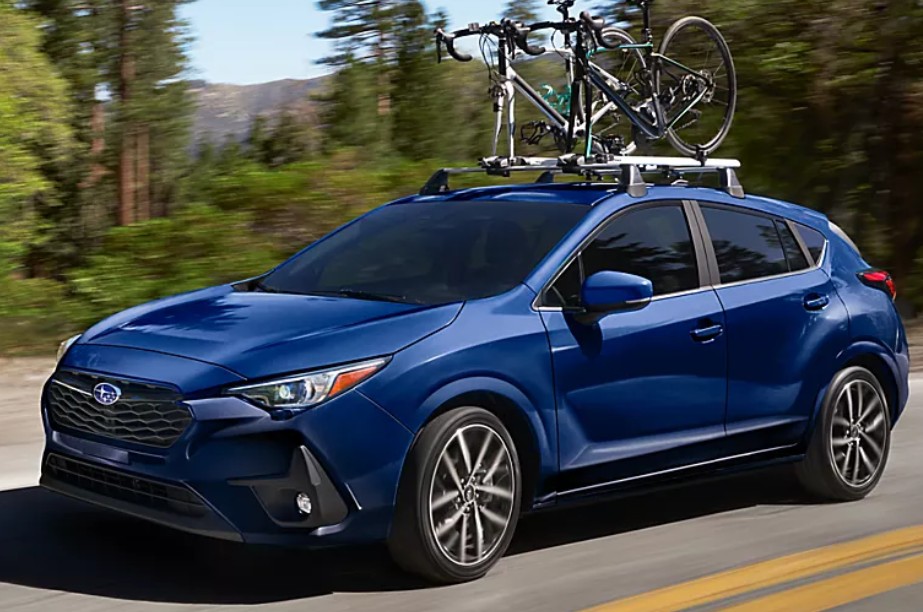
The Subaru Impreza has always occupied an interesting corner of the compact-car world. It is practical without feeling completely ordinary, available with Subaru’s signature all-wheel-drive system, and usually priced below the brand’s larger crossovers. For buyers living with snow, rain, gravel roads, or simply unpredictable weather, that combination can make an older Impreza look like a remarkably sensible used car.
But sensible does not mean flawless.
Some model years have accumulated considerably more complaints, expensive engine concerns, recall activity, and transmission worries than others. That does not automatically make every example from those years a bad car. Maintenance history, mileage, previous repairs, climate, and driving habits can matter just as much as the number printed on the registration.
Still, when we are spending our own money, patterns matter.
So, which Subaru Impreza years should we avoid?
Based on owner-complaint patterns, known mechanical trouble spots, and safety recall history, the years that deserve the most caution are 2005–2009, especially 2008; 2012–2013; and, to a lesser extent, some 2017–2019 examples unless recall work and maintenance are well documented. Among them, 2012 stands out as perhaps the single Impreza model year we would approach most carefully.
Let’s unpack why.
Content in this publication
- Subaru Impreza Years to Avoid at a Glance
- Why Some Subaru Impreza Years Are Riskier Than Others
- 2005 Subaru Impreza: Age and Engine Concerns Add Up
- 2006 Subaru Impreza: Cheap Purchase, Potentially Expensive Ownership
- 2007 Subaru Impreza: Transmission Complaints Deserve Attention
- 2008 Subaru Impreza: One of the Biggest Years to Avoid
- 2009 Subaru Impreza: Better Is Not the Same as Trouble-Free
- 2010 and 2011 Subaru Impreza: Transitional Years Worth Considering
- 2012 Subaru Impreza: The Year We Would Approach Most Carefully
- 2012 Impreza CVT Concerns
- 2012 Impreza Recall History Is Another Reason for Caution
- 2013 Subaru Impreza: Improved, but Still Worth Scrutinizing
- What About the 2014–2016 Subaru Impreza?
- 2017 Subaru Impreza: New Generation, New Problems
- 2018 and 2019 Subaru Impreza: Check Recalls Before Buying
- Are Newer Subaru Impreza Years Better?
- Which Subaru Impreza Years Are Better Choices?
- The Difference Between Recalls and Reliability Problems
- How Mileage Changes the Subaru Impreza Equation
- A Pre-Purchase Inspection Is Worth the Money
- Always Test-Drive the Car From Cold
- Check the Subaru Impreza VIN for Open Recalls
- Watch for Modifications
- Why Service Records Can Matter More Than Model Year
- Is a High-Mileage Subaru Impreza Worth Buying?
- Should We Avoid Every 2012 Subaru Impreza?
- What Is the Worst Subaru Impreza Year?
- Final Verdict: Which Subaru Impreza Years Should We Avoid?
- Frequently Asked Questions
Subaru Impreza Years to Avoid at a Glance
If we want the short version before diving beneath the hood, here it is:
- 2005–2007: aging second-generation cars can bring engine, oil-leak, transmission, and head-gasket-related concerns.
- 2008: one of the strongest years for reported complaints, with head-gasket and engine issues among the notable concerns.
- 2009: worth inspecting closely for head-gasket and engine trouble, particularly on neglected high-mileage cars.
- 2012: our biggest caution year because of engine complaints, excessive oil-consumption reports, transmission complaints, and multiple recalls.
- 2013: better than 2012 in some respects, but still connected with oil-consumption concerns, CVT complaints, and valve-spring recall exposure.
- 2014: not automatically a year to reject, although certain vehicles were included in an engine valve-spring recall.
- 2017–2019: generally newer and more appealing, but affected vehicles should be checked carefully for completed ignition-coil recall work.
Owner-complaint aggregation from CarComplaints places 2012 as the worst Impreza model year overall, while 2008 accumulated the highest number of owner complaints in its model-year comparison. Engine trouble is also identified as the Impreza’s largest complaint category.
That distinction matters. We are not saying every car built during these years will fail. Instead, these are the years where we would demand stronger maintenance records, a professional inspection, and an especially convincing purchase price.
Why Some Subaru Impreza Years Are Riskier Than Others
Cars evolve in cycles. Manufacturers introduce a redesigned engine, gearbox, electronics package, or entire generation, discover weaknesses in real-world use, and then gradually refine those components.
The Impreza is no exception.
Early years of a generation often deserve additional scrutiny because new components have had less time to prove themselves. The 2012 model is a perfect illustration: Subaru introduced the fourth-generation Impreza with major mechanical changes, and owner complaints subsequently concentrated heavily around that year.
At the other end of the spectrum, very old Imprezas can have problems simply because age catches everything eventually. Rubber hardens. Seals shrink. Cooling systems deteriorate. Bearings wear. Previous owners postpone maintenance.
A 20-year-old Impreza with a spotless reputation on paper can therefore be a riskier purchase than a supposedly problematic model year that has been meticulously maintained.
Model year is a filter, not a crystal ball.
2005 Subaru Impreza: Age and Engine Concerns Add Up
The 2005 Impreza sits firmly in territory where vehicle condition matters enormously. At this age, we are not merely evaluating Subaru’s original engineering. We are evaluating decades of maintenance decisions made by potentially several owners.
CarComplaints identifies 2005 among the Impreza years with comparatively significant engine complaint activity.
On naturally aspirated older Subaru engines, buyers frequently pay particular attention to cooling-system condition, oil leakage, and evidence of head-gasket deterioration. None of these automatically condemns the car, but an inexpensive Impreza can rapidly become expensive if we purchase one that has been surviving on postponed repairs.
When a 2005 Impreza Can Still Make Sense
A documented example can be completely different from a neglected one.
If the cooling system has been maintained, oil leaks addressed, major engine work documented, timing-related maintenance completed where applicable, and the car passes a Subaru-specialist inspection, buying one may still make sense at the right price.
The key word is documented.
A seller saying “everything has been done” is not the same as showing invoices.
2006 Subaru Impreza: Cheap Purchase, Potentially Expensive Ownership
The temptation with older Imprezas is obvious. Purchase prices can be surprisingly low, and standard all-wheel drive makes them look like bargains compared with similarly aged compact cars.
Yet cheap admission can hide an expensive second act.
Complaint aggregation shows 2006 with more historical owner complaints than many later Impreza years.
At this age we would pay close attention to engine condition, transmission behavior, wheel bearings, suspension wear, leaks, rust, and evidence that all four tires have been replaced in compatible sets. Subaru’s AWD layout makes proper tire matching particularly important.
The Maintenance History Matters More Than the Badge
A beautifully maintained 2006 Impreza can be preferable to an abused 2015. We should therefore resist buying purely by model year.
What we want is a consistent story.
Regular service records, matching tires, clean fluids, no overheating history, predictable oil consumption, and a cold engine that starts without suspicious noise all tell us far more than polished paint.
2007 Subaru Impreza: Transmission Complaints Deserve Attention
The 2007 model year deserves caution largely because age-related deterioration combines with historical drivetrain and transmission complaints.
CarComplaints lists transmission failure among the more expensive problems reported for older Imprezas, including 2007 examples.
That does not mean the transmission is destined to fail. It means we should treat unusual shifting behavior as a warning rather than character.
A used car should not clunk aggressively, slip, hesitate excessively, or produce grinding noises. If it does, we should not allow a seller to persuade us that “Subarus just drive like that.”
They do not.
2008 Subaru Impreza: One of the Biggest Years to Avoid
If 2012 is the model year we would scrutinize most aggressively, 2008 is not far behind.
CarComplaints records more overall complaints for the 2008 Impreza than for any other model year in its Impreza comparison, although it ranks 2012 as worse after considering factors including severity, mileage, and repair expense.
Engine complaints are particularly noteworthy. Reported problems include head-gasket leakage and engine knocking, with CarComplaints listing head-gasket leakage as one of the model year’s prominent owner-reported issues.
That makes a poorly maintained 2008 difficult for us to recommend simply because the purchase price looks attractive.
Head-Gasket Trouble Is the Big Question
Few phrases make an older Subaru shopper more nervous than “head gasket.”
And understandably so.
A failed gasket can allow coolant and oil to travel where they should not, eventually causing overheating, contamination, leakage, or potentially severe engine damage.
However, we should avoid treating every older Subaru as though its head gasket is already doomed. The smarter approach is to determine whether the specific engine shows symptoms, whether major gasket work has already been performed correctly, and whether the cooling system has been maintained.
A properly repaired example may actually be more reassuring than one with no history whatsoever.
2008 Recall History Also Matters
Certain 2008 Imprezas were included in later safety campaigns. For example, Subaru recalled certain 2008–2016 Impreza vehicles over a brake-light-switch defect that could prevent the brake lights from illuminating and could interfere with starting or shifting from Park on some vehicles.
That is precisely why checking the VIN is essential.
Recall eligibility is based on the specific vehicle, not simply the model year.
2009 Subaru Impreza: Better Is Not the Same as Trouble-Free
The 2009 Impreza has fewer complaints in CarComplaints' model-year comparison than 2008, but engine issues remain worth considering. CarComplaints specifically identifies blown head gaskets among the reported 2009 engine problems.
We would therefore place 2009 in the “buy selectively” category rather than calling it universally bad.
Find a carefully maintained example, and the equation changes dramatically.
Find one with unexplained coolant loss, oil contamination, overheating history, multiple warning lights, or no service records, and we would keep walking.
Sometimes the cheapest repair is the car we never buy.
2010 and 2011 Subaru Impreza: Transitional Years Worth Considering
The 2010 and 2011 Imprezas do not stand out in complaint databases as dramatically as 2008 or 2012.
CarComplaints records substantially fewer complaints for 2010 and 2011 than for 2008, for example.
They are still older vehicles, of course, so time-related wear cannot be ignored. But for someone shopping on a modest budget, a clean 2010 or 2011 may deserve more attention than a questionable 2008.
These years can occupy a useful middle ground: old enough to be affordable, yet without the particularly concentrated complaint profile associated with 2008.
2012 Subaru Impreza: The Year We Would Approach Most Carefully
Here we arrive at the headline act—and unfortunately, it is not appearing for the right reasons.
The redesigned 2012 Subaru Impreza is the model year we would be most cautious about purchasing.
CarComplaints identifies it as the worst Impreza model year overall and lists engine problems prominently. The site's owner data includes reports involving excessive oil consumption, unintended acceleration, shifting problems, and other concerns.
This was also the beginning of the fourth-generation Impreza, bringing major mechanical changes including Subaru's newer FB-series engine and wider use of its Lineartronic continuously variable transmission.
First-year redesigns are not automatically unreliable, but when complaints, major mechanical concerns, and recall exposure all overlap, our risk radar starts flashing.
2012 Impreza Excessive Oil Consumption
Excessive oil consumption is probably the issue most closely associated with this generation.
A class-action case concerning excessive oil consumption included certain 2012–2013 Impreza models, with allegations centered around premature piston-ring wear and elevated oil usage.
You may be interested in reading Subaru Impreza vs Toyota Camry: Which Car Is Better?
Oil consumption sounds harmless compared with an engine failure, but the relationship between the two can become serious.
If a driver does not monitor the dipstick and the engine repeatedly runs low on oil, internal wear can accelerate dramatically. Suddenly, what looked like the inconvenience of adding a quart becomes a much larger repair bill.
How We Would Check an Oil-Burning Impreza
Before purchasing a 2012 or 2013 Impreza, we would ask the owner directly how much oil the engine consumes between changes.
Then we would inspect the oil level ourselves.
An extremely low dipstick reading combined with vague answers from the seller is a major red flag. Blue exhaust smoke, oily spark-plug deposits, unusual engine noise, or records showing repeated oil-consumption testing deserve further investigation as well.
2012 Impreza CVT Concerns
The fourth-generation Impreza also brought greater dependence on Subaru's Lineartronic CVT.
CVTs can feel unusual to drivers accustomed to traditional stepped automatics, so not every odd sensation indicates failure. Engine revs can remain steady while vehicle speed increases, and that behavior is normal.
Jerking, severe hesitation, warning lights, slipping sensations, shuddering, or obvious abnormal noises are different.
Owner complaint data for the 2012 generation includes transmission trouble, and the fourth-generation Impreza shows more transmission complaints than some neighboring generations.
A pre-purchase inspection becomes particularly valuable here because replacing major CVT components can wipe out any savings achieved by buying the cheapest vehicle in the classifieds.
2012 Impreza Recall History Is Another Reason for Caution
Mechanical complaints are only part of the 2012 story.
Certain 2012 Imprezas were recalled because the brake master cylinder could malfunction, increasing the amount of brake-pedal travel required to slow or stop the vehicle.
Certain 2012–2014 Imprezas were also included in an engine valve-spring recall. Subaru's campaign documentation states that affected valve springs could fracture, potentially causing engine malfunction or stalling while driving.
This does not mean we should automatically reject every 2012 Impreza.
It means we should never buy one without checking its VIN and confirming that every applicable recall has been completed.
2013 Subaru Impreza: Improved, but Still Worth Scrutinizing
The 2013 model year is somewhat less alarming than 2012, but it shares enough mechanical DNA with the earlier car that we would still exercise caution.
Owner reports include engine and CVT-related issues, and 2013 Imprezas were among vehicles associated with the excessive oil-consumption dispute mentioned earlier.
Certain 2013 cars were also included in Subaru's valve-spring recall campaign.
That combination makes 2013 a year we would buy based on individual condition rather than reputation alone.
Should We Completely Avoid the 2013 Impreza?
Not necessarily.
By now, many surviving examples will have accumulated substantial mileage. That means an individual car's history can outweigh broad model-year statistics.
Suppose we find a 2013 Impreza with meticulous maintenance, documented recall completion, stable oil consumption, smooth CVT operation, matching tires, and an independent inspection showing no major faults. That car could be a better purchase than a newer vehicle that has received little maintenance.
Used-car buying is rarely black and white.
What About the 2014–2016 Subaru Impreza?
The later fourth-generation years become more interesting.
Complaint aggregation still places the 2012–2016 generation relatively poorly compared with other Impreza generations, but the problems are not distributed equally across every year. The 2012 model carries a much heavier complaint burden than 2014 or 2016.
That is why simply telling shoppers to “avoid every 2012–2016 Impreza” is overly simplistic.
2014 Subaru Impreza
The 2014 model deserves a VIN check because certain examples were included in the valve-spring recall covering 2012–2014 Imprezas.
Beyond that issue, condition becomes increasingly important.
We would rather buy a well-maintained 2014 with complete documentation than a suspicious 2017 simply because the latter belongs to a newer generation.
2015 and 2016 Subaru Impreza
These later fourth-generation vehicles can be more attractive used purchases, provided the CVT, engine, electrical systems, and maintenance history check out.
We would still monitor engine oil closely and pay attention to transmission behavior during an extended test drive.
They are not immune to trouble, but they do not carry the same concentrated warning signs we see around 2012.
2017 Subaru Impreza: New Generation, New Problems
Subaru redesigned the Impreza again for 2017.
The newer platform brought improvements in refinement, structure, technology, and driving manners, making fifth-generation cars considerably more modern than their predecessors.
Unfortunately, redesigns can introduce fresh problems.
Certain 2017–2019 Impreza models were recalled over ignition-coil concerns. Subaru's campaign documentation explains that an ignition coil could remain energized longer than intended after engine shutdown, potentially causing a short circuit. In certain circumstances, that could result in loss of motive power while driving.
That sounds dramatic because it is a genuine safety concern, but there is an important distinction: a recall with a proper manufacturer remedy is not the same thing as an unfixable design flaw.
For a 2017–2019 Impreza, confirmation of completed recall work can dramatically change our assessment.
2018 and 2019 Subaru Impreza: Check Recalls Before Buying
The 2018 and 2019 Imprezas continue the fifth-generation formula and generally give us fewer reasons for alarm than the notorious 2012 model.
However, the ignition-coil campaign also covered certain vehicles from these years.
That means the VIN deserves attention before money changes hands.
A vehicle may look perfect, drive perfectly, and have beautiful service records yet still carry an unresolved safety recall.
The good news is that safety recall remedies are generally performed by manufacturers without charging the vehicle owner. NHTSA recommends using the VIN to determine whether a specific vehicle has unrepaired recalls.
Are Newer Subaru Impreza Years Better?
Broadly speaking, later-model Imprezas benefit from years of refinement, newer safety technology, fresher components, and fewer age-related problems.
But newer does not automatically mean financially smarter.
A newer Impreza may cost thousands more upfront, carry higher insurance costs, and include more electronic equipment that can eventually fail. Meanwhile, a well-maintained older car may already have had its major trouble spots corrected.
Our goal should therefore be to find the best individual Impreza within our budget, rather than blindly chasing the newest model year available.
Which Subaru Impreza Years Are Better Choices?
If our goal is minimizing risk, we would generally look more favorably at 2010–2011, later 2014–2016 examples with strong maintenance histories, and well-maintained fifth-generation cars after verifying all applicable recall repairs.
These are not guaranteed winners.
No used vehicle is.
But they allow us to step around some of the Impreza's clearest historical trouble spots, particularly the complaint-heavy 2008 and 2012 model years.
The Difference Between Recalls and Reliability Problems
This distinction is crucial when researching used cars online.
A recall is a safety-related defect addressed through an official manufacturer campaign. An owner complaint, meanwhile, describes an issue reported by an individual driver. A technical service bulletin generally gives dealerships repair guidance but does not necessarily indicate a safety recall.
Twenty recall campaigns do not automatically make one car worse than another with two recalls.
Why?
Because recall scope varies enormously, and a recalled defect may have been permanently repaired years ago.
Meanwhile, a vehicle with no outstanding recalls could still have a badly worn transmission, leaking engine, or neglected cooling system.
We should use recall data as one piece of the puzzle—not the entire picture.
How Mileage Changes the Subaru Impreza Equation
Once an Impreza passes roughly 100,000 miles, model-year reputation becomes progressively intertwined with maintenance.
At that point we care about how the car reached that mileage.
Was the engine oil changed consistently?
Was the cooling system neglected?
Were all four tires replaced appropriately?
You may be interested in readingSubaru Impreza vs Toyota Camry: Which Car Is Better?You may be interested in reading
Subaru Impreza vs Honda Fit: Which Compact Car Makes More Sense?Was the transmission serviced according to applicable recommendations?
Did somebody continue driving after overheating?
Was the vehicle modified?
Was it used gently on highways or hammered through winter roads and potholes?
Two Imprezas with 120,000 miles can feel as different as two houses built in the same year—one lovingly maintained, the other slowly surrendering to neglect.
A Pre-Purchase Inspection Is Worth the Money
Few things give us more leverage when buying an older Subaru than a proper pre-purchase inspection.
Ideally, the technician should know Subaru vehicles well.
A specialist may recognize seepage patterns, abnormal CVT behavior, wheel-bearing noise, cooling-system warning signs, suspension deterioration, and evidence of previous engine work that a general inspection could miss.
We also want the car inspected before signing anything.
Once the car belongs to us, hidden problems become our problems too.
Always Test-Drive the Car From Cold
When possible, ask the seller not to warm the car before we arrive.
A cold start tells stories.
We can listen for abnormal mechanical noises, observe exhaust smoke, check how quickly warning lights disappear, evaluate idle quality, and see whether the engine starts confidently.
A fully warmed engine can sometimes hide symptoms that become obvious after the vehicle has been sitting overnight.
We should also drive long enough for the engine and transmission to reach operating temperature. A five-minute loop around the dealership is barely an introduction.
Check the Subaru Impreza VIN for Open Recalls
Regardless of model year, VIN verification should be part of every used Impreza purchase.
NHTSA's recall system allows U.S. buyers to check whether a specific vehicle has unresolved safety recalls. The agency notes that VIN searches identify unrepaired recalls applicable to the individual vehicle, although very old campaigns and certain recently announced recalls may not always appear immediately in the same way.
For older Imprezas, this step is especially important because multiple campaigns have affected various generations.
We would run the VIN before making a deposit.
Watch for Modifications
Subarus attract enthusiasts.
Usually that is part of their charm.
It can also complicate used-car shopping.
An Impreza that has spent its life completely stock is easier to evaluate than one with engine tuning, suspension modifications, oversized wheels, questionable wiring, or aggressive exhaust work.
Modified does not automatically mean abused, of course. Plenty of enthusiasts maintain their vehicles obsessively.
But if we see modifications combined with cheap tires, missing service records, warning lights, hacked wiring, and a seller claiming the vehicle was “never driven hard,” skepticism is healthy.
Why Service Records Can Matter More Than Model Year
Imagine two cars.
The first is a supposedly desirable Impreza year with 90,000 miles, three owners, no receipts, mismatched tires, low oil, and an unexplained check-engine light.
The second belongs to one of the more questionable model years but comes with complete maintenance records, documented recall repairs, recent fluid service, a healthy engine, and an independent inspection.
Which would we rather own?
Probably the second.
Reliability rankings help us narrow the search. Maintenance records help us choose the actual car.
Is a High-Mileage Subaru Impreza Worth Buying?
It can be.
Mileage alone does not kill cars. Neglect does.
A highway-driven Impreza with 150,000 well-maintained miles may have experienced less stress than a 75,000-mile example subjected to short trips, missed oil changes, overheating, potholes, and aggressive driving.
For high-mileage examples, we become increasingly concerned with oil consumption, cooling-system integrity, transmission condition, wheel bearings, suspension components, oil leakage, rust, and previous engine repairs.
Price also matters.
A 150,000-mile car can be worthwhile for $5,000 and unreasonable at $12,000.
Reliability cannot be separated from value.
Should We Avoid Every 2012 Subaru Impreza?
No.
“Years to avoid” is shorthand used by buyers researching risk. It should never be interpreted as saying that every vehicle manufactured during a certain calendar year is defective.
There are undoubtedly 2012 Imprezas still providing dependable transportation.
A 2012 that has already received appropriate repairs, consumes little or no abnormal oil, has a healthy CVT, carries complete maintenance records, has completed all applicable recalls, and passes an independent inspection could still be worth considering.
The issue is probability.
When similarly priced alternatives exist with fewer historical warning signs, why accept additional uncertainty?
That is why we would generally choose a cleaner 2010, 2011, later fourth-generation example, or properly maintained fifth-generation car before reaching for an average 2012.
What Is the Worst Subaru Impreza Year?
If we must choose one, 2012 is the Subaru Impreza year we would most strongly approach with caution.
The reasoning is not based on a single internet anecdote.
CarComplaints ranks 2012 as the worst Impreza model year overall and identifies the 2012 and 2008 models among the worst years for engine complaints. The 2012 generation also intersects with excessive oil-consumption allegations, CVT complaints, and significant recall campaigns.
The 2008 Impreza is another major caution year, particularly because of its high complaint volume and reported head-gasket and engine issues.
Final Verdict: Which Subaru Impreza Years Should We Avoid?
The Subaru Impreza can be an excellent used compact car when we choose carefully. Standard all-wheel drive, practical dimensions, straightforward everyday usability, and a huge supply of used examples continue to make it appealing.
But some years deserve substantially more scrutiny.
We would be most cautious with 2005–2009 Imprezas, particularly 2008, and with 2012–2013 models, especially 2012. We would also verify recall completion carefully on certain later vehicles, including affected 2017–2019 Imprezas.
The important lesson is not that these cars are ticking time bombs.
It is that model-year research should tell us where to look more closely.
For a 2008, we would investigate engine condition and head-gasket history. For a 2012 or 2013, oil consumption and CVT behavior move toward the top of our checklist. For a 2017–2019 model, recall completion deserves verification.
Then we look beyond the calendar.
A healthy engine, smooth transmission, correct tires, clean inspection, documented maintenance, completed recalls, and a sensible owner history ultimately matter more than any “best years” list on the internet.
Choose the car, not merely the year.
And when the car and the year both look good?
That is when an Impreza starts looking like the practical little all-weather companion it was meant to be.
Frequently Asked Questions
What Subaru Impreza years should we avoid?
The years we would approach most cautiously are 2005–2009, particularly 2008, plus 2012 and 2013. The 2012 Impreza stands out because of its concentration of engine complaints, oil-consumption concerns, transmission complaints, and recall history. Certain 2017–2019 cars should also be checked to ensure applicable ignition-coil recall repairs were completed.
What is the worst year for the Subaru Impreza?
The 2012 Subaru Impreza is arguably the most problematic year from a used-car-shopping perspective. CarComplaints rates 2012 as the worst Impreza model year overall, while its data also shows significant engine complaint activity.
Which Subaru Impreza year had head-gasket problems?
Head-gasket concerns are most relevant when shopping older Imprezas, with owner complaints appearing prominently around models such as the 2008 and 2009 Impreza. CarComplaints lists head-gasket leakage among the notable 2008 problems and blown head gaskets among reported 2009 engine issues. Individual vehicle condition and repair history remain critical.
You may be interested in readingSubaru Impreza vs Toyota Camry: Which Car Is Better?You may be interested in reading
Subaru Impreza vs Honda Fit: Which Compact Car Makes More Sense?You may be interested in reading
Subaru Impreza or Legacy: Which Subaru Should We Choose?Is the 2012 Subaru Impreza reliable?
Some 2012 Imprezas have accumulated high mileages successfully, so we would not label every example unreliable. However, the year has a comparatively unfavorable complaint history involving the engine, oil consumption, transmission behavior, and other concerns. It also falls within several recall campaigns. For that reason, we would only buy one after a thorough inspection and review of its maintenance and recall history.
How long can a Subaru Impreza last?
A well-maintained Impreza can remain usable well beyond 100,000 miles, and high-mileage examples are common in the used market. There is no guaranteed lifespan, however. Oil-change history, cooling-system maintenance, transmission condition, rust, driving environment, accident history, and previous repairs can matter more than the odometer alone. We would rather buy a properly maintained high-mileage Impreza than a lower-mileage example showing obvious signs of neglect.
If you want to know other articles similar to Subaru Impreza Years to Avoid: The Used-Car Years We’d Be Careful With you can visit the category Models.
How to Identify Your Ford Fiesta Model
Toyota RAV4 Engine Oil Capacity: Complete Guide

Vauxhall Corsa Models: Complete Guide to Generations, Trims and Versions (1993–2026)
Kia Sportage Trim Levels: Complete 2027 Comparison
Toyota Corolla Cross vs RAV4: Which SUV Is Better?
Haval Jolion vs Omoda C5: Which SUV Is Better?
Leave a Reply
More content of your interest