
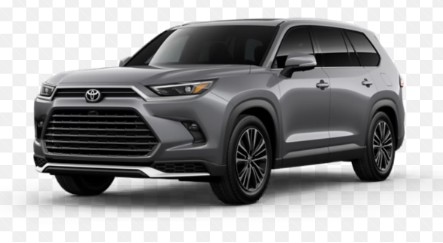
Toyota Grand Highlander Gas Type

Content in this publication
- Understanding the Fuel Requirements of the Toyota Grand Highlander
- Why Gas Type Matters More Than People Think
- What Gas Type Does the Toyota Grand Highlander Use?
- Toyota Grand Highlander 2.4L Turbo Gas Type
- Toyota Grand Highlander Hybrid Gas Type
- Toyota Grand Highlander Hybrid MAX Fuel Recommendation
- Regular vs Premium Gas in the Grand Highlander
- When Premium Fuel Actually Makes Sense
- Can You Use Regular Gas in a Premium-Recommended Model?
- Fuel Economy Expectations by Engine Type
- Does Gas Type Affect Fuel Economy?
- What Happens If You Use the Wrong Fuel?
- Does the Toyota Grand Highlander Require Top Tier Gas?
- Best Fueling Habits for Long-Term Reliability
- Cold Weather and Fuel Type
- Towing and Fuel Recommendations
- Is the Grand Highlander Expensive to Fuel?
- Hybrid vs Gas: Which Makes More Sense?
- How the Toyota Grand Highlander Compares to Rivals
- Common Myths About Premium Gas
- How Toyota Engineers Balance Power and Efficiency
- Should You Follow the Fuel Door or the Internet?
- Final Thoughts on Toyota Grand Highlander Gas Type
- FAQs
Understanding the Fuel Requirements of the Toyota Grand Highlander
When we shop for a family SUV, we often focus on horsepower, interior space, towing capacity, or technology. Yet one small detail can quietly shape the entire ownership experience: the gas type. The fuel you pour into your SUV is like the blood flowing through its veins. Put in the wrong kind repeatedly, and even the most refined engine can begin to lose its rhythm.
The Toyota Grand Highlander has quickly become one of the most talked-about three-row SUVs on the market. It blends practicality with upscale comfort while offering multiple powertrain choices. But many buyers still ask the same question: what gas type does the Toyota Grand Highlander use?
The answer depends on the engine configuration. Some trims are designed for regular unleaded gasoline, while others may perform better with premium fuel recommendations. Understanding the difference can save money, protect engine health, and improve long-term efficiency.
In this guide, we will explore everything about Toyota Grand Highlander gas type requirements, fuel grades, mileage expectations, engine compatibility, and smart fueling habits.
Why Gas Type Matters More Than People Think
Fuel is not just fuel anymore. Modern engines are engineered with precision, and octane levels influence combustion timing, efficiency, and overall performance.
Choosing the correct gas type can affect:
- Engine smoothness
- Fuel economy
- Acceleration
- Turbocharger performance
- Long-term reliability
- Emissions output
Think of it this way: using the wrong gasoline is like feeding an athlete fast food before a marathon. The body may still function, but not optimally.
What Gas Type Does the Toyota Grand Highlander Use?
Most versions of the Toyota Grand Highlander are designed to run on:
- Regular unleaded gasoline (87 octane)
However, the exact recommendation changes depending on the engine option.
Toyota offers multiple powertrains in the Grand Highlander lineup:
- Standard turbocharged gasoline engine
- Hybrid engine
- Hybrid MAX performance engine
Each has slightly different fuel expectations.
Toyota Grand Highlander 2.4L Turbo Gas Type
Regular Unleaded Is the Standard Choice
The standard 2.4-liter turbocharged engine generally uses:
- 87-octane regular unleaded gasoline
This is excellent news for families trying to reduce fuel expenses. Regular fuel is widely available and cheaper than premium grades.
Even though the engine includes turbocharging, Toyota engineered it to operate efficiently on standard fuel.
Yes, premium gasoline can still be used occasionally. However, it usually provides minimal benefit for daily driving in this engine configuration.
You may notice:
- Slightly smoother acceleration
- Marginal throttle improvement
- Tiny performance gains
But for most drivers, regular fuel remains the smartest value.
Toyota Grand Highlander Hybrid Gas Type
Hybrid Efficiency Meets Regular Fuel Convenience
The hybrid version also primarily uses:
- 87-octane regular unleaded gasoline
This setup is one of the strongest selling points of the hybrid model. Drivers receive improved fuel economy without needing expensive premium gas.
That combination feels like finding a luxury hotel charging budget motel prices.
Toyota Grand Highlander Hybrid MAX Fuel Recommendation
Performance-Oriented Engineering Changes the Conversation
The Hybrid MAX model is the powerhouse of the lineup. It delivers significantly more horsepower and stronger acceleration.
Because of the higher-performance tuning, some markets and trims may recommend:
- Premium unleaded gasoline (91 octane or higher)
This recommendation is usually intended to maximize:
- Turbo efficiency
- Engine responsiveness
- Peak horsepower
- Towing performance
However, Toyota may still allow regular unleaded under certain conditions. Owners should always verify the fuel recommendation inside the fuel door or owner’s manual.
What Is Octane Anyway?
Octane measures a fuel’s resistance to premature combustion.
Higher octane fuel:
- Burns more steadily
- Handles higher compression
- Supports turbocharged engines better
Lower octane fuel:
- Costs less
- Works perfectly in engines designed for it
- Is ideal for everyday commuting
Premium fuel may be worthwhile if:
- You frequently tow heavy loads
- You drive aggressively
- You live in mountainous regions
- You experience engine knocking
- You own the Hybrid MAX variant
Otherwise, many drivers may never notice a meaningful difference.
Modern Toyota Engines Are Smart
Many modern engines automatically adjust ignition timing when lower-octane fuel is detected.
That means the vehicle can often safely run on regular gasoline even if premium is recommended.
But there is a trade-off.
You might experience:
- Reduced power
- Lower efficiency
- Less responsive acceleration
It is similar to asking a professional sprinter to run while carrying a backpack. They can still move quickly, but not at their peak.
Fuel Economy Expectations by Engine Type
2.4L Turbo Gas Model
Typical fuel economy estimates may include:
- Around 21–24 MPG combined depending on drivetrain
Hybrid Model
Hybrid variants can achieve:
- Around 34–36 MPG combined
Hybrid MAX
The performance-oriented Hybrid MAX generally delivers:
- Around 26–27 MPG combined
Fuel quality, terrain, driving style, and climate all influence these numbers.
Does Gas Type Affect Fuel Economy?
Sometimes Yes, Sometimes No
In engines tuned specifically for regular fuel, premium gasoline usually does not improve fuel economy enough to justify the extra cost.
However, in high-performance turbocharged engines, premium fuel may:
- Improve combustion efficiency
- Reduce knock
- Allow optimal ignition timing
That can slightly improve MPG.
Still, the difference is often modest.
What Happens If You Use the Wrong Fuel?
Occasional Mistakes Usually Are Not Catastrophic
Using premium in a regular-fuel engine:
- Is generally harmless
- Usually wastes money
Using regular fuel in a premium-recommended engine:
- May reduce performance
- Could increase engine knock under stress
Modern Toyota vehicles have advanced sensors that help protect the engine, but consistently ignoring fuel recommendations is not ideal.
Does the Toyota Grand Highlander Require Top Tier Gas?
Toyota Strongly Encourages Quality Fuel
While not always mandatory, many experts recommend using Top Tier gasoline brands because they contain enhanced detergents.
Benefits include:
- Cleaner fuel injectors
- Reduced carbon buildup
- Better long-term engine cleanliness
Popular Top Tier brands often include:
- Shell
- Chevron
- Costco
- Exxon
- Mobil
A clean engine behaves like a well-maintained orchestra. Everything works together more smoothly.
Best Fueling Habits for Long-Term Reliability
Simple Habits Can Extend Engine Life
To keep the Toyota Grand Highlander running efficiently:
Avoid Frequently Running on Empty
Low fuel levels can:
- Overwork the fuel pump
- Pull sediment into the system
Use Fresh Fuel
Gasoline can degrade if stored too long.
Choose Busy Gas Stations
Stations with high turnover usually provide fresher fuel.
Tighten the Gas Cap Properly
A loose gas cap can trigger warning lights and evaporative emissions problems.
Cold Weather and Fuel Type
Winter Conditions Can Change Performance
In colder climates:
- Engines may require richer fuel mixtures
- Fuel economy often drops naturally
- Turbocharged engines may feel slightly different
Using the manufacturer-recommended octane becomes more important during harsh conditions.
Towing and Fuel Recommendations
Heavy Loads Increase Engine Stress
If you regularly tow:
- Boats
- Campers
- Trailers
Premium fuel may provide smoother performance in turbocharged versions.
The engine works harder under load, and higher octane can help prevent knocking during steep climbs or high-temperature driving.
Is the Grand Highlander Expensive to Fuel?
Not Compared to Many Large SUVs
One of the strongest advantages of the Toyota Grand Highlander is its balance between size and efficiency.
Compared to many full-size SUVs, it offers:
- Better fuel economy
- Lower annual fuel costs
- Hybrid savings opportunities
Families moving from older V6 SUVs may notice dramatic reductions at the pump.
Hybrid vs Gas: Which Makes More Sense?
The Answer Depends on Your Lifestyle
The gasoline model may be ideal if you:
- Drive fewer miles yearly
- Want lower upfront cost
- Prefer simpler maintenance expectations
The hybrid version may be better if you:
- Commute daily
- Spend time in city traffic
- Prioritize fuel savings
The Hybrid MAX fits buyers who want:
- Strong acceleration
- Towing capability
- Premium driving feel
Each version tells a different story, almost like choosing between three personalities wearing the same suit.
How the Toyota Grand Highlander Compares to Rivals
Fuel Flexibility Is a Competitive Advantage
Some rival turbocharged SUVs strongly require premium gasoline. Toyota’s approach is often more forgiving.
Competing SUVs may include:
- Honda Pilot
- Kia Telluride
- Hyundai Palisade
- Mazda CX-90
Toyota’s ability to combine turbocharging, hybrid technology, and regular fuel compatibility gives it a practical edge for cost-conscious families.
Not true. Engines designed for regular fuel rarely gain significant power from premium.
Cleaning additives depend more on fuel brand quality than octane level.
Most drivers see only tiny improvements, if any.
How Toyota Engineers Balance Power and Efficiency
Smart Engineering Is the Real Hero
Toyota has spent decades refining engine management systems.
The Grand Highlander demonstrates how modern SUVs can deliver:
- Turbocharged torque
- Hybrid efficiency
- Family practicality
- Fuel flexibility
It is like watching a heavyweight boxer dance with the grace of a ballet performer.
Should You Follow the Fuel Door or the Internet?
Always Trust Toyota First
Online forums can be helpful, but the official recommendation should always come from:
- The owner’s manual
- The fuel door label
- Toyota dealership guidance
Recommendations can vary by:
- Trim
- Country
- Engine
- Model year
Final Thoughts on Toyota Grand Highlander Gas Type
The Toyota Grand Highlander succeeds because it understands modern family needs. Buyers want comfort, efficiency, flexibility, and lower operating costs. Fuel compatibility plays a major role in that equation.
For most versions, regular 87-octane unleaded gasoline is perfectly suitable. That makes ownership simpler and more affordable. Hybrid variants continue this practicality by pairing excellent fuel economy with everyday fueling convenience.
Performance-focused models like the Hybrid MAX may benefit from premium fuel to unlock their full potential, especially under demanding driving conditions.
In the end, choosing the right gas type is less about chasing luxury and more about respecting the engineering beneath the hood. Feed the Grand Highlander the fuel it was designed for, and it will likely reward you with years of smooth, dependable driving.
FAQs
Most Toyota Grand Highlander models use regular 87-octane gasoline. Certain Hybrid MAX trims may recommend premium fuel for best performance.
Can I use 87 gas in the Grand Highlander Hybrid MAX?
In many cases, yes, but performance and efficiency may slightly decrease if premium fuel is recommended by Toyota.
Nothing harmful usually happens. The vehicle will run normally, but you may simply spend more money unnecessarily.
The improvement is generally minor unless the engine is specifically tuned for premium gasoline.
Which Toyota Grand Highlander gets the best gas mileage?
The standard hybrid model usually delivers the best fuel economy among the Grand Highlander lineup.
If you want to know other articles similar to Toyota Grand Highlander Gas Type you can visit the category Service and Parts.
Vauxhall Mokka Tyre Pressure Reset: Complete Guide
How to Reset the Tire Pressure System on Your Hyundai Tucson
Hyundai Kona Tire Pressure: Complete PSI Guide
Vauxhall Corsa Timing Belt Replacement Cost UK 2026
Mazda CX-5 Tire Size Chart: 2013–2026 Guide
How to Reset a Honda Civic: Complete Step-by-Step Guide
Leave a Reply
More content of your interest