

Vauxhall Corsa Problems: Common Faults, Reliability and Repair Costs

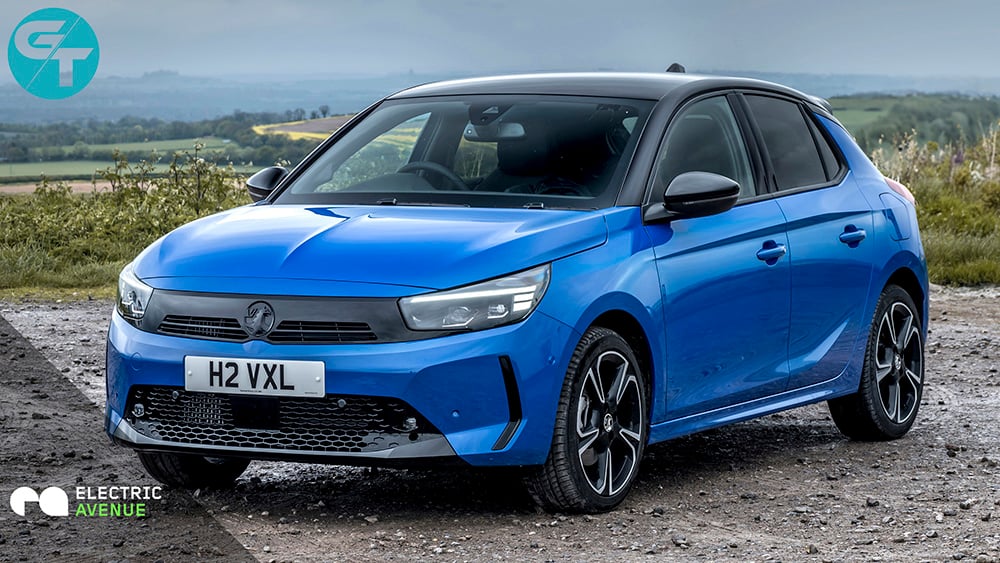
The Vauxhall Corsa has been one of Britain's favourite small cars for decades. Affordable, practical and relatively inexpensive to insure, it remains a popular choice among first-time drivers, commuters and anyone looking for an economical hatchback.
However, like any car, the Corsa has its weaknesses. Some generations are known for timing chain problems, electrical faults and gearbox issues, while newer models have introduced different concerns, including the well-documented 1.2 PureTech wet timing belt problem.
So, what are the most common Vauxhall Corsa problems, and which models should we avoid?
In this comprehensive guide, we'll explore the most frequently reported faults across different Corsa generations, explain the warning signs, estimate repair costs and help you decide whether a used Vauxhall Corsa is worth buying.
Content in this publication
- Are Vauxhall Corsas Reliable?
- Vauxhall Corsa Problems by Generation
- 1. Vauxhall Corsa Timing Chain Problems
- 2. Vauxhall Corsa 1.2 PureTech Wet Belt Problems
- 3. Vauxhall Corsa Engine Misfire Problems
- 4. Vauxhall Corsa Gearbox Problems
- 5. Vauxhall Corsa Clutch Problems
- 6. Vauxhall Corsa Electric Power Steering Problems
- 7. Vauxhall Corsa Electrical Problems
- 8. Vauxhall Corsa Cooling System Problems
- 9. Vauxhall Corsa Diesel Problems
- 10. Vauxhall Corsa Suspension Problems
- 11. Vauxhall Corsa Brake Problems
- 12. Vauxhall Corsa Air Conditioning and Heater Problems
- 13. Vauxhall Corsa Won't Start
- 14. Vauxhall Corsa-e and Corsa Electric Problems
- 15. Vauxhall Corsa Problems by Model Year
- 16. Vauxhall Corsa Repair Costs in the UK
- 17. Which Vauxhall Corsa Engine Is Most Reliable?
- 18. Vauxhall Corsa Years to Avoid
- 19. What to Check Before Buying a Used Vauxhall Corsa
- 20. How to Prevent Common Vauxhall Corsa Problems
- Frequently Asked Questions About Vauxhall Corsa Problems
- Conclusion: Should You Worry About Vauxhall Corsa Problems?
Are Vauxhall Corsas Reliable?
The Vauxhall Corsa offers reasonable reliability for an affordable supermini, although its dependability varies significantly depending on the generation, engine and maintenance history.
Some Corsas can comfortably exceed 100,000 miles with routine servicing, while neglected examples may develop expensive mechanical problems much earlier.
The biggest advantage is that replacement parts are widely available throughout the UK. Independent garages are also familiar with the model, which can help keep maintenance costs manageable.
However, there are several important weaknesses to consider:
- Timing chain wear on certain older petrol engines.
- Wet timing belt deterioration on some newer 1.2 PureTech engines.
- Electrical and central locking faults.
- Clutch wear and difficult gear changes.
- Easytronic automated gearbox failures.
- Electric power steering problems.
- Ignition coil and spark plug failures.
- Suspension and steering component wear.
- Diesel particulate filter blockages.
- Cooling system leaks and overheating.
Not every Corsa develops these faults. Nevertheless, understanding the potential problems can help us recognise warning signs before they become expensive repairs.
Vauxhall Corsa Problems by Generation
Before examining individual faults, it's important to understand the differences between Corsa generations.
| Generation | Production Years | Main Problems to Check |
|---|---|---|
| Corsa B | 1993–2000 | Timing belt components, electrical ageing, corrosion |
| Corsa C | 2000–2006 | Electric power steering, timing chain noise, wheel bearings |
| Corsa D | 2006–2014 | Timing chains, Easytronic gearbox, ignition coils |
| Corsa E | 2014–2019 | Electrical faults, clutch wear, timing chain rattles |
| Corsa F | 2019 onwards | PureTech wet belts, electronic glitches, engine-specific recalls |
These dates are approximate generation boundaries. Registration year alone does not always identify the exact engine fitted to a vehicle.
Importantly, a Corsa E and a Corsa F may have very different engine designs despite sharing the same model name.
1. Vauxhall Corsa Timing Chain Problems
Timing chain problems are among the best-known mechanical issues affecting older Vauxhall Corsa models.
Certain 1.0, 1.2 and 1.4-litre petrol engines found in the Corsa C, D and E use timing chains rather than traditional rubber timing belts.
A timing chain synchronises the movement of the crankshaft and camshafts, ensuring that the engine's valves open and close at the correct time.
Although timing chains are designed to be durable, they are not guaranteed to last indefinitely.
Symptoms of a Failing Timing Chain
We should pay particular attention to:
- Metallic rattling when starting the engine.
- Persistent ticking or rattling from the engine.
- Rough idling.
- Reduced acceleration.
- Engine management warning lights.
- Difficulty starting the vehicle.
- Timing-related diagnostic fault codes.
A brief noise immediately after a cold start does not automatically confirm chain failure. However, persistent rattling should always be investigated.
What Causes Timing Chain Problems?
Common contributing factors include:
- Worn timing chain tensioners.
- Deteriorated chain guides.
- Extended oil change intervals.
- Incorrect engine oil.
- Low engine oil levels.
- General wear at higher mileage.
Because some chain tensioners rely on engine oil pressure, poor lubrication can accelerate deterioration.
How Much Does Timing Chain Replacement Cost?
A typical Vauxhall Corsa timing chain replacement at an independent UK garage may cost approximately £500–£900, depending on the engine and work required.
If a chain slips or breaks and causes internal engine damage, the repair bill can be considerably higher.
We recommend investigating unusual chain noise rather than continuing to drive until the engine develops more serious problems.
2. Vauxhall Corsa 1.2 PureTech Wet Belt Problems
The 1.2 PureTech petrol engine fitted to many Corsa F models has attracted particular attention because of premature timing belt deterioration.
Unlike conventional engines where the timing belt operates outside the engine oil, certain PureTech engines use a wet timing belt that runs in oil.
This design was intended to improve efficiency and reduce friction.
Unfortunately, some belts have deteriorated prematurely, creating potentially serious lubrication problems.
Why Does the Wet Belt Fail?
As the belt degrades, small particles of rubber can enter the engine oil.
These particles may accumulate around the oil pickup strainer, restricting lubrication.
In severe cases, insufficient oil pressure can damage internal engine components.
Certain associated systems, including brake assistance components, may also be affected by contamination.
Warning Signs of Wet Belt Failure
Potential symptoms include:
- Low engine oil pressure warnings.
- Engine management lights.
- Excessive oil consumption.
- Engine running problems.
- Abnormal mechanical noises.
- Brake assistance warnings.
- Visible belt deterioration during inspection.
Some affected engines may show relatively few warning signs before a serious problem develops.
For this reason, service history and preventative inspection are particularly important.
Important: If the red oil pressure warning appears, stop safely, switch off the engine and seek professional assistance. Continuing to drive risks severe engine damage.
Which Vauxhall Corsas Have a Wet Belt?
Many non-hybrid Corsa F 1.2 PureTech petrol engines produced from 2019 into the early 2020s use a wet timing belt.
However, newer engine variants have transitioned to timing chains, including certain later mild-hybrid versions.
We should never assume the timing system solely from a vehicle's registration year.
The engine code or VIN should be checked with Vauxhall to confirm whether the car has a wet belt or timing chain.
Wet Belt Replacement Cost
Preventative replacement may cost approximately £500–£1,000, depending on the garage and additional work.
If belt debris has contaminated the lubrication system, cleaning and further repairs may be necessary.
Vauxhall also offers conditional extended support for certain previous-generation PureTech engine problems, including premature belt deterioration and excessive oil consumption.
Eligibility depends on the vehicle and its maintenance record. Owners should confirm the current terms directly with Vauxhall.
3. Vauxhall Corsa Engine Misfire Problems
Engine misfires are another issue reported by Corsa owners, particularly on older petrol models.
A misfire occurs when one or more cylinders fail to burn the air-fuel mixture correctly.
This can produce noticeable vibrations, hesitation and reduced performance.
Common Symptoms
Typical warning signs include:
- Rough engine idle.
- Jerking during acceleration.
- Poor throttle response.
- Increased fuel consumption.
- Difficulty starting.
- Flashing or steady engine management lights.
Common Causes
Possible causes include:
Faulty ignition coils: Coil packs can deteriorate with age and heat exposure, preventing spark plugs from operating correctly.
Worn spark plugs: Old or damaged spark plugs can cause incomplete combustion.
Fuel delivery problems: Faulty injectors or insufficient fuel pressure may create similar symptoms.
Air intake faults: Vacuum leaks or defective airflow sensors can affect the air-fuel mixture.
Mechanical problems: Low cylinder compression or incorrect valve timing can also cause misfires.
A diagnostic scan is often necessary to identify the actual cause.
Repair Costs
Replacing an ignition coil or coil pack commonly costs around £120–£300, depending on the engine.
Spark plug replacement is usually less expensive, although labour and component prices vary.
We recommend avoiding extended driving with a flashing engine management light, as an active misfire can damage the catalytic converter.
4. Vauxhall Corsa Gearbox Problems
Gearbox faults can affect both manual and automated Corsa models.
Although many manual gearboxes offer dependable service, some versions develop bearing noise, worn linkages or difficult gear selection.
Manual Gearbox Problems
Common symptoms include:
- Difficulty selecting first or reverse gear.
- Grinding during gear changes.
- Gear lever movement or excessive play.
- Whining noises that change with road speed.
- Gears unexpectedly disengaging.
Some six-speed gearbox applications, including certain higher-powered versions, have attracted reports of bearing wear.
However, gearbox design varies by engine and model year.
A noisy gearbox should be inspected before purchase because internal repairs can be expensive.
Easytronic Gearbox Problems
The Easytronic automated manual transmission is another potential concern.
Unlike a conventional automatic, Easytronic uses an electronically controlled clutch and gear-selection system.
Problems can include:
- Jerky gear changes.
- Delayed acceleration.
- Difficulty selecting gears.
- Transmission warning messages.
- Failure to engage drive.
- Clutch actuator faults.
Because faults can originate from the clutch, electronic controls or actuators, a proper diagnostic inspection is essential.
For drivers buying an older used Corsa, a well-maintained conventional manual gearbox may be a simpler and more economical option.
5. Vauxhall Corsa Clutch Problems
Clutch wear is particularly relevant to used Corsas because many have been driven in heavy urban traffic or used by inexperienced drivers.
Repeated stop-start journeys, excessive clutch slipping and poor driving habits can accelerate wear.
Signs of a Worn Clutch
We should look for:
- Engine revs increasing without matching acceleration.
- A high clutch biting point.
- Difficulty changing gears.
- Juddering when pulling away.
- Burning smells.
- A clutch pedal that sticks or fails to return.
Not every clutch symptom indicates a worn friction plate.
Hydraulic faults involving the master cylinder or slave cylinder can produce similar behaviour.
How Much Does a Corsa Clutch Cost?
A typical clutch replacement may cost approximately £450–£850 in the UK.
Prices vary depending on the engine, gearbox design and whether additional components need replacing.
Before buying a used Corsa, we recommend testing the clutch carefully and asking whether it has previously been replaced.
6. Vauxhall Corsa Electric Power Steering Problems
Electric power steering faults have affected some older Corsas, particularly the Corsa C and certain later models.
The electric assistance system reduces steering effort at low speeds, making the car easier to manoeuvre.
However, faults involving the steering motor, column electronics, torque sensor or related components can interfere with assistance.
Common Warning Signs
Symptoms may include:
- Steering suddenly becoming unusually heavy.
- A power steering warning light.
- Intermittent steering assistance.
- Uneven steering effort.
- Electrical fault codes.
A weak battery or charging system can sometimes contribute to steering-related electrical problems.
However, steering faults should never be dismissed as a simple battery issue without proper diagnosis.
Repair Costs
Electric steering column repairs or replacement can cost several hundred pounds.
Depending on the vehicle and repair method, bills may fall around £350–£800 or more.
If steering assistance becomes unreliable, the vehicle should be inspected immediately.
7. Vauxhall Corsa Electrical Problems
Electrical faults are frequently mentioned in discussions about older Corsa models.
These problems range from minor inconveniences to faults that prevent the vehicle from starting.
Common Electrical Issues
Reported symptoms include:
- Central locking not responding.
- Electric windows stopping unexpectedly.
- Dashboard warning lights.
- Infotainment screens freezing.
- Intermittent instrument cluster faults.
- Faulty switches.
- Boot release failures.
- Unreliable stop-start operation.
Before replacing expensive electronic modules, the battery, fuses, earth connections and wiring should be checked.
Vauxhall Corsa Central Locking Problems
A defective door lock actuator, damaged wiring or failing key fob may prevent the doors from locking correctly.
Sometimes the problem affects only one door.
In other cases, the complete central locking system behaves inconsistently.
We should test every door individually and confirm that both remote locking and manual unlocking work as intended.
Vauxhall Corsa Boot Not Opening
A faulty boot release switch is another complaint associated with some Corsa models.
Potential causes include:
- A worn release microswitch.
- Broken wiring.
- A defective latch.
- Central locking faults.
Replacing the correct failed component is usually more economical than changing the complete locking system unnecessarily.
8. Vauxhall Corsa Cooling System Problems
Cooling system faults can cause overheating, coolant loss and poor cabin heating.
Older Corsas may develop leaks around components such as the thermostat housing, coolant hoses or water pump.
Symptoms of Cooling System Problems
Warning signs include:
- Coolant level dropping repeatedly.
- Temperature warnings.
- Steam from the engine compartment.
- Sweet-smelling coolant.
- Visible puddles beneath the vehicle.
- Poor heater performance.
- Engine temperature fluctuating abnormally.
A coolant leak should never be ignored.
Continued overheating can damage the cylinder head, head gasket and other expensive engine components.
How to Diagnose Coolant Loss
When the engine is completely cold, we can inspect the coolant reservoir level and look for visible signs of leakage.
A qualified mechanic may perform a pressure test to identify leaks that are not immediately visible.
Never remove the coolant reservoir cap while the system is hot and pressurised.
Repair costs vary considerably depending on whether the fault involves a hose, thermostat, water pump or internal engine problem.
9. Vauxhall Corsa Diesel Problems
Diesel versions of the Corsa can offer economical fuel consumption, particularly for drivers covering longer distances.
However, diesel engines introduce additional maintenance considerations.
Diesel Particulate Filter Problems
The diesel particulate filter, or DPF, captures soot from exhaust gases.
Under suitable driving conditions, the system periodically regenerates to burn away accumulated particles.
Unfortunately, repeated short journeys can interrupt regeneration.
Symptoms of DPF problems include:
- Reduced engine power.
- DPF warning lights.
- Increased fuel consumption.
- Cooling fans operating after journeys.
- Engine management warnings.
- Limp mode.
A blocked DPF may require professional diagnosis, cleaning or replacement.
We should also check for related faults, such as defective sensors, that could be preventing normal regeneration.
EGR Valve Problems
The exhaust gas recirculation valve helps reduce nitrogen oxide emissions.
Carbon deposits can affect valve operation, potentially causing:
- Rough idling.
- Hesitation.
- Poor acceleration.
- Engine management warnings.
- Increased emissions.
Cleaning or replacing the EGR valve may be necessary, depending on the severity of the fault.
Diesel Timing Chain Concerns
Certain newer 1.5-litre diesel engines have also been subject to campaigns concerning premature camshaft drive chain wear.
This is a different issue from the older petrol timing chain problems and the PureTech wet timing belt.
Owners should check recall and manufacturer records using the vehicle's VIN.
10. Vauxhall Corsa Suspension Problems
Suspension wear is particularly relevant to older Corsas driven regularly over potholes, speed bumps and uneven roads.
Common wear items include:
- Anti-roll bar drop links.
- Suspension bushes.
- Shock absorbers.
- Coil springs.
- Top mounts.
- Ball joints.
Symptoms of Worn Suspension
Look for:
- Knocking over bumps.
- Excessive bouncing.
- Uneven tyre wear.
- Loose or imprecise handling.
- Steering vibration.
- Unusual noises when turning.
Some suspension noises are relatively inexpensive to resolve.
However, faults involving major components can become costly if several parts require replacement.
A careful suspension inspection is especially important when purchasing an older, high-mileage Corsa.
11. Vauxhall Corsa Brake Problems
Like many small cars used primarily in urban environments, the Corsa can suffer from brake wear and corrosion.
Short journeys and extended periods of inactivity can contribute to surface rust on brake discs.
Other potential problems include sticking calipers, worn pads and parking brake faults.
Brake Warning Signs
We should investigate:
- Grinding or squealing.
- Steering vibration while braking.
- A soft brake pedal.
- The vehicle pulling to one side.
- Reduced braking performance.
- Brake warning lights.
Worn discs and pads are normal maintenance items.
However, a persistent brake warning or reduced braking assistance requires immediate attention.
Some Corsa generations have also been subject to safety recalls involving braking or parking brake components.
12. Vauxhall Corsa Air Conditioning and Heater Problems
Climate control problems can make everyday driving uncomfortable, especially during winter.
Older Corsa models may develop faults involving the blower motor, resistor, thermostat or air conditioning system.
Heater Blower Not Working
A failed blower resistor can cause the fan to operate only at certain speeds.
Other possible causes include:
- A defective blower motor.
- Damaged wiring.
- Faulty controls.
- A blown fuse.
Air Conditioning Not Cold
If the air conditioning blows warm air, possible causes include low refrigerant, a leak, a failed compressor or an electrical fault.
Simply refilling refrigerant without locating an existing leak may provide only a temporary improvement.
We recommend identifying the underlying problem before paying for repeated regassing.
13. Vauxhall Corsa Won't Start
Starting problems can result from electrical faults, fuel delivery issues or mechanical failures.
The symptoms often help narrow down the likely cause.
Engine Does Not Crank
If the starter motor does not turn the engine, possible causes include:
- Flat or weak battery.
- Poor battery terminal connections.
- Defective starter motor.
- Immobiliser problems.
- Faulty ignition switch.
- Electrical supply issues.
Engine Cranks but Won't Start
If the engine turns over normally but fails to start, potential causes include:
- Ignition system faults.
- Fuel pump problems.
- Crankshaft position sensor failure.
- Incorrect engine timing.
- Fuel pressure problems.
Repeatedly attempting to start an engine with suspected timing or lubrication faults can make the damage worse.
Accurate diagnostics are usually more effective than replacing multiple components based on guesswork.
14. Vauxhall Corsa-e and Corsa Electric Problems
The fully electric Corsa uses a different powertrain from petrol and diesel models.
This eliminates several conventional engine-related concerns, including timing belts, spark plugs and diesel particulate filters.
However, electric versions have their own potential faults.
Charging Problems
Some owners have experienced interruptions during charging or warning messages associated with the charging system.
Possible causes include:
- Charging cable faults.
- Problems with the charging station.
- Software errors.
- On-board charger faults.
- Electrical control system problems.
We should test charging functionality before buying a used Corsa Electric, ideally using the charging methods the vehicle supports.
12-Volt Battery Problems
Electric vehicles still use a conventional low-voltage battery to support essential systems.
A weak 12-volt battery can cause unusual electrical symptoms and may prevent the vehicle from becoming ready to drive.
Battery Health
For a used electric Corsa, battery condition deserves particular attention.
We recommend checking:
- Battery state of health.
- Remaining manufacturer warranty.
- Charging performance.
- Previous service history.
- Reported warning messages.
- Evidence of completed recalls and software updates.
A professional battery health assessment can provide more valuable information than relying solely on the displayed driving range.
15. Vauxhall Corsa Problems by Model Year
Although individual condition matters more than registration year, different periods are associated with different mechanical designs.
Vauxhall Corsa 2006–2010 Problems
Early Corsa D models deserve inspection for:
- Timing chain noise.
- Electric steering issues.
- Easytronic transmission faults.
- Electrical problems.
- Age-related suspension wear.
At this age, previous maintenance and corrosion are especially important.
Vauxhall Corsa 2011–2014 Problems
Later Corsa D models may experience:
- Ignition coil failures.
- Clutch wear.
- Gearbox noise.
- Cooling system leaks.
- Timing chain deterioration.
A well-maintained example can still make an affordable first car.
Vauxhall Corsa 2015–2019 Problems
Corsa E models introduced updated styling, equipment and engine options.
Areas to inspect include:
- Electrical systems.
- Timing chain noise.
- Ignition components.
- Clutch operation.
- Gear selection.
- Suspension condition.
Certain vehicles were also affected by safety recalls, so confirmation that the relevant work has been completed is important.
Vauxhall Corsa 2020–2023 Problems
Early Corsa F models require particular attention to:
- PureTech wet timing belt condition.
- Engine oil consumption.
- Electronic warning messages.
- Infotainment glitches.
- Stop-start performance.
- Engine-specific recall campaigns.
For petrol models, verifying the exact timing system and service history should be a priority.
Vauxhall Corsa 2024–2026 Problems
Later Corsas benefit from ongoing changes in engine technology and electronic systems.
Certain newer petrol hybrid versions use a timing chain rather than the earlier wet belt design.
Nevertheless, we should still inspect software operation, safety recalls, battery condition, steering, brakes and general maintenance history.
Newer does not automatically mean fault-free.
16. Vauxhall Corsa Repair Costs in the UK
The following table provides approximate costs for common repairs at independent UK garages.
| Problem | Estimated Repair Cost |
|---|---|
| Timing chain replacement | £500–£900 |
| PureTech wet belt replacement | £500–£1,000 |
| Ignition coil replacement | £120–£300 |
| Clutch replacement | £450–£850 |
| Electric power steering repairs | £350–£800+ |
| Electrical diagnostics | £50–£100 |
| Cooling system repairs | £100–£400+ |
| DPF cleaning or replacement | £250–£1,000+ |
| Suspension link replacement | £80–£200 |
| Replacement 12V battery | £100–£250 |
These figures are indicative rather than guaranteed quotations.
Actual costs depend on the engine, location, labour rates, parts availability and severity of the problem.
Major engine or transmission failures can cost substantially more.
17. Which Vauxhall Corsa Engine Is Most Reliable?
Choosing the right engine is one of the most important decisions when buying a used Corsa.
1.2-Litre Petrol
Older Vauxhall-developed 1.2-litre petrol engines are relatively straightforward and suitable for town driving.
Their main concerns include timing chain wear, ignition faults and age-related oil consumption.
A well-maintained example can provide economical transport.
However, the older 1.2 engines should not be confused with the later 1.2 PureTech family.
1.4-Litre Petrol
The naturally aspirated 1.4-litre petrol engine fitted to certain Corsa D and E models is worth considering.
It generally provides a reasonable balance between performance, simplicity and running costs.
We would still inspect the timing chain, ignition system and cooling components carefully.
1.0-Litre Turbo Petrol
The turbocharged 1.0-litre engines offered in certain Corsa E versions provide better flexibility than some older naturally aspirated engines.
However, buyers should pay attention to maintenance history, chain-related noises and turbocharged-engine servicing requirements.
1.2 PureTech Petrol
The 1.2 PureTech provides decent performance and fuel efficiency.
However, early wet-belt versions require especially careful inspection and evidence of correct maintenance.
Later chain-driven variants avoid the specific wet timing belt issue, although they still require regular servicing.
Diesel Engines
Diesels can make sense for drivers regularly covering longer journeys.
However, they are generally less attractive for repeated short trips because of potential DPF and emissions-system problems.
Which Would We Choose?
For an affordable older used Corsa, a well-maintained Corsa E 1.4 naturally aspirated petrol with a manual gearbox is a sensible option.
For a newer model, we would prioritise documented maintenance and confirmation of the exact engine generation rather than choosing solely by registration year.
18. Vauxhall Corsa Years to Avoid
It would be misleading to say that every Corsa manufactured in a particular year is unreliable.
Nevertheless, some configurations deserve greater caution.
We would be particularly careful with:
- Older petrol Corsas with persistent timing chain rattles.
- Easytronic models showing jerky changes or transmission warnings.
- Six-speed manual examples with significant bearing noise.
- Early PureTech wet-belt engines without a complete maintenance record.
- Diesel Corsas used almost exclusively for very short journeys.
- Any vehicle with unresolved safety recalls.
- High-mileage examples with missing service records.
The most important rule is simple: a well-maintained Corsa is usually a better purchase than a newer example with an uncertain history.
19. What to Check Before Buying a Used Vauxhall Corsa
A careful inspection can prevent unexpected repair bills.
We recommend following these steps.
Check the Engine from Cold
Ask the seller not to start the car before you arrive.
A cold start can reveal timing chain rattles, rough idling and other problems that may be less obvious once the engine warms up.
Listen carefully for unusual noises.
Inspect the Service History
Look for evidence of regular oil changes, filters, spark plugs and other scheduled maintenance.
For a PureTech wet-belt engine, confirm that the correct oil specification was used and that applicable timing belt inspections or replacements have been completed.
Test the Gearbox
Check that every gear engages smoothly.
Listen for whining, grinding or unusual noises.
Automatic or automated transmissions should be tested during low-speed manoeuvres and normal acceleration.
Examine the Dashboard
Warning lights should illuminate appropriately during the ignition self-check and then extinguish as expected.
Persistent engine, steering, braking or oil pressure warnings require investigation.
Check the Electrical Equipment
Test the central locking, windows, lights, infotainment system, heating and air conditioning.
Even small faults can become inconvenient or expensive if several components need repairing.
Review the MOT History
Check the official MOT history using the registration number.
Pay particular attention to recurring advisories involving suspension, brakes, corrosion and tyres.
Repeated problems may suggest that maintenance has been postponed.
Verify Recall Work
Use the official UK vehicle recall checking service and ask Vauxhall to confirm outstanding manufacturer campaigns against the VIN.
A vehicle may be affected by a recall even if it appears to operate normally.
Arrange a Professional Inspection
When buying privately or purchasing an older high-mileage car, an independent pre-purchase inspection can be worthwhile.
It may reveal faults that are difficult to identify during a short test drive.
20. How to Prevent Common Vauxhall Corsa Problems
Preventative maintenance is one of the best ways to improve reliability.
Here are some sensible habits.
Change the engine oil on time. Follow the manufacturer's applicable maintenance schedule and use the precise oil approval required for the engine.
Check the oil level regularly. This is particularly important on older engines or vehicles with a history of oil consumption.
Investigate unusual noises early. Timing chain rattles, gearbox whining and suspension knocking should not be ignored.
Maintain the cooling system. Check coolant levels when the engine is cold and repair leaks promptly.
Avoid unnecessary clutch wear. Do not hold the car on hills using the clutch.
Use diesel vehicles appropriately. Regular longer journeys can help support normal DPF regeneration, provided the emissions system is functioning correctly.
Keep battery and electrical connections in good condition. Low voltage can contribute to multiple warning messages.
Address recall notices promptly. Manufacturer safety campaigns should be completed when applicable.
By staying on top of routine maintenance, we can reduce the likelihood of minor problems developing into serious mechanical failures.
Frequently Asked Questions About Vauxhall Corsa Problems
1. What Is the Most Common Problem With a Vauxhall Corsa?
There is no single fault that affects every generation. Older Corsa models are associated with timing chain rattles, ignition coil failures, electrical faults and clutch wear. Certain newer Corsa F petrol engines have experienced premature wet timing belt deterioration.
The most relevant problem depends on the engine, model year and maintenance history.
2. Is the Vauxhall Corsa a Reliable Car?
The Vauxhall Corsa can be reasonably reliable when properly maintained, particularly because repairs and replacement parts are widely available in the UK.
However, reliability varies by engine and generation. Buyers should prioritise service history, mechanical condition and documented repairs rather than assuming every Corsa offers the same dependability.
3. How Many Miles Can a Vauxhall Corsa Last?
A well-maintained Vauxhall Corsa can exceed 100,000 miles, and some examples reach 150,000 miles or more.
However, mileage alone does not determine reliability.
A lower-mileage car with neglected oil changes may be less dependable than a higher-mileage example with comprehensive maintenance records.
4. Which Vauxhall Corsa Engine Should I Avoid?
We would approach any engine with unresolved mechanical problems or incomplete service history cautiously.
Particular care is needed with older engines showing persistent timing chain noise and early 1.2 PureTech wet-belt engines without evidence of appropriate servicing and belt inspections.
No engine should be rejected solely because of its name without checking its specific condition.
5. Is Buying a Used Vauxhall Corsa Worth It?
Yes, a used Vauxhall Corsa can offer excellent value for drivers who want affordable everyday transport.
Its compact dimensions, widely available replacement parts and relatively modest running costs make it appealing.
However, we recommend choosing a mechanically sound example with a complete service history, a satisfactory inspection and no unresolved safety recalls.
Conclusion: Should You Worry About Vauxhall Corsa Problems?
The Vauxhall Corsa remains a practical and affordable small car, but understanding its common faults is essential before buying one.
Older generations can develop timing chain issues, electrical problems, clutch wear and steering faults. Newer models offer improved technology and refinement but may introduce different risks, particularly the wet timing belt fitted to certain 1.2 PureTech engines.
The good news is that many common Vauxhall Corsa problems can be identified through a careful inspection, a proper test drive and a review of the maintenance records.
For budget-conscious buyers, a well-serviced Corsa E with a naturally aspirated petrol engine and manual gearbox can be a sensible choice. Drivers considering a Corsa F should pay especially close attention to the exact engine configuration and its service history.
Ultimately, the best Vauxhall Corsa is not necessarily the newest or cheapest. It's the one with the right engine, documented maintenance and a clean mechanical bill of health.
By knowing what to check, we can enjoy the Corsa's affordability and practicality while reducing the risk of expensive surprises.
If you want to know other articles similar to Vauxhall Corsa Problems: Common Faults, Reliability and Repair Costs you can visit the category Common Problems.
Volvo XC40 Sound Not Working? Complete Troubleshooting Guide

Mazda Diesel Engine Problems: Common Faults and Fixes

Volkswagen Key Not Detected or No Key Error: Causes and Fixes
Volvo S90 Common Problems: Reliability & Repair Guide
Volvo S90 No Sound: Causes, Fixes and Solutions

Nissan Rogue Smells Like Gas: Causes and Fixes
Leave a Reply
More content of your interest