

Vauxhall Crossland Configurations: The Complete Buyer’s Guide

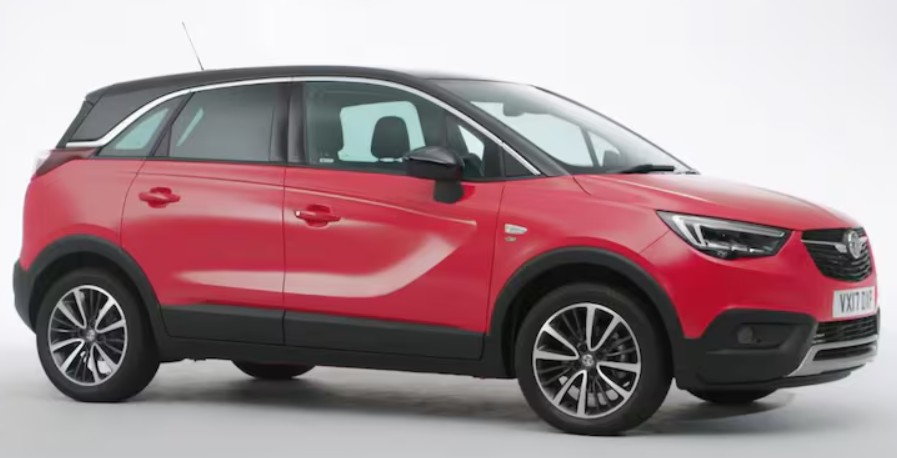
When we talk about compact SUVs that blend practicality with personality, the Vauxhall Crossland quietly earns its place. It’s not flashy in a “look at me” way—but it’s clever, adaptable, and surprisingly versatile once you dig into its configurations.
So, what exactly can we configure? Trim levels, engines, gearboxes, interior features… the Crossland isn’t just one car—it’s a flexible toolkit on wheels.
Let’s break it down like real car buyers—not brochure readers.
Content in this publication
- Understanding the Vauxhall Crossland Lineup
- Evolution of the Crossland Range
- Trim Levels Explained
- Engine Configurations: What Powers the Crossland?
- Manual vs Automatic: Which Transmission Fits You?
- Exterior Configuration Options
- Interior Configurations
- Technology and Safety Packages
- Optional Packages Worth Considering
- Fuel Economy Across Configurations
- Driving Experience Based on Configuration
- Comparing Configurations: Which One Should You Choose?
- Used vs New Configurations
- Common Mistakes When Choosing Configurations
- Is the Crossland Customizable Enough?
- Closing Thoughts: Building Your Ideal Crossland
- FAQs
Understanding the Vauxhall Crossland Lineup
What Do We Mean by “Configurations”?
Configurations refer to how the Crossland can be tailored:
- Trim levels (Edition, GS, Ultimate)
- Engine choices (petrol, diesel)
- Transmission (manual vs automatic)
- Optional packages and features
Think of it like building your perfect coffee: same base, but wildly different outcomes depending on what you add.
Evolution of the Crossland Range


From Crossland X to Crossland
Originally launched as the Crossland X, the model was later simplified to just “Crossland.” Why?
- Cleaner branding
- Alignment with Vauxhall’s newer design language
- Introduction of the bold Vizor front grille
Why This Matters for Configurations
Older models may have:
- Different trims (SE, Elite, SRi)
- Slightly different engine options
So when configuring, always check the model year—it changes everything.
Trim Levels Explained
Entry-Level: Edition
What You Get
- LED headlights
- 16-inch alloy wheels
- Basic infotainment system
- Lane assist and safety tech
Who It’s For
If we’re honest, this is the “no-frills, all-function” option. Ideal for:
You may be interested in reading Vauxhall Crossland vs Crossland X: What Really Changed and Which Should You Choose?
- Budget-conscious buyers
- Fleet use
- First-time SUV owners
Mid-Range: GS


What Changes
- Sportier styling (black roof, contrast details)
- Larger alloys (17-inch)
- Upgraded infotainment with smartphone connectivity
- Heated seats (optional)
Why It’s Popular
This is the sweet spot. Not too basic, not too expensive—like ordering medium spice and getting it just right.
Top Trim: Ultimate
Premium Features
- Heated steering wheel
- Advanced driver assistance systems
- 180-degree rear camera
- Dual-zone climate control
- AGR-certified ergonomic seats
The Experience
This is where the Crossland stops feeling “budget SUV” and starts feeling “smart premium.”
Engine Configurations: What Powers the Crossland?
Petrol Engines
1.2 Turbo (Most Common Choice)
- Power outputs: 110–130 hp
- Smooth, efficient, and city-friendly
Why we like it:
It’s the engine that fits most lifestyles—responsive enough, economical enough.
Diesel Option (Older Models)
- 1.5 Turbo D engine
- Excellent fuel economy
- Great for long-distance drivers
Reality check: Diesel is fading in newer configurations, but still relevant in used markets.
Manual vs Automatic: Which Transmission Fits You?
Manual Gearbox
- More control
- Better fuel efficiency
- Lower cost
Automatic (6-speed)
- Easier in traffic
- Smoother driving experience
- Slightly higher price
Our take: If your daily drive involves traffic, automatic is a sanity saver.
Exterior Configuration Options


Color Choices
- Solid colors (white, grey)
- Metallic finishes
- Two-tone options with black roof
Wheels and Styling
- 16” to 17” alloy wheels
- Roof rails (optional)
- Chrome or black accents depending on trim
Interior Configurations
Infotainment Systems
- 7-inch touchscreen (standard)
- Apple CarPlay & Android Auto
- Navigation (higher trims)
Seating Options
- Standard cloth seats
- Heated seats
- AGR ergonomic seats (Ultimate trim)
Space and Flexibility
- Sliding rear seats (select trims)
- Adjustable boot capacity
Technology and Safety Packages
Standard Safety Features
- Lane departure warning
- Automatic emergency braking
- Traffic sign recognition
Advanced Driver Assistance
- Blind spot monitoring
- Rear-view camera
- Parking sensors
Optional Packages Worth Considering
Winter Pack
- Heated seats
- Heated steering wheel
Tech Pack
- Enhanced infotainment
- Navigation system
- Smartphone integration upgrades
Parking Pack
- 180-degree camera
- Front and rear sensors
Fuel Economy Across Configurations
Petrol Efficiency
- Around 45–55 mpg (UK combined)
Diesel Efficiency
- Up to 60–65 mpg
Translation: The Crossland is built for efficiency, not speed thrills.
Driving Experience Based on Configuration
Urban Driving
- Light steering
- Compact size
- Easy parking
Highway Driving
- Stable but not sporty
- Comfortable ride quality
What Changes with Configurations?
- Bigger wheels = slightly firmer ride
- Automatic = smoother but less engaging
Comparing Configurations: Which One Should You Choose?
Best Budget Setup
- Edition trim
- Manual gearbox
- 1.2 petrol engine
Best Value Setup
- GS trim
- 1.2 Turbo (130 hp)
- Optional Tech Pack
- Ultimate trim
- Automatic gearbox
- Full options
Used vs New Configurations
Buying Used
- More engine options (including diesel)
- Lower price
- Older trims available
Buying New
- Latest tech
- Better fuel efficiency
- Updated design
Common Mistakes When Choosing Configurations
- Choosing base trim and missing key features
- Ignoring engine power needs
- Skipping optional packages that matter daily
Rule of thumb: Configure for your lifestyle—not just your budget.
Is the Crossland Customizable Enough?
Short answer? Yes.
Long answer? It depends on how picky we are. Compared to rivals, it offers:
You may be interested in readingVauxhall Crossland vs Crossland X: What Really Changed and Which Should You Choose?You may be interested in reading
Vauxhall Crossland vs Peugeot 2008: The Ultimate Compact SUV Showdown- Solid trim variety
- Sensible engine options
- Practical feature packages
But it’s not a luxury configurator playground—it’s more about smart choices than endless choices.
Closing Thoughts: Building Your Ideal Crossland
Choosing the right configuration for the Vauxhall Crossland is like tuning an instrument. The base notes are solid—but the magic comes from how we adjust the details.
If we’re honest, the best configuration isn’t the most expensive one—it’s the one that quietly fits into our daily life without friction.
So ask yourself:
- Do we drive mostly in the city?
- Do we value comfort over sportiness?
- Do we want simplicity—or features?
Answer those, and the perfect Crossland builds itself.
FAQs
1. What is the best Vauxhall Crossland configuration?
The GS trim with the 1.2 Turbo engine offers the best balance of price, features, and performance.
2. Does the Crossland come in automatic?
Yes, select petrol engines offer a 6-speed automatic gearbox.
3. Which trim has heated seats?
Heated seats are available in GS (optional) and standard in Ultimate trim.
4. Is diesel still available in Crossland configurations?
Mostly in older models or used markets, as newer versions focus on petrol engines.
You may be interested in readingVauxhall Crossland vs Crossland X: What Really Changed and Which Should You Choose?You may be interested in reading
Vauxhall Crossland vs Peugeot 2008: The Ultimate Compact SUV ShowdownYou may be interested in reading
Vauxhall Crossland vs Nissan Qashqai: Which SUV Truly Fits Your Life?5. Can I customize the Crossland extensively?
You can choose trims, engines, and packages—but customization is practical rather than luxury-level.
If you want to know other articles similar to Vauxhall Crossland Configurations: The Complete Buyer’s Guide you can visit the category Models.
Nissan Rogue Dark Armor vs Platinum: Which Trim Is Better?

Kia Sorento Models: Complete Guide to Trims, Engines and Versions
BYD Shark 6 vs Ranger vs HiLux: Which Ute Makes the Most Sense in 2026?
BYD Shark 6 vs MG U9: Which Ute Makes More Sense in 2026?
BYD Shark 6 vs Ford Ranger Raptor: Which Performance Ute Is Better in 2026?
BYD Shark 6 vs Kia Tasman: Which Ute Is Better?
Leave a Reply
More content of your interest