

Vauxhall Insignia Years to Avoid: Models That Can Cost You More Than You Expect

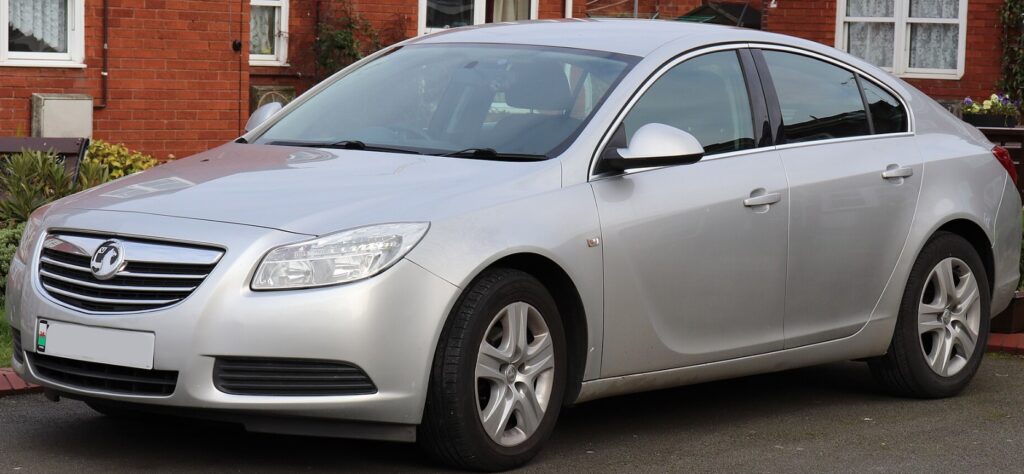
Buying a used Vauxhall Insignia can be a smart financial decision. The car offers generous interior space, comfortable motorway cruising, efficient diesel engines, and plenty of technology for a fraction of its original price. However, not every Insignia is created equal. Some model years have developed a reputation for expensive mechanical failures, electrical gremlins, and reliability concerns that can quickly turn an affordable purchase into a costly mistake.
If you're considering buying a used Insignia, knowing which years deserve extra caution is just as important as finding one with low mileage. While regular maintenance always plays a huge role in reliability, certain production years consistently appear in owner forums, reliability surveys, and independent mechanic reports for recurring issues.
In this guide, we'll explore the Vauxhall Insignia years to avoid, explain why they developed poor reputations, and help you identify the best alternatives so you can purchase with confidence.
Content in this publication
Why Some Vauxhall Insignia Model Years Have More Problems
No manufacturer builds a perfect car. During the first years of production, automakers often discover weaknesses only after thousands of vehicles have accumulated real-world mileage.
The Vauxhall Insignia is no exception.
Introduced in 2008 as the replacement for the Vectra, the Insignia arrived with fresh styling, modern technology, and an extensive range of petrol and diesel engines. Although it received praise for comfort and safety, early production models experienced numerous teething problems that affected reliability.
These issues included:
- Timing chain failures
- Turbocharger problems
- Diesel particulate filter (DPF) blockages
- Electrical faults
- Dual-mass flywheel wear
- Clutch failures
- EGR valve issues
- Oil leaks
- Water ingress
- Suspension wear
Many of these problems became less common after Vauxhall updated components during later production years.
Vauxhall Insignia Years to Avoid
Although every used vehicle should be inspected individually, several years deserve extra scrutiny.
2009 Vauxhall Insignia
The first full production year is generally considered the least reliable.
Being an all-new model meant many components were still being refined, and owners quickly reported numerous recurring faults.
Common complaints include:
- Timing chain stretching
- Electrical glitches
- DPF failures
- Turbocharger wear
- Clutch problems
- Water leaks
- Faulty sensors
- ECU issues
Many diesel models also struggled with blocked DPF systems, particularly when driven mainly around town.
Repair bills often exceeded the value of higher-mileage vehicles.
2010 Vauxhall Insignia
Unfortunately, the second production year didn't eliminate every issue.
Although Vauxhall introduced software updates and improved several components, many owners still experienced:
- Turbocharger failures
- EGR valve faults
- Oil consumption
- Steering rack problems
- Gearbox issues
- Injector failures
Diesel engines remained the most problematic, especially the 2.0 CDTi that wasn't serviced according to schedule.
Regular oil changes became critical for extending turbocharger life.
You may be interested in reading Vauxhall Insignia vs Astra: Which One Makes More Sense for Real Drivers?
2011 Vauxhall Insignia
Reliability improved slightly, but the 2011 model still appears regularly in owner complaints.
The biggest concerns include:
- Dual-mass flywheel wear
- Clutch replacement
- Electrical faults
- DPF regeneration problems
- Glow plug failures
- Suspension knocking noises
Cars used primarily for short journeys frequently developed expensive emissions-related repairs.
Years That Need Careful Inspection Rather Than Avoidance
Not every Insignia built after 2011 is trouble-free.
Some years simply require a more thorough inspection before buying.
2012 Models
By 2012 many manufacturing issues had been addressed, yet buyers should still inspect for:
- Full service history
- Evidence of DPF regeneration
- Timing chain noise
- Turbo performance
- Oil leaks
- Suspension wear
A properly maintained 2012 model can easily prove more reliable than a neglected 2016 example.
Maintenance history often matters more than the registration year.
2013 Facelift Models
The facelift introduced significant improvements.
Updated styling wasn't the only change.
Vauxhall also improved:
- Engine software
- Interior quality
- Suspension tuning
- Infotainment systems
- Reliability of several electronic modules
However, diesel engines can still suffer if servicing has been ignored.
The facelift reduced many complaints but didn't completely eliminate wear-related issues.
Most Common Problems Found in Early Insignias
Understanding recurring faults helps identify potential warning signs during a viewing.
Timing Chain Problems
One of the most expensive issues affects certain petrol engines.
Symptoms include:
- Rattling during cold starts
- Engine warning lights
- Poor performance
- Rough idling
Ignoring timing chain noise can eventually lead to catastrophic engine damage.
Early diagnosis often saves thousands in repair costs.
You may be interested in readingVauxhall Insignia vs Astra: Which One Makes More Sense for Real Drivers?You may be interested in reading
Vauxhall Insignia vs Ford Mondeo: Which Used Family Car Makes More Sense?Turbocharger Failure
Turbo problems are particularly common on poorly maintained diesel engines.
Typical symptoms include:
- Whining noises
- Blue smoke
- Loss of power
- Increased oil consumption
Many failures are linked to extended oil change intervals.
Fresh oil acts like the turbo's lifeblood.
Neglect it, and the turbo may fail prematurely.
Diesel Particulate Filter (DPF) Issues
The DPF acts like a filter that traps soot before it exits the exhaust.
It needs regular regeneration to clean itself.
Short urban journeys prevent this process from completing.
Eventually drivers notice:
- Warning lights
- Limp mode
- Poor acceleration
- Increased fuel consumption
Many expensive DPF replacements could have been avoided with regular motorway driving.
Electrical Faults
Early Insignias introduced more electronic systems than previous Vauxhall models.
Unfortunately, more electronics also meant more opportunities for faults.
Owners have reported:
- Dashboard warning lights
- Parking sensor failures
- Infotainment glitches
- Window regulator problems
- Battery drain
- Keyless entry faults
While many are relatively inexpensive to repair, diagnosing electrical issues can become time-consuming.
Clutch and Dual-Mass Flywheel Wear
Manual diesel Insignias often experience premature clutch wear.
The dual-mass flywheel absorbs engine vibration but eventually wears out.
Warning signs include:
- Juddering
- Vibrations
- Difficulty changing gears
- Rattling noises
- Slipping clutch
Replacing both components together can represent one of the largest maintenance costs on a high-mileage Insignia.
You may be interested in readingVauxhall Insignia vs Astra: Which One Makes More Sense for Real Drivers?You may be interested in reading
Vauxhall Insignia vs Ford Mondeo: Which Used Family Car Makes More Sense?You may be interested in reading
Vauxhall Insignia vs Skoda Octavia: Which Family Car Makes More Sense?If you want to know other articles similar to Vauxhall Insignia Years to Avoid: Models That Can Cost You More Than You Expect you can visit the category Models.
Nissan Rogue Dark Armor vs Platinum: Which Trim Is Better?

Kia Sorento Models: Complete Guide to Trims, Engines and Versions
BYD Shark 6 vs Ranger vs HiLux: Which Ute Makes the Most Sense in 2026?
BYD Shark 6 vs MG U9: Which Ute Makes More Sense in 2026?
BYD Shark 6 vs Ford Ranger Raptor: Which Performance Ute Is Better in 2026?
BYD Shark 6 vs Kia Tasman: Which Ute Is Better?
Leave a Reply
More content of your interest